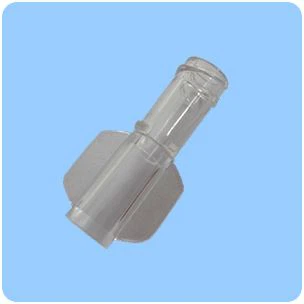
Injection Molding: Precision Plastic Manufacturing

application/injection-molding, application/injection-molding, 
Get a Quote
Get a Quote

injection molding

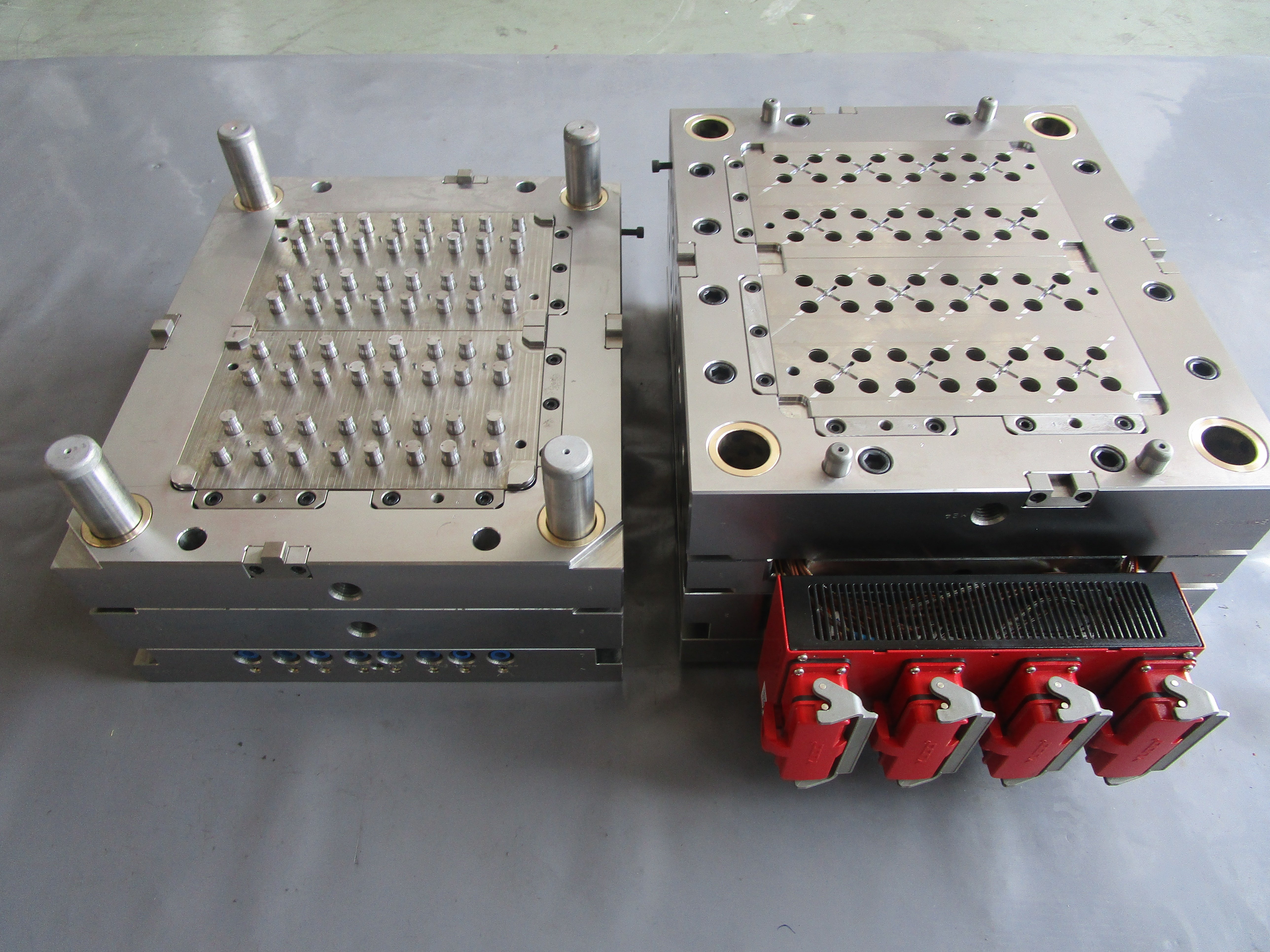
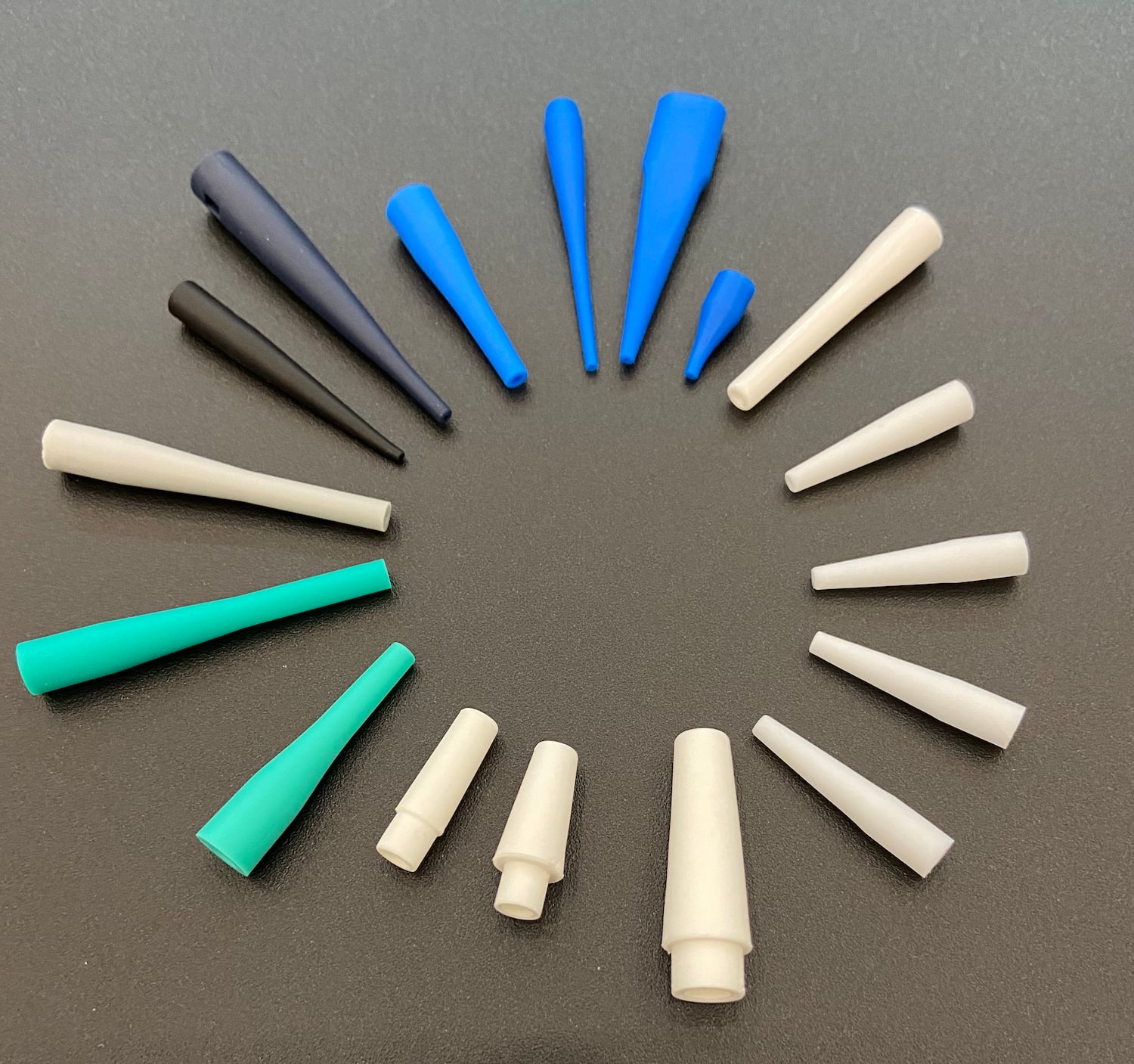
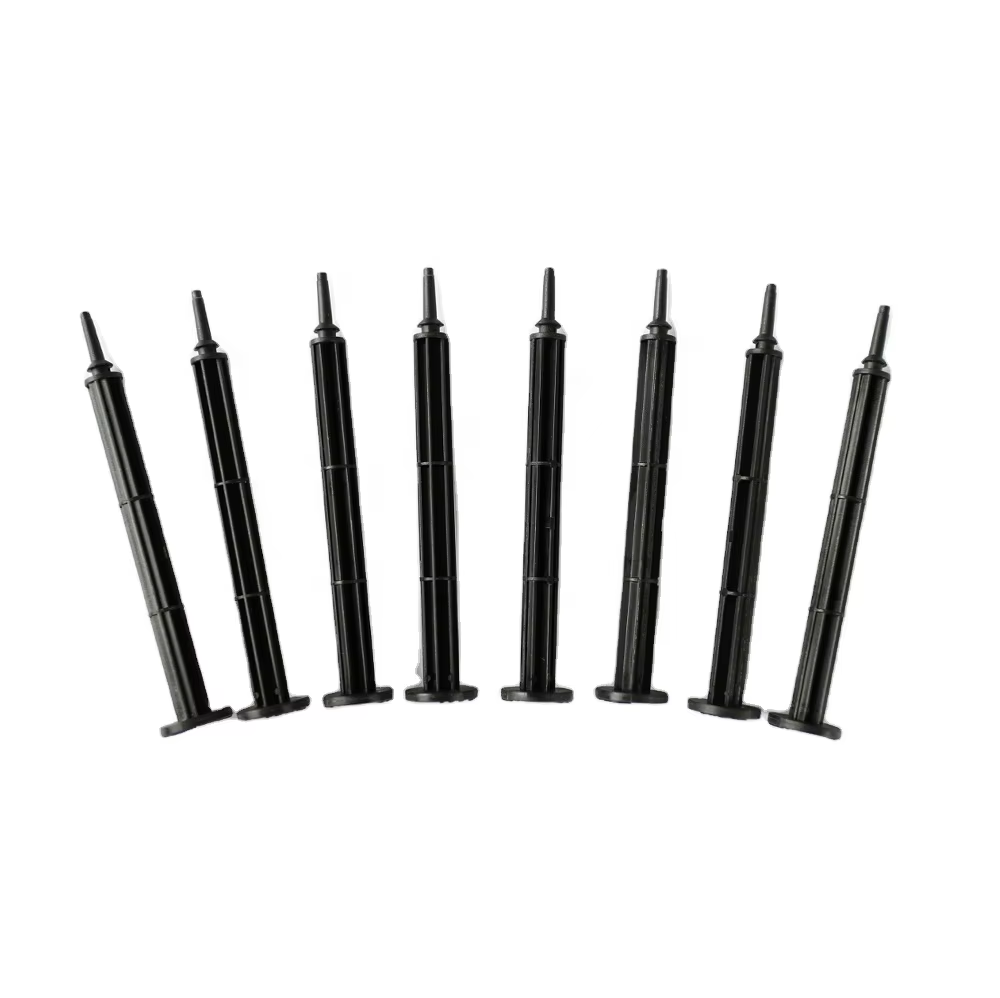
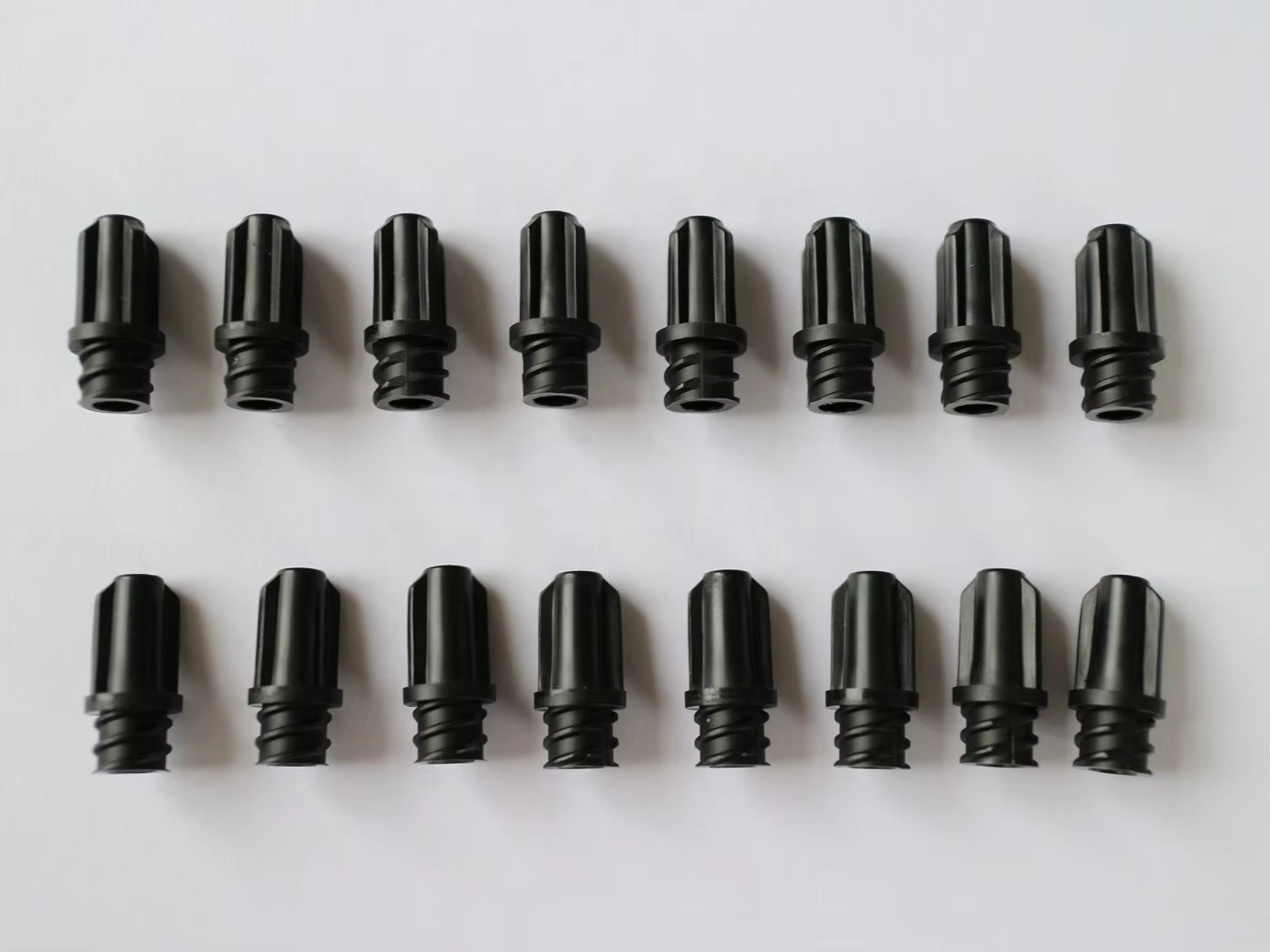
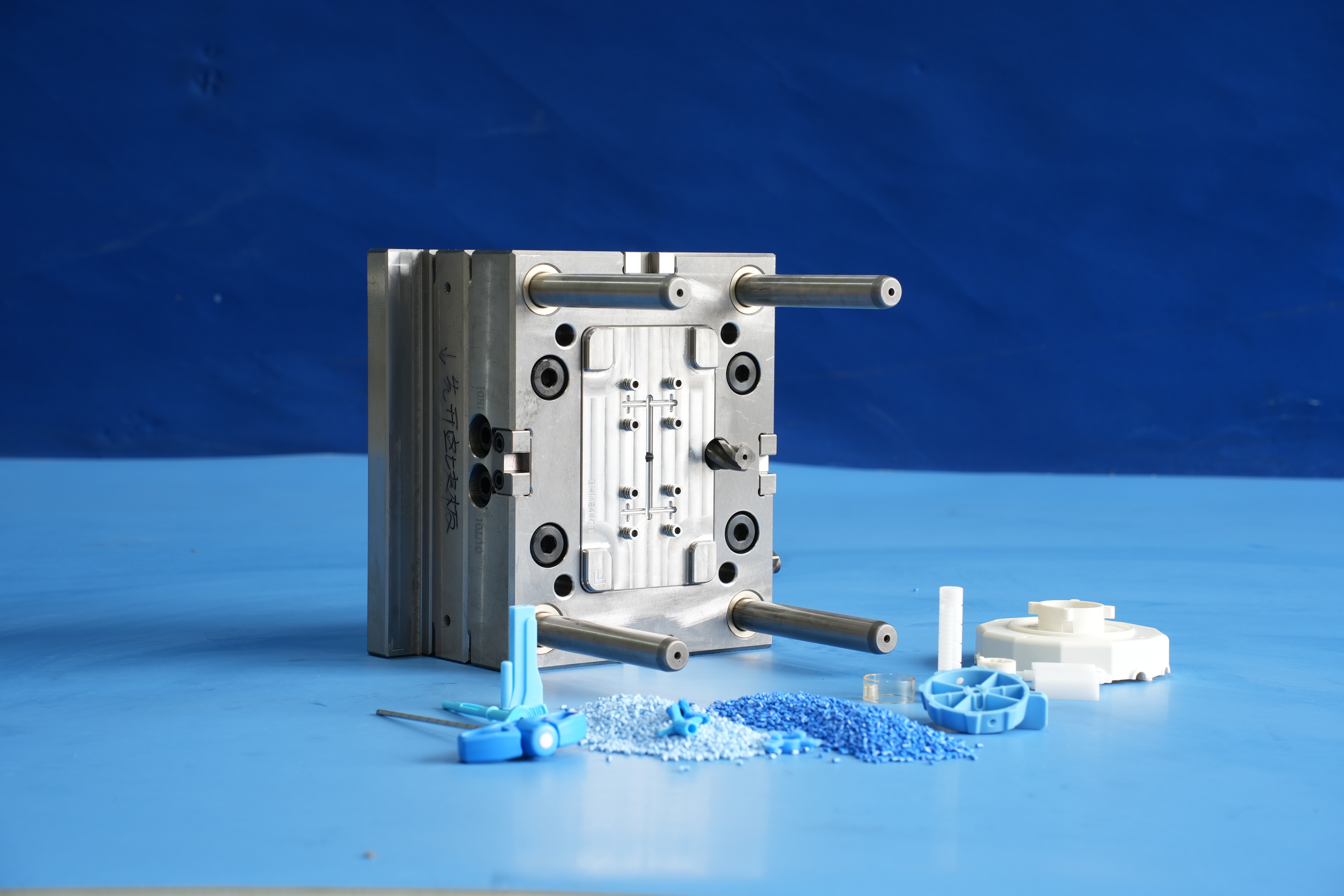
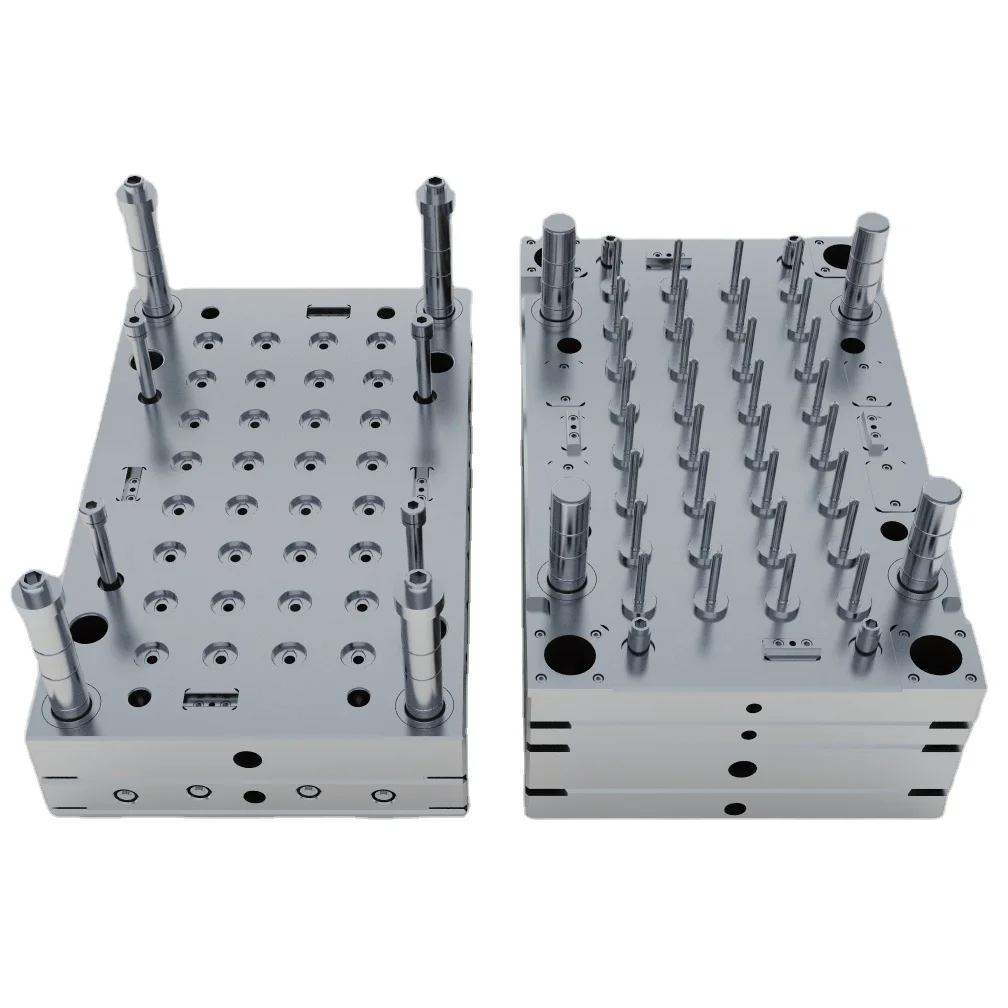
Injection molding is a sophisticated manufacturing process that transforms plastic materials into precise, high-quality components through controlled heating, pressure, and cooling cycles. This advanced production method involves injecting molten plastic into custom-designed molds, allowing manufacturers to create complex shapes with exceptional accuracy and consistency. The primary function of injection molding is to produce plastic parts efficiently at scale while maintaining tight dimensional tolerances. The process begins when plastic pellets are fed into a heated barrel, where they melt into a homogeneous liquid. This molten material is then forcefully injected into a closed mold cavity under high pressure. Once the plastic cools and solidifies, the mold opens, and the finished part is ejected automatically. Key technological features of injection molding include precise temperature control, adjustable injection pressure, and customizable cooling times. These parameters work together to ensure consistent part quality and minimize defects. Modern injection molding equipment incorporates advanced computer systems that monitor and optimize every stage of production. The applications of injection molding span numerous industries. Manufacturers use injection molding to produce automotive components, medical devices, consumer electronics, household appliances, and packaging solutions. From small precision parts to larger structural components, injection molding delivers versatility and reliability across diverse sectors, making it the preferred choice for high-volume plastic component production worldwide.
Injection molding delivers exceptional value to manufacturers seeking efficient, cost-effective plastic component production. The process significantly reduces production costs per unit compared to alternative manufacturing methods, especially for large-volume orders. Once the initial mold investment is made, injection molding enables rapid production cycles, typically completing parts in seconds to minutes, maximizing throughput and profitability. Operational benefits of injection molding are substantial and measurable. The process generates minimal waste material, as excess plastic is easily recycled back into production. Automation capabilities allow manufacturers to run production continuously with minimal human intervention, reducing labor costs and improving safety. Consistent repeatability ensures every part meets specifications, eliminating quality variations that plague manual manufacturing processes. Injection molding suits applications requiring intricate details, tight tolerances, and complex geometries that would be impossible or prohibitively expensive to produce through other methods. The technology accommodates various plastic materials, from standard polymers to specialized engineering plastics, enabling customization for specific performance requirements. Surface finishes range from smooth to textured, and components can incorporate color directly into the material or through secondary processes. For potential customers, the decision-useful context includes scalability advantages. Whether you need thousands or millions of units, injection molding scales efficiently without sacrificing quality or increasing per-unit costs significantly. The process supports rapid prototyping through quick-turn mold development, allowing companies to test designs before committing to full production. This flexibility makes injection molding an intelligent investment for businesses planning growth and seeking reliable manufacturing partnerships.

Latest News

Top Advantages of Choosing Custom Injection Molding Services

22

Oct

Top Advantages of Choosing Custom Injection Molding Services

Revolutionizing Manufacturing Through Custom Injection Molding The manufacturing landscape has evolved dramatically in recent years, with custom injection molding services emerging as a cornerstone of modern production methods. This sophisticated man...
View More
Why Experienced Injection Manufacturers Improve Product Quality

27

Nov

Why Experienced Injection Manufacturers Improve Product Quality

The medical device industry demands precision and reliability at every stage of production, making the selection of experienced injection manufacturers a critical decision for companies developing healthcare products. Quality standards in medical man...
View More
How Does Insert Injection Molding Combine Metals and Plastics Efficiently?

23

Dec

How Does Insert Injection Molding Combine Metals and Plastics Efficiently?

Insert injection molding represents a revolutionary manufacturing process that seamlessly combines different materials, particularly metals and plastics, to create composite components with enhanced functionality and durability. This advanced techniq...
View More
What Should Companies Consider When Ordering Custom Mold and OEM Molding Services?

23

Dec

What Should Companies Consider When Ordering Custom Mold and OEM Molding Services?

Manufacturing companies across industries increasingly rely on custom mold solutions to create precise, high-quality components that meet their specific requirements. The decision to invest in custom mold fabrication represents a significant strategi...
View More

Get a Free Quote

Our representative will contact you soon.
0/1000
Precision Manufacturing at Scale

Precision Manufacturing at Scale

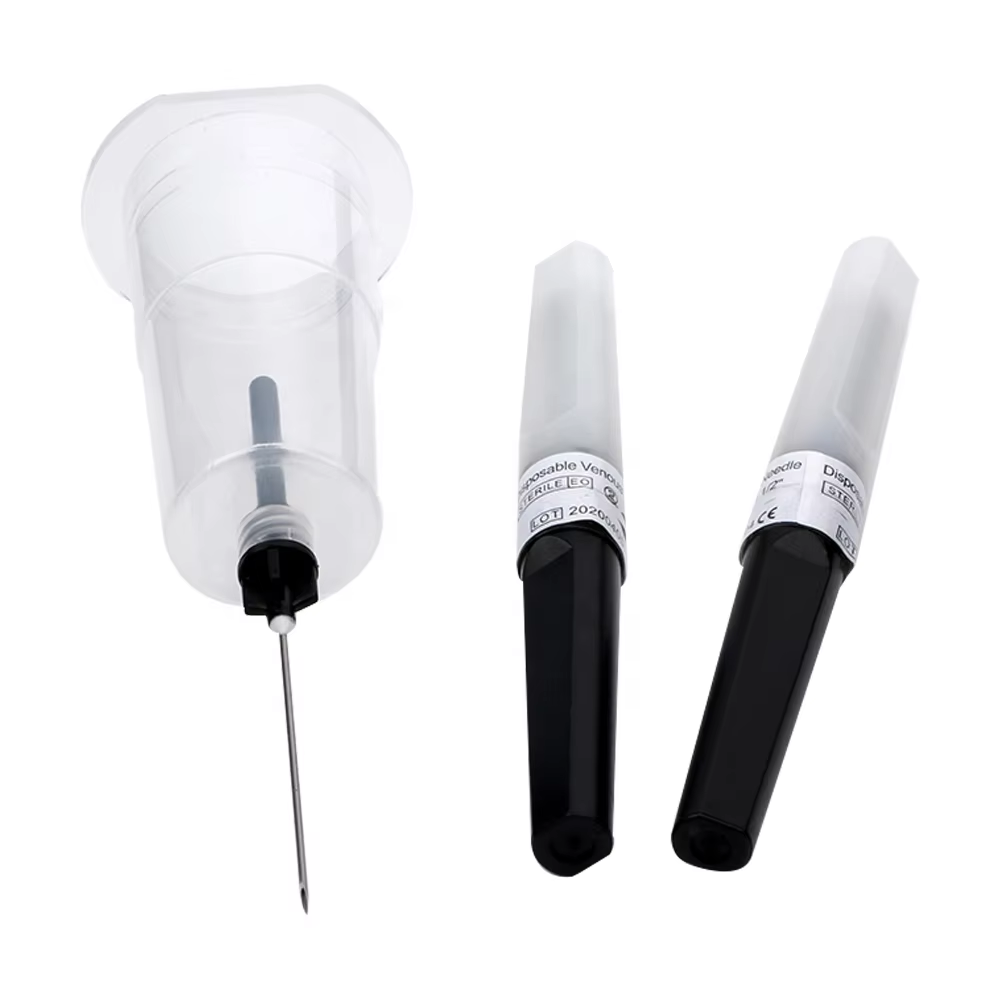
Injection molding delivers unparalleled precision in plastic component manufacturing, producing parts with tolerances as tight as ±0.005 inches consistently. This capability makes injection molding indispensable for industries where exact specifications directly impact performance and safety. Medical device manufacturers rely on injection molding to produce sterile, dimensionally accurate components that meet strict regulatory requirements. Electronics manufacturers depend on injection molding for precise connector housings, circuit board enclosures, and micro-components where dimensional accuracy is non-negotiable. The repeatability inherent to injection molding ensures that the first part produced matches the millionth part perfectly, eliminating quality control concerns. This precision extends beyond simple dimensional accuracy; injection molding captures fine surface details, intricate internal features, and complex wall thickness variations in single production cycles. For automotive applications, injection molding produces safety-critical components where dimensional consistency directly correlates with vehicle performance and occupant protection.
Cost-Effective High-Volume Production

Cost-Effective High-Volume Production

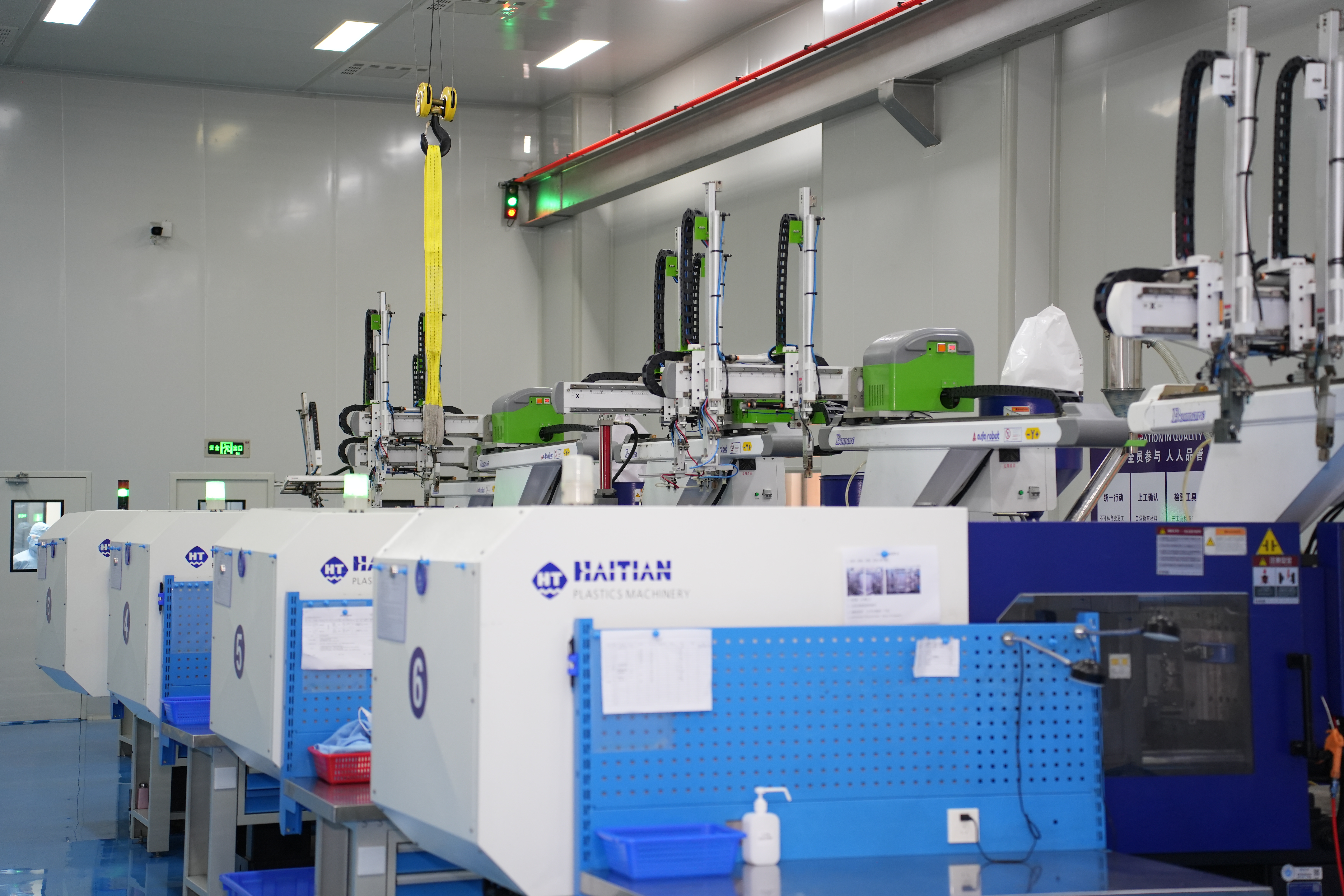
Injection molding transforms manufacturing economics by dramatically reducing per-unit costs for high-volume production runs. Initial tooling investment yields significant returns once production scales, with unit costs declining as volume increases. This economic advantage makes injection molding the optimal choice for manufacturers producing thousands or millions of identical parts. The process minimizes material waste through efficient cavity design and recyclable runner systems, translating directly into cost savings. Production speed represents another critical economic benefit; injection molding cycles complete in seconds, enabling factories to produce hundreds of thousands of parts monthly from single mold sets. Labor requirements remain minimal since automation handles molding, cooling, and ejection functions independently. This combination of speed, automation, and material efficiency makes injection molding dramatically more affordable than alternatives like CNC machining or hand assembly for comparable volumes. Manufacturers worldwide choose injection molding specifically for its proven ability to deliver exceptional value without compromising quality standards.
Material Versatility and Design Freedom

Material Versatility and Design Freedom

Injection molding accommodates an extensive range of plastic materials, enabling manufacturers to select optimal solutions for specific applications and performance requirements. Standard thermoplastics like polypropylene and polyethylene offer cost-effective solutions for general-purpose applications. Engineering plastics such as polycarbonate and ABS provide enhanced strength, heat resistance, and durability for demanding environments. Specialty polymers including medical-grade resins and flame-retardant compounds address specialized industry requirements. This material flexibility allows design engineers to optimize component performance while maintaining manufacturing efficiency through injection molding. The process enables complex geometries impossible with alternative manufacturing methods, incorporating undercuts, thin walls, and intricate internal features in single production cycles. Multi-material injection molding creates sophisticated assemblies combining different plastics within single components, enhancing functionality while reducing assembly requirements. Color customization options range from standard palettes to custom formulations, and texture applications add functional and aesthetic dimensions. This design freedom empowers manufacturers to develop innovative products that stand out in competitive markets while maintaining the cost advantages and production speed that injection molding provides.