Design Flexibility and Material Options Create Unlimited Possibilities
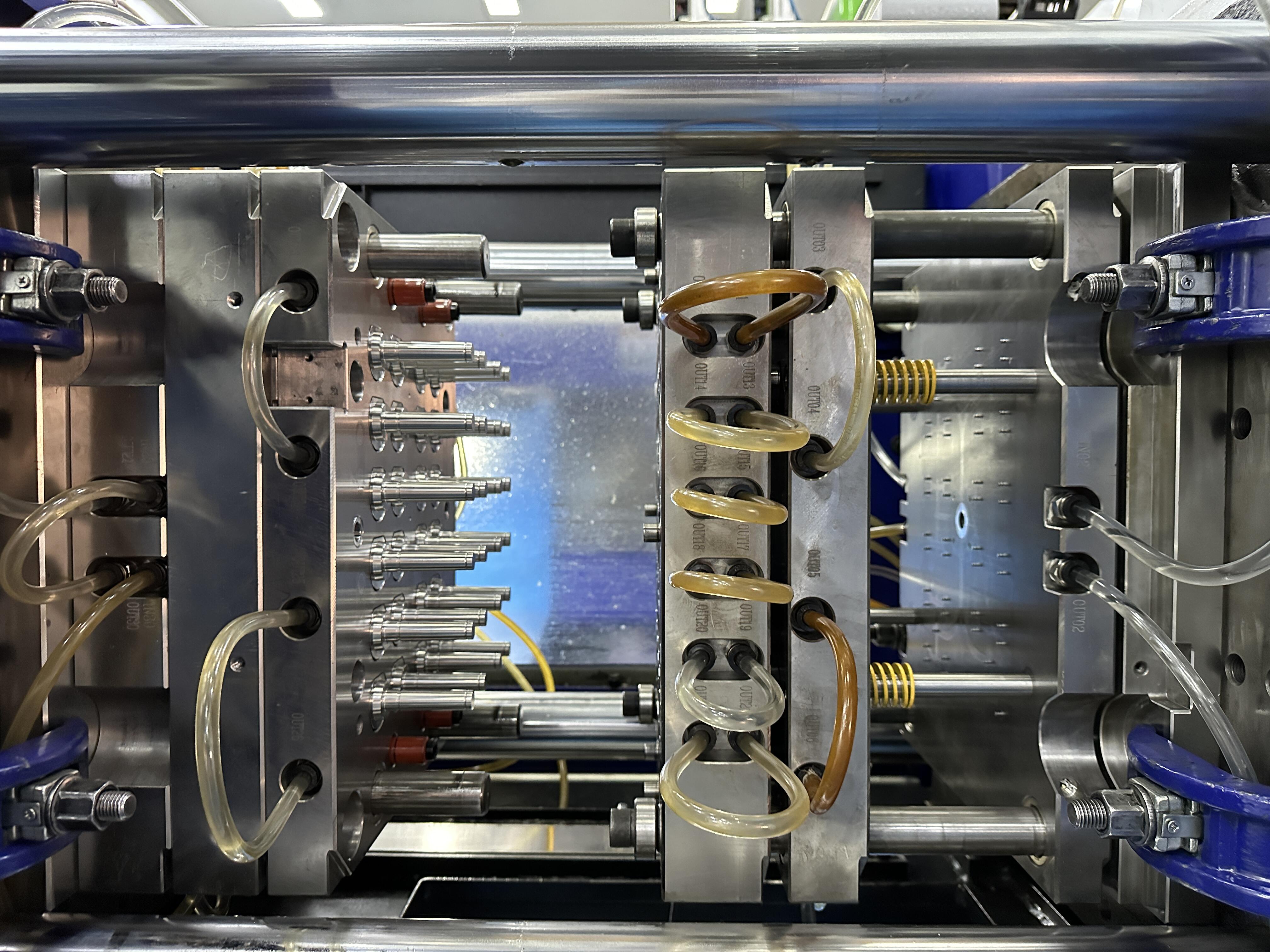
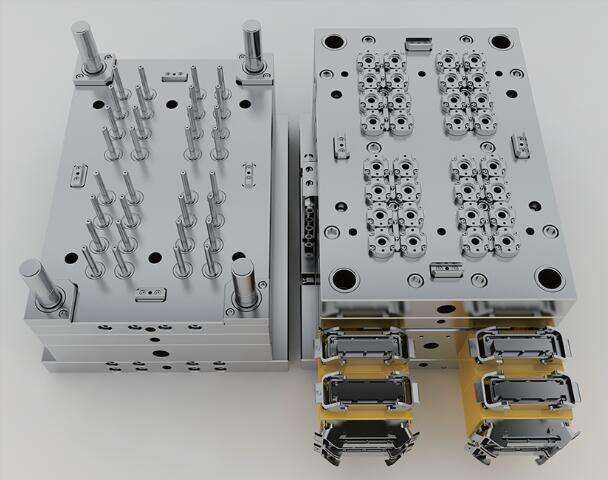
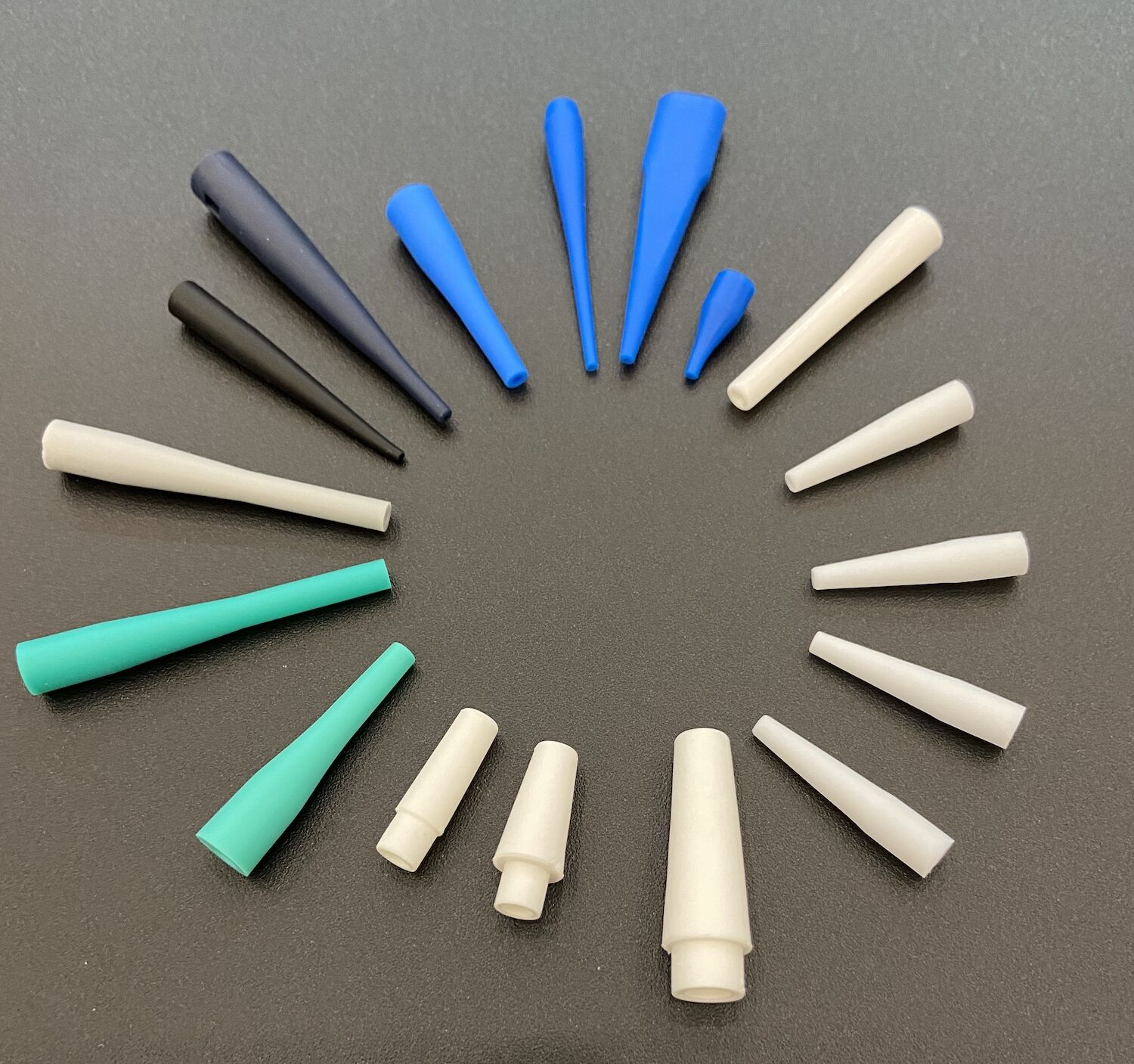
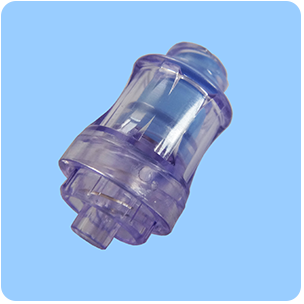
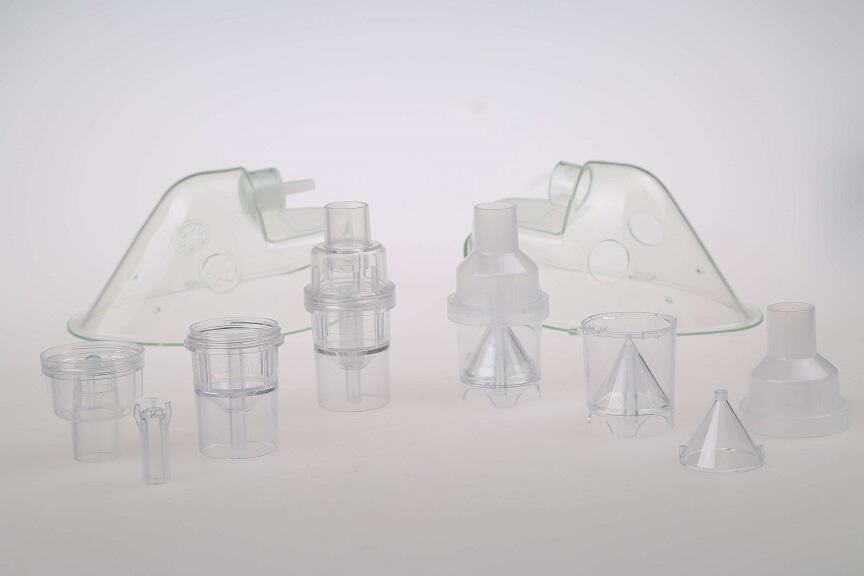
The extraordinary design freedom and vast material selection available with plastic injection parts empower innovation and enable solutions that precisely match your functional requirements, aesthetic preferences, and budget constraints. Unlike manufacturing processes constrained by material removal or geometric limitations, injection molding allows you to create plastic injection parts with virtually any conceivable shape, incorporating features that would require multiple components or assembly steps with other production methods. Complex internal structures, variable wall thicknesses, intricate surface textures, and integrated attachment features can all be molded simultaneously, consolidating parts and reducing assembly costs while improving reliability by eliminating fasteners or joints that might fail. This design flexibility extends to aesthetic considerations, where surface finishes ranging from mirror-polished to deeply textured can be achieved directly in the mold, creating products that appeal to consumers without additional processing. The ability to mold threads, hinges, snap fits, and other functional features directly into plastic injection parts eliminates secondary operations, reducing production time and costs while creating more robust products. Material selection offers equally impressive flexibility, with thousands of resin formulations available, each engineered to deliver specific performance characteristics. Commodity plastics provide cost-effective solutions for applications where basic mechanical properties suffice, while engineering resins deliver exceptional strength, heat resistance, or chemical compatibility for demanding environments. Glass-filled or mineral-reinforced compounds enhance stiffness and dimensional stability, while impact-modified grades absorb energy to protect contents or users. Flame-retardant formulations meet safety standards for electrical and electronic applications, and FDA-approved medical-grade resins ensure biocompatibility for healthcare products. Transparent plastics create visual appeal and functionality for packaging, lenses, or displays, while opaque colors can be custom-matched to brand specifications. The ability to combine materials through overmolding or insert molding creates plastic injection parts with multiple material properties in single components, such as rigid structures with soft-touch grips or metal reinforcements encapsulated in plastic. This material versatility also extends to environmental considerations, with recycled content plastics and bio-based resins offering sustainable alternatives that reduce environmental impact without sacrificing performance. The combination of design freedom and material options means engineers can optimize plastic injection parts for their specific applications, balancing mechanical requirements, environmental exposures, cost targets, and aesthetic goals to create products that perform reliably while meeting market expectations and regulatory requirements, ultimately delivering competitive advantages through superior product design and functionality.


 EN
EN