plastic moulding components
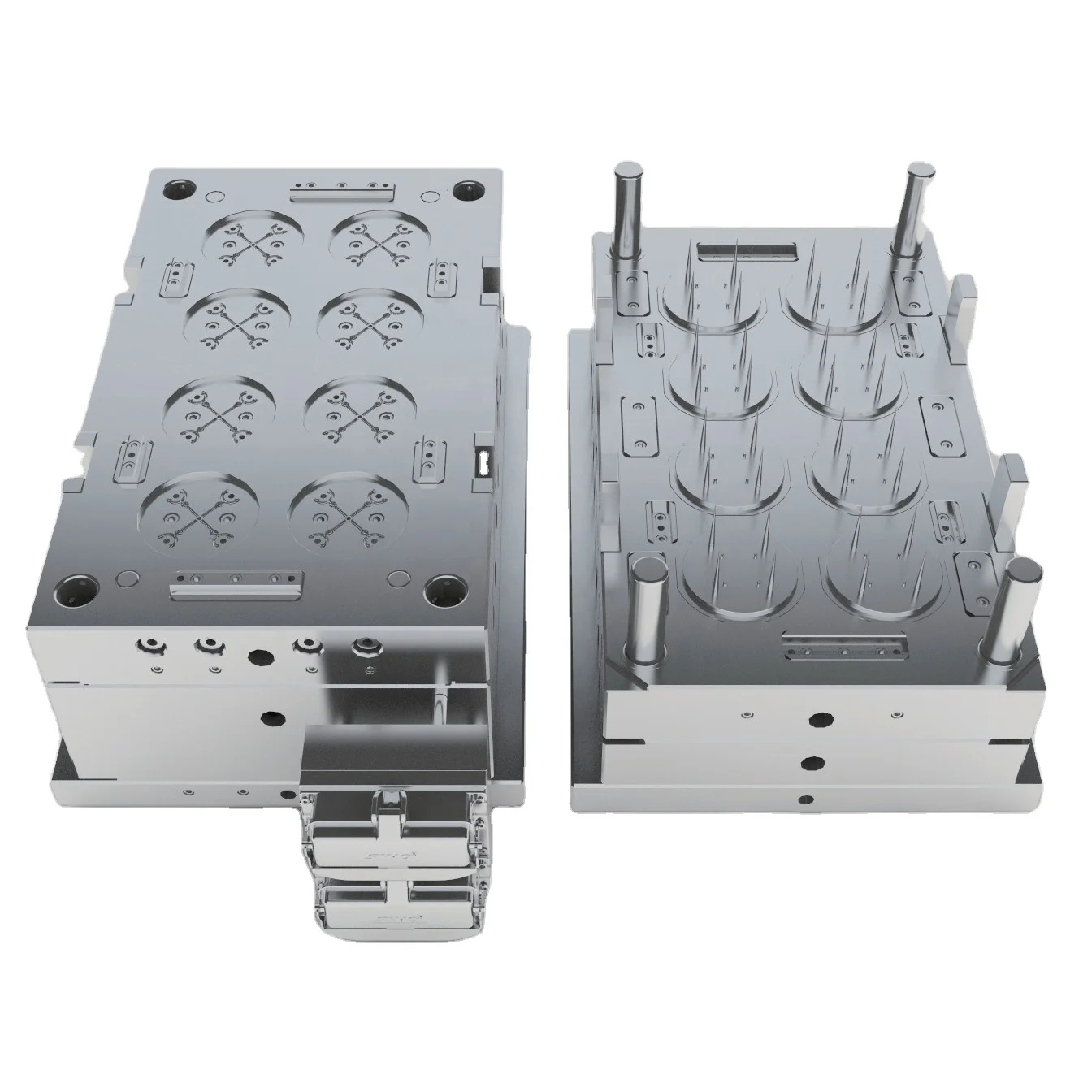
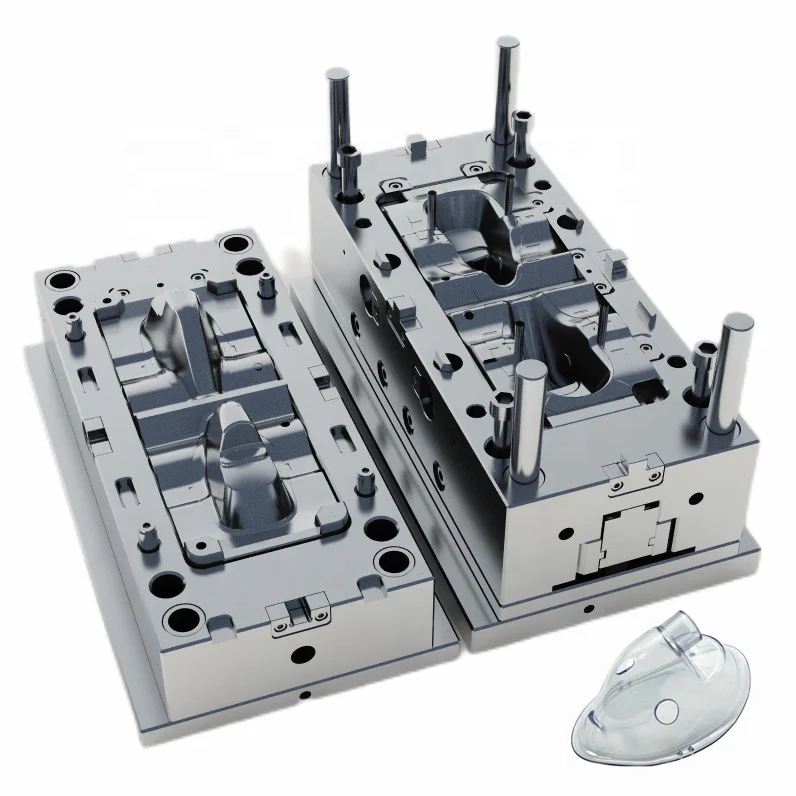
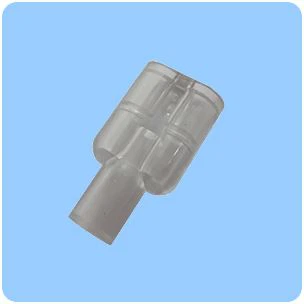
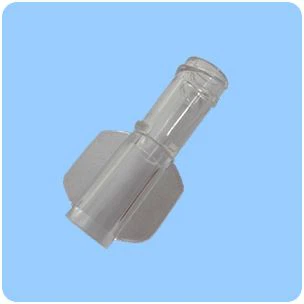
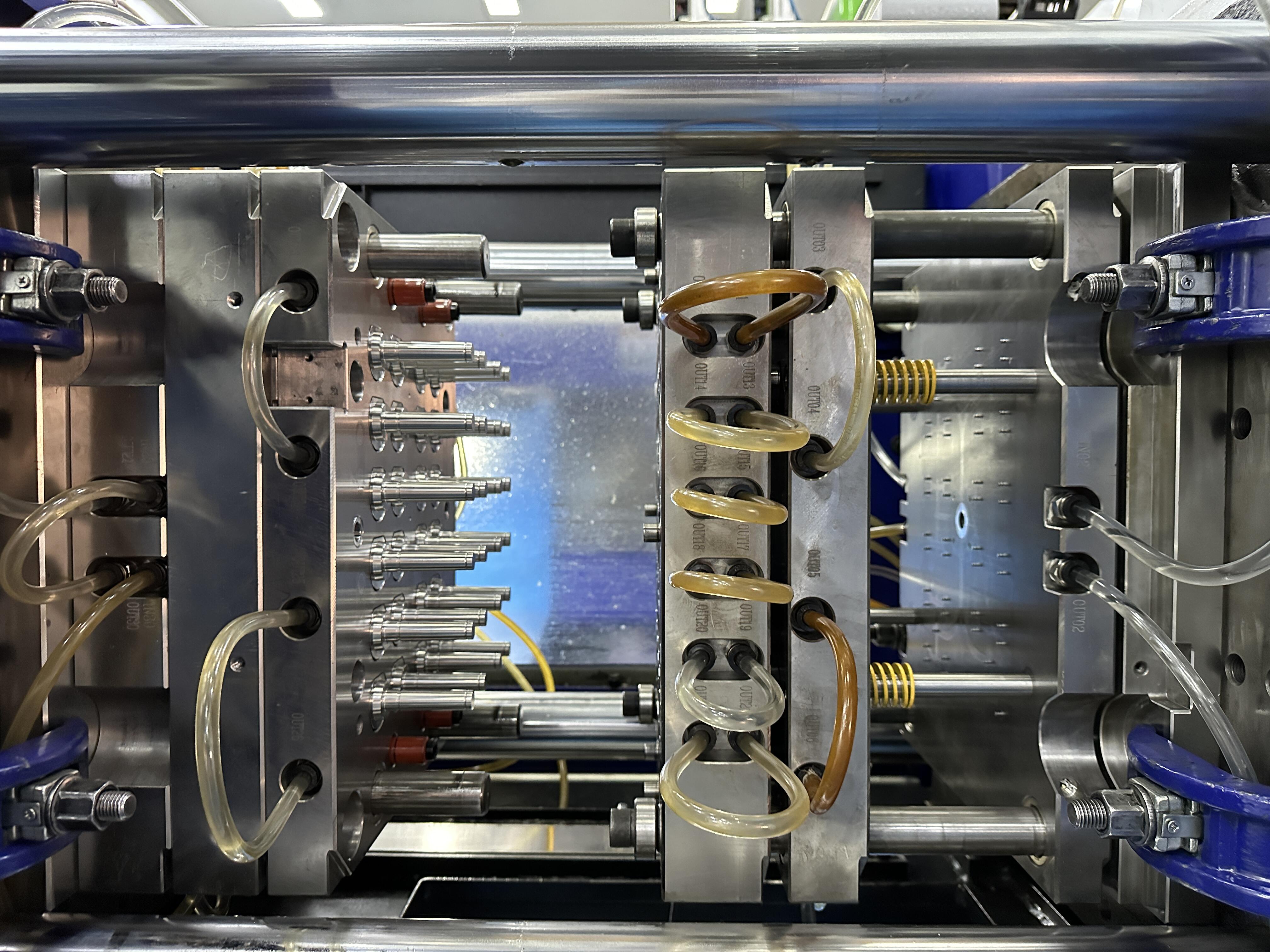
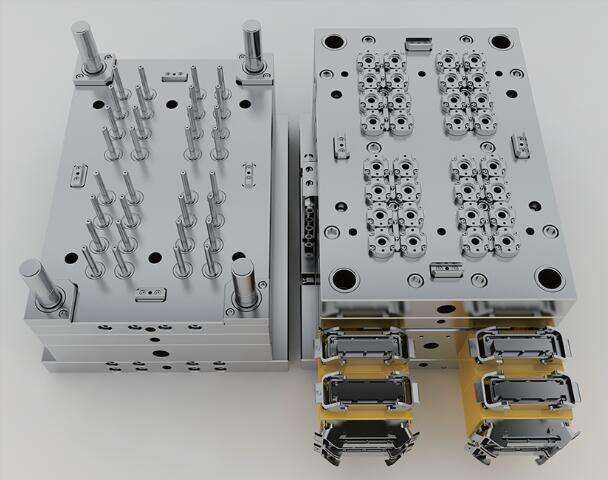
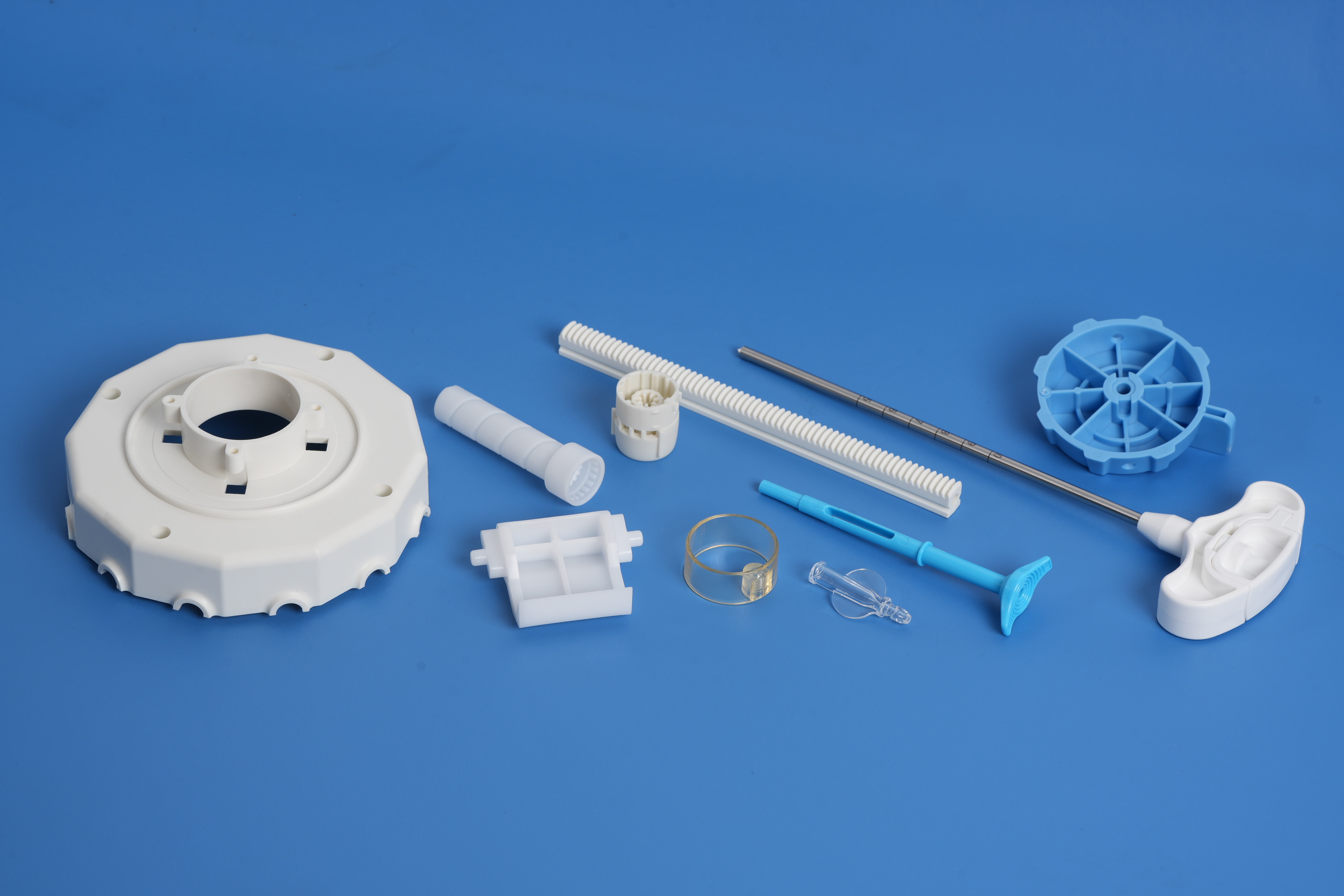
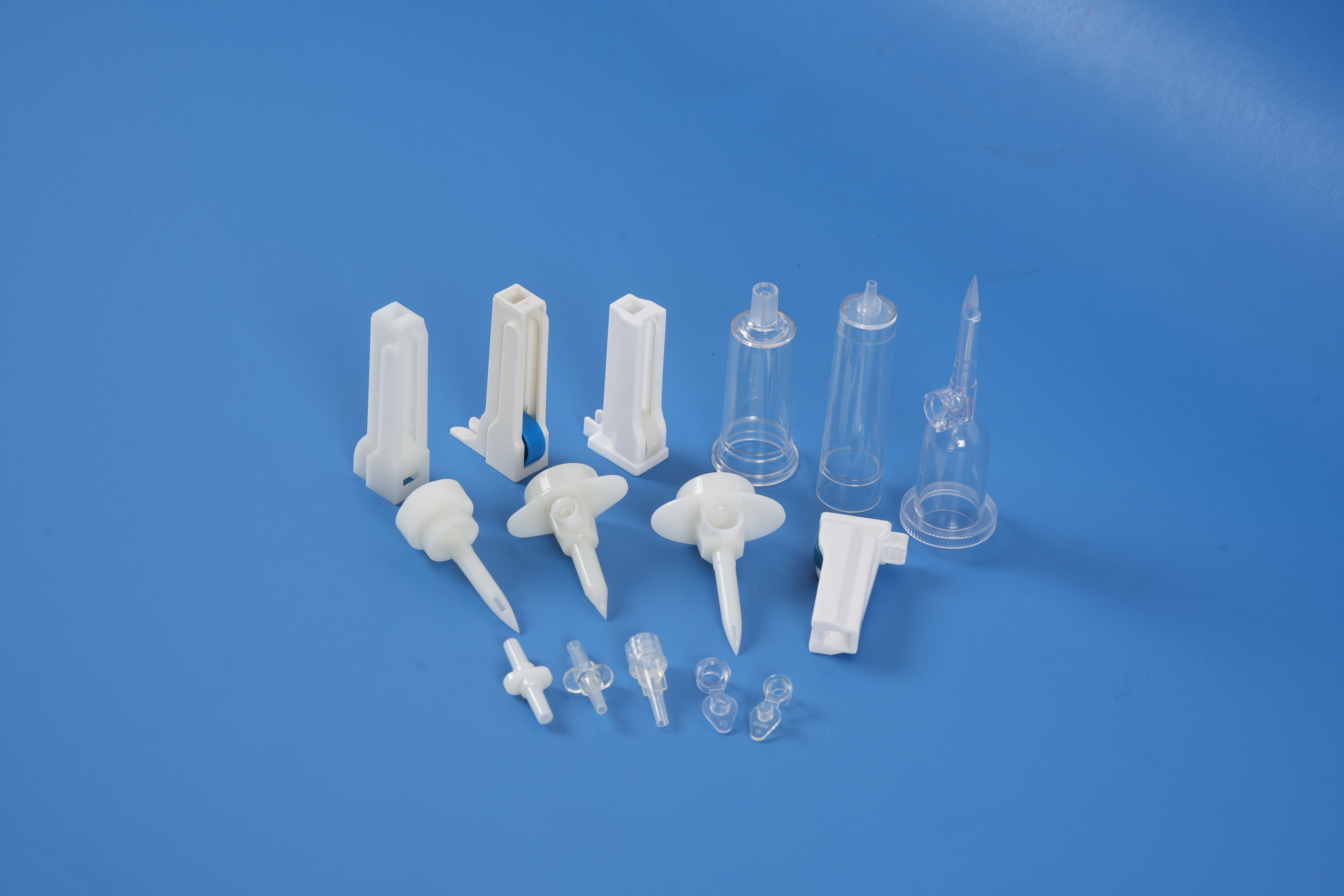
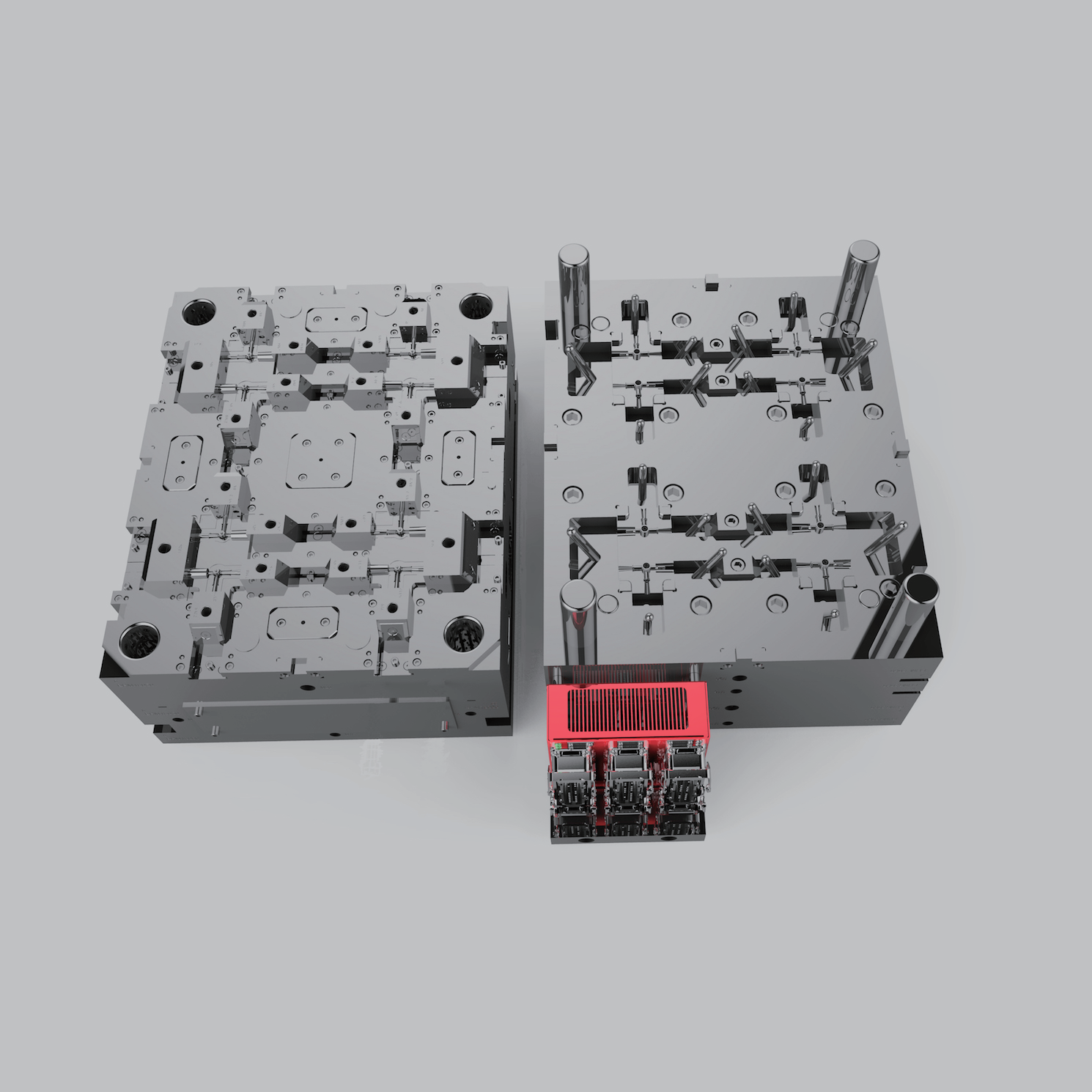
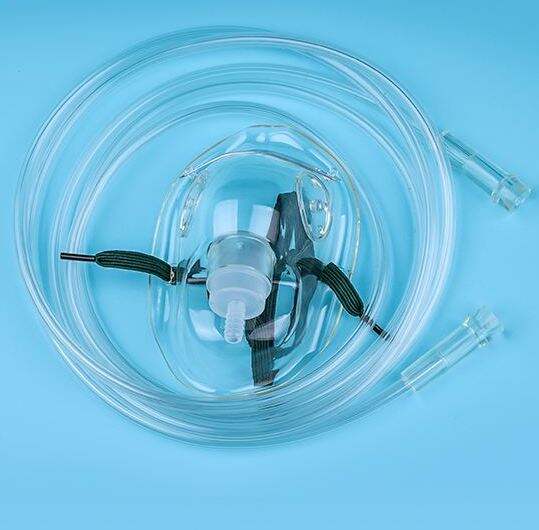
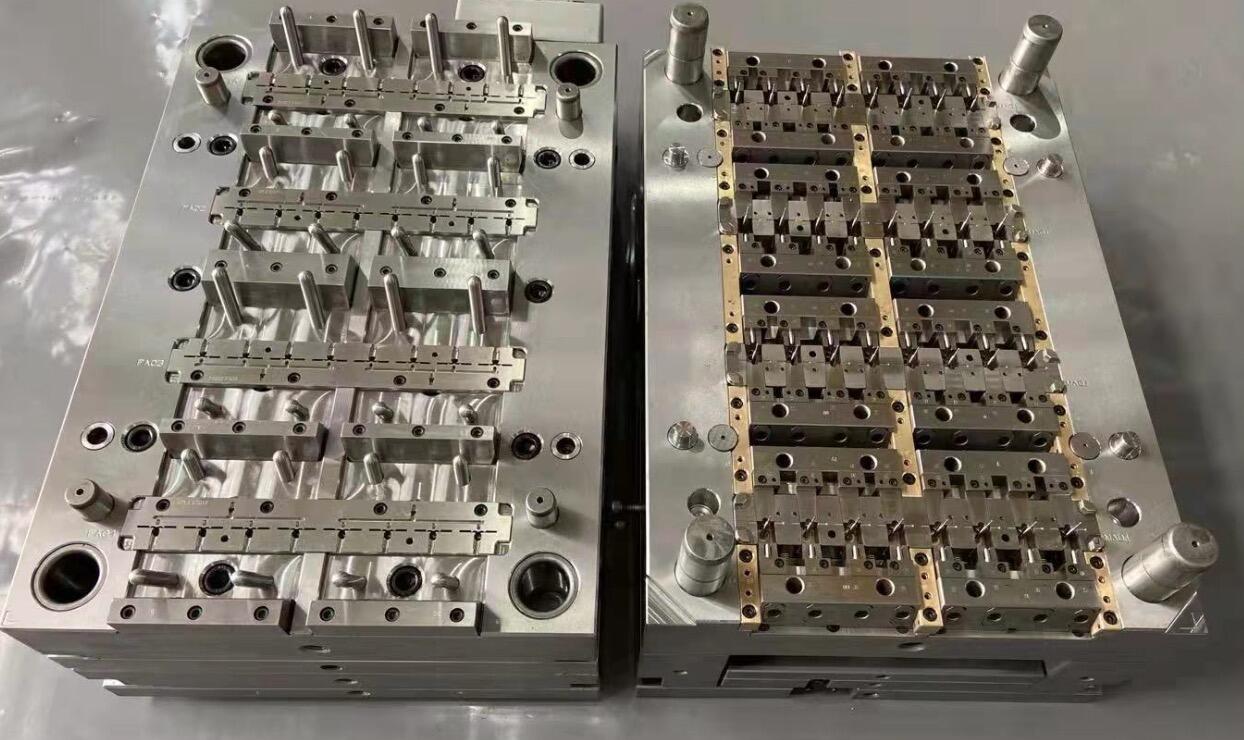
Plastic moulding components represent essential manufactured parts created through various injection and forming processes that transform raw polymer materials into precise, functional elements used across countless industries. These components serve as the backbone of modern manufacturing, offering versatility that spans from intricate medical devices to robust automotive parts. The main functions of plastic moulding components include providing structural support, enabling mechanical movement, creating protective housings, facilitating electrical insulation, and delivering aesthetic finishes to finished products. Through advanced technological processes, manufacturers can produce plastic moulding components with exceptional dimensional accuracy, consistent quality, and repeatable performance characteristics. The technological features of these components include their ability to incorporate complex geometries, multiple colors, integrated fastening systems, and reinforced structures within a single manufacturing cycle. Modern plastic moulding components utilize materials ranging from standard thermoplastics like ABS, polypropylene, and polycarbonate to high-performance engineering polymers such as PEEK, nylon, and acetal. The applications of plastic moulding components extend throughout consumer electronics, where they form housings and internal structures; automotive manufacturing, where they replace heavier metal parts; medical equipment, where biocompatible materials ensure patient safety; aerospace components requiring lightweight strength; packaging solutions demanding barrier properties; and construction materials needing weather resistance. Manufacturing techniques for plastic moulding components include injection moulding for high-volume production, blow moulding for hollow structures, compression moulding for large parts, rotational moulding for complex hollow shapes, and thermoforming for shallow components. Each process delivers specific advantages suited to particular component requirements, production volumes, and material characteristics, making plastic moulding components an adaptable solution for diverse manufacturing challenges across global markets and emerging applications.


 EN
EN