Molding Medical Manufacturing Solutions - Precision Healthcare Components & Devices

Get a Quote
Get a Quote

molding medical

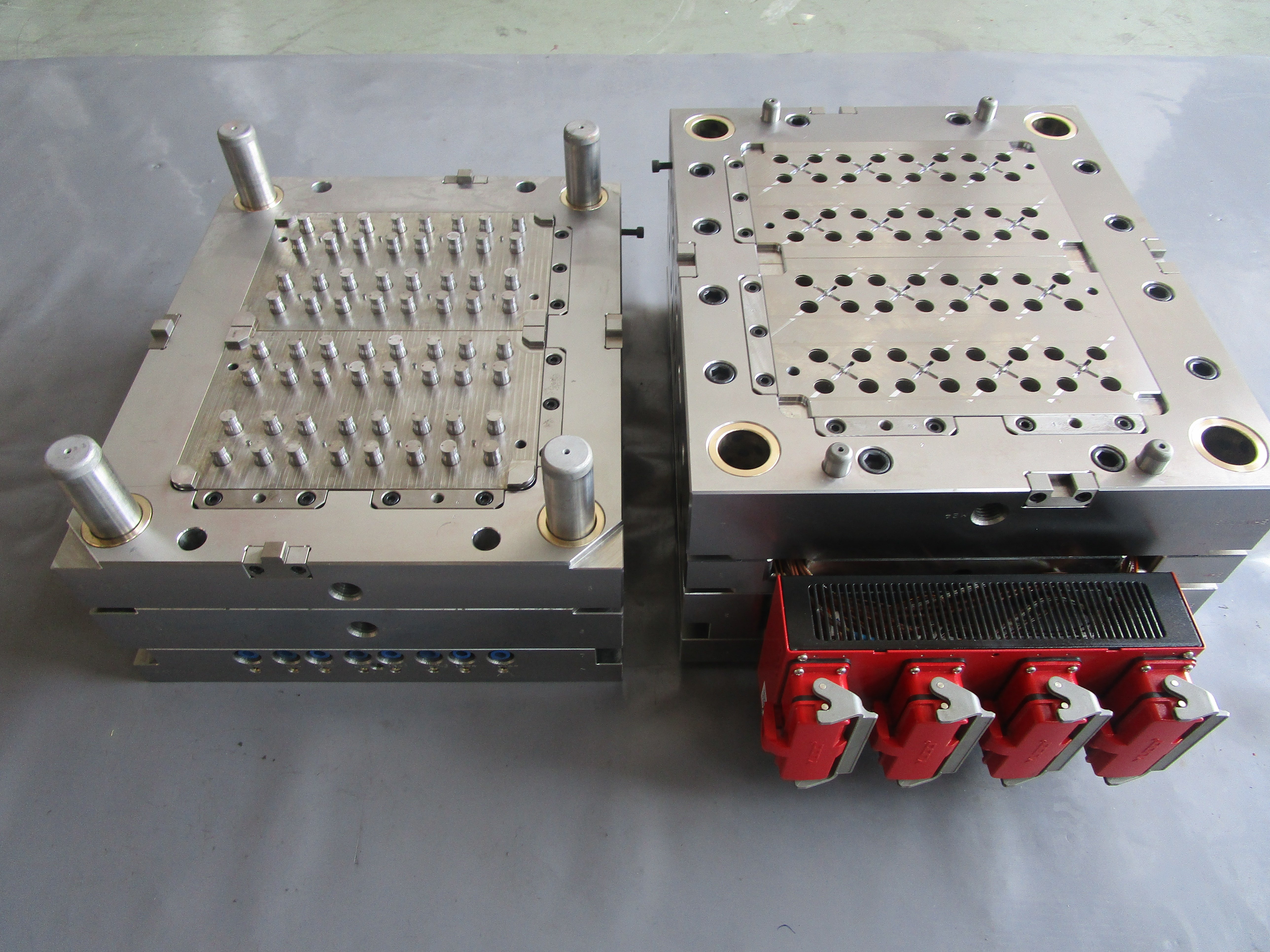
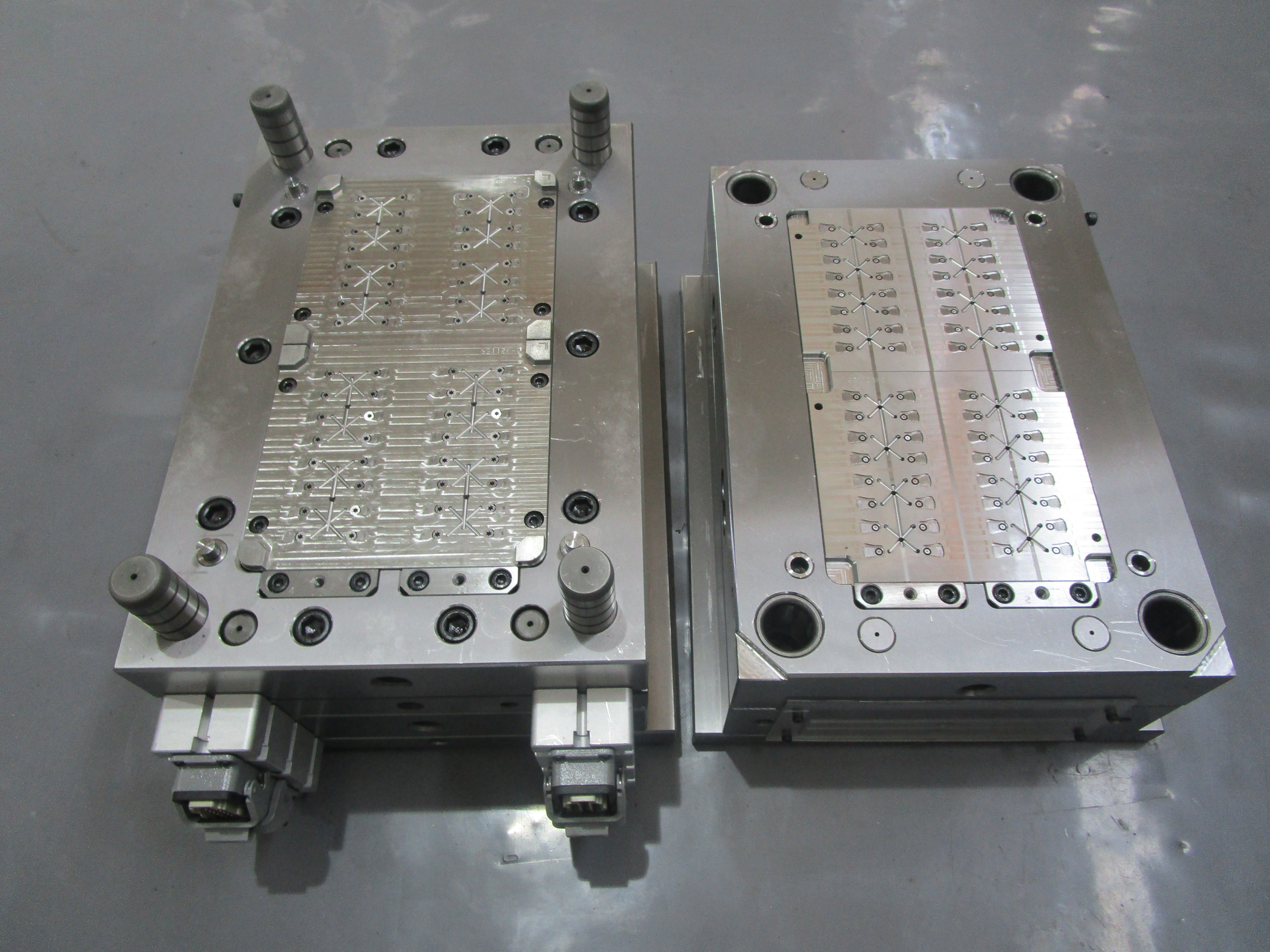
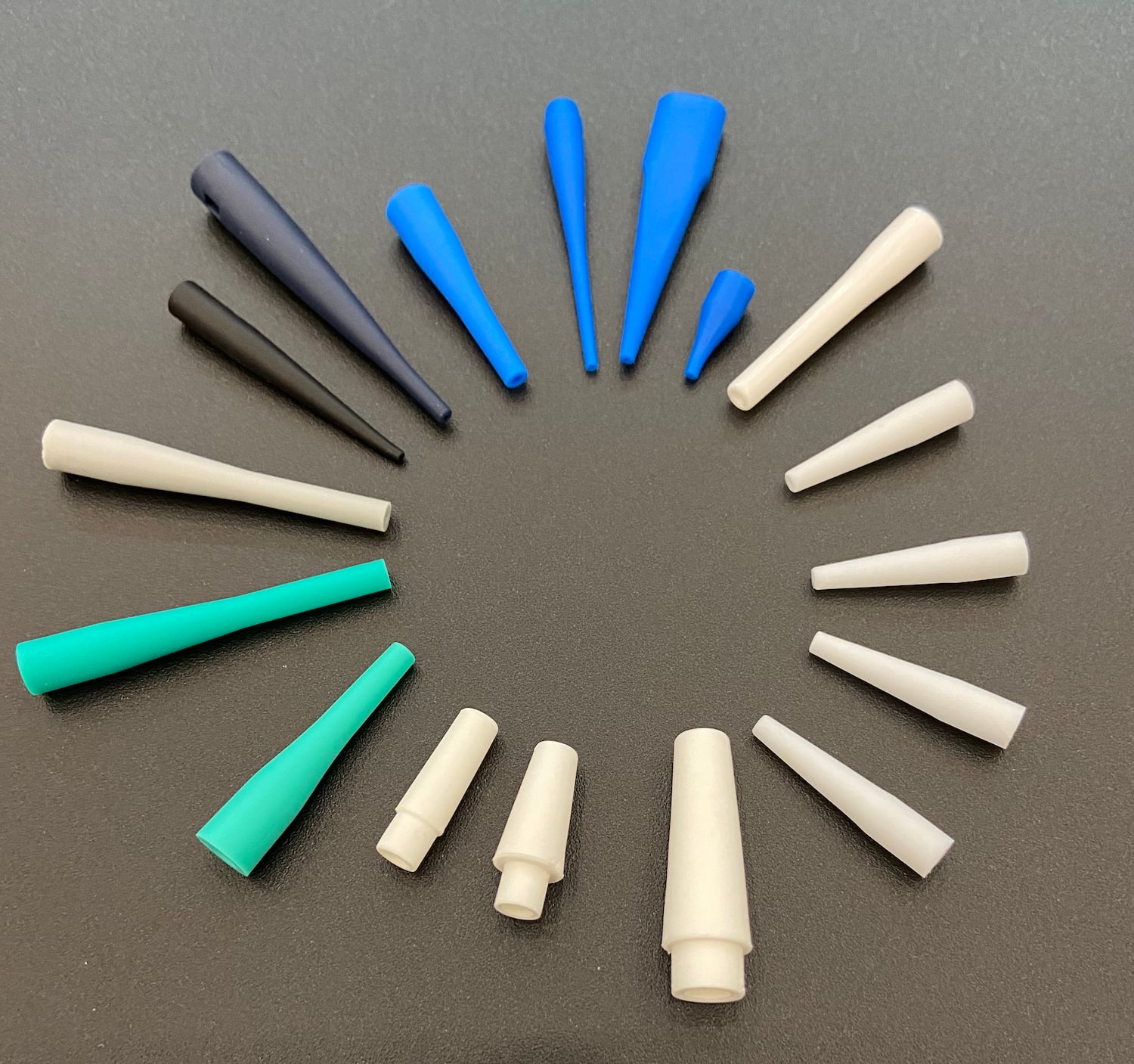
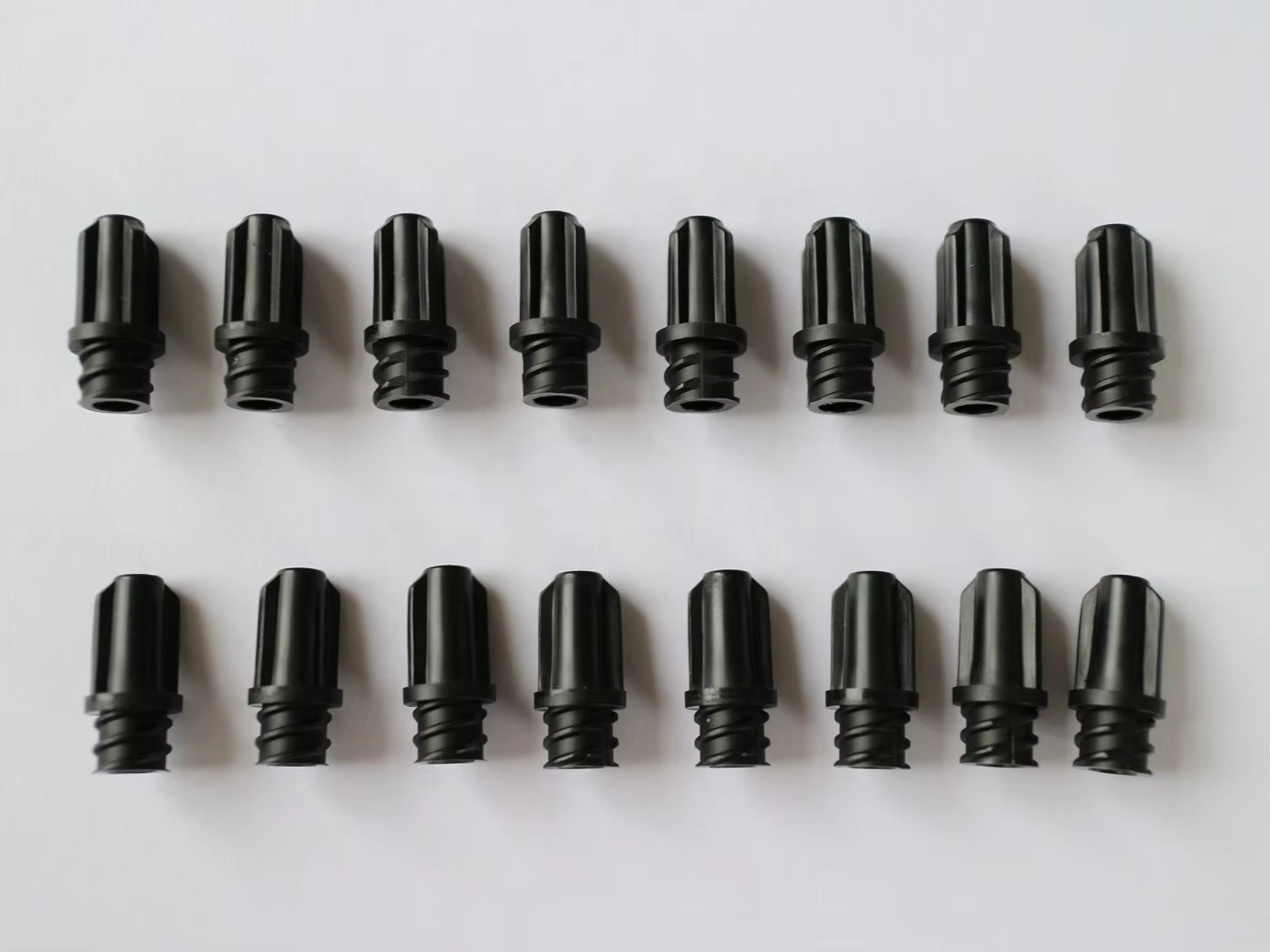
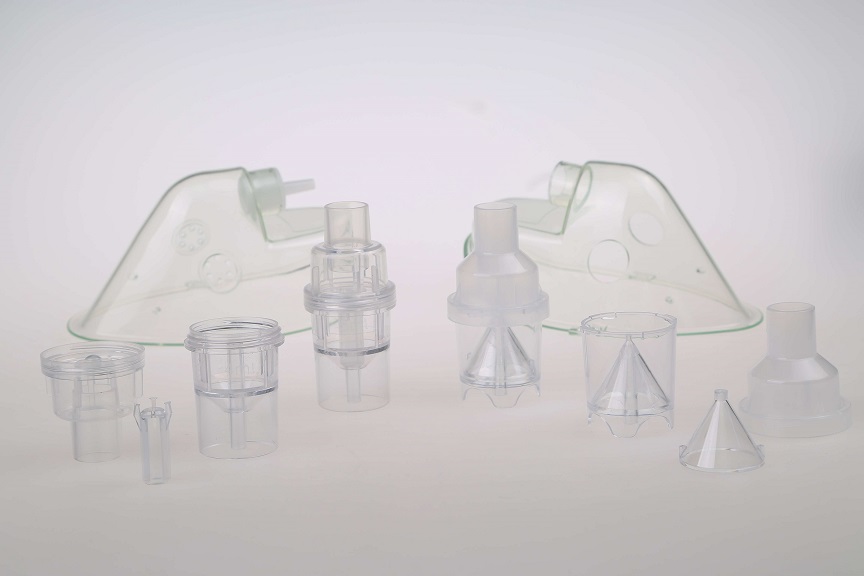
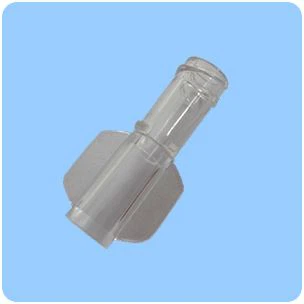
Molding medical represents a revolutionary approach to manufacturing essential healthcare components and devices through advanced injection molding and thermoforming processes. This specialized manufacturing technique has transformed the medical industry by enabling the mass production of sterile, precise, and reliable medical products that meet stringent regulatory standards. Molding medical encompasses the creation of various items including surgical instruments, diagnostic equipment housings, pharmaceutical packaging, laboratory consumables, prosthetic components, and disposable medical supplies. The technology employs sophisticated computer-controlled machinery that injects molten medical-grade polymers into precision-engineered molds, creating products with exceptional dimensional accuracy and consistency. These manufacturing processes utilize materials specifically certified for medical applications, such as polypropylene, polyethylene, polycarbonate, and various thermoplastic elastomers that comply with FDA regulations and ISO standards. The main functions of molding medical include producing sterile single-use devices that eliminate cross-contamination risks, manufacturing complex geometric shapes that would be impossible through traditional fabrication methods, and ensuring reproducibility across millions of identical units. Technological features encompass clean-room manufacturing environments, automated quality control systems, real-time process monitoring, and validation protocols that guarantee every product meets exact specifications. The applications span virtually every medical specialty from emergency care and surgery to diagnostics and patient monitoring. Hospitals rely on molding medical products for everything from IV components and syringe parts to surgical trays and specimen containers. The pharmaceutical industry depends on molded packaging solutions that protect medications while providing tamper-evident security. Dental practices use molded instruments and impression trays, while home healthcare benefits from molded mobility aids and monitoring device housings. This manufacturing approach has become indispensable for delivering safe, effective, and affordable healthcare solutions worldwide, supporting both routine medical procedures and life-saving interventions across diverse clinical settings.
The advantages of molding medical technology extend far beyond simple manufacturing efficiency, offering substantial practical benefits that directly impact healthcare providers, patients, and medical device companies. Cost effectiveness stands as a primary advantage, as molding medical processes can produce thousands or millions of identical units at remarkably low per-unit costs once the initial tooling investment is complete. This economic efficiency translates to more affordable healthcare products, making essential medical supplies accessible to facilities with limited budgets and expanding care availability in underserved communities. The precision and consistency achieved through molding medical techniques ensure that every single product performs exactly as intended, eliminating variability that could compromise patient safety or treatment outcomes. Healthcare professionals can trust that each syringe, connector, or diagnostic component will function identically to the last, reducing procedural complications and improving clinical confidence. Sterility assurance represents another critical advantage, as molding medical facilities maintain controlled environments and employ materials that can withstand various sterilization methods including gamma radiation, ethylene oxide, and autoclave processes without degrading or releasing harmful substances. The ability to create complex geometries through molding medical technology enables innovative product designs that improve functionality and user experience. Engineers can incorporate features like ergonomic grips, integrated safety mechanisms, color-coding systems, and snap-fit assemblies directly into the molded structure without requiring additional assembly steps. This design freedom has led to safer needle systems, more intuitive diagnostic devices, and patient-friendly home care products. Material versatility offers significant advantages as molding medical processes accommodate an extensive range of polymers, each selected for specific performance characteristics such as chemical resistance, flexibility, transparency, or biocompatibility. Manufacturers can optimize material selection for each application, whether requiring rigid housings for electronic components or flexible tubing for fluid delivery. Speed to market accelerates dramatically with molding medical technology, as automated production runs continuously with minimal human intervention, enabling rapid scaling from prototype to full production. This responsiveness proves crucial when addressing public health emergencies or seasonal demand fluctuations. Environmental benefits emerge through material efficiency, as molding medical processes generate minimal waste compared to subtractive manufacturing methods, and many medical-grade polymers can be recycled or repurposed. Quality traceability built into molding medical operations ensures complete documentation of material sources, process parameters, and inspection results for every production batch, supporting regulatory compliance and facilitating rapid response if quality issues arise. These combined advantages make molding medical technology essential for modern healthcare delivery, supporting better patient outcomes while controlling costs and maintaining the highest safety standards.

Tips And Tricks

Why Experienced Injection Manufacturers Improve Product Quality

27

Nov

Why Experienced Injection Manufacturers Improve Product Quality

The medical device industry demands precision and reliability at every stage of production, making the selection of experienced injection manufacturers a critical decision for companies developing healthcare products. Quality standards in medical man...
View More
How Do You Evaluate a Supplier for Custom Mold and OEM Molding Projects?

23

Dec

How Do You Evaluate a Supplier for Custom Mold and OEM Molding Projects?

Selecting the right supplier for your custom mold and OEM molding projects represents one of the most critical decisions in manufacturing. The success of your product development, production timelines, and overall profitability directly depends on pa...
View More
Why is precision medical plastic injection mold critical for life-saving medical components?

06

Jan

Why is precision medical plastic injection mold critical for life-saving medical components?

The manufacturing of life-saving medical devices demands unwavering precision, safety, and reliability at every stage of production. At the heart of this critical process lies the medical plastic injection mold, a sophisticated manufacturing tool tha...
View More
How to select the right medical-grade tubing and catheters for complex surgical procedures?

06

Jan

How to select the right medical-grade tubing and catheters for complex surgical procedures?

Selecting the appropriate medical-grade tubing and catheters for complex surgical procedures represents one of the most critical decisions healthcare professionals make in their practice. The complexity of modern surgical interventions demands materi...
View More

Get a Free Quote

Our representative will contact you soon.
0/1000
Uncompromising Quality Control and Regulatory Compliance

Uncompromising Quality Control and Regulatory Compliance

Molding medical manufacturing distinguishes itself through extraordinarily rigorous quality control systems and comprehensive regulatory compliance frameworks that guarantee product safety and effectiveness. Every aspect of the molding medical process operates under validation protocols that document and verify performance against predetermined specifications. These quality systems begin with material certification, ensuring that every polymer batch used in molding medical applications arrives with complete documentation proving compliance with relevant standards such as USP Class VI biocompatibility testing, ISO 10993 biological evaluation, and FDA material master file registrations. Raw materials undergo receiving inspections that verify identity, purity, and absence of contamination before entering controlled storage areas. The molding medical environment itself maintains cleanroom classifications appropriate to the intended product use, with HEPA filtration systems, positive air pressure differentials, and continuous environmental monitoring of particulate levels, temperature, and humidity. Personnel follow strict gowning procedures and receive ongoing training in contamination control and good manufacturing practices. The actual molding medical equipment undergoes installation qualification, operational qualification, and performance qualification studies that prove machines consistently produce parts within specified tolerances. Process parameters including injection pressure, temperature profiles, cooling rates, and cycle times are monitored in real-time with automated systems that halt production if deviations occur. In-process inspections verify dimensional accuracy using coordinate measuring machines, optical comparators, and automated vision systems that inspect one hundred percent of production or statistically valid samples. Molding medical facilities maintain comprehensive standard operating procedures covering every activity from mold maintenance and material handling to packaging and labeling. Finished goods testing evaluates critical performance characteristics such as leak integrity, mechanical strength, and sterility assurance before products receive approval for distribution. Documentation systems create complete traceability connecting each finished product back through production records to specific material lots, equipment settings, and operator qualifications. When regulatory inspections occur, molding medical manufacturers present organized evidence demonstrating ongoing compliance and continuous improvement initiatives. This commitment to quality control protects patients from defective products while giving healthcare providers confidence in the reliability of molding medical devices. Companies investing in molding medical technology for their product lines gain competitive advantages through reduced liability risks, faster regulatory approvals, and enhanced brand reputation. The comprehensive quality infrastructure supporting molding medical operations represents substantial value for customers seeking manufacturing partners who prioritize patient safety above all other considerations.
Advanced Manufacturing Technology and Innovation Capabilities

Advanced Manufacturing Technology and Innovation Capabilities

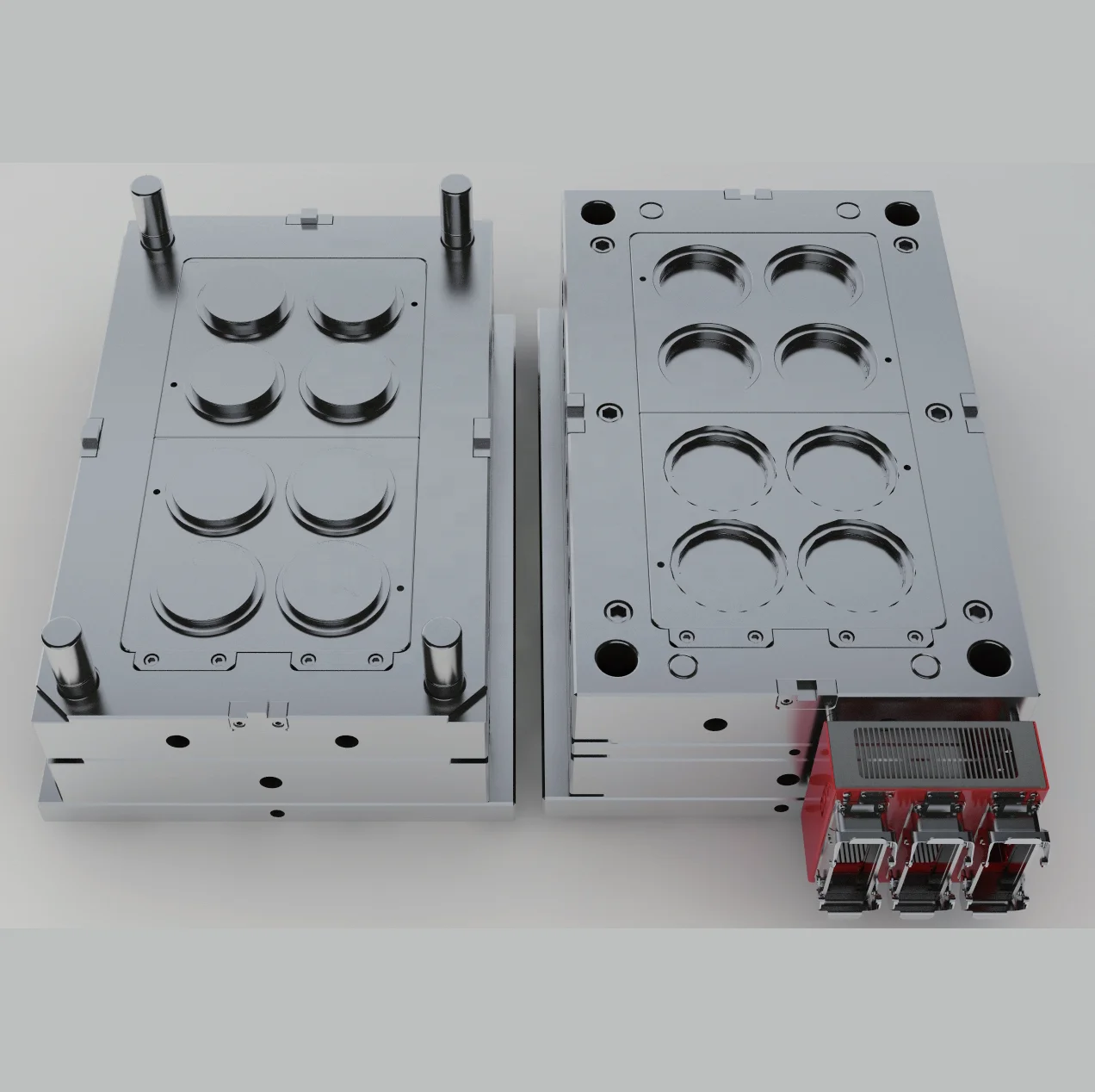
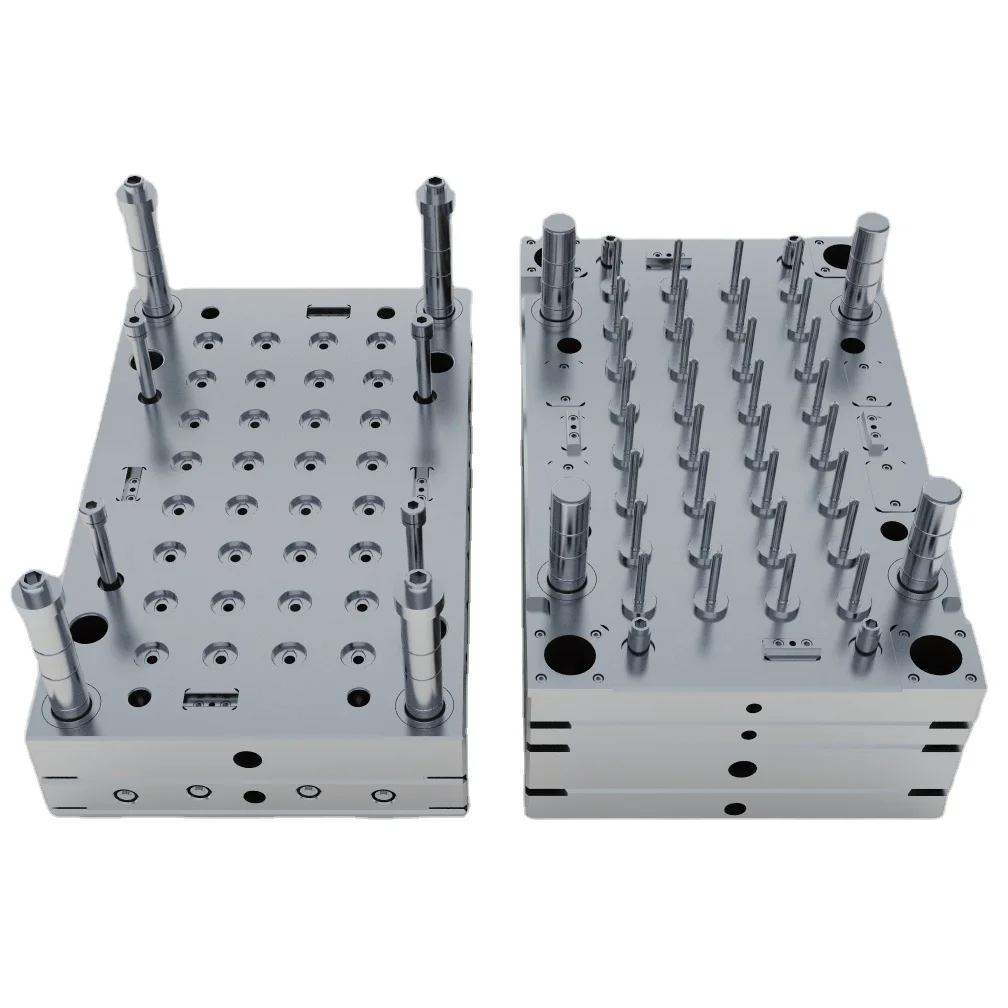
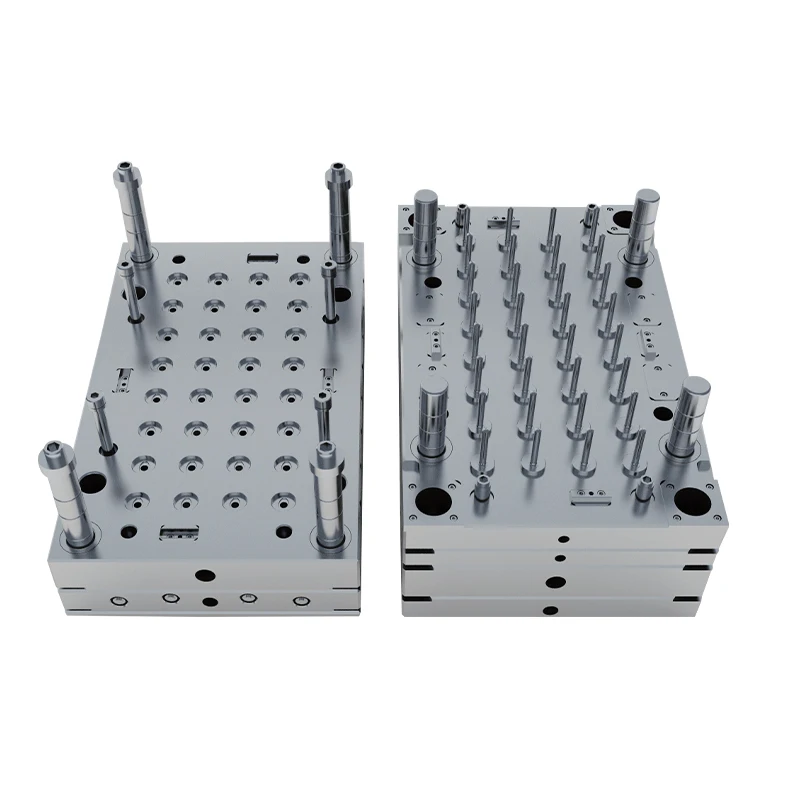
The technological sophistication underlying molding medical processes enables unprecedented innovation in medical device design and functionality while maintaining manufacturing efficiency and scalability. Modern molding medical operations employ state-of-the-art injection molding machines featuring all-electric servo-driven systems that provide exceptional precision, repeatability, and energy efficiency compared to traditional hydraulic equipment. These advanced machines execute complex molding medical cycles with microsecond timing accuracy, controlling dozens of parameters simultaneously to achieve optimal part quality. Multi-cavity molds produce multiple identical components in each molding medical cycle, dramatically increasing output while maintaining uniform quality across all cavities through scientifically balanced runner systems and thermal management. Hot runner technology eliminates material waste in molding medical applications while improving cycle times and part consistency by maintaining polymer melt temperature throughout the distribution system. For molding medical products requiring multiple materials or colors, overmolding and two-shot molding capabilities create complex assemblies in single operations, bonding different polymers together with superior strength compared to mechanical fastening or adhesive bonding. Insert molding technology incorporates metal components, electronics, or other inserts directly into molding medical products during the injection process, creating integrated assemblies that reduce assembly labor and improve reliability. Clean-room compatible automation systems handle molding medical components without human contact, utilizing robots with specialized grippers that prevent surface contamination while transferring parts between production stages. Vision inspection systems employ artificial intelligence algorithms that learn to identify defects in molding medical products with greater accuracy than human inspectors, examining surface finish, dimensional conformance, and proper feature formation at production speeds. Simulation software allows molding medical engineers to virtually prototype new designs, predicting material flow patterns, identifying potential defects, and optimizing gate locations and cooling channel designs before cutting expensive mold tooling. Rapid prototyping capabilities including 3D printing enable quick iteration of molding medical product concepts, allowing clinical evaluation and user feedback before committing to production tooling investments. Micro-molding technology pushes the boundaries of miniaturization for molding medical applications, creating components weighing only milligrams with features measured in microns for minimally invasive devices and advanced drug delivery systems. These technological capabilities transform molding medical from simple replication into sophisticated manufacturing artistry that enables medical device innovations previously considered impossible, delivering tangible benefits to patients through improved treatment options and enhanced care experiences.
Comprehensive Material Selection and Performance Optimization

Comprehensive Material Selection and Performance Optimization

The extensive material options available for molding medical applications provide manufacturers with unprecedented flexibility to optimize device performance for specific clinical requirements while ensuring biocompatibility and long-term reliability. Molding medical processes accommodate an extraordinary range of thermoplastic polymers, each offering distinct performance characteristics that address particular functional needs. Polypropylene serves as a workhorse material in molding medical applications, valued for its excellent chemical resistance, autoclave sterilization capability, and economical pricing for high-volume disposable products like syringes, specimen containers, and laboratory consumables. Polyethylene variants including HDPE and LDPE provide flexibility and impact resistance for molding medical products such as squeeze bottles, flexible tubing, and packaging films that require durability during handling and use. Polycarbonate delivers exceptional clarity and impact strength for molding medical devices where visualization is critical, including surgical instrument handles, diagnostic equipment housings, and transparent components for fluid management systems. Thermoplastic elastomers combine rubber-like flexibility with the processing advantages of thermoplastics for molding medical products requiring soft-touch surfaces, sealing functions, or comfortable patient contact such as respiratory masks, catheter balloons, and ergonomic grips. Specialty polymers including polyetherimide, polysulfone, and PEEK serve demanding molding medical applications requiring extreme temperature resistance, superior strength, or repeated sterilization cycles in reusable surgical instruments and implantable device components. Medical-grade silicones offer unmatched biocompatibility and temperature stability for molding medical products including wound drainage systems, feeding tubes, and implantable components requiring long-term body contact. Material selection for molding medical applications considers multiple performance criteria beyond basic mechanical properties, including chemical compatibility with medications and disinfectants, transparency or opacity for visual verification, colorability for coding and branding, and regulatory status with appropriate biocompatibility testing documentation. Additives and modifiers enhance base polymer performance, with antimicrobial agents preventing bacterial colonization on molding medical products, radiopaque fillers enabling X-ray visualization of devices within the body, and flame retardants meeting safety standards for electronic medical equipment housings. Material suppliers supporting molding medical manufacturers maintain rigorous change control procedures, ensuring consistency across multiple production batches and notifying customers of any formula modifications that might affect regulatory approvals. The comprehensive material expertise within molding medical operations enables collaborative development partnerships where engineers recommend optimal polymer selections based on specific application requirements, sterilization methods, regulatory pathways, and cost targets, ultimately delivering products that perform reliably throughout their intended service life while meeting all safety and efficacy requirements.