Medical Grade Plastic Injection Molding Parts - Precision Manufacturing Solutions for Healthcare Devices

Get a Quote
Get a Quote

plastic injection molding medical parts

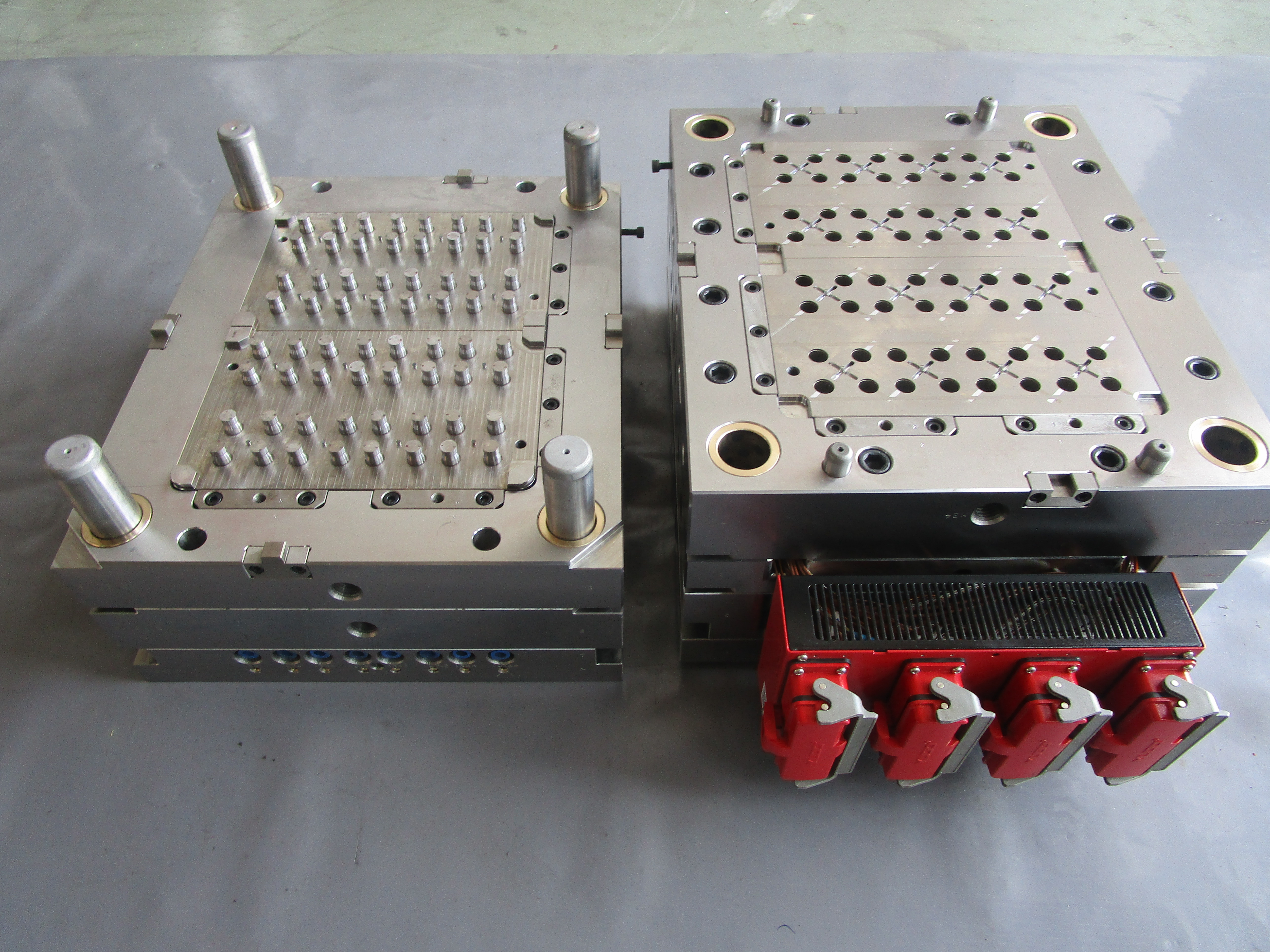
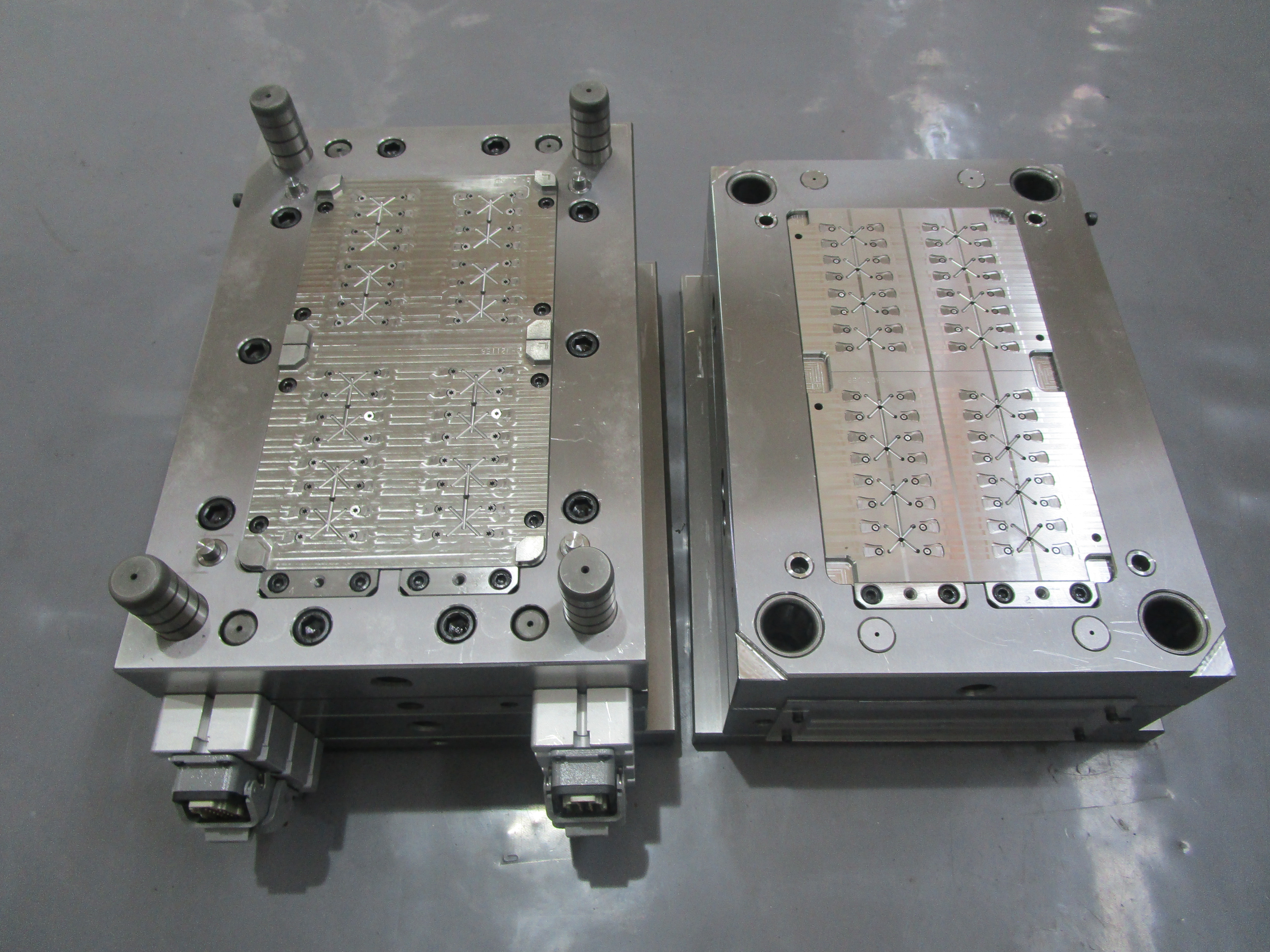
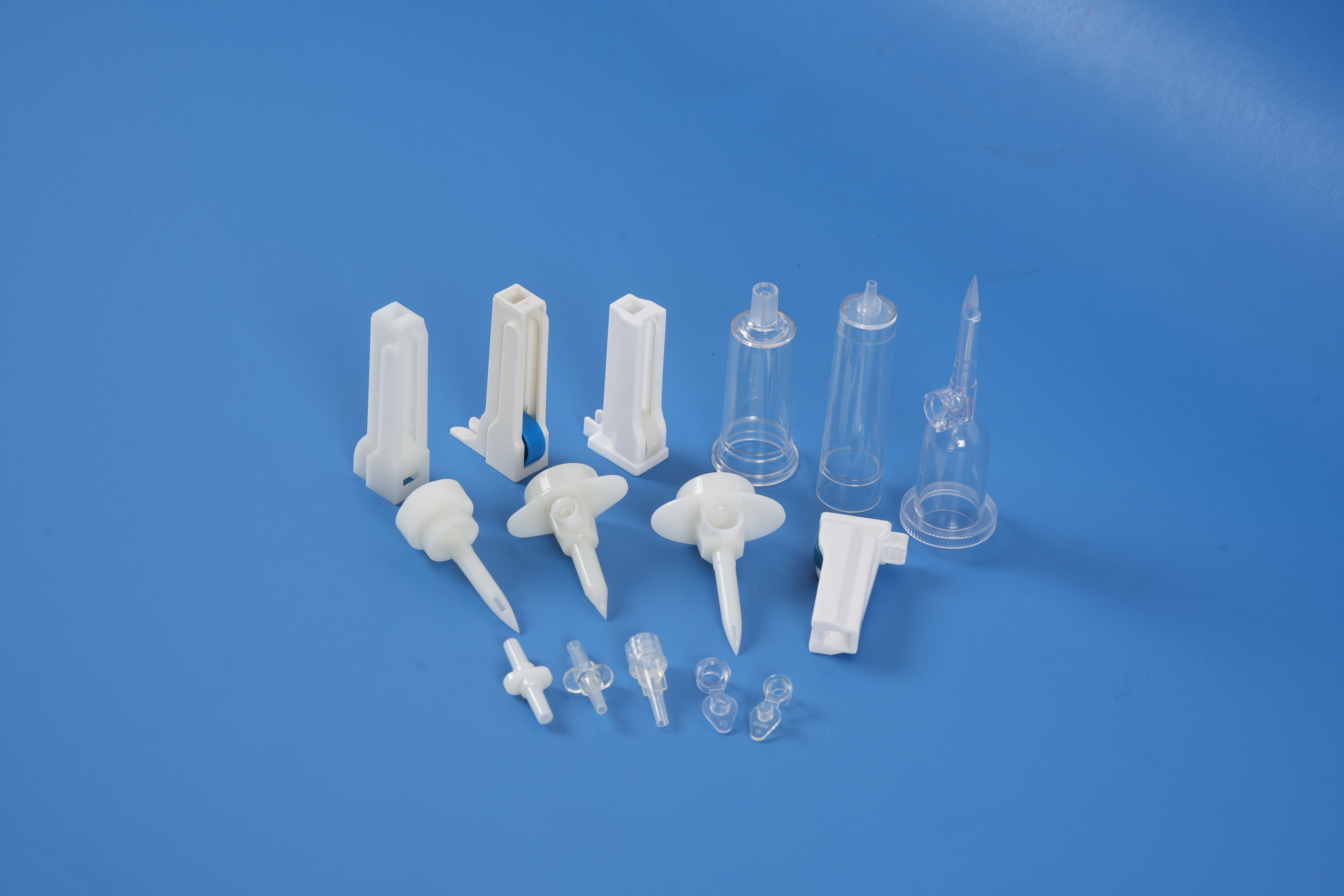
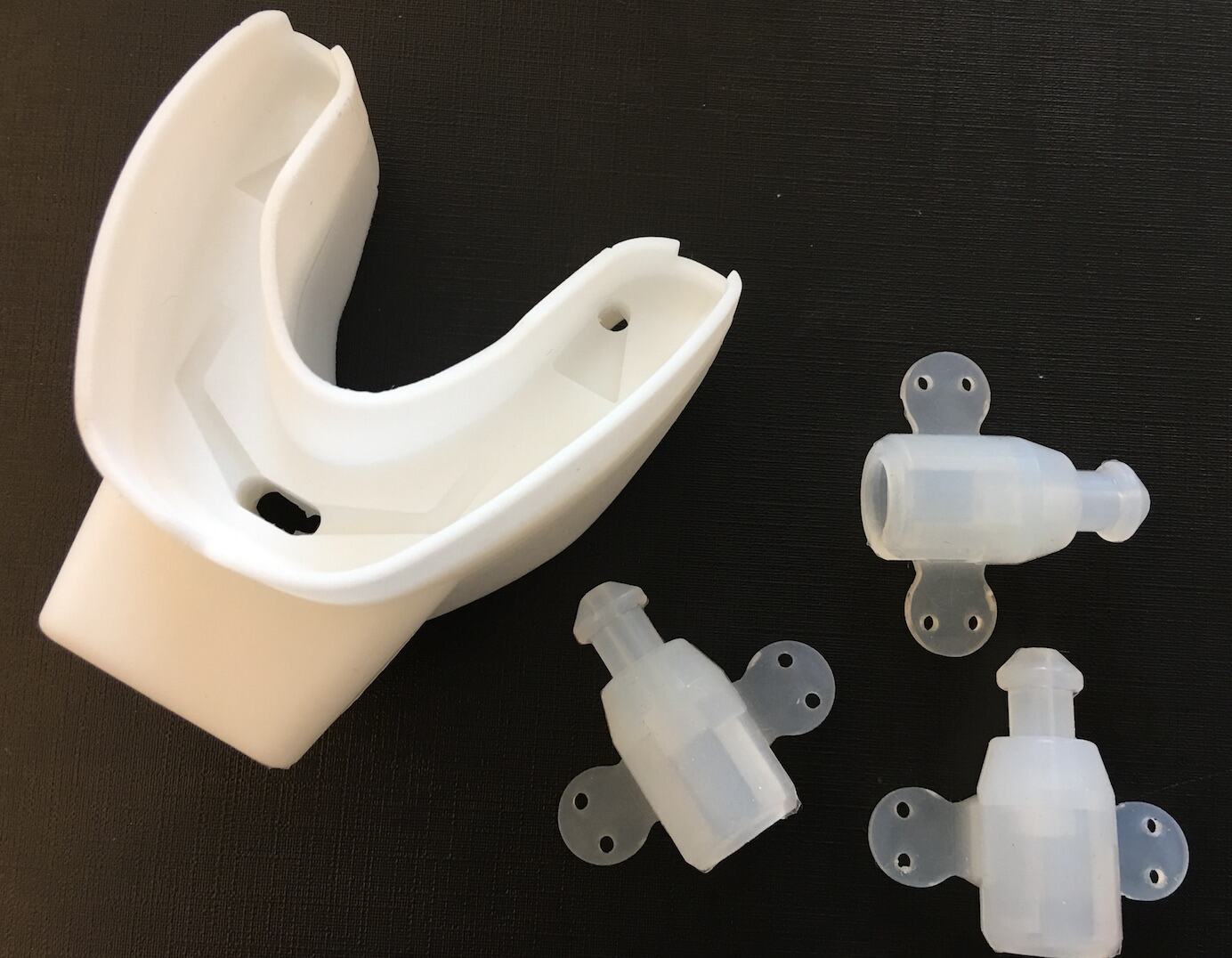
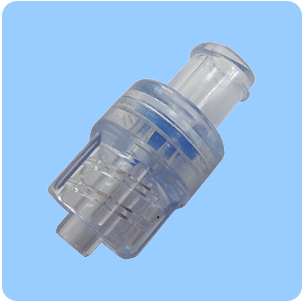
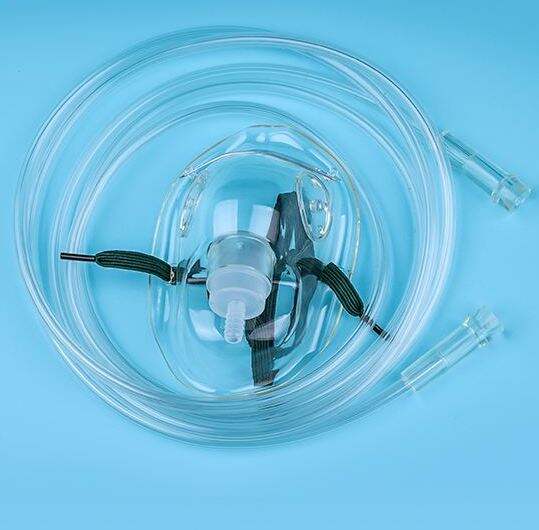
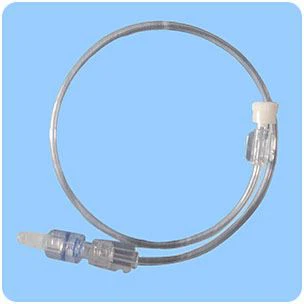
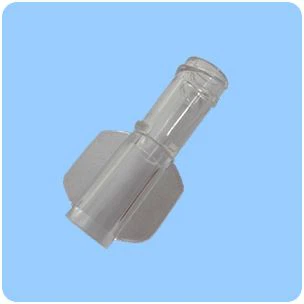
Plastic injection molding medical parts represent a cornerstone of modern healthcare manufacturing, combining precision engineering with advanced polymer science to create essential components for medical devices and equipment. This sophisticated manufacturing process involves injecting molten medical-grade plastic materials into carefully designed molds under controlled pressure and temperature conditions, producing parts with exceptional accuracy and consistency. The technology serves as the backbone for countless medical applications, from diagnostic equipment housings to surgical instruments and implantable device components. Medical-grade plastic injection molding medical parts must meet stringent regulatory standards set by organizations such as the FDA, ISO, and other international health authorities, ensuring biocompatibility, sterility, and consistent performance in clinical environments. The main functions of plastic injection molding medical parts encompass structural support, protective housing, fluid management, and precise mechanical operation within medical devices. These components often feature complex geometries, tight tolerances measured in microns, and surfaces engineered for specific interactions with biological tissues or pharmaceutical substances. Technological features include cleanroom manufacturing environments ranging from ISO Class 7 to ISO Class 8 specifications, validated production processes following Good Manufacturing Practices, and comprehensive quality control systems with full traceability. The process utilizes specialized medical-grade polymers including polycarbonate, polyetherimide, polypropylene, and liquid silicone rubber, each selected for specific mechanical properties, chemical resistance, and biocompatibility characteristics. Applications span the entire healthcare spectrum, from single-use disposable items like syringes and IV components to durable equipment parts in imaging systems, laboratory analyzers, and surgical power tools. The versatility of plastic injection molding medical parts enables manufacturers to produce everything from microscopic components weighing milligrams to large structural elements, all while maintaining the rigorous quality standards required in healthcare settings where patient safety depends on component reliability and performance consistency.

Choosing plastic injection molding medical parts delivers substantial practical benefits that directly impact your product development timeline, manufacturing costs, and market competitiveness. First, this manufacturing method provides unmatched production efficiency, allowing you to scale from prototype quantities to millions of identical parts without compromising quality standards. Once your mold design receives approval, each production cycle takes mere seconds to minutes, dramatically reducing per-unit costs as production volumes increase. This efficiency translates into faster market entry and improved profit margins for your medical device business. Second, the dimensional accuracy of plastic injection molding medical parts ensures each component meets exact specifications repeatedly, eliminating costly assembly problems and device failures. You gain the confidence that every part functions identically, which proves essential when seeking regulatory approvals and maintaining patient safety records. The process achieves tolerances as tight as plus or minus 0.001 inches, ensuring perfect fits in assemblies where precision determines device performance. Third, material versatility empowers you to select plastics that match your specific application requirements, whether you need chemical resistance for pharmaceutical contact, radiation transparency for imaging equipment, or biocompatibility for implantable components. You can optimize material selection to balance performance requirements with cost considerations, choosing from hundreds of medical-grade polymer options. Fourth, design flexibility enables you to incorporate complex features directly into molded parts, eliminating secondary operations and assembly steps. You can integrate threads, undercuts, living hinges, and multiple material combinations in single production cycles, reducing total manufacturing costs while improving product reliability. This capability allows creative solutions to engineering challenges that would prove difficult or impossible with other manufacturing methods. Fifth, the consistency of plastic injection molding medical parts minimizes quality control burdens and rejection rates, protecting your reputation and reducing waste expenses. You receive parts that meet specifications batch after batch, year after year, provided proper mold maintenance occurs. Sixth, the process supports sustainable manufacturing practices through material recycling programs and reduced energy consumption compared to alternative production methods. You can promote environmental responsibility while meeting corporate sustainability goals. Finally, plastic injection molding medical parts offer excellent surface finish options straight from the mold, reducing or eliminating finishing operations. You achieve the aesthetic appearance and texture requirements your customers expect without additional processing steps that add cost and delay delivery schedules.

Practical Tips

Top Advantages of Choosing Custom Injection Molding Services

22

Oct

Top Advantages of Choosing Custom Injection Molding Services

Revolutionizing Manufacturing Through Custom Injection Molding The manufacturing landscape has evolved dramatically in recent years, with custom injection molding services emerging as a cornerstone of modern production methods. This sophisticated man...
View More
Top Benefits of Working With a Reliable Injection Manufacturer

27

Nov

Top Benefits of Working With a Reliable Injection Manufacturer

In today's competitive manufacturing landscape, partnering with a reliable injection manufacturer has become crucial for businesses across various industries. From medical devices to automotive components, plastic injection molding remains one of the...
View More
Tips for Finding the Best Injection Manufacturer for Your Needs

27

Nov

Tips for Finding the Best Injection Manufacturer for Your Needs

Selecting the right injection manufacturer is a critical decision that can significantly impact your product quality, production timelines, and overall business success. Whether you're developing medical devices, automotive components, or consumer pr...
View More
What Applications Benefit Most from Custom Mold and OEM Molding Solutions?

23

Dec

What Applications Benefit Most from Custom Mold and OEM Molding Solutions?

Manufacturing industries across the globe rely heavily on precision components that meet exact specifications and performance standards. When standard off-the-shelf products cannot deliver the required functionality, companies turn to specialized man...
View More

Get a Free Quote

Our representative will contact you soon.
0/1000
Regulatory Compliance and Biocompatibility Excellence

Regulatory Compliance and Biocompatibility Excellence

The regulatory landscape for medical devices demands absolute adherence to complex, evolving standards that protect patient safety and ensure product efficacy. Plastic injection molding medical parts manufactured through validated processes provide the documentation trail and material traceability required for successful regulatory submissions to bodies like the FDA, European Medicines Agency, and similar international authorities. Every aspect of production, from raw material certification to process validation and finished product testing, follows documented procedures that withstand regulatory scrutiny. When you partner with experienced manufacturers of plastic injection molding medical parts, you gain access to established quality management systems certified to ISO 13485 standards specifically designed for medical device production. These systems ensure that every production run maintains identical specifications, with comprehensive records tracking material lot numbers, processing parameters, inspection results, and environmental conditions throughout manufacturing. This documentation becomes invaluable during regulatory audits and provides the evidence needed to demonstrate consistent manufacturing practices. Biocompatibility represents another critical advantage of properly manufactured plastic injection molding medical parts, particularly for components that contact patients directly or indirectly through pharmaceutical substances. Medical-grade polymers undergo rigorous testing according to ISO 10993 standards, evaluating cytotoxicity, sensitization, irritation, and systemic toxicity to ensure human safety. Manufacturers maintain material specifications and test certificates proving compliance, eliminating uncertainty about material suitability for your application. The controlled manufacturing environment for plastic injection molding medical parts prevents contamination that could compromise biocompatibility or introduce particulates into sensitive medical applications. Cleanroom facilities with filtered air handling, controlled temperature and humidity, and strict personnel protocols ensure that finished parts meet cleanliness specifications essential for medical use. This environmental control extends beyond production into packaging operations, where parts receive protection in validated clean packaging materials that maintain sterility or cleanliness until end use. Furthermore, the material consistency of plastic injection molding medical parts ensures predictable performance in biological environments, whether components serve in diagnostic testing, drug delivery, or surgical applications. You avoid the variability that can occur with materials processed through less controlled methods, gaining confidence that every component behaves identically in clinical settings where unpredictable performance could compromise patient outcomes.
Cost Efficiency Through High-Volume Manufacturing Capability

Cost Efficiency Through High-Volume Manufacturing Capability

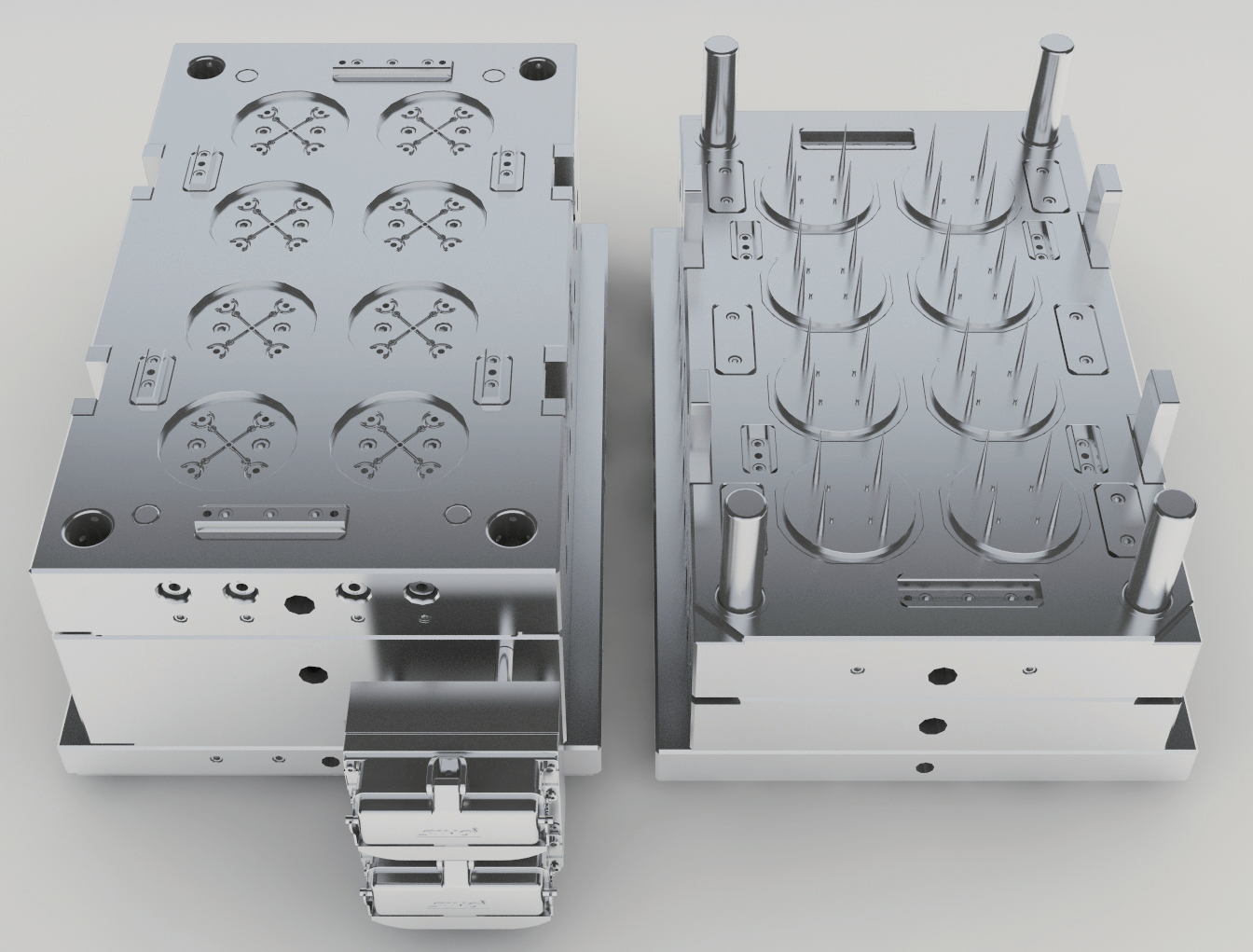
Economic viability determines whether innovative medical devices reach the patients who need them, making cost efficiency a paramount consideration in medical device development. Plastic injection molding medical parts offer compelling economic advantages that improve throughout the product lifecycle, from initial development through years of sustained production. The initial investment in tooling, while significant, amortizes across thousands or millions of parts, reducing per-unit costs to levels unattainable through alternative manufacturing methods. For medical devices with substantial market demand, this cost structure delivers exceptional value that directly improves profitability and competitive positioning. Understanding the economics of plastic injection molding medical parts begins with recognizing the relationship between volume and unit cost. Low-volume production bears higher relative tooling costs but still benefits from faster cycle times than machining or additive manufacturing. As production quantities increase into thousands of units, the cost curve shifts dramatically, with per-part expenses dropping to fractions of dollars even for complex geometries. This scalability proves particularly valuable for disposable medical products where high volumes justify automation investments that further reduce labor costs. The multi-cavity mold capability of plastic injection molding medical parts multiplies productivity without proportionally increasing cycle time. A single production cycle might produce four, eight, sixteen, or even more identical parts simultaneously, effectively multiplying output while spreading equipment and labor costs across multiple units. This multiplication effect becomes especially powerful when combined with automated part removal, inspection, and packaging systems that minimize human intervention and associated labor expenses. Material efficiency contributes additional cost savings, as plastic injection molding medical parts utilize nearly all input material with minimal waste compared to subtractive manufacturing methods. Modern hot runner systems eliminate or minimize runner waste, while any scrap material that does occur can often be reground and reused in non-critical applications, subject to regulatory and quality requirements. This material efficiency reduces raw material purchases and waste disposal costs. The repeatability of plastic injection molding medical parts also delivers economic benefits through reduced quality control requirements and lower rejection rates. When processes achieve statistical control, inspection intensity can decrease through sampling plans rather than 100 percent inspection, reducing quality control labor costs. Lower rejection rates mean less material waste and fewer resources spent on rework or scrap handling, directly improving manufacturing profitability while ensuring customers receive conforming products.
Design Optimization and Manufacturing Flexibility

Design Optimization and Manufacturing Flexibility

The design possibilities enabled by plastic injection molding medical parts empower engineers to create innovative solutions that would prove impossible or prohibitively expensive using alternative manufacturing technologies. This design freedom stems from the fundamental nature of the injection molding process, where molten plastic flows into every cavity and contour of the mold, capturing intricate details and complex three-dimensional shapes with remarkable fidelity. Medical device developers can leverage this capability to optimize component functionality, reduce assembly requirements, and create distinctive product features that differentiate their offerings in competitive markets. Complex internal geometries represent one powerful advantage of plastic injection molding medical parts, allowing engineers to incorporate internal channels, cavities, and structures that serve functional purposes. Fluid pathways can route liquids or gases through diagnostic cartridges, while hollow sections reduce component weight without sacrificing structural integrity. These internal features form integrally during molding, eliminating assembly operations that would otherwise be required to achieve similar functionality. The design flexibility extends to creating parts that combine multiple functions previously requiring separate components, reducing assembly complexity and potential failure points. Plastic injection molding medical parts can integrate snap fits, living hinges, alignment features, and sealing surfaces directly into single components, eliminating fasteners and adhesives while simplifying manufacturing processes. This consolidation reduces total part counts in medical devices, lowering inventory complexity, assembly time, and the cumulative risk of component failures. Surface texturing and finish control provide another dimension of design optimization for plastic injection molding medical parts, enabling engineers to specify exact surface characteristics that influence functionality and user experience. Textured surfaces can improve grip for handheld instruments, while highly polished surfaces minimize friction in moving assemblies or reduce areas where contaminants might accumulate. These surface characteristics form directly during molding through mold surface treatments, eliminating secondary finishing operations. Material selection flexibility empowers designers to optimize plastic injection molding medical parts for specific performance requirements across mechanical, chemical, thermal, and biological properties. Transparent materials enable visual inspection of fluids or device operation, while opaque materials protect light-sensitive pharmaceuticals. Flexible elastomers create comfortable patient interfaces, while rigid engineering plastics provide structural strength. This material versatility allows engineers to match component properties precisely to application demands, often using different materials for different components within the same device assembly.