Exceptional Material Selection and Biocompatibility for Diverse Healthcare Needs
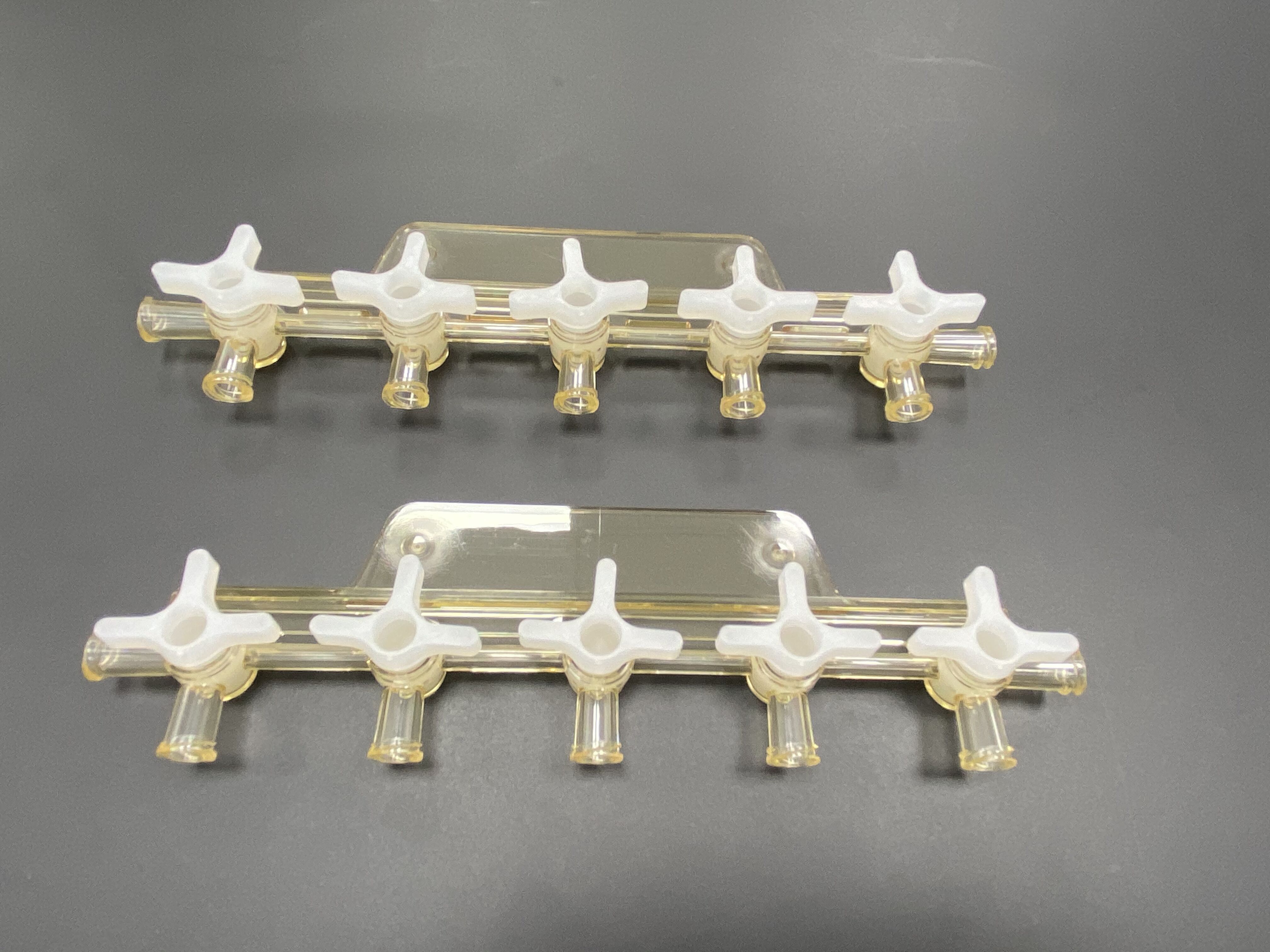
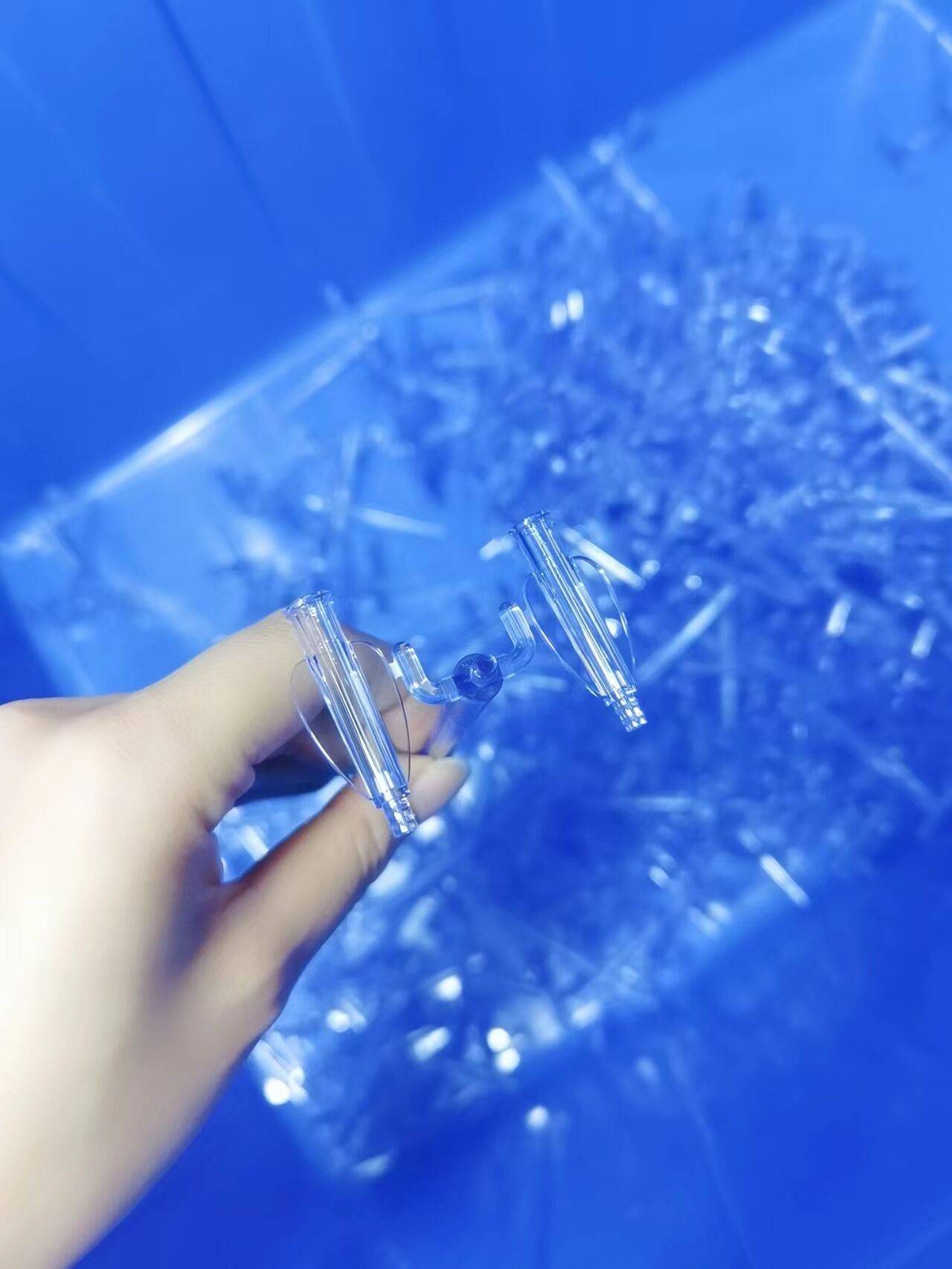
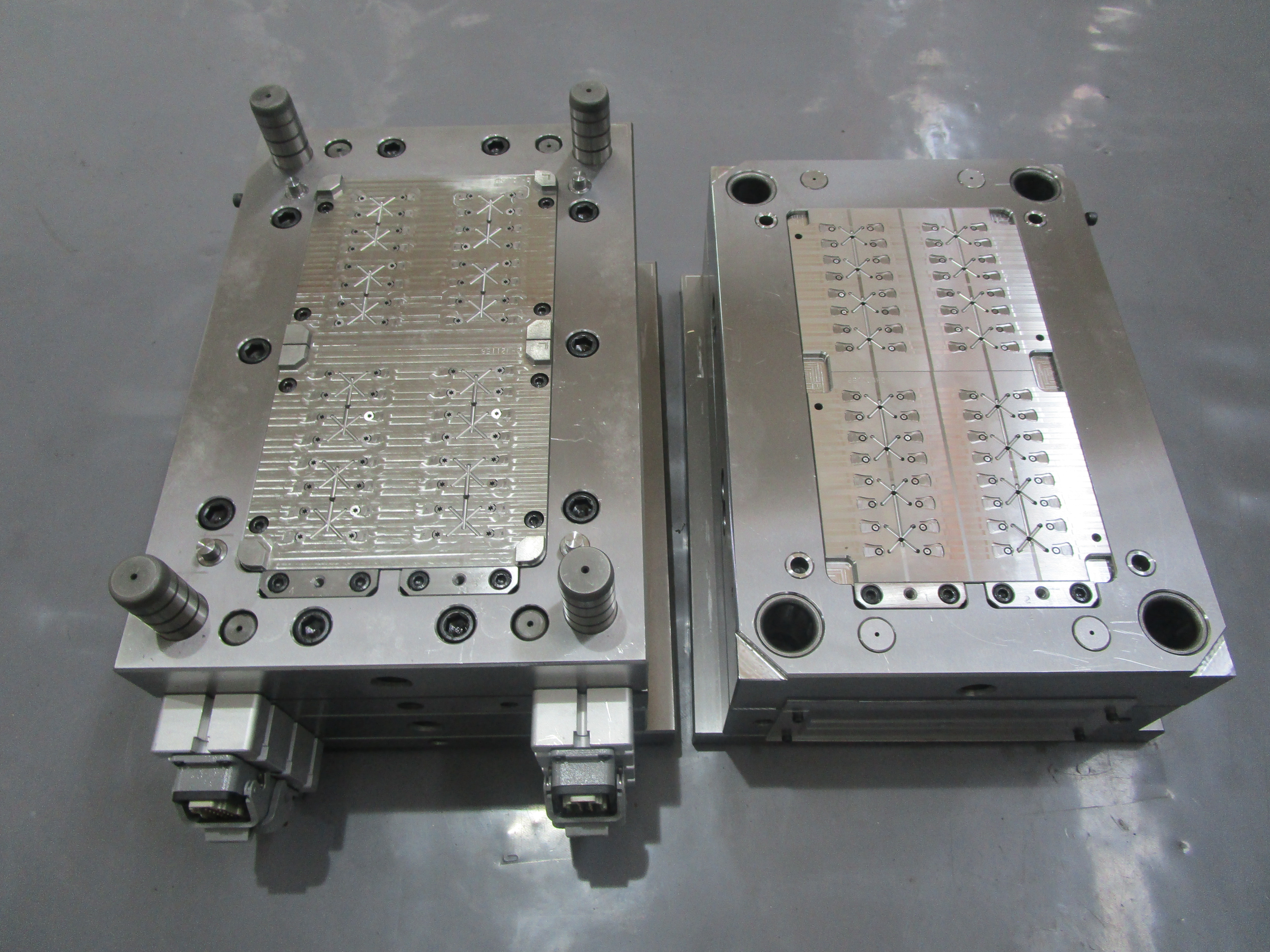
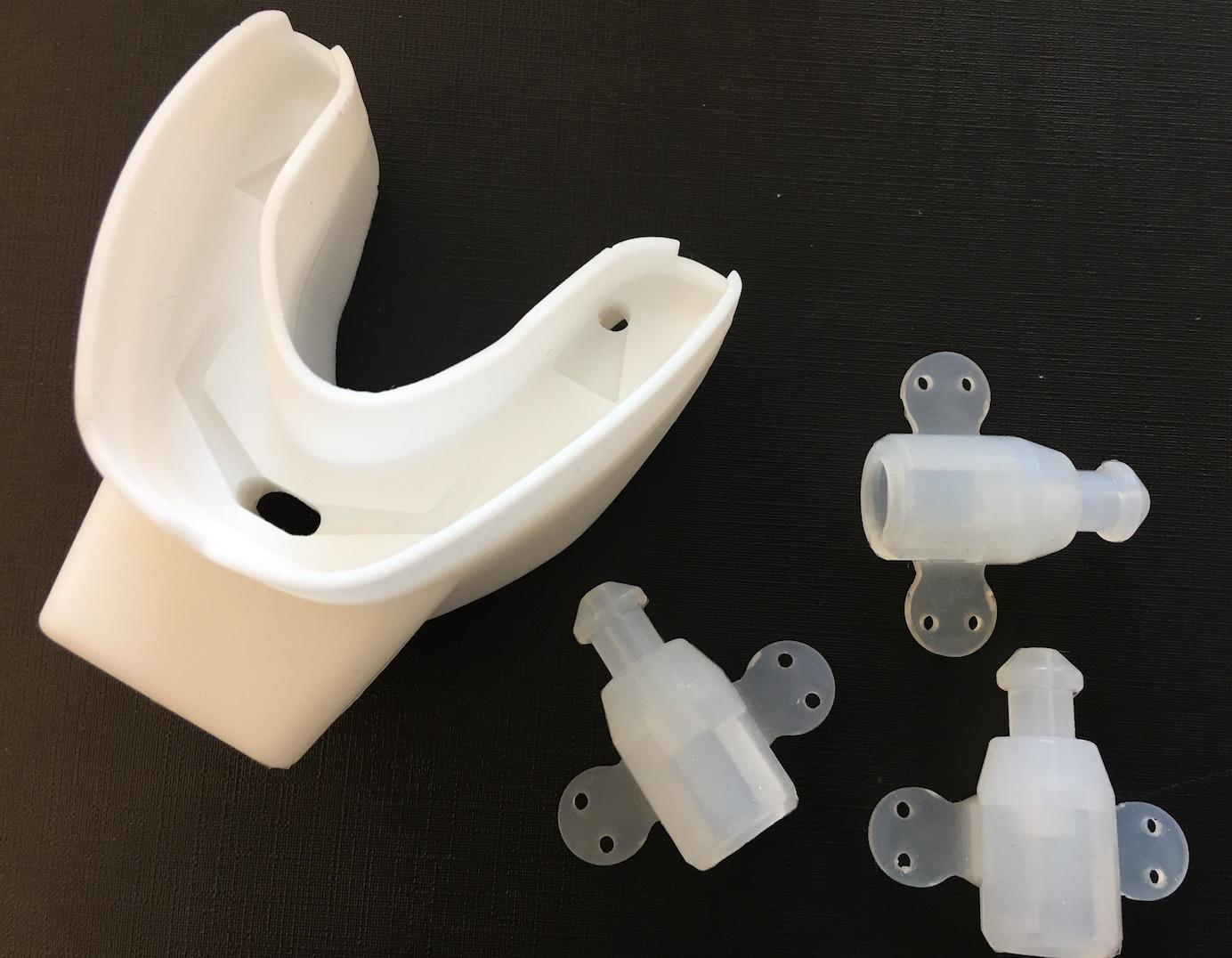
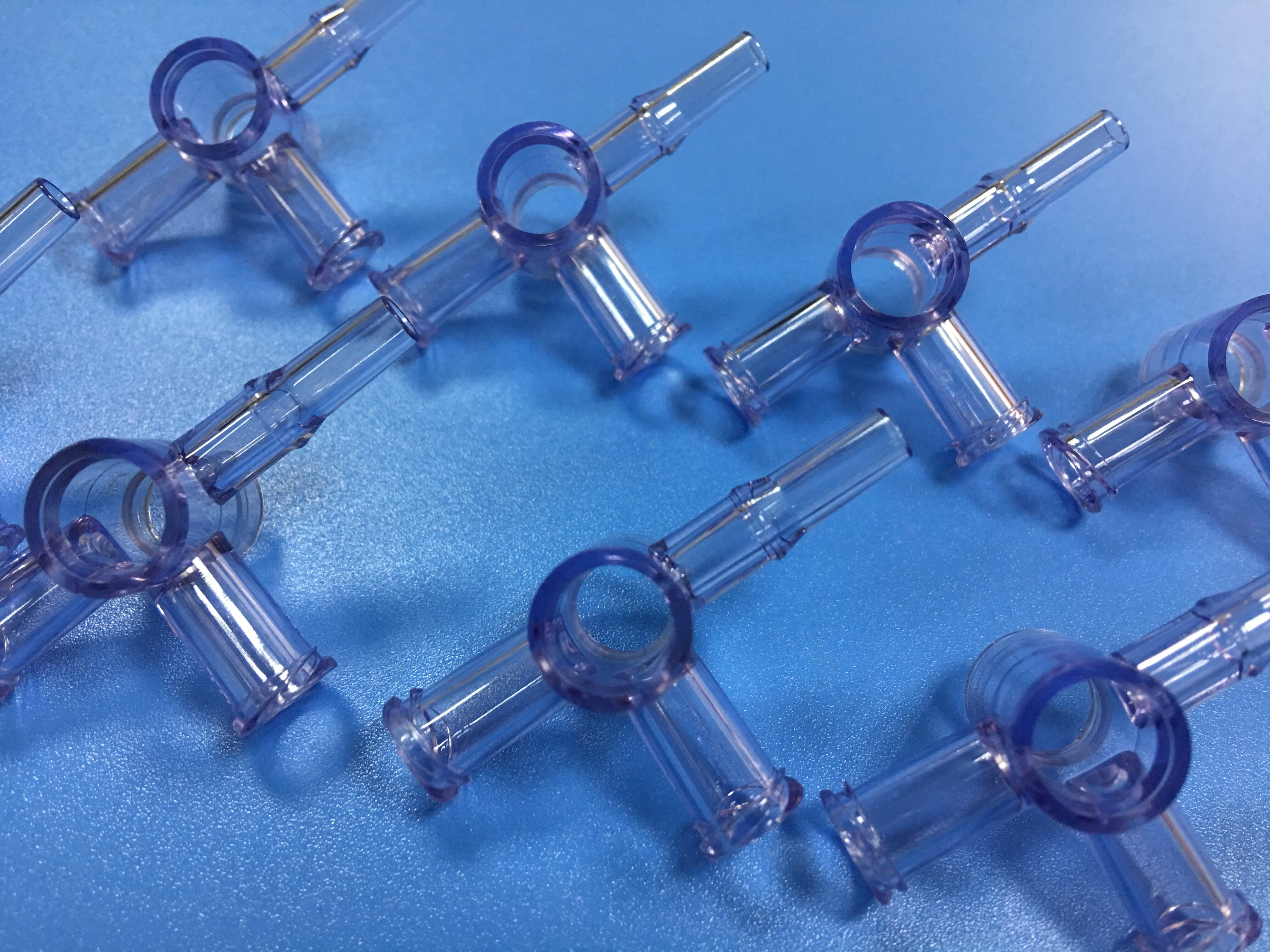
The versatility of material options available for injection moulding medical products empowers manufacturers to engineer solutions that precisely match the biological, chemical, and mechanical requirements of specific medical applications. Biocompatibility stands as the fundamental requirement for any material contacting human tissue or bodily fluids, and injection moulding accommodates an extensive range of polymers that meet ISO 10993 biocompatibility standards and USP Class VI certification requirements. This material flexibility brings tremendous value to customers developing products across diverse medical specialties, from short-term contact devices like wound dressings to long-term implantable components that remain in the body for years. Thermoplastic elastomers offer rubber-like flexibility combined with the processing advantages of thermoplastics, ideal for applications like respirator masks, tube connectors, and cushioning components that require comfort and durability. Polycarbonate provides exceptional impact resistance and optical clarity, making it the material of choice for safety eyewear, instrument housings, and components requiring visual inspection of contents. Polyetheretherketone, commonly known by its abbreviation, delivers outstanding chemical resistance and can withstand repeated sterilization cycles, supporting applications in surgical instruments and implantable devices. The importance of appropriate material selection extends beyond basic functionality to encompass considerations like sterilization compatibility, shelf life stability, and end-of-life disposal. Injection moulding medical products can be manufactured from materials that withstand gamma radiation, ethylene oxide gas, steam autoclaving, or other sterilization methods without degrading or releasing harmful substances. This sterilization compatibility proves essential for customers producing reusable instruments or sterile disposable devices. Material selection also influences manufacturing efficiency and cost-effectiveness: some polymers flow more easily during moulding, reducing cycle times and energy consumption, while others offer superior strength, allowing thinner walls and reduced material usage. The ability to incorporate additives and reinforcements expands possibilities further, as manufacturers can blend antimicrobial agents, radiopaque materials for X-ray visibility, or glass fibers for enhanced strength directly into the base polymer. These customized materials enable injection moulding medical products to meet specialized requirements without additional processing steps. For customers, this translates to streamlined production, reduced inventory complexity, and products optimized for their intended purpose, ultimately supporting better patient outcomes and competitive advantages in crowded medical device markets.

 EN
EN