
 EN
EN
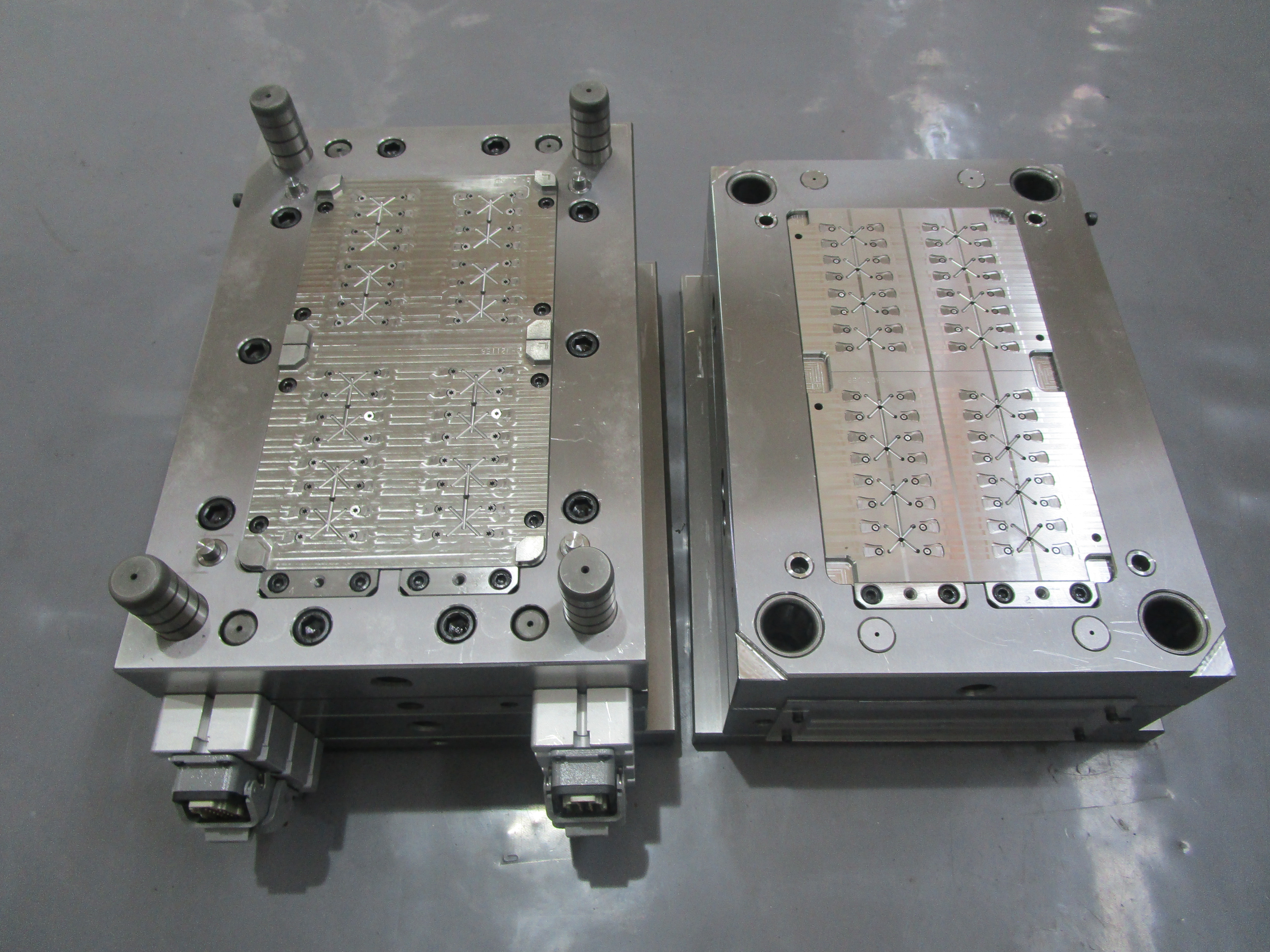
The manufacturing of life-saving medical devices demands unwavering precision, safety, and reliability at every stage of production. At the heart of this critical process lies the medical plastic injection mold, a sophisticated manufacturing tool that shapes the components essential for patient care and medical interventions. These specialized molds represent the intersection of advanced engineering, regulatory compliance, and life-critical quality standards that define modern healthcare manufacturing.
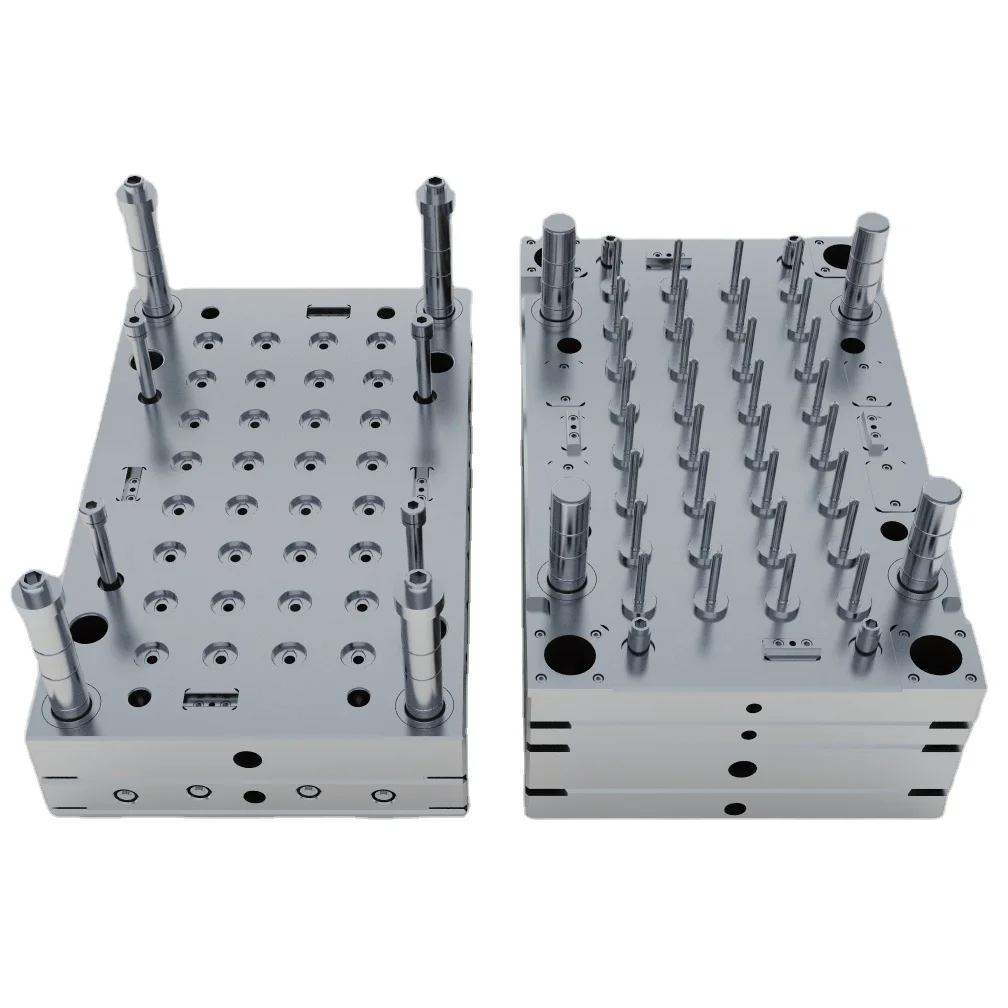
Medical device manufacturers across the globe recognize that the quality of their final products directly correlates with the precision of their manufacturing processes. When dealing with components that can mean the difference between life and death, there is no room for compromise in tooling excellence. The medical plastic injection mold serves as the foundation upon which reliable, safe, and effective medical devices are built, making its role absolutely indispensable in healthcare manufacturing.
Understanding Medical Plastic Injection Mold Technology
Advanced Materials and Construction Standards
The construction of a medical plastic injection mold requires materials that exceed standard industrial specifications. Tool steels used in medical applications must demonstrate exceptional hardness, corrosion resistance, and dimensional stability under repeated thermal cycling. These molds often incorporate specialized coatings and surface treatments that prevent contamination while maintaining the micro-level precision required for medical components.
Manufacturing facilities producing medical devices rely on molds constructed from premium materials such as stainless steel, hardened tool steels, and specialized alloys. These materials ensure that the medical plastic injection mold maintains its dimensional accuracy through millions of production cycles while resisting the chemical cleaning agents and sterilization processes required in medical manufacturing environments.
Precision Engineering Requirements
The engineering tolerances demanded in medical device manufacturing far exceed those found in consumer products or general industrial applications. A medical plastic injection mold must achieve tolerances measured in microns, ensuring that critical dimensions such as lumen diameters, wall thicknesses, and sealing surfaces meet exact specifications. This level of precision directly impacts device functionality, patient safety, and regulatory compliance.
Modern medical plastic injection mold designs incorporate advanced cooling systems, precision ejection mechanisms, and sophisticated gating strategies that eliminate defects while maintaining consistent part quality. These engineering considerations ensure that every component produced meets the stringent requirements necessary for medical applications where failure is not an option.
Critical Quality Standards in Medical Device Manufacturing
FDA Compliance and Regulatory Requirements
Medical device manufacturers operating under FDA oversight must ensure that their medical plastic injection mold processes comply with comprehensive quality management systems. These requirements extend beyond the mold itself to encompass validation protocols, process controls, and documentation standards that demonstrate consistent quality output. The mold design and manufacturing process must support the production of devices that meet biocompatibility, sterility, and performance standards.
Regulatory compliance in medical device manufacturing requires that every aspect of the production process, including the medical plastic injection mold design and operation, be thoroughly validated and documented. This includes material traceability, process parameter validation, and comprehensive quality assurance protocols that ensure patient safety and device efficacy throughout the product lifecycle.
Biocompatibility and Material Selection
The selection of materials for medical devices manufactured using a medical plastic injection mold requires careful consideration of biocompatibility requirements. Medical-grade polymers must demonstrate safety when in contact with human tissue, blood, or other bodily fluids. The mold design must accommodate the specific processing requirements of these specialized materials while maintaining the precision necessary for critical dimensions.
Material selection for medical applications involves extensive testing and validation to ensure that the final components meet USP Class VI standards, ISO 10993 biocompatibility requirements, and other relevant safety standards. The medical plastic injection mold must be designed to process these materials without introducing contamination or compromising their inherent biocompatibility properties.
Design Considerations for Life-Critical Components
Dimensional Accuracy and Repeatability
Life-saving medical devices often depend on precise dimensional relationships between components for proper function. A medical plastic injection mold must consistently produce parts that meet these critical dimensions across millions of production cycles. Variations in wall thickness, surface finish, or dimensional accuracy can compromise device performance and potentially endanger patient safety.
The repeatability requirements for medical components manufactured using medical plastic injection mold technology often exceed statistical process control standards used in other industries. Manufacturers implement comprehensive measurement and monitoring systems to ensure that dimensional variation remains within acceptable limits throughout the production run, maintaining the consistency essential for medical device reliability.
Surface Finish and Contamination Control
Medical devices require surface finishes that support easy cleaning, sterilization, and biocompatibility. The medical plastic injection mold must produce components with smooth, non-porous surfaces that resist bacterial adhesion and facilitate effective sterilization procedures. Surface imperfections, flash, or contamination can create sites for bacterial growth or compromise the sterility of medical devices.
Advanced polishing techniques and specialized surface treatments applied to the medical plastic injection mold ensure that molded components achieve the mirror-like finishes required for medical applications. These surface quality requirements extend beyond aesthetics to encompass functional considerations such as fluid flow characteristics, sealing performance, and compatibility with sterilization methods.
Manufacturing Process Excellence
Process Validation and Control
Medical device manufacturers must validate every aspect of their production processes, including the operation of medical plastic injection mold systems. This validation encompasses process parameter qualification, equipment qualification, and ongoing process monitoring to ensure consistent output quality. The complexity of medical device manufacturing requires sophisticated process control systems that monitor and adjust parameters in real-time.
The validation process for medical plastic injection mold operations includes extensive testing to demonstrate that the process consistently produces components meeting all specifications. This includes statistical analysis of dimensional variation, material properties, and functional performance to establish process capability and identify potential sources of variation that could impact product quality.
Cleanroom Manufacturing Environment
Medical device manufacturing typically occurs in controlled cleanroom environments that minimize particulate contamination and maintain sterile conditions. The medical plastic injection mold and associated equipment must be designed to operate effectively in these controlled environments while supporting the cleaning and sterilization protocols required for medical manufacturing.
Cleanroom compatibility extends to every aspect of the medical plastic injection mold system, including material handling equipment, auxiliary systems, and maintenance procedures. Manufacturing facilities implement comprehensive contamination control protocols that ensure the integrity of the controlled environment while maintaining production efficiency and quality standards.
Technology Advancement and Innovation
Computer-Aided Design and Simulation
Modern medical plastic injection mold development leverages advanced computer-aided design tools and simulation software to optimize mold performance before physical construction begins. These tools enable engineers to predict and eliminate potential quality issues, optimize cooling systems, and ensure that the mold design supports the production of high-quality medical components.
Simulation technology allows manufacturers to visualize material flow, predict potential defects, and optimize processing parameters during the medical plastic injection mold design phase. This predictive capability reduces development time, minimizes costly design iterations, and ensures that the final mold design supports consistent production of quality medical devices.
Multi-Cavity and Family Mold Designs
Economic considerations in medical device manufacturing have driven the development of sophisticated multi-cavity medical plastic injection mold designs that produce multiple components simultaneously while maintaining the precision required for medical applications. These advanced mold designs require careful attention to flow balance, cooling uniformity, and dimensional consistency across all cavities.
Family mold designs allow manufacturers to produce complete device assemblies using a single medical plastic injection mold, reducing inventory requirements and ensuring dimensional compatibility between mating components. These complex mold designs require advanced engineering expertise to achieve the precision and reliability demanded by medical device applications.
Quality Assurance and Testing Protocols
In-Process Monitoring Systems
Medical device manufacturing requires comprehensive in-process monitoring systems that continuously assess the performance of medical plastic injection mold operations. These systems monitor critical process parameters such as temperature, pressure, cycle time, and dimensional accuracy to ensure that production remains within validated parameters throughout the manufacturing run.
Advanced monitoring systems integrate with manufacturing execution systems to provide real-time feedback on process performance and automatically adjust parameters when variations are detected. This level of process control ensures that medical plastic injection mold operations maintain the consistency required for medical device manufacturing while minimizing waste and production disruptions.
Statistical Process Control Implementation
Statistical process control methodologies provide the analytical framework necessary to demonstrate that medical plastic injection mold processes operate within validated parameters. These techniques enable manufacturers to identify trends, predict potential quality issues, and implement corrective actions before defective components are produced.
The implementation of statistical process control in medical plastic injection mold operations requires sophisticated data collection and analysis systems that can process large volumes of measurement data in real-time. These systems provide the documentation and traceability required for regulatory compliance while supporting continuous improvement initiatives that enhance process capability and product quality.
Economic Impact and Cost Considerations
Long-term Investment Value
The initial investment required for a precision medical plastic injection mold represents a significant capital expenditure that must be justified through long-term production economics. Medical device manufacturers must balance the higher costs associated with precision tooling against the benefits of consistent quality, regulatory compliance, and reduced rejection rates over the mold's operational lifetime.
Quality medical plastic injection mold systems provide exceptional value through their ability to produce millions of components with consistent quality and minimal maintenance requirements. The precision and reliability of these molds reduce scrap rates, minimize rework costs, and ensure that production schedules can be maintained without quality compromises.
Risk Mitigation and Liability Considerations
Medical device manufacturers face significant liability risks associated with product failures that could potentially harm patients. Investing in precision medical plastic injection mold technology represents a critical risk mitigation strategy that reduces the likelihood of quality-related issues and demonstrates the manufacturer's commitment to patient safety.
The cost of precision tooling represents a small fraction of the potential costs associated with product recalls, liability claims, and regulatory sanctions that could result from quality failures. Medical plastic injection mold systems that consistently produce quality components provide manufacturers with confidence in their products' safety and reliability while protecting against these significant business risks.
FAQ
What makes medical plastic injection molds different from standard industrial molds
Medical plastic injection molds must meet significantly higher precision standards, use biocompatible materials, and comply with strict regulatory requirements including FDA validation protocols. They require specialized surface finishes, contamination control measures, and documentation standards that exceed those found in general manufacturing applications. These molds also must accommodate medical-grade polymers and support cleanroom manufacturing environments.
How do manufacturers ensure consistent quality across millions of production cycles
Quality consistency is achieved through comprehensive process validation, statistical process control implementation, and advanced monitoring systems that track critical parameters in real-time. Medical plastic injection mold systems incorporate precision cooling, sophisticated ejection mechanisms, and automated quality checks that maintain dimensional accuracy throughout extended production runs. Regular maintenance protocols and preventive replacement schedules ensure continued performance.
What regulatory compliance requirements apply to medical injection molding processes
Medical injection molding must comply with FDA Quality System Regulation, ISO 13485 quality management standards, and device-specific regulatory requirements. This includes comprehensive validation documentation, material traceability systems, biocompatibility testing, and ongoing process monitoring. Manufacturers must demonstrate that their medical plastic injection mold processes consistently produce devices meeting all applicable safety and performance standards.
How do precision requirements in medical applications compare to other industries
Medical applications typically require tolerances measured in microns compared to the millimeter tolerances acceptable in many industrial applications. Medical plastic injection mold systems must achieve dimensional accuracy levels that ensure proper device function, patient safety, and regulatory compliance. Surface finish requirements, material consistency, and contamination control standards also far exceed those found in consumer products or general industrial manufacturing.
Table of Contents
- Understanding Medical Plastic Injection Mold Technology
- Critical Quality Standards in Medical Device Manufacturing
- Design Considerations for Life-Critical Components
- Manufacturing Process Excellence
- Technology Advancement and Innovation
- Quality Assurance and Testing Protocols
- Economic Impact and Cost Considerations
-
FAQ
- What makes medical plastic injection molds different from standard industrial molds
- How do manufacturers ensure consistent quality across millions of production cycles
- What regulatory compliance requirements apply to medical injection molding processes
- How do precision requirements in medical applications compare to other industries
