 EN
EN
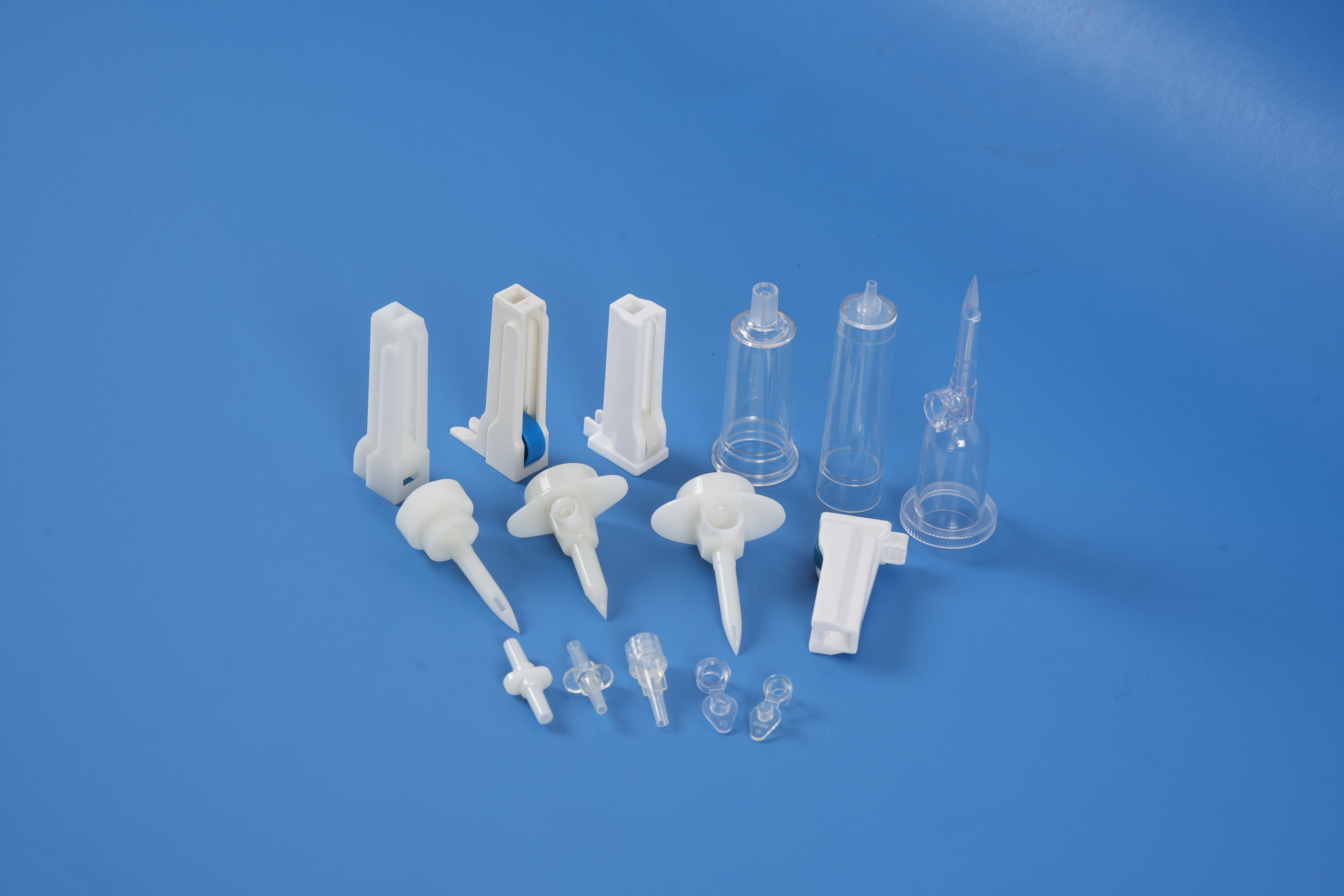
Medical device manufacturing demands precision, compliance, and reliability at every stage of production. When selecting a partner for custom mold development and OEM molding services, healthcare companies must evaluate multiple critical factors that directly impact product quality, regulatory compliance, and market success. The complexity of medical devices requires specialized expertise in materials science, manufacturing processes, and stringent quality control systems that can meet FDA, ISO, and other international regulatory standards.
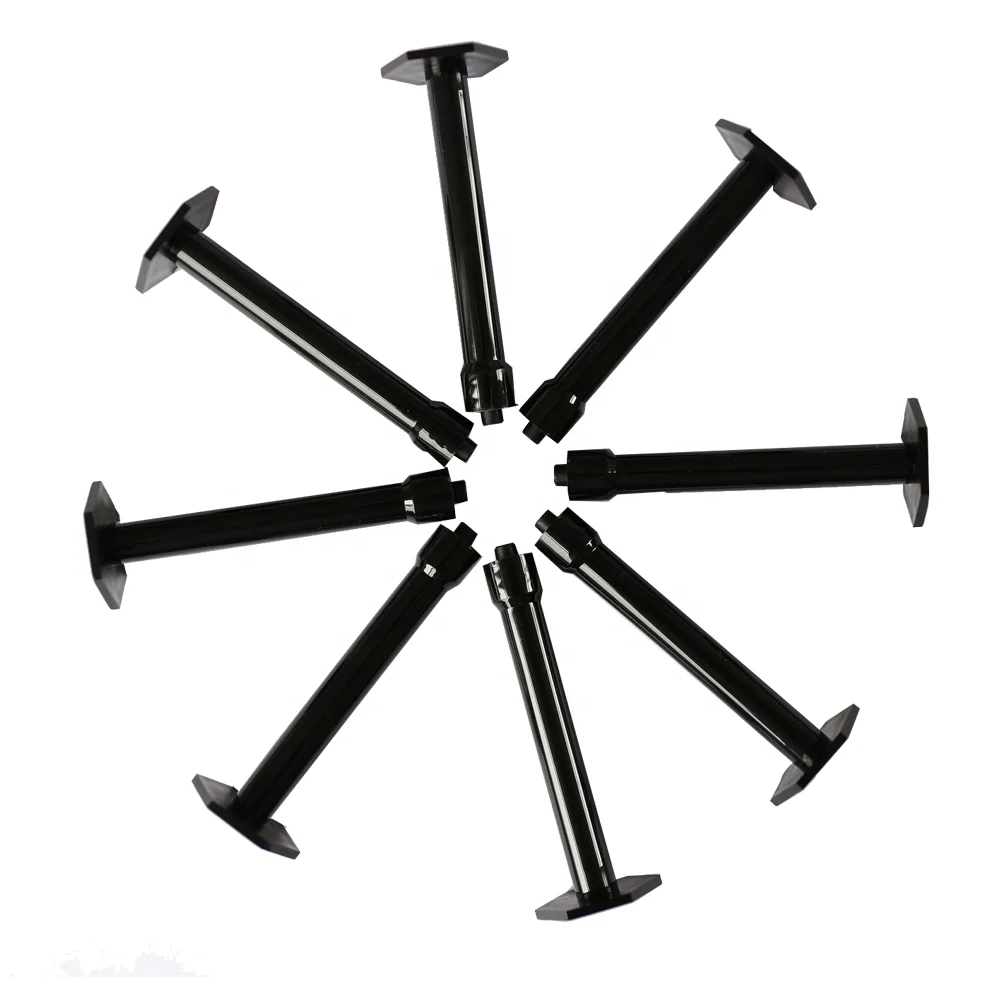
The medical device industry represents one of the most regulated manufacturing sectors globally, where even minor defects can have life-threatening consequences. Custom mold partners must demonstrate comprehensive understanding of biocompatible materials, cleanroom manufacturing environments, and validation protocols that ensure consistent product performance. Successful partnerships require alignment between the device manufacturer's vision and the mold supplier's technical capabilities, regulatory knowledge, and quality assurance systems.
Choosing the right custom mold partner involves thorough evaluation of their manufacturing capabilities, regulatory compliance history, and ability to scale production according to market demands. Companies must assess potential partners based on their track record in medical device manufacturing, investment in advanced technologies, and commitment to continuous improvement. The selection process should include comprehensive audits, reference checks, and detailed discussions about project requirements, timelines, and quality expectations.
Technical Expertise and Manufacturing Capabilities
Advanced Tooling Technologies and Equipment
Leading custom mold manufacturers invest heavily in state-of-the-art equipment and technologies that enable precise, repeatable production of complex medical components. Computer Numerical Control machines, Electric Discharge Machining systems, and advanced CAD software platforms form the foundation of modern custom mold manufacturing operations. These technologies enable manufacturers to achieve tight tolerances, complex geometries, and surface finishes required for medical device applications.
The sophistication of manufacturing equipment directly correlates with the quality and consistency of custom mold production. High-precision machining centers equipped with multi-axis capabilities can produce intricate mold features that traditional equipment cannot achieve. Advanced measurement systems, including Coordinate Measuring Machines and optical inspection systems, ensure dimensional accuracy throughout the custom mold manufacturing process.
Material expertise represents another crucial aspect of technical capabilities, particularly for medical device applications requiring biocompatible and sterilizable materials. Custom mold manufacturers must demonstrate comprehensive knowledge of medical-grade plastics, elastomers, and metal alloys used in healthcare applications. This expertise extends to understanding material behavior during molding processes, thermal cycling, and sterilization procedures.
Design and Engineering Support
Exceptional custom mold partners provide comprehensive design and engineering support throughout the product development lifecycle. Design for Manufacturing analysis helps optimize component geometry for efficient molding processes while maintaining functional requirements. Engineering teams should collaborate closely with device manufacturers to identify potential manufacturing challenges early in the design phase and propose solutions that enhance producibility without compromising performance.
Mold flow analysis capabilities enable custom mold manufacturers to simulate injection molding processes before tool fabrication begins. These simulations predict material flow patterns, identify potential defects, and optimize gate locations and cooling systems. Advanced simulation software helps minimize trial-and-error iterations during mold qualification, reducing development timelines and costs while improving final product quality.
Prototyping services complement design and engineering support by providing physical validation of component designs before committing to production tooling. Rapid prototyping technologies, including 3D printing and soft tooling, allow device manufacturers to evaluate form, fit, and function characteristics early in the development process. Custom mold partners should offer multiple prototyping options to accommodate different validation requirements and project timelines.
Quality Assurance and Regulatory Compliance
ISO Standards and Medical Device Regulations
Regulatory compliance forms the cornerstone of medical device manufacturing, requiring custom mold partners to maintain comprehensive quality management systems aligned with international standards. ISO 13485 certification demonstrates commitment to medical device quality requirements, while additional certifications such as ISO 9001 and AS9100 indicate broader quality system maturity. These certifications require regular third-party audits and continuous improvement initiatives that ensure consistent performance.
FDA regulations impose additional requirements for medical device manufacturing, including Design Controls, Risk Management, and Corrective and Preventive Action systems. Custom mold manufacturers serving the medical device market must understand these regulatory requirements and implement appropriate procedures to support client compliance efforts. This includes maintaining detailed documentation, implementing change control procedures, and providing validation support for molding processes.
Traceability requirements mandate detailed record-keeping throughout the custom mold manufacturing and production processes. Partners must maintain comprehensive documentation of materials, processing parameters, inspection results, and any deviations from standard procedures. Electronic batch records and serialization capabilities support complete product traceability from raw materials through finished device delivery.
Validation and Testing Capabilities
Comprehensive validation programs ensure custom mold performance meets specified requirements and maintains consistency throughout production lifecycles. Installation Qualification, Operational Qualification, and Performance Qualification protocols verify that molding equipment and processes perform according to predetermined specifications. These validation activities require detailed documentation and statistical analysis to demonstrate process capability and control.
Testing capabilities should encompass dimensional verification, material property validation, and functional performance assessment. Coordinate measuring machines, optical comparators, and specialized testing equipment enable precise measurement of critical component features. Material testing laboratories verify biocompatibility, sterilization resistance, and mechanical properties of molded components according to relevant industry standards.
Process validation extends beyond initial qualification to include ongoing monitoring and control throughout production runs. Statistical Process Control systems track key process parameters and product characteristics to identify trends and potential issues before they impact product quality. Custom mold partners should demonstrate robust process monitoring capabilities and established procedures for investigating and addressing process variations.
Supply Chain Management and Scalability
Production Capacity and Flexibility
Medical device markets often experience significant demand fluctuations requiring custom mold partners with scalable production capabilities. Manufacturing facilities should maintain sufficient capacity to accommodate volume increases while preserving quality standards and delivery commitments. Flexible production systems enable rapid reconfiguration to support different product lines and accommodate changing market demands.
Geographic distribution of manufacturing facilities affects supply chain resilience and customer service capabilities. Custom mold partners with multiple production locations can provide redundancy against natural disasters, political instability, or other disruptions that might impact single-site operations. Local manufacturing capabilities reduce transportation costs and lead times while supporting customer-specific requirements and preferences.
Automation investments enhance production efficiency and consistency while reducing labor-related variability in custom mold manufacturing processes. Robotic systems, automated inspection equipment, and integrated manufacturing systems improve throughput and quality while reducing operational costs. Advanced automation capabilities enable lights-out production for high-volume applications while maintaining stringent quality standards.
Supply Chain Risk Management
Robust supply chain risk management practices protect against disruptions that could impact medical device availability and patient care. Custom mold partners should maintain qualified supplier networks with backup sources for critical materials and components. Supplier qualification programs ensure secondary sources meet the same quality and regulatory requirements as primary suppliers.
Inventory management strategies balance carrying costs against supply security, particularly for critical raw materials with long lead times or limited supplier bases. Strategic inventory positioning and vendor-managed inventory programs can reduce supply chain risks while optimizing working capital requirements. Custom mold manufacturers should collaborate with device companies to develop appropriate inventory strategies based on demand patterns and supply chain characteristics.
Business continuity planning addresses potential disruptions from natural disasters, economic instability, or other unforeseen circumstances that could impact custom mold production capabilities. Comprehensive continuity plans include alternative manufacturing arrangements, emergency communication procedures, and recovery timelines for various disruption scenarios. Regular testing and updating of continuity plans ensures effectiveness when actual disruptions occur.
Cost Management and Value Creation
Total Cost of Ownership Analysis
Effective cost management extends beyond initial custom mold pricing to encompass total cost of ownership throughout product lifecycles. Initial tooling costs, production piece prices, maintenance expenses, and quality-related costs all contribute to overall program economics. Value engineering initiatives can identify opportunities to reduce costs without compromising product performance or regulatory compliance.
Lifecycle cost modeling helps device manufacturers evaluate long-term economics of different custom mold solutions and manufacturing strategies. Factors such as tool life expectancy, maintenance requirements, and potential design changes affect total program costs over multi-year production runs. Sophisticated cost models incorporate these variables to support informed decision-making during partner selection processes.
Cost transparency practices build trust between device manufacturers and custom mold suppliers while supporting collaborative cost reduction initiatives. Open book costing approaches provide visibility into material costs, labor rates, overhead allocation, and profit margins. This transparency enables joint problem-solving efforts and identifies opportunities for mutual benefit through process improvements and efficiency gains.
Continuous Improvement and Innovation
Leading custom mold partners demonstrate commitment to continuous improvement through formal programs that systematically identify and implement efficiency enhancements. Lean manufacturing principles, Six Sigma methodologies, and other improvement frameworks provide structured approaches to eliminating waste and optimizing processes. Regular improvement initiatives should generate measurable benefits for both suppliers and customers.
Technology innovation investments keep custom mold manufacturers at the forefront of industry developments and enable new capabilities that benefit medical device customers. Research and development programs focused on advanced materials, manufacturing processes, and quality systems create competitive advantages and support customer innovation initiatives. Technology partnerships with equipment suppliers, material vendors, and research institutions accelerate innovation adoption.
Knowledge sharing practices facilitate transfer of best practices and lessons learned across different custom mold programs and customer relationships. Regular technical reviews, customer visits, and industry participation demonstrate commitment to knowledge advancement and relationship building. Collaborative innovation initiatives can generate breakthrough solutions that benefit entire industry segments.
Partnership Evaluation and Selection Process
Due Diligence and Qualification Procedures
Comprehensive due diligence processes evaluate potential custom mold partners across technical, financial, and operational dimensions. Site visits provide firsthand assessment of manufacturing facilities, equipment condition, and organizational capabilities. Quality system audits verify compliance with applicable standards and identify potential areas of concern that require attention before partnership agreements.
Financial stability assessment ensures custom mold partners possess adequate resources to support long-term relationships and invest in necessary capabilities. Financial analysis should examine profitability trends, debt levels, cash flow patterns, and investment priorities. Financially stable partners can weather economic downturns and continue supporting customer requirements without compromising service levels.
Reference checks provide valuable insights into partner performance from existing and former customers. Discussions with current clients reveal strengths and weaknesses that may not be apparent during formal presentations or facility tours. Former customer feedback can highlight potential issues with service quality, responsiveness, or reliability that inform selection decisions.
Contract Negotiation and Relationship Management
Contract negotiations establish the foundation for successful long-term partnerships between device manufacturers and custom mold suppliers. Comprehensive agreements should address technical specifications, quality requirements, delivery commitments, pricing structures, and intellectual property protection. Clear contract terms minimize misunderstandings and provide framework for resolving disputes that may arise during project execution.
Performance monitoring systems track partner performance against established metrics and identify opportunities for improvement. Key performance indicators should encompass quality, delivery, cost, and service dimensions with regular review meetings to discuss results and action plans. Balanced scorecards provide comprehensive performance visibility and support data-driven relationship management decisions.
Relationship management practices foster collaborative partnerships that generate mutual benefits beyond basic contractual obligations. Regular communication channels, joint improvement initiatives, and shared risk management create strong partnerships that can adapt to changing market conditions and customer requirements. Successful relationships often evolve beyond traditional supplier-customer dynamics to become strategic alliances that drive innovation and competitive advantage.
FAQ
What certifications should I look for in a custom mold manufacturing partner?
Essential certifications for medical device custom mold manufacturers include ISO 13485 for medical device quality management systems and ISO 9001 for general quality management. Additional certifications such as FDA registration, CE marking capability, and industry-specific standards like IATF 16949 for automotive applications may be relevant depending on your product requirements. These certifications demonstrate commitment to quality and regulatory compliance while providing assurance of systematic approaches to manufacturing and quality control.
How can I evaluate the technical capabilities of potential custom mold partners?
Technical capability evaluation should include assessment of manufacturing equipment, engineering expertise, and quality control systems. Request detailed information about machining centers, measurement equipment, and CAD software capabilities. Review case studies of similar projects and request references from existing customers in your industry segment. Site visits provide valuable opportunities to observe operations firsthand and assess organizational competence through discussions with technical staff.
What factors should influence custom mold pricing comparisons between different suppliers?
Custom mold pricing comparisons should consider total cost of ownership rather than just initial tool costs. Evaluate piece price quotations, tool life expectancy, maintenance requirements, and quality-related costs such as inspection and rework. Consider value-added services such as design optimization, prototyping support, and regulatory assistance that may justify premium pricing. Geographic location, production capacity, and delivery capabilities also influence overall value propositions.
How important is geographic location when selecting a custom mold manufacturing partner?
Geographic location affects transportation costs, lead times, communication effectiveness, and supply chain risk management. Local or regional partners often provide better responsiveness for urgent requirements and easier collaboration during development phases. However, offshore manufacturing may offer cost advantages for high-volume production runs. Consider time zone differences, language barriers, and cultural factors that may impact communication and project management effectiveness when evaluating international partners.
Table of Contents
- Technical Expertise and Manufacturing Capabilities
- Quality Assurance and Regulatory Compliance
- Supply Chain Management and Scalability
- Cost Management and Value Creation
- Partnership Evaluation and Selection Process
-
FAQ
- What certifications should I look for in a custom mold manufacturing partner?
- How can I evaluate the technical capabilities of potential custom mold partners?
- What factors should influence custom mold pricing comparisons between different suppliers?
- How important is geographic location when selecting a custom mold manufacturing partner?
