PVC Injection Molding: Complete Guide to Benefits, Applications & Advanced Manufacturing Solutions

Get a Quote
Get a Quote

pvc injection molding

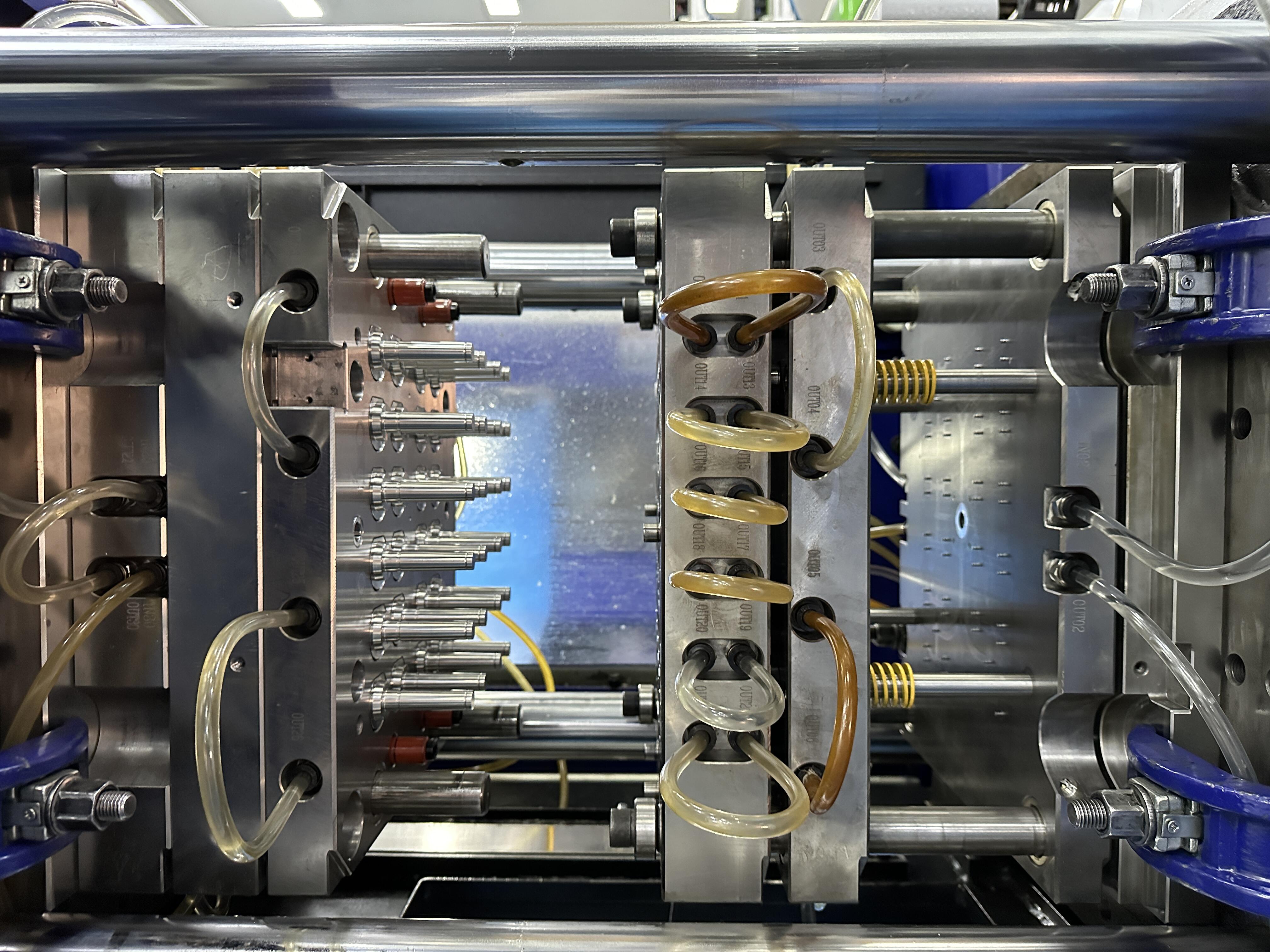
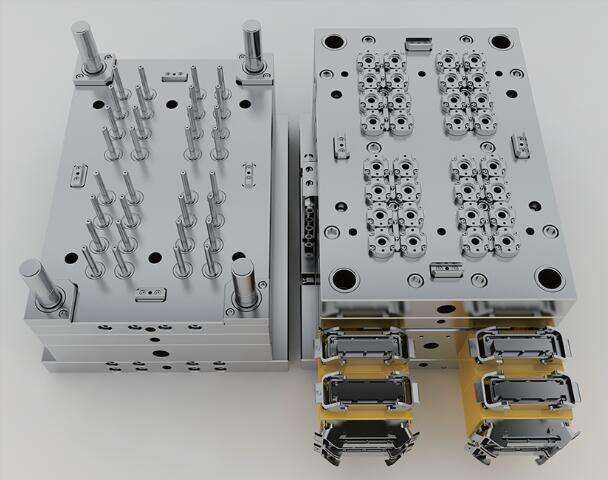
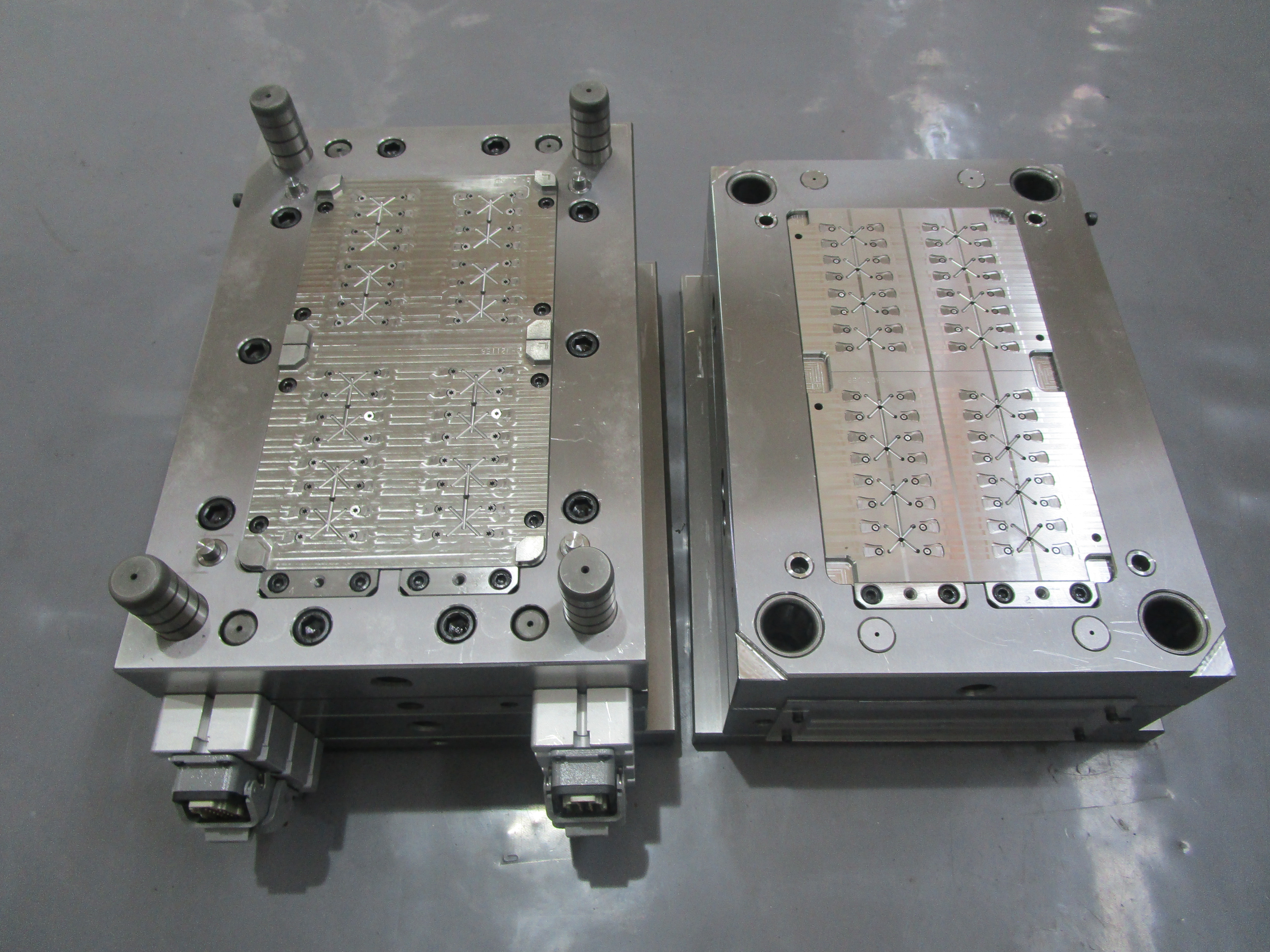
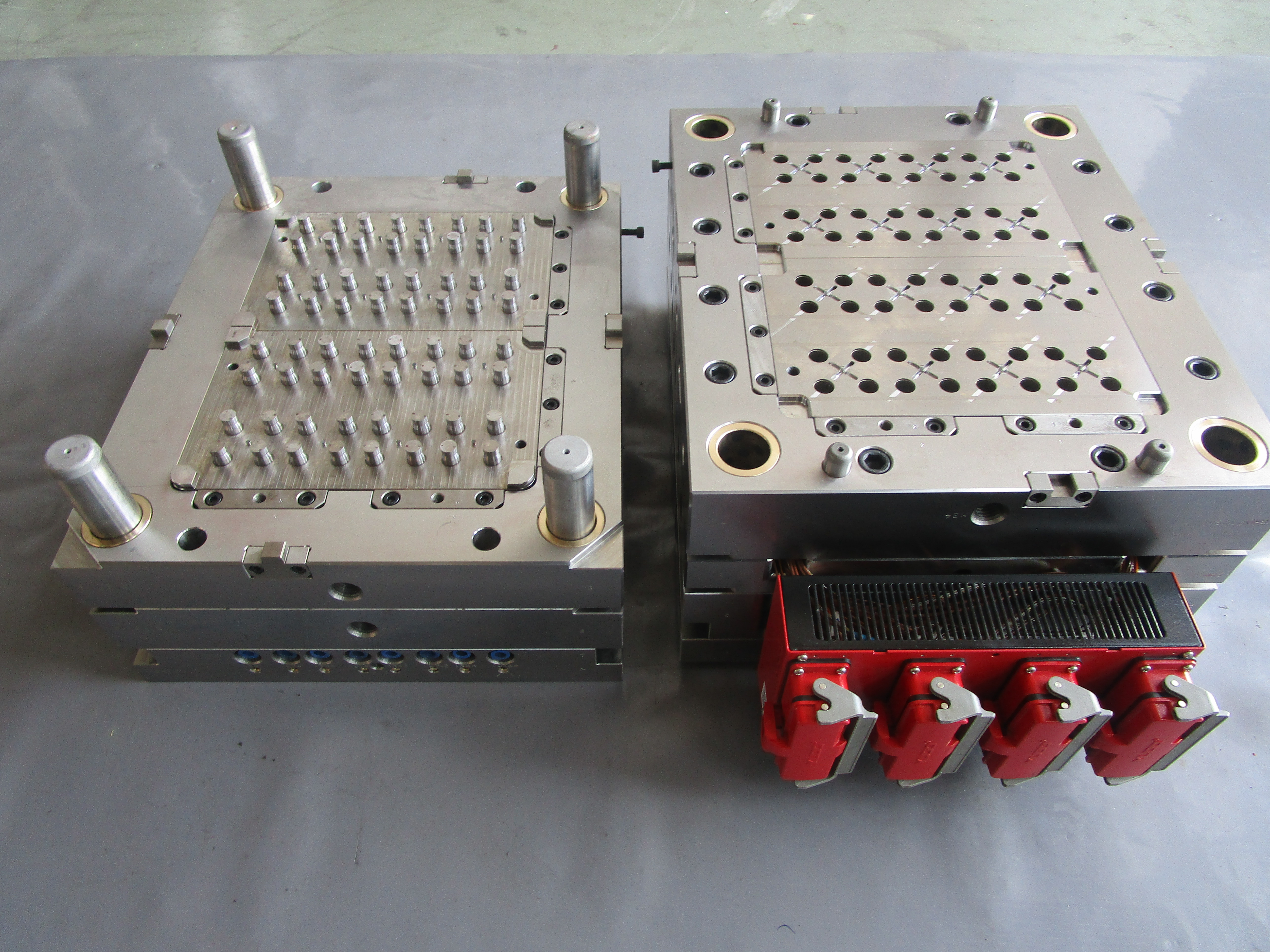
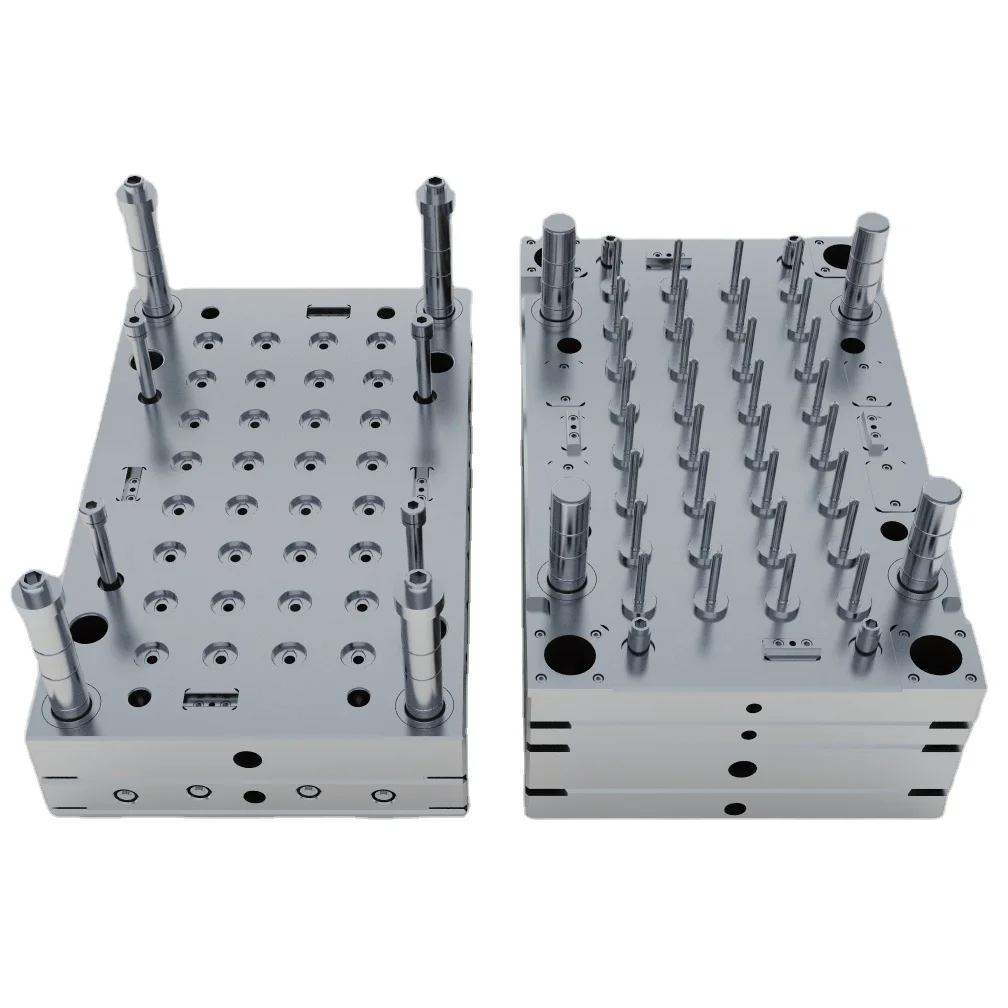
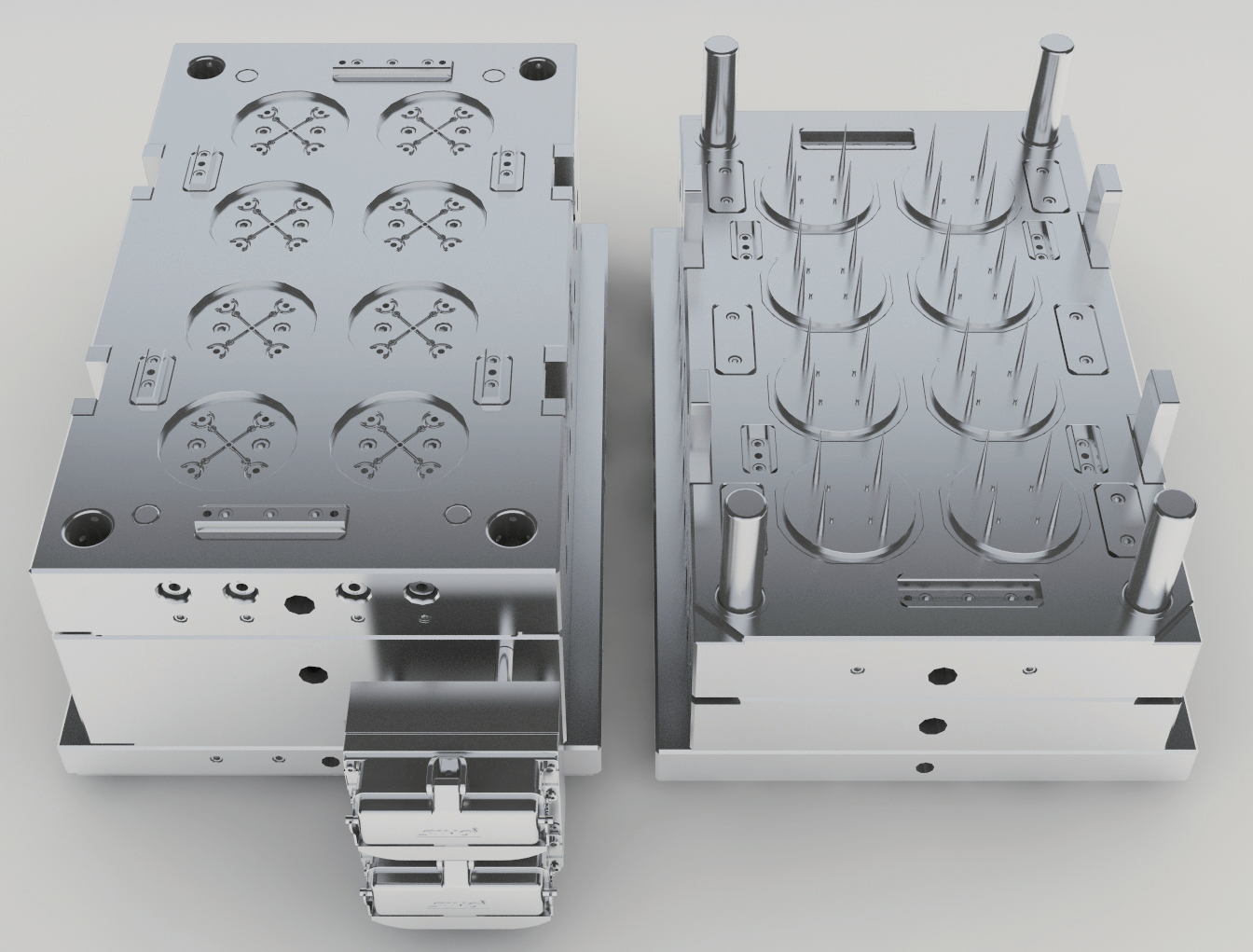
PVC injection molding represents a sophisticated manufacturing process that transforms polyvinyl chloride material into precise, durable components through controlled heating and pressurized injection techniques. This advanced production method involves melting PVC resin pellets at carefully regulated temperatures before injecting the molten material into precision-engineered mold cavities under high pressure. The process enables manufacturers to create complex shapes with exceptional dimensional accuracy and surface finish quality. PVC injection molding serves multiple industries by producing everything from medical device components and automotive interior parts to construction fittings and consumer products. The technology combines automated systems with precise temperature control mechanisms to ensure consistent output quality across large production runs. Modern PVC injection molding equipment incorporates computer-controlled parameters that monitor injection speed, pressure levels, cooling cycles, and mold temperatures throughout each production cycle. This manufacturing approach excels at producing parts with intricate geometries, tight tolerances, and repeatable specifications that would prove difficult or impossible through alternative fabrication methods. The process accommodates both rigid and flexible PVC formulations, allowing manufacturers to adjust material properties based on specific application requirements. Whether producing medical-grade components requiring strict regulatory compliance or creating decorative elements for consumer goods, PVC injection molding delivers versatility that meets diverse market demands. The technology supports rapid production cycles with minimal material waste, making it economically viable for both high-volume manufacturing runs and specialized short-run production needs. As environmental considerations become increasingly important, PVC injection molding offers recyclability advantages and material efficiency that align with sustainable manufacturing practices while maintaining the performance characteristics essential for demanding applications across multiple sectors.
Choosing PVC injection molding for your manufacturing needs delivers substantial cost savings compared to traditional fabrication methods. The automated nature of the process reduces labor expenses while increasing production speed, allowing you to manufacture thousands of identical parts with minimal human intervention. You will notice significant reductions in material waste since the process uses precise quantities of PVC resin for each component, and any excess material can often be recycled back into production. This efficiency translates directly to lower per-unit costs, especially beneficial when producing large quantities. The versatility of PVC injection molding gives you remarkable design freedom to create complex shapes that incorporate multiple features into single components, eliminating assembly steps and reducing overall production time. Your products will exhibit superior surface quality straight from the mold, often requiring no additional finishing operations that would add time and expense to manufacturing schedules. The consistency achieved through PVC injection molding ensures every part matches exact specifications, reducing quality control rejections and maintaining customer satisfaction. You gain access to a wide range of PVC formulations that can be customized for specific performance characteristics including flexibility, impact resistance, chemical resistance, and temperature tolerance. This material adaptability means you can optimize components for their intended environments without switching to entirely different manufacturing processes. The durability of parts produced through PVC injection molding extends product lifespans, reducing replacement frequency and enhancing your brand reputation for quality. Your production capabilities expand with relatively quick mold changeover times, enabling you to respond swiftly to market demands or introduce product variations without extensive retooling. The process maintains tight dimensional tolerances that ensure proper fit and function in assemblies, reducing field failures and warranty claims. You benefit from reduced energy consumption per part compared to many alternative manufacturing methods, contributing to lower operational costs and smaller environmental footprints. The scalability of PVC injection molding accommodates business growth seamlessly, allowing you to increase production volumes without fundamental changes to your manufacturing infrastructure. Testing and prototyping become more efficient since the same process used for production runs can create sample parts, ensuring that prototypes accurately represent final product characteristics. Your supply chain simplifies as well, since PVC materials are widely available from multiple suppliers, protecting you from material sourcing disruptions that could halt production.

Latest News

What's the difference between OEM tooling and regular tooling?

22

Oct

What's the difference between OEM tooling and regular tooling?

Understanding the Core Distinctions of Original Equipment Manufacturing Tools The manufacturing industry relies heavily on precision tools and equipment to create high-quality products. When it comes to tooling solutions, there's often confusion betw...
View More
Why Custom Injection Molding Is Ideal for Precision Parts

22

Oct

Why Custom Injection Molding Is Ideal for Precision Parts

The Evolution of Modern Manufacturing Through Custom Molding Solutions In today's advanced manufacturing landscape, precision and consistency are paramount. Custom injection molding has emerged as a cornerstone technology that enables manufacturers t...
View More
Top Benefits of Working With a Reliable Injection Manufacturer

27

Nov

Top Benefits of Working With a Reliable Injection Manufacturer

In today's competitive manufacturing landscape, partnering with a reliable injection manufacturer has become crucial for businesses across various industries. From medical devices to automotive components, plastic injection molding remains one of the...
View More
What Applications Benefit Most from Custom Mold and OEM Molding Solutions?

23

Dec

What Applications Benefit Most from Custom Mold and OEM Molding Solutions?

Manufacturing industries across the globe rely heavily on precision components that meet exact specifications and performance standards. When standard off-the-shelf products cannot deliver the required functionality, companies turn to specialized man...
View More

Get a Free Quote

Our representative will contact you soon.
0/1000
Exceptional Design Flexibility and Complex Geometry Capabilities

Exceptional Design Flexibility and Complex Geometry Capabilities

PVC injection molding stands out in the manufacturing landscape through its unparalleled ability to produce components with intricate designs and complex geometrical features that would challenge or defeat other production methods. This manufacturing process empowers designers and engineers to incorporate multiple functional elements into single parts, including threads, undercuts, textured surfaces, varying wall thicknesses, and integrated attachment points. The technology eliminates many traditional design constraints that limit creativity and functionality in product development. When you utilize PVC injection molding, you gain the freedom to consolidate assemblies by combining what would traditionally require multiple separate components into unified structures, dramatically reducing assembly time and potential failure points. The process accommodates thin-walled sections for weight reduction alongside reinforced areas for structural strength within the same component, optimizing material usage while maintaining performance standards. Complex internal channels and hollow sections become achievable without secondary operations, making the technology ideal for applications requiring fluid passage or weight minimization. The precision of PVC injection molding enables the creation of components with tolerances measured in hundredths of millimeters, ensuring consistent fit and function across thousands or millions of identical parts. Surface textures ranging from high-gloss finishes to detailed patterns can be directly molded into components, eliminating expensive secondary finishing operations while achieving aesthetic objectives. This design flexibility extends to color integration as well, since pigments can be incorporated directly into the PVC material before molding, producing parts with uniform coloration throughout rather than surface coatings that might chip or wear away. The ability to create complex geometries in single operations reduces production steps, shortens time-to-market for new products, and lowers overall manufacturing costs. Your product development teams can explore innovative designs knowing that PVC injection molding technology can likely realize their concepts without compromising structural integrity or functional requirements. This capability proves particularly valuable in competitive markets where product differentiation and rapid innovation cycles determine success.
Superior Material Properties and Performance Characteristics

Superior Material Properties and Performance Characteristics

The material advantages inherent to PVC injection molding establish this process as a preferred choice for applications demanding specific performance characteristics under challenging operating conditions. Polyvinyl chloride offers an exceptional combination of chemical resistance, weatherability, electrical insulation properties, and mechanical strength that few materials match across such a broad spectrum. When you manufacture components through PVC injection molding, you harness these material properties while benefiting from the precision and consistency that injection processes provide. PVC components resist degradation from exposure to acids, alkalis, salts, and many organic solvents, making them suitable for harsh chemical environments where other plastics would deteriorate rapidly. This chemical resistance proves invaluable in industrial applications, laboratory equipment, chemical processing systems, and outdoor installations subject to environmental contamination. The inherent flame resistance of PVC formulations enhances safety in electrical applications and building components, often meeting stringent fire safety regulations without additional treatments. Weather resistance ensures that outdoor applications maintain structural integrity and appearance despite prolonged exposure to ultraviolet radiation, temperature fluctuations, and moisture. Your products manufactured through PVC injection molding will demonstrate excellent dimensional stability across typical operating temperature ranges, maintaining precise fits and clearances that ensure proper function throughout service lives. The material's electrical insulation properties make it ideal for electrical enclosures, wire connectors, and electronic component housings where preventing current leakage is critical for safety and performance. Mechanical properties can be tailored through formulation adjustments, allowing manufacturers to produce rigid components for structural applications or flexible parts for seals and gaskets using the same basic manufacturing process. The impact resistance of properly formulated PVC prevents brittle failure in applications subject to mechanical shock or vibration. Material longevity translates to products that maintain functionality for decades in many applications, reducing replacement costs and environmental impacts associated with frequent component disposal. The biocompatibility of medical-grade PVC formulations opens opportunities in healthcare applications including fluid handling systems, medical device housings, and laboratory equipment. You benefit from established material supply chains with consistent quality standards that ensure reliable production outcomes.
Cost-Effectiveness and Production Efficiency Advantages

Cost-Effectiveness and Production Efficiency Advantages

PVC injection molding delivers compelling economic advantages that significantly impact manufacturing profitability through reduced production costs, minimized waste, and optimized operational efficiency. The financial benefits begin with material costs, as PVC resin ranks among the most economical engineering plastics available while still delivering robust performance characteristics suitable for demanding applications. When you implement PVC injection molding for your production needs, you immediately access economies of scale that make high-volume manufacturing remarkably affordable on a per-unit basis. The automated nature of injection molding processes reduces labor requirements compared to manual fabrication methods, allowing small teams to supervise equipment producing thousands of components daily. Cycle times for PVC injection molding typically range from seconds to a few minutes depending on component size and complexity, enabling rapid production that meets tight delivery schedules and supports just-in-time manufacturing strategies. Material utilization efficiency in PVC injection molding minimizes waste generation since the process measures and injects precise quantities required for each part, with runners and sprues often being recyclable directly back into production streams. This material efficiency reduces raw material purchases and waste disposal costs while supporting environmental sustainability initiatives. The durability of injection molds used in PVC production allows manufacturers to produce hundreds of thousands or even millions of parts from single tooling investments, distributing mold costs across large production quantities and dramatically lowering per-part tooling expenses. Quick mold changeover capabilities enable manufacturers to switch between different products efficiently, supporting diverse product lines without maintaining separate dedicated production equipment for each item. Energy consumption per part remains relatively low compared to alternative manufacturing processes, particularly when producing components in optimized production runs that maximize equipment utilization. Quality consistency achieved through PVC injection molding reduces inspection requirements and virtually eliminates the scrap and rework costs associated with dimensional variations common in manual processes. Your inventory management simplifies since the reliability of PVC injection molding allows for accurate production planning with minimal safety stock requirements. The combination of low material costs, high production speeds, minimal waste generation, and excellent quality consistency creates a compelling value proposition that enhances competitiveness in price-sensitive markets while maintaining healthy profit margins that support business growth and continued innovation investments.