Custom Injection Molded Parts: Precision Manufacturing Solutions for Your Business

Get a Quote
Get a Quote

custom injection molded parts

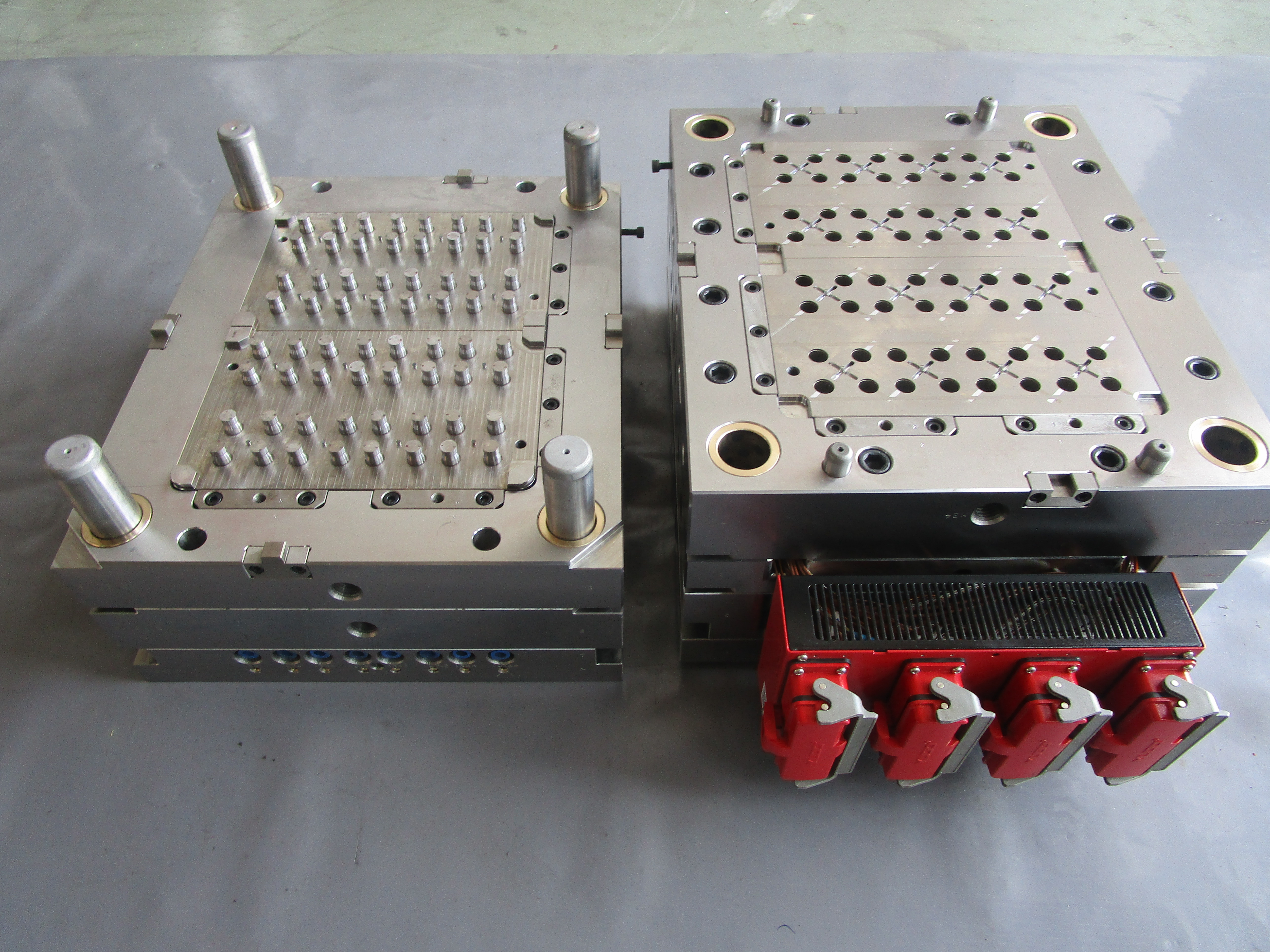
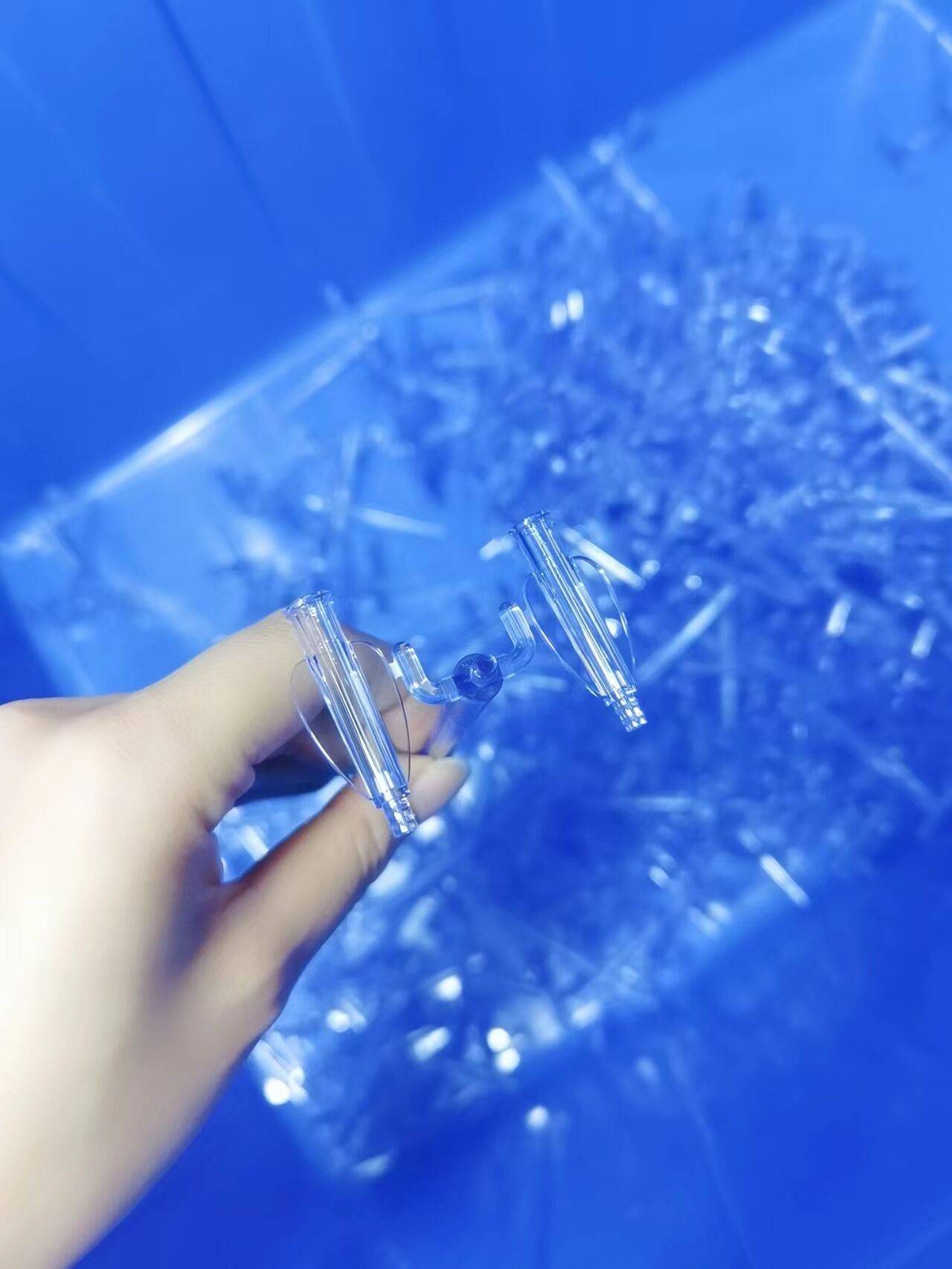
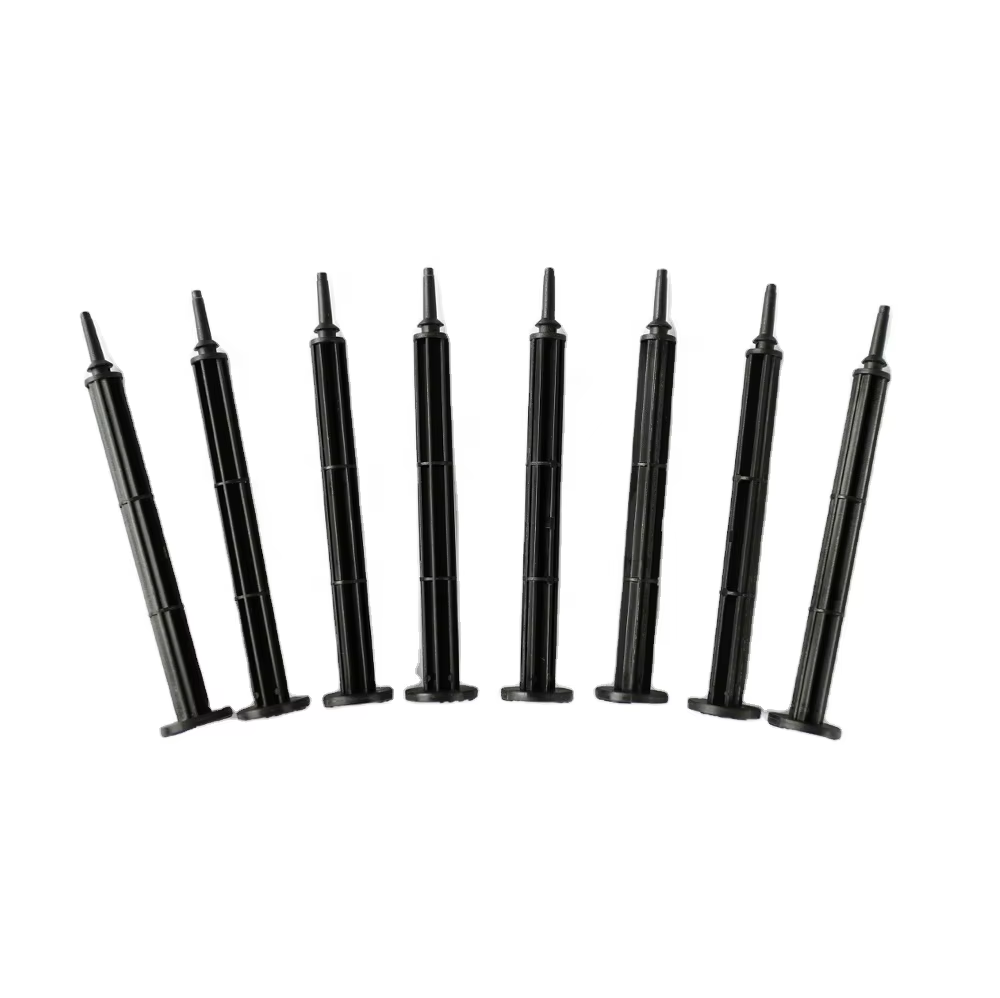
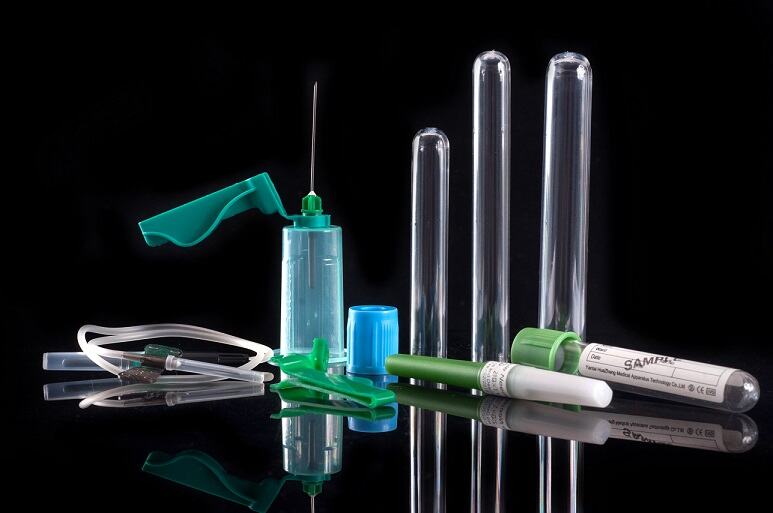
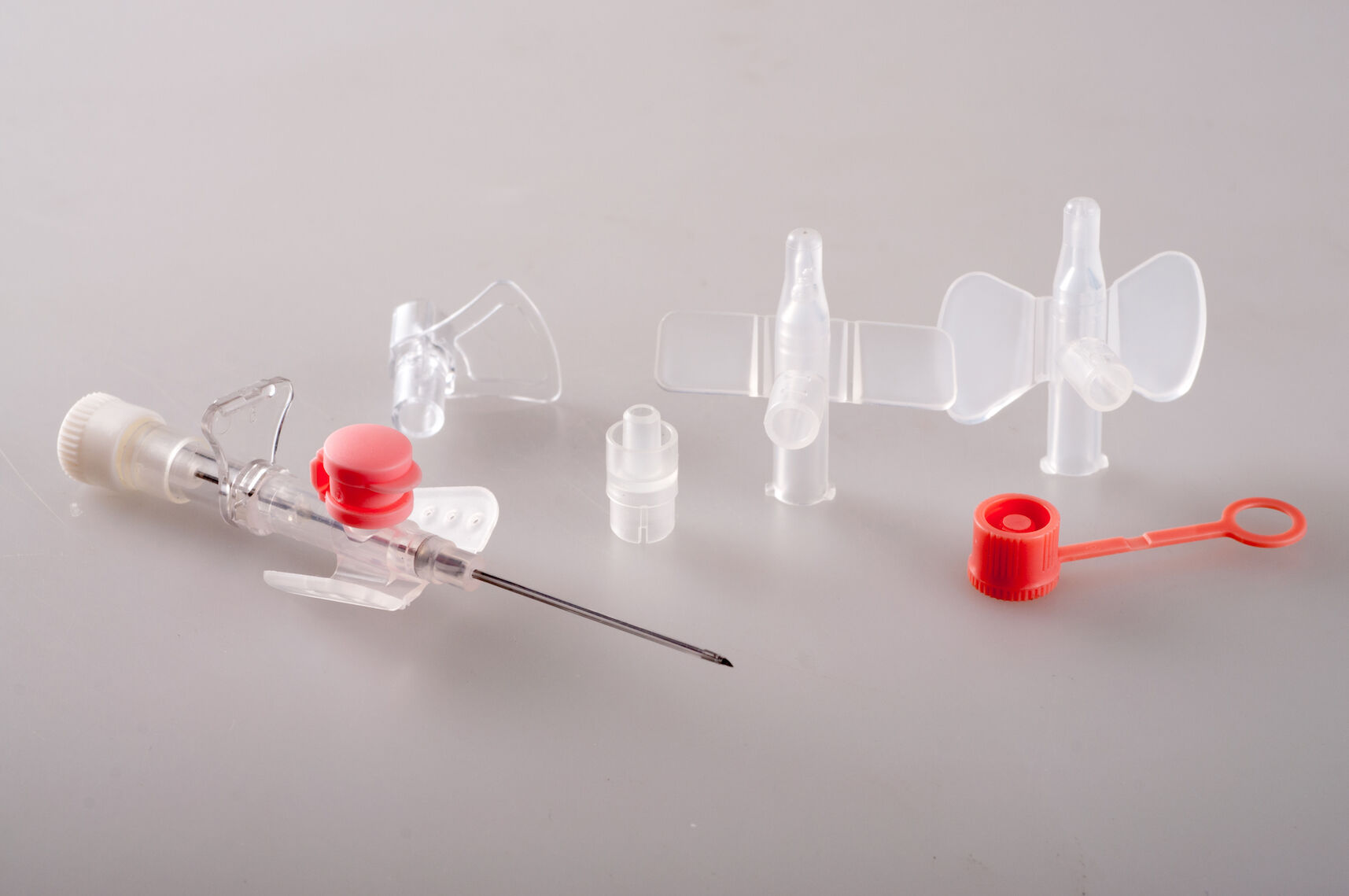
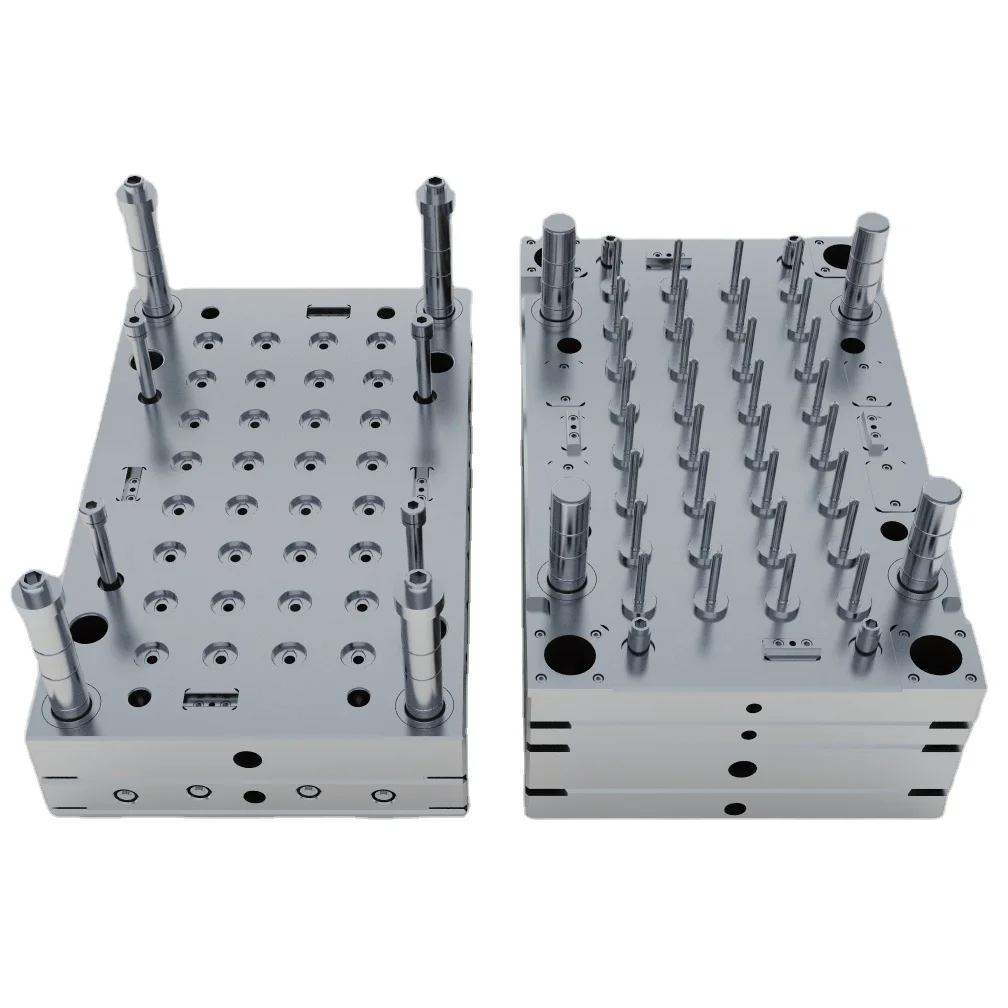
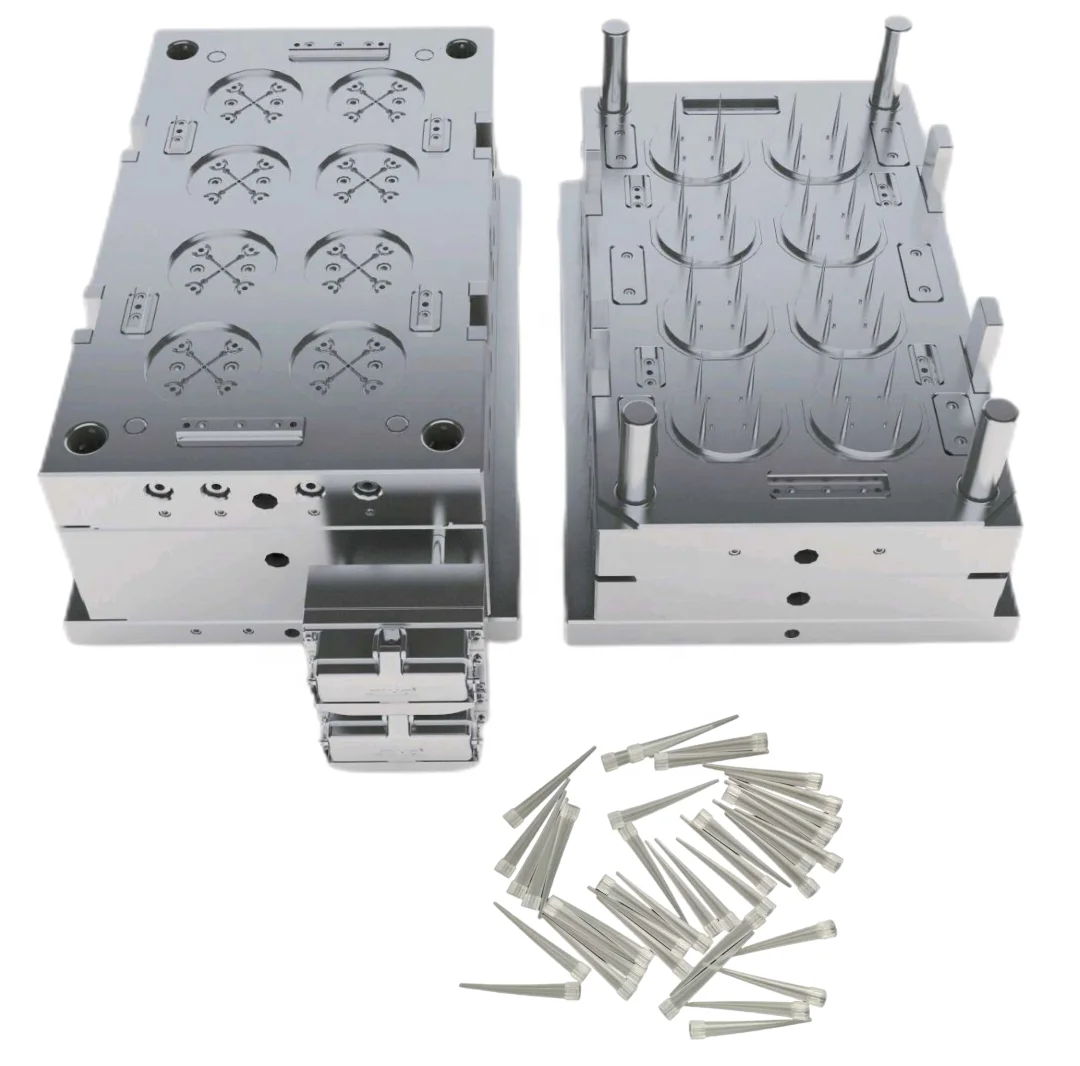
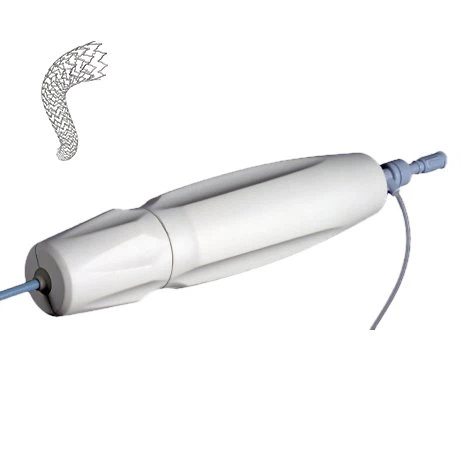
Custom injection molded parts represent a sophisticated manufacturing solution that transforms raw plastic materials into precise, complex components tailored to specific design requirements. This advanced production method involves heating thermoplastic or thermoset polymers until they reach a molten state, then injecting the material under high pressure into carefully crafted mold cavities. Once the material cools and solidifies, the mold opens to reveal finished parts that match exact specifications. The main function of custom injection molded parts centers on delivering components that meet unique dimensional, aesthetic, and functional requirements across countless industries. These parts serve critical roles in automotive assemblies, medical devices, consumer electronics, household appliances, industrial equipment, and packaging solutions. The technological features of custom injection molded parts include exceptional repeatability, allowing manufacturers to produce thousands or millions of identical components with minimal variation. The process accommodates intricate geometries, undercuts, threads, and complex surface textures that would prove difficult or impossible with other manufacturing methods. Modern injection molding technology incorporates computer-aided design systems, precision tooling, and automated quality control mechanisms to ensure consistent results. The versatility of material selection stands as another defining characteristic, with options ranging from commodity plastics like polyethylene and polypropylene to engineering-grade polymers such as nylon, polycarbonate, and specialty compounds with enhanced properties. Applications for custom injection molded parts span virtually every sector of modern manufacturing. In automotive production, these components form dashboards, bumpers, interior trim, and under-hood parts. Medical applications include syringes, diagnostic equipment housings, and surgical instruments. Consumer goods manufacturers rely on custom injection molded parts for everything from toy components to power tool housings. The technology supports both prototype development and high-volume production, making it adaptable to businesses of all sizes and production requirements.
Custom injection molded parts deliver remarkable cost efficiency when producing moderate to large quantities of components. The initial investment in mold creation distributes across thousands or millions of parts, dramatically reducing the per-unit cost as production volume increases. This economic advantage becomes particularly significant for businesses requiring ongoing supplies of identical components. The speed of production stands out as another compelling benefit, with cycle times often measured in seconds rather than minutes or hours. Once the mold reaches operating temperature and the process parameters are established, machines can operate continuously with minimal supervision, producing parts around the clock. This rapid production capability helps companies meet tight deadlines and respond quickly to market demands. The dimensional accuracy of custom injection molded parts exceeds what most alternative manufacturing methods can achieve. Tolerances of plus or minus a few thousandths of an inch are routine, and even tighter specifications are possible with precision tooling. This accuracy eliminates secondary machining operations in many cases, further reducing costs and production time. Material efficiency represents another practical advantage, as the injection molding process generates minimal waste compared to subtractive manufacturing methods. Excess material from runners and sprues can typically be reground and reused, maximizing raw material utilization and supporting sustainability goals. The design flexibility inherent in custom injection molded parts allows engineers to consolidate multiple components into single pieces, reducing assembly time and potential failure points. Complex features like living hinges, snap fits, and integrated fastening systems can be molded directly into parts, simplifying product architecture. Surface finish options range from high-gloss polish to textured patterns, and parts can emerge from the mold ready for immediate use or with minimal finishing required. Color can be incorporated directly into the base material, eliminating painting or coating processes in many applications. The structural integrity of custom injection molded parts benefits from the nature of the process itself, as the high-pressure injection ensures complete cavity filling and molecular alignment that enhances strength. Parts can be engineered with varying wall thicknesses, reinforcing ribs, and strategic material distribution to optimize performance while minimizing weight. The consistency between parts ensures reliable assembly and function across entire production runs, reducing quality control issues and customer complaints. Manufacturers can select from an enormous range of materials with properties tailored to specific requirements, including impact resistance, chemical compatibility, temperature tolerance, electrical insulation, or UV stability.

Practical Tips

Top Advantages of Choosing Custom Injection Molding Services

22

Oct

Top Advantages of Choosing Custom Injection Molding Services

Revolutionizing Manufacturing Through Custom Injection Molding The manufacturing landscape has evolved dramatically in recent years, with custom injection molding services emerging as a cornerstone of modern production methods. This sophisticated man...
View More
What Sets a Leading Injection Manufacturer Apart?

27

Nov

What Sets a Leading Injection Manufacturer Apart?

The manufacturing landscape for injection molding has evolved dramatically over the past decade, with companies facing increasing demands for precision, efficiency, and cost-effectiveness. As industries ranging from automotive to medical devices requ...
View More
How Does Insert Injection Molding Combine Metals and Plastics Efficiently?

23

Dec

How Does Insert Injection Molding Combine Metals and Plastics Efficiently?

Insert injection molding represents a revolutionary manufacturing process that seamlessly combines different materials, particularly metals and plastics, to create composite components with enhanced functionality and durability. This advanced techniq...
View More
How Do You Evaluate a Supplier for Custom Mold and OEM Molding Projects?

23

Dec

How Do You Evaluate a Supplier for Custom Mold and OEM Molding Projects?

Selecting the right supplier for your custom mold and OEM molding projects represents one of the most critical decisions in manufacturing. The success of your product development, production timelines, and overall profitability directly depends on pa...
View More

Get a Free Quote

Our representative will contact you soon.
0/1000
Unmatched Design Versatility and Complex Geometry Capabilities

Unmatched Design Versatility and Complex Geometry Capabilities

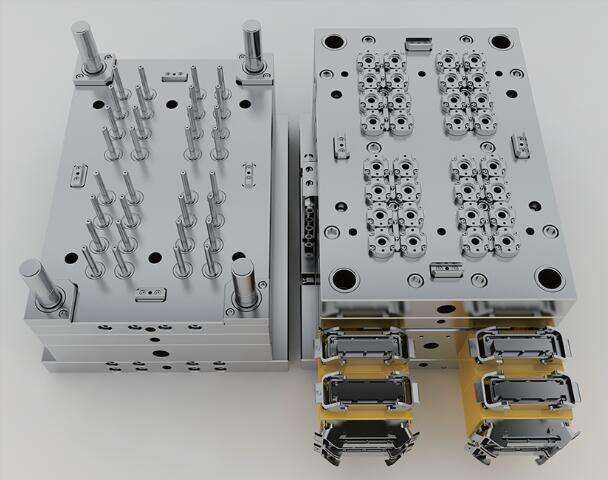
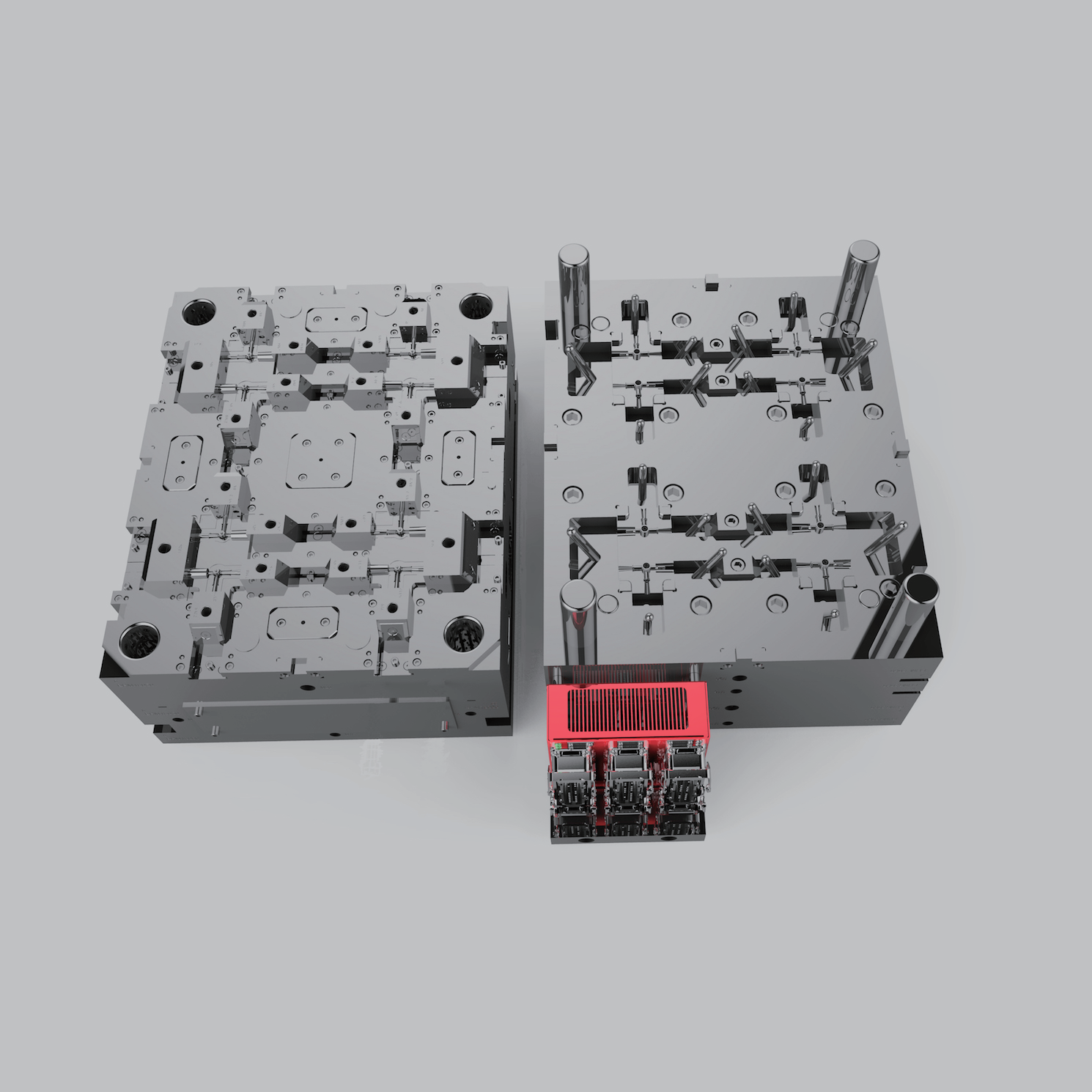
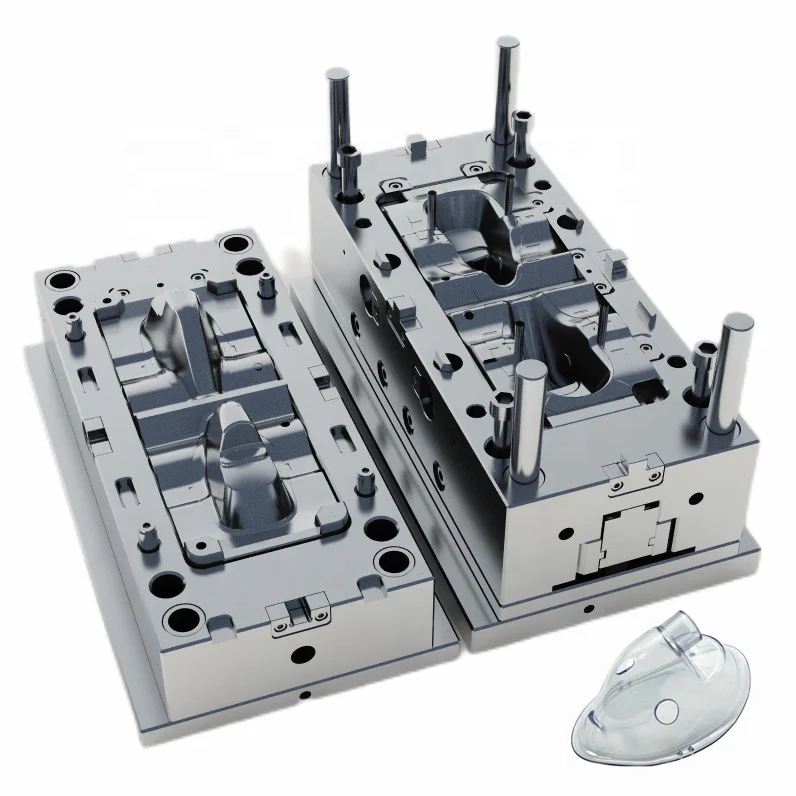
Custom injection molded parts stand apart from conventionally manufactured components through their extraordinary ability to accommodate intricate designs and complex geometrical features that would challenge or defeat alternative production methods. This design versatility emerges as a critical value proposition for product developers and engineers who face increasingly demanding performance requirements and aesthetic expectations. The injection molding process allows designers to incorporate multiple functional elements into single components, eliminating assembly steps and reducing potential failure points in finished products. Features such as threads, undercuts, overmolding, inserts, and variable wall thicknesses can all be integrated during the molding cycle itself. This capability to produce complex shapes in a single operation translates directly into reduced manufacturing costs and shorter time-to-market intervals. The freedom to design parts with organic curves, sharp angles, precise details, and smooth transitions enables industrial designers to create products that are both functionally superior and visually appealing. Custom injection molded parts can incorporate company logos, product information, texture patterns, and decorative elements directly into the mold design, eliminating secondary operations like pad printing or labeling in many cases. The technology supports the creation of parts with walls as thin as a few thousandths of an inch in some applications, allowing for material savings and weight reduction without compromising structural integrity. Conversely, sections requiring additional strength can feature reinforcing ribs, gussets, or increased thickness, all molded simultaneously with thinner sections. This design freedom extends to the creation of living hinges, which are thin, flexible sections that connect two rigid parts, allowing them to function as an integrated assembly rather than separate components requiring additional fasteners. The ability to mold threads directly into parts eliminates the need for metal inserts or secondary tapping operations, reducing costs and assembly time. Multi-cavity molds can produce several different parts simultaneously, or multiple identical parts, maximizing production efficiency. Family molds that create complete assemblies of complementary parts in a single cycle further demonstrate the versatility of custom injection molded parts. For businesses seeking competitive advantages through innovative product design, this manufacturing method removes traditional constraints and opens possibilities limited only by imagination and the laws of physics.
Superior Material Selection for Application-Specific Performance

Superior Material Selection for Application-Specific Performance

The expansive universe of materials available for custom injection molded parts represents a transformative advantage that enables manufacturers to precisely match component properties to application requirements. This material versatility extends far beyond simple plastic choices, encompassing an extensive range of thermoplastics, thermosets, elastomers, and specialized compounds engineered for specific performance characteristics. Product developers can select materials based on mechanical properties such as tensile strength, impact resistance, flexibility, and hardness to ensure parts withstand their intended operating environments. Temperature considerations play a crucial role in material selection, with options available that maintain dimensional stability and mechanical properties in environments ranging from extreme cold to elevated temperatures exceeding several hundred degrees. Chemical resistance becomes paramount in applications involving exposure to solvents, oils, acids, bases, or other potentially degrading substances, and custom injection molded parts can be manufactured from materials specifically formulated to resist these challenges. Electrical properties matter significantly in electronic device housings and components, where materials may need to provide insulation, static dissipation, or even controlled conductivity depending on the application. Optical clarity serves as a critical specification for lenses, light guides, display covers, and transparent enclosures, with materials like polycarbonate and acrylic offering excellent transparency along with other desirable properties. Regulatory compliance requirements in medical, food contact, and consumer product applications are readily addressed through material selection, as many polymers carry certifications from relevant authorities confirming their safety for specific uses. Flame retardant grades meet stringent flammability standards for electrical and electronic equipment, while UV-stabilized materials resist degradation from sunlight exposure in outdoor applications. Glass fiber reinforcement, mineral fillers, and other additives can be incorporated to enhance stiffness, dimensional stability, and creep resistance for structurally demanding applications. Colorants can be added during processing to achieve virtually any desired hue, eliminating finishing operations while ensuring color consistency throughout the part rather than just on the surface. Specialty materials include biodegradable and bio-based polymers for environmentally conscious applications, conductive compounds for electromagnetic interference shielding, and antimicrobial formulations for healthcare environments. This remarkable material diversity means that custom injection molded parts can be optimized for their specific function, rather than forcing designers to compromise performance due to manufacturing limitations.
Exceptional Production Efficiency and Scalability for Business Growth

Exceptional Production Efficiency and Scalability for Business Growth

Custom injection molded parts deliver unparalleled production efficiency that transforms manufacturing economics and enables businesses to scale operations in response to market opportunities. This efficiency manifests across multiple dimensions, from rapid cycle times and minimal labor requirements to consistent quality and flexible volume accommodation. The fundamental production cycle for custom injection molded parts typically completes in seconds to a few minutes, depending on part size and complexity, allowing a single machine to produce hundreds or thousands of components during a standard work shift. This speed advantage becomes increasingly valuable as production volumes increase, distributing fixed costs across more units and driving down per-piece expenses. Automation capabilities inherent in modern injection molding equipment further enhance efficiency by reducing manual intervention and enabling lights-out manufacturing where machines operate unattended during nights and weekends. Robotic part removal, automated inspection systems, and integrated packaging equipment create seamless production cells that maximize output while maintaining rigorous quality standards. The repeatability and consistency achieved through custom injection molded parts manufacturing minimizes defect rates and reduces quality control costs compared to more variable production methods. Once process parameters are optimized and validated, each subsequent part emerges essentially identical to its predecessors, ensuring predictable performance and simplified inventory management. This consistency proves particularly valuable for companies managing complex assemblies where interchangeability of components is essential for efficient production and after-market service. Scalability represents another dimension of production efficiency, as tooling investments can be strategically planned to match business growth trajectories. Prototype and low-volume production might utilize aluminum molds or single-cavity tools that minimize initial investment, while high-volume manufacturing justifies multi-cavity hardened steel molds that maximize per-hour output. This flexibility allows businesses to enter markets with manageable capital requirements while preserving options for capacity expansion as demand materializes. The global nature of injection molding infrastructure means companies can source custom injection molded parts from manufacturing partners worldwide, optimizing for cost, lead time, technical capability, or proximity to end markets. Production efficiency extends to material utilization, as modern injection molding processes generate minimal scrap, and any excess material from runners and sprues can typically be reground and reintroduced into production. Energy efficiency has improved dramatically with newer equipment featuring servo-electric drives and optimized heating systems that reduce operating costs while supporting corporate sustainability initiatives.