High Precision Injection Molding Services - Micron Accuracy Plastic Manufacturing Solutions

Get a Quote
Get a Quote

high precision injection molding

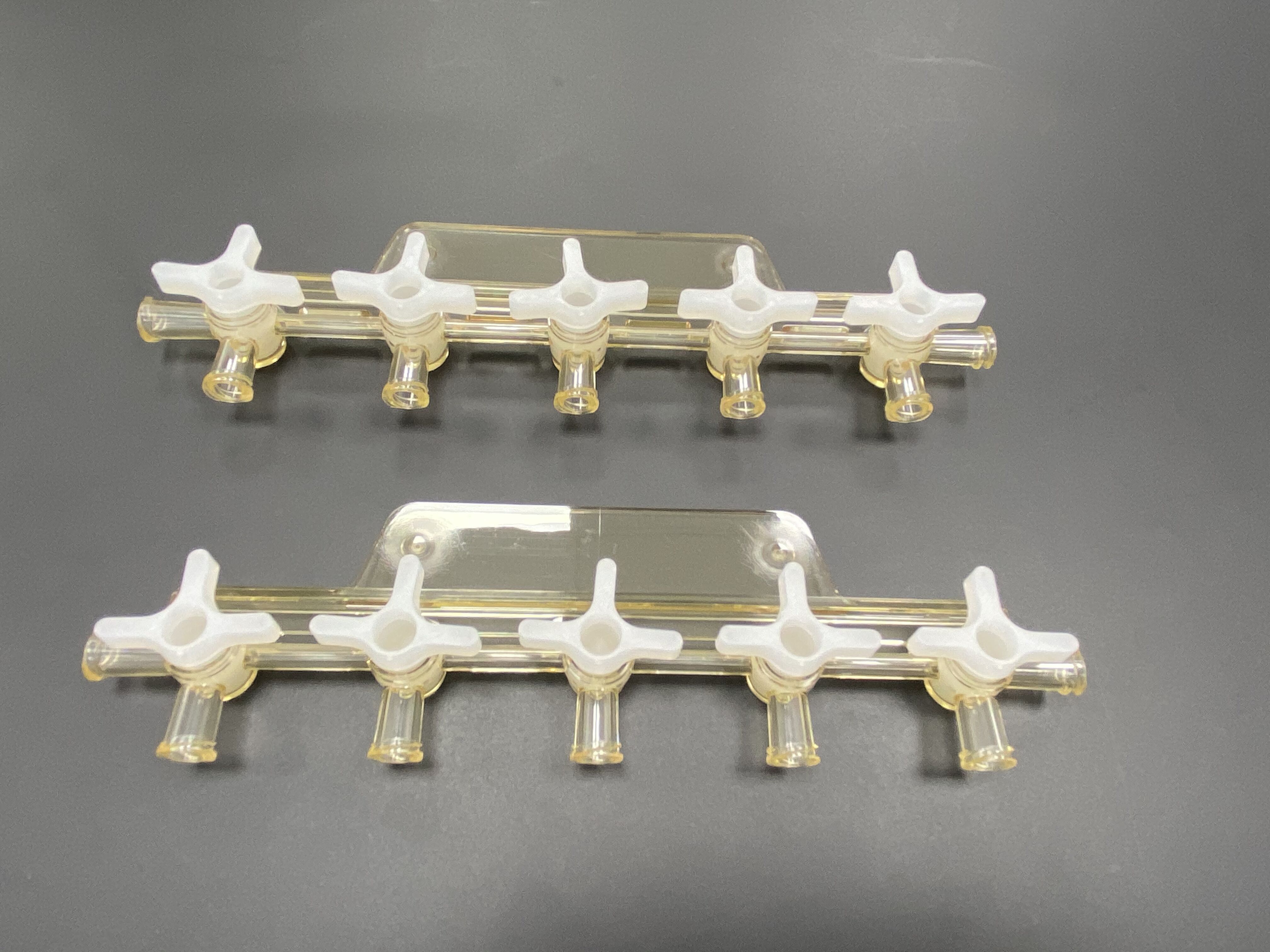
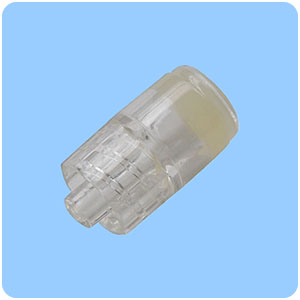
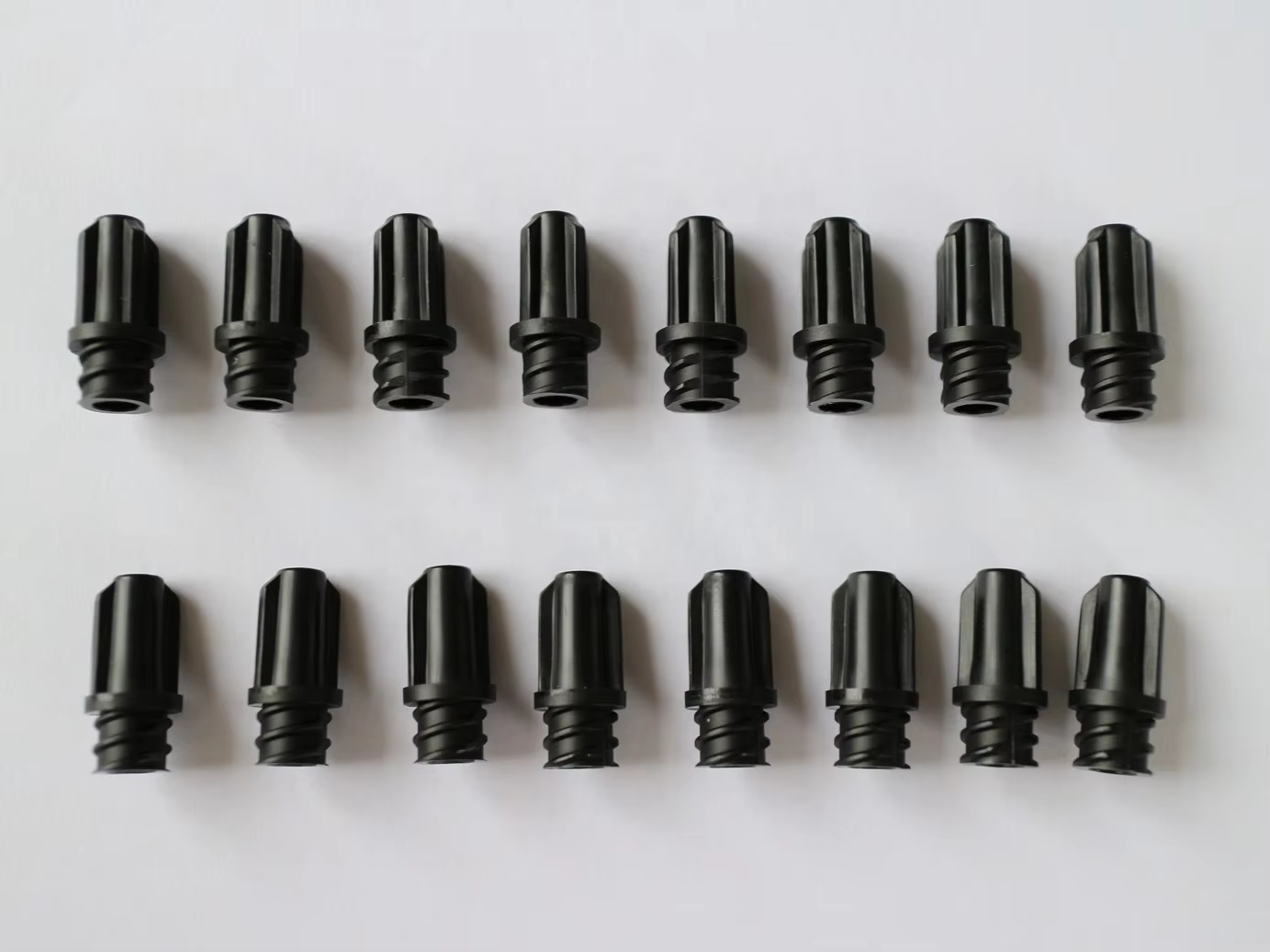
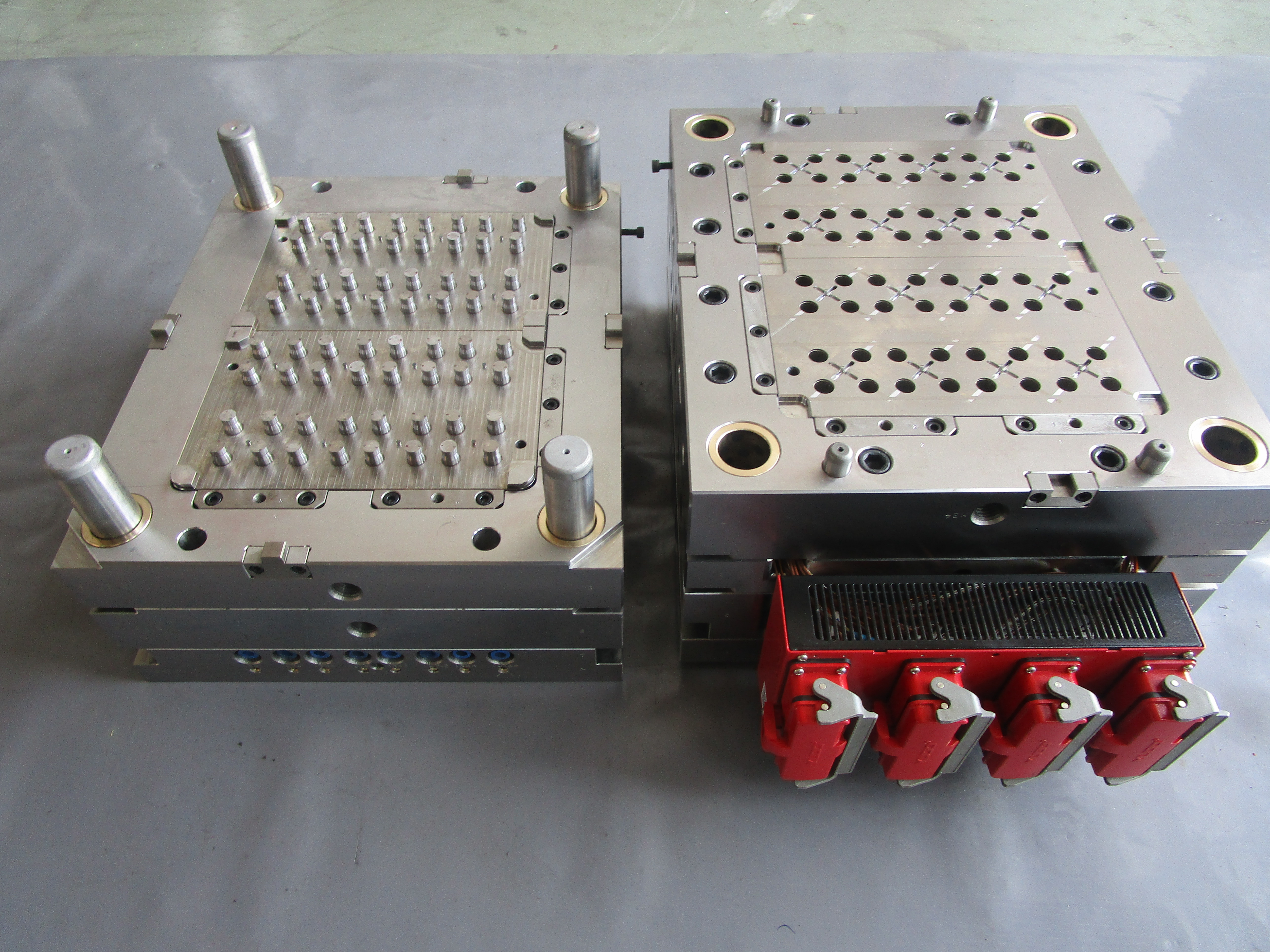
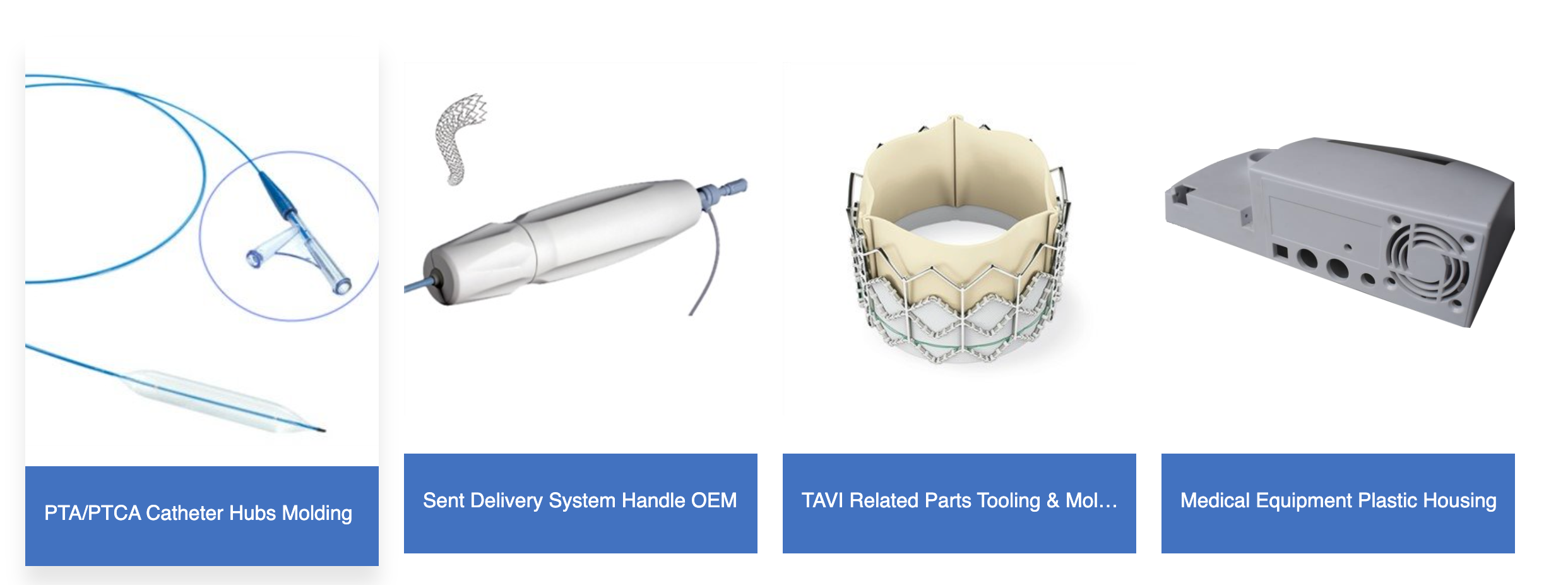
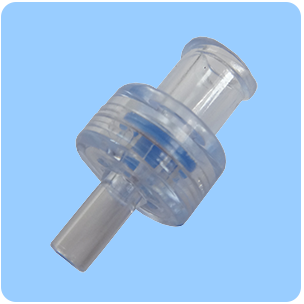
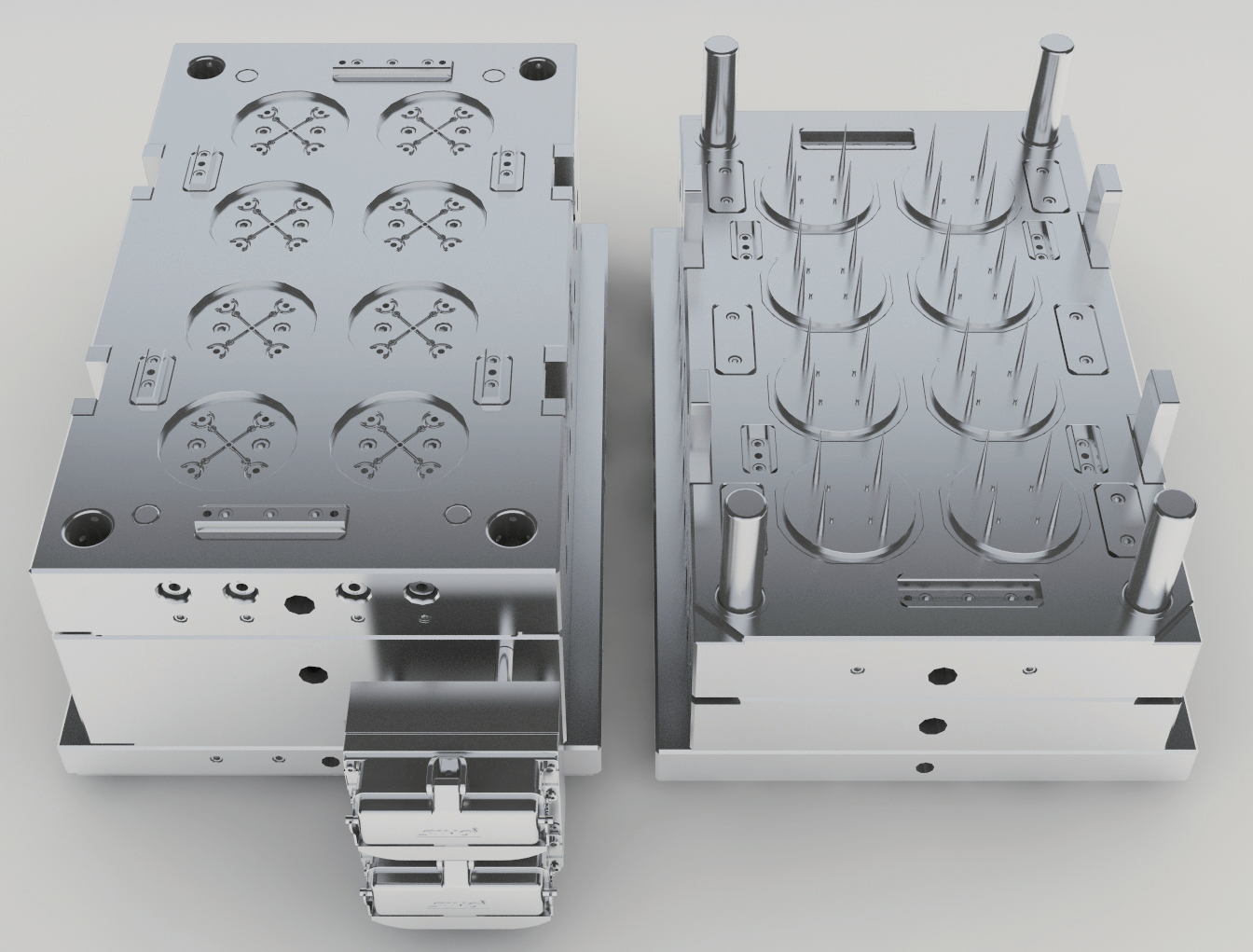
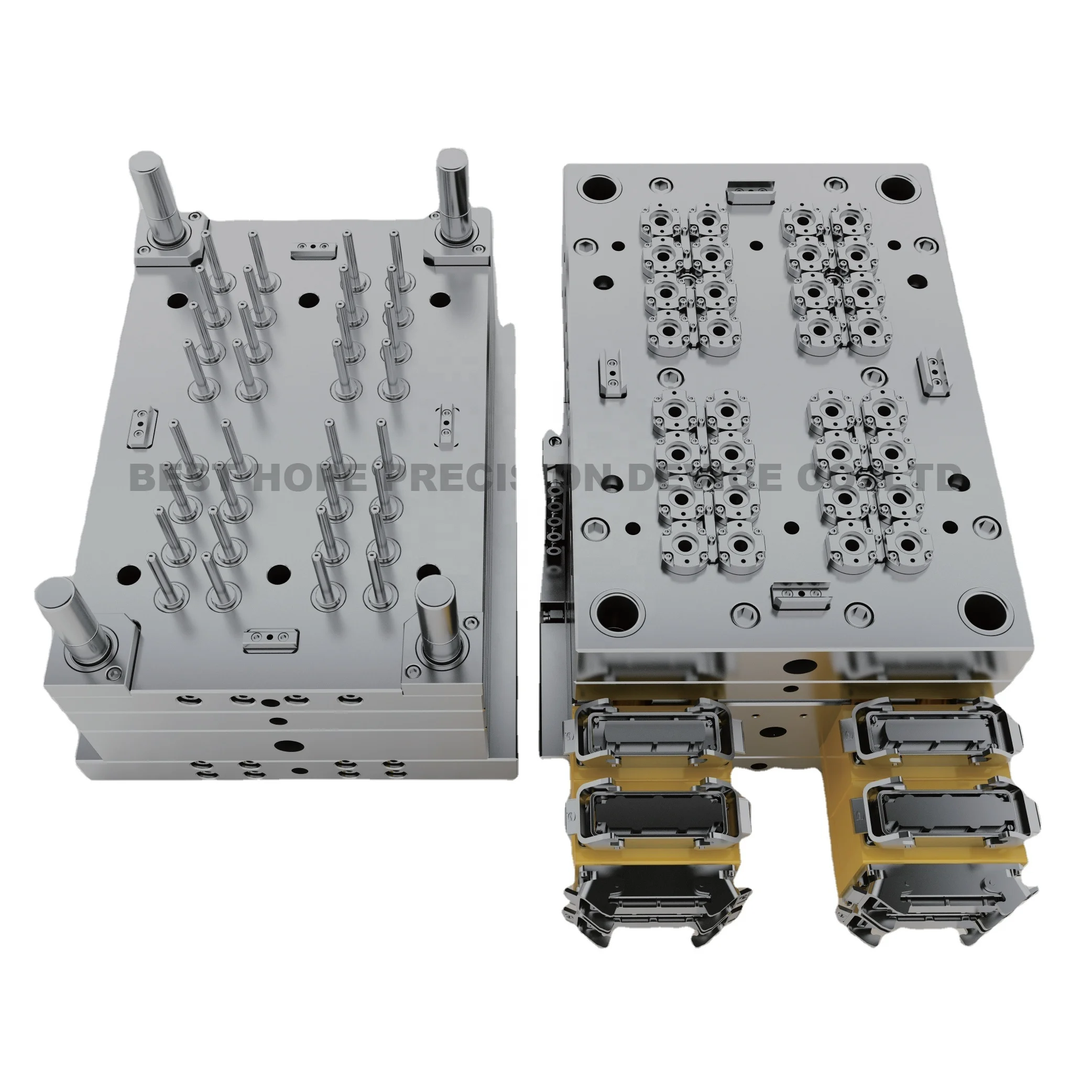
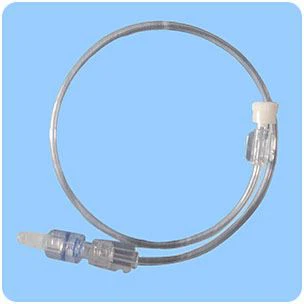
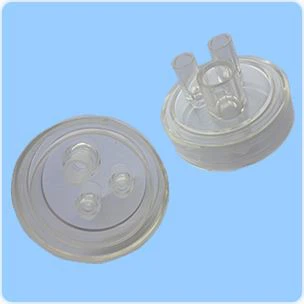
High precision injection molding represents an advanced manufacturing process that creates plastic components with exceptional accuracy and consistency. This sophisticated technique involves injecting molten plastic material into carefully engineered molds under controlled pressure and temperature conditions. The process delivers parts with tolerances measured in microns, making it essential for industries where exactness matters most. High precision injection molding utilizes state-of-the-art machinery equipped with advanced control systems that monitor every aspect of production. Temperature sensors, pressure gauges, and computerized controls work together to maintain optimal conditions throughout each cycle. The main functions of high precision injection molding include producing complex geometries, maintaining tight dimensional tolerances, and ensuring surface finish quality that meets stringent specifications. This manufacturing method excels at creating intricate features such as thin walls, precise threads, and detailed surface textures that would be difficult or impossible to achieve through other means. Technological features distinguish high precision injection molding from conventional methods. Scientific molding principles guide the process, utilizing data-driven approaches to optimize parameters. Cavity pressure monitoring provides real-time feedback during production, allowing immediate adjustments to maintain quality. Multi-cavity molds enable simultaneous production of multiple identical parts, maximizing efficiency without sacrificing precision. Advanced materials including engineering-grade thermoplastics and high-performance polymers expand application possibilities. The applications for high precision injection molding span numerous industries. Medical device manufacturers rely on this process for components like syringes, surgical instruments, and diagnostic equipment housings. Electronics companies use it to produce connectors, housings, and precision mechanical parts for smartphones, computers, and consumer devices. Automotive suppliers create sensors, switches, and interior components requiring exact specifications. Aerospace manufacturers depend on high precision injection molding for lightweight structural components and specialized fittings. Optical industries utilize this technology for lens holders, camera components, and precision measurement equipment. The pharmaceutical sector benefits from sterile, repeatable production of drug delivery devices and packaging components that meet regulatory requirements.

Choosing high precision injection molding delivers tangible benefits that directly impact your bottom line and product quality. First, you gain unmatched dimensional accuracy that eliminates costly rework and assembly problems. Parts consistently meet specifications within microns, ensuring perfect fit every time. This reliability means fewer rejected components and reduced waste in your production line. Your assembly operations run smoothly because each piece fits precisely as designed, saving time and labor costs. Second, the repeatability of high precision injection molding guarantees that your first part matches your millionth part. You establish production standards once, then maintain them throughout entire manufacturing runs. This consistency protects your brand reputation and builds customer confidence. You avoid the headaches of variable quality that plague less controlled manufacturing methods. Third, you reduce material consumption through optimized part design and minimal scrap generation. High precision injection molding allows thinner walls and lighter components without sacrificing strength. You save money on raw materials while creating products that weigh less, reducing shipping costs and appealing to environmentally conscious consumers. Fourth, faster production cycles mean you bring products to market quicker and respond rapidly to demand changes. Automated processes run efficiently with minimal operator intervention, keeping labor costs manageable. You achieve higher output rates compared to alternative manufacturing methods, scaling production to meet market opportunities. Fifth, the versatility of high precision injection molding accommodates diverse material choices suited to specific application requirements. You select from thousands of plastic formulations offering varied properties like chemical resistance, temperature tolerance, electrical insulation, or biocompatibility. This flexibility lets you optimize material performance for each unique application. Sixth, complex part consolidation becomes possible, combining multiple components into single molded pieces. You eliminate assembly steps, reduce part counts, and minimize potential failure points. Fewer components mean simpler inventory management and lower overall production costs. Seventh, superior surface finishes emerge directly from the mold, often eliminating secondary operations like painting or polishing. You achieve aesthetic appeal and functional requirements simultaneously, cutting processing time and expense. Eighth, long-term cost efficiency results from durable tooling that produces millions of parts before requiring maintenance. Your initial investment in quality molds pays dividends through extended production runs and consistent output. You avoid frequent tool replacement costs that burden less sophisticated processes. Finally, you gain competitive advantage through innovation possibilities that high precision injection molding enables, creating products with features competitors cannot easily replicate using conventional methods.

Latest News

What are the technical challenges in precision OEM tooling manufacturing?

22

Oct

What are the technical challenges in precision OEM tooling manufacturing?

Understanding the Complex World of Advanced Manufacturing Technologies The realm of precision OEM tooling represents one of manufacturing's most demanding sectors, where tolerances are measured in microns and quality standards are uncompromising. As ...
View More
What Makes Top Injection Moulding Product Manufacturers Stand Out?

27

Nov

What Makes Top Injection Moulding Product Manufacturers Stand Out?

The manufacturing landscape has witnessed remarkable transformations over the past decades, with injection moulding emerging as one of the most critical production processes across multiple industries. From automotive components to medical devices, c...
View More
What Should Companies Consider When Ordering Custom Mold and OEM Molding Services?

23

Dec

What Should Companies Consider When Ordering Custom Mold and OEM Molding Services?

Manufacturing companies across industries increasingly rely on custom mold solutions to create precise, high-quality components that meet their specific requirements. The decision to invest in custom mold fabrication represents a significant strategi...
View More
What Applications Benefit Most from Custom Mold and OEM Molding Solutions?

23

Dec

What Applications Benefit Most from Custom Mold and OEM Molding Solutions?

Manufacturing industries across the globe rely heavily on precision components that meet exact specifications and performance standards. When standard off-the-shelf products cannot deliver the required functionality, companies turn to specialized man...
View More

Get a Free Quote

Our representative will contact you soon.
0/1000
Micron-Level Tolerance Control for Critical Applications

Micron-Level Tolerance Control for Critical Applications

High precision injection molding achieves tolerance control measured in microns, delivering accuracy essential for demanding applications where even minimal deviation causes failure. This capability stems from integrated technologies working in concert throughout the manufacturing process. Computer-controlled injection units regulate material flow with extreme precision, ensuring exact shot sizes every cycle. Servo-driven systems respond instantaneously to process variations, making micro-adjustments that maintain specifications. Closed-loop controls continuously monitor cavity pressure, melt temperature, and fill rates, comparing actual conditions against programmed parameters. When deviations occur, systems automatically correct them before affecting part quality. Scientific molding methodologies establish optimal processing windows through systematic experimentation and statistical analysis. Engineers identify relationships between process variables and part dimensions, then lock in settings that consistently produce conforming components. Mold temperature controllers maintain uniform thermal conditions across all cavity surfaces, preventing warpage and dimensional inconsistencies caused by uneven cooling. Hot runner systems eliminate material waste while ensuring consistent melt delivery to each cavity. Advanced materials engineered for dimensional stability contribute to tolerance achievement. Low-shrink resins minimize post-molding dimensional changes, maintaining as-molded accuracy throughout product life. Predictable material behavior allows designers to compensate for shrinkage factors during mold design, building precision into the tooling itself. Validation protocols verify capability through measurement studies using coordinate measuring machines and optical comparators. Statistical process control monitors ongoing production, tracking dimensional trends and triggering interventions before parts drift out of specification. Environmental controls in manufacturing facilities maintain stable temperature and humidity, eliminating external factors that might influence dimensions. Clean room conditions prevent contamination that could create surface defects or dimensional anomalies. Operator training ensures human factors support rather than compromise precision objectives. Standardized procedures eliminate variation caused by inconsistent practices. Regular maintenance schedules keep equipment performing at peak capability, preventing degradation that gradually erodes precision. Calibration programs ensure measuring instruments provide accurate feedback for process control decisions. The business impact of micron-level tolerance control extends beyond quality metrics. You reduce inspection costs when parts consistently meet specifications without requiring extensive measurement. Warranty claims decrease when products function reliably due to proper fit and finish. Customer satisfaction improves when your components perform as intended in their assemblies. Your reputation for quality opens doors to partnerships with prestigious brands requiring supplier excellence.
Rapid Production Cycles with Minimal Downtime

Rapid Production Cycles with Minimal Downtime

High precision injection molding delivers exceptional production speed while maintaining quality standards, enabling you to meet market demands efficiently and cost-effectively. Cycle times measured in seconds allow manufacture of thousands of parts daily from single mold sets. This productivity advantage stems from optimized process engineering and advanced equipment capabilities that minimize non-value-added time. Fast-acting hydraulic or electric injection systems complete filling stages in fractions of seconds, reducing overall cycle duration. Efficient cooling channel designs within molds extract heat rapidly, allowing parts to solidify quickly without compromising dimensional stability. Conformal cooling technology places channels precisely where heat extraction provides maximum benefit, following part geometry rather than relying on straight-line drilled passages. This innovation cuts cooling time significantly compared to conventional methods. Automated part removal systems extract finished components the instant molds open, eliminating delays associated with manual handling. Robotic arms equipped with custom end-effectors gently grasp parts without marking surfaces, placing them on conveyors or into packaging. In-mold labeling and assembly operations incorporate additional manufacturing steps within the molding cycle itself, completing multiple processes in single machine cycles. This integration eliminates separate handling and processing stages that would extend overall production timelines. Quick-change tooling systems enable rapid mold switches when production schedules require different parts. Standardized mounting plates and automated connection systems reduce changeover time from hours to minutes. You adapt production to demand fluctuations without losing valuable manufacturing capacity to lengthy setup procedures. Preventive maintenance programs keep machines running reliably, preventing unexpected breakdowns that halt production. Predictive monitoring systems analyze equipment performance data, identifying potential issues before failures occur. Scheduled maintenance happens during planned downtime, preserving productive hours for actual manufacturing. Material handling automation maintains continuous operation by ensuring raw materials flow steadily to machines without manual intervention. Bulk loaders and drying systems condition materials automatically, preparing them for optimal processing. Central material distribution networks supply multiple machines from single sources, reducing equipment footprints and streamlining operations. Process optimization through design of experiments identifies fastest sustainable cycle times that maintain quality requirements. Engineers balance speed against part performance, finding optimal settings that maximize output without creating defects. Real-time monitoring dashboards provide instant visibility into production metrics, allowing immediate response to efficiency opportunities. Mobile alerts notify supervisors of conditions requiring attention, minimizing response delays. The cumulative effect of these speed-enhancing features delivers compelling business advantages. You fulfill large orders quickly, supporting customer needs and capturing market opportunities. Manufacturing flexibility allows rapid response to design changes or custom requirements. Lower per-unit production costs result from spreading fixed expenses across higher volumes produced in given timeframes.
Exceptional Material Versatility for Diverse Applications

Exceptional Material Versatility for Diverse Applications

High precision injection molding accommodates an extraordinary range of material options, empowering you to select optimal plastics for specific performance requirements across countless applications. This versatility distinguishes the process as uniquely capable of serving varied industries with specialized needs. Commodity thermoplastics like polyethylene and polypropylene offer cost-effective solutions for applications prioritizing economy while delivering adequate mechanical properties. Engineering resins including nylon, polycarbonate, and acetal provide enhanced strength, temperature resistance, and dimensional stability for demanding environments. High-performance polymers such as PEEK, PPS, and liquid crystal polymers serve extreme conditions where conventional plastics fail, withstanding harsh chemicals and elevated temperatures. Specialty formulations incorporate additives that impart specific characteristics matching application requirements. Glass fiber reinforcement increases stiffness and strength while maintaining light weight compared to metal alternatives. Mineral fillers enhance dimensional stability and reduce material costs. Flame retardant compounds meet safety regulations for electrical and consumer products. Conductive additives create static-dissipative or electromagnetic interference shielding properties essential for electronics protection. Biocompatible medical-grade materials comply with regulatory standards for devices contacting human tissue or bodily fluids. Transparent resins enable optical applications ranging from lenses to display covers, with clarity rivaling glass while offering impact resistance. UV-stabilized formulations resist degradation from sunlight exposure, maintaining appearance and properties in outdoor applications. Colorants integrated during molding eliminate painting operations while providing unlimited aesthetic options. Material suppliers continuously develop innovative formulations expanding possibilities for product designers. You access cutting-edge polymers offering improved sustainability through recycled content or bio-based sources. These options support environmental initiatives without compromising performance standards. Material selection expertise guides you toward optimal choices balancing performance requirements against cost considerations. Testing programs validate material suitability before committing to full production, preventing expensive mistakes. Prototype molding with candidate materials demonstrates real-world behavior, revealing how different plastics perform in actual part geometries under processing conditions. This empirical approach eliminates guesswork, providing confidence in material decisions. Multi-material molding technologies combine different plastics within single parts, creating components with varied properties in different zones. Soft-touch grips integrate with rigid structural sections, enhancing ergonomics and functionality. Transparent windows bond with opaque housings, providing visual access while maintaining enclosure integrity. These capabilities enable sophisticated product designs previously requiring assembly of multiple separately-molded components. The business advantages of material versatility extend throughout product development and manufacturing. You optimize cost-performance balance by selecting materials delivering required characteristics without over-specifying expensive grades. Design freedom expands when material properties align with creative concepts, enabling differentiation in competitive markets. Single-source manufacturing simplifies supply chains when one process handles diverse material needs across product lines. Technical support from material suppliers and molding experts ensures successful implementation, providing guidance through selection and processing optimization stages.