 EN
EN
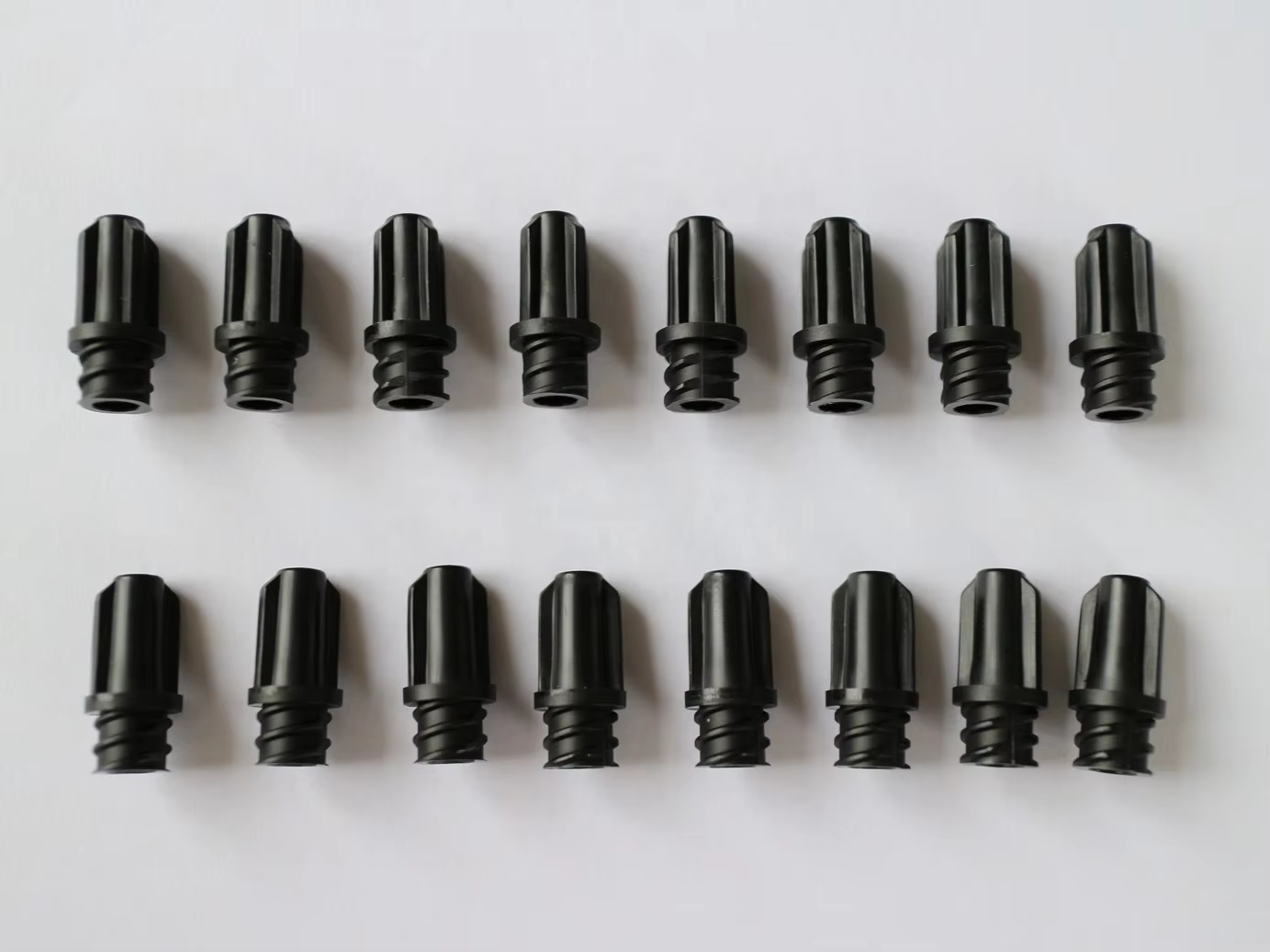
Manufacturing companies across industries increasingly rely on custom mold solutions to create precise, high-quality components that meet their specific requirements. The decision to invest in custom mold fabrication represents a significant strategic choice that can impact product quality, production efficiency, and long-term profitability. Understanding the key considerations when ordering custom mold services helps businesses make informed decisions that align with their manufacturing goals and budget constraints.
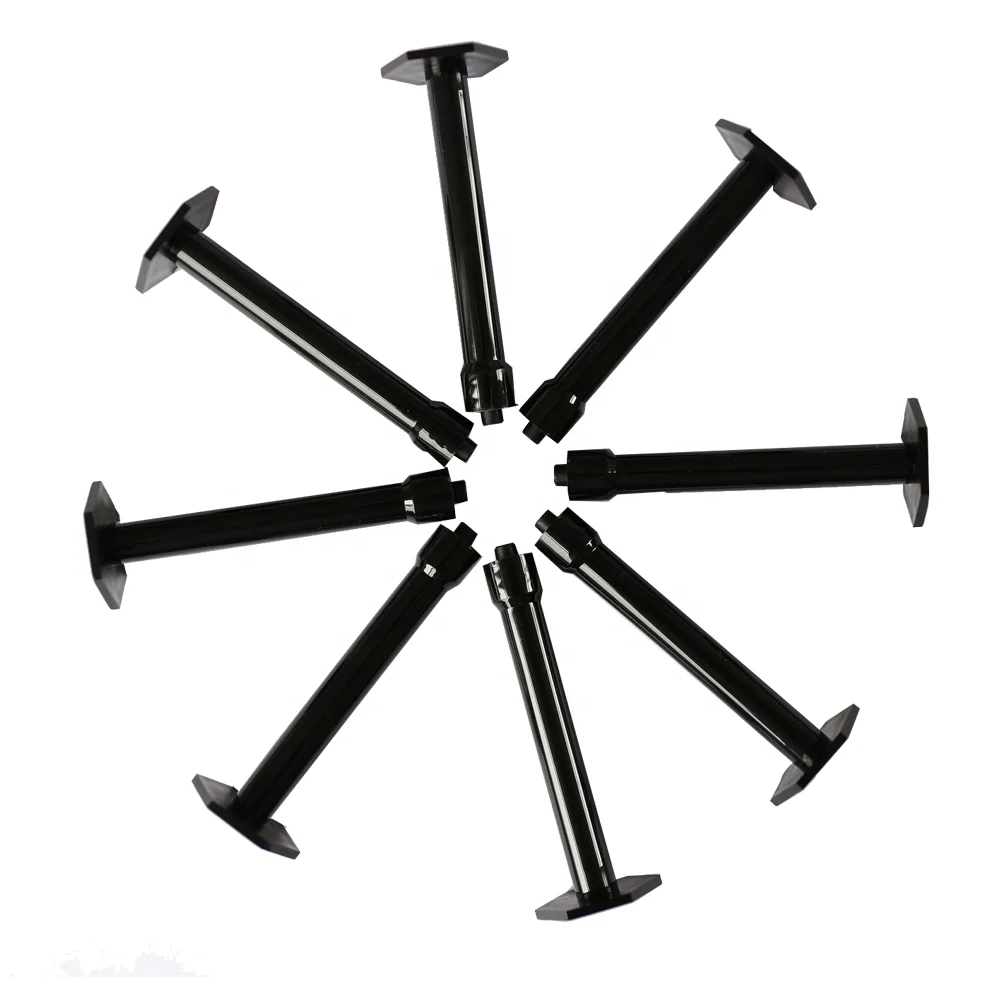
The complexity of modern manufacturing demands precision tooling solutions that can deliver consistent results while maintaining cost-effectiveness. Custom mold development involves numerous technical and business considerations that extend beyond initial design concepts. Companies must evaluate material selection, production volumes, dimensional tolerances, and long-term maintenance requirements to ensure their investment delivers optimal returns.
Understanding Custom Mold Design Requirements
Material Compatibility and Selection
The foundation of successful custom mold projects begins with proper material selection for both the mold itself and the final products. Different manufacturing processes require specific mold materials that can withstand operating temperatures, pressures, and chemical exposures associated with production runs. Steel molds offer exceptional durability and precision for high-volume applications, while aluminum alternatives provide cost-effective solutions for shorter production cycles.
Engineers must consider the thermal expansion properties of mold materials relative to the products being manufactured. Temperature fluctuations during production cycles can affect dimensional accuracy if material compatibility issues are not properly addressed during the design phase. Advanced custom mold designs incorporate thermal management features that maintain consistent operating temperatures throughout extended production runs.
Surface finish requirements directly influence material selection and manufacturing processes for mold components. High-gloss finishes may require premium steel grades and specialized machining techniques, while textured surfaces might utilize different approaches to achieve desired aesthetic and functional characteristics. Understanding these relationships helps companies specify appropriate materials that balance performance requirements with budget constraints.
Dimensional Tolerances and Precision Requirements
Precision manufacturing applications demand custom mold solutions that can consistently produce parts within extremely tight dimensional tolerances. The capability to maintain tolerances of ±0.001 inches or better requires advanced machining equipment, quality control systems, and experienced technicians who understand the intricacies of precision mold fabrication.
Complex geometries present unique challenges for custom mold designers who must balance part functionality with manufacturability constraints. Undercuts, deep cavities, and intricate surface features may require sophisticated mold designs incorporating multiple slides, lifters, or insert components. These design elements increase both initial costs and ongoing maintenance requirements but may be essential for achieving desired part characteristics.
Quality assurance protocols for custom mold projects should include comprehensive dimensional inspection procedures using coordinate measuring machines and optical scanning systems. Regular calibration and validation of measurement equipment ensures that dimensional data accurately reflects actual part characteristics throughout the production lifecycle.
Production Volume and Economic Considerations
Cost-Benefit Analysis for Different Production Scales
Production volume projections significantly influence the economic viability of custom mold investments compared to alternative manufacturing approaches. High-volume applications typically justify more sophisticated mold designs with advanced features that optimize cycle times and reduce per-unit production costs. Low-volume projects may benefit from simplified designs that minimize initial investment while still meeting functional requirements.
Break-even analysis helps companies determine optimal production volumes where custom mold costs become economically advantageous compared to alternative manufacturing methods. This analysis should consider not only initial tooling costs but also ongoing maintenance expenses, cycle time improvements, and quality benefits associated with dedicated tooling solutions.
Long-term production planning must account for potential design modifications, volume fluctuations, and technology changes that could affect the useful life of custom mold investments. Modular mold designs provide flexibility for future modifications while protecting initial investments in base tooling components.
Timeline and Project Management Considerations
Custom mold development projects require careful timeline planning that accounts for design iterations, material procurement, machining operations, and quality validation procedures. Rush projects often incur premium costs and may compromise quality outcomes due to compressed development schedules that limit optimization opportunities.
Project management best practices include establishing clear milestones, communication protocols, and change management procedures that keep custom mold projects on schedule and within budget. Regular progress reviews help identify potential issues early in the development process when corrective actions are less costly and disruptive.
Contingency planning addresses potential delays or technical challenges that could impact project timelines. Alternative sourcing strategies, backup suppliers, and flexible scheduling arrangements help minimize disruptions to production plans when unexpected issues arise during custom mold development.
Quality Control and Testing Protocols
Validation and Performance Testing
Comprehensive testing protocols ensure that custom mold solutions meet specified performance criteria before full-scale production implementation. Initial sampling runs provide opportunities to validate dimensional accuracy, surface finish quality, and cycle time performance under actual production conditions.
Statistical process control methods help establish baseline performance parameters for custom mold operations and identify opportunities for continuous improvement. Control charts, capability studies, and measurement system analysis provide quantitative data that supports decision-making throughout the production lifecycle.
Accelerated life testing simulates extended production cycles to evaluate long-term durability and maintenance requirements for custom mold components. This testing helps predict replacement intervals and maintenance costs that affect total cost of ownership calculations.
Documentation and Traceability Requirements
Proper documentation systems ensure that custom mold specifications, performance data, and maintenance records are preserved for future reference and regulatory compliance purposes. Digital documentation platforms provide secure storage and easy access to critical information throughout the mold lifecycle.
Traceability systems link individual parts to specific production runs, enabling rapid identification and resolution of quality issues when they occur. These systems are particularly important for regulated industries where product recalls or investigations may require detailed production histories.
Change control procedures document modifications to custom mold designs or operating parameters, ensuring that performance impacts are properly evaluated and approved before implementation. This systematic approach prevents unauthorized changes that could compromise product quality or regulatory compliance.
Supplier Selection and Partnership Strategy
Evaluating Technical Capabilities
Selecting appropriate suppliers for custom mold projects requires thorough evaluation of technical capabilities, quality systems, and manufacturing capacity. Site audits provide firsthand assessment of equipment condition, employee expertise, and operational procedures that directly impact project outcomes.
Portfolio reviews demonstrate supplier experience with similar custom mold applications and reveal their ability to handle complex technical requirements. References from existing customers provide valuable insights into supplier performance, reliability, and problem-solving capabilities.
Certification status for quality management systems, environmental compliance, and industry-specific requirements indicates supplier commitment to systematic approaches that support consistent performance. These certifications also facilitate integration with customer quality systems and regulatory compliance programs.
Building Long-term Partnerships
Strategic partnerships with custom mold suppliers create opportunities for collaborative development, cost optimization, and technical innovation that benefit both parties. Long-term relationships enable suppliers to invest in specialized capabilities and equipment that support specific customer requirements.
Communication protocols establish clear expectations for project updates, technical discussions, and issue resolution procedures. Regular business reviews provide forums for discussing performance improvements, market changes, and strategic opportunities that strengthen partnerships.
Risk management strategies address potential disruptions to custom mold supply chains and establish contingency plans that maintain production continuity. Supplier diversification, backup sourcing arrangements, and inventory management policies help mitigate supply chain risks.
Maintenance and Lifecycle Management
Preventive Maintenance Programs
Proactive maintenance programs extend custom mold service life and maintain consistent production quality throughout extended operating periods. Scheduled inspections, lubrication procedures, and component replacements prevent costly failures that could disrupt production schedules.
Maintenance documentation systems track service history, replacement parts inventory, and performance trends that support data-driven maintenance decisions. These systems help optimize maintenance intervals and identify opportunities for design improvements in future custom mold projects.
Training programs ensure that maintenance personnel understand proper procedures for custom mold care and are equipped with appropriate tools and safety equipment. Standardized procedures reduce variability in maintenance quality and minimize the risk of damage during service operations.
End-of-Life Planning
Lifecycle planning addresses custom mold retirement, refurbishment, or replacement decisions based on economic analysis and technical assessment of remaining service potential. Systematic evaluation processes help determine optimal timing for mold replacement or modification projects.
Asset recovery strategies maximize value from retired custom mold components through resale, material recycling, or repurposing for alternative applications. Proper planning can offset some replacement costs while ensuring environmentally responsible disposal of worn components.
Knowledge transfer procedures preserve technical expertise and operational insights gained during custom mold operation for application to future projects. Documentation of lessons learned and best practices contributes to continuous improvement in mold design and manufacturing processes.
FAQ
How long does custom mold development typically take
Custom mold development timelines vary significantly based on complexity, size, and technical requirements, but typically range from 6-16 weeks for standard applications. Simple single-cavity molds may be completed in 4-6 weeks, while complex multi-cavity tools with sophisticated features can require 12-20 weeks or more. Factors affecting timeline include design complexity, material procurement, machining requirements, and quality validation procedures.
What factors influence custom mold pricing
Custom mold pricing depends on multiple variables including size, complexity, material selection, precision requirements, and production volume projections. Steel molds cost more than aluminum alternatives but offer greater durability for high-volume applications. Complex geometries requiring slides, lifters, or multiple cavities increase costs significantly. Surface finish requirements, dimensional tolerances, and special features also impact final pricing.
How do you determine optimal cavity count for production molds
Optimal cavity count balances initial tooling investment against production efficiency and quality requirements. Higher cavity counts reduce per-unit production costs but increase mold complexity, maintenance requirements, and initial investment. Analysis should consider production volume projections, cycle time optimization, quality control capabilities, and available press capacity to determine the most economical configuration.
What maintenance is required for custom molds
Custom mold maintenance requirements include regular cleaning, lubrication, dimensional inspection, and replacement of wear components such as ejector pins and guide bushings. Preventive maintenance schedules typically include daily cleaning, weekly lubrication, and periodic comprehensive inspections. More extensive maintenance may involve surface refinishing, component replacement, or design modifications to address wear patterns or performance issues.
