 EN
EN
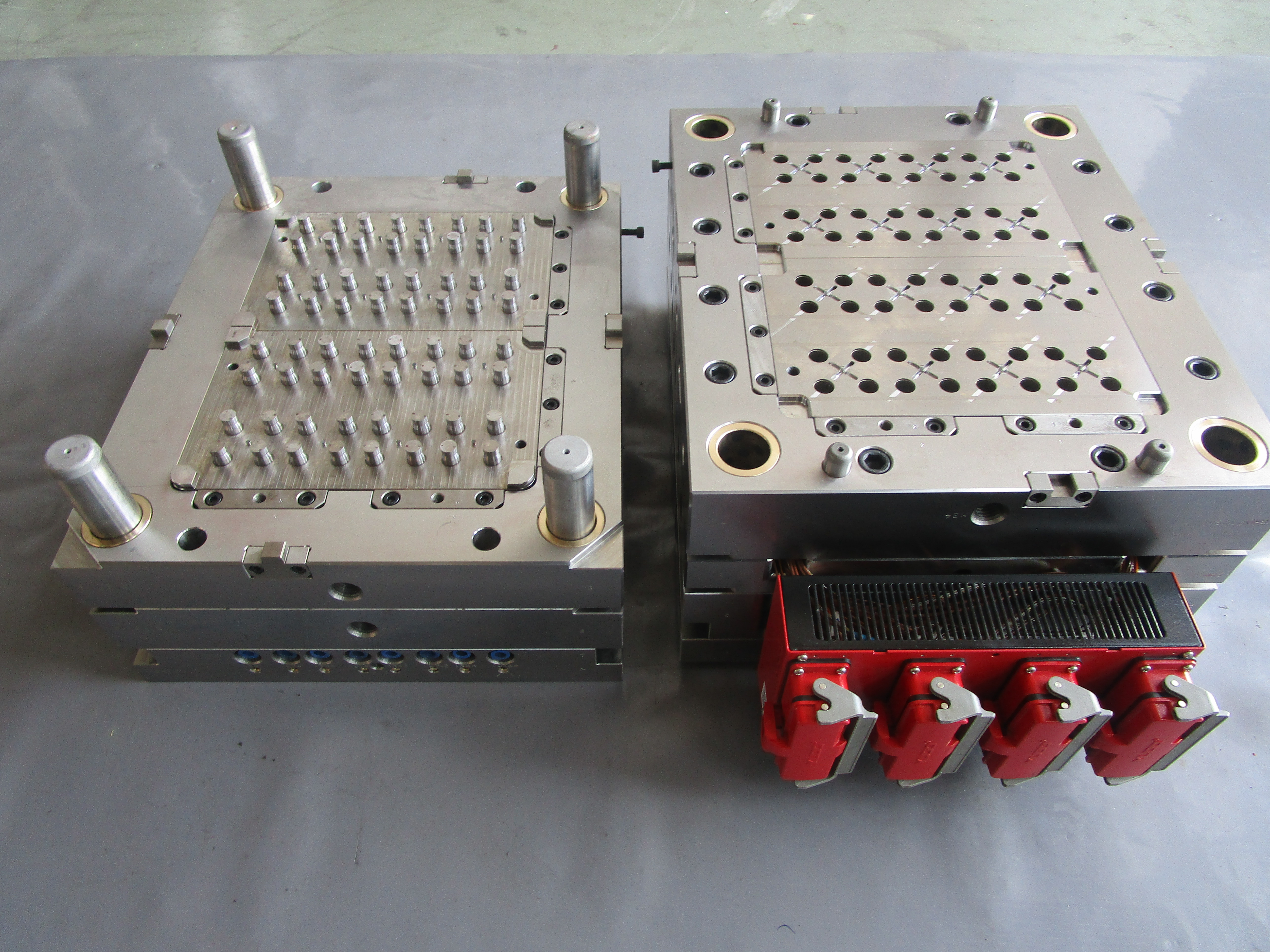
Manufacturing industries across the globe rely heavily on precision components that meet exact specifications and performance standards. When standard off-the-shelf products cannot deliver the required functionality, companies turn to specialized manufacturing solutions that offer complete control over design, materials, and production processes. The demand for tailored manufacturing approaches has grown exponentially as industries become more sophisticated and regulatory requirements more stringent. Understanding which applications benefit most from these specialized manufacturing methods can help businesses make informed decisions about their production strategies and investment priorities.
Medical Device Manufacturing Applications
Surgical Instrument Components
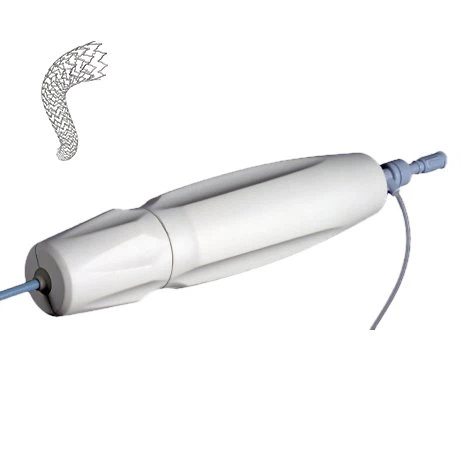
The medical device industry represents one of the most demanding sectors for precision manufacturing, where custom mold solutions play a critical role in producing life-saving equipment. Surgical instruments require components that meet stringent biocompatibility standards while maintaining exceptional durability and precision. Custom molding processes enable manufacturers to create complex geometries that would be impossible to achieve through traditional machining methods. These specialized manufacturing techniques allow for the integration of multiple functions into single components, reducing assembly time and potential failure points in critical medical applications.
Medical device manufacturers often require components with specific surface finishes, dimensional tolerances measured in microns, and materials that can withstand repeated sterilization cycles. Custom mold manufacturing provides the flexibility to incorporate these requirements directly into the production process, ensuring consistent quality across large production runs. The ability to create components with integrated features such as ergonomic grips, textured surfaces for improved handling, and precise mechanical interfaces makes custom molding indispensable for surgical instrument development.
Diagnostic Equipment Housing
Diagnostic equipment manufacturers face unique challenges in creating housings that protect sensitive electronic components while providing user-friendly interfaces for healthcare professionals. Custom mold solutions enable the production of complex housing designs that integrate multiple functional elements, including cable management systems, ventilation channels, and electromagnetic shielding. These housings must also meet strict regulatory requirements for medical devices while maintaining aesthetic appeal and ease of cleaning in clinical environments.
The flexibility offered by custom molding processes allows diagnostic equipment manufacturers to optimize their designs for specific applications, whether creating portable devices for point-of-care testing or large stationary systems for hospital laboratories. Custom mold manufacturing enables the integration of features such as sealed interfaces for harsh cleaning chemicals, impact-resistant materials for portable equipment, and precision mounting systems for sensitive optical or electronic components.
Automotive Industry Applications
Engine Component Manufacturing
The automotive industry has embraced custom mold manufacturing for producing critical engine components that must withstand extreme temperatures, pressures, and chemical exposure. Engine manufacturers require components with precise dimensional accuracy to ensure proper sealing, optimal performance, and long-term reliability. Custom molding processes allow for the creation of complex internal geometries that optimize fluid flow, reduce weight, and improve overall engine efficiency while maintaining the structural integrity required for high-performance applications.
Modern automotive engines incorporate increasingly sophisticated designs that benefit significantly from custom mold manufacturing capabilities. These processes enable the production of lightweight components with integrated cooling channels, optimized material distribution for stress management, and precision interfaces that eliminate the need for additional gaskets or sealing materials. The ability to incorporate multiple functions into single molded components reduces assembly complexity and potential failure points in critical engine systems.
Interior Component Systems
Automotive interior components present unique manufacturing challenges that require the flexibility and precision offered by custom mold solutions. These components must meet demanding aesthetic standards while incorporating complex functional elements such as integrated electronics, climate control systems, and safety features. Custom molding processes enable manufacturers to create seamless designs that integrate multiple materials and textures while maintaining consistent quality and durability standards across high-volume production runs.
The automotive interior market demands components that can withstand extreme temperature variations, UV exposure, and constant use while maintaining their appearance and functionality. Custom mold manufacturing allows for the integration of features such as soft-touch surfaces, integrated lighting systems, and precision mounting points for electronic components. This manufacturing approach also enables the creation of components with varying wall thicknesses optimized for specific stress patterns and weight reduction targets.
Aerospace and Defense Applications
Structural Component Manufacturing
Aerospace applications represent some of the most demanding environments for manufactured components, requiring materials and designs that can withstand extreme conditions while maintaining minimal weight and maximum reliability. Custom mold manufacturing enables aerospace engineers to create components with optimized material distribution, integrated reinforcement structures, and complex geometries that would be impossible to achieve through traditional manufacturing methods. These components must meet stringent certification requirements while providing consistent performance across their operational lifetime.
The aerospace industry benefits from custom mold solutions that allow for the integration of multiple functions into single components, reducing overall system complexity and weight. Custom molding processes enable the creation of components with internal structures optimized for specific load paths, integrated mounting points for additional systems, and surfaces designed for specific aerodynamic or thermal requirements. The precision and repeatability offered by these manufacturing methods are essential for meeting the quality standards required in aerospace applications.
Avionics Housing Systems
Avionics systems require specialized housing solutions that protect sensitive electronic components from electromagnetic interference, vibration, temperature extremes, and other environmental hazards common in aerospace applications. Custom mold manufacturing provides the capability to create housings with integrated electromagnetic shielding, precision cooling channels, and shock-absorbing features while maintaining the lightweight requirements critical for aerospace applications. These housings must also provide easy access for maintenance while ensuring secure mounting and environmental sealing.
The complexity of modern avionics systems demands housing solutions that can accommodate multiple electronic modules, cooling systems, and interface connections within compact spaces. Custom mold processes enable the creation of housings with precisely positioned mounting points, integrated cable management systems, and optimized internal geometries that maximize cooling efficiency while minimizing weight and space requirements. The ability to integrate multiple functional elements into single molded components reduces assembly complexity and improves overall system reliability.
Electronics and Technology Sector
Consumer Electronics Enclosures
The consumer electronics industry relies heavily on custom mold manufacturing to create enclosures that combine aesthetic appeal with functional performance. These enclosures must protect sensitive electronic components while providing user-friendly interfaces and maintaining competitive manufacturing costs. Custom molding processes enable electronics manufacturers to create complex designs that integrate multiple materials, textures, and functional elements while meeting strict dimensional tolerances and surface finish requirements.
Modern consumer electronics demand enclosures that can accommodate increasingly complex internal layouts while maintaining sleek external appearances. Custom mold manufacturing allows for the creation of enclosures with integrated cooling systems, precision mounting points for electronic components, and optimized wall thicknesses that balance protection with weight and cost considerations. The flexibility of custom molding processes also enables rapid design iterations to meet changing market demands and technological requirements.
Industrial Control Systems
Industrial control systems require robust enclosures that can withstand harsh manufacturing environments while providing reliable protection for sensitive electronic components. Custom mold solutions enable manufacturers to create enclosures specifically designed for their operating environments, whether in high-temperature foundries, corrosive chemical plants, or outdoor installations exposed to weather extremes. These enclosures must provide electromagnetic interference protection, environmental sealing, and easy access for maintenance while maintaining long-term durability.
The industrial electronics market benefits from custom mold manufacturing capabilities that allow for the integration of specialized features such as explosion-proof designs, corrosion-resistant materials, and precision mounting systems for heavy components. Custom molding processes enable the creation of enclosures with optimized internal layouts that maximize cooling efficiency, provide clear cable routing paths, and accommodate future system expansions. The ability to customize materials and design features for specific applications ensures optimal performance and longevity in demanding industrial environments.
Specialized Manufacturing Considerations
Material Selection and Properties
The success of custom mold applications depends heavily on selecting appropriate materials that meet specific performance requirements while remaining compatible with the chosen manufacturing processes. Different applications require materials with varying properties such as chemical resistance, temperature stability, electrical conductivity or insulation, and mechanical strength. Custom mold manufacturing provides the flexibility to work with specialized materials that may not be suitable for standard manufacturing processes, enabling the creation of components optimized for specific operating environments.
Advanced material science has expanded the range of options available for custom mold applications, including high-performance polymers, composite materials, and specialty alloys designed for specific industries. The selection process must consider not only the immediate performance requirements but also long-term factors such as aging characteristics, environmental degradation, and compatibility with other system components. Custom mold manufacturing processes can be optimized for each material type, ensuring consistent quality and performance across production runs.
Quality Control and Validation
Custom mold manufacturing requires sophisticated quality control systems to ensure that produced components meet all specified requirements and performance standards. These systems must be capable of measuring complex geometries, validating material properties, and verifying functional performance under simulated operating conditions. The investment in comprehensive quality control systems is essential for applications where component failure could result in safety hazards, regulatory violations, or significant economic losses.
Validation processes for custom mold applications often require specialized testing equipment and procedures designed specifically for each application type. This may include environmental testing to simulate operating conditions, mechanical testing to verify strength and durability, and functional testing to ensure proper performance within complete systems. The documentation and traceability requirements for custom mold components often exceed those for standard products, requiring comprehensive record-keeping systems that track materials, processes, and test results throughout the manufacturing process.
Economic and Strategic Benefits
Cost Optimization Strategies
While custom mold manufacturing typically involves higher initial investment costs compared to standard products, the long-term economic benefits often justify this investment for appropriate applications. The ability to optimize designs for specific requirements can result in significant material savings, reduced assembly costs, and improved product performance that translates to competitive advantages in the marketplace. Custom molding processes also enable the integration of multiple functions into single components, reducing overall system complexity and associated costs.
The economic advantages of custom mold manufacturing become more pronounced with increasing production volumes, as the initial tooling costs are amortized across larger quantities. Additionally, the ability to optimize manufacturing processes for specific components can result in improved production efficiency, reduced waste, and better quality control compared to alternative manufacturing methods. Companies must carefully evaluate the total cost of ownership when considering custom mold solutions, including factors such as tooling amortization, production efficiency, quality costs, and market competitiveness.
Supply Chain and Risk Management
Custom mold manufacturing can provide significant strategic advantages in terms of supply chain control and risk management. Companies that invest in custom molding capabilities gain greater control over their production schedules, quality standards, and intellectual property protection. This control becomes particularly valuable in industries with stringent regulatory requirements or where component availability directly impacts production capabilities and customer relationships.
The ability to produce custom components internally or through carefully selected partners reduces dependency on standard product suppliers and provides greater flexibility in responding to market changes or technical requirements. Custom mold manufacturing also enables companies to protect proprietary designs and maintain competitive advantages through controlled production processes. The strategic value of these capabilities often extends beyond immediate cost considerations to include factors such as innovation speed, market responsiveness, and long-term competitive positioning.
FAQ
What industries benefit most from custom mold manufacturing solutions
The medical device, automotive, aerospace, and electronics industries represent the primary beneficiaries of custom mold manufacturing solutions. These industries require components that meet stringent performance standards, regulatory requirements, and specific functional characteristics that cannot be achieved through standard manufacturing processes. Medical applications particularly benefit due to biocompatibility requirements and precision needs, while automotive applications leverage custom molding for weight reduction and integrated functionality. Aerospace applications require the lightweight, high-strength characteristics achievable through custom molding processes.
How do custom mold solutions compare to traditional manufacturing methods
Custom mold manufacturing offers superior design flexibility, material optimization, and the ability to integrate multiple functions into single components compared to traditional machining or assembly methods. While initial tooling costs are typically higher, custom molding provides better dimensional consistency, reduced material waste, and lower per-unit costs for medium to high-volume production runs. The process also enables the creation of complex geometries and internal features that would be impossible or extremely expensive to achieve through conventional manufacturing methods.
What factors determine if custom mold manufacturing is appropriate for a specific application
Key factors include production volume requirements, component complexity, material specifications, dimensional tolerances, and cost considerations. Applications requiring high precision, complex geometries, specialized materials, or integrated functionality typically benefit from custom mold solutions. The decision should also consider total cost of ownership, including tooling amortization, production efficiency, quality control costs, and strategic factors such as intellectual property protection and supply chain control.
What timeline considerations apply to custom mold development projects
Custom mold projects typically require longer development timelines compared to using standard components, with initial tooling development often taking several weeks to months depending on complexity. However, once tooling is completed, production can often proceed more rapidly than alternative manufacturing methods. Companies should plan for iterative design processes, prototype testing, and validation phases when establishing project timelines. The investment in proper planning and development phases typically results in more efficient production and better long-term outcomes.
Table of Contents
- Medical Device Manufacturing Applications
- Automotive Industry Applications
- Aerospace and Defense Applications
- Electronics and Technology Sector
- Specialized Manufacturing Considerations
- Economic and Strategic Benefits
-
FAQ
- What industries benefit most from custom mold manufacturing solutions
- How do custom mold solutions compare to traditional manufacturing methods
- What factors determine if custom mold manufacturing is appropriate for a specific application
- What timeline considerations apply to custom mold development projects
