 EN
EN
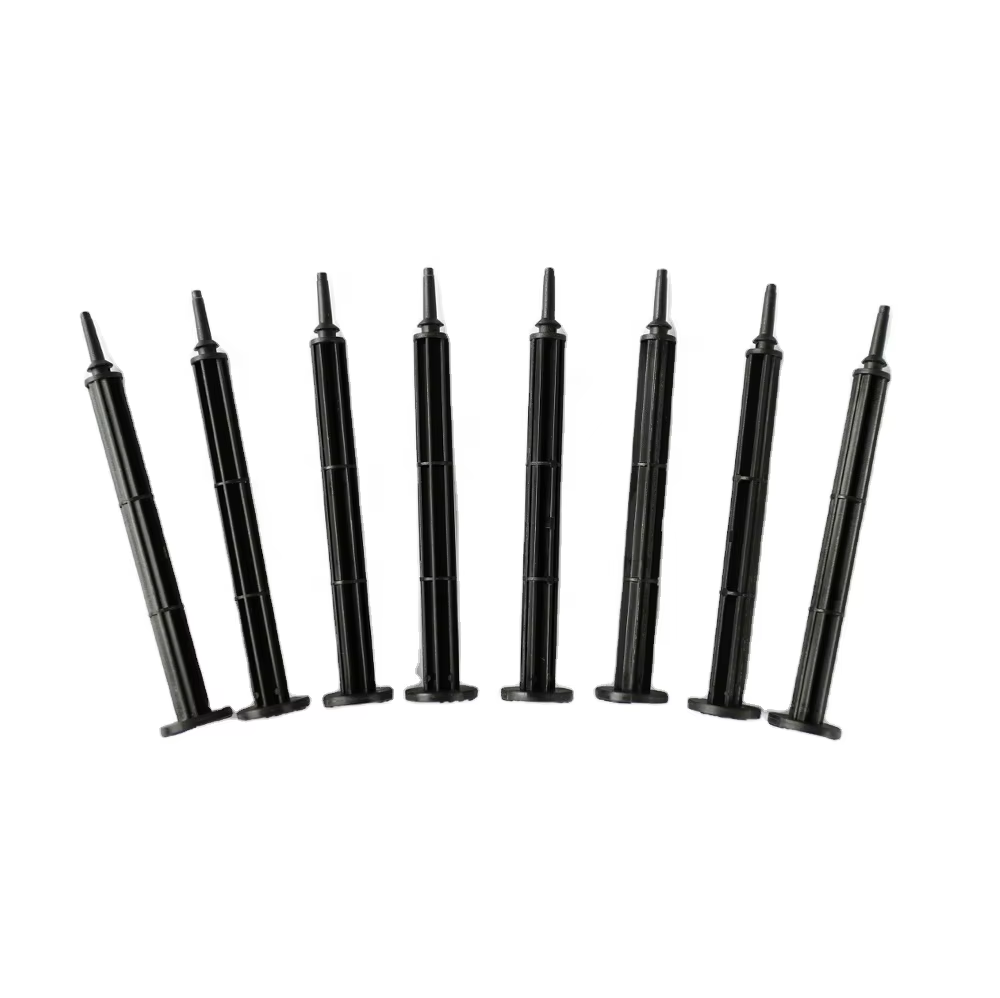
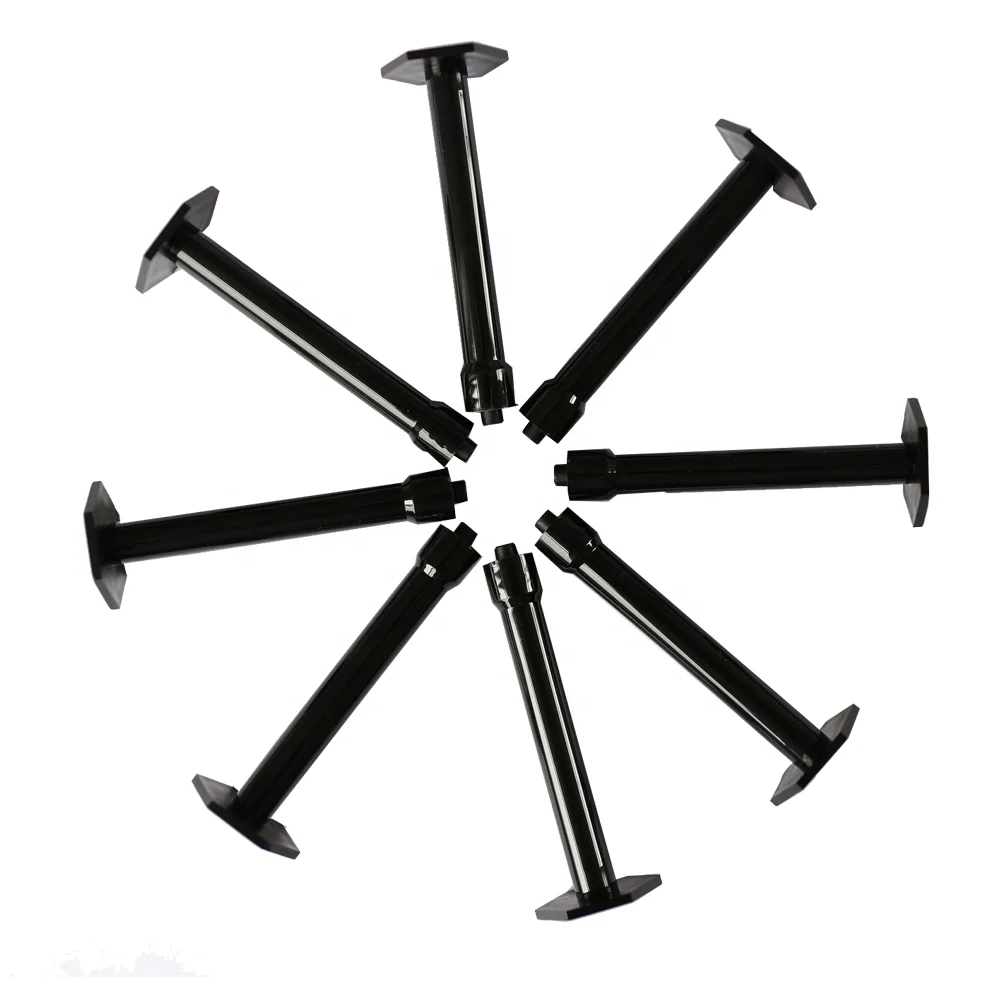
Insert injection molding represents a revolutionary manufacturing process that seamlessly combines different materials, particularly metals and plastics, to create composite components with enhanced functionality and durability. This advanced technique has transformed modern manufacturing by enabling the production of complex parts that leverage the unique properties of multiple materials in a single, unified component. The process involves strategically placing metal inserts into injection molds before introducing molten plastic, resulting in products that exhibit superior strength, conductivity, and performance characteristics compared to single-material alternatives.
Understanding the Insert Injection Molding Process
Fundamental Principles of Material Integration
The foundation of insert injection molding lies in the precise coordination of material placement and thermal management. During this process, pre-manufactured metal components are carefully positioned within the mold cavity using specialized fixtures and positioning systems. The metal inserts, which can range from simple threaded fasteners to complex electronic components, must be precisely aligned to ensure proper encapsulation and bonding with the surrounding plastic material. Temperature control becomes critical as the molten plastic must reach optimal flow characteristics while avoiding thermal damage to the metal inserts.
The bonding mechanism between metal and plastic occurs through both mechanical and thermal interactions. As the molten plastic flows around the metal insert, it creates microscopic mechanical bonds by penetrating surface irregularities and undercuts in the metal component. Simultaneously, the controlled cooling process allows for differential shrinkage rates between materials, creating additional mechanical interlocking. This dual bonding approach ensures that insert injection molding produces components with exceptional pull-out strength and resistance to rotational forces.
Equipment and Tooling Specifications
Successful insert injection molding requires specialized equipment designed to handle the unique demands of multi-material processing. Modern injection molding machines used for insert applications feature enhanced clamping systems with increased precision and stability to accommodate the additional weight and dimensional variations introduced by metal inserts. The injection units must provide consistent pressure and temperature control to ensure uniform plastic flow around complex insert geometries without creating voids or incomplete fill patterns.
Mold design for insert injection molding incorporates sophisticated insert positioning systems, including spring-loaded holders, magnetic fixtures, and robotic placement mechanisms. These systems must maintain precise insert location throughout the injection cycle while allowing for thermal expansion differences between the mold steel and insert materials. Advanced mold designs often feature multiple cavity configurations with independent insert loading capabilities, enabling high-volume production of complex assemblies with minimal manual intervention.
Material Selection and Compatibility Considerations
Metal Insert Properties and Requirements
The selection of appropriate metal inserts for injection molding applications depends on several critical factors including thermal expansion coefficients, surface treatments, and mechanical properties. Commonly used metals include brass, steel, aluminum, and specialized alloys, each offering distinct advantages for specific applications. Brass inserts provide excellent corrosion resistance and dimensional stability, making them ideal for plumbing and automotive applications. Steel inserts offer superior strength and durability for high-stress mechanical assemblies, while aluminum components provide lightweight solutions with good thermal conductivity.
Surface preparation of metal inserts plays a crucial role in achieving optimal bonding with plastic materials. Mechanical treatments such as knurling, threading, or chemical etching create microscopic surface features that enhance mechanical interlocking with the encapsulating plastic. Some applications benefit from specialized coatings or primers that promote chemical adhesion between dissimilar materials, particularly when working with engineering plastics that have low surface energy characteristics.
Plastic Material Optimization
The choice of plastic resin for insert injection molding applications requires careful consideration of processing temperatures, shrinkage rates, and chemical compatibility with metal components. Engineering thermoplastics such as nylon, POM, and PBT offer excellent mechanical properties and thermal stability, making them suitable for demanding insert molding applications. These materials maintain dimensional stability at elevated processing temperatures while providing strong mechanical bonds with properly prepared metal surfaces.
Filler-reinforced plastics present additional opportunities for enhanced performance in insert injection molding applications. Glass fiber reinforcement significantly improves tensile strength and dimensional stability, while carbon fiber fillers provide enhanced electrical conductivity and electromagnetic shielding properties. The selection of appropriate filler content and orientation becomes critical when designing components that must maintain specific mechanical or electrical characteristics around embedded metal inserts.
Design Considerations for Optimal Performance
Insert Geometry and Placement Strategies
Effective insert injection molding design requires careful attention to insert geometry and placement within the final component. Metal inserts should incorporate features that promote secure mechanical bonding, such as undercuts, grooves, or textured surfaces that allow plastic material to flow and lock into position. The positioning of inserts must consider plastic flow patterns to avoid weld lines or air traps that could compromise structural integrity or create cosmetic defects in the finished product.
Wall thickness around metal inserts represents a critical design parameter that affects both manufacturing feasibility and component performance. Insufficient plastic thickness may result in sink marks, warpage, or inadequate encapsulation of the metal component. Conversely, excessive wall thickness can lead to extended cooling times, increased material costs, and potential internal stress concentrations. Industry best practices recommend maintaining consistent wall thickness ratios and incorporating gradual transitions between different section thicknesses to optimize material flow and cooling characteristics.
Thermal Management and Dimensional Control
The significant difference in thermal expansion coefficients between metals and plastics creates unique challenges in insert injection molding applications. Successful designs must account for differential thermal movement during both processing and service conditions to prevent stress cracking or component failure. Strategic placement of stress relief features, such as flexible joints or compliant sections, can accommodate thermal expansion differences while maintaining functional performance requirements.
Dimensional tolerance considerations become more complex when combining materials with different thermal and mechanical properties. Insert injection molding designs must account for the cumulative effects of plastic shrinkage, metal insert dimensions, and thermal cycling on final component geometry. Advanced simulation software enables designers to predict and optimize these interactions during the design phase, reducing the need for extensive prototyping and design iterations.
Quality Control and Testing Methodologies
Bond Strength Evaluation Techniques
Ensuring reliable bonds between metal inserts and plastic matrices requires comprehensive testing protocols that evaluate both initial bond strength and long-term durability. Pull-out testing represents the most common evaluation method, measuring the force required to separate the metal insert from the surrounding plastic material. These tests provide quantitative data on bond strength under various loading conditions and help establish design safety factors for specific applications.
Torque testing evaluates the rotational strength of threaded inserts and other rotationally loaded components. This testing methodology simulates real-world assembly and service conditions while identifying potential failure modes such as plastic deformation or insert rotation within the host material. Advanced testing protocols incorporate cyclic loading patterns that replicate the fatigue conditions experienced during typical product lifecycles.
Dimensional Accuracy and Consistency Monitoring
Quality control in insert injection molding extends beyond bond strength evaluation to encompass dimensional accuracy and consistency across production runs. Coordinate measuring machines and optical inspection systems provide precise measurement capabilities for complex geometries that incorporate multiple materials with different thermal and mechanical properties. These measurement systems must account for temperature-dependent dimensional changes and establish appropriate measurement protocols for components containing both metal and plastic elements.
Statistical process control implementation in insert injection molding operations requires specialized monitoring parameters that account for the additional variables introduced by metal insert placement and multi-material interactions. Key process indicators include insert placement accuracy, cycle-to-cycle temperature variations, and plastic flow characteristics around insert geometries. Advanced monitoring systems integrate real-time data from multiple sensors to detect process variations that could affect component quality or performance.
Applications and Industry Benefits
Automotive and Transportation Solutions
The automotive industry has embraced insert injection molding as a key technology for producing lightweight, high-performance components that meet stringent safety and durability requirements. Applications range from electronic connector housings that incorporate metal terminals for reliable electrical connections to structural components that combine metal reinforcement with plastic housings for optimal strength-to-weight ratios. Insert injection molding enables automotive manufacturers to reduce assembly complexity while improving component reliability and reducing overall vehicle weight.
Advanced automotive applications leverage the unique capabilities of insert injection molding to create integrated sensor assemblies, hybrid structural components, and multi-function modules that would be impractical or impossible to manufacture using traditional assembly methods. These applications demonstrate the technology's ability to combine disparate materials and functions into unified components that meet the automotive industry's demanding requirements for performance, durability, and cost-effectiveness.
Electronics and Telecommunications Applications
The electronics industry relies heavily on insert injection molding for producing connector assemblies, switch housings, and electronic enclosures that require precise positioning of metal contacts and conductors. This manufacturing approach enables the production of hermetically sealed assemblies with embedded metal components while maintaining the design flexibility and cost advantages of plastic injection molding. Insert injection molding applications in electronics often incorporate specialized materials such as conductive plastics or EMI shielding compounds to enhance electrical performance.
Telecommunications equipment manufacturers utilize insert injection molding to create ruggedized assemblies that withstand harsh environmental conditions while maintaining electrical performance specifications. These applications often require precise positioning of multiple metal inserts within complex plastic housings, demonstrating the technology's capability to handle demanding manufacturing requirements while maintaining consistent quality and performance standards.
Process Optimization and Troubleshooting
Common Challenges and Solutions
Insert injection molding operations face unique challenges related to insert placement accuracy, thermal management, and material compatibility that require specialized troubleshooting approaches. Insert displacement during injection represents a common issue that can result from inadequate fixturing, excessive injection pressure, or improper gate placement. Solutions typically involve redesigning insert holding systems, optimizing injection parameters, or modifying gate locations to reduce flow-induced forces on the positioned inserts.
Incomplete fill around complex insert geometries can occur when plastic flow patterns are disrupted by the presence of metal components. This challenge requires careful analysis of rheological properties, gate sizing, and injection sequence optimization to ensure complete mold filling without compromising insert position or creating defects. Advanced flow analysis software enables process engineers to predict and optimize these complex flow patterns during the design phase.
Advanced Process Control Strategies
Modern insert injection molding operations implement sophisticated process control systems that monitor and adjust multiple process variables in real-time to maintain consistent quality and performance. These systems integrate temperature monitoring, pressure feedback, and position sensing to detect process variations that could affect component quality. Machine learning algorithms increasingly support predictive maintenance and process optimization by identifying subtle patterns in process data that correlate with quality variations.
Automated insert placement systems represent a significant advancement in process control, utilizing robotic systems with vision guidance to achieve precise insert positioning with minimal manual intervention. These systems can accommodate multiple insert types and orientations while maintaining high production rates and consistent quality standards. Integration with overall production management systems enables real-time tracking and quality assurance throughout the manufacturing process.
FAQ
What materials are most compatible with insert injection molding processes
Insert injection molding works best with engineering thermoplastics such as nylon, POM, PBT, and reinforced compounds that can withstand the processing temperatures required for proper flow around metal inserts. Metal inserts should be made from materials with appropriate thermal expansion characteristics, such as brass, steel, or aluminum alloys. The key is selecting material combinations that minimize thermal stress while maximizing mechanical bonding between the plastic matrix and metal components.
How does insert placement accuracy affect final component quality
Insert placement accuracy directly impacts both the functional performance and quality of insert injection molding components. Misplaced inserts can cause incomplete encapsulation, dimensional variations, or mechanical weakness in the final product. Precise placement ensures optimal plastic flow patterns, consistent wall thickness, and proper mechanical bonding between materials. Modern automated placement systems achieve positioning accuracies within ±0.05mm for critical applications.
What are the typical cycle time considerations for insert injection molding
Insert injection molding cycle times typically increase by 15-30% compared to standard injection molding due to additional steps required for insert placement and thermal management. The presence of metal inserts affects cooling rates and may require extended cooling times to achieve proper dimensional stability. However, automated insert placement systems and optimized thermal management can minimize these time increases while maintaining consistent quality standards.
How do you prevent insert displacement during the injection process
Preventing insert displacement requires proper mold design with adequate insert holding mechanisms, optimized injection parameters, and strategic gate placement. Mechanical holding systems such as spring-loaded fixtures or magnetic holders maintain insert position during injection. Additionally, controlling injection pressure and velocity profiles helps minimize flow-induced forces that could displace positioned inserts. Proper insert geometry with mechanical interlocking features also helps resist displacement forces.
