 EN
EN
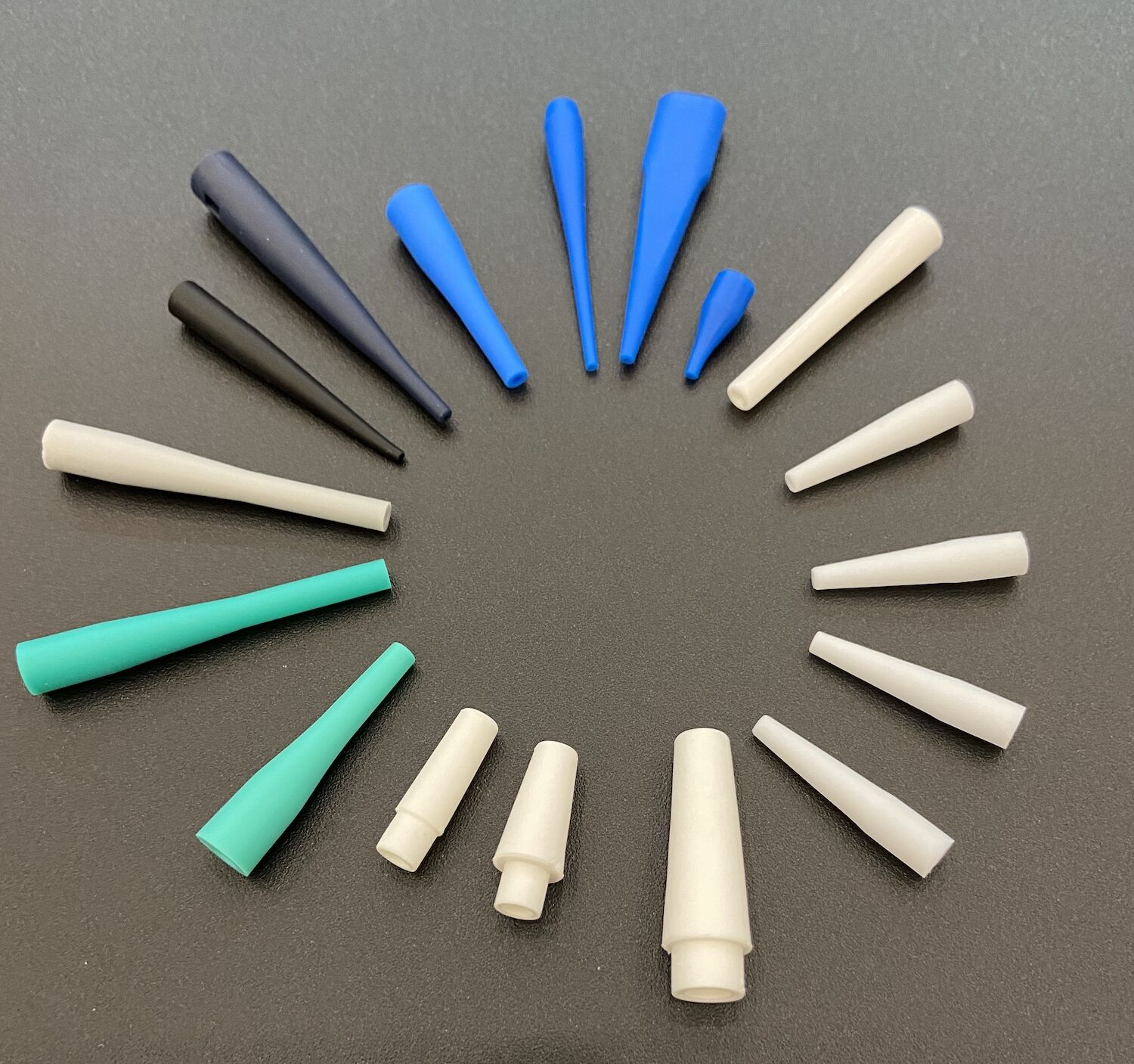
Manufacturing efficiency has become the cornerstone of competitive advantage in today's industrial landscape. Companies across various sectors are discovering that traditional manufacturing approaches often fall short of meeting modern demands for precision, speed, and cost-effectiveness. The integration of custom mold technology and Original Equipment Manufacturer (OEM) molding solutions represents a paradigm shift toward optimized production processes. These specialized manufacturing techniques enable businesses to achieve unprecedented levels of efficiency while maintaining the highest quality standards. Through strategic implementation of custom mold systems, manufacturers can significantly reduce production time, minimize material waste, and enhance product consistency. The evolution from conventional molding methods to sophisticated custom mold applications has revolutionized how companies approach product development and mass production. Understanding the transformative potential of these technologies is essential for manufacturers seeking to maintain competitiveness in an increasingly demanding marketplace.
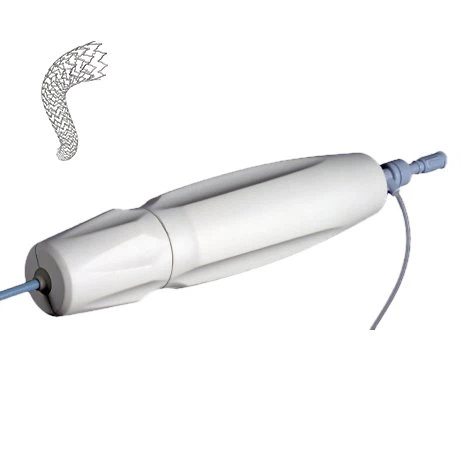
Understanding Custom Mold Technology in Modern Manufacturing
Fundamentals of Custom Mold Design and Engineering
The foundation of successful custom mold implementation lies in understanding the intricate relationship between design specifications and manufacturing requirements. Custom mold technology represents a sophisticated approach to creating specialized tooling that meets exact product specifications while optimizing production workflows. Engineering teams work collaboratively to develop molds that accommodate unique geometric requirements, material properties, and production volume targets. The design process involves comprehensive analysis of part geometry, material flow characteristics, cooling requirements, and demolding considerations. Advanced computer-aided design software enables engineers to simulate mold performance before physical production, identifying potential issues and optimization opportunities. This predictive capability ensures that custom mold solutions deliver optimal performance from initial deployment.
Modern custom mold engineering incorporates sophisticated materials science principles to enhance durability and performance characteristics. High-grade tool steels, advanced ceramics, and specialized coatings extend mold lifespan while improving part quality. Temperature management systems integrated into custom mold designs enable precise control over cooling cycles, reducing cycle times and improving dimensional accuracy. The incorporation of sensors and monitoring systems provides real-time feedback on mold performance, enabling proactive maintenance and quality assurance. These technological advances ensure that custom mold solutions continue delivering consistent results throughout extended production runs.
Material Selection and Performance Optimization
Selecting appropriate materials for custom mold construction requires careful consideration of production requirements, part specifications, and operational conditions. Different materials offer varying advantages in terms of thermal conductivity, wear resistance, and machinability. Tool steels remain the most common choice for custom mold applications due to their excellent balance of hardness, toughness, and workability. However, specialized applications may require alternative materials such as aluminum alloys for rapid prototyping or beryllium copper for enhanced thermal conductivity. The material selection process must account for expected production volumes, part complexity, and quality requirements to ensure optimal performance throughout the mold's operational lifespan.
Performance optimization involves continuous refinement of custom mold designs based on production data and quality metrics. Manufacturers utilize statistical process control methods to monitor key performance indicators and identify improvement opportunities. Surface treatments and coatings can significantly enhance mold performance by reducing friction, improving release characteristics, and extending operational life. Advanced surface finishing techniques ensure consistent part quality while minimizing maintenance requirements. The integration of predictive maintenance technologies enables manufacturers to optimize replacement schedules and minimize unplanned downtime.
OEM Molding Solutions and Strategic Implementation
Partnership Development and Supplier Integration
Successful OEM molding implementation requires establishing strong partnerships with experienced manufacturers who understand specific industry requirements and quality standards. The selection process involves comprehensive evaluation of potential suppliers' capabilities, quality systems, and technological resources. Effective partnerships extend beyond simple vendor relationships to encompass collaborative development, shared risk management, and continuous improvement initiatives. OEM partners must demonstrate proficiency in relevant manufacturing processes, quality assurance protocols, and supply chain management. The evaluation process includes assessment of production capacity, technological capabilities, and financial stability to ensure long-term partnership viability.
Strategic integration of OEM molding solutions involves aligning supplier capabilities with internal manufacturing objectives and quality requirements. Companies must establish clear communication protocols, performance metrics, and quality standards to ensure successful collaboration. Regular performance reviews and continuous improvement initiatives help maintain optimal supplier performance and identify enhancement opportunities. The integration process includes development of standardized procedures, quality control protocols, and supply chain coordination mechanisms. Effective partnership management ensures that OEM molding solutions contribute to overall manufacturing efficiency while maintaining consistent quality standards.
Quality Assurance and Process Control
Implementing robust quality assurance systems is essential for maximizing the benefits of OEM molding solutions while maintaining consistent product quality. Quality control protocols must address all aspects of the manufacturing process, from raw material inspection to final product verification. Statistical process control methods enable real-time monitoring of critical quality parameters and early identification of potential issues. Advanced inspection technologies, including coordinate measuring machines and automated optical inspection systems, provide comprehensive quality verification capabilities. The implementation of quality management systems ensures consistent adherence to established standards and continuous improvement of manufacturing processes.
Process control systems integrate seamlessly with custom mold operations to maintain optimal production conditions and minimize variability. Automated monitoring systems track key process parameters such as temperature, pressure, and cycle time to ensure consistent results. Data collection and analysis capabilities enable manufacturers to identify trends, optimize process parameters, and predict maintenance requirements. The integration of artificial intelligence and machine learning technologies enhances process control capabilities by enabling predictive analytics and automated optimization. These advanced systems contribute to improved efficiency, reduced waste, and enhanced product quality throughout the manufacturing process.
Efficiency Benefits and Performance Optimization
Production Speed and Cycle Time Reduction
The implementation of custom mold technology delivers significant improvements in production speed through optimized design and enhanced process control. Sophisticated cooling systems integrated into custom mold designs enable faster cycle times by efficiently removing heat from molded parts. Advanced gate designs and runner systems optimize material flow, reducing filling time and improving part quality. The precision engineering of custom mold components minimizes setup time and ensures consistent performance across production runs. These improvements translate directly into increased throughput and reduced manufacturing costs while maintaining or improving product quality standards.
Cycle time optimization involves comprehensive analysis of all process variables and their impact on overall production efficiency. Custom mold designs incorporate features that facilitate rapid part removal and minimize handling requirements. Automated systems integrated with custom mold operations enable continuous production with minimal operator intervention. The optimization of process parameters, including injection speed, pressure profiles, and cooling time, maximizes production efficiency while ensuring consistent part quality. Continuous monitoring and adjustment of these parameters ensure optimal performance throughout extended production runs.
Material Utilization and Waste Reduction
Custom mold technology enables precise control over material usage, resulting in significant reductions in waste generation and associated costs. Optimized runner systems and gate designs minimize material requirements while ensuring complete cavity filling. Advanced simulation capabilities enable engineers to optimize material flow patterns and identify potential waste reduction opportunities before mold production. The implementation of hot runner systems in custom mold designs eliminates runner waste and reduces material consumption. These improvements contribute to both environmental sustainability and cost reduction while maintaining consistent product quality.
Waste reduction strategies extend beyond material optimization to encompass energy consumption, processing time, and maintenance requirements. Custom mold designs incorporate features that minimize energy consumption through efficient heating and cooling systems. Predictive maintenance technologies reduce unplanned downtime and associated waste generation. The optimization of process parameters minimizes scrap production and rework requirements. Comprehensive waste tracking and analysis systems enable continuous improvement of manufacturing processes and identification of additional waste reduction opportunities.
Cost-Effectiveness and Return on Investment
Initial Investment Analysis and Financial Planning
The financial evaluation of custom mold investments requires comprehensive analysis of initial costs, operational benefits, and long-term value creation. Initial investment considerations include mold design and engineering costs, material expenses, and manufacturing setup requirements. While custom mold solutions typically require higher upfront investments compared to standard tooling, the long-term benefits often justify these initial expenses. Financial planning must account for production volume projections, product lifecycle expectations, and potential design modifications. Accurate cost modeling enables manufacturers to make informed decisions about custom mold investments and expected returns.
Return on investment calculations must consider both direct cost savings and indirect benefits associated with custom mold implementation. Direct savings include reduced cycle times, lower material consumption, and decreased labor requirements. Indirect benefits encompass improved product quality, enhanced customer satisfaction, and increased market competitiveness. The analysis should include consideration of risk factors such as technology obsolescence, market changes, and competitive pressures. Comprehensive financial modeling enables manufacturers to establish realistic expectations and develop appropriate investment strategies for custom mold projects.
Long-term Value Creation and Competitive Advantages
Custom mold investments create long-term value through enhanced manufacturing capabilities, improved product quality, and increased operational flexibility. The ability to produce complex parts with tight tolerances enables manufacturers to pursue new market opportunities and premium product segments. Improved manufacturing efficiency translates into cost advantages that can be passed along to customers or retained as increased profitability. The flexibility of custom mold systems enables rapid adaptation to changing market requirements and customer specifications. These capabilities contribute to sustainable competitive advantages in increasingly dynamic market environments.
Competitive advantages derived from custom mold implementation extend beyond immediate cost savings to encompass strategic positioning and market differentiation. Companies with advanced custom mold capabilities can offer shorter lead times, superior product quality, and greater design flexibility compared to competitors using conventional manufacturing approaches. The ability to quickly adapt to changing customer requirements and market conditions provides significant strategic advantages. Investment in custom mold technology demonstrates commitment to innovation and quality, enhancing brand reputation and customer relationships. These strategic benefits often provide greater long-term value than immediate cost savings alone.
Technology Integration and Future Developments
Digital Manufacturing and Industry 4.0 Integration
The integration of digital manufacturing technologies with custom mold operations represents the next evolution in manufacturing efficiency optimization. Internet of Things sensors embedded in custom mold systems provide real-time monitoring of performance parameters and predictive maintenance capabilities. Digital twin technology enables virtual simulation and optimization of mold performance before physical implementation. Machine learning algorithms analyze production data to identify optimization opportunities and predict potential issues. These digital technologies enhance the value proposition of custom mold solutions by providing unprecedented visibility and control over manufacturing processes.
Industry 4.0 integration encompasses the connection of custom mold operations with broader manufacturing execution systems and enterprise resource planning platforms. Automated data collection and analysis capabilities enable real-time decision making and process optimization. Advanced analytics platforms provide insights into production efficiency trends and improvement opportunities. The integration of artificial intelligence enables autonomous optimization of process parameters and predictive quality control. These technological advances position custom mold operations at the forefront of smart manufacturing initiatives while delivering measurable improvements in efficiency and quality.
Emerging Technologies and Innovation Opportunities
Emerging technologies continue to expand the capabilities and applications of custom mold solutions across various industries. Additive manufacturing technologies enable rapid prototyping and production of complex mold components that would be difficult or impossible to create using conventional machining methods. Advanced materials science developments introduce new mold materials with enhanced properties such as improved thermal conductivity, increased durability, and reduced weight. Nanotechnology applications enable surface treatments that enhance mold performance and extend operational life. These technological advances create new opportunities for innovation and differentiation in custom mold applications.
Innovation opportunities in custom mold technology extend beyond individual components to encompass entire manufacturing systems and processes. Hybrid manufacturing approaches combine multiple technologies to achieve optimal results for specific applications. Sustainable manufacturing initiatives drive development of environmentally friendly mold materials and processes. Advanced simulation capabilities enable optimization of complex multi-material and multi-component molding operations. The continued evolution of custom mold technology ensures that manufacturers will have access to increasingly sophisticated tools for optimizing production efficiency and product quality.
FAQ
How long does it typically take to develop and manufacture a custom mold?
The development timeline for custom mold projects varies significantly based on part complexity, design requirements, and manufacturing specifications. Simple custom mold designs may require 4-6 weeks from concept to completion, while complex multi-cavity or multi-material molds can take 12-16 weeks or longer. The process includes design phase (1-3 weeks), engineering review and optimization (1-2 weeks), material procurement (1-2 weeks), manufacturing (2-8 weeks), and testing/validation (1-2 weeks). Factors affecting timeline include part geometry complexity, tolerance requirements, material selection, and supplier capacity. Early involvement of mold manufacturers in the design process can significantly reduce development time and improve final mold performance.
What factors should be considered when selecting an OEM molding partner?
Selecting an appropriate OEM molding partner requires evaluation of multiple factors including technical capabilities, quality systems, production capacity, and financial stability. Key considerations include experience with similar products and industries, availability of appropriate equipment and technologies, quality certifications and compliance records, and geographic location relative to supply chain requirements. Financial evaluation should assess company stability, investment in technology upgrades, and competitive pricing structures. Communication capabilities, project management expertise, and cultural fit are important factors for successful long-term partnerships. Additionally, suppliers should demonstrate commitment to continuous improvement, sustainability practices, and innovation in manufacturing processes.
How can companies measure the ROI of custom mold investments?
Measuring return on investment for custom mold projects requires comprehensive analysis of both direct and indirect benefits compared to initial investment costs. Direct benefits include reduced cycle times, lower material consumption, decreased labor requirements, and improved yield rates. Indirect benefits encompass enhanced product quality, reduced warranty claims, improved customer satisfaction, and increased market competitiveness. ROI calculations should consider the time value of money, production volume projections, and mold lifespan expectations. Key performance indicators include cost per part, production efficiency improvements, quality metrics, and customer satisfaction scores. Regular monitoring and analysis of these metrics enables continuous optimization of custom mold investments and identification of additional improvement opportunities.
What maintenance requirements are associated with custom mold operations?
Custom mold maintenance requirements depend on production volume, material characteristics, and operating conditions, but generally include both preventive and corrective maintenance activities. Preventive maintenance includes regular cleaning, lubrication, inspection of wear components, and replacement of consumable parts according to established schedules. Monitoring systems track key performance indicators and alert operators to potential issues before they result in production problems. Corrective maintenance addresses issues identified through monitoring or inspection activities and may include component repair, replacement, or adjustment. Advanced custom mold designs incorporate features that facilitate maintenance activities and minimize downtime. Proper maintenance scheduling and execution are essential for maximizing mold lifespan and maintaining consistent product quality throughout the operational period.
