Liquid Silicone Rubber Injection Molding: Advanced Manufacturing Solutions for Precision Components

Get a Quote
Get a Quote

liquid silicone rubber injection molding

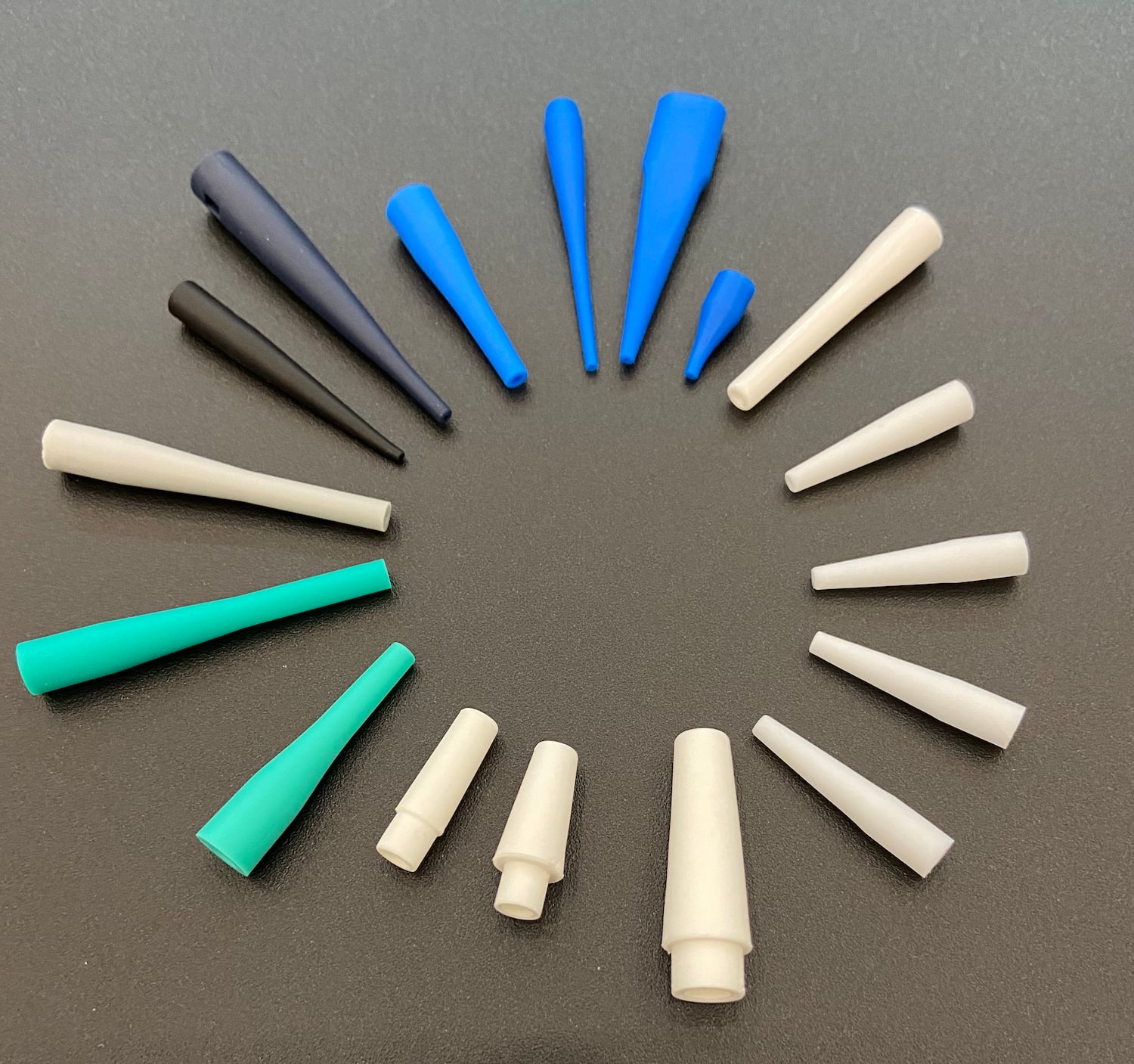
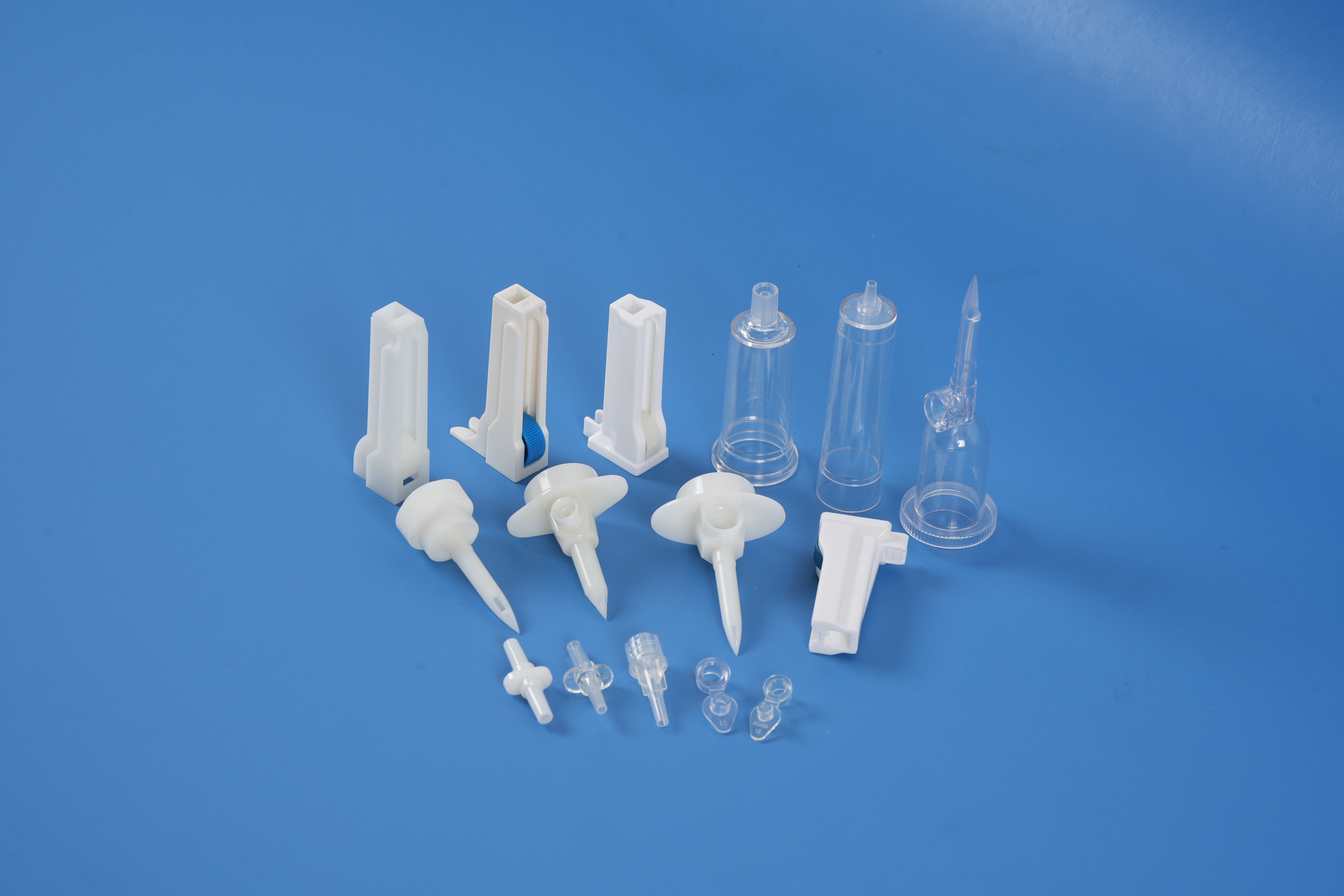
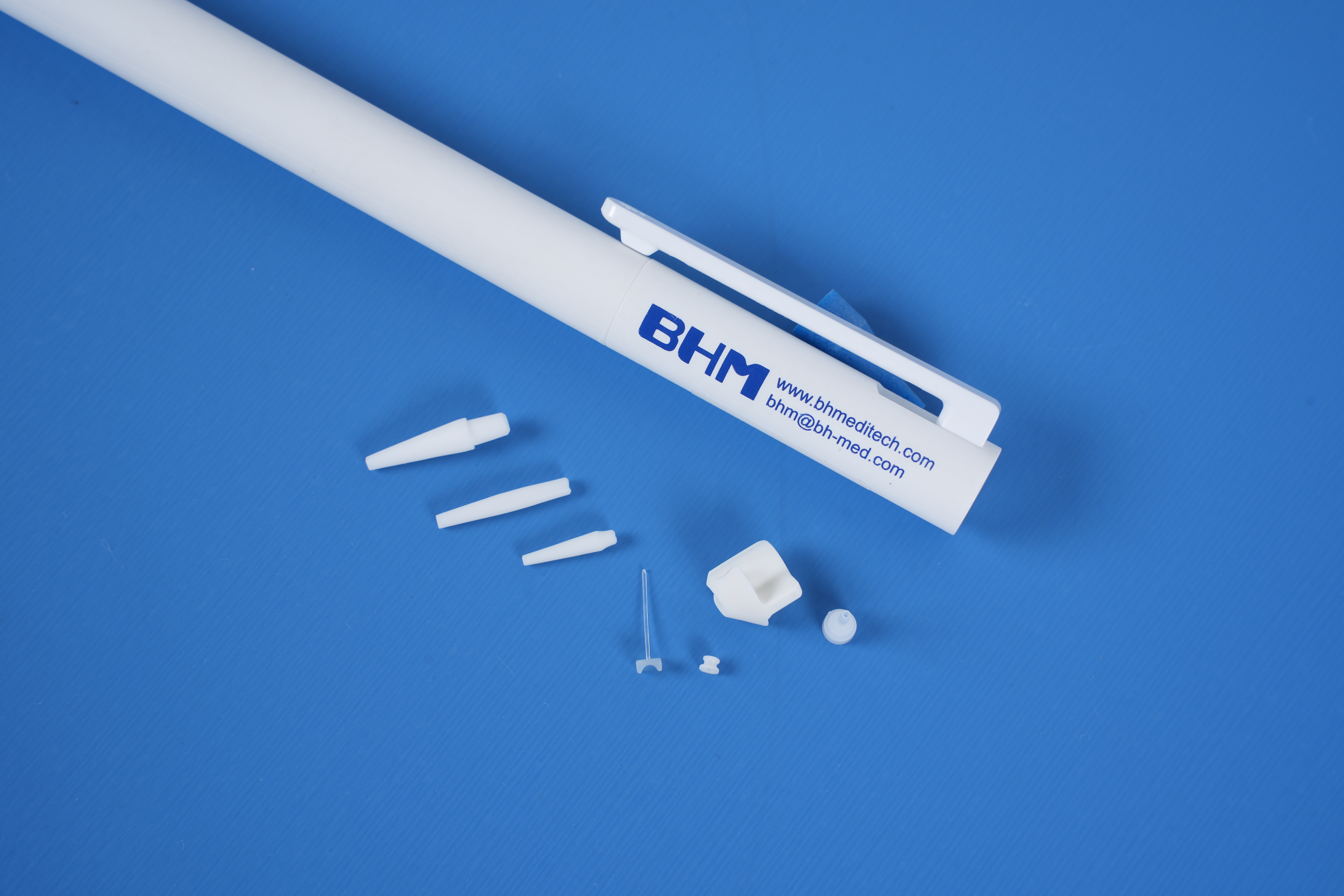
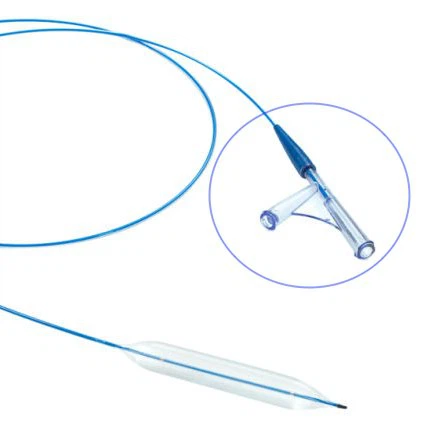
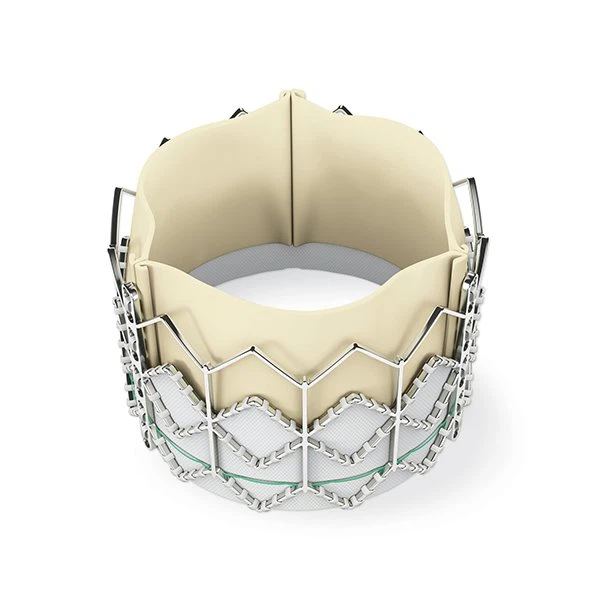
Liquid silicone rubber injection molding represents a cutting-edge manufacturing process that has revolutionized the production of high-quality silicone components across numerous industries. This advanced technique involves injecting liquid silicone rubber material into precision molds under controlled temperature and pressure conditions, creating parts with exceptional accuracy and consistency. The liquid silicone rubber injection molding process begins with two-component liquid silicone rubber that is mixed and then injected into a heated mold cavity where it undergoes rapid vulcanization. This transformative manufacturing method combines automation with precision engineering to deliver superior results. The main functions of liquid silicone rubber injection molding include producing complex geometries, maintaining tight tolerances, and creating products with excellent mechanical properties. The technological features distinguish this process from traditional rubber molding methods, offering faster cycle times, reduced waste, and enhanced repeatability. The automated nature of liquid silicone rubber injection molding ensures consistent quality across large production runs while minimizing human error. Temperature control systems maintain optimal curing conditions, while advanced injection units provide precise material delivery. The applications for liquid silicone rubber injection molding span diverse sectors including medical devices, automotive components, consumer electronics, baby care products, and kitchen utensils. In the medical field, this process produces biocompatible items such as seals, gaskets, valbinges, and surgical instruments. Automotive manufacturers rely on liquid silicone rubber injection molding for weather seals, vibration dampeners, and electrical connectors that withstand extreme temperatures. The electronics industry utilizes this technology for keypads, protective covers, and cable insulators. Consumer goods manufacturers appreciate the ability to create soft-touch surfaces, flexible components, and durable products that meet stringent safety standards. The versatility of liquid silicone rubber injection molding makes it indispensable for modern manufacturing operations seeking efficiency, quality, and innovation.
The advantages of liquid silicone rubber injection molding make it an attractive choice for manufacturers seeking superior production solutions. This process delivers remarkable efficiency by significantly reducing cycle times compared to traditional rubber molding methods. Parts can be produced in minutes rather than hours, allowing companies to meet demanding production schedules and respond quickly to market needs. The automated nature eliminates many manual steps, reducing labor costs while increasing output volume. Material waste drops dramatically because the liquid silicone rubber injection molding system uses precise metering to inject only the required amount of material into each mold cavity. This precision translates directly into cost savings and environmental benefits. The quality consistency achieved through liquid silicone rubber injection molding surpasses conventional methods because computerized controls maintain exact parameters throughout production. Every part emerges with identical properties, dimensions, and appearance, eliminating variations that plague manual processes. This reliability proves crucial for industries where product failure carries serious consequences. The design freedom offered by liquid silicone rubber injection molding enables engineers to create intricate shapes, thin walls, and complex geometries that would be impossible or impractical with other techniques. Undercuts, fine details, and multi-component assemblies become achievable, expanding creative possibilities. The finished products exhibit superior physical properties including excellent tear resistance, outstanding temperature stability ranging from negative sixty to positive two hundred degrees Celsius, and exceptional chemical resistance. These characteristics ensure long service life even in demanding environments. The biocompatibility and non-toxic nature of liquid silicone rubber make products safe for direct contact with skin and food, meeting strict regulatory requirements. The process produces parts with smooth surfaces requiring minimal finishing work, further reducing production costs and time. Color consistency remains stable because pigments are thoroughly mixed into the liquid silicone rubber before injection. Multi-shot molding capabilities allow combining different silicone durometers or bonding silicone to other substrates in a single operation. The rapid vulcanization occurring within heated molds means parts emerge fully cured and ready for immediate use or packaging. Energy consumption remains lower than many alternative processes because efficient heating systems and quick cycles reduce power requirements. Tooling costs, while initially higher than some methods, are offset by extended mold life and the ability to produce hundreds of thousands of parts from a single mold. The scalability of liquid silicone rubber injection molding accommodates both prototype quantities and high-volume production runs, providing flexibility as business needs evolve. Clean room compatibility makes this process ideal for medical and pharmaceutical applications where contamination control is paramount.

Practical Tips

What's the difference between OEM tooling and regular tooling?

22

Oct

What's the difference between OEM tooling and regular tooling?

Understanding the Core Distinctions of Original Equipment Manufacturing Tools The manufacturing industry relies heavily on precision tools and equipment to create high-quality products. When it comes to tooling solutions, there's often confusion betw...
View More
What are the technical challenges in precision OEM tooling manufacturing?

22

Oct

What are the technical challenges in precision OEM tooling manufacturing?

Understanding the Complex World of Advanced Manufacturing Technologies The realm of precision OEM tooling represents one of manufacturing's most demanding sectors, where tolerances are measured in microns and quality standards are uncompromising. As ...
View More
What Sets a Leading Injection Manufacturer Apart?

27

Nov

What Sets a Leading Injection Manufacturer Apart?

The manufacturing landscape for injection molding has evolved dramatically over the past decade, with companies facing increasing demands for precision, efficiency, and cost-effectiveness. As industries ranging from automotive to medical devices requ...
View More
Why is precision medical plastic injection mold critical for life-saving medical components?

06

Jan

Why is precision medical plastic injection mold critical for life-saving medical components?

The manufacturing of life-saving medical devices demands unwavering precision, safety, and reliability at every stage of production. At the heart of this critical process lies the medical plastic injection mold, a sophisticated manufacturing tool tha...
View More

Get a Free Quote

Our representative will contact you soon.
0/1000
Unmatched Precision and Repeatability for Critical Applications

Unmatched Precision and Repeatability for Critical Applications

Liquid silicone rubber injection molding stands out in the manufacturing landscape due to its exceptional precision and repeatability, qualities that prove essential for industries where dimensional accuracy and consistency cannot be compromised. The computerized control systems governing the liquid silicone rubber injection molding process monitor and adjust parameters in real-time, ensuring that every cycle produces parts matching exact specifications. This level of control begins with precise metering of the two-component liquid silicone rubber material, where sophisticated pumps deliver exact ratios to maintain optimal curing characteristics. The injection phase utilizes servo-driven systems that control fill rates, pressures, and shot sizes with remarkable accuracy, eliminating the variations inherent in manual or hydraulic systems. Temperature management represents another critical factor where liquid silicone rubber injection molding excels, with multiple heating zones maintaining the mold at optimal curing temperatures while preventing material degradation. These controlled conditions enable the production of parts with tolerances measured in hundredths of millimeters, a feat rarely achievable with alternative rubber processing methods. The repeatability extends beyond dimensions to include mechanical properties, with each part exhibiting identical hardness, tensile strength, and elongation characteristics. This consistency proves invaluable for medical device manufacturers who must demonstrate batch-to-batch uniformity to satisfy regulatory requirements. Automotive suppliers benefit equally, as safety-critical seals and gaskets must perform reliably across millions of vehicles. The precision capabilities of liquid silicone rubber injection molding also enable overmolding applications where silicone bonds to plastic, metal, or fabric substrates with perfect alignment and adhesion. Engineers can design complex assemblies knowing that the manufacturing process will faithfully reproduce their specifications without drift or degradation over production runs. The statistical process control data generated by modern liquid silicone rubber injection molding equipment provides documentation of quality, creating traceable records that support quality management systems. This combination of precision, repeatability, and documentation creates a manufacturing foundation that companies can rely upon for their most demanding applications, reducing warranty claims and enhancing brand reputation.
Superior Material Properties for Extreme Conditions

Superior Material Properties for Extreme Conditions

The material properties achieved through liquid silicone rubber injection molding provide performance characteristics that exceed conventional rubber materials across multiple parameters, making this process the preferred choice for applications facing extreme conditions. Liquid silicone rubber formulations demonstrate exceptional temperature stability, maintaining flexibility and mechanical properties from negative sixty degrees Celsius to positive two hundred degrees Celsius, a range that encompasses arctic cold and engine compartment heat. This thermal resilience means products manufactured through liquid silicone rubber injection molding continue functioning reliably where other elastomers would crack, harden, or degrade. The chemical resistance of cured liquid silicone rubber protects against oils, solvents, acids, and bases, enabling use in harsh industrial environments and medical sterilization processes. Unlike organic rubbers that degrade when exposed to ozone or ultraviolet radiation, silicone materials produced through liquid silicone rubber injection molding resist environmental aging, maintaining their properties for decades of outdoor exposure. The biocompatibility of medical-grade liquid silicone rubber makes it suitable for implantable devices, skin contact applications, and food contact products, meeting FDA, USP Class VI, and ISO 10993 standards. This safety profile stems from the inert nature of cured silicone and the purity achieved during the liquid silicone rubber injection molding process, which occurs in clean, controlled environments. The electrical insulation properties make liquid silicone rubber ideal for electronic components, providing reliable protection against moisture, dust, and electrical leakage. Flame resistance can be enhanced through additive packages, enabling compliance with UL94 standards for consumer electronics and appliances. The low compression set of properly cured liquid silicone rubber ensures that seals and gaskets maintain sealing force over extended periods, preventing leaks in critical applications. Tear strength and tensile properties exceed those of many conventional rubbers, providing durability in dynamic applications involving repeated flexing or stretching. The transparency achievable with certain liquid silicone rubber formulations opens applications in optics, lighting, and medical devices where visual inspection or light transmission is required. These superior material properties, combined with the precision of liquid silicone rubber injection molding, create products that perform reliably throughout their intended service life.
Economic Efficiency Through Process Optimization

Economic Efficiency Through Process Optimization

Liquid silicone rubber injection molding delivers compelling economic advantages that improve profitability while enhancing product quality, making it a strategic manufacturing choice for forward-thinking companies. The efficiency begins with dramatically reduced cycle times, as the rapid curing of liquid silicone rubber in heated molds allows complete vulcanization in seconds to minutes rather than the hours required for compression molding or post-cure ovens. This speed multiplies production capacity from existing equipment, reducing the capital investment required to achieve target output volumes. The automated nature of liquid silicone rubber injection molding minimizes direct labor requirements, as operators oversee multiple machines rather than manually loading, unloading, and processing each part. This automation also eliminates the skill variations that affect product quality in manual processes, ensuring consistent results regardless of operator experience. Material utilization efficiency represents another significant economic benefit, as the closed-loop injection system of liquid silicone rubber injection molding delivers precise material quantities without the flash and overflow typical of compression molding. The material savings compound over high-volume production runs, directly improving margins while reducing waste disposal costs. The liquid silicone rubber injection molding process also eliminates or minimizes secondary operations such as deflashing, trimming, and post-curing, further reducing handling costs and shortening lead times. Energy efficiency contributes to operational savings, as modern liquid silicone rubber injection molding machines utilize efficient electric heating and servo-driven pumps that consume power only during active phases of the cycle. The longevity of precision molds used in liquid silicone rubber injection molding extends tool life to hundreds of thousands of cycles, amortizing tooling investment across larger production volumes than possible with softer mold materials. Quality improvements translate into economic benefits through reduced scrap rates, fewer customer returns, and enhanced brand reputation that supports premium pricing. The ability to produce complex geometries in single operations eliminates assembly steps and the associated labor and inventory costs. The scalability of liquid silicone rubber injection molding accommodates business growth without proportional increases in overhead, as additional capacity can be added incrementally through equipment additions. The rapid prototyping capabilities enabled by liquid silicone rubber injection molding accelerate product development cycles, reducing time-to-market and capturing competitive advantages. These economic efficiencies create a compelling return on investment calculation that justifies the adoption of liquid silicone rubber injection molding technology for manufacturers seeking sustainable competitive advantages in demanding markets.