Premium Plastic Molded Components - Custom Manufacturing Solutions for Every Industry

Get a Quote
Get a Quote

plastic molded components

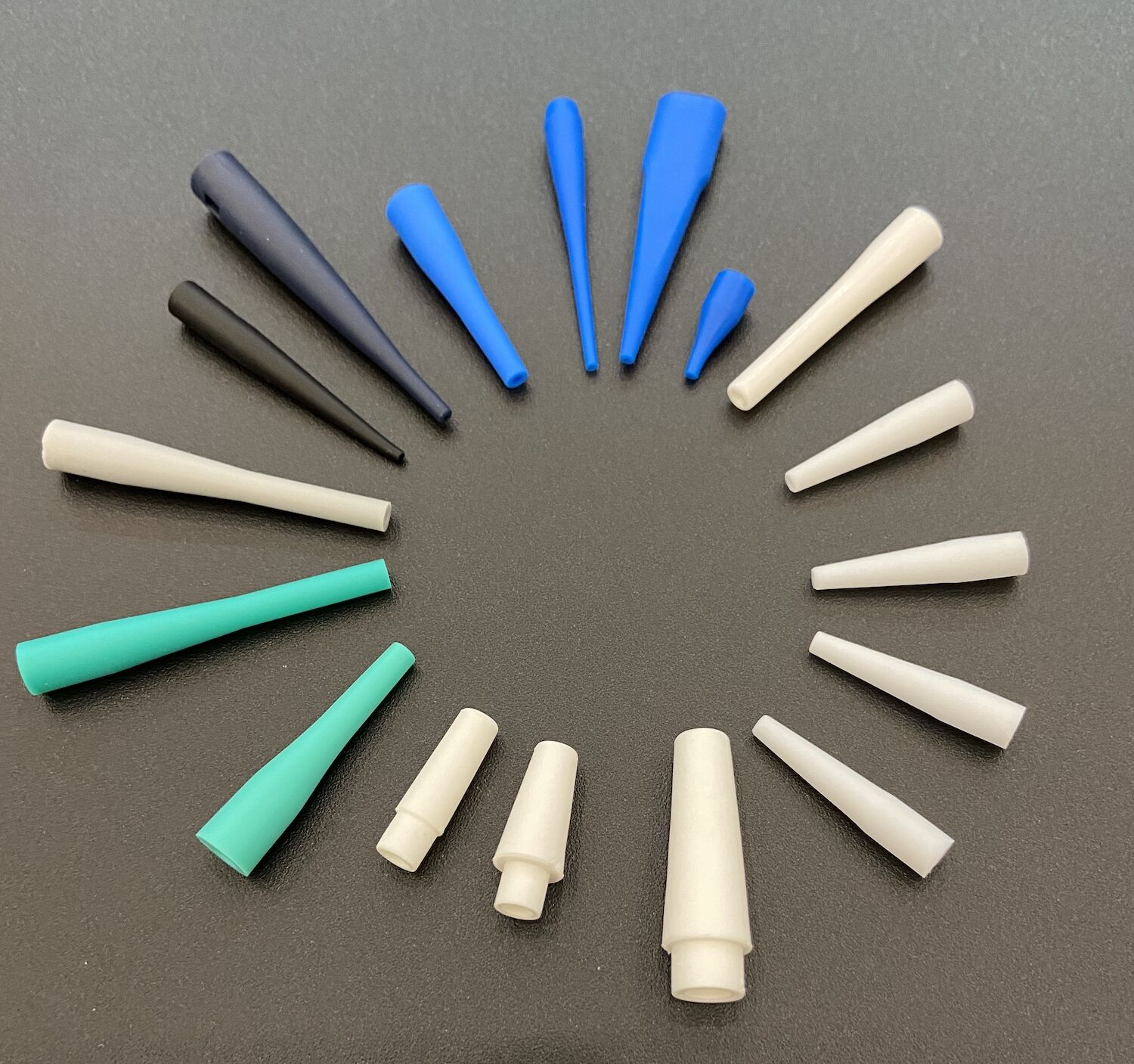
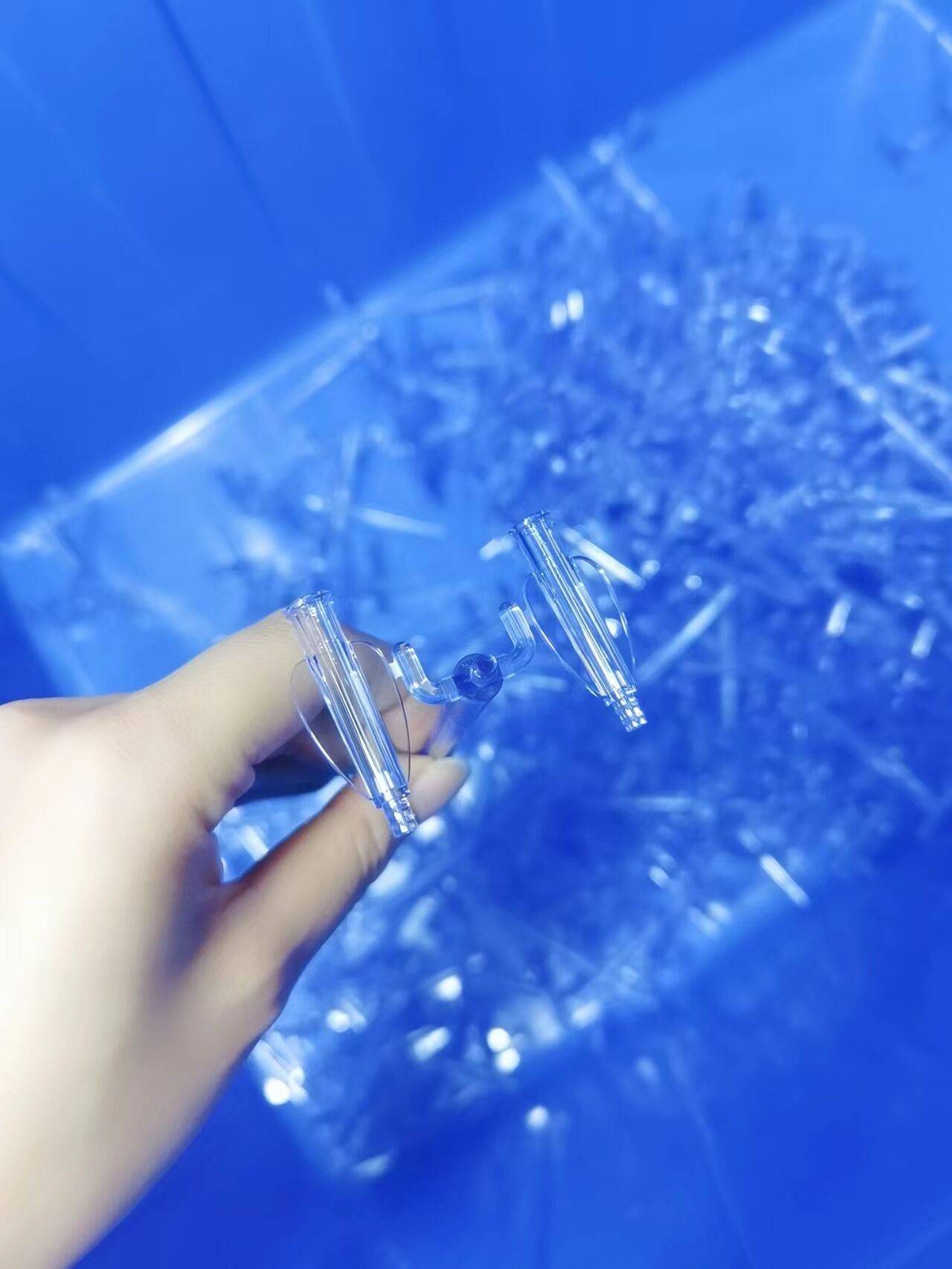
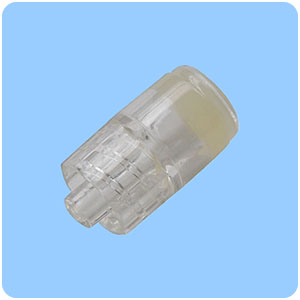
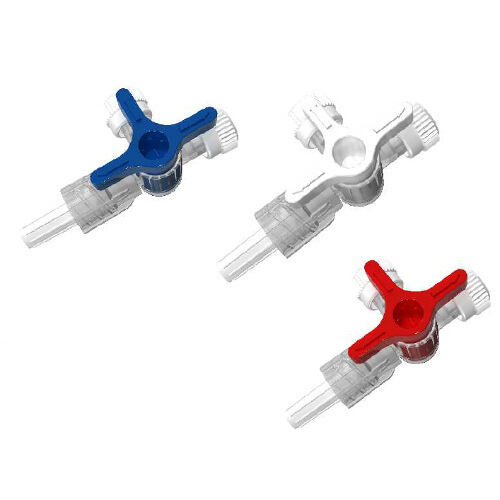
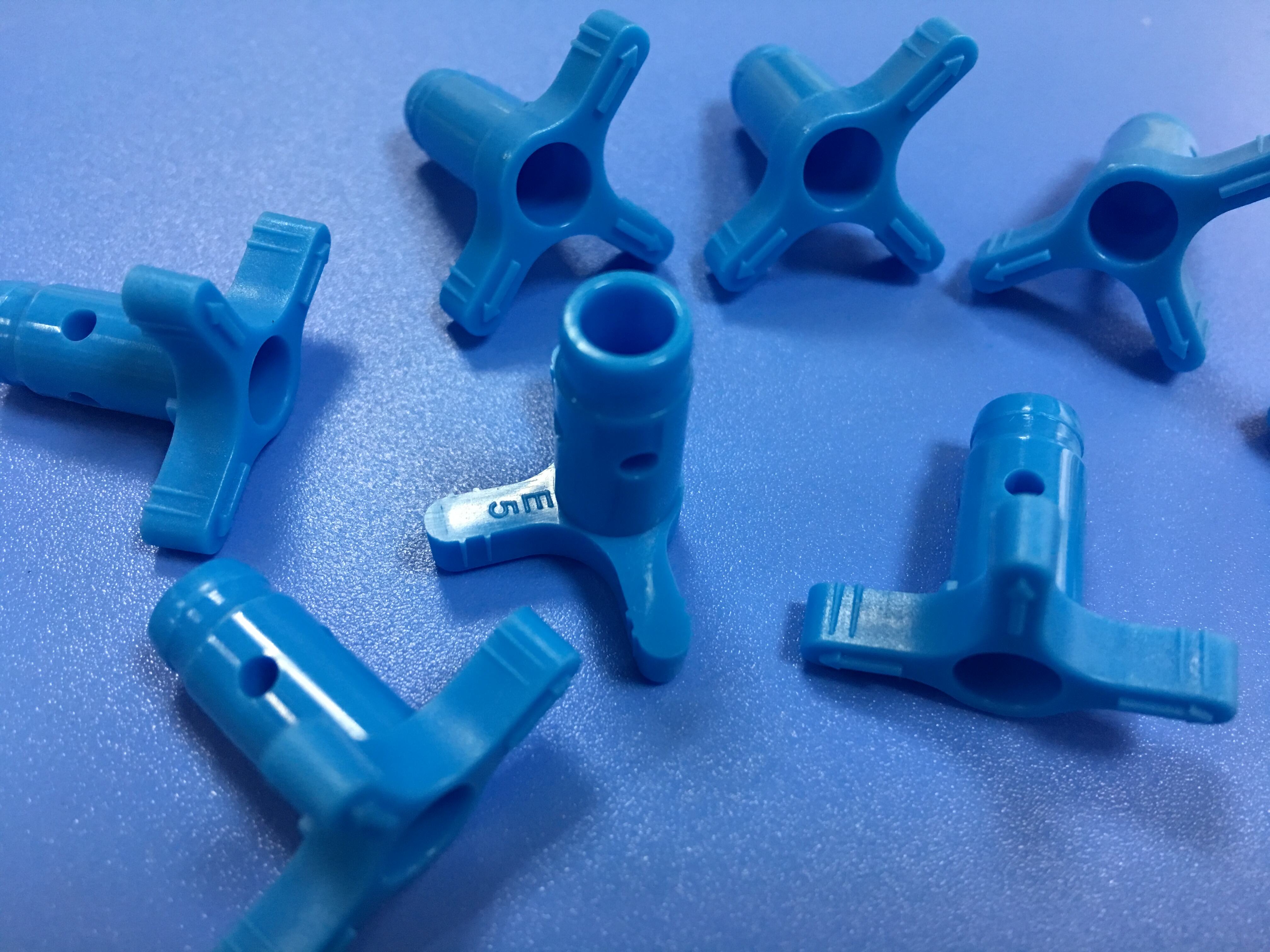
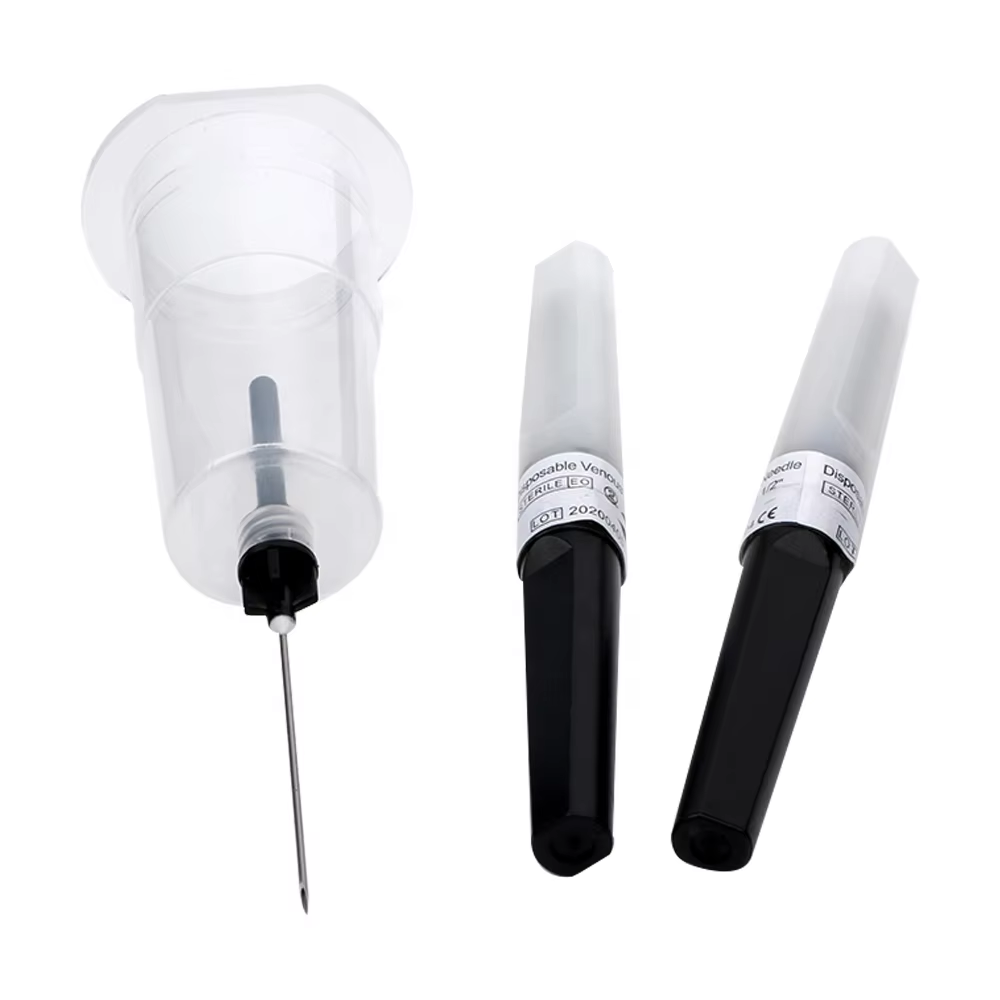
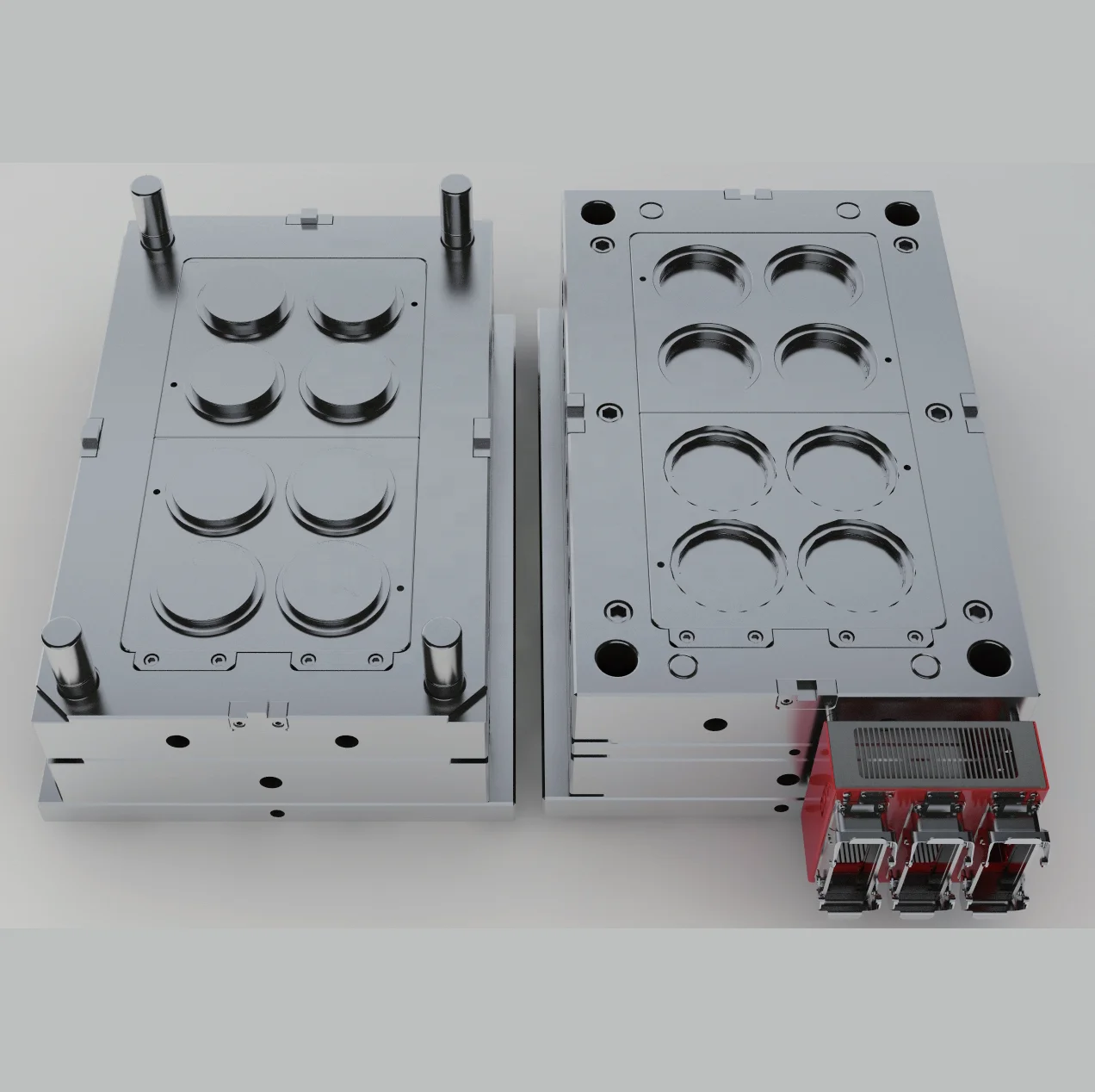
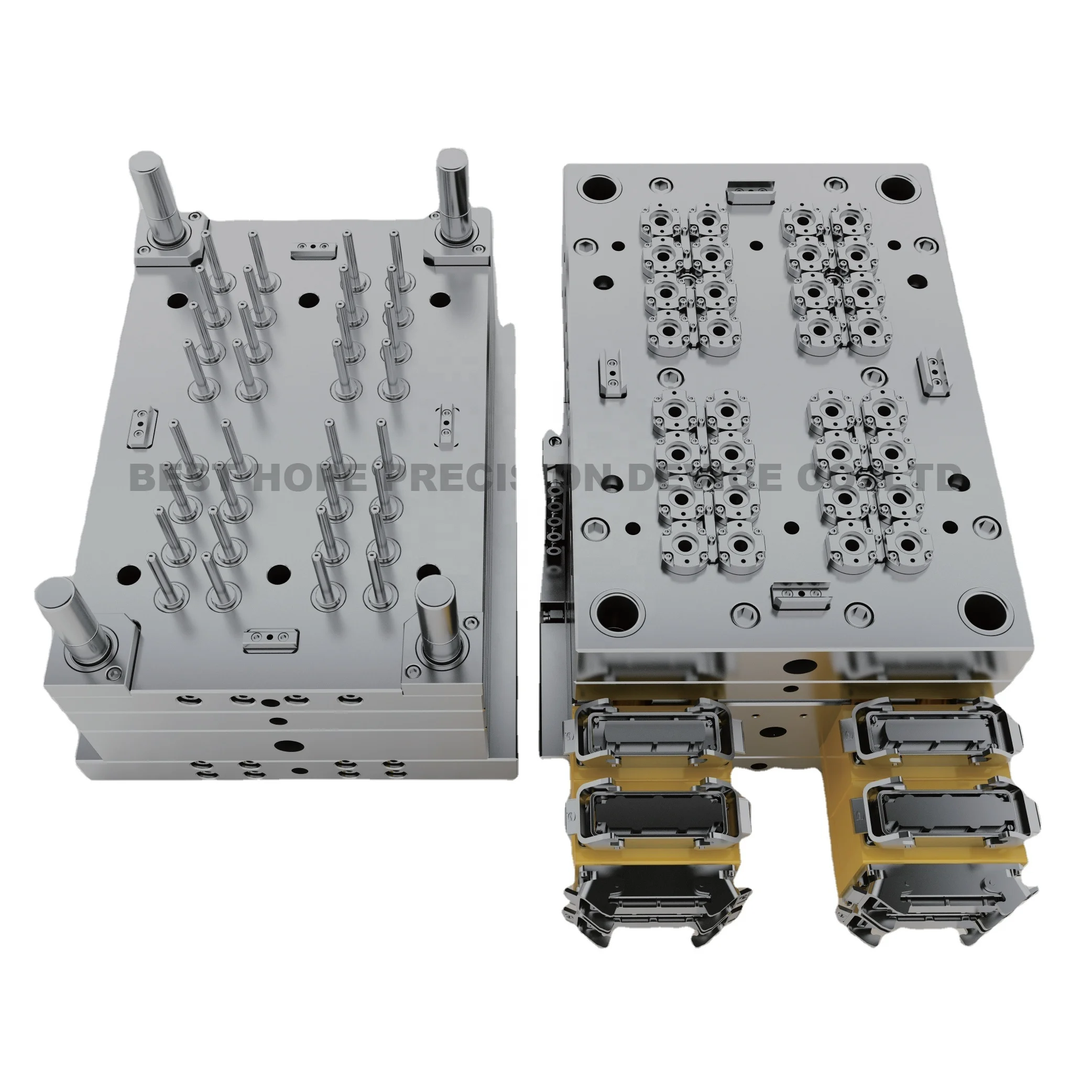
Plastic molded components represent essential manufacturing solutions that transform raw polymer materials into precise, functional parts through advanced molding processes. These components serve as critical building blocks across countless industries, from automotive and electronics to medical devices and consumer products. The manufacturing process involves heating plastic resins until they reach a malleable state, then injecting or pressing them into carefully designed molds where they cool and solidify into their final shape. This production method enables manufacturers to create complex geometries, intricate details, and consistent quality across large production volumes. Plastic molded components offer exceptional versatility in material selection, allowing engineers to choose from thermoplastics, thermosets, and elastomers based on specific performance requirements. The main functions of these components include structural support, protective housing, mechanical movement facilitation, electrical insulation, and aesthetic enhancement. Technological features distinguish modern plastic molded components from traditional alternatives through computer-aided design integration, multi-cavity tooling capabilities, automated production systems, and real-time quality monitoring. Advanced molding technologies such as injection molding, blow molding, compression molding, and rotational molding provide manufacturers with multiple pathways to achieve desired component characteristics. Applications span virtually every sector of modern commerce and industry. In automotive manufacturing, plastic molded components form interior trim panels, exterior body parts, under-hood components, and intricate dashboard assemblies. Electronics manufacturers rely on these components for device housings, connector bodies, and internal structural elements. Medical device producers utilize biocompatible plastic molded components for surgical instruments, diagnostic equipment, and patient care products. Consumer goods companies incorporate these components into household appliances, toys, sporting equipment, and packaging solutions. The construction industry benefits from plastic molded components in plumbing fixtures, electrical enclosures, and building materials. This widespread adoption reflects the fundamental advantages these components provide in terms of design freedom, production efficiency, material properties, and cost-effectiveness across diverse manufacturing environments and application requirements.
Plastic molded components deliver remarkable cost savings compared to traditional manufacturing methods, especially when producing medium to high volumes. The initial tooling investment pays dividends through reduced per-unit costs as production quantities increase, making these components economically attractive for businesses seeking to optimize manufacturing budgets. Companies avoid expensive secondary operations because the molding process creates finished parts that require minimal additional processing, cutting labor costs and production time significantly. The lightweight nature of plastic molded components reduces shipping expenses and handling costs throughout the supply chain while also contributing to fuel efficiency in transportation and automotive applications. These weight reductions occur without sacrificing strength or durability, as modern engineering plastics offer impressive mechanical properties that meet demanding performance standards. Design flexibility stands as another major advantage, enabling product developers to create shapes and features impossible or prohibitively expensive with metal fabrication or other manufacturing techniques. Engineers can incorporate complex curves, undercuts, thin walls, and integrated features like hinges, clips, and threads directly into the component design, eliminating assembly steps and reducing part counts. This consolidation simplifies inventory management and streamlines production workflows. Plastic molded components resist corrosion and chemical exposure better than many metal alternatives, extending service life in harsh environments and reducing maintenance requirements. They provide excellent electrical insulation properties, making them ideal for electronic and electrical applications where safety and performance are paramount. The material variety available allows manufacturers to select plastics with specific characteristics such as temperature resistance, UV stability, impact strength, or flexibility to match exact application needs. Production speed represents another significant benefit, as modern injection molding machines can complete cycles in seconds, producing thousands of identical components daily with minimal operator intervention. This rapid production capability helps companies meet tight delivery schedules and respond quickly to market demands. Consistency and precision characterize plastic molded components, with tight dimensional tolerances achievable through controlled manufacturing processes and sophisticated tooling. Quality remains uniform across production runs, reducing defect rates and warranty claims. Color integration eliminates painting or coating steps, as pigments added during molding create permanent, fade-resistant finishes. Surface textures and finishes can be molded directly into components, providing aesthetic appeal and functional benefits like improved grip or reduced glare. Environmental considerations favor plastic molded components as well, since many modern plastics are recyclable and production processes generate less waste than subtractive manufacturing methods. Energy consumption during production often proves lower than alternative manufacturing processes, contributing to reduced carbon footprints. These combined advantages make plastic molded components an intelligent choice for manufacturers seeking reliable, cost-effective, high-quality parts that meet contemporary performance and sustainability expectations.

Practical Tips

Why Experienced Injection Manufacturers Improve Product Quality

27

Nov

Why Experienced Injection Manufacturers Improve Product Quality

The medical device industry demands precision and reliability at every stage of production, making the selection of experienced injection manufacturers a critical decision for companies developing healthcare products. Quality standards in medical man...
View More
What Sets a Leading Injection Manufacturer Apart?

27

Nov

What Sets a Leading Injection Manufacturer Apart?

The manufacturing landscape for injection molding has evolved dramatically over the past decade, with companies facing increasing demands for precision, efficiency, and cost-effectiveness. As industries ranging from automotive to medical devices requ...
View More
What Makes Top Injection Moulding Product Manufacturers Stand Out?

27

Nov

What Makes Top Injection Moulding Product Manufacturers Stand Out?

The manufacturing landscape has witnessed remarkable transformations over the past decades, with injection moulding emerging as one of the most critical production processes across multiple industries. From automotive components to medical devices, c...
View More
How to select the right medical-grade tubing and catheters for complex surgical procedures?

06

Jan

How to select the right medical-grade tubing and catheters for complex surgical procedures?

Selecting the appropriate medical-grade tubing and catheters for complex surgical procedures represents one of the most critical decisions healthcare professionals make in their practice. The complexity of modern surgical interventions demands materi...
View More

Get a Free Quote

Our representative will contact you soon.
0/1000
Superior Manufacturing Efficiency and Production Scalability

Superior Manufacturing Efficiency and Production Scalability

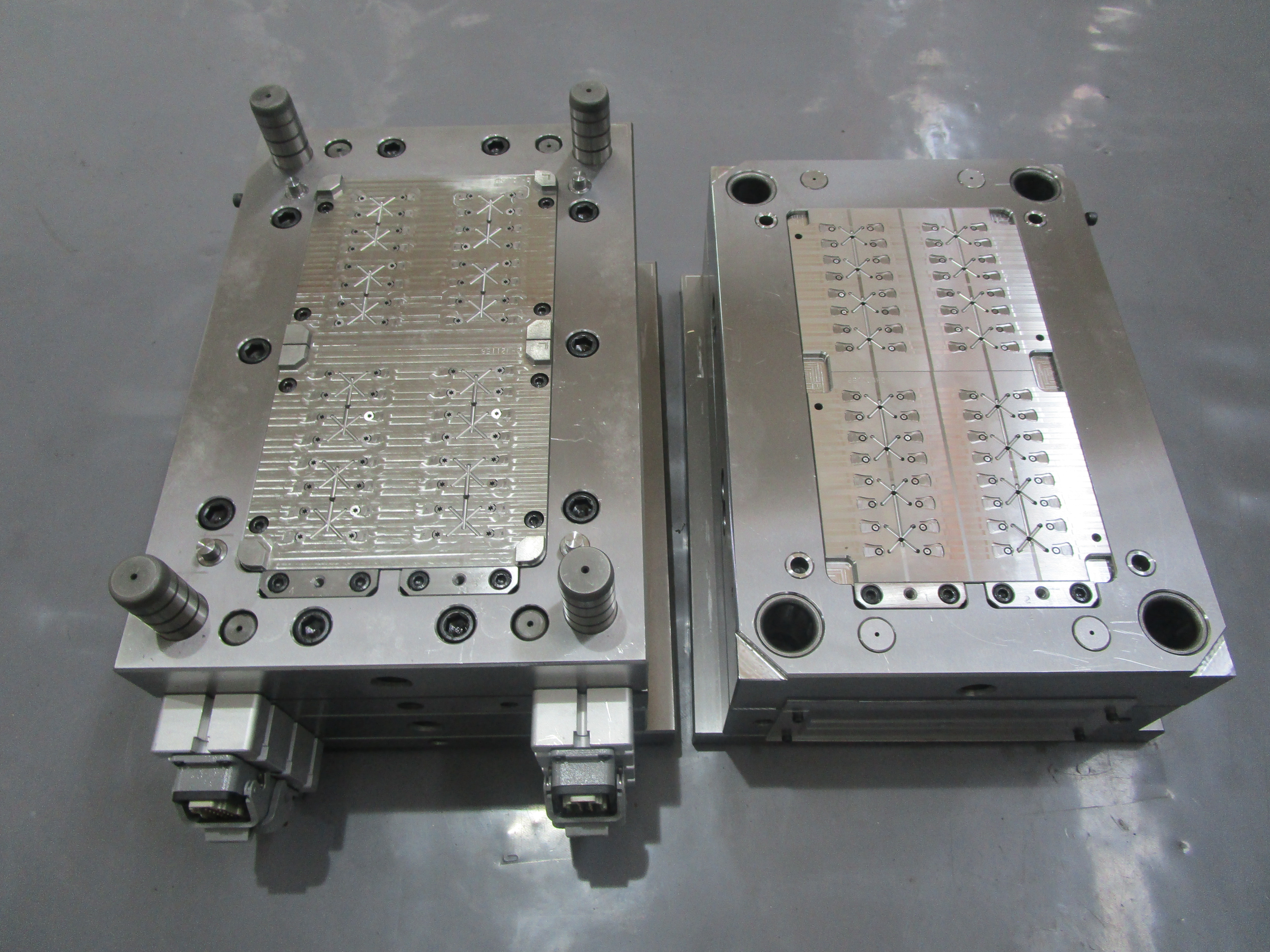
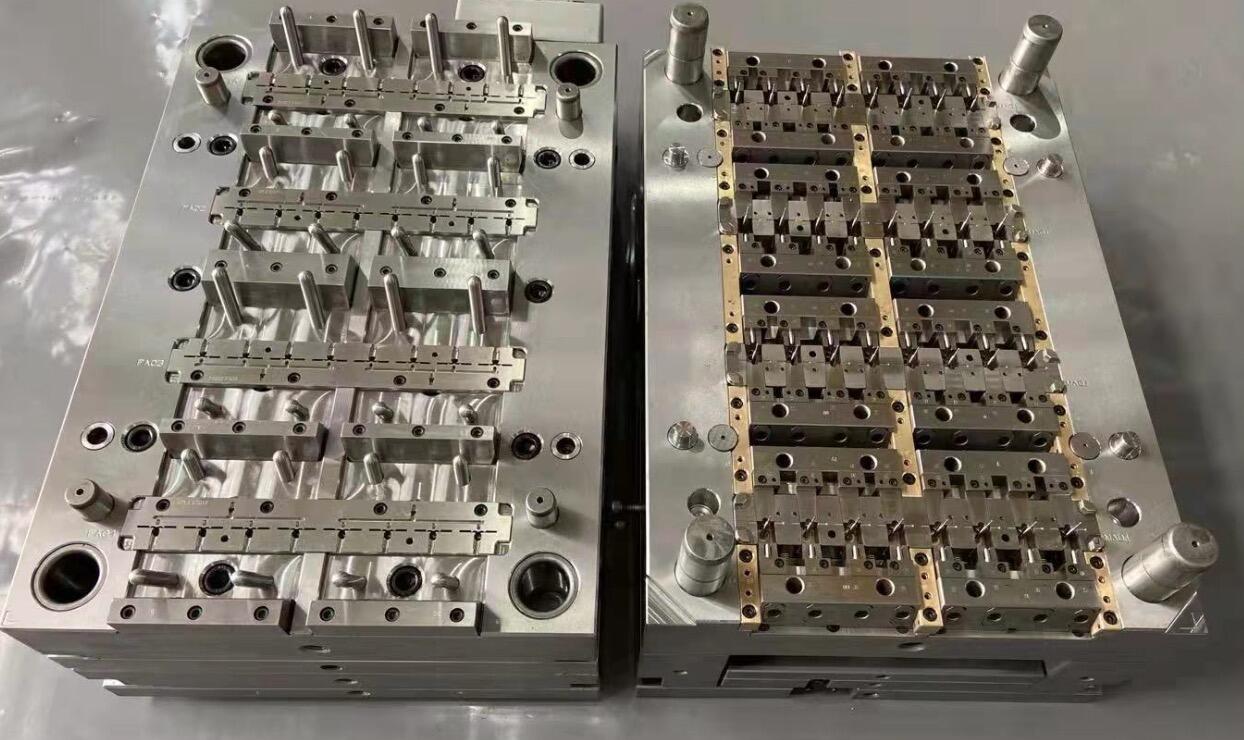
Plastic molded components excel in manufacturing efficiency through streamlined production processes that maximize output while minimizing waste and labor requirements. The automation inherent in modern molding operations allows manufacturers to produce components continuously with minimal human intervention, reducing labor costs and human error while increasing consistency. Once properly set up and validated, molding machines can run for extended periods, producing thousands of identical plastic molded components with remarkable precision and repeatability. This production stability proves invaluable for businesses managing large orders or maintaining steady supply chains for ongoing product lines. The scalability of plastic molding technology enables manufacturers to adjust production volumes efficiently based on market demand, ramping up output during peak seasons or scaling back during slower periods without significant retooling or process modifications. Multi-cavity molds amplify this efficiency by producing multiple plastic molded components simultaneously in each machine cycle, multiplying output rates without proportionally increasing cycle times or energy consumption. This multiplication effect dramatically reduces the per-unit production cost, making plastic molded components economically viable even for price-sensitive markets. The rapid cycle times characteristic of injection molding processes, often measured in seconds rather than minutes, contribute to impressive daily production capacities that traditional manufacturing methods struggle to match. Automated material handling systems, robotic part removal, and integrated quality inspection technologies further enhance production efficiency by creating seamless workflows that minimize downtime and transition periods. Quick-change tooling systems allow manufacturers to switch between different plastic molded components efficiently, reducing setup times and enabling economical production of multiple product variants within the same facility. The material efficiency of molding processes also deserves recognition, as precise material metering and advanced runner systems minimize waste generation compared to subtractive manufacturing methods that remove material to create final shapes. Many modern molding operations incorporate closed-loop material recycling systems that reclaim sprues, runners, and rejected parts, grinding them into regrind material that can be blended with virgin resin for subsequent production cycles. This material recirculation reduces raw material costs and environmental impact simultaneously. Predictive maintenance technologies and real-time process monitoring systems enhance operational efficiency by identifying potential equipment issues before they cause production disruptions, maximizing uptime and equipment utilization rates. The efficiency advantages extend beyond the production floor into supply chain management, as the consistency and quality of plastic molded components reduce inspection requirements, warranty claims, and customer returns, streamlining logistics and reducing overhead costs throughout the product lifecycle.
Exceptional Design Versatility and Engineering Freedom

Exceptional Design Versatility and Engineering Freedom

Plastic molded components provide unparalleled design versatility that empowers engineers and product developers to create innovative solutions unconstrained by the limitations of traditional manufacturing methods. The fluid nature of molten plastic allows it to flow into intricate mold cavities, capturing fine details, complex geometries, and sophisticated surface textures that would be difficult or impossible to achieve through machining, stamping, or casting. This capability enables the integration of multiple functions into single plastic molded components, consolidating assemblies and reducing part counts significantly. Engineers can incorporate features like living hinges, snap-fit connections, threaded inserts, and alignment features directly into component designs, eliminating separate fasteners and assembly operations. Such design consolidation not only reduces manufacturing costs but also improves product reliability by minimizing potential failure points and simplifying assembly processes. The three-dimensional freedom offered by molding processes allows designers to optimize component shapes for specific performance requirements, creating ergonomic contours, aerodynamic profiles, or structurally efficient geometries that enhance product functionality and user experience. Wall thickness variations, strategic ribbing patterns, and internal structures can be incorporated to maximize strength while minimizing material usage and component weight. Plastic molded components accommodate sophisticated aesthetic requirements through molded-in colors, varied surface textures, transparency options, and decorative elements that enhance product appeal without secondary operations. Designers can specify high-gloss finishes, matte surfaces, leather-grain textures, or custom patterns that emerge directly from the mold, eliminating painting or coating steps and their associated costs and environmental concerns. The material selection flexibility available with plastic molded components further expands design possibilities, as engineers can choose from hundreds of polymer formulations, each offering distinct property profiles. Manufacturers can select materials based on mechanical strength requirements, chemical resistance needs, temperature tolerances, electrical properties, optical characteristics, or regulatory compliance standards. Material combinations through overmolding or insert molding techniques enable the creation of hybrid plastic molded components that incorporate multiple materials in strategic locations, optimizing performance and functionality. Soft-touch grips can be overmolded onto rigid structural elements, creating comfortable, functional handles. Metal inserts can be molded into plastic components to provide threaded attachment points or electrical conductivity in specific areas. Transparent windows can be integrated into opaque housings for indicator visibility. This design flexibility extends to product customization and variant management, as mold modifications or interchangeable inserts enable manufacturers to produce multiple product versions from common tooling platforms, reducing capital investment while serving diverse market segments. The ability to incorporate branding elements, text, logos, and identification codes directly into plastic molded components during production ensures permanent marking that withstands wear and environmental exposure throughout the product lifecycle.

Outstanding Performance Characteristics and Material Properties

Outstanding Performance Characteristics and Material Properties

Plastic molded components deliver impressive performance characteristics that meet demanding application requirements across diverse operating environments and use conditions. Modern engineering plastics offer mechanical properties that rival or exceed traditional materials in many applications while providing additional benefits that metals and other alternatives cannot match. The strength-to-weight ratio of advanced polymer formulations enables plastic molded components to provide structural integrity and load-bearing capacity while maintaining minimal mass, contributing to overall product weight reduction and associated benefits. Impact resistance characterizes many plastic materials, allowing components to absorb shock loads and withstand accidental drops or collisions without cracking or permanent deformation. This toughness proves particularly valuable in consumer products, automotive applications, and portable devices where durability directly influences customer satisfaction and product longevity. Chemical resistance represents another significant performance advantage, as plastic molded components withstand exposure to oils, solvents, cleaning agents, and corrosive substances that would degrade metal parts or require expensive protective coatings. This inherent resistance extends service life in industrial environments, medical settings, and outdoor applications where chemical contact is unavoidable. Temperature performance of plastic molded components spans a broad range depending on material selection, with specialized polymers maintaining dimensional stability and mechanical properties from cryogenic temperatures to continuous operating temperatures exceeding 200 degrees Celsius. This thermal versatility enables engineers to specify appropriate materials for applications ranging from refrigeration components to under-hood automotive parts. Electrical insulation properties make plastic molded components essential for electronic and electrical applications, providing reliable protection against current leakage, short circuits, and electrical shock hazards. The dielectric strength of many plastics exceeds requirements for consumer electronics, power distribution equipment, and electrical connectors, ensuring safe operation and regulatory compliance. Dimensional stability across temperature fluctuations and humidity variations characterizes quality plastic molded components, maintaining precise fits and functional clearances throughout environmental changes that would cause expansion or contraction in other materials. This stability proves critical in precision assemblies, optical components, and measuring devices where dimensional changes compromise performance. Friction and wear characteristics can be optimized through material selection and additive incorporation, creating self-lubricating plastic molded components suitable for bearing surfaces, sliding mechanisms, and moving parts without external lubrication. This performance reduces maintenance requirements and extends operational life in mechanical assemblies. Optical properties available in transparent and translucent plastics enable plastic molded components to function as lenses, light pipes, protective covers, and aesthetic elements with excellent clarity and light transmission. UV resistance additives protect outdoor plastic molded components from solar degradation, maintaining color stability and mechanical properties despite prolonged sun exposure. Flame retardant formulations meet stringent safety standards for electrical enclosures, building materials, and transportation applications where fire safety is paramount. The performance reliability of plastic molded components stems from consistent material properties and controlled manufacturing processes that deliver predictable behavior across production volumes, enabling engineers to design with confidence and specify appropriate safety factors based on validated material data and proven application experience.