Medical Device Plastic Injection Molding: Precision Manufacturing Solutions for Healthcare

Get a Quote
Get a Quote

medical device plastic injection molding

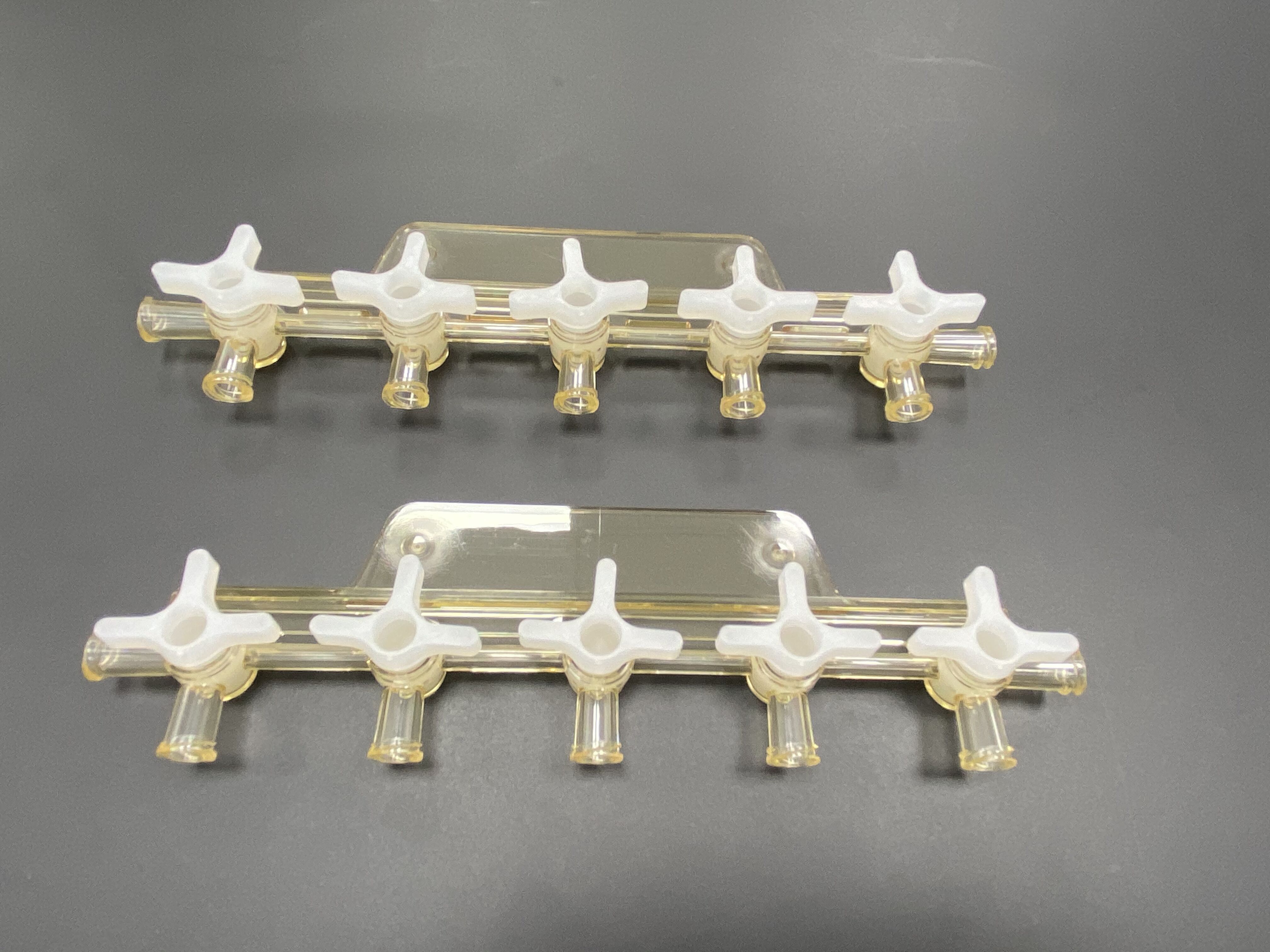
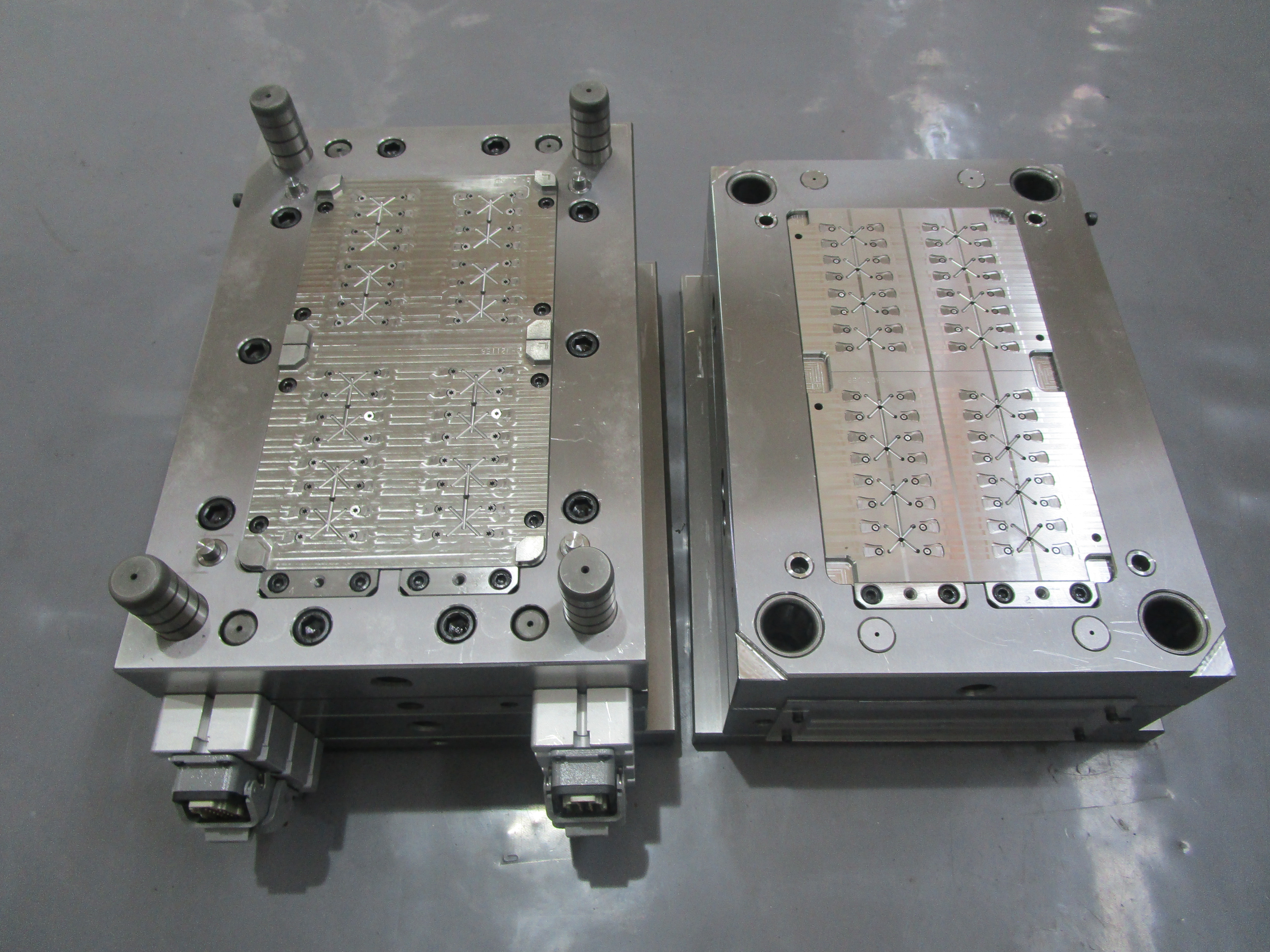
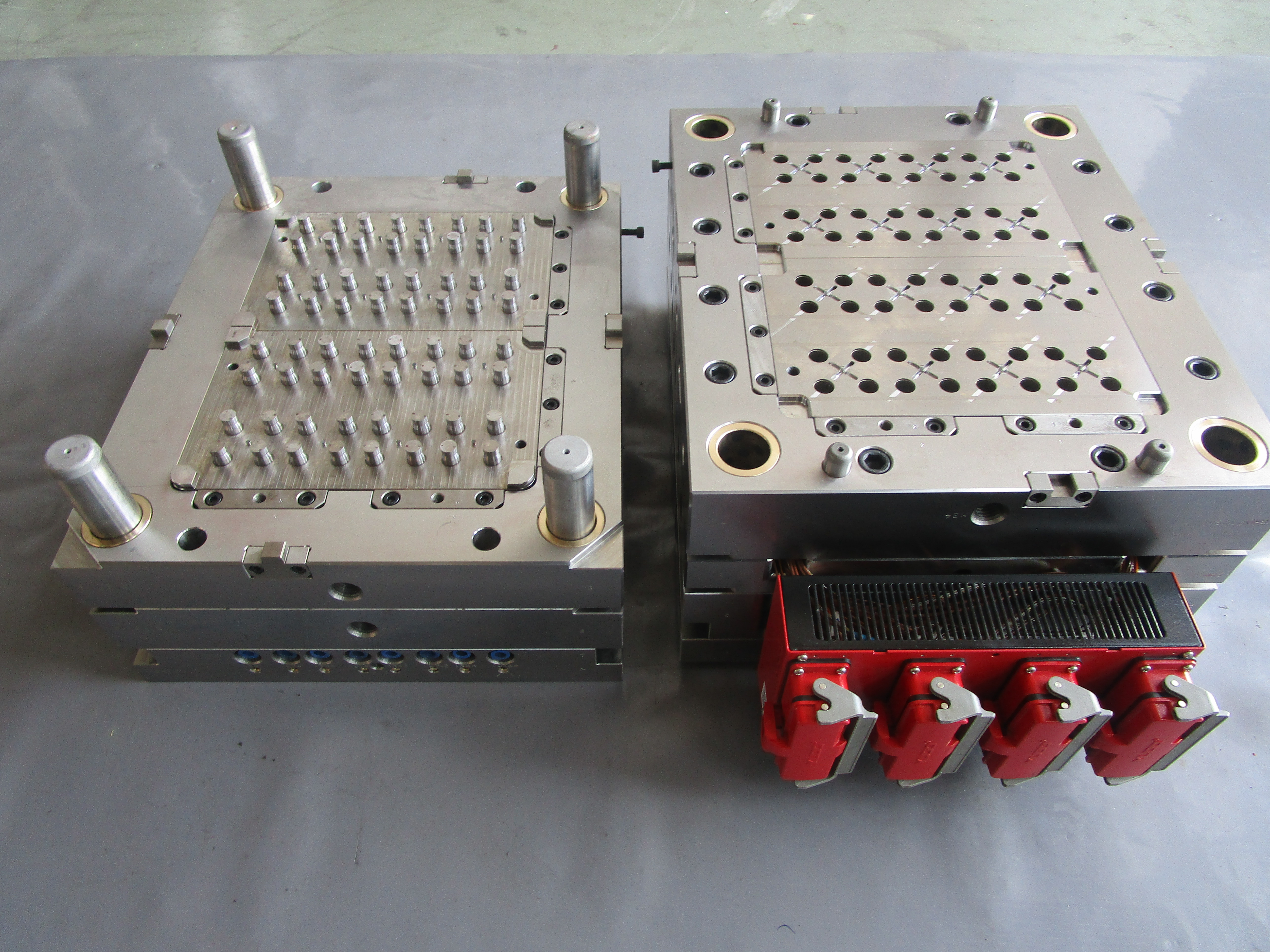
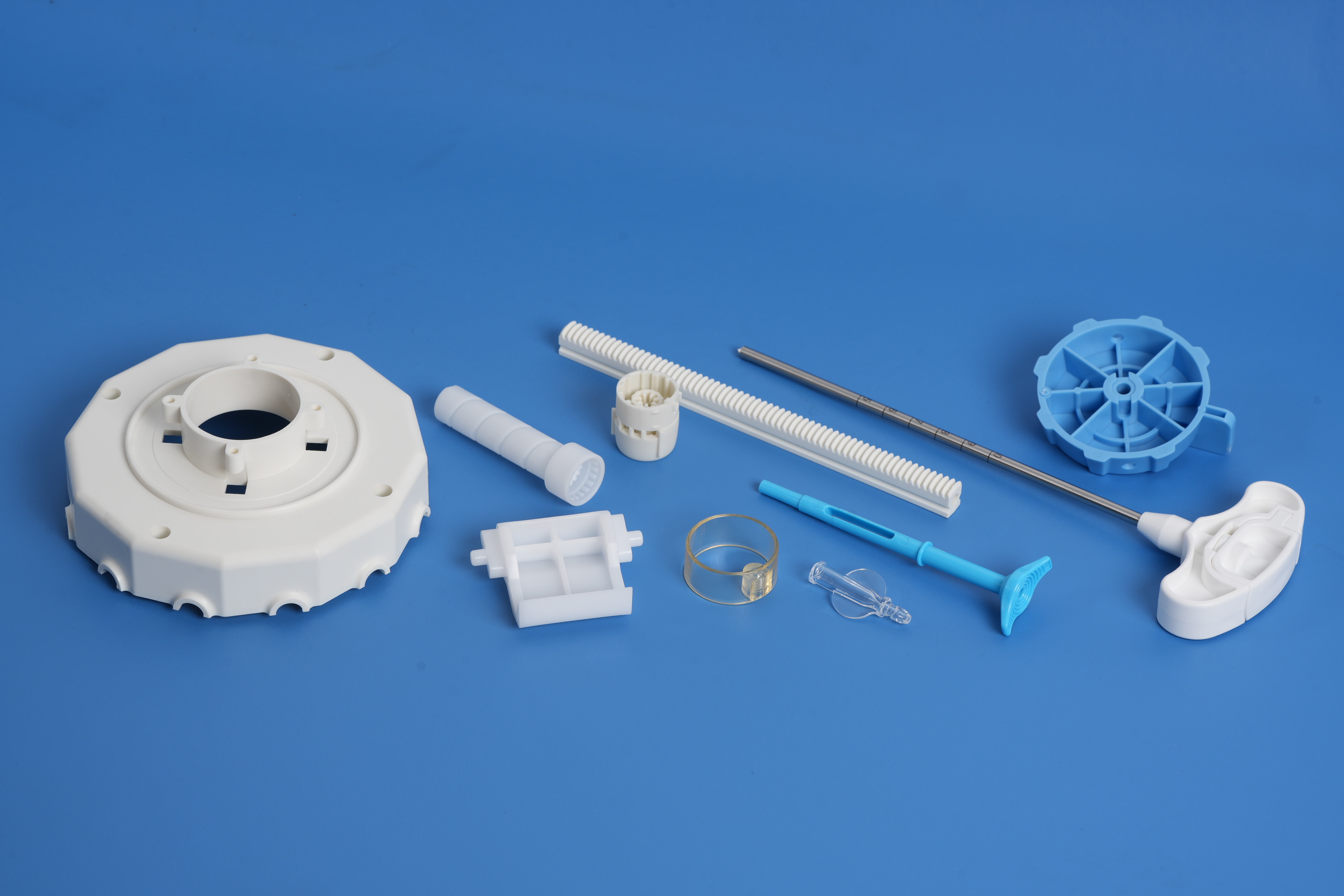
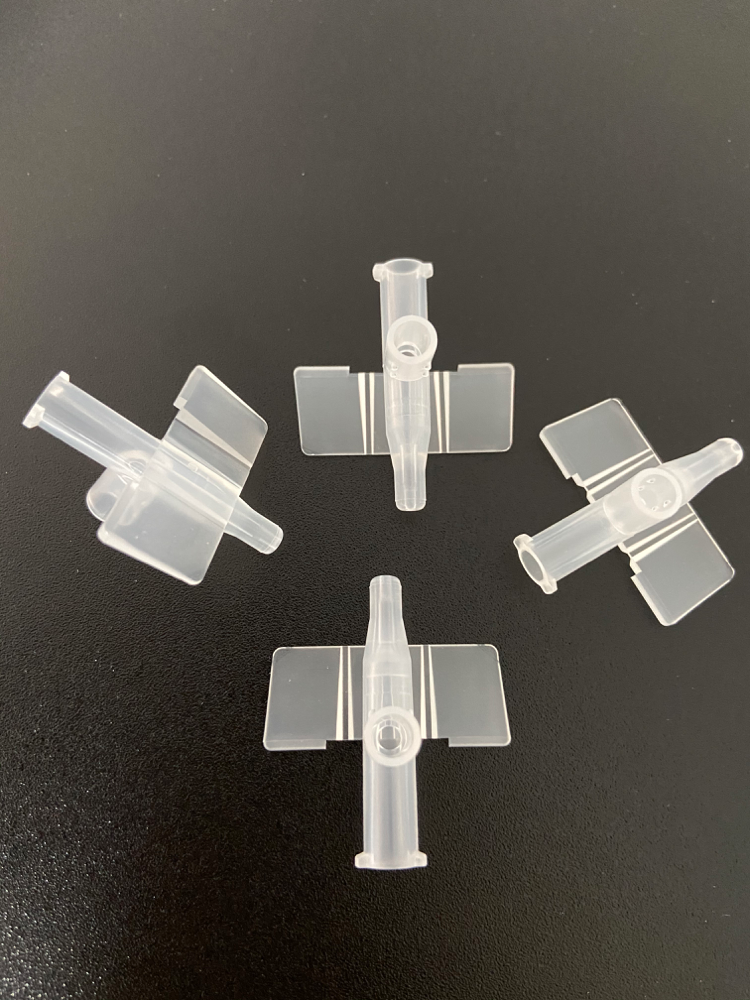
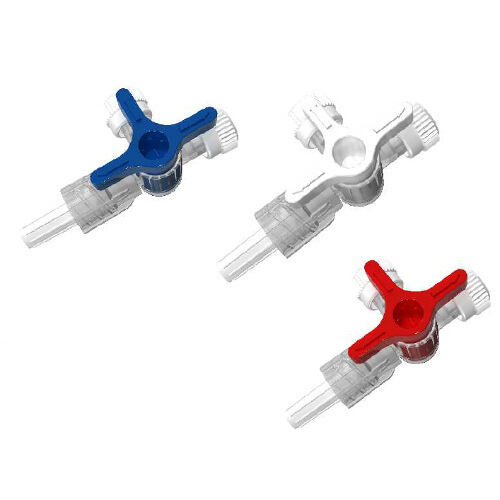
Medical device plastic injection molding represents a sophisticated manufacturing process that has revolutionized the production of healthcare components and equipment. This advanced technique involves melting plastic pellets and injecting the molten material into precision-engineered molds under high pressure, creating complex parts with exceptional accuracy and consistency. The process serves as the backbone for manufacturing countless medical products, from simple disposable syringes to intricate surgical instruments and diagnostic equipment housings. Medical device plastic injection molding stands apart from conventional manufacturing methods due to its ability to meet stringent regulatory requirements while maintaining cost-effectiveness at scale. The technology employs specialized thermoplastic materials that comply with biocompatibility standards, ensuring patient safety and product reliability. These materials include medical-grade polycarbonate, polypropylene, polyethylene, and various specialty polymers designed specifically for healthcare applications. The molding process operates within cleanroom environments, adhering to ISO standards and FDA regulations that govern medical device production. Modern medical device plastic injection molding systems integrate computer-controlled machinery that monitors temperature, pressure, and cycle times with remarkable precision. This automation ensures every component meets exact specifications, reducing variability and maintaining quality across production runs. The process supports both high-volume manufacturing for disposable items like IV connectors and low-volume production for specialized surgical tools. Manufacturers can achieve intricate geometries, tight tolerances, and smooth surface finishes that traditional machining cannot replicate efficiently. The versatility of medical device plastic injection molding extends to multi-material molding, insert molding, and overmolding techniques, allowing designers to create sophisticated products with multiple components integrated into single assemblies. This manufacturing approach significantly reduces assembly time, minimizes contamination risks, and lowers overall production costs while maintaining the highest quality standards required in healthcare settings.
Medical device plastic injection molding delivers substantial cost savings for healthcare product manufacturers through its efficient production cycle and minimal material waste. Once the initial mold investment is made, each subsequent part costs significantly less to produce compared to other manufacturing methods, making it ideal for large production runs. The process generates very little scrap material since excess plastic can often be recycled and reused, reducing raw material expenses and supporting environmental sustainability goals. Companies can produce thousands or millions of identical components with consistent quality, ensuring predictable budgeting and reliable supply chains for medical facilities worldwide. The speed of medical device plastic injection molding dramatically shortens production timelines, with cycle times ranging from seconds to minutes depending on part complexity. This rapid manufacturing capability allows healthcare companies to respond quickly to market demands, launch new products faster, and maintain adequate inventory levels without extensive lead times. Automated production runs 24/7 with minimal supervision, maximizing output while reducing labor costs and human error. The design flexibility inherent in medical device plastic injection molding empowers engineers to create innovative solutions that improve patient outcomes and clinical efficiency. Complex internal channels, thin walls, integrated features, and ergonomic shapes become achievable without expensive secondary operations. Designers can incorporate snap-fits, living hinges, and textured surfaces directly into the mold, eliminating assembly steps and reducing potential failure points. This capability accelerates product development cycles and encourages creative problem-solving in medical device design. Quality consistency represents another major advantage, as medical device plastic injection molding produces parts with repeatable dimensions and properties that meet strict regulatory standards. Every component maintains identical specifications, ensuring reliable performance in critical healthcare applications where consistency directly impacts patient safety. The process minimizes defects through precise control of processing parameters, and automated quality checks can be integrated into production lines for real-time monitoring. Material selection options provide tremendous versatility, with hundreds of medical-grade plastics offering different properties such as chemical resistance, sterilization compatibility, transparency, flexibility, or strength. Manufacturers can choose materials that withstand repeated autoclaving, gamma radiation, ethylene oxide exposure, or other sterilization methods without degradation. Biocompatible plastics ensure patient safety during direct contact applications, while specialized formulations offer antimicrobial properties or radiopacity for imaging procedures. The scalability of medical device plastic injection molding accommodates businesses at various growth stages, from prototype development through full-scale commercial production. Companies can validate designs with smaller production runs before committing to high-volume manufacturing, reducing financial risk and enabling iterative improvements based on real-world testing and feedback from healthcare professionals.

Practical Tips

What are the technical challenges in precision OEM tooling manufacturing?

22

Oct

What are the technical challenges in precision OEM tooling manufacturing?

Understanding the Complex World of Advanced Manufacturing Technologies The realm of precision OEM tooling represents one of manufacturing's most demanding sectors, where tolerances are measured in microns and quality standards are uncompromising. As ...
View More
Top Benefits of Working With a Reliable Injection Manufacturer

27

Nov

Top Benefits of Working With a Reliable Injection Manufacturer

In today's competitive manufacturing landscape, partnering with a reliable injection manufacturer has become crucial for businesses across various industries. From medical devices to automotive components, plastic injection molding remains one of the...
View More
What Applications Benefit Most from Custom Mold and OEM Molding Solutions?

23

Dec

What Applications Benefit Most from Custom Mold and OEM Molding Solutions?

Manufacturing industries across the globe rely heavily on precision components that meet exact specifications and performance standards. When standard off-the-shelf products cannot deliver the required functionality, companies turn to specialized man...
View More

06

Jan

The healthcare industry continues to evolve at an unprecedented pace, driven by technological advancements and increasing patient care demands. Modern healthcare facilities require sophisticated medical equipment that not only meets current clinical ...
View More

Get a Free Quote

Our representative will contact you soon.
0/1000
Precision Engineering Meets Regulatory Compliance

Precision Engineering Meets Regulatory Compliance

Medical device plastic injection molding excels at producing components with exceptional dimensional accuracy while simultaneously meeting the rigorous regulatory requirements imposed by healthcare authorities worldwide. This dual capability makes it indispensable for modern medical device manufacturing. The process achieves tolerances as tight as plus or minus 0.001 inches, ensuring perfect fit and function for assemblies where even microscopic deviations could compromise performance or patient safety. Such precision becomes critical in applications like luer-lock connectors, surgical instrument handles, and diagnostic equipment housings where proper alignment and secure connections are non-negotiable. The manufacturing process occurs within controlled cleanroom environments classified according to ISO 14644 standards, preventing particulate contamination that could lead to product recalls or patient harm. Medical device plastic injection molding facilities implement comprehensive quality management systems aligned with ISO 13485 certification, demonstrating their commitment to consistent production of safe, effective medical devices. Every aspect of production undergoes documentation and validation, from raw material sourcing through final inspection, creating complete traceability that satisfies FDA requirements and international regulatory bodies. Material selection for medical device plastic injection molding focuses on biocompatibility testing according to ISO 10993 standards, ensuring plastics do not cause adverse biological responses when contacting patients. Suppliers provide detailed certificates of analysis and material safety data sheets verifying compliance with regulatory specifications. The injection molding process itself maintains validated parameters that prevent contamination and ensure material properties remain within specified ranges throughout production. Temperature profiles, injection speeds, holding pressures, and cooling rates are monitored continuously, with any deviations triggering alerts and potential batch quarantine. This level of process control provides manufacturers with confidence that their medical device plastic injection molding operations will withstand regulatory audits and produce devices that perform reliably in clinical settings. The combination of precision manufacturing and regulatory compliance reduces time-to-market for new medical devices while minimizing the risk of costly recalls or regulatory warnings that could damage brand reputation and patient trust.
Versatile Material Solutions for Diverse Healthcare Applications

Versatile Material Solutions for Diverse Healthcare Applications

The remarkable range of materials compatible with medical device plastic injection molding enables manufacturers to address virtually any healthcare challenge with optimized solutions. This versatility extends far beyond basic commodity plastics, encompassing advanced engineering thermoplastics specifically formulated for demanding medical applications. Polycarbonate offers exceptional impact resistance and optical clarity, making it ideal for IV components, surgical instrument housings, and respiratory equipment where both durability and visibility matter. Medical-grade polypropylene provides excellent chemical resistance and withstands repeated steam sterilization cycles, serving as the material of choice for reusable surgical instruments, specimen containers, and laboratory equipment. Polyethylene variants deliver flexibility and biocompatibility for catheter tubing, fluid bags, and prosthetic components that require comfortable patient contact. Specialty polymers like PEEK (polyetheretherketone) offer outstanding strength and temperature resistance for implantable devices and surgical tools used in high-heat procedures. Medical device plastic injection molding accommodates materials with additives that enhance functionality, such as antimicrobial compounds that inhibit bacterial growth on device surfaces, reducing infection risks in hospital settings. Radiopaque fillers enable visualization of devices under X-ray or fluoroscopy, essential for guidewires, catheters, and other interventional products. Colorants help with product differentiation and size coding while maintaining biocompatibility standards. The process also supports multi-shot molding techniques that combine different materials within a single component, creating products with varied properties in specific regions. A soft elastomeric grip might be overmolded onto a rigid polycarbonate handle, improving ergonomics for surgical instruments without requiring separate assembly operations. Transparent windows can be molded into opaque housings for diagnostic equipment, allowing clinicians to monitor fluid levels or mechanical movements. This material versatility empowers product designers to optimize every aspect of medical device performance, balancing strength, weight, cost, aesthetics, and functionality according to specific clinical requirements. Medical device plastic injection molding continues evolving with new material innovations, including bioresorbable polymers for temporary implants and advanced composites that mimic natural tissue properties, expanding possibilities for next-generation healthcare solutions.
Cost-Effective Mass Production with Quality Consistency

Cost-Effective Mass Production with Quality Consistency

Medical device plastic injection molding delivers unmatched economic advantages for manufacturers producing moderate to high volumes of healthcare components, transforming expensive prototypes into affordable commercial products. The initial investment in precision molds represents a significant upfront cost, but this expenditure amortizes across thousands or millions of parts, dramatically reducing per-unit production costs compared to alternative manufacturing methods. Once production begins, material costs and cycle times become the primary expense drivers, both of which remain remarkably low for injection molding. A simple component might complete its molding cycle in under thirty seconds, meaning a single machine can produce thousands of parts daily with minimal labor intervention. This efficiency translates directly into competitive pricing for medical devices, making advanced healthcare solutions accessible to more patients and facilities worldwide. The consistency achieved through medical device plastic injection molding eliminates the quality variations that plague manual manufacturing processes, ensuring every component performs identically regardless of when or where it was produced. Computer-controlled injection parameters maintain precise repeatability, with sensors monitoring cavity pressure, melt temperature, and cooling rates throughout each cycle. Statistical process control systems track dimensional measurements and material properties, alerting operators to potential drift before defects occur. This proactive quality management reduces scrap rates, minimizes inspection requirements, and builds confidence among regulatory auditors and healthcare customers. Automated production capabilities enable lights-out manufacturing, where medical device plastic injection molding machines operate continuously without constant human supervision, maximizing equipment utilization and production output. Robotic part removal systems extract finished components, perform in-line quality checks, and package products for shipment, further reducing labor costs and human error. The scalability inherent in medical device plastic injection molding allows manufacturers to adjust production volumes efficiently in response to market demand fluctuations. Additional molding machines can replicate proven processes, expanding capacity without redesigning manufacturing workflows. Multi-cavity molds increase output by producing multiple identical parts during each cycle, ideal for small components like connectors or caps where volume requirements are substantial. The economic benefits extend beyond direct manufacturing costs, as medical device plastic injection molding reduces downstream expenses through design optimization. Integrated features eliminate assembly operations, snap-fits replace mechanical fasteners, and thoughtful part consolidation minimizes component counts, all contributing to leaner supply chains and faster production throughput that ultimately benefit healthcare providers and patients.