Versatile Manufacturing for Diverse Applications
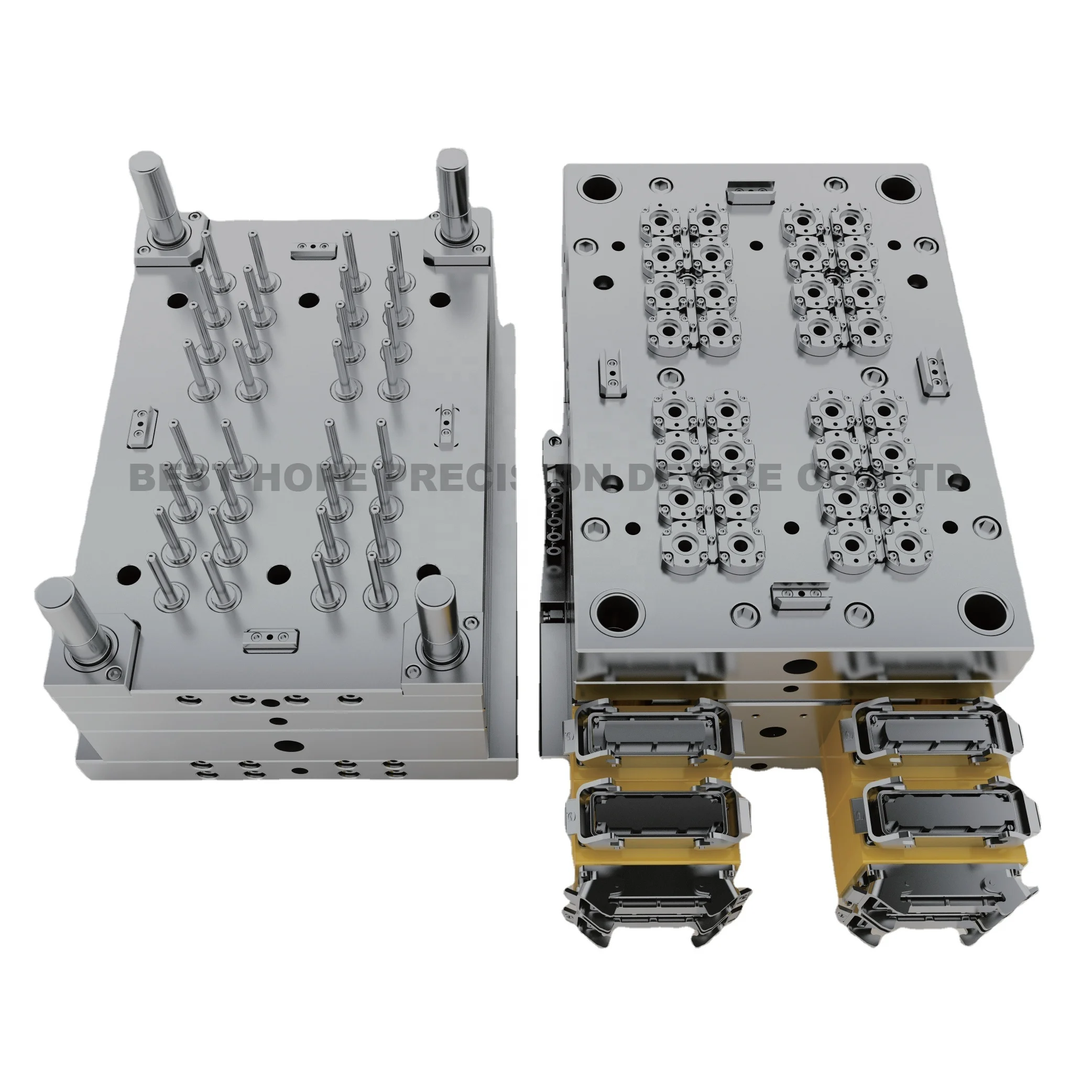
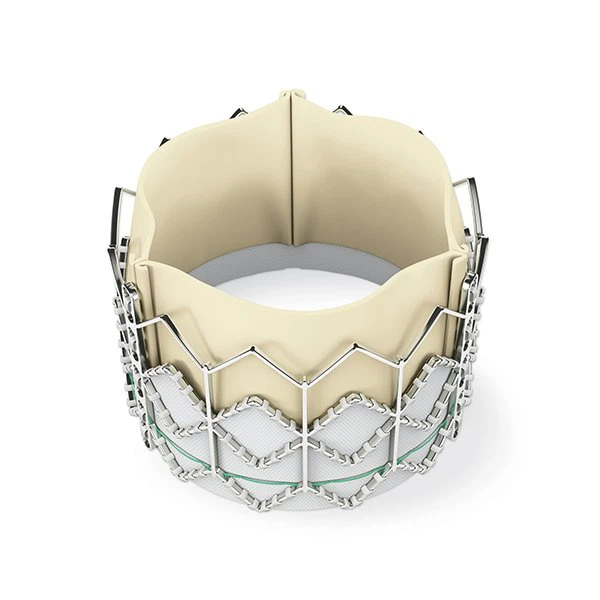
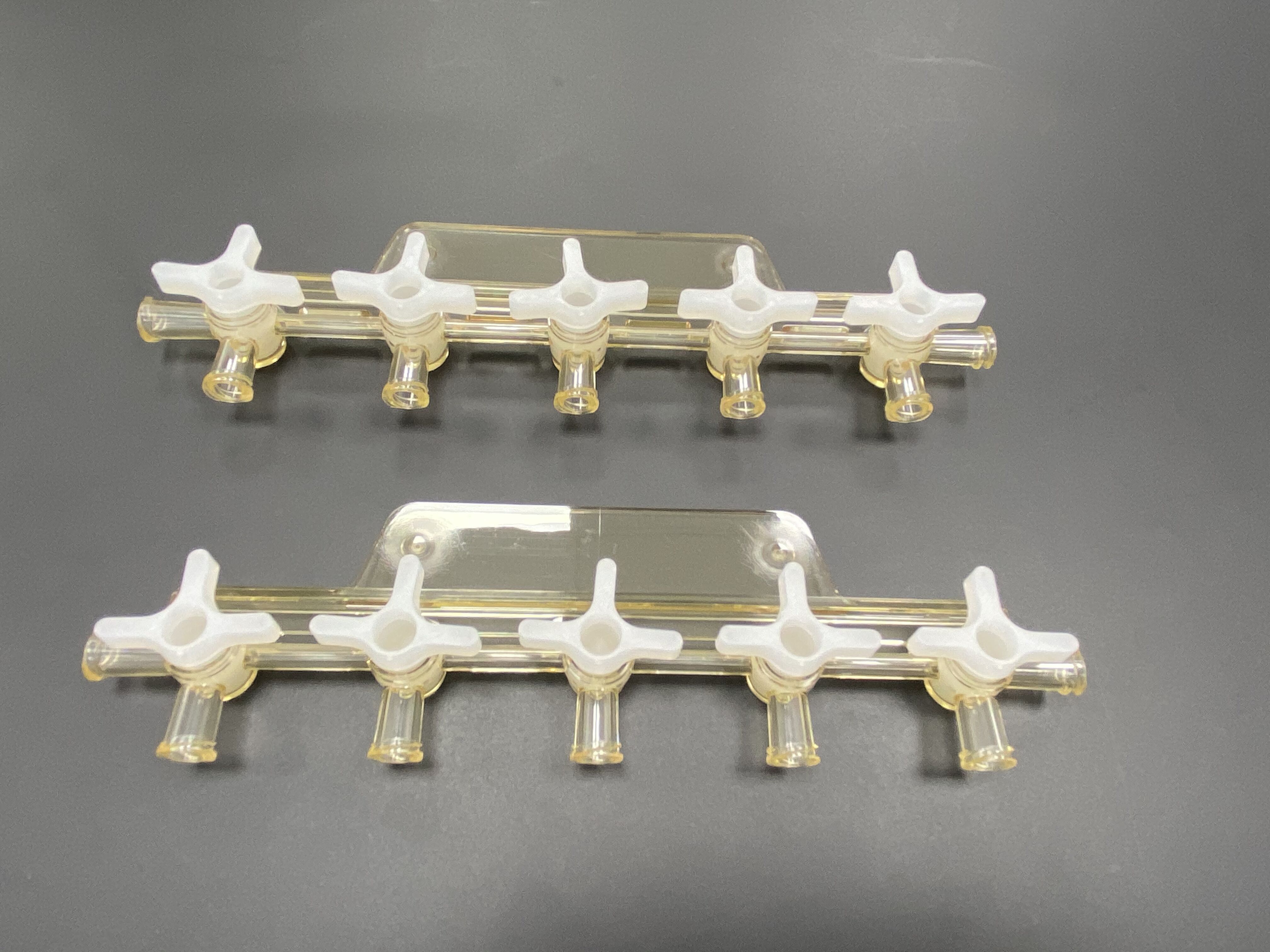
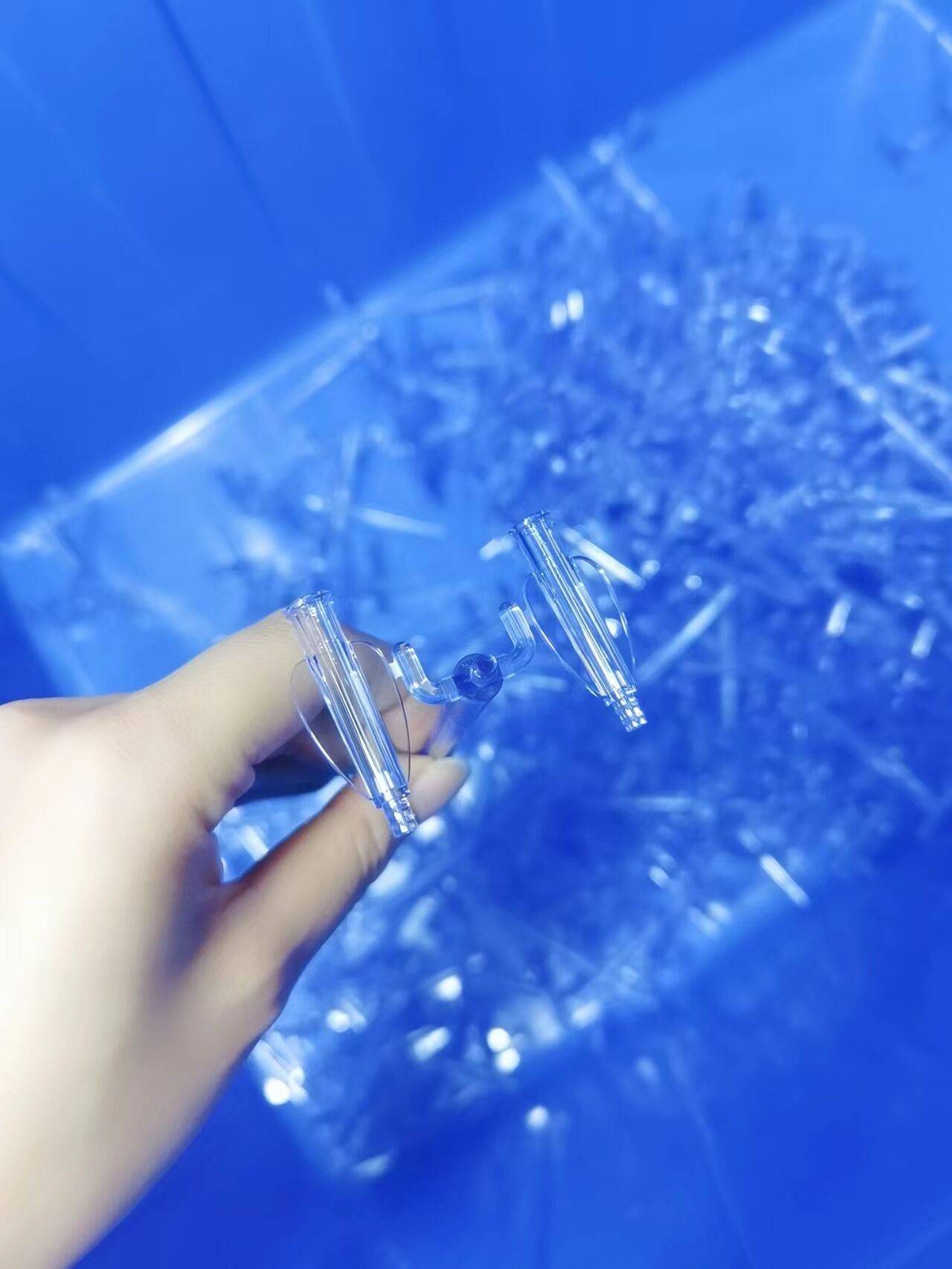
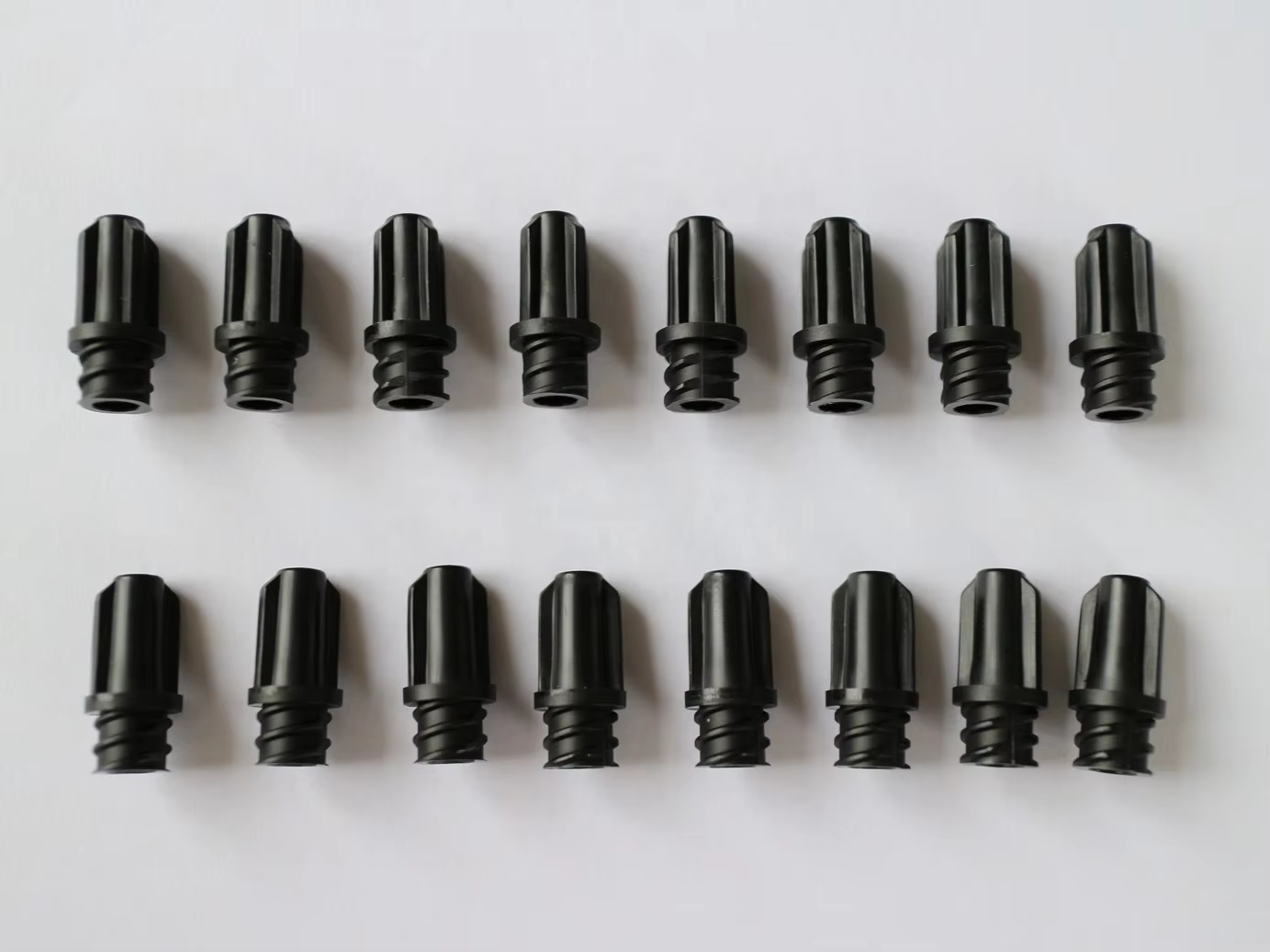
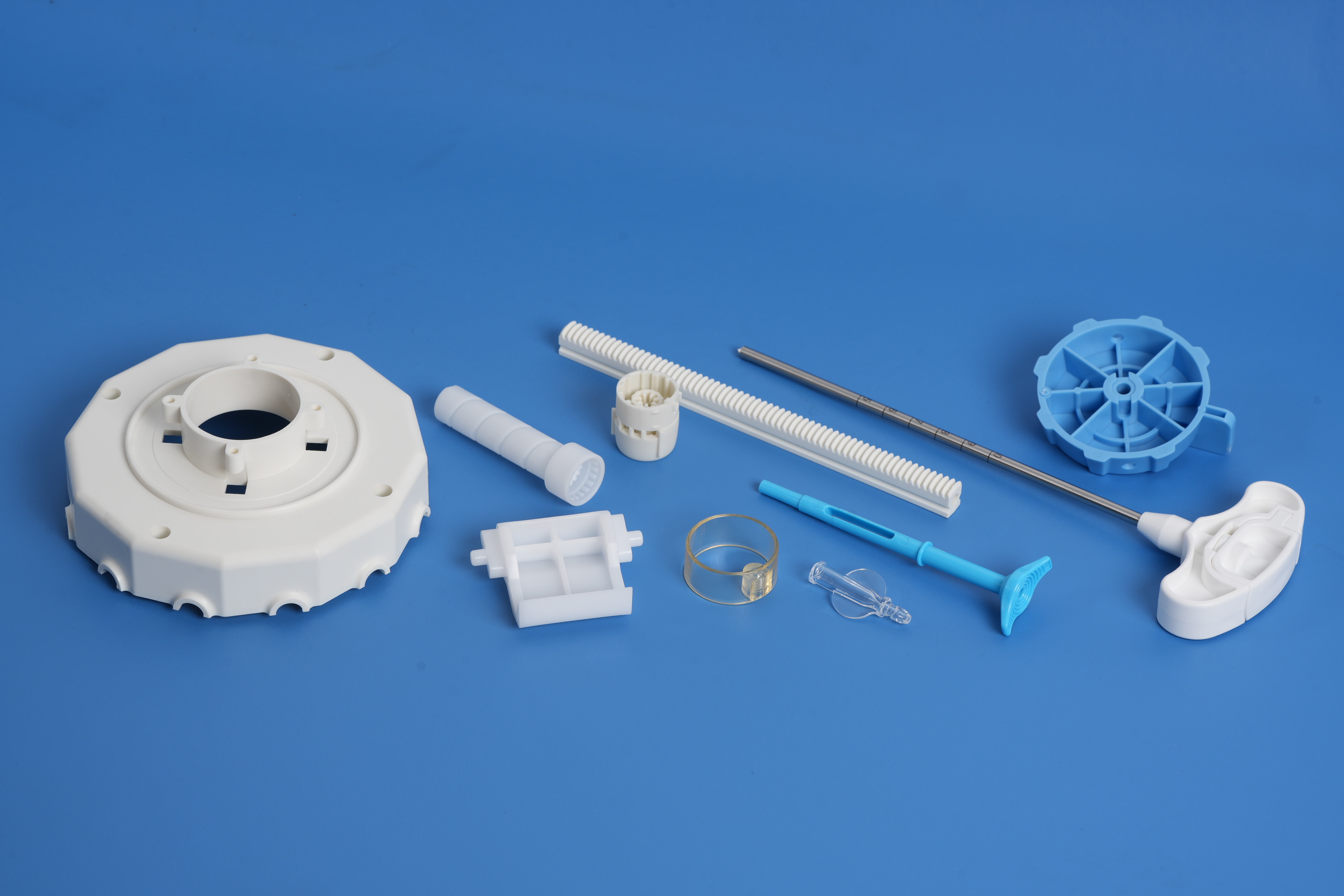
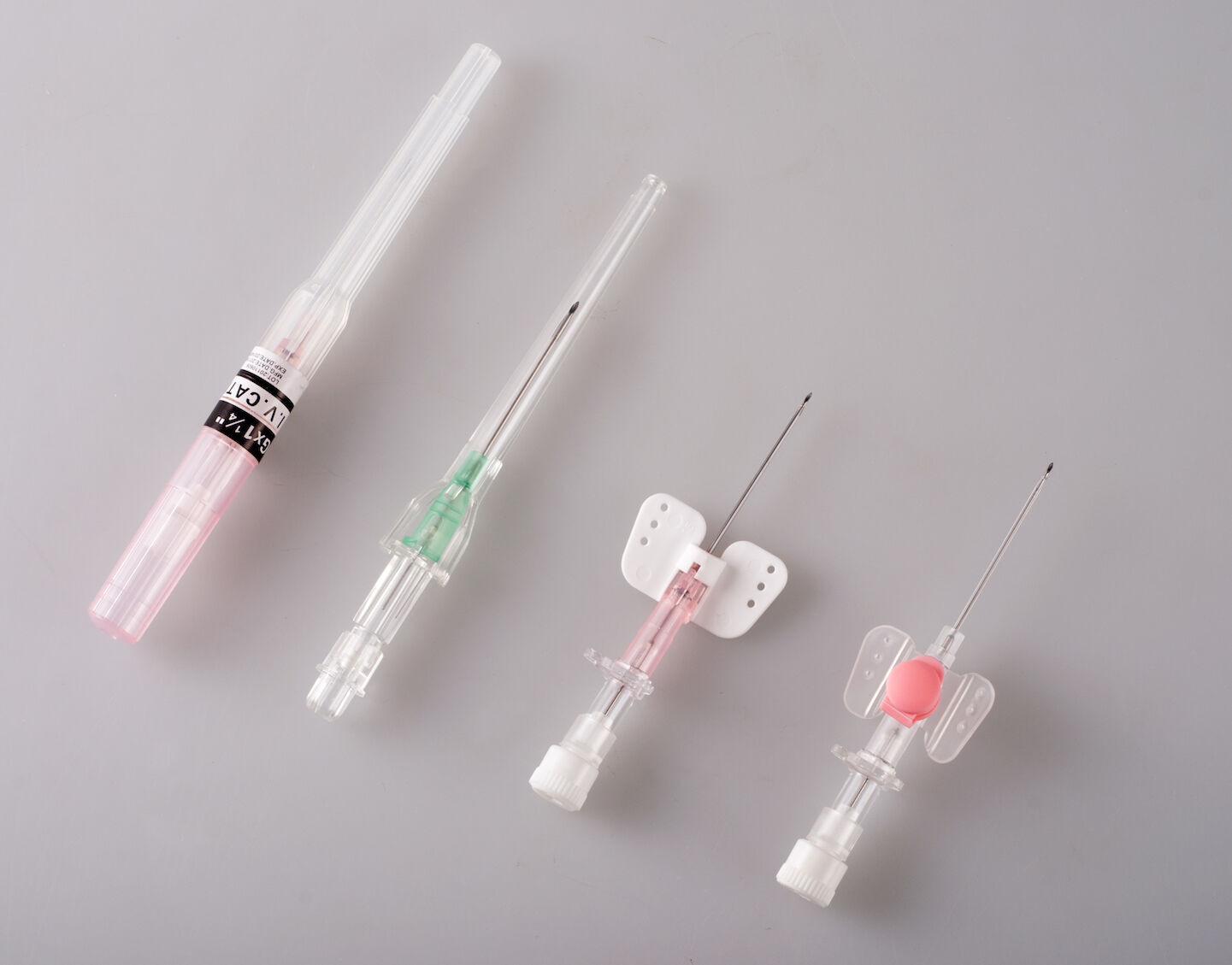
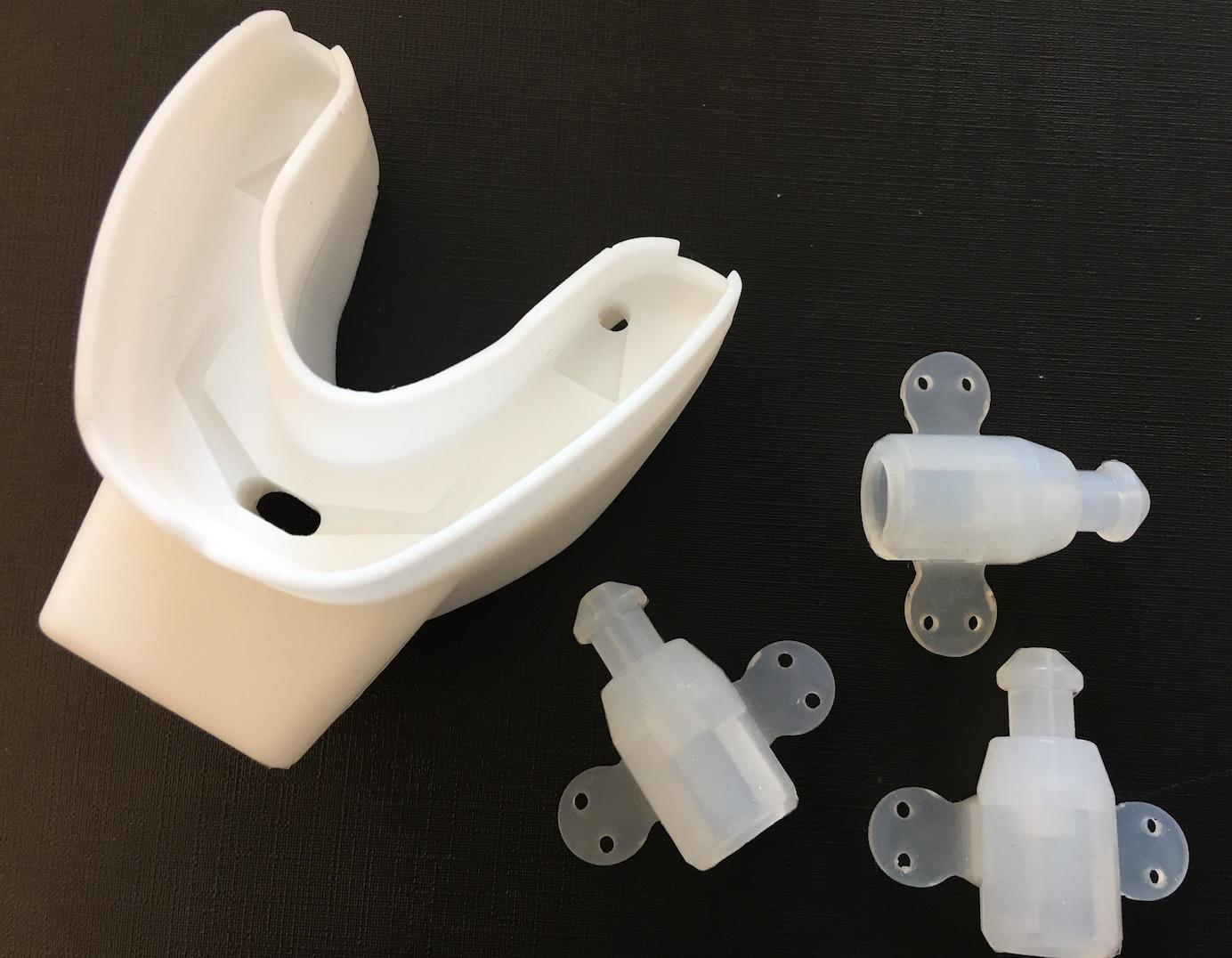
The remarkable versatility of injection moulders enables manufacturers to address diverse application requirements across multiple industries and product categories, making these machines invaluable assets for businesses seeking flexible production capabilities. This versatility begins with material compatibility, as injection moulders process an extensive range of thermoplastic materials each offering distinct properties suited to specific applications. Commodity plastics like polypropylene and polyethylene provide cost-effective solutions for packaging and consumer products, while engineering thermoplastics such as polycarbonate, nylon, and acetal deliver the strength and durability required for mechanical components and structural parts. Specialized materials including medical-grade polymers, food-safe resins, flame-retardant compounds, and UV-stabilized plastics expand application possibilities into regulated industries with stringent material requirements. The ability to process different materials on the same injection moulder with appropriate barrel and screw configurations gives you tremendous flexibility to serve varied customer needs without investing in dedicated equipment for each material type. Design versatility represents another dimension of injection moulder capability, as these machines produce parts ranging from simple geometric shapes to extraordinarily complex components incorporating multiple features, varying wall thicknesses, intricate surface details, and integrated assembly elements like snap fits and living hinges. Multi-cavity moulds enable simultaneous production of multiple identical parts per cycle, multiplying output while maintaining individual part quality. Family moulds produce different but related components in a single shot, ideal for products requiring multiple plastic pieces. Overmoulding capabilities allow injection moulders to apply soft-touch grips, seals, or decorative elements over rigid substrates, creating multi-material assemblies in one operation rather than through separate manufacturing and assembly steps. Insert moulding encapsulates metal components, electronic elements, or other inserts within plastic housings, providing mechanical strength, electrical connectivity, or functional features impossible to achieve with plastic alone. The size versatility of injection moulders accommodates everything from miniature precision components weighing fractions of a gram for electronics and medical devices to large structural parts weighing several kilograms for automotive and industrial applications. This range means businesses can utilize similar manufacturing processes and expertise across their product portfolios rather than maintaining completely different production technologies. Industry applications span automotive manufacturing for interior and exterior components, consumer electronics for housings and structural elements, medical device production for diagnostic equipment and disposable supplies, packaging industries for containers and closures, building products for hardware and fixtures, toys and sporting goods, appliances, and countless other sectors. The adaptability of injection moulders to different production volumes makes them suitable for both high-volume mass production and shorter runs of specialized products, providing manufacturing solutions that grow with your business needs.

 EN
EN