 EN
EN
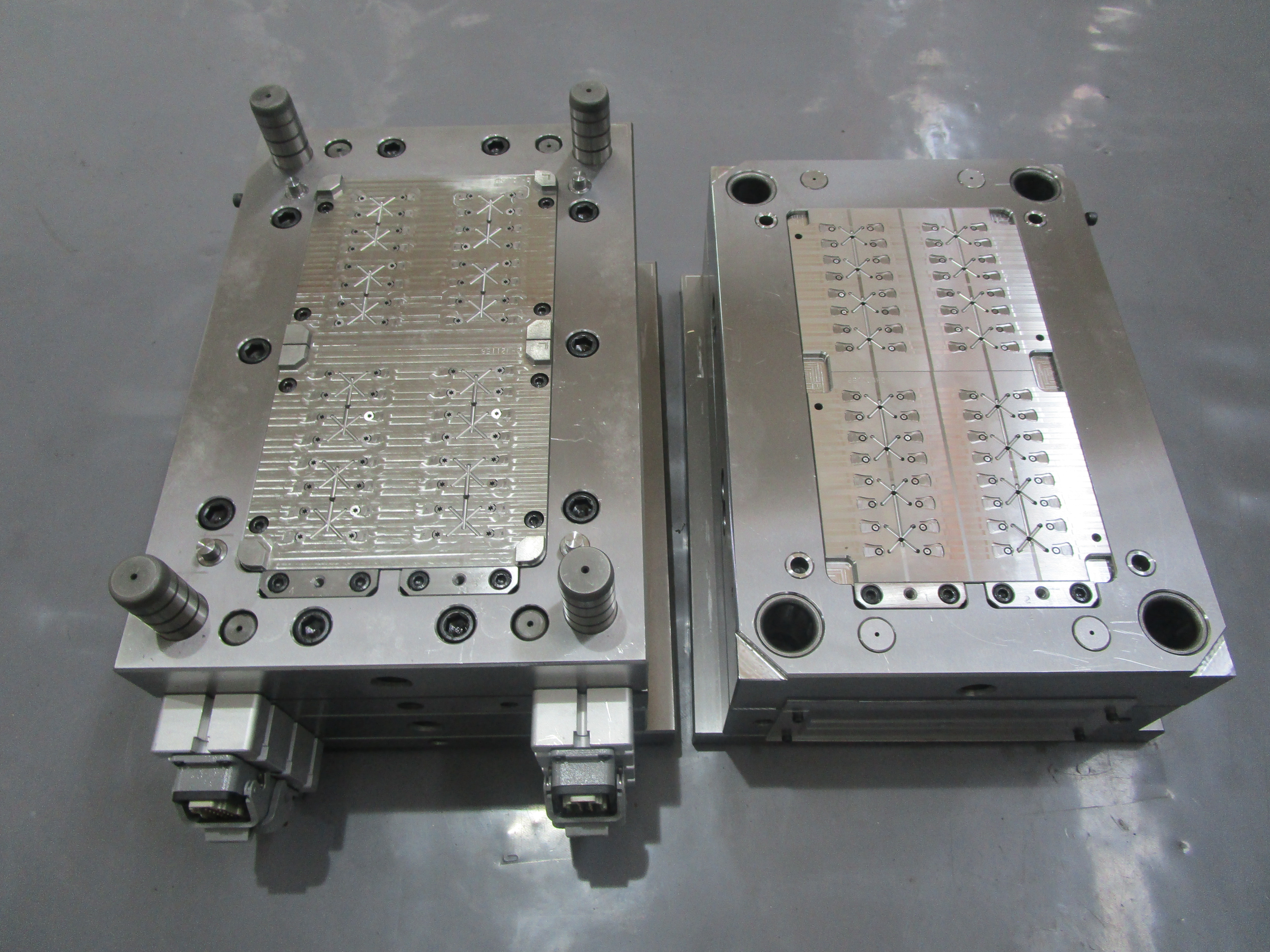
In today's competitive manufacturing landscape, partnering with a reliable injection manufacturer has become crucial for businesses across various industries. From medical devices to automotive components, plastic injection molding remains one of the most versatile and cost-effective manufacturing processes available. Companies that choose to work with established injection manufacturing partners often discover significant advantages in terms of quality control, production efficiency, and long-term business growth. The decision to collaborate with an experienced injection manufacturer can transform your product development timeline while ensuring consistent quality standards that meet industry regulations and customer expectations.
Quality Assurance and Manufacturing Excellence
Advanced Quality Control Systems
A reputable injection manufacturer implements comprehensive quality control systems that monitor every aspect of the production process. These systems typically include statistical process control, automated inspection technologies, and rigorous testing protocols that ensure each manufactured component meets precise specifications. Quality assurance programs often incorporate ISO certifications, FDA compliance standards, and industry-specific quality metrics that provide clients with confidence in their final products. The implementation of these advanced quality systems reduces defect rates significantly while maintaining consistent production standards across large volume orders.
Modern injection manufacturing facilities utilize sophisticated measurement tools and inspection equipment that can detect even microscopic variations in component dimensions. These quality control measures include coordinate measuring machines, optical comparators, and automated vision systems that inspect products at multiple stages throughout the manufacturing process. Such comprehensive quality oversight ensures that every component leaving the facility meets or exceeds customer specifications, reducing the likelihood of costly recalls or customer complaints.
Material Expertise and Selection
Experienced injection manufacturers possess extensive knowledge of polymer materials and their specific applications across different industries. This expertise enables them to recommend optimal material selections based on factors such as chemical resistance, temperature requirements, mechanical properties, and regulatory compliance needs. Material selection expertise becomes particularly valuable when developing products for specialized applications such as medical devices, food packaging, or automotive components where material properties directly impact product performance and safety.
Professional injection manufacturers maintain relationships with leading material suppliers and stay updated on the latest polymer innovations and formulations. This knowledge allows them to suggest cost-effective alternatives or enhanced materials that can improve product performance while potentially reducing manufacturing costs. Their understanding of material behavior during the injection molding process helps optimize part design and processing parameters for superior final product quality.
Cost Efficiency and Economic Benefits
Economies of Scale
Working with an established injection manufacturer provides access to economies of scale that individual companies often cannot achieve independently. These manufacturers operate high-volume production facilities with optimized equipment utilization rates, allowing them to spread fixed costs across multiple client projects and production runs. The result is more competitive pricing for customers while maintaining high quality standards throughout the manufacturing process.
Large-scale injection manufacturers can negotiate better material pricing with suppliers due to their substantial purchasing volumes. These cost savings are often passed along to clients, making injection molding more economically viable for projects of various sizes. Additionally, established manufacturers have refined their processes to minimize waste, reduce cycle times, and maximize equipment efficiency, all of which contribute to lower per-unit costs for customers.
Reduced Capital Investment Requirements
Partnering with a professional injection manufacturer eliminates the need for significant capital investments in specialized equipment, facility infrastructure, and technical personnel. Injection molding operations require expensive machinery, precise environmental controls, and skilled operators to achieve consistent results. By outsourcing to an experienced injection manufacturer, companies can focus their resources on core business activities while accessing world-class manufacturing capabilities without the associated capital expenditures.
This approach allows companies to maintain flexibility in their operations while avoiding the long-term financial commitments associated with equipment purchases, facility leases, and personnel training. The ability to scale production up or down based on market demand becomes much easier when working with an external manufacturing partner who can adjust capacity allocation according to customer requirements.
Technical Expertise and Innovation
Design for Manufacturing Optimization
Reliable injection manufacturers bring extensive design for manufacturing expertise that can significantly improve product designs while reducing production costs. Their engineers understand the intricacies of injection molding processes and can identify design modifications that enhance manufacturability without compromising product functionality. This collaborative approach often results in improved part quality, reduced cycle times, and lower overall manufacturing costs.
Design optimization services typically include mold flow analysis, gate placement optimization, wall thickness recommendations, and draft angle adjustments that improve part ejection and surface finish quality. These technical improvements not only enhance the manufacturing process but also contribute to better end-product performance and durability. The manufacturer's design expertise becomes particularly valuable during the product development phase when design changes are less costly to implement.
Advanced Manufacturing Technologies
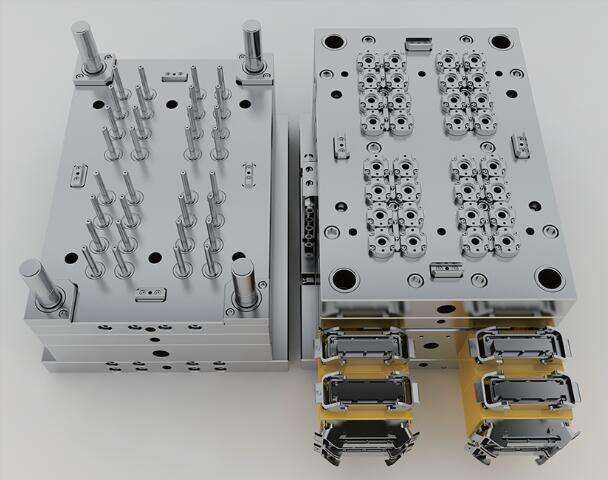
Leading injection manufacturers invest in cutting-edge manufacturing technologies that individual companies might find prohibitively expensive to acquire and maintain. These technologies include multi-cavity molds, hot runner systems, automated material handling equipment, and real-time process monitoring systems that enhance production efficiency and product quality. Access to these advanced technologies enables customers to benefit from the latest manufacturing innovations without direct investment.
Modern injection manufacturing facilities often incorporate Industry 4.0 concepts such as connected machinery, predictive maintenance systems, and data-driven process optimization. These technological advances enable more precise process control, reduced downtime, and improved overall equipment effectiveness. Customers benefit from these investments through more reliable delivery schedules and consistent product quality across production runs.
Scalability and Production Flexibility
Volume Adaptability
Professional injection manufacturers offer the flexibility to handle production volumes ranging from prototype quantities to millions of units annually. This scalability ensures that companies can grow their business without needing to change manufacturing partners or invest in additional production capacity. The ability to seamlessly transition from low-volume initial production to high-volume commercial manufacturing represents a significant advantage for companies launching new products.
Established manufacturers maintain diverse equipment portfolios that can accommodate various production requirements, from small precision parts requiring micro-molding capabilities to large structural components needing high-tonnage injection molding machines. This equipment diversity enables them to match the most appropriate manufacturing technology to each specific application, optimizing both quality and cost-effectiveness.
Market Responsiveness
Reliable injection manufacturers understand the importance of market responsiveness and maintain operational flexibility to accommodate changing customer demands. This includes the ability to adjust production schedules, modify product specifications, and implement design changes with minimal disruption to ongoing operations. Such flexibility becomes crucial in dynamic markets where customer requirements may evolve rapidly or seasonal demand fluctuations require production adjustments.
The manufacturing partner's ability to respond quickly to market opportunities or customer requests can provide significant competitive advantages. Whether accommodating rush orders, implementing engineering changes, or scaling production to meet unexpected demand spikes, a flexible manufacturing partner enables companies to capitalize on market opportunities that might otherwise be missed.
Risk Management and Supply Chain Reliability
Supply Chain Diversification
Working with an established injection manufacturer provides access to diversified supply chains that reduce dependency risks associated with single-source suppliers. Professional manufacturers maintain relationships with multiple material suppliers, equipment vendors, and service providers, ensuring continuity of operations even when individual suppliers experience disruptions. This supply chain diversification protects customers from potential shortages or quality issues that might arise from over-reliance on single suppliers.
Experienced manufacturers also maintain strategic inventory levels of commonly used materials and components, providing buffer stock that can accommodate supply chain disruptions or unexpected demand increases. Their purchasing power and supplier relationships often enable them to secure materials during shortage periods when individual companies might struggle to obtain necessary supplies.
Regulatory Compliance Expertise
Reliable injection manufacturers maintain expertise in various regulatory requirements across different industries and geographical markets. This knowledge becomes particularly valuable for companies operating in heavily regulated sectors such as medical devices, automotive, or food packaging where compliance failures can result in significant financial penalties and market access restrictions. Professional manufacturers invest in maintaining current certifications and staying updated on evolving regulatory requirements.
Compliance expertise includes understanding material traceability requirements, documentation standards, quality system certifications, and product testing protocols. This knowledge helps ensure that manufactured products meet all applicable regulatory standards while maintaining comprehensive documentation that may be required for audits or product approvals. The manufacturer's regulatory expertise reduces compliance risks for customers while streamlining the path to market for new products.
FAQ
How do I evaluate the reliability of an injection manufacturer
Evaluating injection manufacturer reliability requires examining multiple factors including their quality certifications, production capacity, technical capabilities, and customer references. Look for manufacturers with relevant industry certifications such as ISO 9001, ISO 13485 for medical devices, or automotive quality standards. Review their equipment capabilities, facility infrastructure, and quality control systems to ensure they can meet your specific requirements. Request customer references and case studies that demonstrate successful projects similar to yours.
What should I expect during the initial partnership setup
The initial partnership setup typically includes a comprehensive project evaluation, material selection consultation, mold design review, and production timeline development. Expect detailed discussions about quality requirements, packaging specifications, delivery schedules, and communication protocols. A reliable manufacturer will provide transparent pricing, clear contract terms, and regular progress updates throughout the relationship establishment phase. They should also conduct facility tours and capability presentations to demonstrate their manufacturing expertise.
How can injection manufacturers help reduce my overall production costs
Injection manufacturers reduce production costs through economies of scale, design optimization, material expertise, and process efficiency improvements. They can suggest design modifications that reduce material usage, simplify tooling requirements, or improve manufacturability. Their purchasing power enables better material pricing, while their process expertise minimizes waste and reduces cycle times. Additionally, they eliminate your need for capital equipment investments, facility overhead, and specialized personnel costs.
What quality standards should I expect from a professional injection manufacturer
Professional injection manufacturers should maintain comprehensive quality management systems including statistical process control, incoming material inspection, in-process monitoring, and final product testing. Expect detailed quality documentation, certificate of compliance for each shipment, and corrective action protocols for any quality issues. They should provide capability studies, process validation documentation, and maintain traceability systems that can track individual components through the entire manufacturing process when required by your application.
