plastic injection components
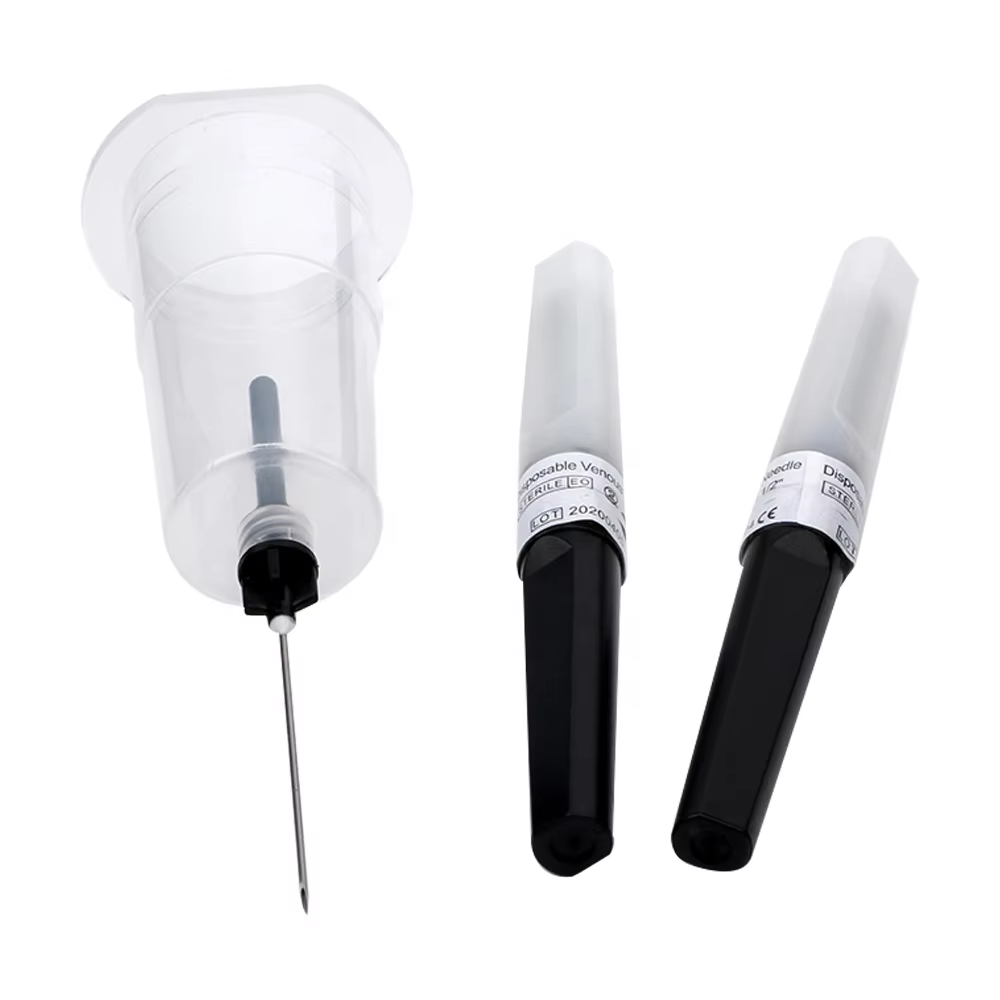
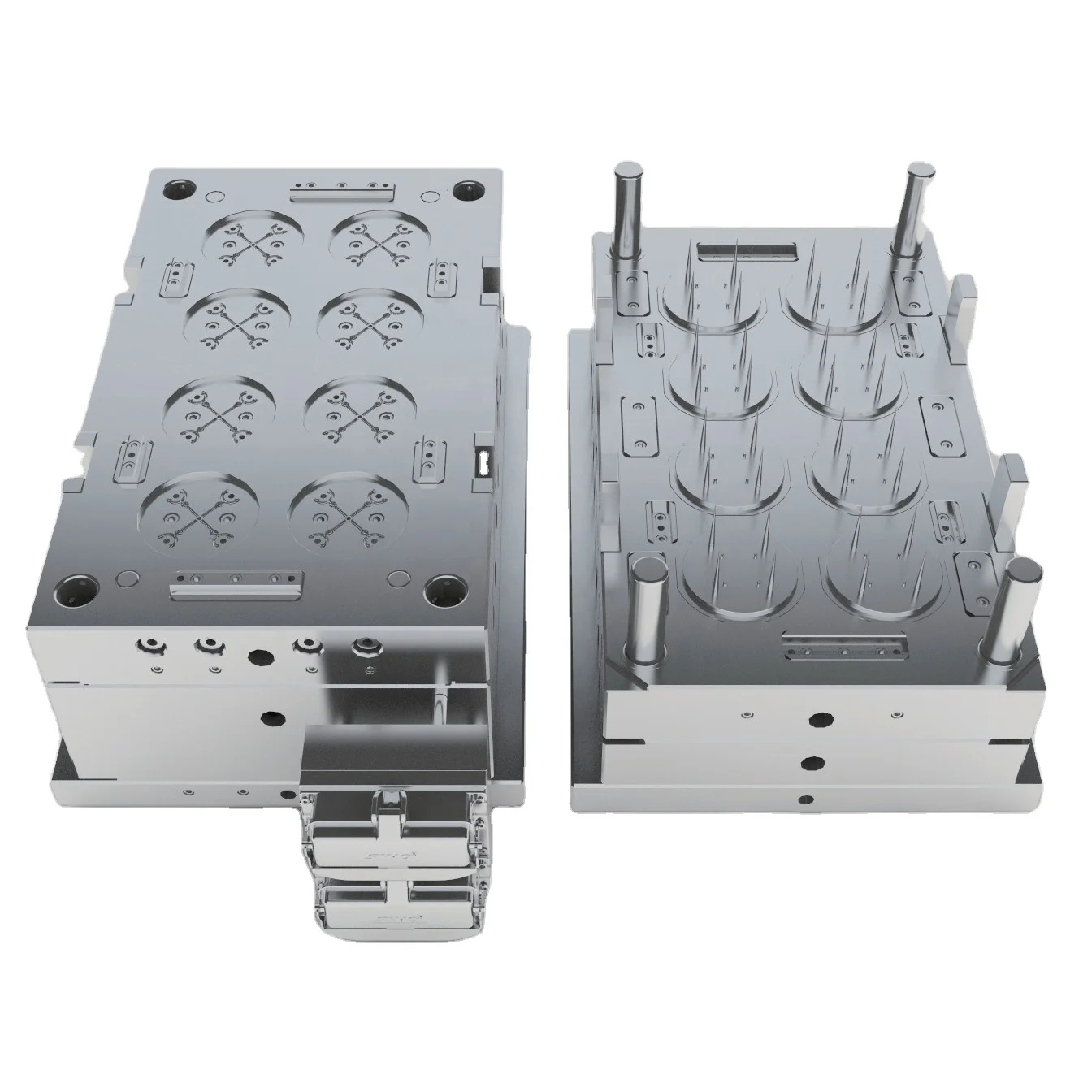
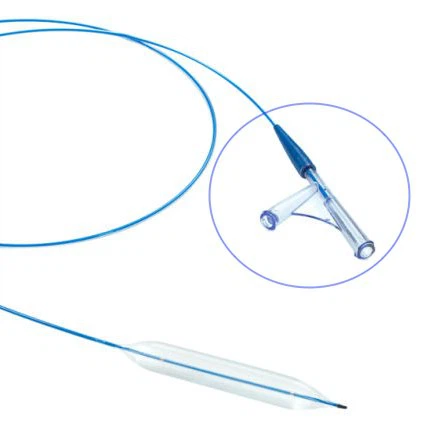
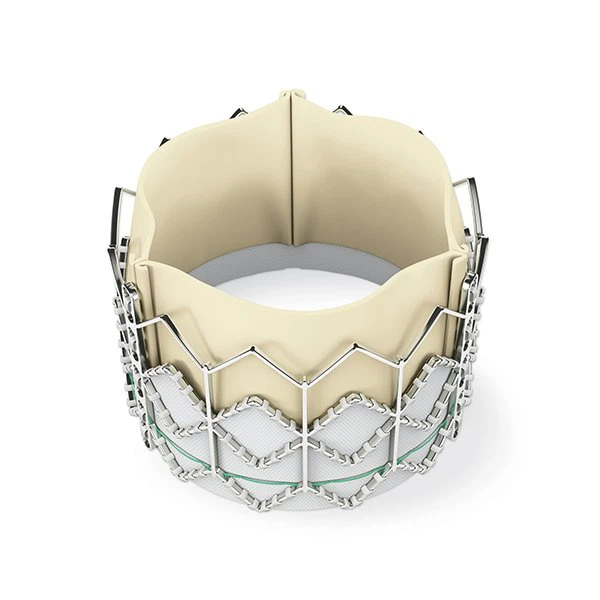
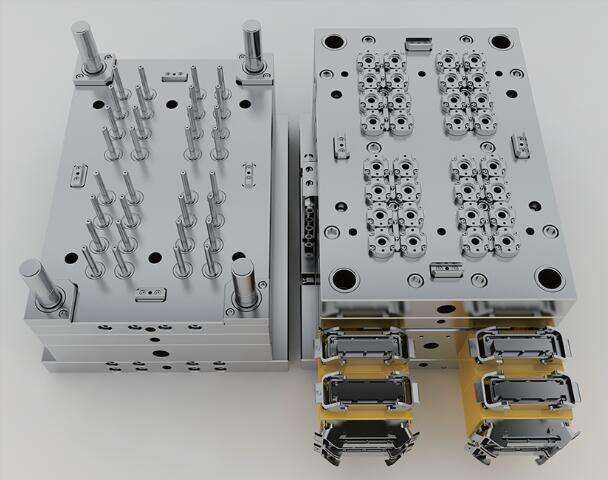
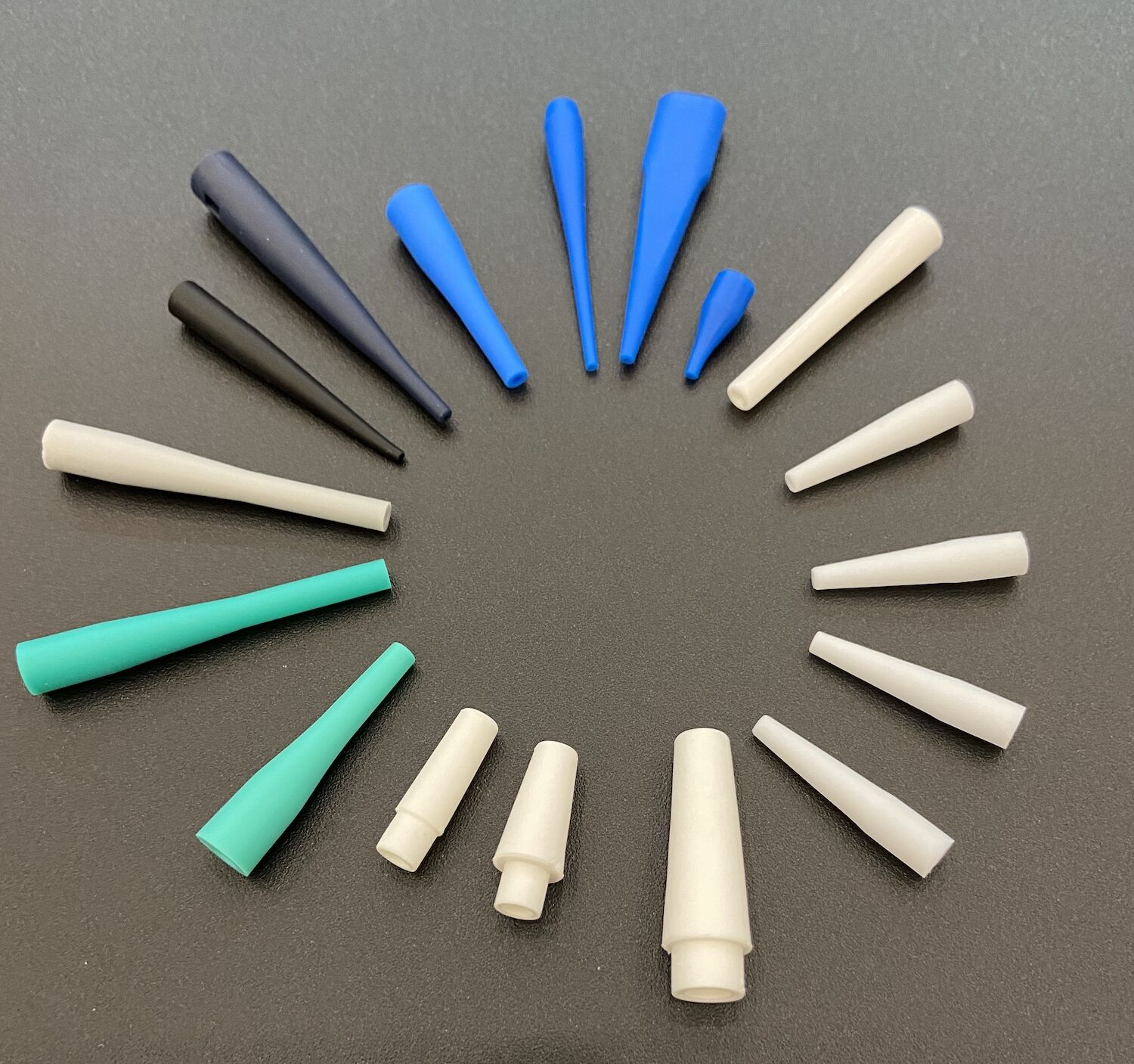
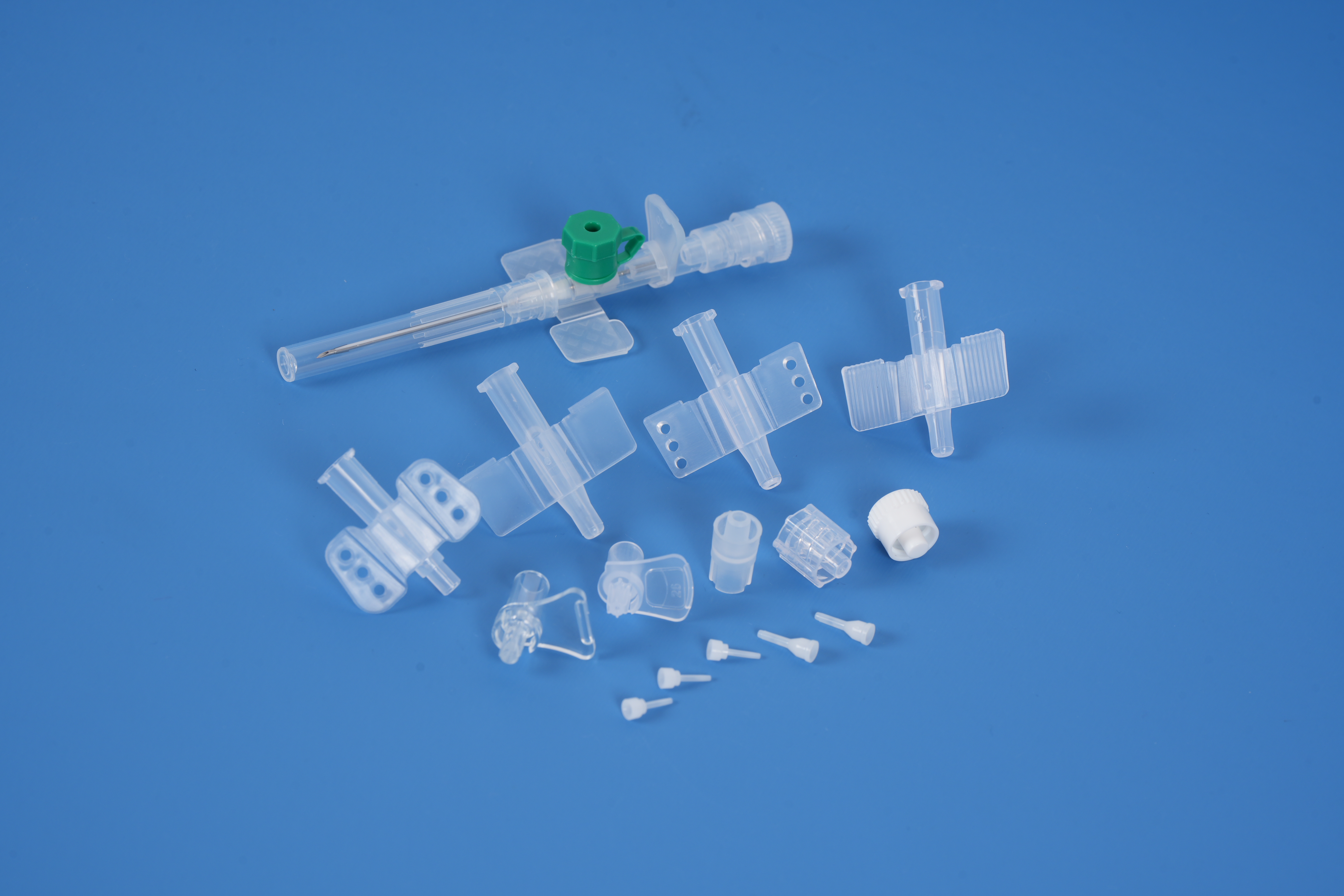
Plastic injection components represent a cornerstone of modern manufacturing, offering versatile solutions across countless industries worldwide. These components are produced through injection molding, a process where heated plastic material is forced into precision-engineered molds under high pressure, then cooled to create finished parts with exceptional accuracy. The main function of plastic injection components spans from simple everyday items to complex industrial parts, providing structural integrity, functional performance, and aesthetic appeal in applications ranging from consumer electronics to automotive systems, medical devices, packaging solutions, and industrial machinery. The technological features that define plastic injection components include their ability to achieve tight dimensional tolerances, consistent wall thickness, intricate geometric designs, and integrated features such as threads, hinges, and snap-fits within a single molding cycle. This manufacturing method supports a wide range of thermoplastic materials including ABS, polycarbonate, polypropylene, nylon, and engineering-grade resins, each selected based on specific performance requirements such as strength, flexibility, chemical resistance, or temperature tolerance. The applications for plastic injection components are virtually limitless, serving sectors like automotive manufacturing where they form dashboards, bumpers, and interior trim; medical industries utilizing them for diagnostic equipment housings and disposable instruments; consumer goods incorporating them into appliances, toys, and electronic devices; and industrial equipment relying on them for durable housings, gears, and connectors. The versatility of plastic injection components makes them indispensable in modern production environments, where manufacturers demand repeatability, cost efficiency, and design flexibility. Their lightweight nature compared to metal alternatives contributes to overall product weight reduction, which is particularly valuable in transportation applications where fuel efficiency matters. Additionally, plastic injection components offer excellent surface finish options, from high-gloss to textured appearances, and can incorporate multiple colors or be finished with various coatings to meet aesthetic and functional requirements.



 EN
EN