 EN
EN
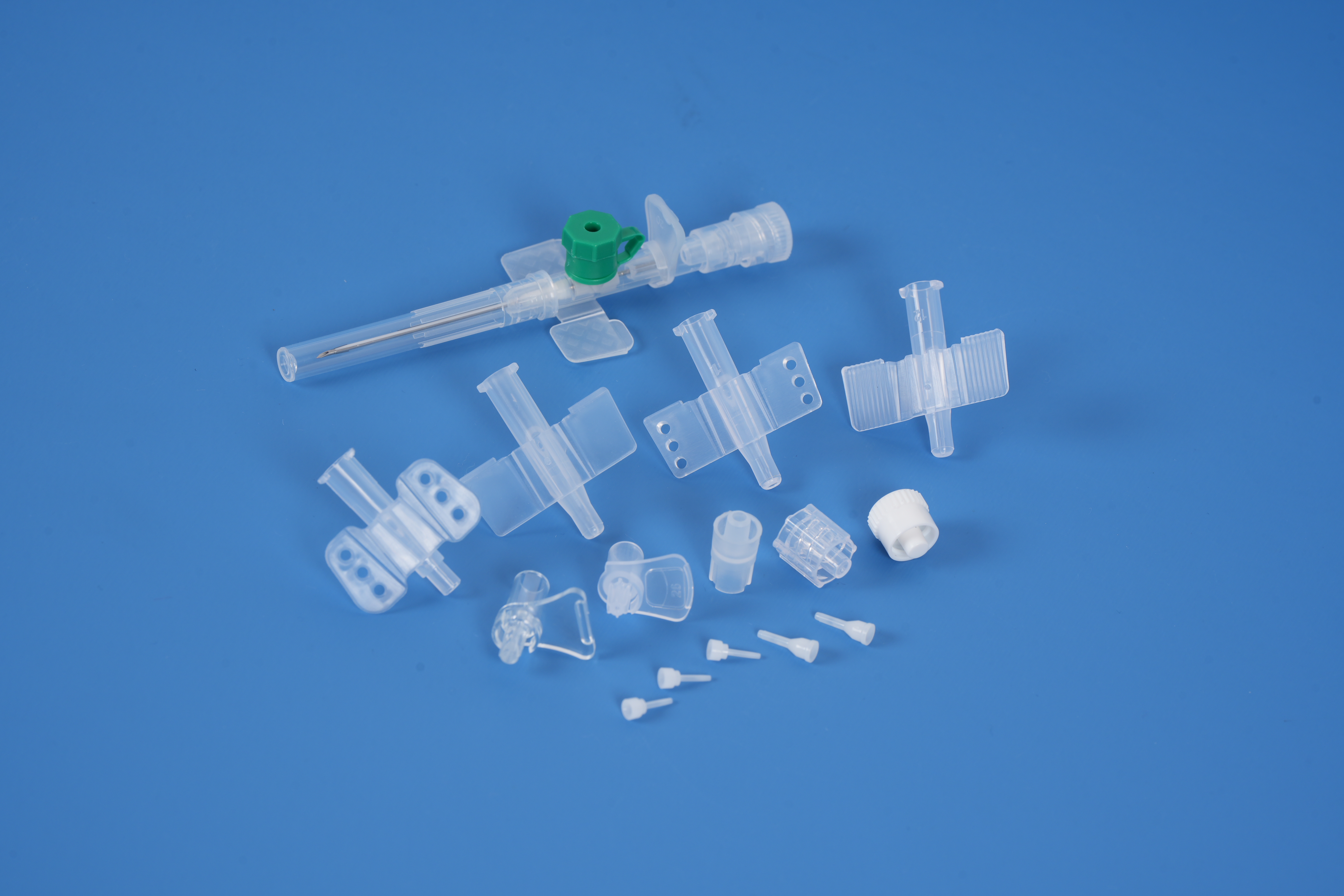
In today's competitive healthcare landscape, medical device manufacturers face mounting pressure to reduce production costs while maintaining the highest quality standards. Custom OEM molding services have emerged as a strategic solution for companies seeking to optimize manufacturing expenses, particularly when producing large-scale medical disposables. These specialized manufacturing partnerships offer unprecedented opportunities to streamline production processes, reduce material waste, and achieve economies of scale that traditional manufacturing methods simply cannot match.
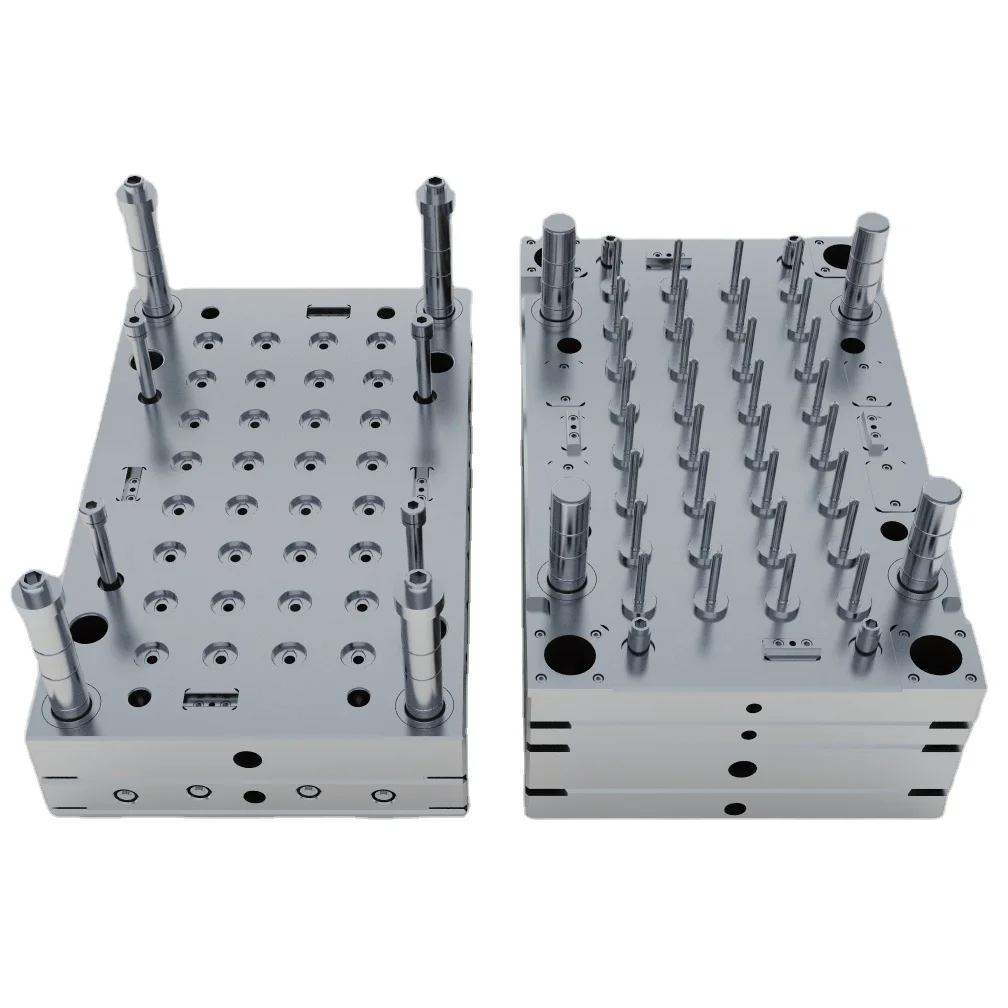
The medical disposables market continues to experience exponential growth, driven by increasing healthcare demands, aging populations, and stringent safety regulations that mandate single-use products. However, this growth brings significant challenges in cost management and production efficiency. Custom OEM molding services address these challenges by providing tailored manufacturing solutions that align perfectly with specific product requirements and production volumes.
Understanding Custom OEM Molding in Medical Manufacturing
Core Principles of OEM Molding Services
Custom OEM molding services represent a comprehensive manufacturing approach where specialized companies design, develop, and produce medical components according to exact client specifications. Unlike standard manufacturing processes, these services involve close collaboration between the OEM partner and the medical device company throughout the entire product lifecycle. This partnership model ensures that every aspect of the molding process is optimized for the specific requirements of medical disposables.
The foundation of successful custom OEM molding services lies in understanding the unique demands of medical applications. Medical disposables must meet stringent regulatory requirements, maintain consistent quality across millions of units, and perform reliably in critical healthcare environments. OEM molding specialists bring deep expertise in medical-grade materials, precision manufacturing techniques, and regulatory compliance to ensure these demanding standards are consistently met.
Technological Advantages in Modern Molding
Contemporary custom OEM molding services leverage advanced manufacturing technologies that were previously unavailable to smaller medical device companies. Computer-aided design systems, precision injection molding equipment, and automated quality control systems enable OEM partners to achieve tolerances and consistency levels that exceed traditional manufacturing capabilities. These technological advantages translate directly into cost savings through reduced defect rates and improved production efficiency.
Additionally, modern molding technologies incorporate predictive maintenance systems and real-time monitoring capabilities that minimize downtime and optimize production schedules. When custom OEM molding services implement these advanced systems, medical device manufacturers benefit from increased production reliability and reduced per-unit costs, particularly valuable for large-scale production runs.
Cost Optimization Strategies Through OEM Partnerships
Material Cost Reduction Techniques
One of the most significant advantages of custom OEM molding services is their ability to optimize material usage and sourcing. OEM partners typically maintain established relationships with raw material suppliers, enabling them to secure medical-grade plastics and other materials at substantially lower costs than individual manufacturers could achieve. These cost savings are amplified when producing large volumes of medical disposables, where even small per-unit material savings translate into substantial overall cost reductions.
Furthermore, experienced OEM molding specialists can recommend alternative materials that maintain required performance characteristics while offering improved cost efficiency. Their expertise in material science and regulatory requirements ensures that any material substitutions continue to meet medical device standards while reducing manufacturing costs. This optimization process often reveals opportunities for significant cost savings that internal manufacturing teams might overlook.
Production Efficiency and Scale Economics
Custom OEM molding services excel at achieving production efficiencies that dramatically reduce per-unit costs for large-scale medical disposables. By dedicating specialized equipment and production lines to specific products, OEM partners can optimize cycle times, reduce setup costs, and minimize material waste. These efficiencies become particularly pronounced when producing millions of identical medical disposables, where small improvements in production efficiency yield substantial cost savings.
The scale economics achieved through custom OEM molding services extend beyond direct production costs. OEM partners can distribute fixed costs across large production volumes, invest in specialized tooling that improves efficiency, and maintain dedicated quality control systems that reduce inspection costs. These combined factors create a comprehensive cost optimization environment that benefits medical device manufacturers seeking to reduce their production expenses.
Quality Control and Regulatory Compliance Benefits
Specialized Quality Management Systems
Custom OEM molding services bring sophisticated quality management systems specifically designed for medical device manufacturing. These systems incorporate ISO 13485 standards, FDA compliance protocols, and other regulatory requirements into every aspect of the production process. By partnering with specialized OEM providers, medical device companies gain access to quality infrastructure that would be prohibitively expensive to develop and maintain internally.
The quality advantages of professional OEM molding services translate directly into cost savings through reduced defect rates, fewer regulatory issues, and improved customer satisfaction. When producing large quantities of medical disposables, even small improvements in quality consistency can eliminate costly recalls, reduce warranty claims, and enhance market reputation. These quality-related cost benefits often exceed the direct production savings achieved through OEM partnerships.
Regulatory Expertise and Compliance Support
Navigating the complex regulatory landscape of medical device manufacturing requires specialized expertise that many companies lack internally. Custom OEM molding services provide access to regulatory specialists who understand FDA requirements, international standards, and changing compliance regulations. This expertise ensures that manufactured medical disposables meet all necessary regulatory standards while avoiding costly compliance mistakes.
The regulatory support provided by experienced OEM partners extends beyond initial compliance to include ongoing monitoring of regulatory changes and proactive adjustments to manufacturing processes. This comprehensive regulatory management approach helps medical device companies avoid costly compliance issues while maintaining consistent production quality across large-scale manufacturing runs.
Strategic Partnership Advantages for Long-term Cost Management
Innovation and Continuous Improvement Programs
Leading custom OEM molding services implement continuous improvement programs that identify ongoing opportunities for cost reduction and quality enhancement. These programs leverage data analytics, process optimization techniques, and innovative manufacturing approaches to gradually reduce production costs over time. Medical device manufacturers benefit from these improvements without investing in internal research and development resources.
The innovation capabilities of specialized OEM partners often exceed what individual companies can achieve internally. By serving multiple clients in the medical device industry, custom OEM molding services develop broad expertise in manufacturing techniques, material innovations, and process improvements that benefit all their clients. This shared innovation model provides access to cutting-edge manufacturing capabilities at a fraction of the cost of internal development.
Risk Management and Supply Chain Stability
Custom OEM molding services provide valuable risk management benefits that contribute to long-term cost optimization. Professional OEM partners maintain diversified supplier networks, backup production capabilities, and contingency planning systems that protect against supply chain disruptions. These risk management capabilities become particularly valuable when producing critical medical disposables that must maintain consistent availability.
The supply chain stability provided by experienced OEM partners helps medical device manufacturers avoid costly production interruptions, emergency sourcing situations, and rush production charges. By maintaining stable, predictable production schedules, custom OEM molding services enable better inventory management and more accurate cost forecasting for large-scale medical disposable production.
Implementation Strategies for Maximum Cost Benefits
Partner Selection and Evaluation Criteria
Selecting the right custom OEM molding services partner is crucial for achieving optimal cost benefits in medical disposable manufacturing. Successful partner selection requires careful evaluation of technical capabilities, quality systems, regulatory compliance history, and financial stability. Companies should prioritize OEM partners with demonstrated experience in medical device manufacturing and proven track records of delivering cost-effective solutions at scale.
The evaluation process should also consider the OEM partner's investment in technology, commitment to continuous improvement, and ability to scale production as demand grows. Custom OEM molding services that demonstrate ongoing investment in advanced manufacturing technologies and quality systems are more likely to deliver sustained cost benefits over long-term partnerships. Additionally, partners with strong financial stability can make necessary investments in specialized tooling and equipment without passing excessive costs to their clients.
Contract Structuring for Optimal Cost Control
Effective contract structuring is essential for maximizing the cost benefits of custom OEM molding services partnerships. Successful contracts should include clear performance metrics, cost reduction targets, and quality standards that align both parties' incentives toward achieving optimal manufacturing efficiency. Volume commitments and long-term partnership agreements often enable better pricing while providing OEM partners with the stability needed to invest in process improvements.
Well-structured contracts should also include provisions for sharing cost savings achieved through process improvements, material innovations, and efficiency gains. This approach ensures that both parties benefit from successful optimization efforts while maintaining strong incentives for continuous improvement. Flexible contract terms that accommodate changing production volumes and product specifications help maintain cost advantages as market conditions evolve.
FAQ
What are the typical cost savings achieved through custom OEM molding services for medical disposables?
Medical device manufacturers typically achieve cost savings of 15-30% when partnering with experienced custom OEM molding services for large-scale production. These savings result from material cost reductions, improved production efficiency, reduced defect rates, and economies of scale. The exact savings depend on production volumes, product complexity, and the specific capabilities of the OEM partner.
How do custom OEM molding services ensure consistent quality across large production runs?
Professional OEM molding partners implement comprehensive quality management systems that include statistical process control, automated inspection systems, and rigorous testing protocols. These systems monitor critical parameters throughout the production process and make real-time adjustments to maintain consistent quality. Additionally, experienced OEM partners maintain detailed documentation systems that enable traceability and continuous improvement of quality processes.
What should medical device companies look for when selecting custom OEM molding services?
Key selection criteria include proven experience with medical device manufacturing, appropriate regulatory certifications (such as ISO 13485), advanced manufacturing technologies, strong quality management systems, and demonstrated financial stability. Companies should also evaluate the OEM partner's capacity for scaling production, commitment to continuous improvement, and ability to provide comprehensive support throughout the product lifecycle.
How long does it typically take to implement a custom OEM molding services partnership?
Implementation timelines vary depending on product complexity and tooling requirements, but typically range from 12-24 weeks for standard medical disposables. This timeline includes design optimization, tooling development, process validation, regulatory approvals, and production ramp-up. Complex products or those requiring specialized materials may require longer implementation periods, while simple disposables with existing tooling can be implemented more quickly.
Table of Contents
- Understanding Custom OEM Molding in Medical Manufacturing
- Cost Optimization Strategies Through OEM Partnerships
- Quality Control and Regulatory Compliance Benefits
- Strategic Partnership Advantages for Long-term Cost Management
- Implementation Strategies for Maximum Cost Benefits
-
FAQ
- What are the typical cost savings achieved through custom OEM molding services for medical disposables?
- How do custom OEM molding services ensure consistent quality across large production runs?
- What should medical device companies look for when selecting custom OEM molding services?
- How long does it typically take to implement a custom OEM molding services partnership?
