Medical Injection Molding Suppliers: Precision Manufacturing Partners for Healthcare Devices

Get a Quote
Get a Quote

medical injection molding suppliers

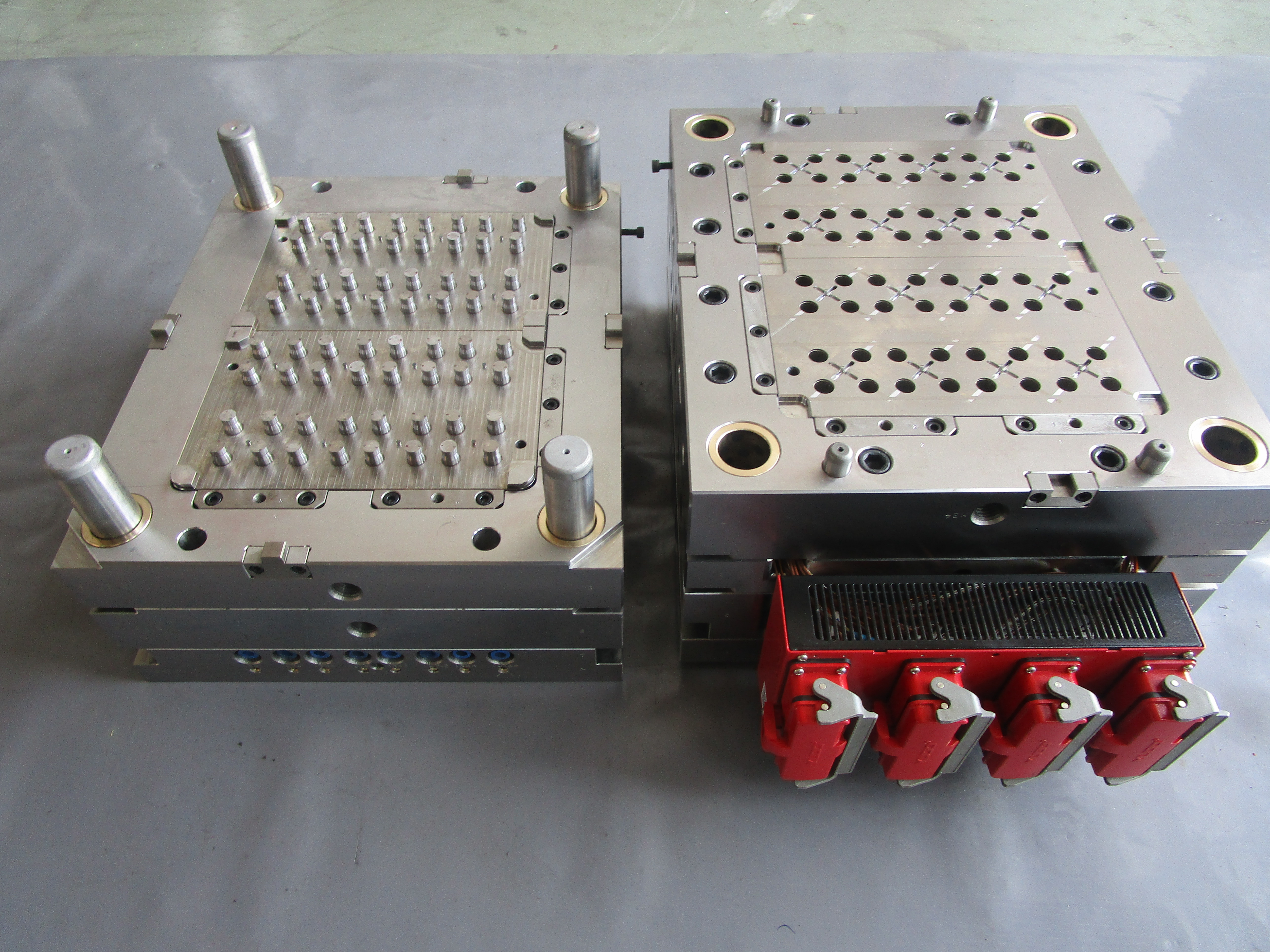
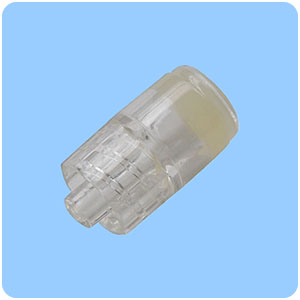
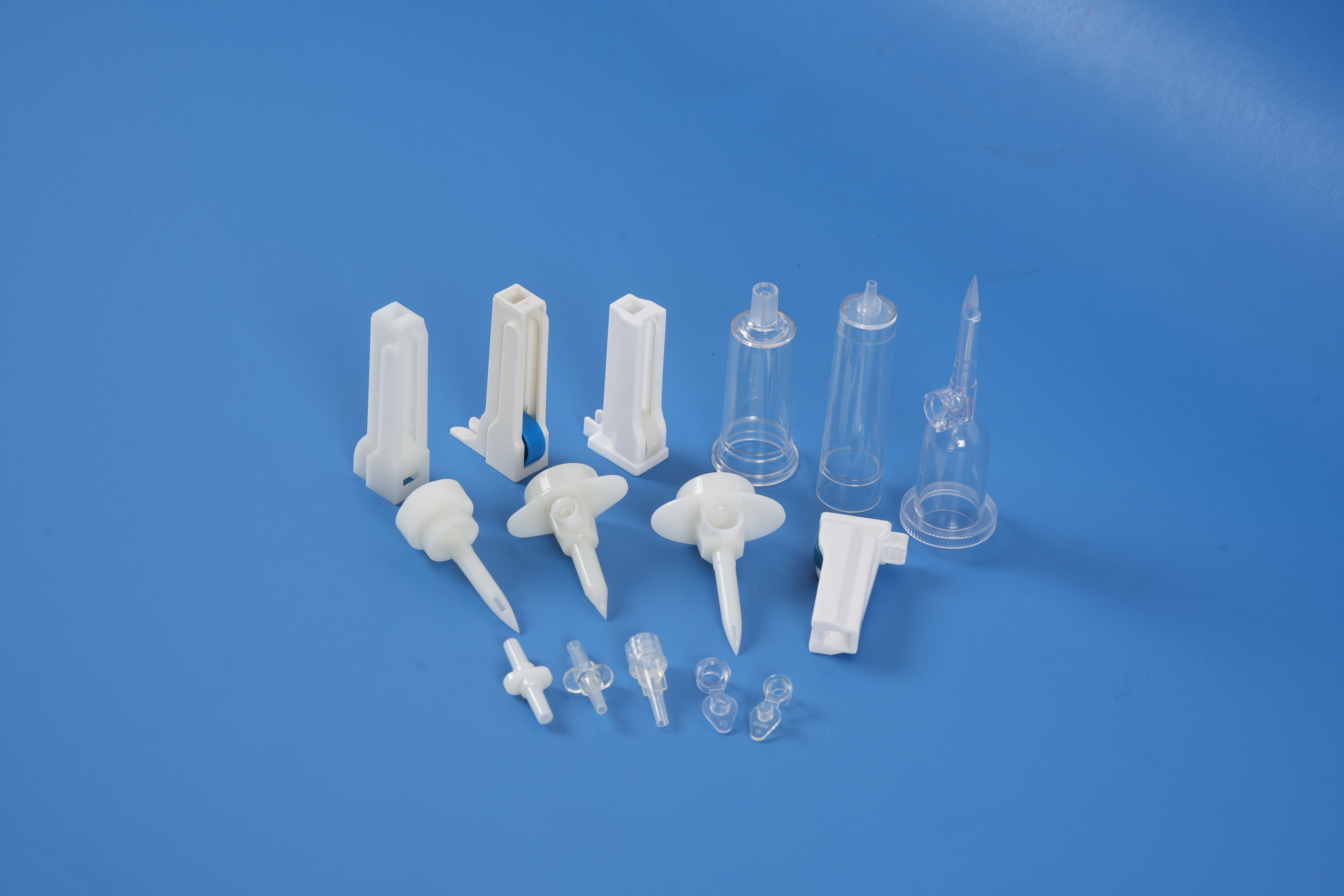
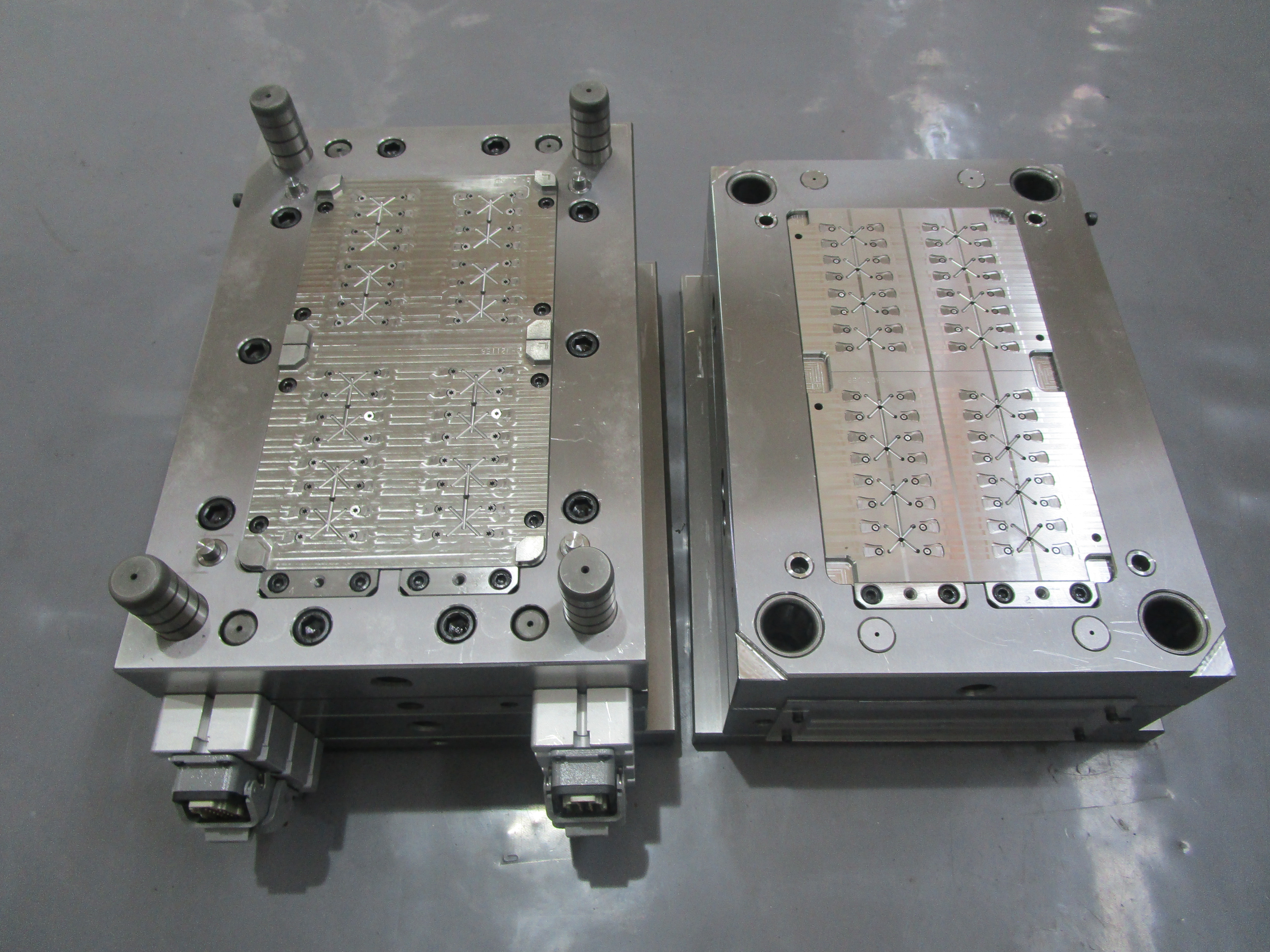
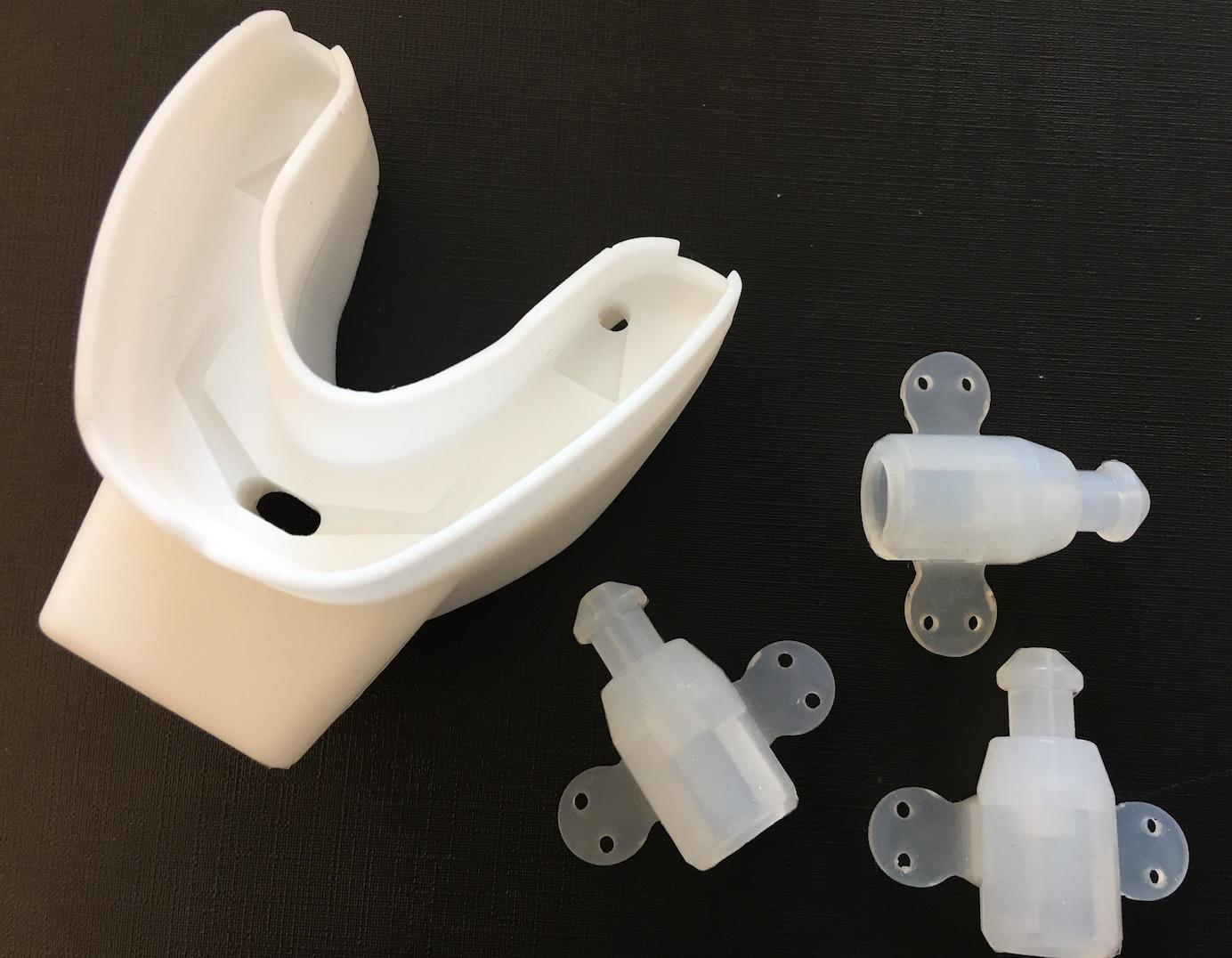
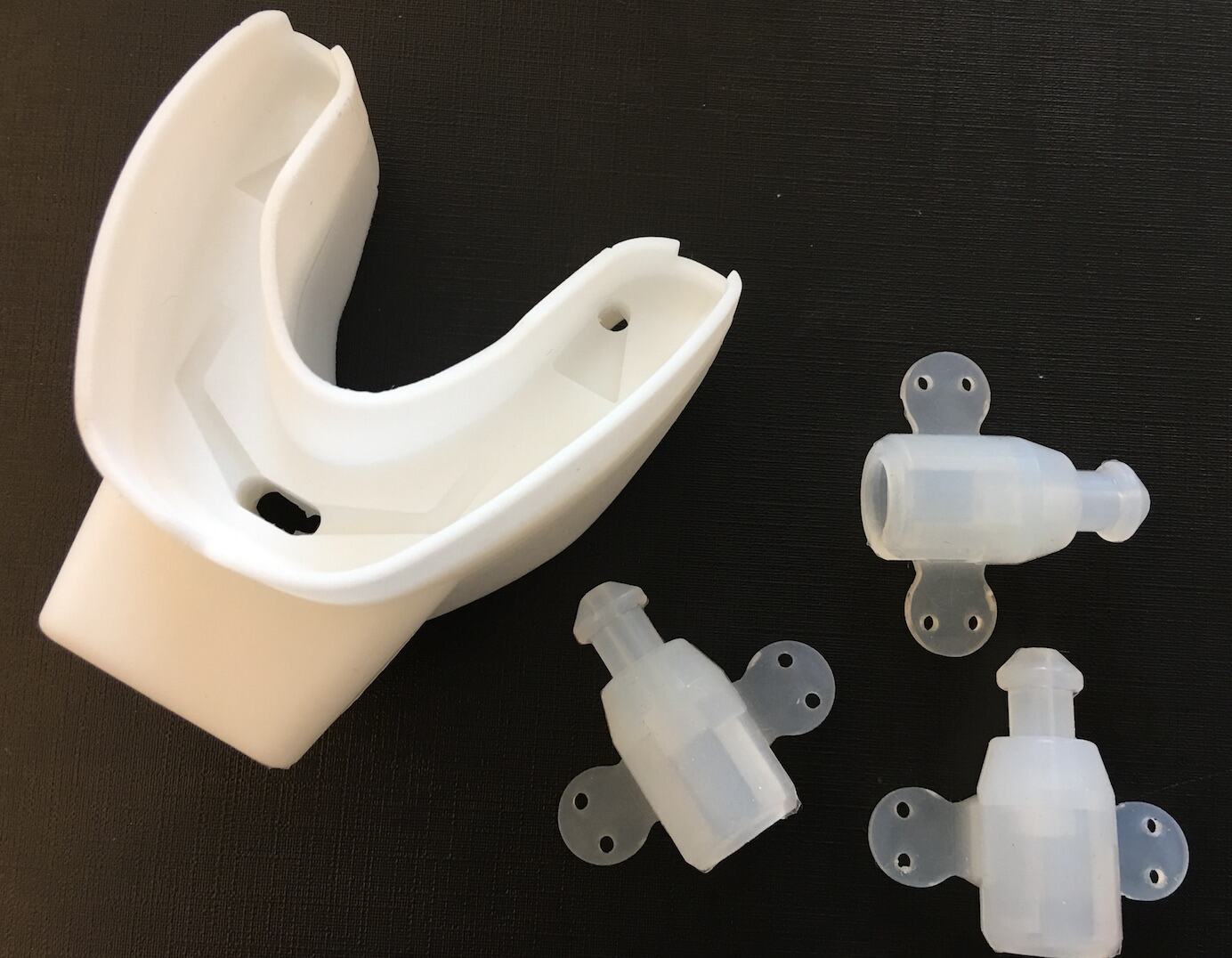
Medical injection molding suppliers represent specialized manufacturing partners that produce precision plastic components for healthcare and pharmaceutical industries through advanced injection molding processes. These suppliers utilize sophisticated equipment and clean room environments to manufacture medical devices, diagnostic tools, surgical instruments, drug delivery systems, and laboratory equipment components that meet stringent regulatory standards. The primary function of medical injection molding suppliers involves transforming medical-grade thermoplastic materials into complex geometries with exceptional accuracy and consistency. These manufacturers employ state-of-the-art computer-controlled injection molding machines capable of producing parts with tolerances measured in microns, ensuring each component meets exact specifications required for medical applications. The technological features that distinguish medical injection molding suppliers include ISO-certified clean room facilities, automated quality control systems, advanced mold design capabilities, and comprehensive validation protocols. These suppliers maintain documentation systems that provide complete traceability for every production batch, which remains essential for regulatory compliance with FDA, CE marking, and other international medical device standards. Medical injection molding suppliers serve diverse applications across the healthcare sector, manufacturing components for disposable syringes, IV catheters, inhalers, blood collection devices, diagnostic test cartridges, implantable device housings, and surgical instrument handles. They produce both high-volume commodity items and low-volume specialized components for emerging medical technologies. The expertise of medical injection molding suppliers extends beyond basic manufacturing to include material selection consultation, design for manufacturability analysis, prototyping services, secondary operations such as assembly and sterilization compatibility testing, and ongoing technical support throughout product lifecycles. These suppliers invest continuously in emerging technologies including micro-molding for miniaturized medical devices, multi-shot molding for complex assemblies, and clean room automation that reduces human intervention and contamination risks during production processes.
Working with experienced medical injection molding suppliers delivers substantial practical benefits that directly impact product quality, time-to-market, and overall project success for medical device companies. First, these specialized suppliers provide access to proven manufacturing expertise that significantly reduces development risks and accelerates product commercialization timelines. Rather than investing millions in establishing in-house injection molding capabilities, companies can leverage existing infrastructure, trained personnel, and established quality systems that medical injection molding suppliers have refined over years of production experience. This approach eliminates the steep learning curve associated with medical manufacturing regulations and allows device developers to focus resources on core competencies like innovation and clinical validation. Second, medical injection molding suppliers offer cost advantages through economies of scale and operational efficiency that individual companies cannot easily replicate. These suppliers distribute capital equipment investments across multiple clients, maintain relationships with material suppliers that yield favorable pricing, and optimize production schedules to maximize machine utilization. The result translates to lower per-unit costs, especially for medium to high-volume production runs, while maintaining the quality standards essential for medical applications. Third, partnering with medical injection molding suppliers provides flexibility that adapts to changing business needs without major capital commitments. Companies can scale production volumes up or down based on market demand, launch multiple product variations without purchasing additional equipment, and access diverse molding technologies from micro-molding to large-part production through a single supplier relationship. Fourth, quality assurance represents a fundamental advantage when selecting reputable medical injection molding suppliers. These manufacturers maintain validated processes, conduct regular equipment calibration, perform in-process inspections, and generate documentation that satisfies regulatory audits. This comprehensive quality infrastructure protects medical device companies from costly recalls, regulatory penalties, and reputation damage that could result from manufacturing defects. Fifth, medical injection molding suppliers bring valuable design collaboration that improves product manufacturability and performance. Their engineering teams identify potential molding challenges early in development, suggest material alternatives that enhance functionality or reduce costs, and optimize part geometries for efficient production. This collaborative approach prevents expensive design revisions later in the development cycle and ensures products can be manufactured reliably at commercial scale. Finally, established medical injection molding suppliers maintain business continuity plans, redundant production capabilities, and supply chain relationships that provide security for long-term product availability, which remains critical for medical devices that patients depend upon for health and survival.

Practical Tips

Top Advantages of Choosing Custom Injection Molding Services

22

Oct

Top Advantages of Choosing Custom Injection Molding Services

Revolutionizing Manufacturing Through Custom Injection Molding The manufacturing landscape has evolved dramatically in recent years, with custom injection molding services emerging as a cornerstone of modern production methods. This sophisticated man...
View More
What Makes Top Injection Moulding Product Manufacturers Stand Out?

27

Nov

What Makes Top Injection Moulding Product Manufacturers Stand Out?

The manufacturing landscape has witnessed remarkable transformations over the past decades, with injection moulding emerging as one of the most critical production processes across multiple industries. From automotive components to medical devices, c...
View More
How to choose a reliable partner for custom mold and OEM molding in medical device manufacturing?

06

Jan

How to choose a reliable partner for custom mold and OEM molding in medical device manufacturing?

Medical device manufacturing demands precision, compliance, and reliability at every stage of production. When selecting a partner for custom mold development and OEM molding services, healthcare companies must evaluate multiple critical factors that...
View More
How to select the right medical-grade tubing and catheters for complex surgical procedures?

06

Jan

How to select the right medical-grade tubing and catheters for complex surgical procedures?

Selecting the appropriate medical-grade tubing and catheters for complex surgical procedures represents one of the most critical decisions healthcare professionals make in their practice. The complexity of modern surgical interventions demands materi...
View More

Get a Free Quote

Our representative will contact you soon.
0/1000
Regulatory Compliance and Quality System Excellence

Regulatory Compliance and Quality System Excellence

Medical injection molding suppliers distinguish themselves through comprehensive regulatory compliance frameworks and quality management systems that address the unique demands of healthcare manufacturing. These suppliers maintain registration with regulatory bodies including the FDA for medical device manufacturing, hold ISO 13485 certification specifically designed for medical device quality management, and often possess additional certifications such as ISO 9001 and ISO 14644 for clean room operations. The importance of these credentials cannot be overstated, as they demonstrate a supplier's commitment to systematic quality control, risk management, and continuous improvement processes that protect patient safety and ensure product consistency. Medical injection molding suppliers implement rigorous documentation practices that create complete traceability from raw material receipt through final product shipment. Every production lot receives unique identification, material certifications are maintained for all incoming resins, process parameters are recorded continuously during molding operations, and inspection results are documented at multiple checkpoints throughout manufacturing. This documentation infrastructure proves essential during regulatory audits, supports root cause analysis if quality issues emerge, and provides the evidence required for design history files and device master records. The value proposition extends beyond mere compliance to include proactive quality culture that anticipates potential issues before they impact production. Medical injection molding suppliers conduct failure mode and effects analysis during process development, validate manufacturing procedures through installation qualification, operational qualification, and performance qualification protocols, and maintain ongoing process monitoring through statistical process control methods. These practices minimize variation, reduce scrap rates, and ensure consistent part quality across production runs spanning months or years. Furthermore, experienced medical injection molding suppliers understand material requirements specific to medical applications, including biocompatibility testing, sterilization compatibility, chemical resistance, and long-term stability characteristics. They guide clients through material selection decisions, coordinate necessary testing with accredited laboratories, and maintain approved vendor lists for medical-grade resins that meet USP Class VI, ISO 10993, or specific regulatory requirements. This expertise prevents costly material-related failures and accelerates regulatory submissions by ensuring proper material characterization from the project outset.
Advanced Manufacturing Technology and Process Capability

Advanced Manufacturing Technology and Process Capability

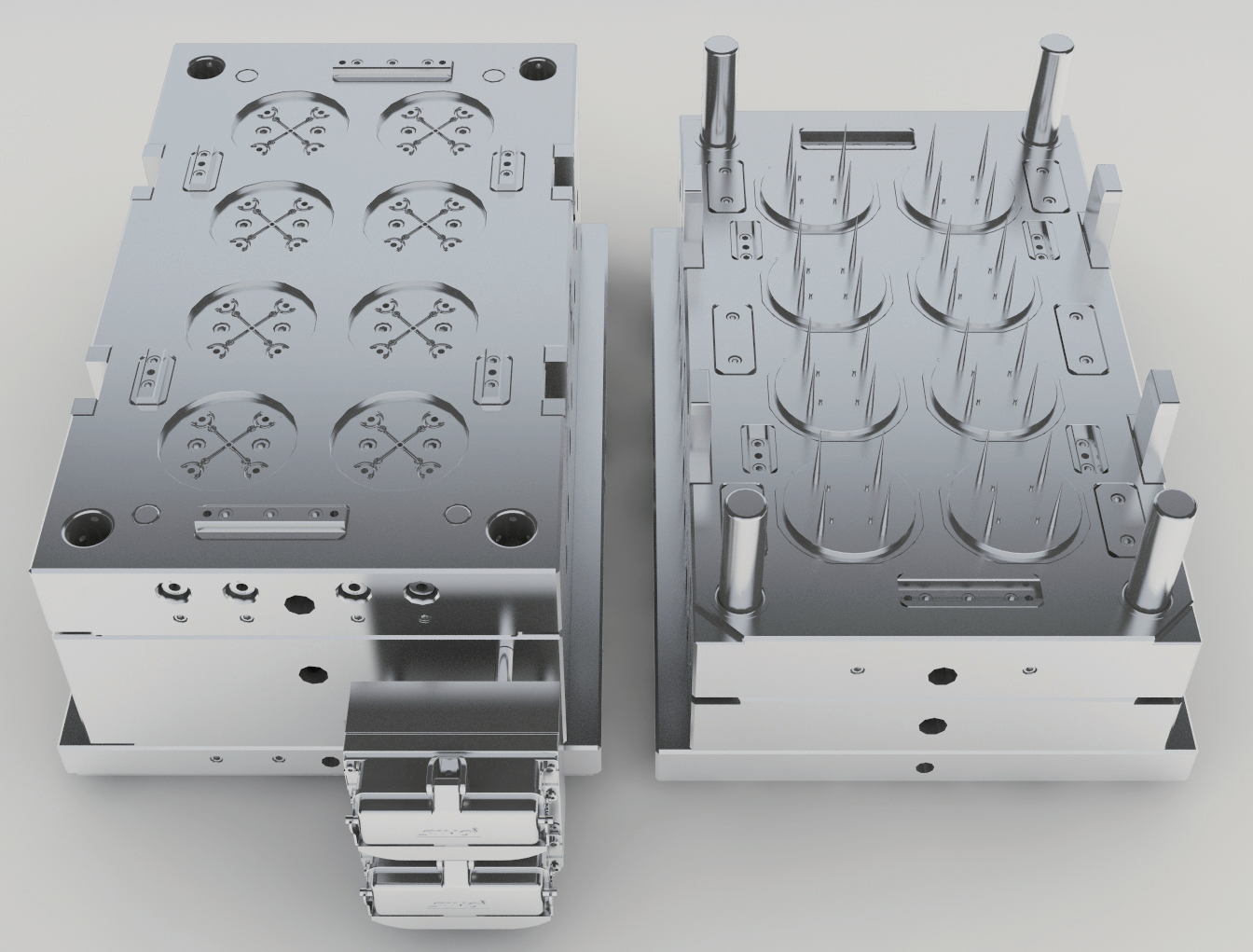
Leading medical injection molding suppliers invest substantially in cutting-edge manufacturing technology that delivers superior part quality, enhanced production efficiency, and expanded design possibilities for medical device applications. These technological capabilities begin with precision injection molding machines featuring all-electric drive systems that provide exceptional repeatability, closed-loop process control that maintains tight parameter tolerances, and clean room compatibility that minimizes particulate contamination. The machines employed by top-tier medical injection molding suppliers typically include advanced features such as scientific molding capabilities that optimize processing conditions through systematic experimentation, multi-cavity hot runner systems that eliminate runner waste and improve cycle times, and real-time cavity pressure monitoring that detects process variations before defective parts are produced. This equipment represents millions of dollars in capital investment that individual medical device companies cannot justify for single products but gain access to through supplier partnerships. Beyond basic molding equipment, medical injection molding suppliers offer specialized process technologies that address unique medical device requirements. Micro-molding capabilities enable production of components with features measured in microns, essential for minimally invasive devices, microfluidic diagnostics, and miniaturized drug delivery systems. Two-shot and overmolding processes combine multiple materials in single molding cycles, creating soft-touch surfaces on rigid substrates or integrating sealing elements during component production. Insert molding technologies encapsulate metal components, electronic elements, or other inserts within plastic housings, reducing assembly steps and improving product reliability. Clean room molding environments maintained by professional medical injection molding suppliers range from ISO Class 7 to ISO Class 8 specifications, with controlled temperature, humidity, and particulate levels that prevent contamination of molded components. These facilities incorporate positive air pressure systems, HEPA filtration, personnel gowning protocols, and regular environmental monitoring that creates manufacturing conditions appropriate for components used in sterile medical applications or products requiring sterilization after molding. The process capability that medical injection molding suppliers deliver translates directly to product performance advantages. Tight dimensional tolerances ensure proper fit and function in assembled devices, consistent wall thickness distributions prevent weak points that could fail during use, and optimized processing conditions minimize residual stresses that might cause long-term dimensional changes. These manufacturing refinements prove particularly critical for medical devices where performance directly impacts patient outcomes and product reliability determines market success.
Comprehensive Service Portfolio and Partnership Approach

Comprehensive Service Portfolio and Partnership Approach

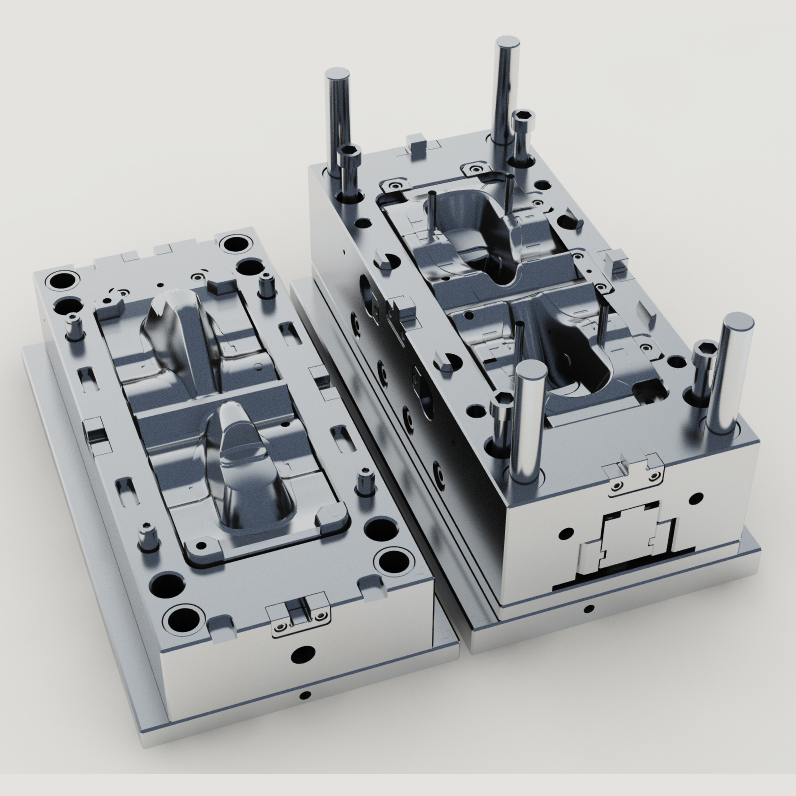
Distinguished medical injection molding suppliers function as true development partners rather than simple contract manufacturers, offering comprehensive service portfolios that support medical device projects from initial concept through commercial production and ongoing product lifecycle management. This partnership approach begins during early development phases where supplier engineering teams collaborate with device developers to refine designs for optimal manufacturability. Design for manufacturing reviews identify features that create molding challenges, suggest modifications that reduce production costs without compromising functionality, and optimize part geometries for efficient material flow and consistent quality. These early interventions prevent expensive tooling revisions and production delays that occur when designs progress to manufacturing without adequate moldability assessment. Medical injection molding suppliers with full-service capabilities provide rapid prototyping services that accelerate development timelines and reduce market entry risks. These services include 3D printing for initial design validation, prototype tooling for functional testing with production-intent materials, and bridge tooling for clinical trial supplies or limited market releases. The ability to produce representative parts early in development enables earlier design validation, supports regulatory submissions with parts manufactured through processes similar to commercial production, and allows market testing before committing to expensive production tooling investments. Tool design and fabrication represent core competencies where experienced medical injection molding suppliers deliver significant value. Their mold-making expertise encompasses complex geometries required for medical devices, incorporating features such as side actions for undercuts, unscrewing mechanisms for threaded components, and hot runner systems for efficient production. Suppliers typically maintain relationships with multiple tool shops, including domestic facilities for rapid iteration and overseas sources for cost-effective production tooling, giving clients flexibility in balancing speed and budget considerations. The partnership extends into production phases where medical injection molding suppliers provide program management, inventory control, and supply chain coordination that simplifies operations for medical device companies. Vendor-managed inventory programs ensure component availability without excessive stock investments, kanban systems trigger production based on actual consumption patterns, and integrated logistics arrange just-in-time deliveries that minimize warehousing requirements. Additionally, forward-thinking medical injection molding suppliers support product lifecycle needs including engineering change implementation, obsolescence management when materials or regulations change, and production transfers if manufacturing location changes become necessary. This continuity of support throughout product life provides stability and reduces the burden on internal resources, allowing medical device companies to focus on innovation, clinical evidence generation, and market development activities that drive business growth.