Injection Manufacturing Solutions: Advanced Precision Production Technology for Modern Industries

Get a Quote
Get a Quote

injection manufacturing

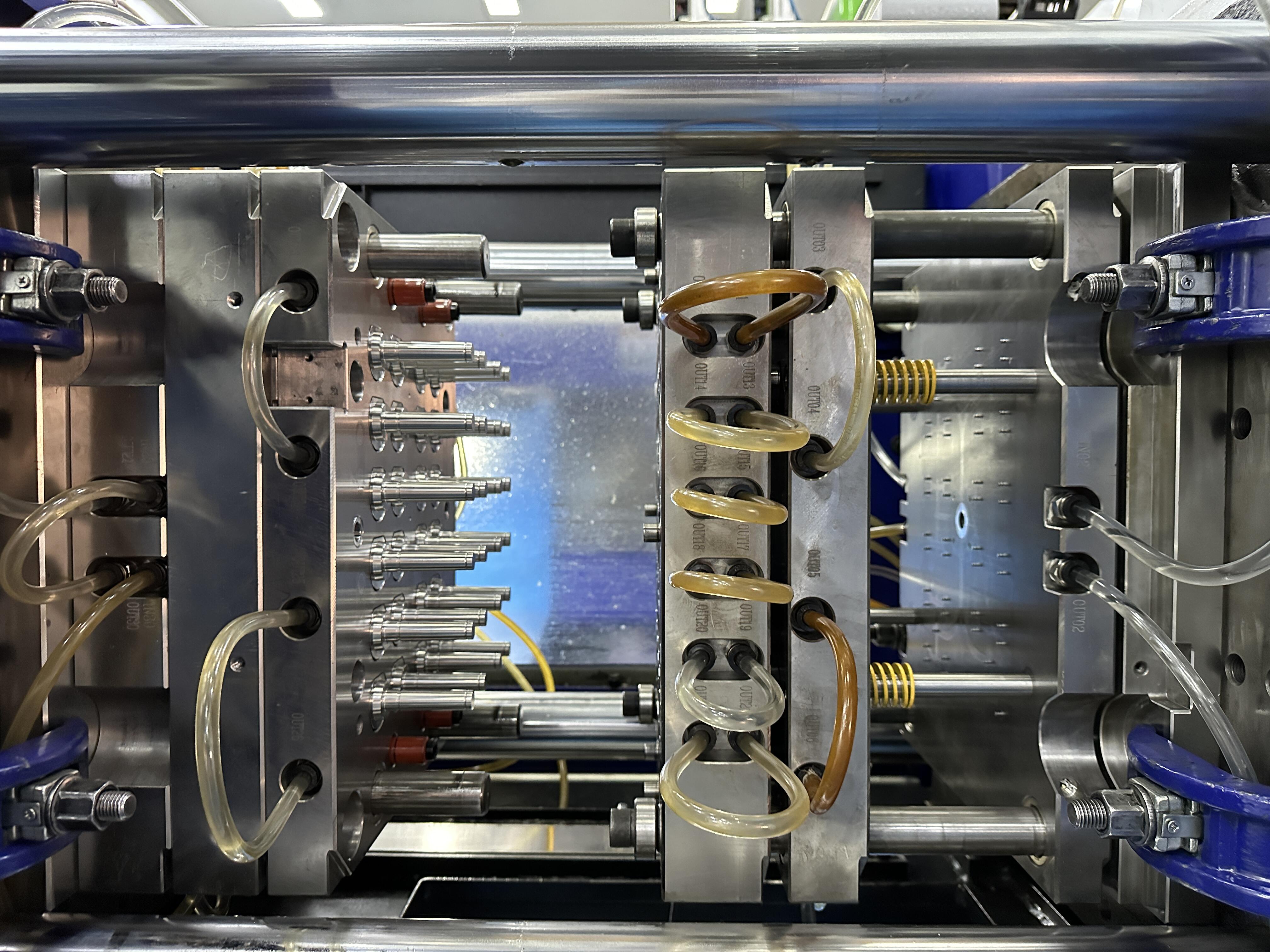
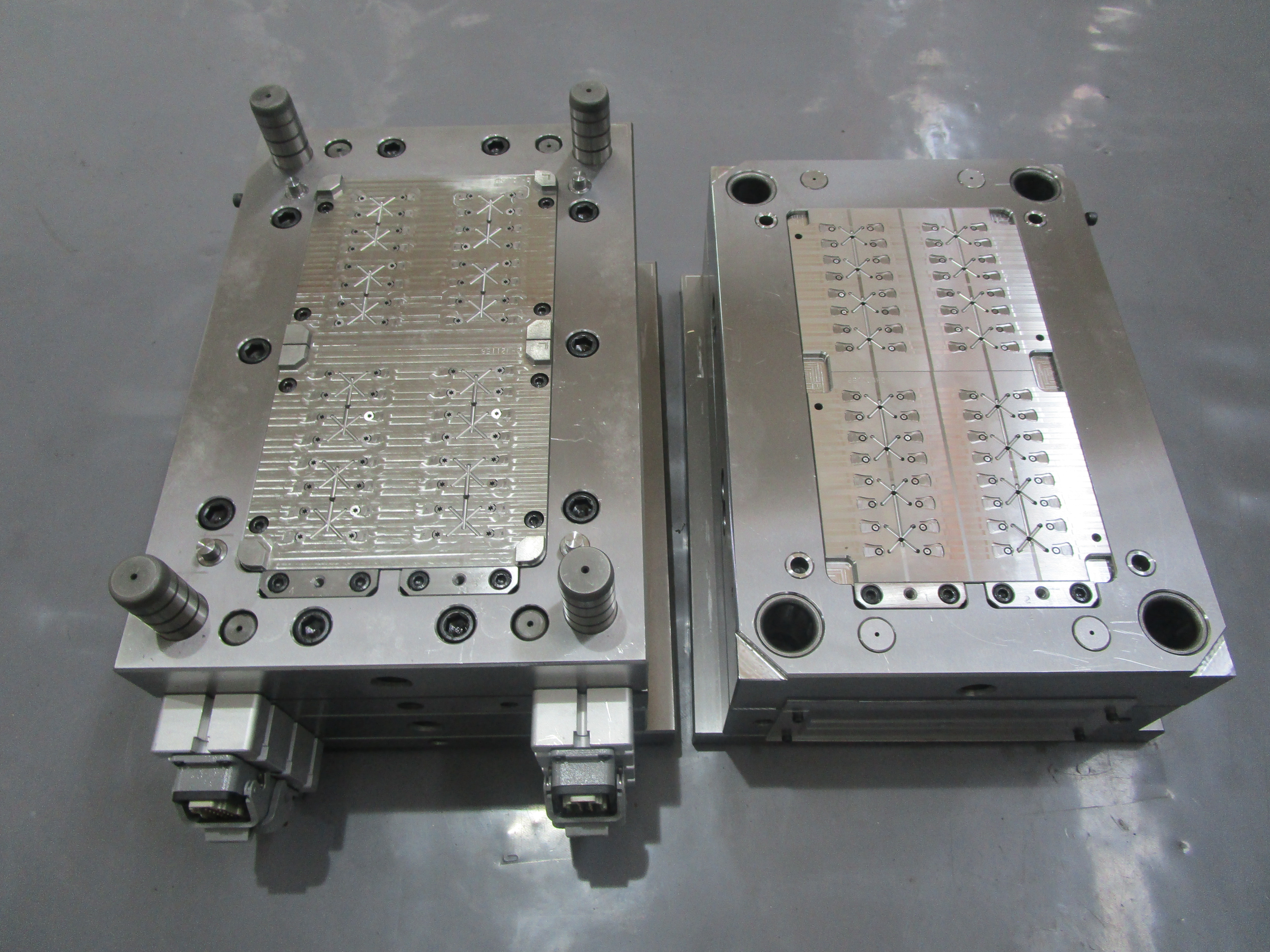
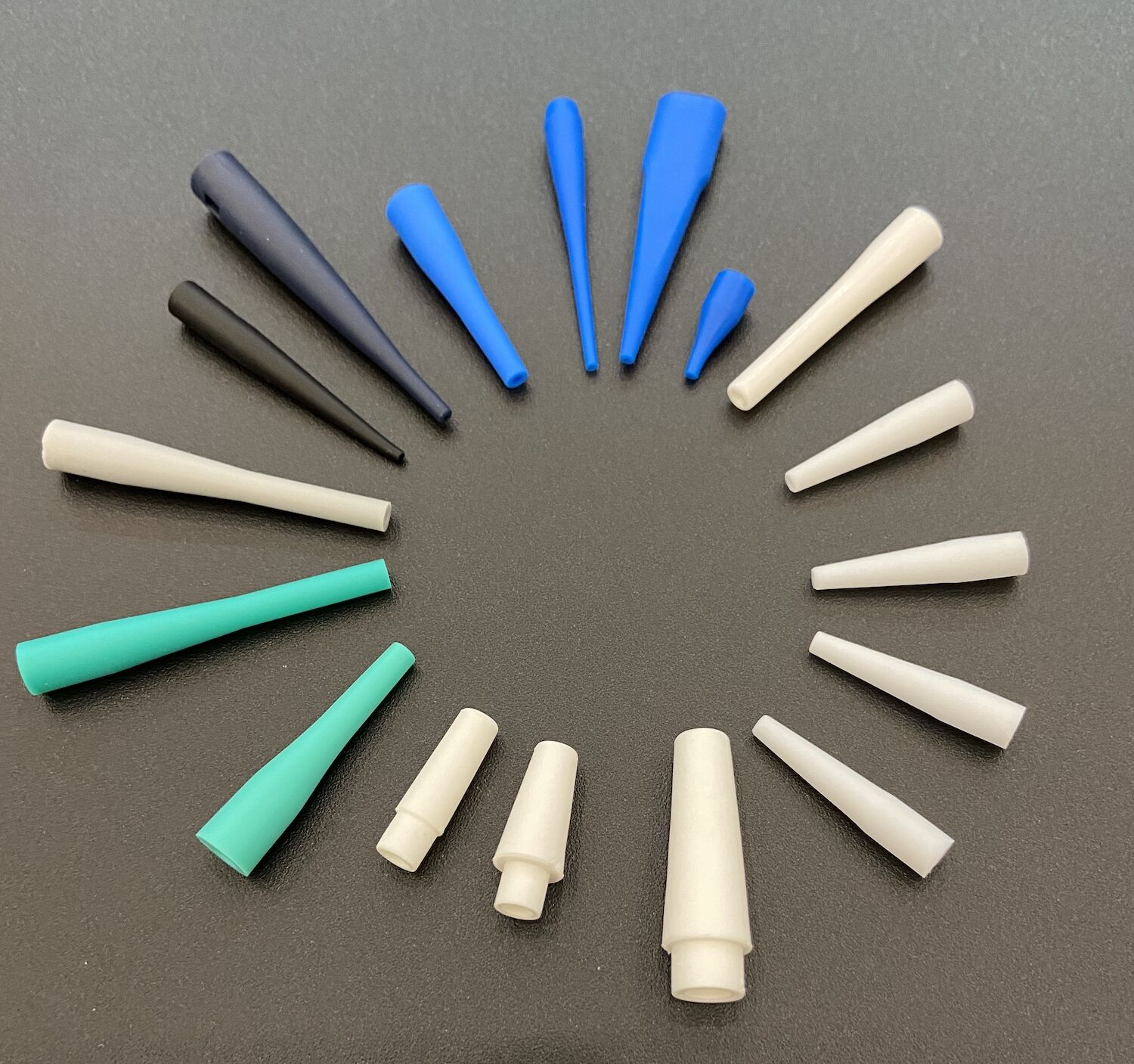
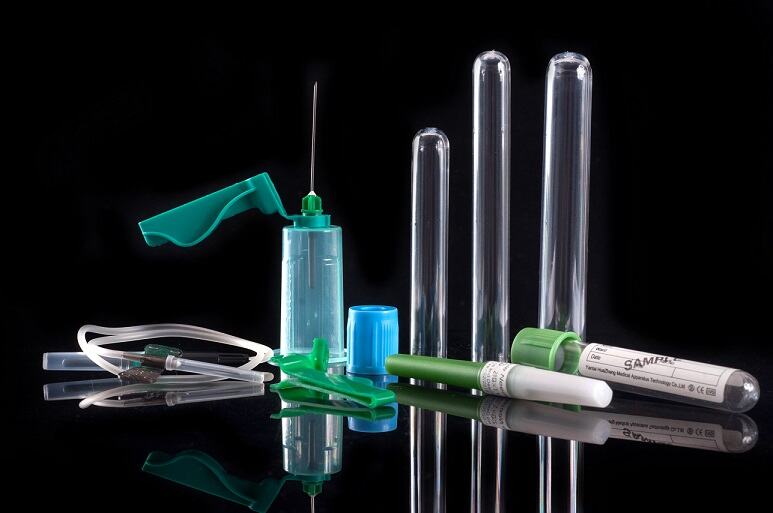
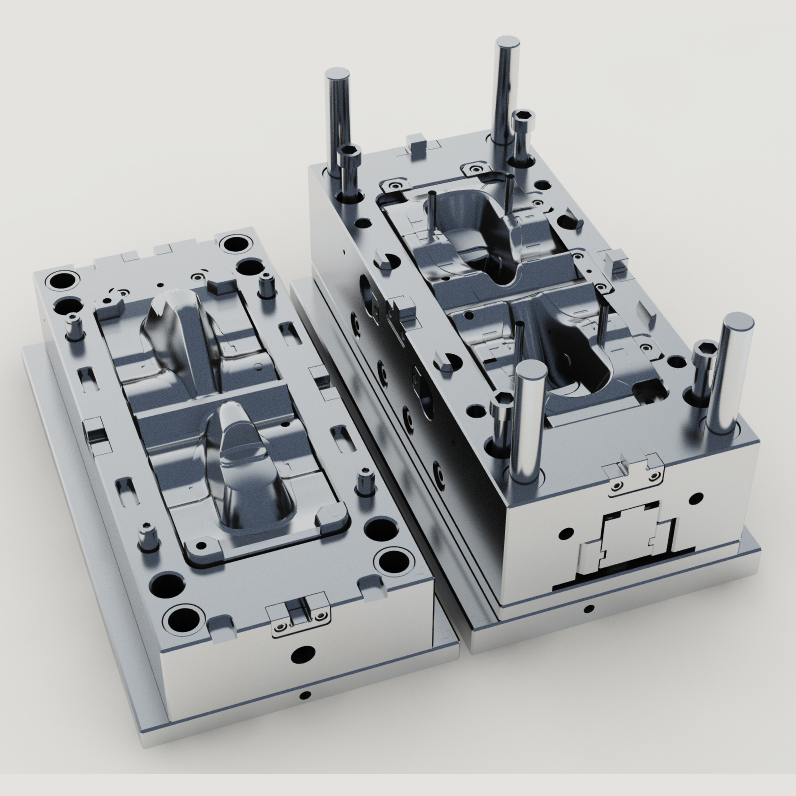
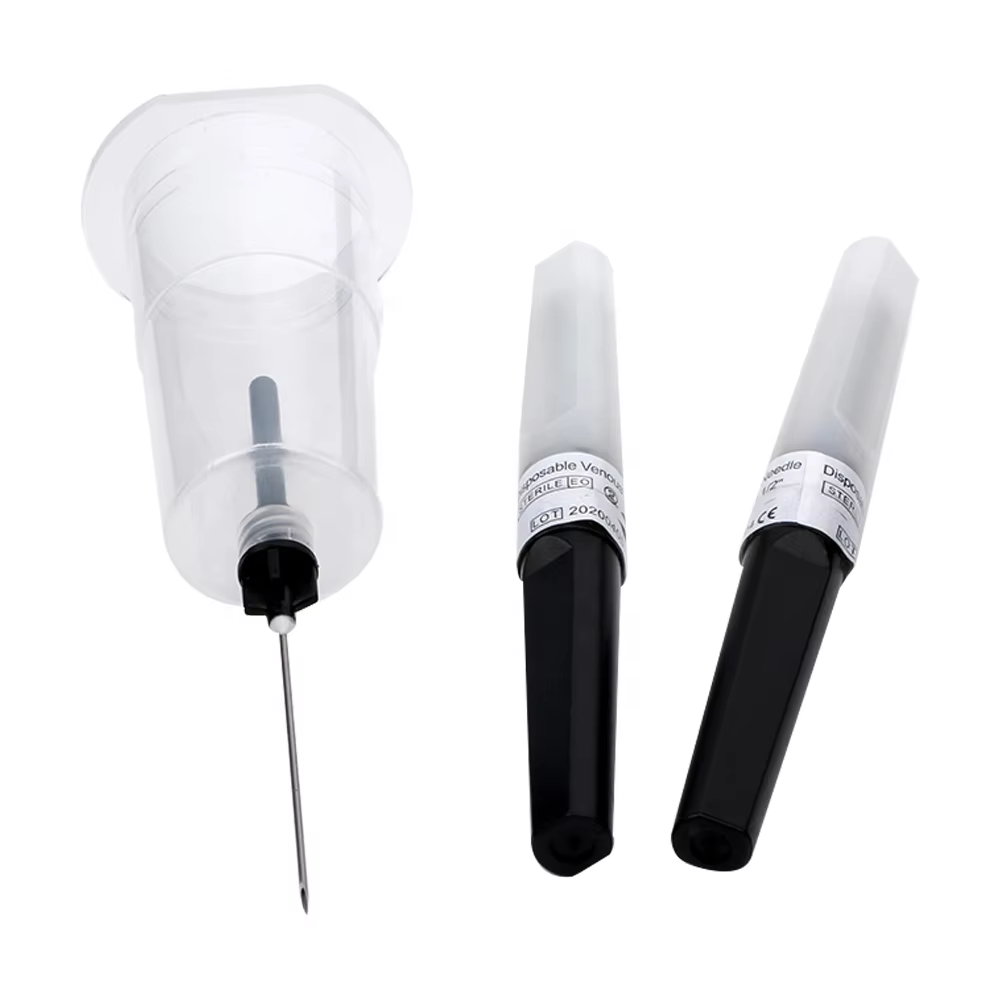
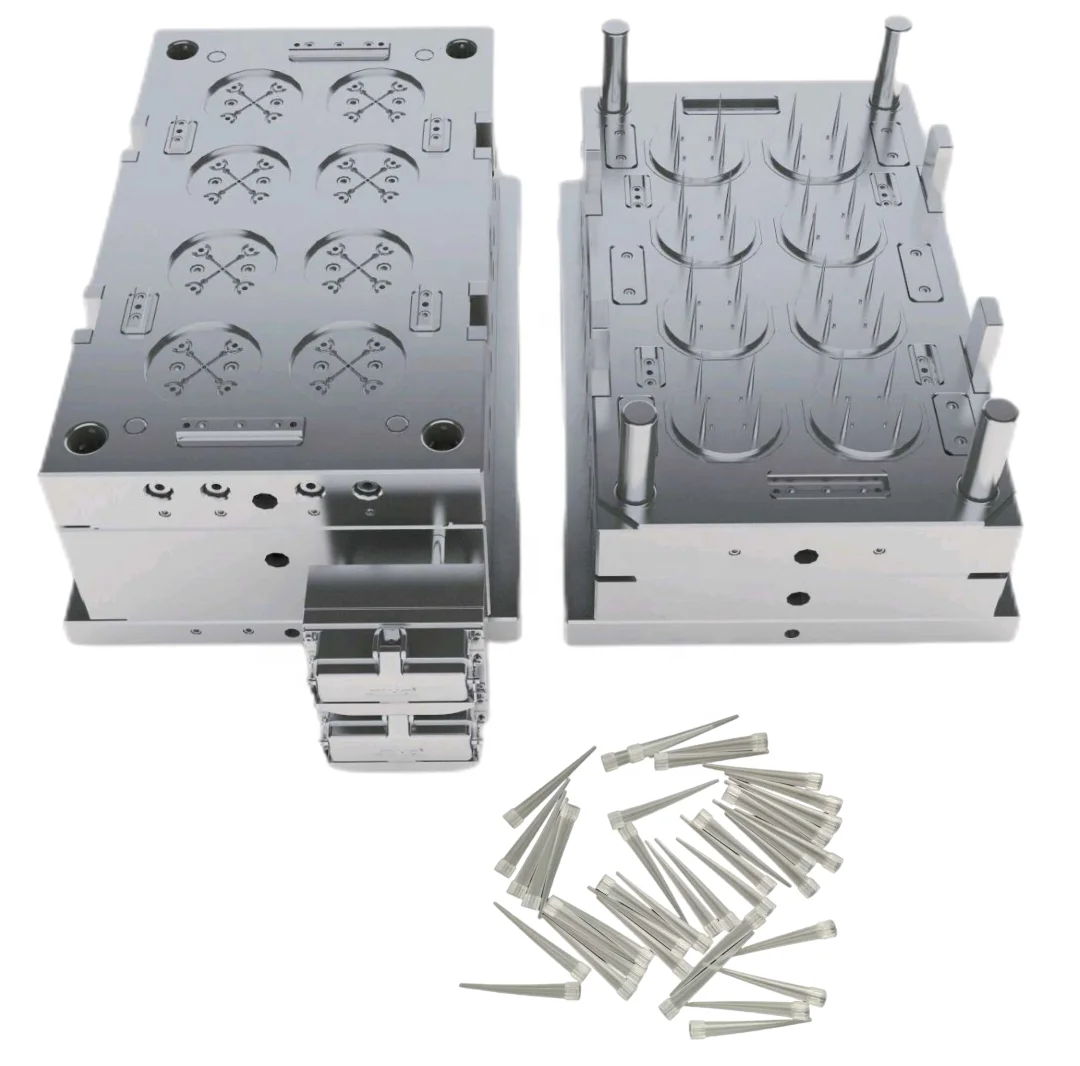
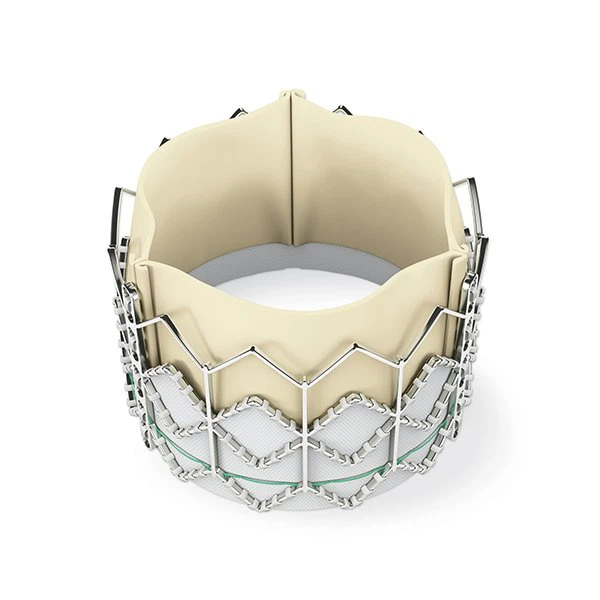
Injection manufacturing represents a sophisticated production methodology that has revolutionized modern industrial processes across countless sectors. This advanced technique involves forcing molten material, typically plastic polymers, into precisely engineered molds under high pressure to create parts with exceptional accuracy and consistency. The injection manufacturing process begins with raw material pellets being fed into a heated barrel where they melt into a viscous liquid. A reciprocating screw then injects this molten material into a temperature-controlled mold cavity at significant pressure, ensuring complete filling of even the most intricate geometries. Once the material cools and solidifies within the mold, the finished component is ejected, ready for immediate use or further assembly. The main functions of injection manufacturing extend beyond simple part production. This versatile process enables manufacturers to produce components ranging from microscopic medical devices to large automotive panels with remarkable dimensional precision. The technological features that distinguish injection manufacturing include automated production cycles, multi-cavity tooling capabilities, and advanced process monitoring systems that ensure consistent quality throughout production runs. Computer-controlled machinery allows for precise regulation of injection speed, pressure, temperature, and cooling time, creating optimal conditions for each specific material and design. The applications of injection manufacturing span virtually every industry imaginable. Consumer electronics rely on injection-manufactured housings and internal components. The automotive sector utilizes this process for dashboard assemblies, exterior trim, and under-hood components. Medical device manufacturers depend on injection manufacturing for sterile, biocompatible parts including syringes, surgical instruments, and diagnostic equipment housings. Packaging industries leverage this technology to produce bottles, containers, and closures at scale. Aerospace applications benefit from lightweight, high-strength components manufactured through specialized injection techniques. The versatility of injection manufacturing accommodates diverse materials including thermoplastics, thermosets, elastomers, and even metal powders in specialized applications, making it an indispensable cornerstone of contemporary manufacturing infrastructure.
Injection manufacturing delivers substantial cost savings that directly impact your bottom line. When you produce parts in high volumes, the per-unit cost decreases dramatically because the initial tooling investment spreads across thousands or millions of pieces. Your production runs faster than alternative methods, with cycle times often measured in seconds rather than minutes, which means you can fulfill orders quickly and respond to market demands without delay. The automated nature of injection manufacturing reduces labor costs significantly since machines operate continuously with minimal human intervention, freeing your workforce to focus on quality control and strategic tasks rather than repetitive manual operations. You gain exceptional design flexibility that lets you create complex geometries impossible with other manufacturing techniques. Intricate features like threads, undercuts, hinges, and textured surfaces can be molded directly into parts, eliminating secondary operations that add time and expense. This capability allows your design team to innovate without being constrained by manufacturing limitations, giving you competitive advantages in product differentiation. The material efficiency of injection manufacturing means you waste very little raw material during production. The process uses precisely measured amounts of material for each part, and any excess material from runners or sprues can typically be reground and reused, minimizing scrap costs and supporting your sustainability initiatives. Your parts achieve superior quality and consistency that builds customer confidence in your products. Each component emerges from the mold with identical specifications, maintaining tight tolerances that ensure proper fit and function in assemblies. The high injection pressures create dense, strong parts with excellent surface finishes that often require no additional finishing operations, saving you post-processing time and costs. You can incorporate multiple materials or colors in a single molding cycle through overmolding or multi-shot techniques, creating sophisticated products with enhanced functionality or aesthetic appeal without assembly steps. This integration reduces part count, simplifies your supply chain, and eliminates potential failure points from mechanical fasteners or adhesives. The repeatability of injection manufacturing protects your brand reputation by delivering consistent quality across production batches, whether you manufacture one thousand pieces or one million. Modern injection manufacturing equipment provides real-time process monitoring and quality data that help you identify issues before they become costly problems. This proactive approach to quality management reduces reject rates and ensures that your customers receive products that meet or exceed their expectations every time. The scalability of injection manufacturing grows with your business, accommodating production volume increases without requiring fundamental changes to your manufacturing approach, making it an ideal solution for companies at any stage of growth.

Latest News

What's the difference between OEM tooling and regular tooling?

22

Oct

What's the difference between OEM tooling and regular tooling?

Understanding the Core Distinctions of Original Equipment Manufacturing Tools The manufacturing industry relies heavily on precision tools and equipment to create high-quality products. When it comes to tooling solutions, there's often confusion betw...
View More
Top Benefits of Working With a Reliable Injection Manufacturer

27

Nov

Top Benefits of Working With a Reliable Injection Manufacturer

In today's competitive manufacturing landscape, partnering with a reliable injection manufacturer has become crucial for businesses across various industries. From medical devices to automotive components, plastic injection molding remains one of the...
View More
How Can Custom Mold and OEM Molding Improve Product Manufacturing Efficiency?

23

Dec

How Can Custom Mold and OEM Molding Improve Product Manufacturing Efficiency?

Manufacturing efficiency has become the cornerstone of competitive advantage in today's industrial landscape. Companies across various sectors are discovering that traditional manufacturing approaches often fall short of meeting modern demands for pr...
View More
How Does Insert Injection Molding Combine Metals and Plastics Efficiently?

23

Dec

How Does Insert Injection Molding Combine Metals and Plastics Efficiently?

Insert injection molding represents a revolutionary manufacturing process that seamlessly combines different materials, particularly metals and plastics, to create composite components with enhanced functionality and durability. This advanced techniq...
View More

Get a Free Quote

Our representative will contact you soon.
0/1000
Unmatched Production Speed and Efficiency

Unmatched Production Speed and Efficiency

Injection manufacturing stands out for its remarkable ability to produce finished parts at speeds that surpass virtually all other manufacturing methods available today. Once your molds reach optimal operating temperature and the process parameters are established, each production cycle can be completed in a matter of seconds, depending on part size and complexity. This extraordinary speed translates directly into higher output volumes that enable you to meet aggressive delivery schedules and capitalize on market opportunities before competitors can respond. The efficiency advantages extend far beyond raw cycle time. Modern injection manufacturing systems incorporate sophisticated automation that handles material loading, part ejection, quality inspection, and packaging with minimal human involvement. This automation ensures consistent operation during extended production runs, including overnight and weekend shifts, maximizing your equipment utilization and return on investment. The rapid changeover capabilities of advanced injection manufacturing equipment allow you to switch between different products or colors quickly, reducing downtime and enabling flexible production scheduling that accommodates varied order sizes and customer requirements. Your production planning becomes more predictable because injection manufacturing delivers reliable, repeatable cycle times that allow accurate forecasting of completion dates. This predictability improves your ability to commit to delivery schedules with confidence, strengthening customer relationships and supporting just-in-time manufacturing strategies that minimize inventory carrying costs. The energy efficiency of modern injection manufacturing machinery contributes to operational cost savings while supporting your corporate sustainability goals. Advanced heating systems, optimized hydraulic circuits, and electric drive technologies reduce power consumption compared to older equipment generations, lowering your utility expenses and environmental footprint simultaneously. The combination of high-speed production, extensive automation, quick changeovers, predictable scheduling, and energy efficiency creates a manufacturing environment where you achieve maximum productivity from your capital investments while maintaining the flexibility to adapt to changing business conditions and customer demands.
Exceptional Precision and Quality Consistency

Exceptional Precision and Quality Consistency

Injection manufacturing excels in producing components with dimensional accuracy and surface quality that meet the most demanding specifications across industries. The process achieves tolerances measured in thousandths of an inch, ensuring that parts fit together perfectly in assemblies without requiring hand fitting or adjustment. This precision stems from the use of carefully machined steel or aluminum molds combined with computer-controlled injection parameters that regulate every aspect of the molding cycle. Your quality control efforts benefit enormously from the inherent consistency of injection manufacturing. Once process parameters are optimized and validated, every subsequent part replicates the same characteristics with minimal variation. This consistency eliminates the quality fluctuations common in manual or less controlled manufacturing processes, reducing your inspection requirements and warranty claims while building customer trust in your products. The surface finish quality achievable through injection manufacturing ranges from high-gloss mirror finishes to precisely textured surfaces, all created directly in the mold without secondary finishing operations. This capability allows you to deliver products with premium aesthetics straight from the machine, reducing production time and costs while ensuring uniform appearance across all units. The molecular structure of injection-molded parts exhibits excellent strength characteristics because the high injection pressures pack material tightly within the mold cavity, creating dense, void-free components with superior mechanical properties. Your products withstand demanding use conditions and extended service lives that enhance customer satisfaction and reduce field failures. Advanced injection manufacturing techniques enable you to control material orientation, wall thickness distribution, and internal stress patterns, optimizing part performance for specific applications. This level of control allows your engineering team to design components that use material efficiently while meeting structural requirements, reducing weight and material costs without compromising functionality. The quality documentation capabilities of modern injection manufacturing systems provide complete traceability for every production run, recording process parameters, material batch information, and quality measurements that support regulatory compliance requirements in medical, automotive, and aerospace applications. This comprehensive data trail protects your business from liability concerns while demonstrating your commitment to quality excellence.
Remarkable Material Versatility and Innovation Potential

Remarkable Material Versatility and Innovation Potential

Injection manufacturing accommodates an extraordinarily diverse range of materials that enable you to select the optimal properties for each specific application. Commodity thermoplastics like polyethylene and polypropylene offer cost-effective solutions for everyday products, while engineering resins such as nylon, polycarbonate, and acetal provide enhanced strength, temperature resistance, and chemical durability for demanding environments. Specialty polymers including PEEK, liquid crystal polymers, and fluoropolymers serve extreme conditions in aerospace, medical, and industrial applications where conventional materials would fail. Your design possibilities expand further through the use of filled and reinforced compounds that incorporate glass fibers, carbon fibers, minerals, or other additives to enhance specific properties like stiffness, impact resistance, electrical conductivity, or thermal management. These advanced materials allow you to replace metal components with lighter, corrosion-resistant plastic alternatives that reduce weight and manufacturing costs while maintaining or exceeding performance requirements. The compatibility of injection manufacturing with elastomeric materials brings rubber-like flexibility and sealing capabilities to your product designs. Thermoplastic elastomers combine the processing advantages of plastics with the functional properties of rubber, enabling you to mold soft-touch grips, seals, gaskets, and flexible connectors using standard injection equipment without the vulcanization processes required for traditional rubbers. Color customization reaches unlimited possibilities through injection manufacturing, allowing you to match precise brand colors, create multi-color effects, or incorporate special visual features like metallic finishes, pearlescent effects, or glow-in-the-dark properties. These aesthetic options help your products stand out in competitive markets while maintaining the structural integrity and performance characteristics essential for function. The sustainability potential of injection manufacturing continues to expand as bio-based polymers derived from renewable resources and advanced recycled materials gain performance capabilities rivaling virgin resins. Your company can reduce environmental impact by specifying these sustainable materials without sacrificing the quality, consistency, or cost advantages that make injection manufacturing attractive. The ongoing development of new polymer formulations and processing techniques ensures that injection manufacturing remains at the forefront of materials innovation, providing you with continuously expanding options for creating products that meet evolving customer expectations, regulatory requirements, and performance standards across all market segments and applications.