Precision Molding: Accurate Manufacturing Solutions

application/precision-molding, application/precision-molding, 
Get a Quote
Get a Quote

precision molding

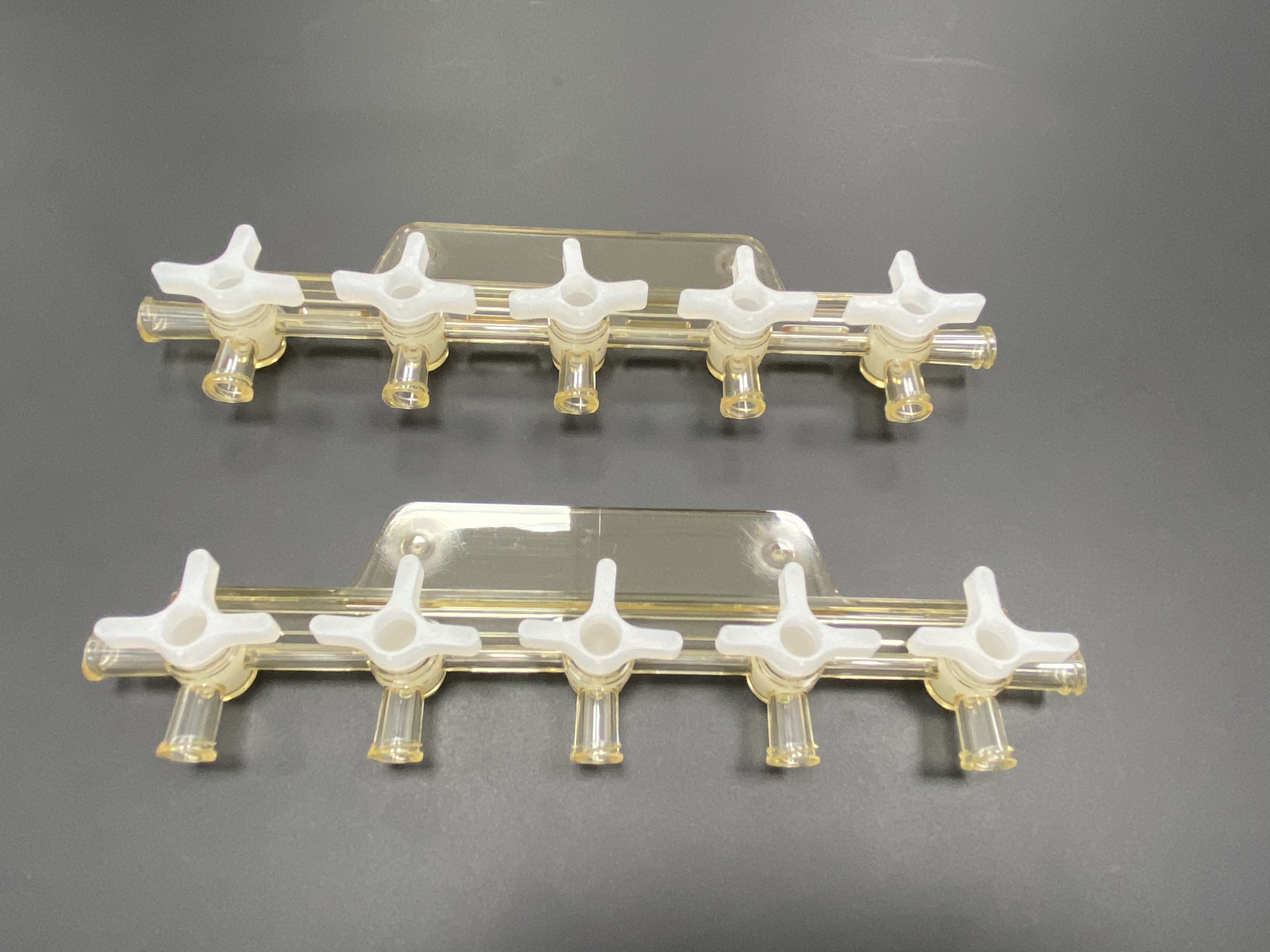
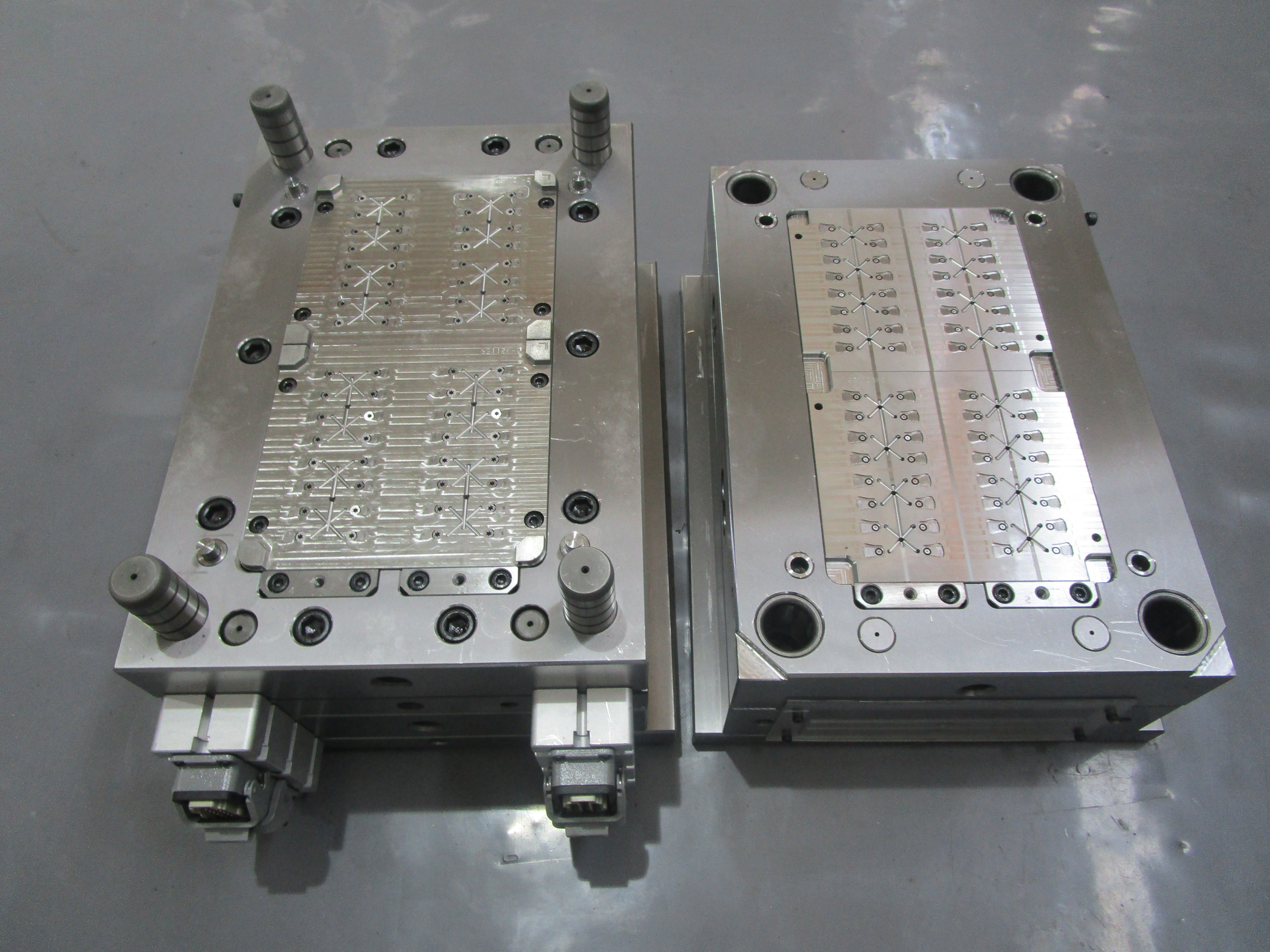
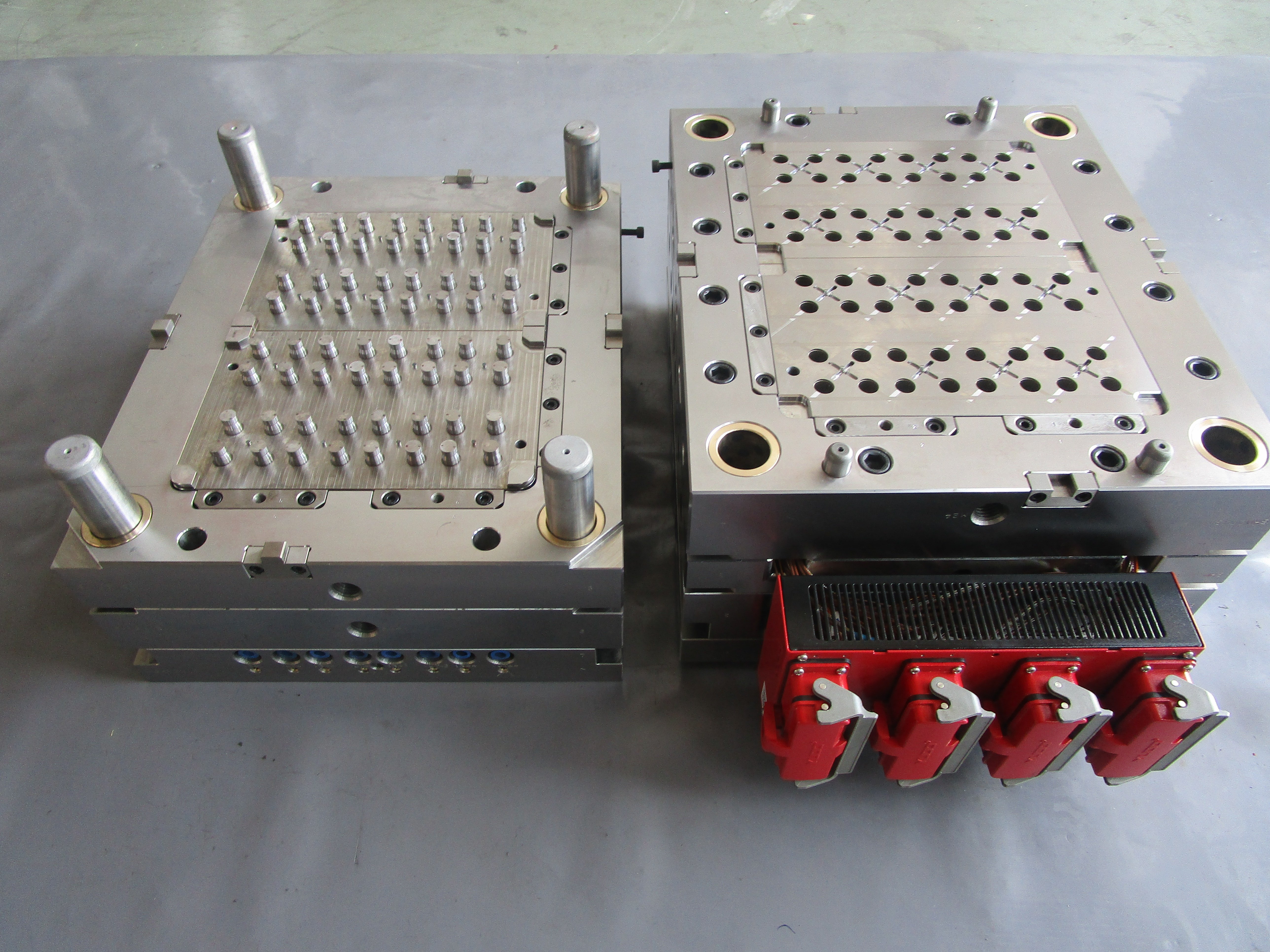
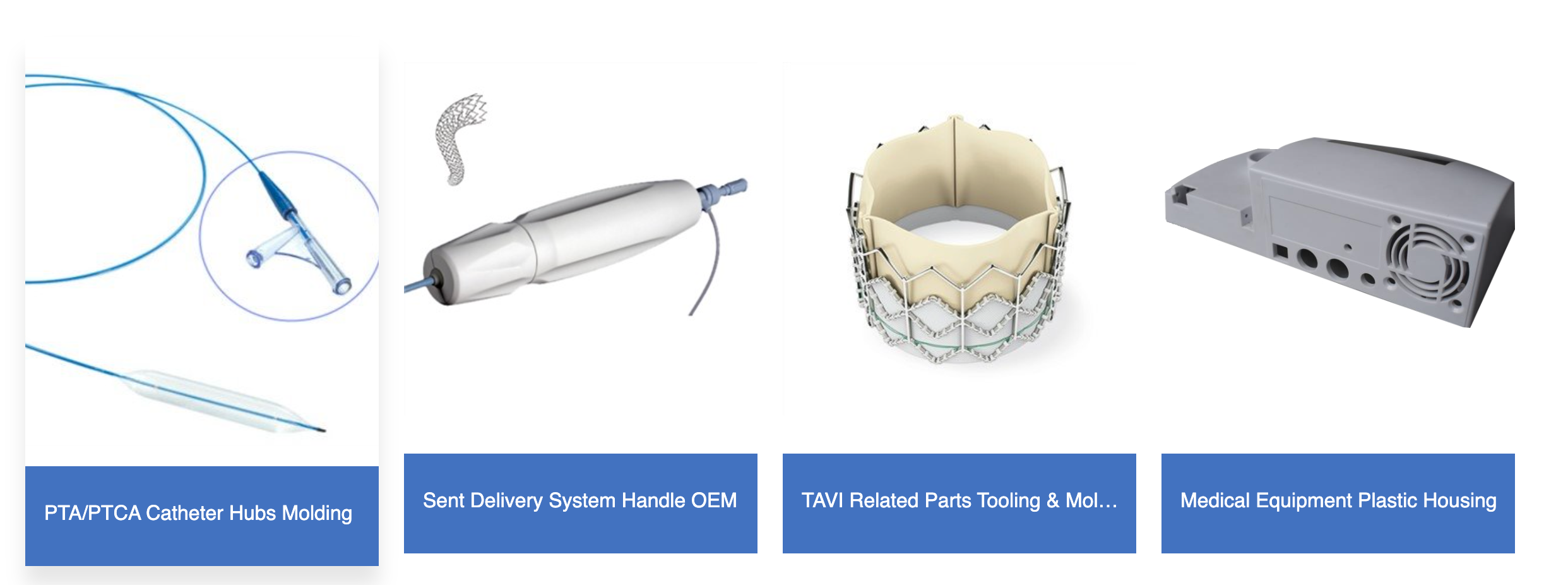
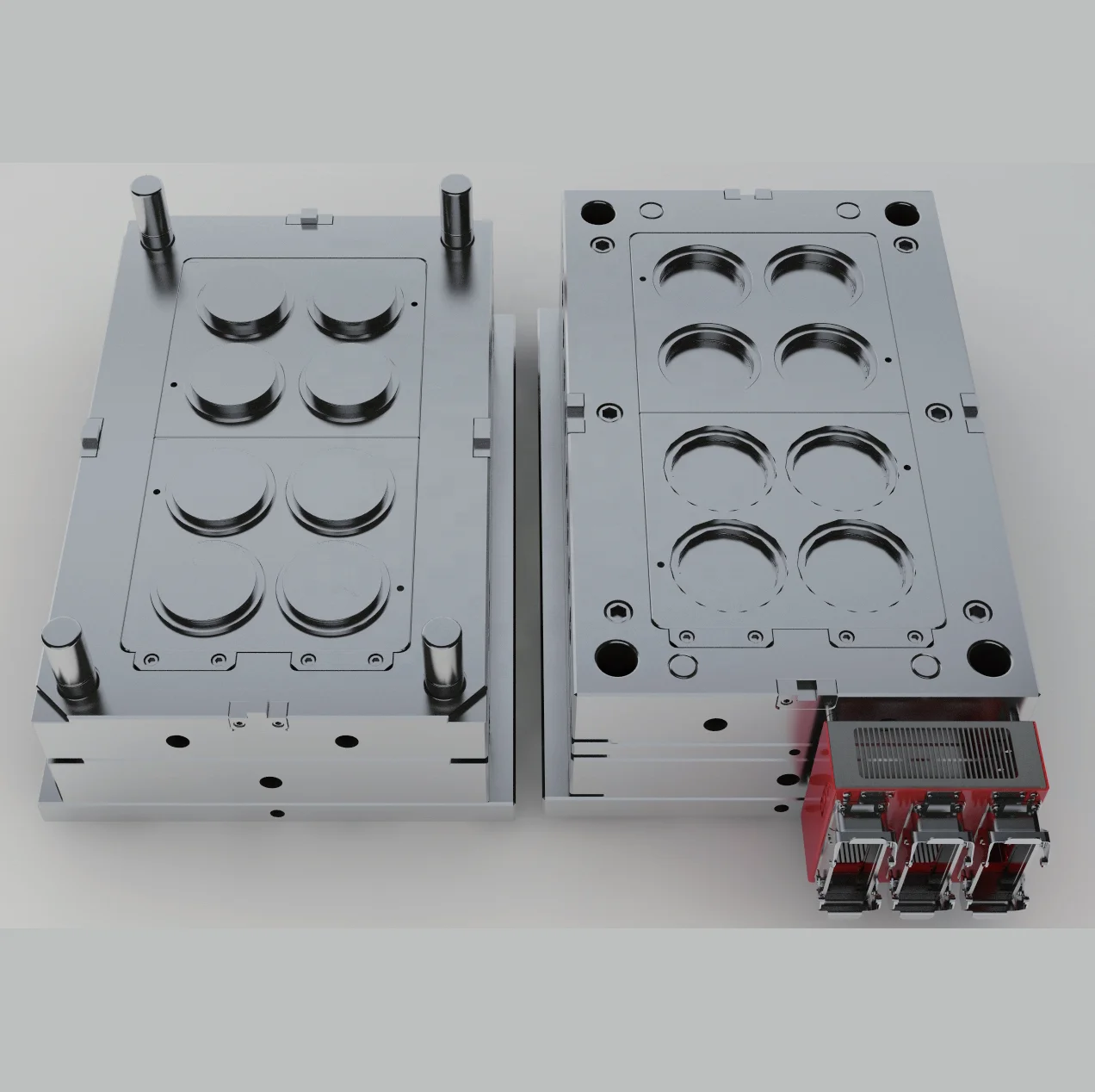
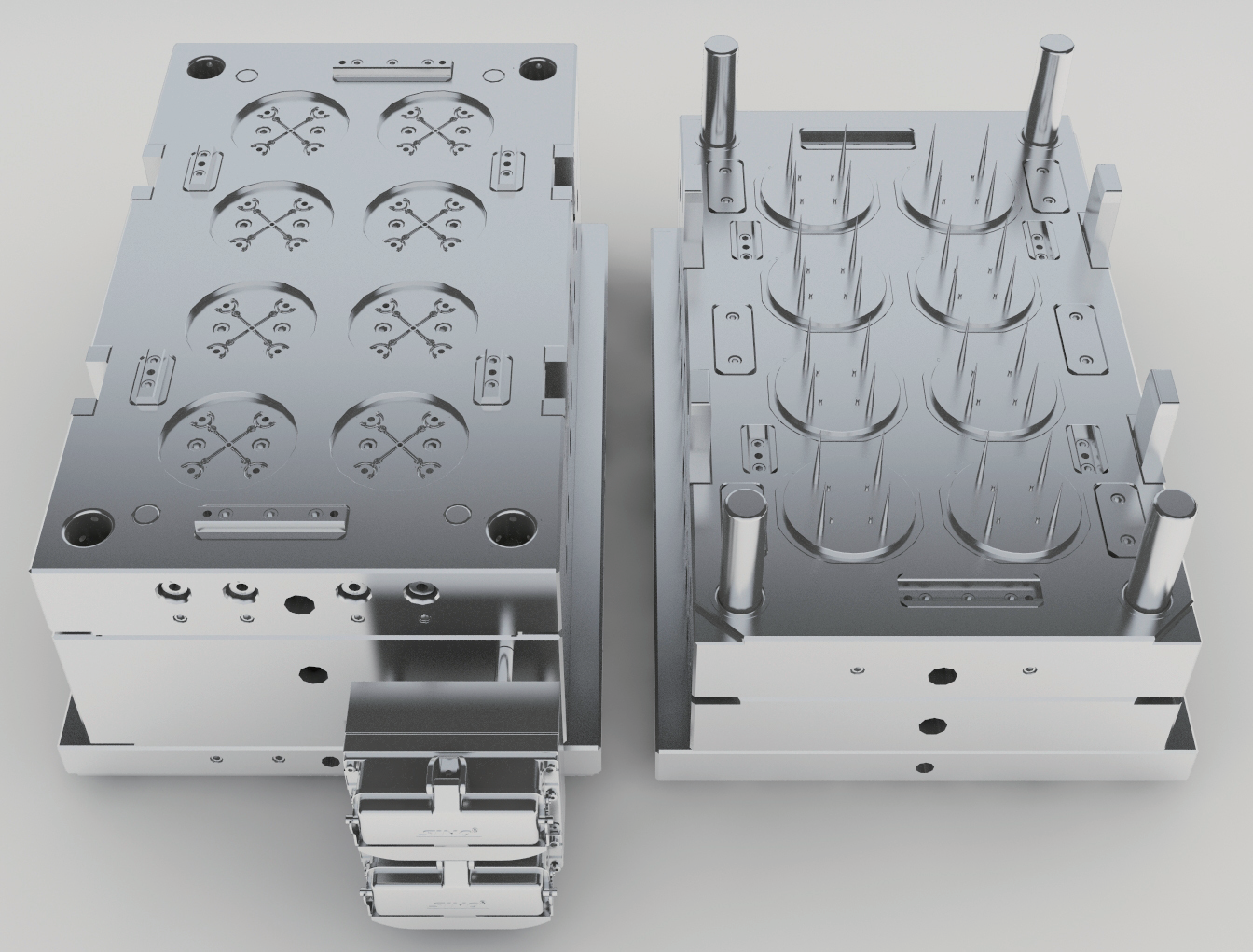
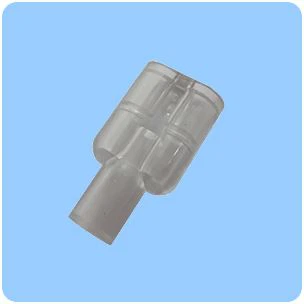
Precision molding represents a sophisticated manufacturing process that produces high-accuracy plastic and composite components with exceptional dimensional consistency. This advanced production method combines cutting-edge technology with meticulous control systems to create parts that meet stringent quality standards across multiple industries. Precision molding utilizes computer-controlled injection systems, advanced mold designs, and real-time monitoring to ensure every component meets exact specifications. The main functions of precision molding include producing complex geometries, maintaining tight tolerances, and delivering consistent results across large production runs. Technological features encompass hot runner systems, multi-cavity molds, and automated quality verification that distinguish modern precision molding from conventional manufacturing. The process accommodates various materials including engineering plastics, medical-grade polymers, and specialty compounds. Applications span automotive components, medical devices, consumer electronics, telecommunications equipment, and industrial machinery. Precision molding enables manufacturers to produce intricate parts with wall thickness variations, fine details, and integrated features that would be impossible through conventional molding techniques. The capability to achieve tolerances as tight as ±0.01mm makes precision molding indispensable for applications demanding exceptional accuracy. Industries rely on precision molding for components requiring superior dimensional accuracy, consistent material properties, and reliable performance. Modern precision molding facilities employ advanced process controls and comprehensive quality assurance protocols to guarantee customer satisfaction and product reliability throughout production cycles.
Precision molding delivers substantial practical benefits that directly address manufacturing challenges and drive measurable value for businesses. The primary advantage involves achieving exceptional dimensional accuracy, enabling companies to produce components that require minimal post-processing and fit seamlessly within assembly operations. This accuracy reduces waste and rework costs significantly. Precision molding enhances operational efficiency by minimizing scrap rates and production delays associated with out-of-specification parts. Manufacturers experience faster production cycles and higher throughput rates when implementing precision molding solutions. Cost effectiveness emerges as a critical benefit, as precision molding optimizes material usage and reduces labor-intensive finishing operations. The process enables high-volume production while maintaining consistent quality, delivering economies of scale that improve profitability. Precision molding facilitates complex design implementation, allowing engineers to create sophisticated geometries and integrated features that enhance product functionality. This capability enables competitive differentiation through innovative product designs previously unattainable through conventional manufacturing methods. Quality consistency provides another substantial operational benefit, ensuring every component meets identical specifications regardless of production time or batch sequence. This reliability strengthens customer relationships and reduces liability risks associated with quality variations. Precision molding supports sustainability initiatives by reducing material waste and energy consumption compared to alternative manufacturing processes. Application suitability spans demanding industries including medical devices, automotive systems, and consumer electronics where quality standards are non-negotiable. Decision-useful context includes recognition that precision molding investments yield rapid returns through reduced scrap, improved productivity, and enhanced customer satisfaction metrics.

Tips And Tricks

What are the technical challenges in precision OEM tooling manufacturing?

22

Oct

What are the technical challenges in precision OEM tooling manufacturing?

Understanding the Complex World of Advanced Manufacturing Technologies The realm of precision OEM tooling represents one of manufacturing's most demanding sectors, where tolerances are measured in microns and quality standards are uncompromising. As ...
View More
What Makes Top Injection Moulding Product Manufacturers Stand Out?

27

Nov

What Makes Top Injection Moulding Product Manufacturers Stand Out?

The manufacturing landscape has witnessed remarkable transformations over the past decades, with injection moulding emerging as one of the most critical production processes across multiple industries. From automotive components to medical devices, c...
View More
Why is precision medical plastic injection mold critical for life-saving medical components?

06

Jan

Why is precision medical plastic injection mold critical for life-saving medical components?

The manufacturing of life-saving medical devices demands unwavering precision, safety, and reliability at every stage of production. At the heart of this critical process lies the medical plastic injection mold, a sophisticated manufacturing tool tha...
View More
Precision vs. Accuracy in Machining: Key Differences, Influencing Factors & How to Achieve Both

21

May

Precision vs. Accuracy in Machining: Key Differences, Influencing Factors & How to Achieve Both

Meta Description: What’s the difference between precision and accuracy in CNC machining? Learn how each affects part quality, what tolerance levels are possible, and the 7 key factors that impact both. Introduction In mechanical machining, the...
View More

Get a Free Quote

Our representative will contact you soon.
0/1000
Exceptional Dimensional Accuracy and Tight Tolerance Control

Exceptional Dimensional Accuracy and Tight Tolerance Control

Precision molding delivers unparalleled dimensional accuracy that distinguishes it from conventional manufacturing processes. Modern precision molding equipment maintains tolerances as tight as ±0.01mm, enabling production of components where every dimension directly impacts functionality and compatibility. This exceptional accuracy stems from advanced mold design, precision hydraulic systems, and real-time monitoring technologies embedded within contemporary precision molding facilities. The capability to control dimensional consistency across thousands of production cycles ensures that each component meets identical specifications, eliminating variation-related assembly problems and quality concerns. Tight tolerance control through precision molding reduces the necessity for costly secondary operations such as grinding, finishing, or manual adjustment. Industries requiring exceptional precision—including medical device manufacturers, aerospace suppliers, and automotive electronics producers—depend on precision molding to deliver components meeting their demanding technical requirements. The financial impact proves substantial, as precision molding eliminates costly rework cycles and reduces overall production expense through first-pass success rates. Organizations implementing precision molding benefit from improved customer satisfaction, reduced warranty claims, and enhanced reputation for quality excellence. This advantage becomes particularly valuable in markets where product reliability directly influences purchasing decisions and brand loyalty.
Complex Geometry and Feature Integration Capabilities

Complex Geometry and Feature Integration Capabilities

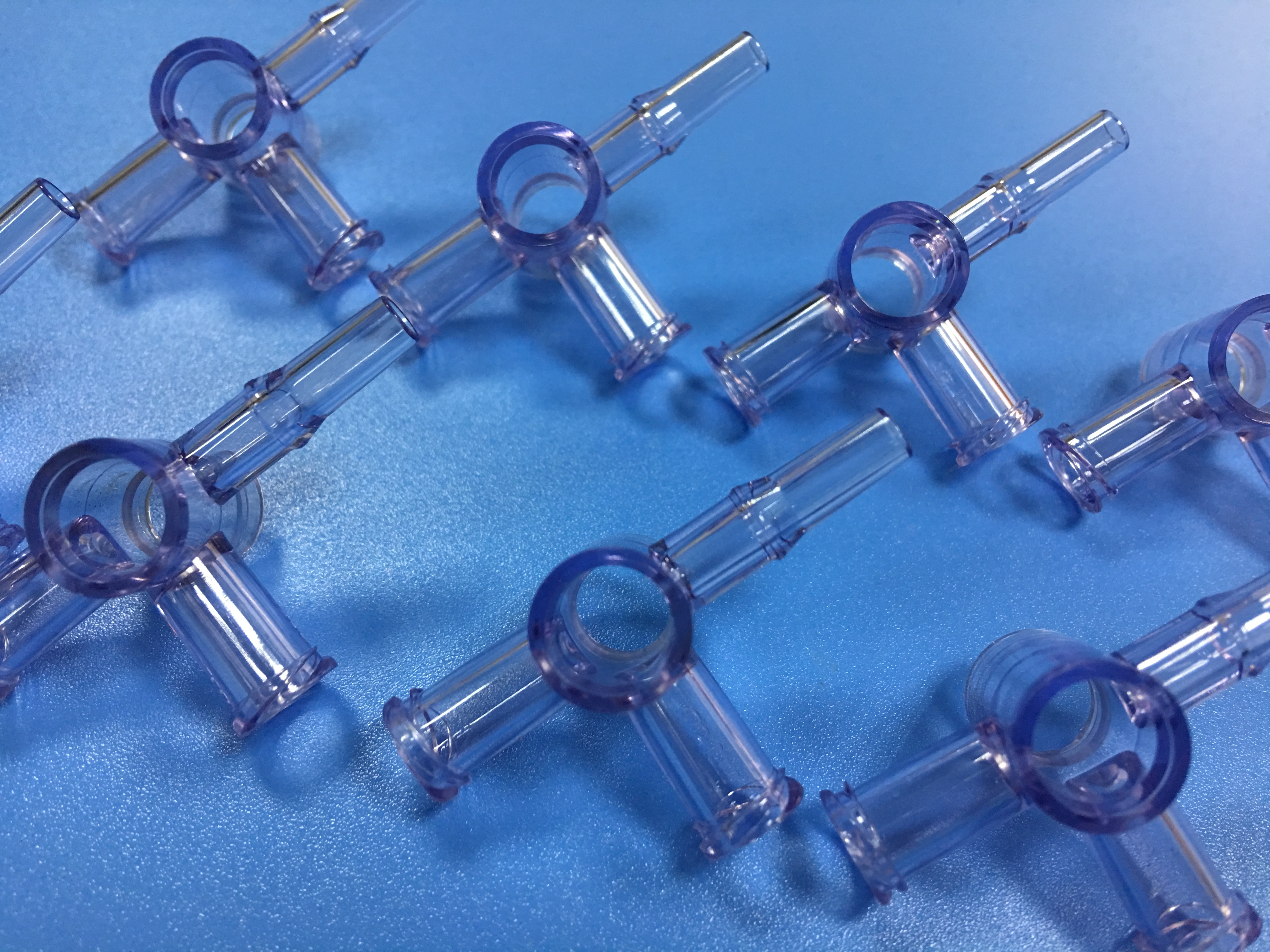
Precision molding enables production of extraordinarily complex geometries and integrated features that traditional manufacturing cannot achieve economically. The technology supports intricate designs including undercuts, thin walls, varying wall thickness, and multi-level features within single molded components. This capability transforms product design possibilities, allowing engineers to consolidate multiple parts into unified precision molded assemblies, thereby reducing overall component count and assembly complexity. Precision molding accommodates advanced features such as threaded inserts, snap fits, precise surface textures, and functional details molded directly into components. The integration of multiple functions within precision molded parts reduces assembly time, labor requirements, and potential assembly errors associated with multi-component configurations. Design flexibility offered by precision molding drives innovation, enabling manufacturers to create products with enhanced functionality, improved aesthetics, and superior performance characteristics. Companies leveraging precision molding's design capabilities gain competitive advantages through differentiated products that competitors cannot readily replicate. The process supports rapid prototyping and design iteration, facilitating faster time-to-market for new products. Complex geometry precision molding applications include medical device components with intricate internal channels, automotive connector systems with precision-engineered contact surfaces, and consumer electronics housings with integrated features. The economic advantage extends beyond production efficiency, creating opportunities for value-added product offerings that command premium market positioning.
Consistent Quality and Reliable Production Repeatability

Consistent Quality and Reliable Production Repeatability

Precision molding ensures production consistency through sophisticated process control systems that maintain identical conditions throughout manufacturing cycles. Automated monitoring technology continuously tracks pressure, temperature, cooling rates, and material flow within precision molding systems, enabling immediate adjustment if parameters deviate from specifications. This technological oversight guarantees that every component produced matches exact dimensional and material property standards regardless of production sequence or operational timeframe. Reliable repeatability through precision molding builds customer confidence, strengthens supply chain relationships, and reduces quality-related business risks. Manufacturers implementing precision molding experience dramatically reduced defect rates, minimal field failures, and lower warranty claim expenses compared to conventional production methods. Consistency in precision molding results translates to streamlined inventory management, predictable production schedules, and enhanced supply chain reliability. Quality documentation and traceability inherent in precision molding operations provide comprehensive evidence of compliance with regulatory requirements and customer specifications. Industries including medical devices, pharmaceuticals, and food packaging depend on precision molding's quality consistency to meet stringent regulatory standards and maintain market authorization. The operational benefit extends to reduced customer inspection requirements, faster approval cycles, and improved long-term partnership stability. Organizations establishing precision molding as their manufacturing standard achieve competitive advantage through reputation for unwavering quality, supporting premium pricing strategies and market leadership positions.