male to male luer lock
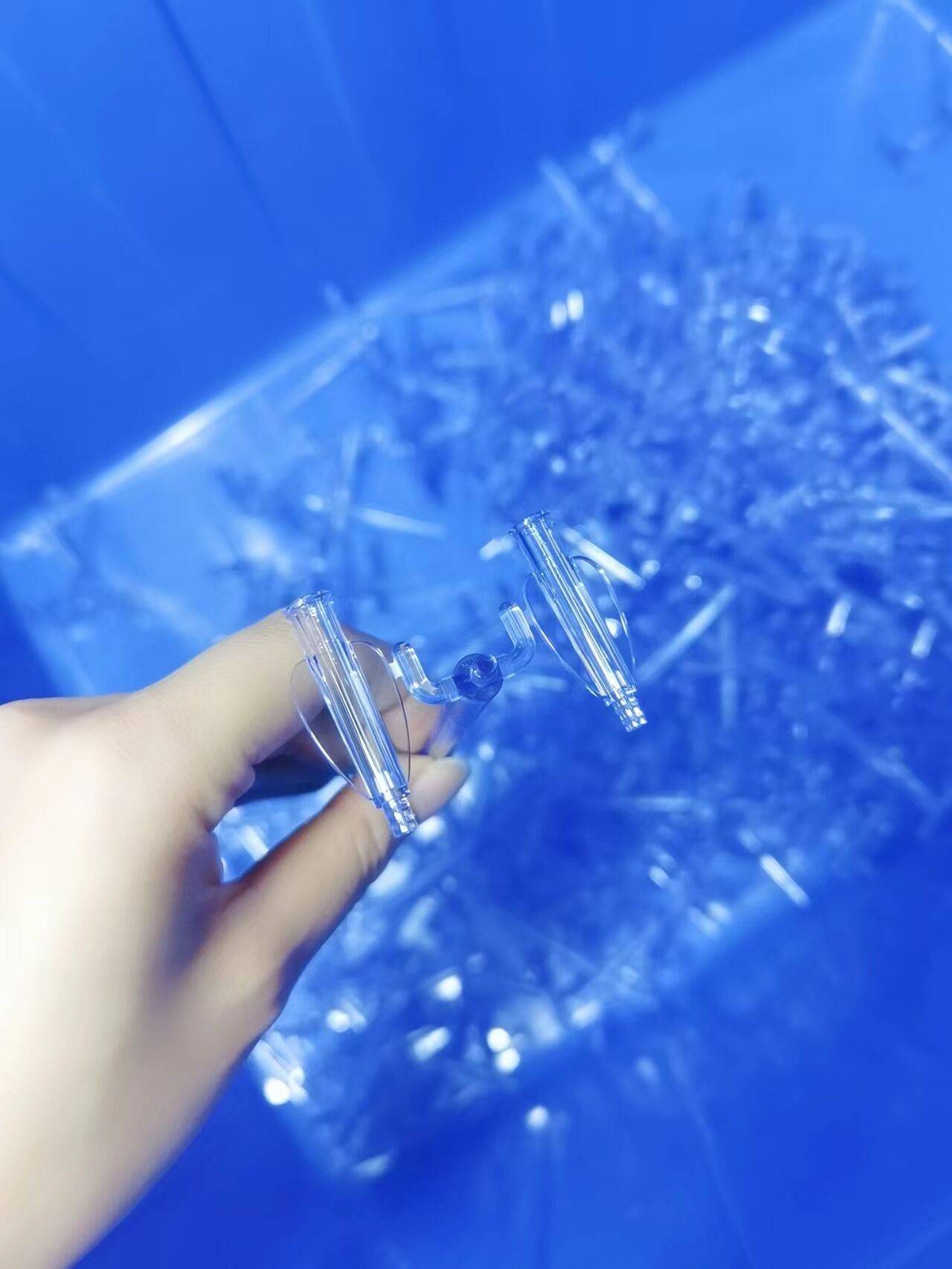
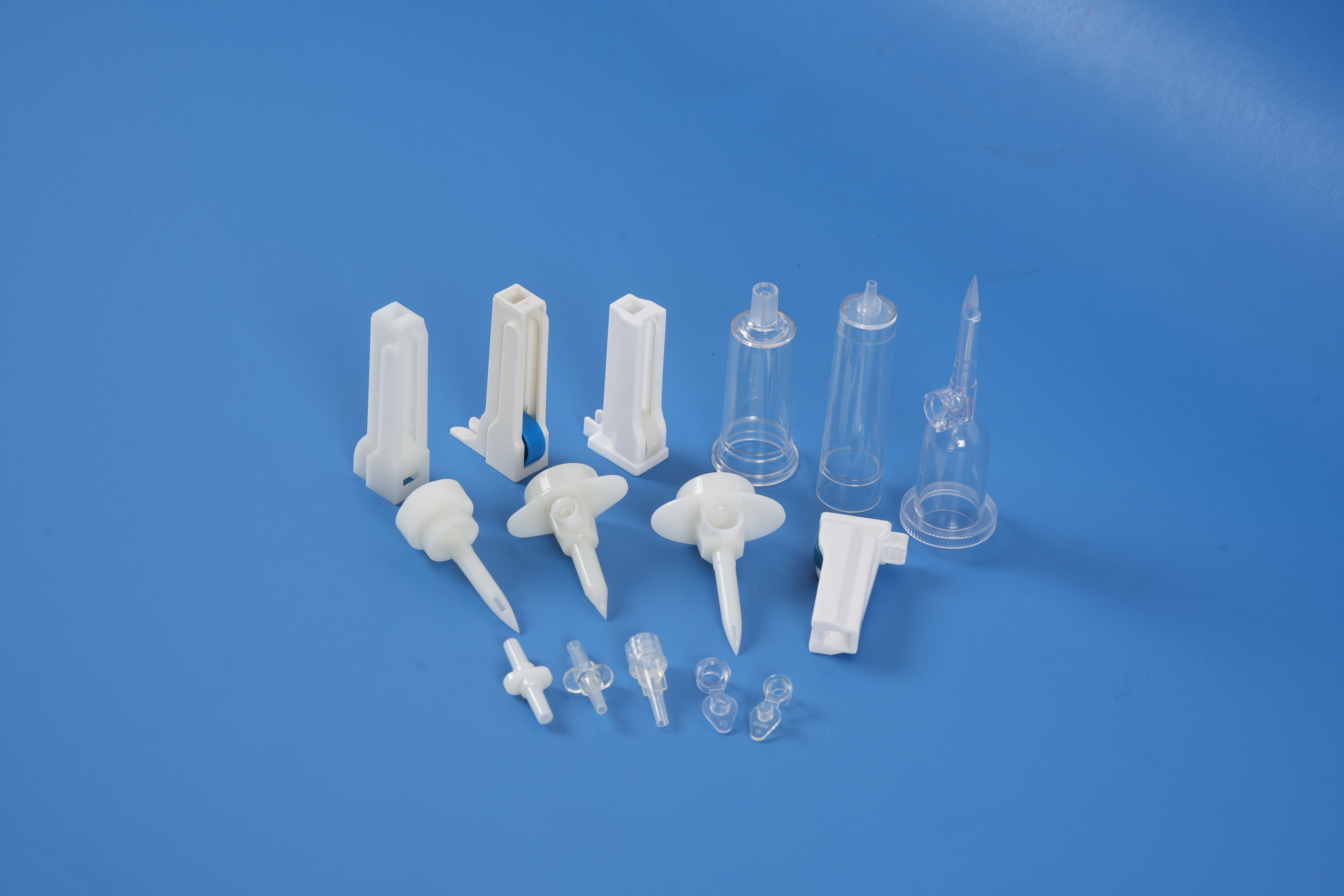
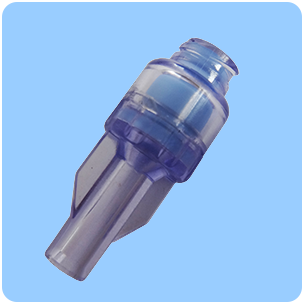
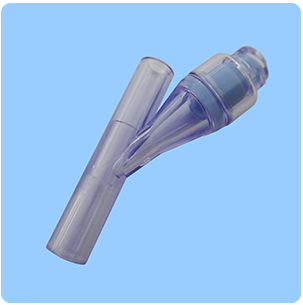
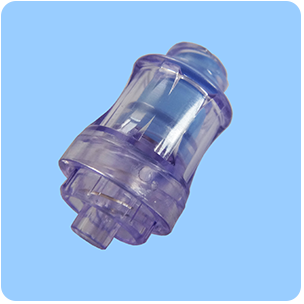
The male to male luer lock represents a critical connector component in medical and laboratory environments, designed to establish secure, leak-proof connections between two female luer lock fittings. This specialized adapter features external threads on both ends, allowing it to interface seamlessly with standard female luer lock ports found on syringes, tubing, catheters, and various medical devices. The male to male luer lock serves as an essential bridge in fluid transfer systems, enabling healthcare professionals and laboratory technicians to extend lines, connect incompatible equipment, or create custom configurations for specific procedural requirements. The fundamental function of the male to male luer lock centers on providing reliable fluid pathway continuity while maintaining sterility and preventing disconnections during critical operations. These connectors incorporate precision-engineered threading that follows ISO 594 standards, ensuring universal compatibility across manufacturers and applications. The technological features of the male to male luer lock include materials selected for biocompatibility, chemical resistance, and durability, typically manufactured from medical-grade polycarbonate, polypropylene, or stainless steel depending on application demands. The double-ended male configuration enables versatile connection possibilities, supporting complex medical setups such as IV administration systems, diagnostic equipment, anesthesia delivery, and laboratory fluid handling procedures. Applications for the male to male luer lock span diverse healthcare settings including hospitals, clinics, surgical centers, emergency medical services, pharmaceutical manufacturing, research laboratories, and veterinary practices. The connector's standardized design facilitates quick assembly and disassembly, reducing setup time while maintaining connection integrity under pressure. The male to male luer lock proves particularly valuable in situations requiring extension of existing lines without replacing entire assemblies, connecting monitoring equipment to infusion systems, or adapting legacy devices to modern configurations. Its compact form factor and lightweight construction contribute to ease of handling and storage, while the threaded locking mechanism provides tactile feedback confirming secure engagement, minimizing risks associated with accidental disconnection during patient care or sensitive laboratory procedures.


 EN
EN