needleless iv
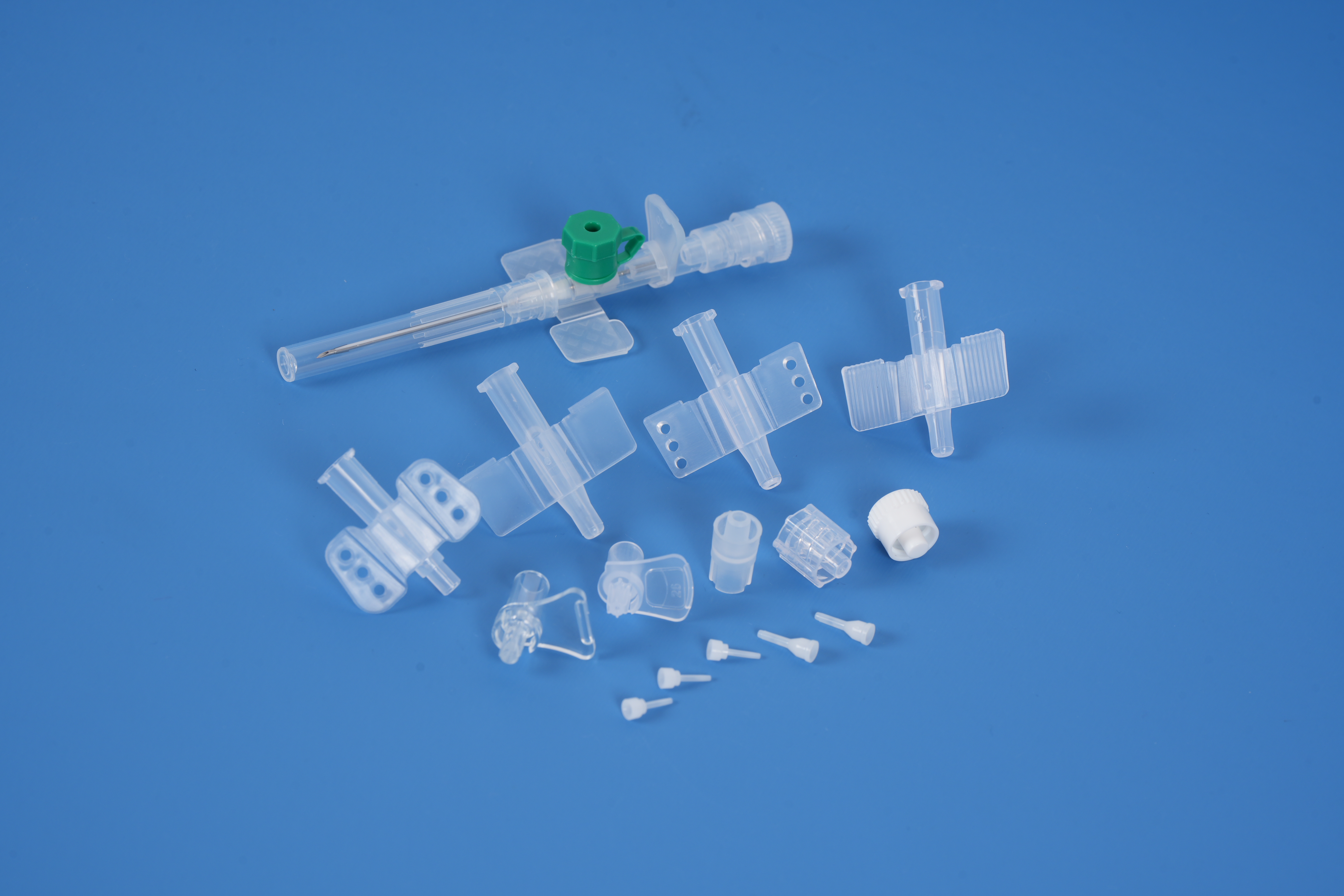
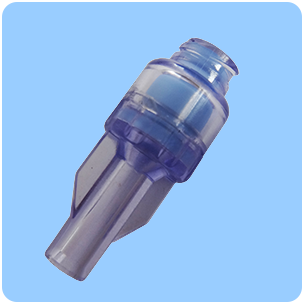
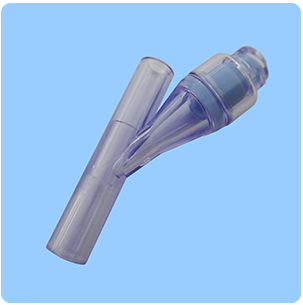
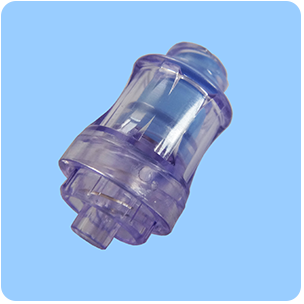
A needleless IV system represents a revolutionary advancement in intravenous therapy administration, designed to eliminate the risks and complications associated with traditional needle-based connections. This innovative medical device enables healthcare professionals to establish secure intravenous access and deliver medications, fluids, and blood products without exposing patients or medical staff to needle-stick injuries. The needleless IV connector operates through sophisticated valve mechanisms that create sealed pathways for fluid transfer while maintaining sterile barriers against contamination. These systems integrate seamlessly with existing IV catheter setups, replacing conventional needle access points with safe, efficient alternatives. The core technology behind needleless IV systems employs mechanical or pressure-activated valves that open only when proper connection is established, then automatically seal when disconnected. This design prevents blood reflux, air embolism, and microbial intrusion while facilitating smooth medication administration. Healthcare facilities worldwide have adopted needleless IV technology as a standard safety measure, particularly in intensive care units, emergency departments, oncology wards, and surgical centers where frequent IV access is required. The implementation of needleless IV systems addresses critical concerns in modern healthcare delivery, including occupational safety for medical personnel, infection control protocols, and patient comfort during treatment. These devices accommodate various clinical applications, from continuous infusion therapies to intermittent medication boluses, making them versatile tools in patient care management. The technological sophistication of needleless IV connectors extends to their compatibility with smart infusion pumps, allowing for integrated digital monitoring and precise flow rate control. As healthcare institutions prioritize safety innovations and evidence-based practices, needleless IV systems have become essential components in reducing hospital-acquired infections and preventing accidental exposures to bloodborne pathogens.


 EN
EN