Needle Free IV Connector: Advanced Safety and Infection Prevention for Intravenous Therapy

Get a Quote
Get a Quote

needle free iv connector

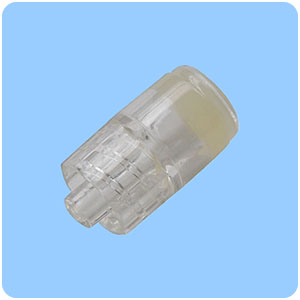
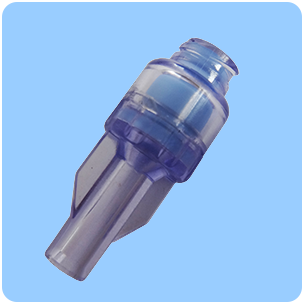
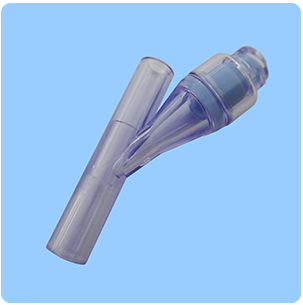
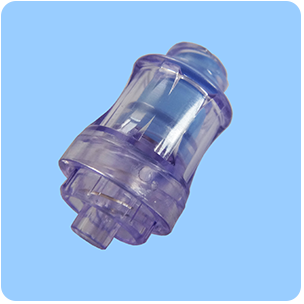
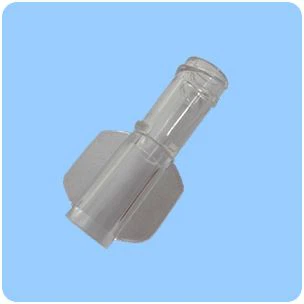
The needle free iv connector represents a significant advancement in medical device technology, designed to enhance safety and efficiency in intravenous therapy administration. This innovative medical component serves as a critical interface between intravenous catheters and administration sets, eliminating the need for traditional needle-based access systems. The primary function of the needle free iv connector is to provide secure, contamination-resistant access to intravenous lines while protecting healthcare workers from needlestick injuries. These connectors utilize sophisticated mechanical valve systems that open and close through blunt cannula activation or Luer-lock mechanisms, maintaining a closed system that prevents blood exposure and minimizes infection risks. Technologically, the needle free iv connector incorporates advanced fluid pathway designs that reduce dead space volume, thereby minimizing medication waste and preventing blood reflux into the catheter. Many models feature transparent housings that allow visual confirmation of proper connection and fluid flow, while antimicrobial materials in their construction actively reduce bacterial colonization on connector surfaces. The split-septum or mechanical valve technology ensures consistent performance across thousands of access cycles, maintaining integrity throughout extended use periods. Applications for the needle free iv connector span virtually all healthcare settings where intravenous therapy occurs, including hospitals, outpatient clinics, ambulatory care centers, home healthcare environments, and long-term care facilities. These devices prove essential in oncology units administering chemotherapy, intensive care units managing critically ill patients, emergency departments requiring rapid medication delivery, and surgical suites maintaining anesthetic administration. The needle free iv connector accommodates various clinical scenarios, from single-dose medication administration to continuous infusion therapy, blood product transfusions, and total parenteral nutrition delivery. Their versatility extends to pediatric, adult, and geriatric patient populations, with specific models designed for different acuity levels and therapeutic requirements. The integration of needle free iv connector systems into standard clinical protocols has fundamentally transformed intravenous access management, establishing new benchmarks for patient safety and healthcare worker protection while maintaining the clinical effectiveness essential for optimal patient outcomes in diverse medical situations.
Healthcare facilities and medical professionals gain numerous practical benefits when implementing the needle free iv connector into their standard care protocols. The most immediate advantage involves dramatically reducing needlestick injuries among nursing staff, physicians, and other healthcare workers who regularly access intravenous lines. Traditional needle-based systems expose workers to bloodborne pathogens with every access attempt, but the needle free iv connector eliminates this hazard entirely by replacing sharp needles with blunt cannulas or simple twist-and-lock mechanisms. This protection translates directly into reduced occupational injury rates, lower workers compensation claims, decreased anxiety among healthcare personnel, and improved staff retention in high-risk clinical areas. Cost savings represent another significant advantage, as facilities avoid expenses associated with needlestick injury management, including immediate medical evaluation, baseline and follow-up laboratory testing, prophylactic antiviral medications, psychological counseling, and potential long-term treatment if infection transmission occurs. The needle free iv connector also reduces infection rates in patients by maintaining closed system integrity throughout therapy duration. Unlike open systems that expose catheter hubs to environmental contaminants during each access, these connectors preserve sterile barriers that significantly decrease catheter-related bloodstream infections. Fewer infections mean shorter hospital stays, reduced antibiotic usage, lower mortality rates, and substantial cost avoidance related to treating preventable complications. From an operational efficiency perspective, the needle free iv connector simplifies medication administration procedures, requiring fewer steps and less time compared to traditional needle-based access methods. Nurses spend less time preparing equipment, executing access procedures, and disposing of sharps waste, allowing more time for direct patient care activities. The standardized connection process reduces training complexity for new staff members and traveling nurses, while the intuitive design minimizes user error that could compromise system sterility or patient safety. Medication waste decreases substantially because the minimal dead space design of modern needle free iv connector systems ensures nearly complete drug delivery, particularly important with expensive oncology medications and biological therapies where even small residual volumes represent significant financial loss. Patients experience increased comfort because the needle free iv connector allows medication administration without disturbing primary catheter placement, reducing venipuncture frequency and associated discomfort. The enhanced safety profile and reduced complication rates associated with these connectors contribute to improved patient satisfaction scores, better clinical outcomes, and strengthened reputation for healthcare facilities committed to implementing evidence-based best practices that prioritize both patient and worker safety while maintaining operational excellence and fiscal responsibility.

Tips And Tricks

What Makes Top Injection Moulding Product Manufacturers Stand Out?

27

Nov

What Makes Top Injection Moulding Product Manufacturers Stand Out?

The manufacturing landscape has witnessed remarkable transformations over the past decades, with injection moulding emerging as one of the most critical production processes across multiple industries. From automotive components to medical devices, c...
View More
What Applications Benefit Most from Custom Mold and OEM Molding Solutions?

23

Dec

What Applications Benefit Most from Custom Mold and OEM Molding Solutions?

Manufacturing industries across the globe rely heavily on precision components that meet exact specifications and performance standards. When standard off-the-shelf products cannot deliver the required functionality, companies turn to specialized man...
View More
How Do You Evaluate a Supplier for Custom Mold and OEM Molding Projects?

23

Dec

How Do You Evaluate a Supplier for Custom Mold and OEM Molding Projects?

Selecting the right supplier for your custom mold and OEM molding projects represents one of the most critical decisions in manufacturing. The success of your product development, production timelines, and overall profitability directly depends on pa...
View More

06

Jan

The healthcare industry continues to evolve at an unprecedented pace, driven by technological advancements and increasing patient care demands. Modern healthcare facilities require sophisticated medical equipment that not only meets current clinical ...
View More

Get a Free Quote

Our representative will contact you soon.
0/1000
Superior Infection Prevention Through Advanced Closed System Technology

Superior Infection Prevention Through Advanced Closed System Technology

The needle free iv connector delivers exceptional infection prevention capabilities that directly address one of healthcare's most persistent challenges: catheter-related bloodstream infections. These preventable complications affect hundreds of thousands of patients annually, resulting in extended hospitalizations, increased mortality rates, and billions in excess healthcare costs. The advanced closed system technology inherent in the needle free iv connector design maintains sterile pathway integrity throughout the entire duration of intravenous therapy, from initial catheter placement through final line removal. Unlike traditional open-ended catheter hubs that expose the intravascular pathway to environmental contaminants during each medication administration, the needle free iv connector incorporates mechanical valve systems or septum barriers that remain sealed except during the brief moments of intentional access. This continuous protection prevents bacterial migration into the catheter lumen, dramatically reducing infection risk even in high-acuity environments where patients receive frequent medication doses and laboratory samples. Many contemporary needle free iv connector models incorporate antimicrobial materials such as silver ions or chlorhexidine compounds directly into their construction materials, providing active bacterial reduction on external surfaces where healthcare worker hands and environmental contaminants most commonly introduce pathogens. Clinical evidence demonstrates that facilities implementing the needle free iv connector as part of comprehensive infection prevention bundles achieve substantial reductions in central line-associated bloodstream infections, often decreasing rates by fifty to seventy percent compared to baseline measurements. These improvements translate directly into lives saved, suffering prevented, and resources conserved. The infection prevention advantages extend beyond just bacterial contamination to include reduced blood exposure that might introduce clotting factors into the catheter, maintaining line patency and reducing occlusion-related complications. The closed system also prevents air embolism risks associated with open catheter access, adding another dimension of patient safety. For immunocompromised patients receiving chemotherapy, transplant recipients taking immunosuppressive medications, and critically ill individuals in intensive care units, the superior infection prevention provided by the needle free iv connector can mean the difference between successful treatment outcomes and life-threatening complications. Healthcare administrators recognize that investing in quality needle free iv connector systems generates positive return on investment through reduced infection-related costs that far exceed the device acquisition expenses, making these connectors not just a clinical imperative but also a financially sound decision.
Comprehensive Healthcare Worker Safety and Occupational Injury Prevention

Comprehensive Healthcare Worker Safety and Occupational Injury Prevention

The needle free iv connector fundamentally transforms workplace safety for healthcare professionals by eliminating one of the most significant occupational hazards in medical environments: needlestick injuries. Every year, hundreds of thousands of healthcare workers worldwide experience percutaneous injuries from contaminated needles, with each incident carrying potential transmission risks for bloodborne pathogens including hepatitis B, hepatitis C, and human immunodeficiency virus. The psychological trauma accompanying these injuries extends far beyond the immediate physical puncture, as affected workers face months of uncertainty during follow-up testing periods, potential side effects from prophylactic medications, and anxiety about possible infection transmission that might affect their families. The needle free iv connector addresses this critical safety concern by completely removing needles from the intravenous access equation, replacing them with blunt cannula systems or simple rotational connection mechanisms that pose zero sharps injury risk. This engineering solution provides protection that remains consistently effective regardless of time pressures, staffing shortages, or other environmental factors that might compromise adherence to safe needle handling techniques. The safety advantages particularly benefit emergency department staff working with agitated or combative patients, intensive care nurses managing unstable patients requiring frequent medication adjustments, and oncology specialists administering vesicant chemotherapy agents where needle dislodgement could cause both injury and dangerous medication extravasation. Beyond preventing acute injuries, the needle free iv connector reduces chronic musculoskeletal strain associated with awkward positioning required for needle-based access procedures, contributing to improved ergonomics and reduced repetitive motion injuries. The simplified connection process enabled by these connectors allows healthcare workers to maintain better body mechanics during medication administration, focusing on patient positioning and system verification rather than precise needle insertion angles. Healthcare facilities implementing the needle free iv connector demonstrate measurable improvements in employee satisfaction scores, reduced turnover rates in high-risk departments, and decreased workers compensation insurance premiums. The safety culture transformation accompanying widespread adoption of these devices extends beyond individual protection to create institutional commitment to evidence-based safety practices, signaling to staff members that their wellbeing represents an organizational priority. Regulatory agencies and accreditation bodies increasingly recognize the needle free iv connector as essential safety equipment, incorporating their use into recommended standards and best practice guidelines that guide institutional policy development and resource allocation decisions.
Enhanced Clinical Efficiency and Medication Delivery Optimization

Enhanced Clinical Efficiency and Medication Delivery Optimization

The needle free iv connector significantly improves clinical workflow efficiency while optimizing medication delivery precision, providing practical advantages that enhance daily operations across all healthcare settings. The streamlined connection process inherent in these devices reduces the procedural complexity traditionally associated with intravenous medication administration, transforming a multi-step process requiring careful needle insertion, aspiration verification, and secure disposal into a simple, intuitive connection procedure. Healthcare professionals appreciate the time savings achieved with each medication administration cycle, as the needle free iv connector eliminates the need to prepare syringes with needles, carefully insert them into injection ports while maintaining sterile technique, and then navigate sharps disposal containers that might be inconveniently located relative to patient bedsides. These individual time savings accumulate substantially across multiple patients and frequent dosing schedules, effectively creating additional nursing capacity for direct patient care activities such as assessment, education, and comfort interventions. The standardized connection interface provided by the needle free iv connector simplifies equipment management and inventory control, as facilities can implement single connector types across multiple departments rather than maintaining various needle gauges and lengths for different clinical applications. This standardization reduces procurement complexity, minimizes storage requirements, decreases expired supply waste, and simplifies staff training programs. New employees and temporary staff members quickly master the straightforward connection techniques, reducing orientation time and improving confidence during independent practice. The minimal dead space engineering incorporated into modern needle free iv connector designs ensures nearly complete medication delivery from syringes and administration sets, virtually eliminating drug waste that occurs when residual volumes remain trapped in traditional needle hubs and injection ports. This optimization proves particularly valuable with expensive medications such as biological therapies, targeted cancer treatments, and specialty antimicrobials where even small residual volumes represent significant financial loss. The precise fluid pathway design also maintains consistent flow rates during continuous infusions, preventing the flow irregularities that can occur with traditional access methods when needles partially occlude injection ports or create turbulent flow patterns. Clinical accuracy improves because the needle free iv connector provides reliable, repeatable performance across thousands of connection cycles, maintaining mechanical integrity and seal effectiveness throughout extended use periods. Healthcare facilities benefit from reduced troubleshooting time for intravenous access problems, as the reliable performance of these connectors minimizes line occlusions, leaks, and disconnections that interrupt therapy and require nursing intervention. The transparent housing featured in many needle free iv connector models provides visual confirmation of proper connection and fluid flow, enabling rapid identification of any connection problems before medication administration begins. This visual verification adds a safety checkpoint that prevents medication errors related to improper line access.