Male Luer Fitting: Universal Connector Solutions for Medical and Laboratory Applications

Get a Quote
Get a Quote

male luer fitting

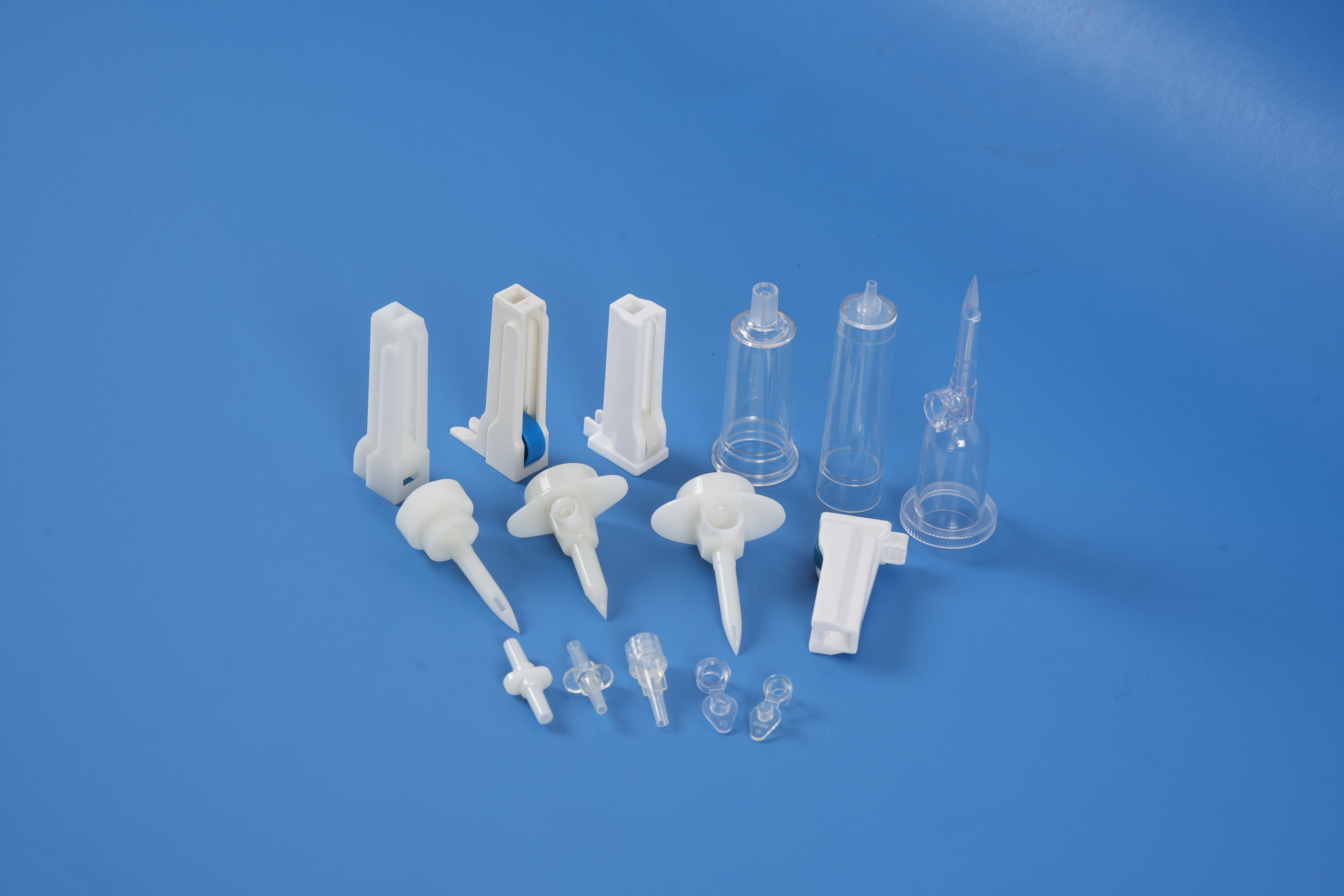
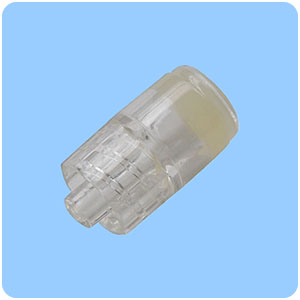
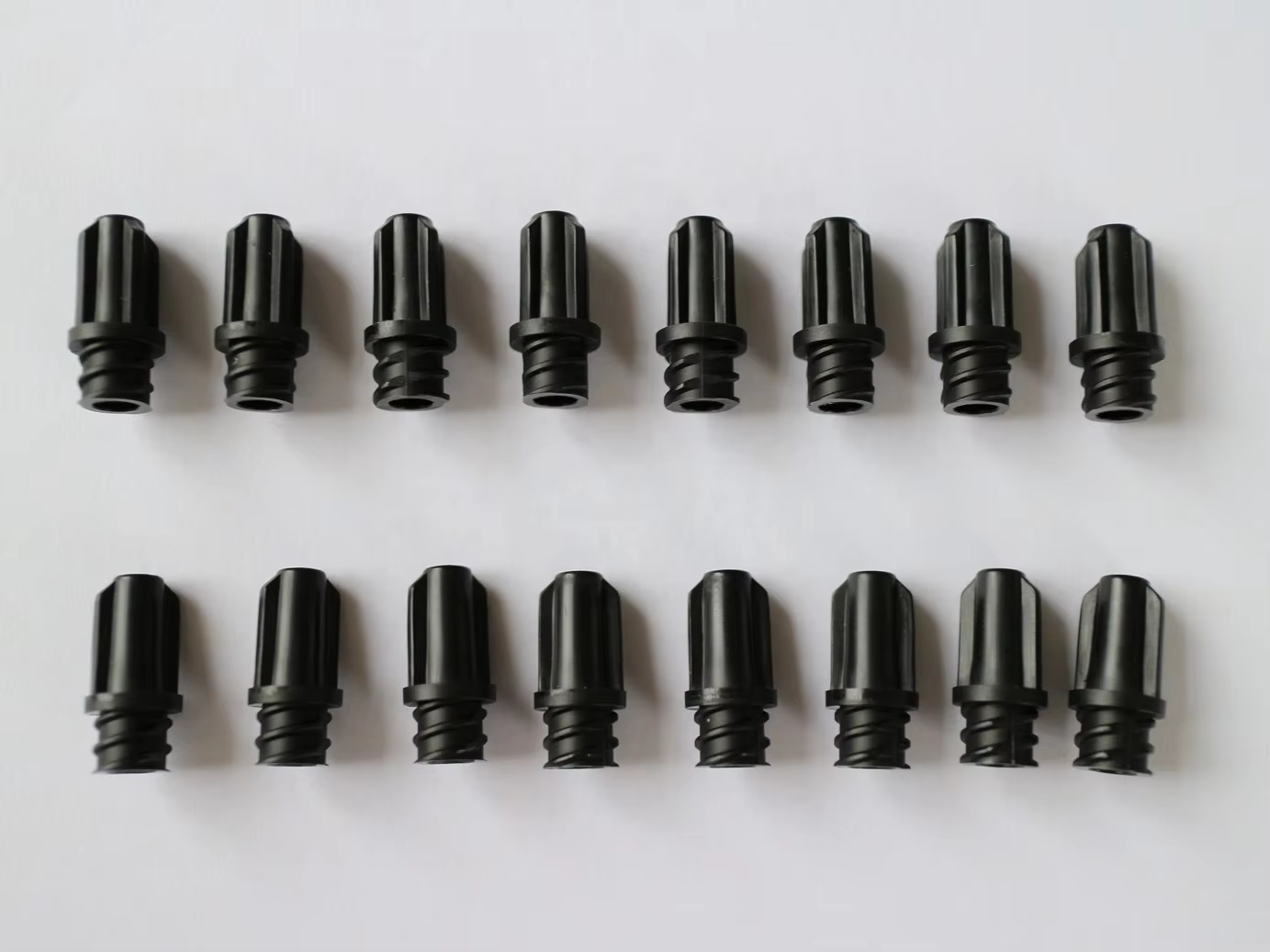
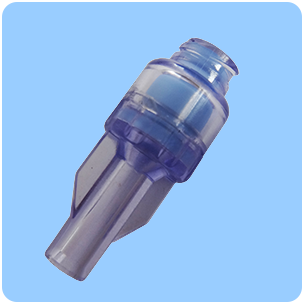
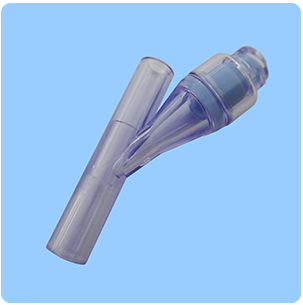
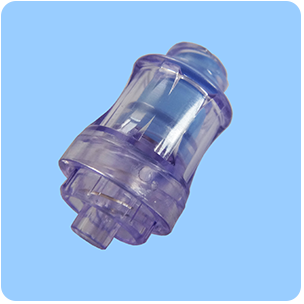
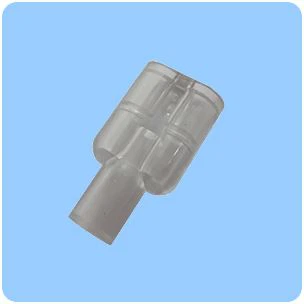
The male luer fitting stands as a fundamental component in fluid transfer systems across medical, laboratory, and industrial applications. This precision-engineered connector features a tapered male design that creates secure, leak-resistant connections when paired with corresponding female luer fittings. The male luer fitting follows standardized specifications established by ISO 594 and other international standards, ensuring universal compatibility across different manufacturers and systems. The core design incorporates a conical taper, typically at a 6 percent angle, which enables a friction-based seal that becomes increasingly secure as the connection tightens. Available in both luer slip and luer lock configurations, the male luer fitting provides versatility for various connection requirements. The luer slip version relies purely on the friction fit created by the tapered design, while the luer lock variant includes external threads that engage with internal threads on compatible female fittings, offering enhanced security for critical applications. Manufacturing processes for the male luer fitting employ medical-grade materials including polypropylene, polycarbonate, stainless steel, and brass, each selected based on specific application requirements such as chemical compatibility, sterilization methods, and pressure ratings. The standardized dimensions of the male luer fitting ensure consistent performance, with the connection point designed to minimize dead space and maintain smooth fluid flow. These fittings serve essential roles in medication delivery systems, diagnostic equipment, chromatography instruments, and various fluid handling processes. The male luer fitting simplifies connection procedures, allowing healthcare professionals, laboratory technicians, and operators to establish reliable connections quickly without specialized tools. Its widespread adoption stems from the balance it achieves between simplicity, reliability, and cost-effectiveness, making it an industry standard for applications requiring frequent connections and disconnections while maintaining sterility and precision in fluid transfer operations.
The male luer fitting delivers numerous practical benefits that directly impact operational efficiency and user safety in professional settings. First and foremost, these fittings enable quick connections without requiring wrenches, clamps, or other tools, allowing users to establish secure links between components in seconds. This tool-free operation significantly reduces setup time in medical procedures, laboratory workflows, and industrial processes where speed matters. The standardized design means that users can confidently connect different brands and manufacturers without compatibility concerns, eliminating the frustration and delays caused by proprietary connection systems. Cost efficiency represents another major advantage, as the male luer fitting provides reliable performance at accessible price points compared to specialized connectors. Organizations can stock universal components that work across multiple systems rather than maintaining separate inventories for different equipment, reducing procurement complexity and storage requirements. The simplicity of the male luer fitting translates to reduced training requirements for staff members who need to work with fluid transfer systems. New employees can quickly learn proper connection techniques, minimizing errors and improving workplace safety. Maintenance becomes straightforward since these fittings typically require no special procedures beyond standard cleaning and inspection protocols. Users benefit from the visual and tactile feedback provided during connection, as the tapered design creates noticeable resistance that confirms proper engagement. This immediate feedback helps prevent incomplete connections that could lead to leaks or disconnections during operation. The male luer fitting accommodates various flow rates and pressure requirements when properly matched to application specifications, offering flexibility across different usage scenarios. Sterilization compatibility stands out as a crucial advantage for medical and laboratory environments, with many male luer fittings designed to withstand autoclaving, gamma irradiation, and chemical sterilization methods without degradation. The compact footprint of these fittings conserves valuable space in crowded equipment setups, allowing for more efficient system layouts. Single-use versions eliminate cross-contamination risks and reduce cleaning labor, while reusable variants provide economic benefits for high-volume operations. The leak-resistant seal created by the tapered design minimizes fluid waste and environmental exposure, protecting both users and surrounding areas from potentially hazardous substances. Durability ensures that properly maintained male luer fittings deliver consistent performance through numerous connection cycles, providing dependable service life. The widespread availability of these components means that replacement parts can be sourced quickly from multiple suppliers, minimizing downtime when components need replacement. Overall, the male luer fitting combines simplicity, reliability, and versatility in ways that directly translate to improved productivity, enhanced safety, and reduced operational costs for organizations across diverse industries.

Practical Tips

Tips for Finding the Best Injection Manufacturer for Your Needs

27

Nov

Tips for Finding the Best Injection Manufacturer for Your Needs

Selecting the right injection manufacturer is a critical decision that can significantly impact your product quality, production timelines, and overall business success. Whether you're developing medical devices, automotive components, or consumer pr...
View More
What Makes Top Injection Moulding Product Manufacturers Stand Out?

27

Nov

What Makes Top Injection Moulding Product Manufacturers Stand Out?

The manufacturing landscape has witnessed remarkable transformations over the past decades, with injection moulding emerging as one of the most critical production processes across multiple industries. From automotive components to medical devices, c...
View More
How Does Insert Injection Molding Combine Metals and Plastics Efficiently?

23

Dec

How Does Insert Injection Molding Combine Metals and Plastics Efficiently?

Insert injection molding represents a revolutionary manufacturing process that seamlessly combines different materials, particularly metals and plastics, to create composite components with enhanced functionality and durability. This advanced techniq...
View More
What Should Companies Consider When Ordering Custom Mold and OEM Molding Services?

23

Dec

What Should Companies Consider When Ordering Custom Mold and OEM Molding Services?

Manufacturing companies across industries increasingly rely on custom mold solutions to create precise, high-quality components that meet their specific requirements. The decision to invest in custom mold fabrication represents a significant strategi...
View More

Get a Free Quote

Our representative will contact you soon.
0/1000
Universal Compatibility and Standardization Excellence

Universal Compatibility and Standardization Excellence

The male luer fitting exemplifies the power of industry standardization, delivering universal compatibility that transforms fluid connection workflows across professional environments. This standardization follows rigorous international specifications, particularly ISO 594-1 and ISO 594-2, which define precise dimensional tolerances for both the 6 percent taper angle and the overall connector geometry. These exacting standards ensure that a male luer fitting manufactured in one country will seamlessly connect with a female luer fitting produced by a completely different manufacturer on another continent. This universal interchangeability eliminates one of the most frustrating challenges in fluid handling systems: the incompatibility between proprietary connection designs that forces organizations to maintain separate inventory systems for different equipment brands. For healthcare facilities, this means that syringes, IV lines, catheters, and medication delivery devices from various suppliers can all work together reliably, preventing critical delays during patient care. Laboratory environments benefit equally, as chromatography systems, analytical instruments, and sample preparation equipment can be reconfigured flexibly without worrying about connection compatibility issues. The standardization extends beyond dimensional specifications to include performance characteristics such as leak resistance thresholds and connection force requirements, ensuring consistent user experience regardless of component source. This universal approach dramatically simplifies procurement processes, allowing purchasing departments to source components based on quality and price rather than being locked into specific vendors. The male luer fitting standard has achieved such widespread adoption that it has become the default connection method for countless applications, creating a network effect where compatibility begets further compatibility. Users gain confidence knowing that emergency replacements can be sourced quickly from multiple suppliers when needed, eliminating concerns about equipment downtime due to unavailable proprietary parts. The standardization also facilitates quality control, as inspection criteria and testing protocols remain consistent across manufacturers, enabling meaningful comparisons between different options. Training programs benefit from this consistency, as techniques learned for one brand of male luer fitting apply directly to all other compliant products. This universal compatibility ultimately translates to reduced total cost of ownership, as organizations avoid the hidden expenses associated with maintaining multiple connection systems, conducting compatibility testing, and managing complex inventory requirements across their operations.
Superior Leak Prevention Through Precision Engineering

Superior Leak Prevention Through Precision Engineering

The male luer fitting achieves exceptional leak prevention through sophisticated engineering principles that leverage geometry, material science, and precision manufacturing techniques. At the heart of this leak-resistant performance lies the precisely machined 6 percent taper that characterizes the male luer design. This specific angle was carefully chosen through extensive testing to create optimal friction between mating surfaces, generating a seal that tightens progressively as the connection engages. Unlike flat-faced connections that depend entirely on gaskets or o-rings, the tapered design of the male luer fitting distributes sealing pressure evenly across the entire contact area, minimizing stress concentrations that could lead to seal failure. The smooth, continuous surface finish achieved through modern manufacturing processes eliminates microscopic gaps where fluids could potentially escape, while the rigid structural design prevents deflection under pressure that might compromise seal integrity. Material selection plays a crucial role in leak prevention performance, with manufacturers utilizing engineering polymers and metals that maintain dimensional stability across temperature variations and resist chemical degradation from transported fluids. The inherent rigidity of materials like polycarbonate and stainless steel ensures that the critical taper geometry remains consistent throughout the service life of the male luer fitting, preventing the seal degradation that occurs with softer materials that deform over time. For applications requiring maximum security, the luer lock configuration adds threaded engagement that mechanically prevents separation even under vibration, movement, or inadvertent pulling forces. This threaded retention works synergistically with the tapered seal, addressing both leak prevention and connection security simultaneously. The male luer fitting design minimizes dead volume at the connection point, reducing areas where air bubbles or fluid pockets could form and potentially compromise seal effectiveness. Quality manufacturing processes ensure consistent wall thickness and concentricity, eliminating geometric irregularities that could create leak paths. Testing protocols for male luer fittings typically include pressure cycling, burst pressure evaluation, and extended duration leak testing under various conditions to verify performance reliability. Users benefit from this engineering excellence through reduced fluid waste, elimination of environmental contamination, and enhanced safety in applications involving hazardous or valuable substances. The leak prevention capabilities of the male luer fitting contribute directly to operational efficiency by minimizing cleanup requirements, reducing material costs, and preventing equipment damage from escaped fluids. In medical applications, superior leak prevention protects patients from medication delivery errors and shields healthcare workers from exposure to potentially infectious materials, making this feature not just convenient but genuinely life-protecting.
Versatile Material Options for Diverse Application Requirements

Versatile Material Options for Diverse Application Requirements

The male luer fitting demonstrates remarkable versatility through the wide range of materials available to meet specific application demands across medical, laboratory, and industrial sectors. This material diversity allows users to select components optimized for their unique combination of chemical compatibility, temperature exposure, sterilization methods, pressure requirements, and budget constraints. Medical-grade polypropylene represents one of the most popular material choices, offering excellent chemical resistance, transparency for visual inspection, and compatibility with multiple sterilization methods including autoclaving and gamma irradiation. This thermoplastic material maintains structural integrity through repeated sterilization cycles while providing the rigidity necessary for reliable seal formation in the male luer fitting taper. Polycarbonate alternatives deliver enhanced impact resistance and superior clarity, making them ideal for applications where visual monitoring of fluid flow is critical or where the male luer fitting might experience physical stress during handling. For applications involving aggressive chemicals or extreme temperatures, stainless steel male luer fittings provide unmatched durability and corrosion resistance, withstanding harsh environments that would degrade polymer components. The inherent strength of stainless steel enables these fittings to handle higher pressure ratings, making them suitable for demanding industrial processes and high-performance liquid chromatography systems. Brass male luer fittings offer excellent machinability for precise tolerances combined with good corrosion resistance and thermal conductivity, serving specialized applications in fluid control systems. Specialty polymers such as PEEK (polyetheretherketone) extend the performance envelope further, delivering exceptional chemical resistance, high temperature capability up to 250 degrees Celsius, and minimal extractables for ultra-pure applications in pharmaceutical manufacturing and analytical instrumentation. The material selection for male luer fittings also influences biocompatibility considerations, with medical-grade materials meeting USP Class VI standards and ISO 10993 requirements for direct patient contact applications. Single-use disposable male luer fittings typically employ cost-optimized materials like polypropylene that balance performance with economic efficiency, while reusable variants utilize more durable materials engineered for extended service life through multiple use cycles. Surface treatments and coatings can further enhance material performance, with options including lubricious coatings that reduce connection force, antimicrobial treatments that inhibit bacterial growth, and specialized finishes that improve chemical resistance. This material versatility extends to color coding options, allowing organizations to implement visual identification systems that reduce connection errors and improve workflow efficiency. Users can match male luer fitting materials to specific fluid compatibility requirements, consulting chemical resistance charts to ensure long-term performance without degradation, swelling, or chemical interaction. The availability of different materials also supports sustainability initiatives, with recyclable options and bio-based polymers emerging as alternatives to traditional petroleum-based plastics. Testing and certification documentation accompanies medical and laboratory-grade male luer fittings, providing traceability and quality assurance that materials meet declared specifications. This comprehensive material selection empowers users to optimize their fluid connection systems for performance, safety, compliance, and cost-effectiveness simultaneously.