Clinical Versatility and User-Friendly Operation Across Healthcare Settings
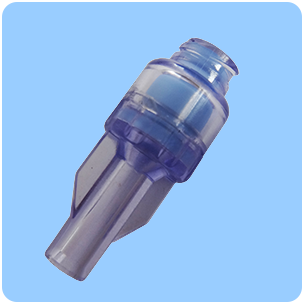
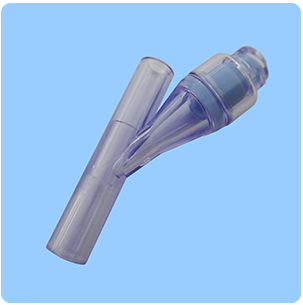
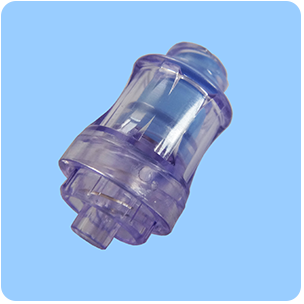
The remarkable versatility of positive pressure needleless connectors makes them invaluable tools across the entire spectrum of healthcare environments, from intensive care units to home health settings, while their user-friendly operation ensures consistent performance regardless of clinician experience level. These connectors are compatible with virtually all standard IV catheters, including peripheral lines, midline catheters, peripherally inserted central catheters, and central venous catheters, allowing healthcare facilities to standardize their connector selection across multiple departments and patient care areas. This universal compatibility simplifies inventory management, reduces staff training requirements, and eliminates confusion about which connector to use for specific catheter types. The straightforward design of positive pressure needleless connectors features intuitive Luer-lock connections that healthcare providers can establish quickly and securely, even in challenging clinical situations such as emergency resuscitations or during patient transport. The transparent housing common to many positive pressure needleless connectors allows visual confirmation of proper fluid flow and helps identify air bubbles or debris that might compromise therapy effectiveness. Healthcare professionals appreciate the tactile and audible feedback provided during connection and disconnection, which confirms proper engagement without requiring excessive force that could damage catheter hubs or connections. The versatility extends to medication administration protocols, as positive pressure needleless connectors accommodate both bolus injections and continuous infusions, supporting the diverse therapeutic needs of modern patient populations. In outpatient and home healthcare settings, where family members or patients themselves may manage IV therapy, the simplicity of positive pressure needleless connectors becomes especially valuable. These users can learn proper connection techniques quickly, and the automated positive pressure mechanism eliminates the need for complex flushing protocols that might be difficult to execute correctly outside clinical environments. The durability of positive pressure needleless connectors ensures they withstand the mechanical stresses of repeated access throughout their intended use period, maintaining their protective features and fluid path integrity despite numerous connection cycles. Healthcare facilities implementing positive pressure needleless connectors report improved staff satisfaction because these devices reduce frustrating equipment failures and allow clinicians to focus on patient assessment and therapeutic interventions rather than troubleshooting IV access problems. The combination of broad clinical applicability and ease of use creates substantial value for healthcare organizations seeking to optimize their IV therapy programs while maintaining the highest standards of patient safety and care quality.

 EN
EN