Male Luer Lock Fitting: Secure Medical & Industrial Fluid Connections | Complete Guide

Get a Quote
Get a Quote

male luer lock fitting

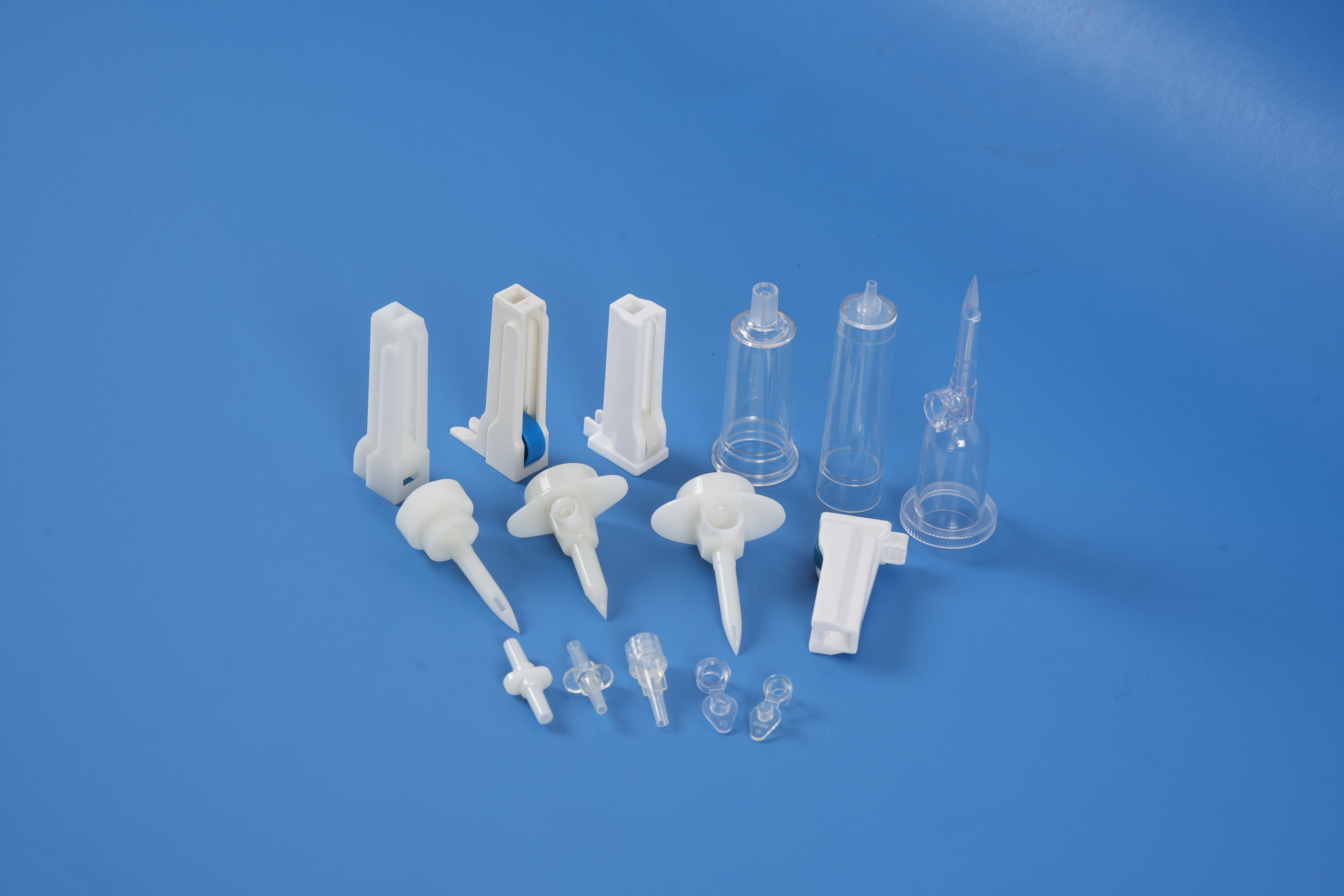
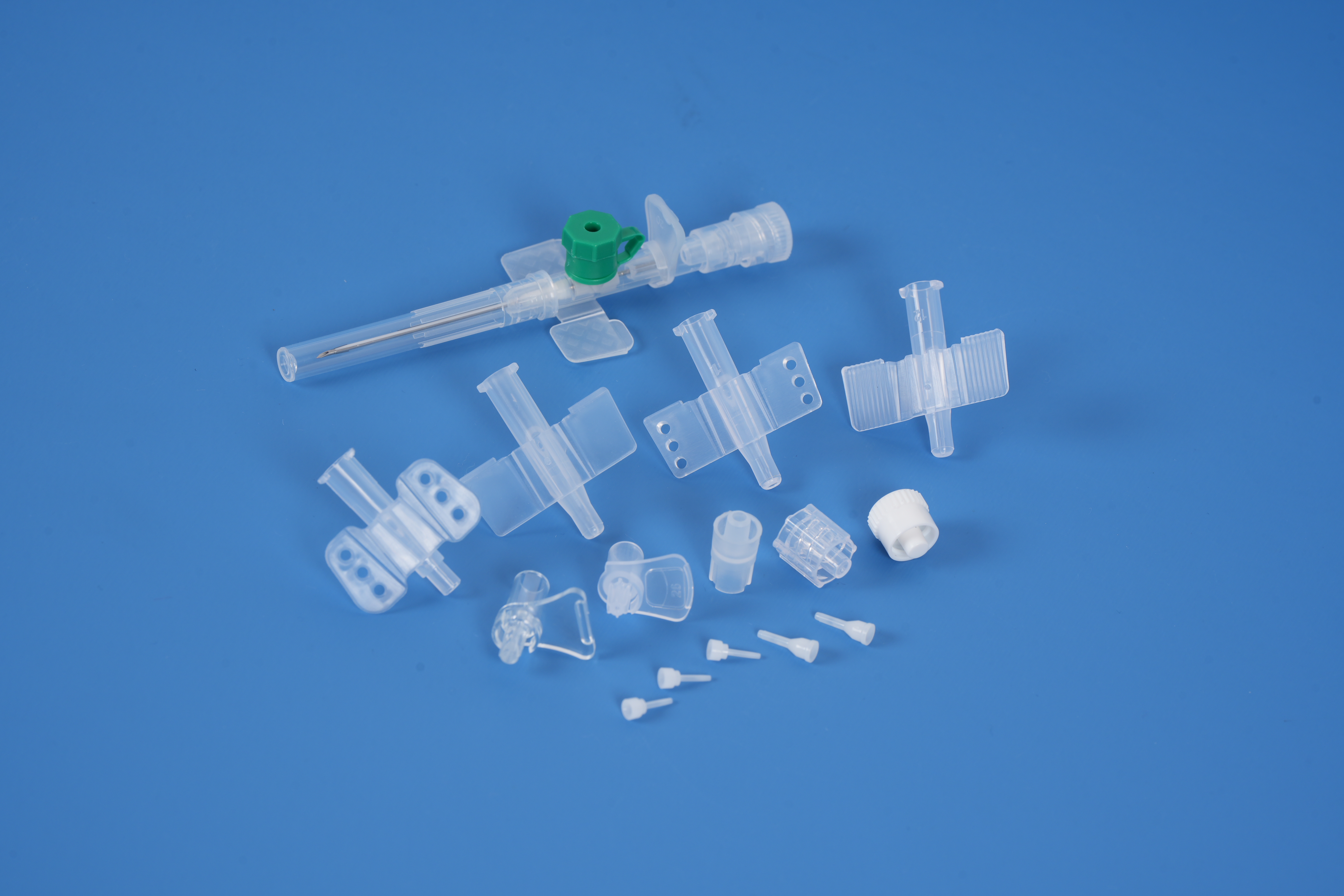
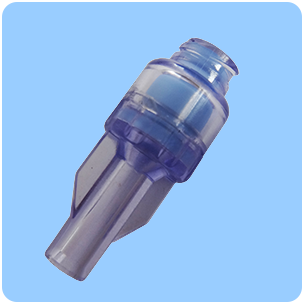
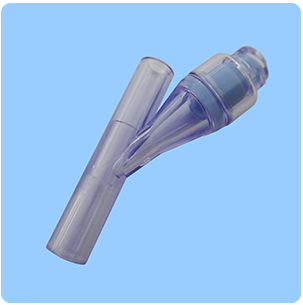
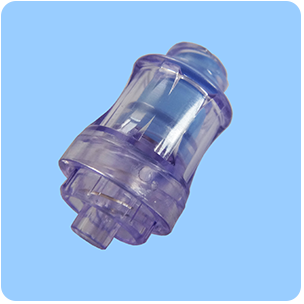
The male luer lock fitting represents a critical component in fluid transfer systems, designed to create secure, leak-proof connections in medical, laboratory, and industrial applications. This precision-engineered connector features external threads that engage with corresponding internal threads on female luer lock fittings, establishing a robust mechanical bond that resists accidental disconnection. The male luer lock fitting consists of a tapered male connector with a threaded collar surrounding the base, allowing users to twist and lock the connection firmly in place. This design ensures superior performance compared to slip-tip alternatives, particularly in applications where pressure fluctuations or movement could compromise connection integrity. The standardized taper, typically adhering to ISO 594 specifications, guarantees universal compatibility across various manufacturers and equipment types. Medical professionals rely on male luer lock fittings for intravenous therapy, catheter connections, syringe attachments, and drug delivery systems where patient safety demands absolute reliability. Laboratory technicians utilize these fittings in chromatography systems, analytical instruments, and precise fluid handling equipment where contamination prevention is paramount. Industrial sectors employ male luer lock fittings in chemical processing, sampling systems, and quality control procedures requiring consistent, repeatable connections. The technological sophistication of these fittings lies in their simple yet effective mechanical design, which requires no tools for installation while providing exceptional holding strength. Manufacturing processes typically involve medical-grade plastics such as polypropylene or polycarbonate, or stainless steel for high-pressure and autoclavable applications. The male luer lock fitting accommodates various tubing sizes and can be integrated into complex fluid management systems through adapters and extension sets. Its versatility extends to both single-use disposable applications and reusable configurations, depending on material selection and sterilization requirements. The fitting's importance in maintaining closed systems cannot be overstated, as it prevents fluid exposure to contaminants while enabling quick connections and disconnections when needed.
The male luer lock fitting delivers numerous practical benefits that directly impact operational efficiency, safety, and cost-effectiveness for users across multiple industries. First and foremost, the threaded locking mechanism provides unmatched security compared to simple push-on connections, virtually eliminating the risk of accidental disconnection during critical procedures. This security translates to enhanced patient safety in healthcare settings, reduced product loss in laboratory work, and improved process reliability in industrial applications. Users appreciate the intuitive operation of the male luer lock fitting, which requires only a simple twisting motion to achieve a complete seal without specialized training or tools. This ease of use accelerates workflow, reduces setup time, and minimizes the learning curve for new staff members. The standardized design ensures that components from different manufacturers work together seamlessly, providing procurement flexibility and reducing inventory complexity. Organizations can source male luer lock fittings from multiple suppliers without compatibility concerns, leading to better pricing and supply chain resilience. The precision engineering of these fittings creates consistent, repeatable connections that maintain their integrity through repeated use cycles, offering excellent value in reusable applications. Disposable versions provide hygiene advantages by eliminating cleaning and sterilization requirements, reducing labor costs and contamination risks. The compact profile of the male luer lock fitting minimizes dead volume in fluid pathways, which proves especially valuable when working with expensive reagents or medications where waste reduction directly impacts operating costs. The robust connection withstands pressure variations, vibrations, and handling stress that would compromise lesser connection methods, reducing system failures and unplanned maintenance. Material options range from economical plastics for single-use applications to durable metals for demanding environments, allowing users to select the optimal cost-performance balance for their specific needs. The transparent plastic versions enable visual confirmation of fluid flow and bubble detection, supporting quality control and troubleshooting efforts. Environmental advantages emerge from the fitting's ability to contain fluids completely, preventing spills that could create hazardous conditions or require costly cleanup procedures. The male luer lock fitting's compatibility with automated filling and assembly equipment supports high-volume manufacturing operations while maintaining connection quality. Quick-disconnect capabilities reduce downtime during equipment changeovers or maintenance procedures, improving overall productivity. The fitting's chemical resistance properties ensure long-term performance across diverse applications involving aggressive fluids, solvents, and cleaning agents. Users benefit from the extensive accessories ecosystem, including caps, plugs, adapters, and extension sets that expand functionality without requiring entirely new systems.

Latest News

Tips for Finding the Best Injection Manufacturer for Your Needs

27

Nov

Tips for Finding the Best Injection Manufacturer for Your Needs

Selecting the right injection manufacturer is a critical decision that can significantly impact your product quality, production timelines, and overall business success. Whether you're developing medical devices, automotive components, or consumer pr...
View More
What Applications Benefit Most from Custom Mold and OEM Molding Solutions?

23

Dec

What Applications Benefit Most from Custom Mold and OEM Molding Solutions?

Manufacturing industries across the globe rely heavily on precision components that meet exact specifications and performance standards. When standard off-the-shelf products cannot deliver the required functionality, companies turn to specialized man...
View More
Why is precision medical plastic injection mold critical for life-saving medical components?

06

Jan

Why is precision medical plastic injection mold critical for life-saving medical components?

The manufacturing of life-saving medical devices demands unwavering precision, safety, and reliability at every stage of production. At the heart of this critical process lies the medical plastic injection mold, a sophisticated manufacturing tool tha...
View More
How can custom OEM molding services optimize the cost of large-scale medical disposables?

06

Jan

How can custom OEM molding services optimize the cost of large-scale medical disposables?

In today's competitive healthcare landscape, medical device manufacturers face mounting pressure to reduce production costs while maintaining the highest quality standards. Custom OEM molding services have emerged as a strategic solution for companie...
View More

Get a Free Quote

Our representative will contact you soon.
0/1000
Superior Connection Security Through Precision Threading Technology

Superior Connection Security Through Precision Threading Technology

The male luer lock fitting distinguishes itself through an advanced threading mechanism that delivers unparalleled connection security in fluid transfer applications. Unlike simple friction-fit alternatives, this fitting incorporates precisely machined threads that engage with corresponding female threads to create a mechanical lock that resists separation forces from multiple directions. The threading geometry follows international standards, ensuring consistent engagement depth and torque requirements across different manufacturers and product lines. This standardization means that healthcare providers, laboratory technicians, and industrial operators can trust that every connection will perform identically, eliminating variability that could compromise outcomes. The threaded design distributes connection forces evenly around the circumference of the fitting, preventing stress concentrations that could lead to cracking or failure in high-pressure situations. When properly engaged, the male luer lock fitting can withstand significant internal pressures, external pulling forces, and torsional stress without compromising seal integrity. This mechanical advantage proves especially critical in medical applications where patient movement, equipment repositioning, or emergency situations could apply unexpected forces to connected components. The tactile feedback provided during the locking process allows users to confirm proper engagement without visual inspection, supporting correct assembly even in low-light conditions or when fittings are obscured by other equipment. The quarter-turn to half-turn engagement requirement strikes an optimal balance between quick operation and secure fastening, enabling rapid connections without sacrificing reliability. Quality manufacturing processes ensure that thread dimensions remain within tight tolerances, providing consistent engagement feel and performance throughout the product's lifecycle. The male luer lock fitting's threads resist cross-threading when components are properly aligned, and the tapered central portion naturally guides the fitting into correct position before thread engagement begins. This self-aligning characteristic reduces installation errors and protects thread integrity during repeated connection cycles. In applications involving vibration or mechanical shock, the threaded connection maintains its integrity where slip-fit alternatives would gradually loosen and potentially separate. The security provided by the male luer lock fitting enables system designers to route fluid pathways through complex equipment layouts without concern for connection failure at vulnerable points.
Universal Compatibility and Standardization Benefits

Universal Compatibility and Standardization Benefits

The male luer lock fitting exemplifies the power of industry standardization, offering universal compatibility that simplifies procurement, reduces inventory requirements, and ensures interoperability across diverse equipment platforms. International standards organizations have established precise dimensional specifications for luer fittings, creating a global ecosystem where components from different continents and manufacturers connect reliably without modification. This standardization delivers tremendous practical value to organizations managing complex fluid handling systems, as they can specify male luer lock fittings with confidence that new purchases will integrate seamlessly with existing infrastructure. Healthcare facilities particularly benefit from this compatibility, as medical devices, syringes, catheters, and IV systems from various suppliers all utilize the same luer interface, preventing costly equipment obsolescence and enabling evidence-based purchasing decisions. Laboratory environments leverage standardization to build flexible analytical systems where instruments, tubing assemblies, and sample containers connect through common male luer lock fittings regardless of manufacturer origin. The standardized taper angle and thread pitch create consistent fluid pathways that maintain flow characteristics across connection points, supporting reproducible results in critical measurements and processes. Material compatibility represents another dimension of the male luer lock fitting's versatility, as standard dimensions accommodate production in plastics ranging from economical polypropylene to high-performance PEEK, as well as metals including stainless steel and titanium for specialized applications. This material flexibility allows users to select fittings with chemical resistance, temperature tolerance, and mechanical properties matched precisely to their application requirements while maintaining dimensional compatibility. The widespread adoption of luer standards has fostered a robust accessories market, providing users with extensive options for adapters, extensions, caps, and specialty components that expand system capabilities without custom fabrication. Regulatory advantages flow from standardization as well, since medical device manufacturers can leverage established biocompatibility data and regulatory precedents when incorporating standard male luer lock fittings into new products, accelerating approval timelines and reducing development costs. The global supply base for standardized fittings provides supply chain resilience, enabling organizations to qualify multiple suppliers and avoid sole-source dependencies that create vulnerability to disruptions. Training efficiency improves dramatically when staff members encounter consistent interfaces across different equipment types, as muscle memory and procedural knowledge transfer directly between applications. The male luer lock fitting's standardization also supports quality assurance programs, as dimensional verification procedures and acceptance criteria can be applied uniformly across purchases from different vendors.
Optimal Design for Diverse Application Environments

Optimal Design for Diverse Application Environments

The male luer lock fitting demonstrates remarkable adaptability across an extraordinary range of application environments, from sterile operating rooms to harsh industrial settings, thanks to thoughtful design optimization and material science advances. In medical applications, the fitting's smooth external surfaces and crevice-free design support effective cleaning and sterilization, preventing bacterial colonization that could lead to healthcare-associated infections. The biocompatible materials used in medical-grade male luer lock fittings undergo rigorous testing to ensure they do not leach harmful substances or provoke immune responses when contacted by blood, medications, or bodily fluids. Transparent plastic versions enable healthcare providers to visually monitor fluid flow, detect air bubbles that could cause embolisms, and verify proper medication delivery without disconnecting the system. The compact profile of the male luer lock fitting minimizes the physical footprint of connections, allowing medical device designers to create ergonomic handheld instruments and patient-worn devices that remain comfortable during extended use. In laboratory settings, the fitting's chemical resistance properties ensure long-term performance when exposed to aggressive solvents, acids, bases, and organic compounds commonly used in analytical procedures. The low dead volume characteristic of properly designed male luer lock fittings reduces sample carryover between analyses, improving measurement accuracy and reducing reagent consumption in high-throughput testing environments. Laboratories conducting trace analysis particularly value this feature, as minimizing residual volumes directly enhances detection limits and reduces background interference. Industrial applications benefit from the male luer lock fitting's ability to maintain seal integrity across wide temperature ranges, from cryogenic sampling systems to elevated-temperature process streams. Metal versions withstand the mechanical abuse common in manufacturing environments, resisting impact damage, thread wear, and deformation that would compromise plastic alternatives. The fitting's pressure rating capabilities support applications ranging from gentle gravity flow to high-pressure injection systems, with appropriate material and design selection ensuring safety margins for specific operating conditions. Environmental sealing can be enhanced through O-ring integration or gasket interfaces, enabling male luer lock fittings to function reliably in outdoor installations, washdown areas, or other locations where moisture, dust, or contaminants could infiltrate standard connections. The fitting's modular nature supports rapid reconfiguration of fluid systems during process development or equipment changeover, reducing downtime and improving manufacturing flexibility. Automated assembly operations benefit from the fitting's consistent engagement characteristics, which enable robotic connection systems to achieve reliable fastening without complex force feedback mechanisms.