Male Luer Lock Connectors: Secure Medical and Laboratory Fluid Connection Solutions

Get a Quote
Get a Quote

male luer lock

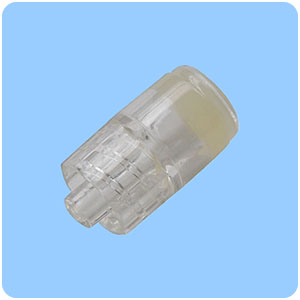
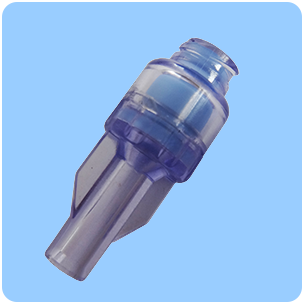
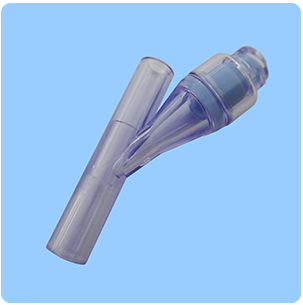
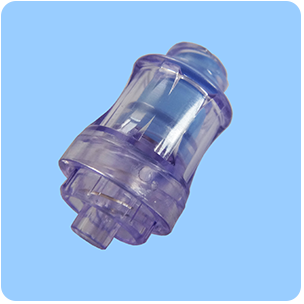
The male luer lock represents a critical component in medical and laboratory fluid transfer systems, designed to create secure, leak-proof connections between various devices and equipment. This precision-engineered connector features external threads that twist and lock into a corresponding female luer lock fitting, establishing a robust mechanical bond that ensures safe fluid delivery. The male luer lock has become an industry standard across healthcare facilities, research laboratories, pharmaceutical manufacturing plants, and veterinary clinics worldwide. Its primary function involves connecting syringes, catheters, IV lines, needles, and various medical tubing systems while preventing accidental disconnections during critical procedures. The technological design incorporates a tapered nozzle with standardized dimensions that conform to ISO 594 specifications, ensuring universal compatibility across different manufacturers and equipment types. This standardization allows healthcare professionals to confidently interchange components without compatibility concerns. The threading mechanism provides tactile and audible feedback during connection, confirming proper engagement between mating parts. Male luer lock connectors are manufactured from medical-grade materials including polypropylene, polycarbonate, and stainless steel, selected for their chemical resistance, durability, and biocompatibility. The applications span numerous medical disciplines including anesthesiology, emergency medicine, oncology, dialysis, and surgical procedures where reliable fluid connections are paramount. Beyond healthcare, these connectors serve essential roles in analytical chemistry, environmental testing, biotechnology research, and industrial fluid handling systems. The male luer lock design prioritizes patient safety by minimizing the risk of disconnection during medication administration, blood transfusions, and diagnostic procedures. Modern manufacturing techniques ensure consistent quality with tight tolerances, smooth surfaces that facilitate easy cleaning, and designs that accommodate single-use disposable applications or reusable autoclavable configurations depending on specific requirements and regulatory standards.
The male luer lock delivers substantial practical benefits that directly impact operational efficiency, safety outcomes, and cost-effectiveness for medical facilities and laboratory environments. First and foremost, this connector type provides superior connection security compared to slip-tip alternatives, virtually eliminating the risk of accidental separation during patient handling, transport, or active treatment procedures. The threaded locking mechanism requires deliberate rotational movement to disconnect, preventing inadvertent detachment caused by pulling, tugging, or movement that commonly occurs in clinical settings. This security feature proves especially valuable during high-pressure medication delivery, rapid fluid resuscitation, or when patients are conscious and mobile, reducing the likelihood of medication spillage, air embolism risks, and treatment interruptions that compromise patient care quality. Healthcare professionals appreciate the intuitive operation that requires no specialized training or complex manipulation, as the simple twist-and-lock action can be performed quickly even while wearing protective gloves or working in emergency situations with limited visibility. The standardized dimensions ensure universal compatibility across thousands of medical devices from different manufacturers worldwide, eliminating inventory complexity and reducing procurement costs by allowing facilities to maintain smaller, more versatile stock levels rather than managing multiple proprietary connection systems. This interoperability extends product lifespan and maximizes equipment utilization across departments and applications. The male luer lock contributes to infection control protocols through designs that minimize dead space where contaminants could accumulate, smooth surfaces that facilitate thorough cleaning and disinfection, and configurations compatible with closed system transfer devices that protect both patients and healthcare workers from exposure to hazardous medications. Facilities benefit from reduced waste and lower consumable costs since the secure connection prevents medication loss from disconnections and allows more efficient use of expensive pharmaceutical products. The connector design accommodates precise flow control, supporting accurate dosing in critical care applications where medication precision directly affects patient outcomes. Maintenance requirements remain minimal with properly manufactured male luer lock fittings, as the simple mechanical design contains no complex components prone to failure, reducing equipment downtime and repair expenses. The transparent or translucent materials commonly used in disposable versions enable visual confirmation of fluid flow and air bubble detection, supporting clinical decision-making and quality assurance processes. Environmental considerations also favor these connectors, as many modern versions incorporate recyclable materials and designs optimized for resource-efficient manufacturing processes that reduce the carbon footprint of medical supply chains while maintaining the rigorous performance standards essential for patient safety and treatment efficacy.

Practical Tips

What Makes Top Injection Moulding Product Manufacturers Stand Out?

27

Nov

What Makes Top Injection Moulding Product Manufacturers Stand Out?

The manufacturing landscape has witnessed remarkable transformations over the past decades, with injection moulding emerging as one of the most critical production processes across multiple industries. From automotive components to medical devices, c...
View More
How Can Custom Mold and OEM Molding Improve Product Manufacturing Efficiency?

23

Dec

How Can Custom Mold and OEM Molding Improve Product Manufacturing Efficiency?

Manufacturing efficiency has become the cornerstone of competitive advantage in today's industrial landscape. Companies across various sectors are discovering that traditional manufacturing approaches often fall short of meeting modern demands for pr...
View More
How Does Insert Injection Molding Combine Metals and Plastics Efficiently?

23

Dec

How Does Insert Injection Molding Combine Metals and Plastics Efficiently?

Insert injection molding represents a revolutionary manufacturing process that seamlessly combines different materials, particularly metals and plastics, to create composite components with enhanced functionality and durability. This advanced techniq...
View More
How to choose a reliable partner for custom mold and OEM molding in medical device manufacturing?

06

Jan

How to choose a reliable partner for custom mold and OEM molding in medical device manufacturing?

Medical device manufacturing demands precision, compliance, and reliability at every stage of production. When selecting a partner for custom mold development and OEM molding services, healthcare companies must evaluate multiple critical factors that...
View More

Get a Free Quote

Our representative will contact you soon.
0/1000
Universal Compatibility and Standardization Excellence

Universal Compatibility and Standardization Excellence

The male luer lock demonstrates exceptional value through its adherence to internationally recognized ISO 594 standards, which establish precise dimensional specifications that ensure flawless compatibility across an enormous range of medical and laboratory equipment from manufacturers around the globe. This standardization represents far more than a technical specification; it translates into tangible operational advantages that affect daily workflows, emergency response capabilities, and long-term cost management strategies. Healthcare facilities investing in male luer lock compatible equipment gain the flexibility to source components from multiple vendors without concerns about fit, function, or performance variations, creating competitive procurement environments that drive down costs while maintaining quality standards. The standardized taper angle, thread pitch, and overall dimensions mean that a syringe from one manufacturer will reliably connect with tubing from another supplier and a catheter from a third source, eliminating the frustration and safety risks associated with incompatible components during time-sensitive procedures. This interoperability proves particularly crucial in emergency departments, operating rooms, and intensive care units where clinicians must rapidly assemble fluid delivery systems using whatever components are immediately available without pausing to verify compatibility between specific brands or product lines. The universal nature of male luer lock connections also supports continuity of care during patient transfers between facilities, as receiving hospitals can confidently connect their equipment to lines and devices already in place without needing to replace entire systems due to proprietary connection incompatibilities. For laboratory environments, this standardization enables researchers to construct custom fluid handling configurations by combining components from various suppliers, optimizing system performance for specific applications without being locked into single-vendor ecosystems that limit innovation and increase dependency. The widespread adoption of these standards has created a robust global supply chain with multiple manufacturing sources, reducing vulnerability to supply disruptions and ensuring availability even during periods of exceptional demand such as public health emergencies. Training benefits also emerge from standardization, as healthcare workers and laboratory technicians who learn to use male luer lock connections in one facility can immediately apply those skills in any other setting worldwide, reducing onboarding time, minimizing errors related to unfamiliar equipment, and supporting workforce mobility across organizations and geographic regions.
Enhanced Safety Through Secure Locking Mechanism

Enhanced Safety Through Secure Locking Mechanism

The threaded locking design that defines the male luer lock provides unmatched security in fluid connection applications where disconnection could result in serious patient harm, treatment failure, or exposure to hazardous substances. Unlike simple friction-fit connections that rely solely on taper interference to maintain engagement, the male luer lock incorporates mechanical threads that create a positive lock requiring deliberate counterclockwise rotation to release, establishing multiple layers of disconnection resistance that protect against the various forces encountered in real-world clinical and laboratory environments. This mechanical advantage proves essential during patient transport when equipment may be jostled, during procedures involving patient movement or positioning changes, and in situations where tubing and lines experience tension from equipment placement or patient activity. The audible and tactile click that occurs when the threads fully engage provides immediate confirmation of proper connection, giving clinicians confidence that the system is secure before beginning medication administration or fluid delivery, reducing anxiety and second-guessing that can slow workflows during critical moments. This feedback mechanism supports quality assurance by enabling visual and physical verification of connection integrity as part of standard safety checks before procedures begin. For pediatric and geriatric patients who may inadvertently pull on lines or tubing, the male luer lock offers substantially greater resistance to accidental disconnection compared to slip-tip alternatives, reducing the frequency of line replacements, minimizing patient discomfort from repeated access procedures, and decreasing the risk of complications associated with repeated venipuncture or catheter insertion attempts. In high-risk applications such as chemotherapy administration, epidural anesthesia delivery, or arterial line monitoring, the secure connection provided by male luer lock fittings helps prevent dangerous medication extravasation, loss of vascular access, or introduction of air into pressurized systems that could lead to embolism events. The connection security also supports the use of ambulatory infusion pumps and patient-controlled analgesia devices that allow mobilization during treatment, as patients can move with confidence that their therapy lines will remain intact during ambulation, bathroom visits, and other activities that promote recovery and patient satisfaction. For laboratory applications involving hazardous chemicals, biological materials, or volatile solvents, the male luer lock reduces the risk of spills that could expose personnel to dangerous substances, contaminate work areas, or compromise experimental integrity by preventing unexpected disconnections during fluid transfers, sample processing, or automated analysis procedures.
Versatile Material Options for Diverse Applications

Versatile Material Options for Diverse Applications

The male luer lock is manufactured from an extensive range of specialized materials, each selected and engineered to meet specific performance requirements, regulatory standards, and application environments that span from single-use disposable medical devices to durable reusable laboratory equipment designed for years of continuous service. Medical-grade polypropylene represents the most common material choice for disposable male luer lock components used in syringes, IV administration sets, and single-use catheters due to its excellent chemical resistance to most pharmaceutical compounds, physiological fluids, and cleaning agents combined with favorable biocompatibility profiles that minimize adverse reactions when components contact blood, tissue, or medications. The material's transparency allows visual inspection of fluid flow and air bubble detection, supporting clinical safety protocols while its relatively low manufacturing cost makes it economically viable for single-use applications that prioritize infection control through disposal rather than reprocessing. Polycarbonate materials offer enhanced clarity and superior impact resistance compared to polypropylene, making them ideal for applications where visual monitoring is critical and where components may experience mechanical stress during handling or use, though chemical compatibility must be carefully evaluated for specific medication formulations. For reusable applications in laboratory settings, surgical instruments, and durable medical equipment, stainless steel male luer lock fittings provide exceptional longevity, autoclave compatibility for reliable sterilization through repeated cycles, and resistance to a broader range of solvents and aggressive chemicals encountered in analytical chemistry and industrial processes. The metallic construction also supports higher pressure ratings essential for certain chromatography applications, pressure testing equipment, and industrial fluid systems while maintaining dimensional stability across temperature variations that would cause significant dimensional changes in polymer materials. Specialized engineering polymers including PEEK, PTFE, and other fluoropolymers serve niche applications requiring extreme chemical resistance, elevated temperature tolerance, or ultra-low particulate generation in semiconductor manufacturing and pharmaceutical cleanroom environments. The material selection flexibility ensures that male luer lock technology can be optimized for virtually any application requirement, whether prioritizing cost minimization, chemical compatibility, sterilization method compatibility, pressure rating, transparency, or environmental considerations such as recyclability and sustainable sourcing. This versatility extends the utility of the male luer lock standard across industries and applications far beyond its medical origins, demonstrating the enduring value of well-designed connection technology that can adapt to evolving requirements while maintaining the core benefits of standardization, security, and reliability.