Multi Shot Molding Technology: Advanced Manufacturing Solutions for Complex Plastic Components

Get a Quote
Get a Quote

multi shot molding

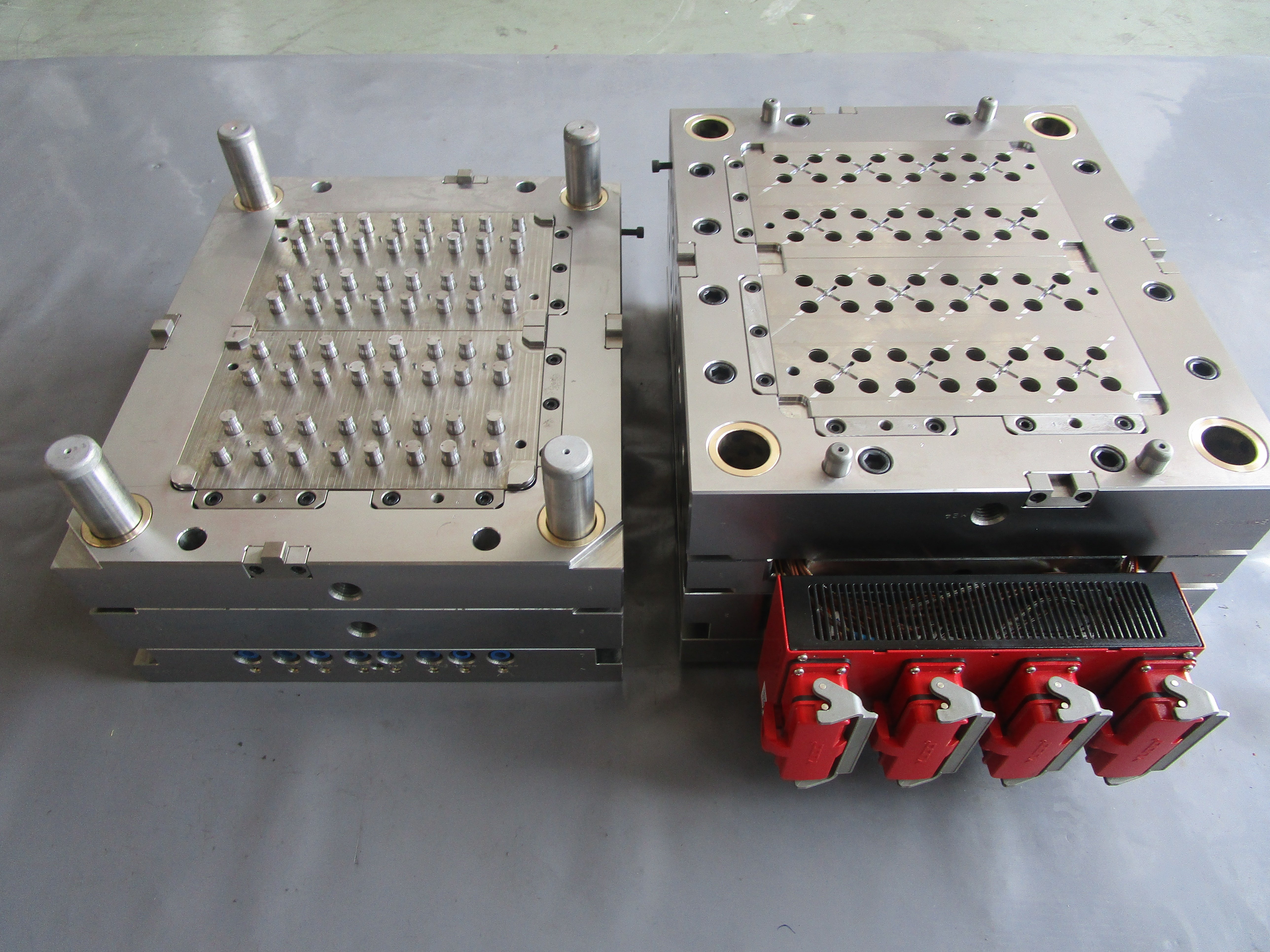
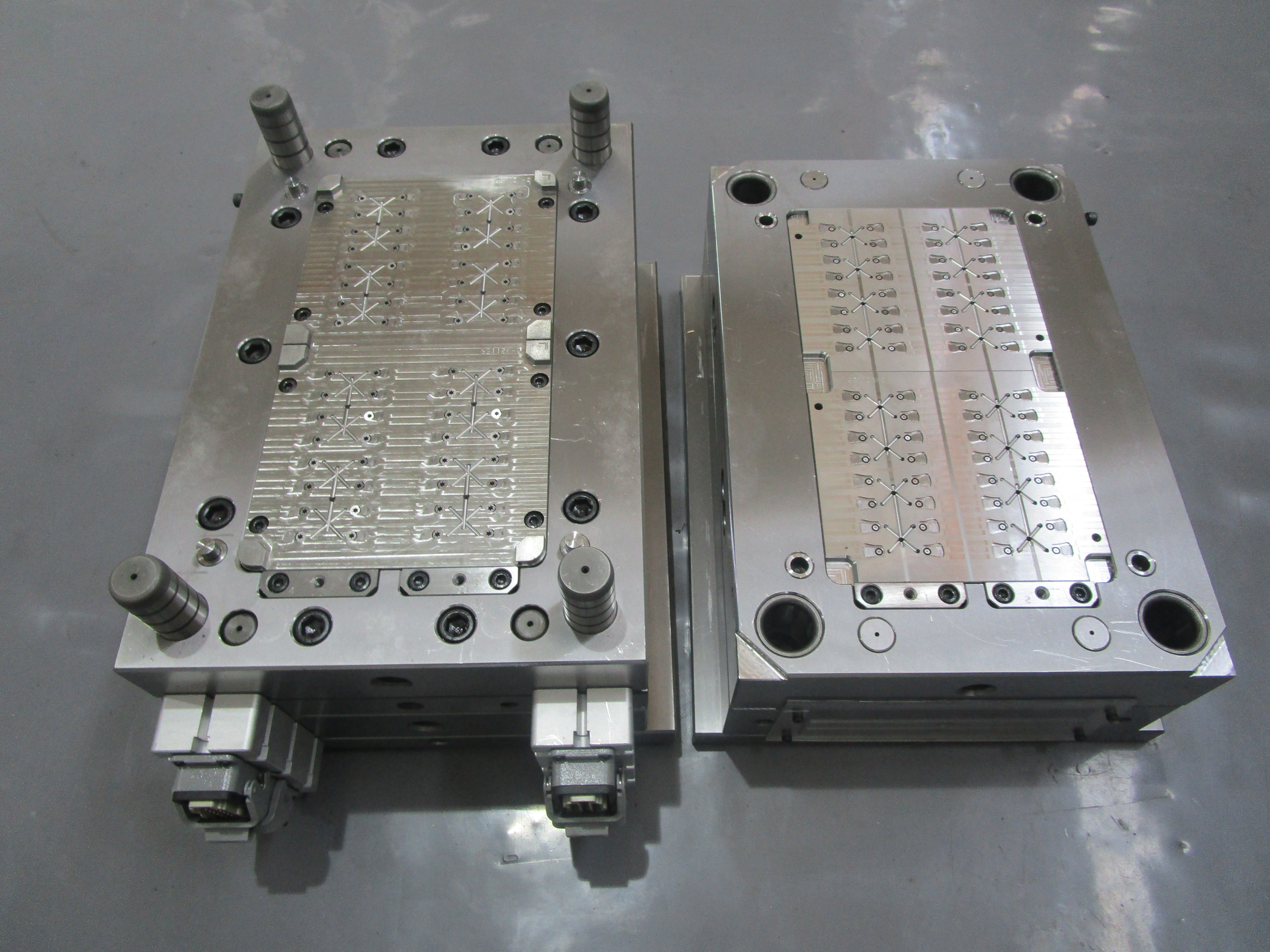
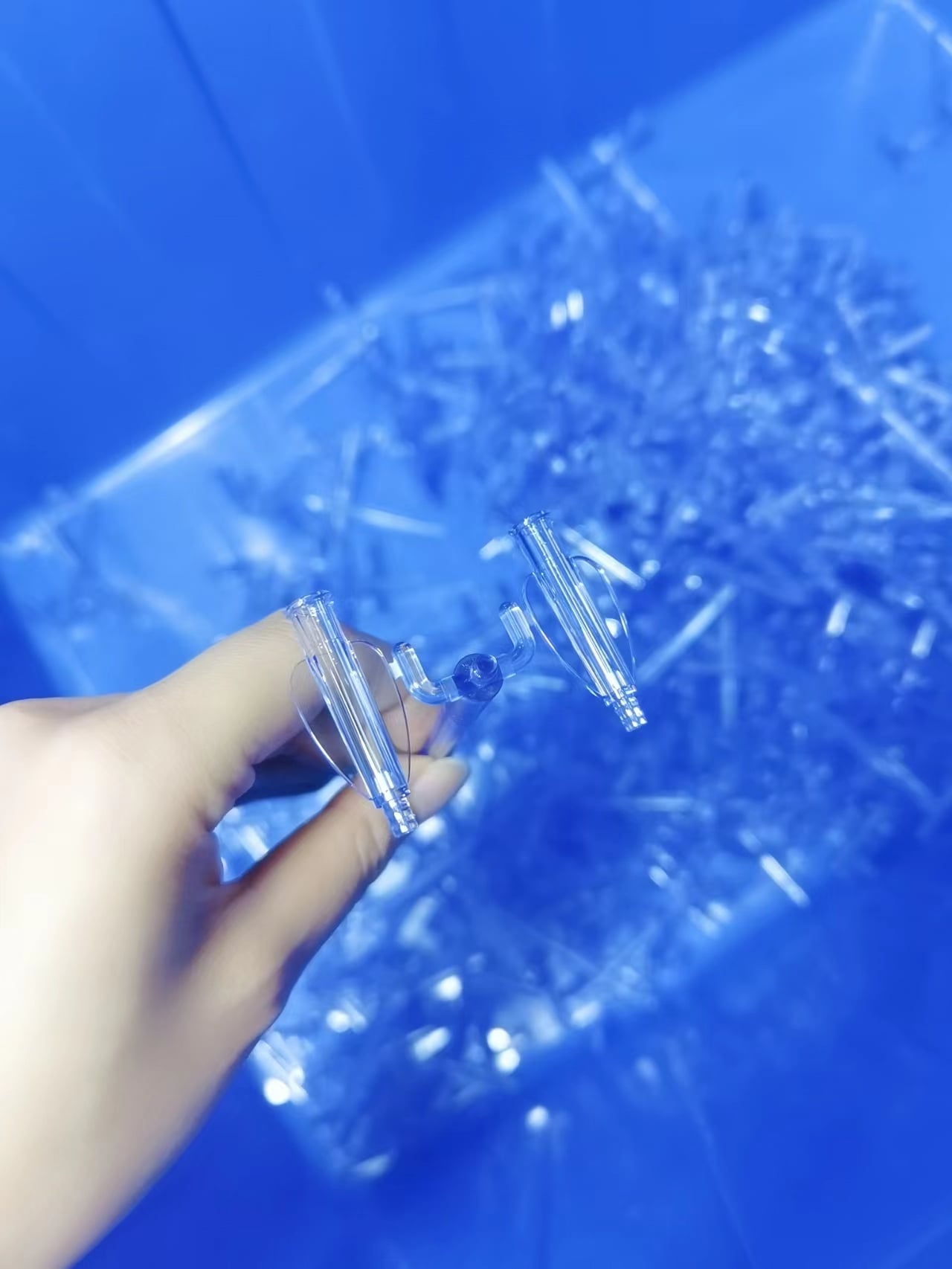
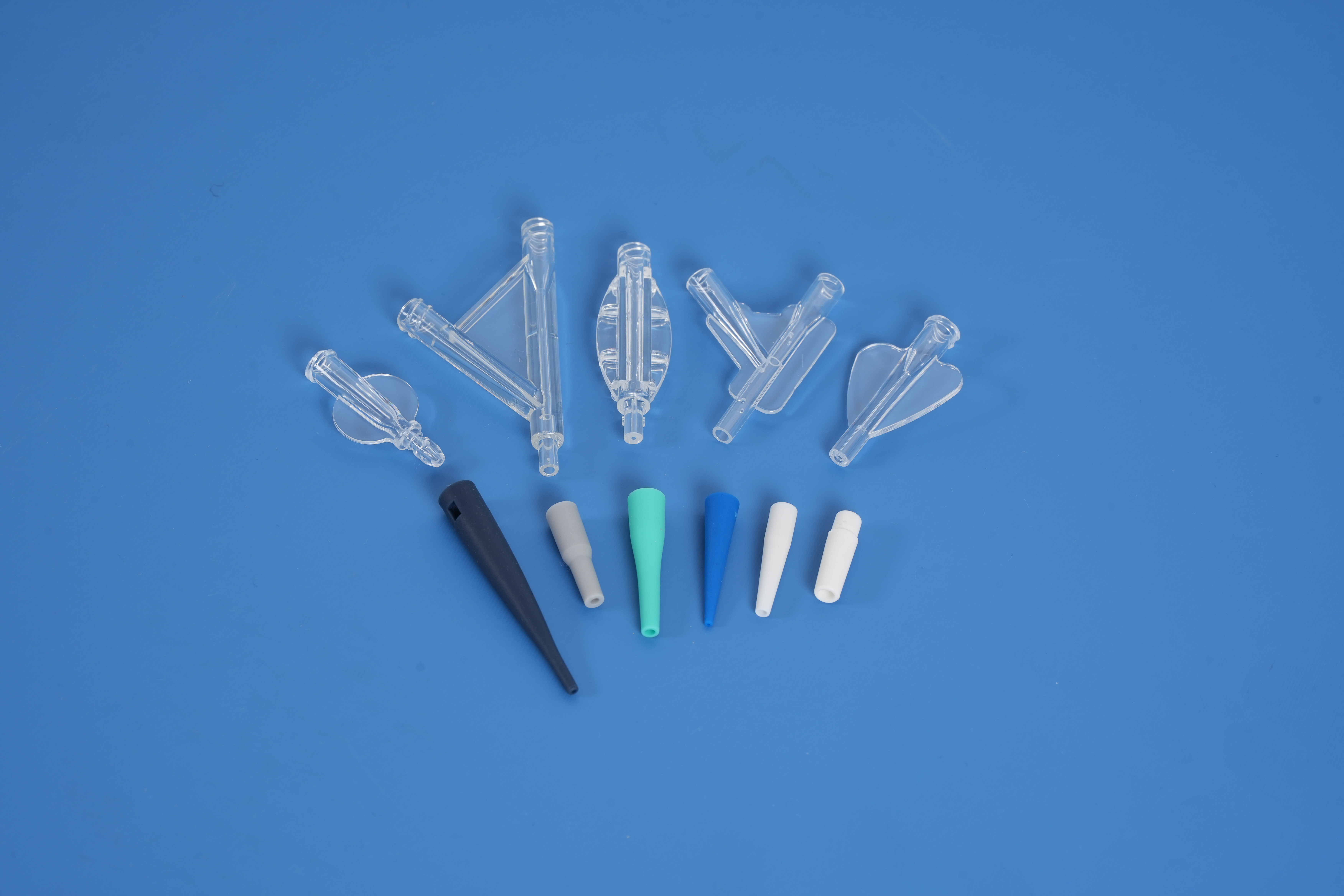
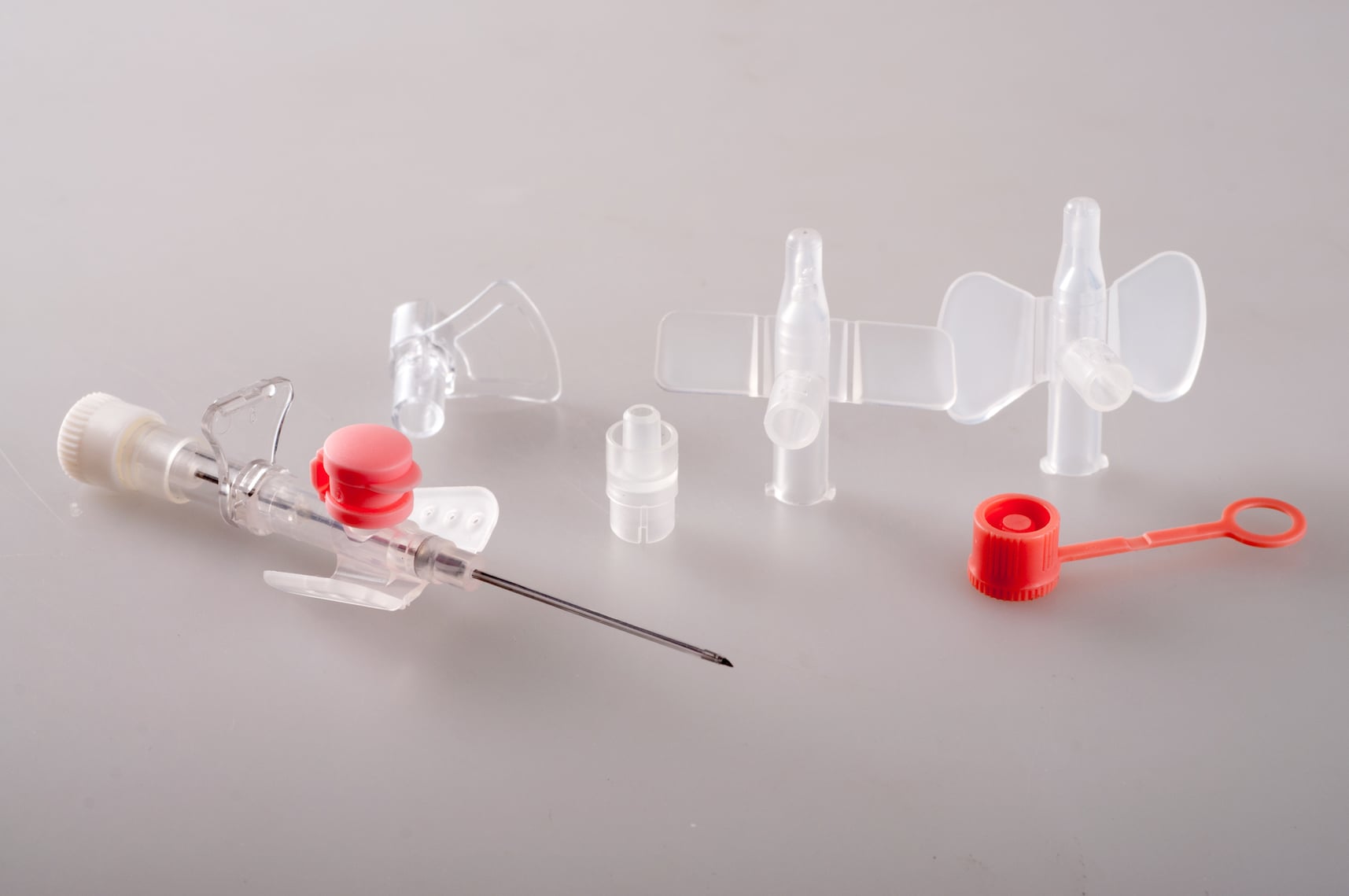
Multi shot molding represents an advanced manufacturing technique that revolutionizes the production of complex plastic components by combining multiple materials or colors in a single production cycle. This sophisticated process enables manufacturers to create intricate parts with diverse material properties, vibrant color combinations, and enhanced functionality without the need for secondary assembly operations. The technology operates through specialized injection molding machines equipped with multiple injection units that sequentially inject different materials into a single mold cavity. Each material bonds chemically or mechanically with the previous layer, creating a unified component with distinct zones of different properties. The main functions of multi shot molding include producing components with soft-touch grips combined with rigid structural elements, creating products with multiple colors for aesthetic appeal, and manufacturing parts that integrate different material characteristics such as flexibility and rigidity in predetermined areas. Technological features of this process include precise control over injection timing, temperature management for different materials, rotary or index plate mold systems that reposition parts between shots, and advanced cooling systems that ensure proper material bonding. The process requires careful material selection to ensure compatibility, with considerations for shrinkage rates, melting temperatures, and chemical bonding capabilities. Applications of multi shot molding span numerous industries including automotive manufacturing for creating dashboard components, gear shifts, and interior trim pieces; consumer electronics for producing smartphone cases, remote controls, and wearable devices; medical devices requiring biocompatible materials with ergonomic grips; household appliances with aesthetic appeal and functional elements; and power tools combining comfortable handles with durable housings. The versatility of multi shot molding makes it invaluable for manufacturers seeking to reduce assembly costs, improve product quality, and create innovative designs that were previously impossible or economically unfeasible with traditional manufacturing methods.
Multi shot molding delivers substantial benefits that directly impact your production efficiency and product quality, making it a smart investment for forward-thinking manufacturers. First and foremost, this technology eliminates the need for secondary assembly operations, which means you save significant time and labor costs that would otherwise be spent joining separate components together. Your production line becomes more streamlined because parts emerge from the mold already complete, reducing handling, storage, and logistics expenses. The automatic bonding that occurs during the molding process creates stronger connections between materials compared to adhesives or mechanical fasteners, ensuring your products withstand rigorous use without components separating or failing. You gain tremendous design freedom because multi shot molding allows you to combine materials with vastly different properties in ways that simply are not possible with single-material processes. Imagine creating a product with a rigid structural core surrounded by a soft, comfortable exterior, or incorporating transparent windows into opaque housings, all in one seamless manufacturing step. This capability opens doors to innovative product designs that differentiate your offerings in competitive markets. Quality improvements are another major advantage, as the process reduces part-to-part variation and eliminates alignment issues that plague assembled products. Each component maintains precise dimensional accuracy and consistent material placement, resulting in higher overall product reliability. Your customers notice the difference in the premium feel and superior performance of products manufactured with this technology. Cost reduction extends beyond labor savings because you need fewer molds overall, less floor space for assembly operations, and reduced inventory of separate components. The consolidation of multiple parts into single molded units also decreases warranty claims and returns since there are fewer potential failure points. Environmental benefits matter too, as multi shot molding generates less waste compared to traditional methods that require cutting, trimming, or discarding excess material from assembly processes. You use only the material needed for each specific zone of the product, optimizing material consumption and reducing your environmental footprint. Production speed increases dramatically because one machine cycle produces what previously required multiple manufacturing steps and assembly stations. This faster throughput means you can respond more quickly to market demands, reduce lead times, and improve customer satisfaction. The technology also supports sustainable manufacturing practices by enabling the use of recycled materials in non-critical areas while maintaining virgin materials where performance is essential, giving you flexibility in material sourcing and cost management while meeting sustainability goals.

Latest News

Why Custom Injection Molding Is Ideal for Precision Parts

22

Oct

Why Custom Injection Molding Is Ideal for Precision Parts

The Evolution of Modern Manufacturing Through Custom Molding Solutions In today's advanced manufacturing landscape, precision and consistency are paramount. Custom injection molding has emerged as a cornerstone technology that enables manufacturers t...
View More
How Can Custom Mold and OEM Molding Improve Product Manufacturing Efficiency?

23

Dec

How Can Custom Mold and OEM Molding Improve Product Manufacturing Efficiency?

Manufacturing efficiency has become the cornerstone of competitive advantage in today's industrial landscape. Companies across various sectors are discovering that traditional manufacturing approaches often fall short of meeting modern demands for pr...
View More

06

Jan

The healthcare industry continues to evolve at an unprecedented pace, driven by technological advancements and increasing patient care demands. Modern healthcare facilities require sophisticated medical equipment that not only meets current clinical ...
View More
How can custom OEM molding services optimize the cost of large-scale medical disposables?

06

Jan

How can custom OEM molding services optimize the cost of large-scale medical disposables?

In today's competitive healthcare landscape, medical device manufacturers face mounting pressure to reduce production costs while maintaining the highest quality standards. Custom OEM molding services have emerged as a strategic solution for companie...
View More

Get a Free Quote

Our representative will contact you soon.
0/1000
Superior Product Integration and Material Versatility

Superior Product Integration and Material Versatility

Multi shot molding stands out for its exceptional ability to integrate multiple materials with different physical and chemical properties into a single cohesive product, creating possibilities that transform how manufacturers approach product design and functionality. This technology allows you to strategically place materials exactly where their unique properties provide the most value, optimizing performance while controlling costs. For instance, you can position rigid engineering plastics in structural areas that require strength and dimensional stability, while simultaneously incorporating elastomeric materials in zones where flexibility, vibration damping, or soft-touch characteristics enhance user experience. The bonding that occurs between these dissimilar materials during the injection process creates molecular or mechanical interlocking that surpasses the strength of adhesive bonding or mechanical assembly methods. This permanent fusion eliminates concerns about delamination, separation, or interface failure that plague products assembled from separate components. The material versatility extends to combining opaque and transparent plastics, allowing you to create products with viewing windows, light pipes, or decorative elements integrated seamlessly into the design. You can also incorporate conductive and non-conductive materials for electronic applications, or combine materials with different thermal properties for applications requiring specific heat dissipation or insulation characteristics. The process supports numerous material combinations including polycarbonate with thermoplastic elastomer, polypropylene with thermoplastic polyurethane, ABS with polycarbonate, and many other pairings that expand design possibilities exponentially. Material selection flexibility extends to color options as well, enabling you to create products with vibrant multi-color designs without painting, printing, or applying labels. This not only reduces manufacturing steps but also ensures color permanence since the color is integral to the material itself rather than applied superficially. The technology accommodates materials with significantly different processing temperatures and viscosities by utilizing independent temperature control for each injection unit, ensuring optimal processing conditions for each material type. This careful control maintains material properties and prevents degradation that could occur if materials were forced to process at compromised temperatures. Multi shot molding also enables you to incorporate recycled or lower-grade materials in non-critical internal structures while maintaining premium materials in visible or high-stress areas, optimizing both cost and environmental impact without compromising product quality or appearance.
Exceptional Cost Efficiency and Production Optimization

Exceptional Cost Efficiency and Production Optimization

The economic advantages of multi shot molding extend far beyond simple per-unit cost calculations, encompassing comprehensive savings across your entire manufacturing operation that compound over time to deliver substantial return on investment. By consolidating what would traditionally require multiple manufacturing steps, separate molds, and assembly operations into a single automated process, you dramatically reduce labor requirements and eliminate wage costs associated with manual assembly workers. The reduction in human handling also decreases the likelihood of assembly errors, contamination, or damage that can occur when components pass through multiple workstations and undergo repeated manipulation. Your quality control processes become simpler and more effective because you inspect one completed part rather than multiple components and their assembly, reducing inspection time and improving defect detection rates. The space savings achieved through process consolidation translate directly to lower facility costs, as you eliminate assembly stations, component staging areas, and inventory storage for separate parts waiting for assembly. This freed space can be repurposed for additional production capacity or other value-adding operations. Tool costs decrease because multi shot molding requires fewer total molds compared to producing and assembling separate components, and the molds you do use run more efficiently with higher utilization rates. Cycle time optimization becomes possible because the sequential injection of materials occurs within a single machine cycle, eliminating transfer time between operations and reducing total production time per part. This accelerated production enables you to meet demand spikes without adding shifts or equipment, providing operational flexibility that improves customer service and market responsiveness. Material waste reduction contributes to cost savings as well, since the precision of injection molding delivers exact material quantities to specific locations without the trimming, cutting, or excess material inherent in other processes. The elimination of consumables like adhesives, fasteners, clips, or welding materials further reduces ongoing material costs and simplifies supply chain management. Energy consumption per part typically decreases because you operate one machine through one cycle instead of multiple machines or process steps, reducing your utility costs and carbon footprint simultaneously. The durability of products manufactured through multi shot molding reduces warranty claims and returns, protecting your reputation while eliminating the costs associated with processing returns, investigating failures, and replacing defective products. Long-term customer relationships strengthen because the superior quality and reliability of your products generate repeat purchases and positive referrals, creating sustainable revenue streams that justify the initial investment in this advanced manufacturing technology.
Enhanced Design Freedom and Market Differentiation

Enhanced Design Freedom and Market Differentiation

Multi shot molding unleashes unprecedented creative possibilities that empower your design team to develop innovative products that captivate customers and distinguish your brand in crowded marketplaces where differentiation drives purchasing decisions. This technology removes traditional constraints that limited designers to single-material solutions or complicated assembly-dependent designs, opening new avenues for creating products that combine aesthetic appeal with enhanced functionality. You can now realize complex geometries and intricate features that were previously impossible or prohibitively expensive to manufacture, translating conceptual designs into market-ready products without compromise. The ability to incorporate multiple colors in precise patterns or gradients creates visual interest and brand identity directly into the product structure, eliminating the need for labels, paint, or graphics that can fade, peel, or wear away over time. This permanent color integration ensures your products maintain their appearance throughout their service life, reinforcing quality perceptions and customer satisfaction. Ergonomic enhancements become practical and cost-effective as you integrate soft-touch materials exactly where users grip or interact with products, improving comfort and usability without the bulk or expense of overmolded assemblies. The seamless integration of these comfort features creates a premium feel that commands higher price points and strengthens brand positioning. Functional improvements extend beyond aesthetics as multi shot molding enables you to create products with integrated sealing features, incorporating flexible materials in gasket zones while maintaining rigid structural components, all produced in one operation without assembly. This integration improves product reliability in demanding applications where moisture, dust, or contaminant intrusion could cause failure. You can also design products with strategic material placement that optimizes weight distribution, balances mechanical properties, or creates specific tactile responses that enhance user experience. The technology supports the creation of products with graduated hardness, where material durability varies across the component to provide impact resistance in critical areas while maintaining flexibility elsewhere. Transparent components integrated with opaque structures enable innovative approaches to product interaction, allowing for illuminated indicators, visible mechanical elements, or aesthetic displays that engage users and communicate functionality. The design flexibility extends to creating products with chemical resistance in specific zones, incorporating materials that withstand aggressive substances in areas of exposure while using more economical materials elsewhere. This targeted material deployment optimizes performance while controlling costs, making advanced functionality accessible across broader market segments. Multi shot molding also facilitates rapid product iterations and customization, as design changes can be implemented through mold modifications or material substitutions without redesigning entire products or assembly processes, accelerating time-to-market for new variants and keeping your product portfolio fresh and responsive to evolving customer preferences and market trends.