PVC Medical Equipment: Superior Quality Healthcare Solutions for Modern Clinical Applications

Get a Quote
Get a Quote

pvc medical equipment

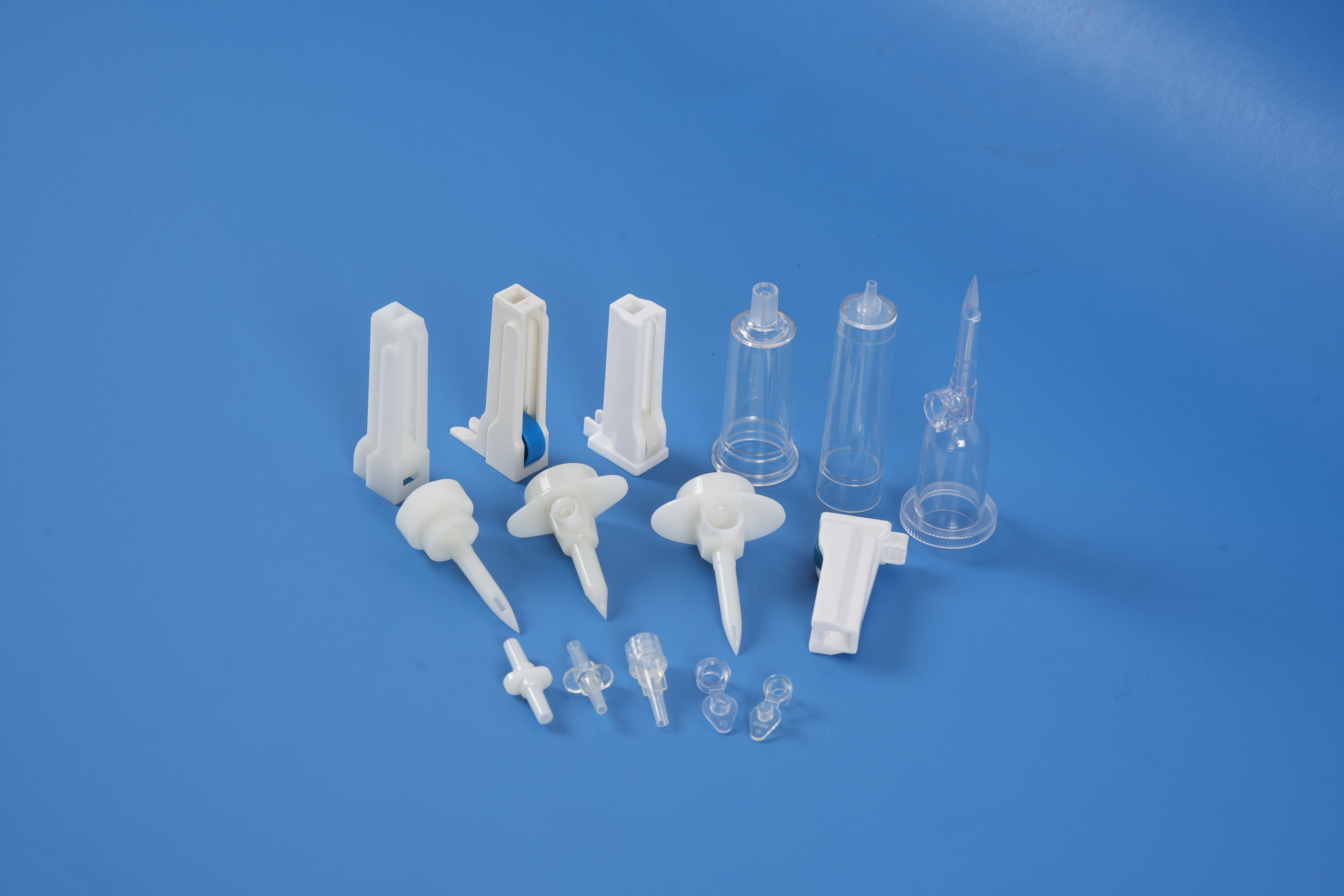
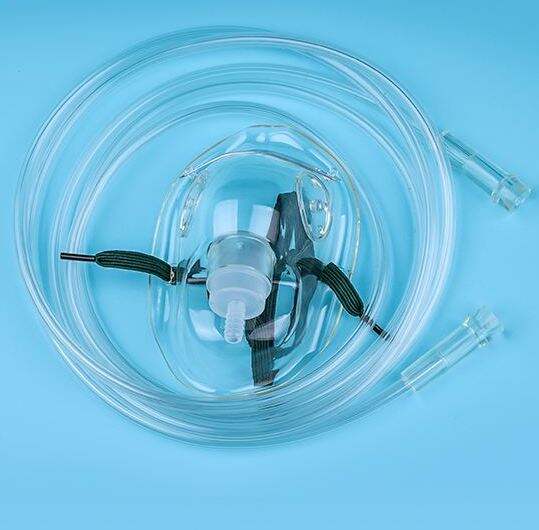
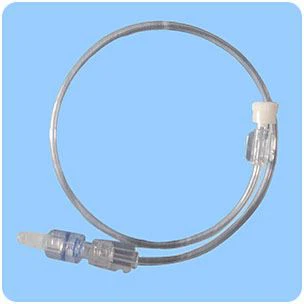
PVC medical equipment represents a cornerstone of modern healthcare infrastructure, utilizing polyvinyl chloride as the primary material for manufacturing essential medical devices and supplies. This versatile category encompasses a wide range of products including intravenous tubes, blood bags, oxygen masks, catheters, dialysis equipment, and various surgical instruments. The adoption of PVC in medical applications stems from its exceptional combination of flexibility, durability, and cost-effectiveness, making it an ideal choice for both single-use and reusable medical devices. The main functions of PVC medical equipment revolve around fluid management, patient monitoring, drug delivery, and life support systems. These products facilitate critical healthcare procedures such as blood transfusions, intravenous therapy, respiratory support, and surgical interventions. The technological features of PVC medical equipment include excellent chemical resistance, transparency for visual monitoring, biocompatibility through specialized formulations, and the ability to be sterilized using various methods including gamma radiation, ethylene oxide, and steam autoclaving. Modern PVC medical equipment incorporates advanced plasticizers that are phthalate-free, addressing previous concerns about material safety and ensuring compliance with stringent international healthcare regulations. The applications of PVC medical equipment span across multiple healthcare settings including hospitals, clinics, emergency medical services, home healthcare, and specialized treatment centers. In hospital environments, PVC medical equipment is indispensable for intensive care units, operating rooms, dialysis centers, and general patient care wards. The material's adaptability allows manufacturers to create products with varying degrees of rigidity and flexibility, tailored to specific medical requirements. Furthermore, PVC medical equipment supports infection control protocols through its compatibility with single-use disposable designs, significantly reducing cross-contamination risks. The global healthcare industry continues to rely heavily on PVC medical equipment due to its proven track record, regulatory acceptance, and continuous innovation in material science that enhances patient safety and treatment outcomes.

Choosing PVC medical equipment delivers substantial practical benefits that directly impact patient care quality and healthcare facility operations. First and foremost, the cost-effectiveness of PVC medical equipment makes advanced healthcare accessible to a broader population. Compared to alternative materials like silicone or polyurethane, PVC offers similar performance characteristics at a fraction of the cost, enabling healthcare facilities to manage budgets more efficiently without compromising patient safety. This economic advantage is particularly significant for high-volume consumables such as IV sets and blood collection tubes, where the cumulative savings can be redirected toward other critical healthcare services. The durability and reliability of PVC medical equipment ensure consistent performance throughout its intended use period. These products resist cracking, tearing, and degradation under normal operating conditions, which translates to fewer equipment failures during critical medical procedures. Healthcare professionals can trust that PVC medical equipment will function as expected, reducing the stress and uncertainty that comes with equipment malfunction during patient treatment. The transparency of PVC materials provides clear visibility of fluids, medications, and blood products flowing through tubing and containers. This visual monitoring capability allows medical staff to quickly identify air bubbles, blockages, or contamination, enabling immediate corrective action that protects patient safety. The flexibility of PVC medical equipment enhances patient comfort during extended treatments. Soft, pliable tubing and catheters reduce tissue irritation and pressure points, particularly important for patients requiring long-term intravenous therapy or dialysis. This flexibility also simplifies handling for healthcare workers, making connections and adjustments easier during busy clinical routines. The chemical resistance of PVC medical equipment ensures compatibility with a wide range of medications, disinfectants, and bodily fluids. This versatility means that facilities can maintain standardized equipment inventories that work across multiple applications, simplifying procurement and storage logistics. Sterilization compatibility is another major advantage, as PVC medical equipment can be processed using industry-standard methods without material degradation. This feature is essential for maintaining the sterile environments required in modern healthcare. The lightweight nature of PVC medical equipment reduces shipping costs and makes handling easier for medical personnel, which is especially valuable in emergency situations where speed and mobility are critical. Additionally, PVC medical equipment supports environmental responsibility through recycling programs that are increasingly available for medical-grade plastics. Manufacturing processes for PVC medical equipment have matured over decades, resulting in highly consistent product quality with minimal batch-to-batch variation. This reliability means that healthcare providers can expect uniform performance across their entire inventory. The regulatory acceptance of PVC medical equipment worldwide streamlines international procurement and ensures that products meet rigorous safety standards regardless of where they are manufactured or used.

Tips And Tricks

Top Advantages of Choosing Custom Injection Molding Services

22

Oct

Top Advantages of Choosing Custom Injection Molding Services

Revolutionizing Manufacturing Through Custom Injection Molding The manufacturing landscape has evolved dramatically in recent years, with custom injection molding services emerging as a cornerstone of modern production methods. This sophisticated man...
View More
Why Custom Injection Molding Is Ideal for Precision Parts

22

Oct

Why Custom Injection Molding Is Ideal for Precision Parts

The Evolution of Modern Manufacturing Through Custom Molding Solutions In today's advanced manufacturing landscape, precision and consistency are paramount. Custom injection molding has emerged as a cornerstone technology that enables manufacturers t...
View More
Why Experienced Injection Manufacturers Improve Product Quality

27

Nov

Why Experienced Injection Manufacturers Improve Product Quality

The medical device industry demands precision and reliability at every stage of production, making the selection of experienced injection manufacturers a critical decision for companies developing healthcare products. Quality standards in medical man...
View More
How to choose a reliable partner for custom mold and OEM molding in medical device manufacturing?

06

Jan

How to choose a reliable partner for custom mold and OEM molding in medical device manufacturing?

Medical device manufacturing demands precision, compliance, and reliability at every stage of production. When selecting a partner for custom mold development and OEM molding services, healthcare companies must evaluate multiple critical factors that...
View More

Get a Free Quote

Our representative will contact you soon.
0/1000
Superior Biocompatibility and Patient Safety Standards

Superior Biocompatibility and Patient Safety Standards

The biocompatibility of PVC medical equipment stands as one of its most critical attributes, directly impacting patient safety and treatment success rates. Modern PVC medical equipment undergoes rigorous testing to ensure it meets international biocompatibility standards established by organizations such as ISO 10993 and FDA regulations. Manufacturers have developed specialized PVC formulations that eliminate or minimize potentially harmful additives, particularly phthalates, which were historically used as plasticizers. Today's advanced PVC medical equipment utilizes alternative plasticizers such as DINCH, TOTM, and citrate-based compounds that have demonstrated excellent safety profiles through extensive toxicological studies. This evolution in material science means that patients can receive treatment through PVC medical equipment without exposure to substances that might cause adverse reactions or long-term health concerns. The surface properties of PVC medical equipment have been engineered to minimize protein adhesion and bacterial colonization, which are crucial factors in preventing catheter-related bloodstream infections and other device-associated complications. Some PVC medical equipment incorporates antimicrobial additives or surface treatments that actively resist microbial growth, providing an additional layer of protection for vulnerable patients. The smooth interior surfaces of PVC tubing reduce hemolysis during blood transfusions and minimize the formation of clots or emboli that could pose serious health risks. Healthcare facilities that prioritize patient safety find that PVC medical equipment delivers consistent, predictable performance that supports their quality assurance programs. The material's inert nature means it does not leach significant amounts of substances into medications or fluids passing through it, preserving the integrity and efficacy of treatments. Regulatory bodies worldwide have established clear guidelines for PVC medical equipment, and manufacturers who comply with these standards provide healthcare providers with the confidence that their products have undergone thorough evaluation. Clinical studies spanning decades have documented the safety record of properly formulated PVC medical equipment, with millions of patients treated successfully using these devices. The ability to tailor PVC formulations to specific medical applications means that manufacturers can optimize biocompatibility for particular use cases, whether for short-term acute care or long-term chronic treatment. This customization capability ensures that PVC medical equipment can meet the diverse needs of modern healthcare while maintaining the highest safety standards.
Versatile Sterilization Options and Infection Control

Versatile Sterilization Options and Infection Control

PVC medical equipment excels in supporting comprehensive infection control strategies through its compatibility with multiple sterilization methods, a critical requirement in contemporary healthcare environments. The ability to sterilize medical devices effectively without compromising their structural integrity or functional performance is essential for preventing healthcare-associated infections, which affect millions of patients globally each year. PVC medical equipment can be sterilized using gamma radiation, one of the most widely used methods in the medical device industry. This cold sterilization process penetrates packaging and the device itself, eliminating microorganisms without exposing the PVC material to heat that might cause deformation or property changes. Ethylene oxide sterilization represents another effective option for PVC medical equipment, particularly for devices with complex geometries or multiple components. This gas sterilization method reaches all surfaces while maintaining the material properties that make PVC medical equipment reliable and safe. Steam sterilization, though requiring careful parameter control, can also be applied to certain PVC medical equipment formulations that have been specifically designed to withstand elevated temperatures. The versatility in sterilization options allows healthcare facilities to choose methods that best fit their operational capabilities and workflow requirements. Single-use PVC medical equipment arrives pre-sterilized from manufacturers, eliminating the need for facility-based processing and reducing the risk of sterilization errors that could compromise patient safety. This convenience factor significantly streamlines clinical operations, allowing medical staff to focus on patient care rather than equipment preparation. For reusable PVC medical equipment, the material's resistance to repeated sterilization cycles extends product lifespan and provides excellent value over time. The transparent nature of PVC medical equipment facilitates visual inspection after sterilization, enabling quality control personnel to verify that devices are free from contamination or damage before use. Advanced PVC formulations resist discoloration and brittleness that might otherwise result from repeated exposure to sterilization processes, maintaining both functionality and appearance throughout the product lifecycle. Healthcare facilities implementing stringent infection prevention protocols find that PVC medical equipment supports their goals through predictable sterilization responses and consistent material performance. The packaging of PVC medical equipment is designed to maintain sterility until the point of use, with clear tamper-evident features that provide assurance of product integrity. Regulatory requirements for sterilization validation are well-established for PVC medical equipment, giving healthcare providers confidence that products have been processed according to proven protocols. The global standardization of sterilization methods for PVC medical equipment facilitates international trade and ensures that devices meet equivalent safety standards regardless of their country of origin or destination.
Economic Efficiency and Supply Chain Reliability

Economic Efficiency and Supply Chain Reliability

The economic advantages of PVC medical equipment extend far beyond initial purchase price, encompassing total cost of ownership considerations that significantly impact healthcare facility budgets and operational efficiency. PVC medical equipment delivers exceptional value through its combination of affordable manufacturing costs, reliable supply chains, and proven longevity in storage and use. The raw materials for PVC medical equipment are widely available and produced at large scale globally, which stabilizes pricing and reduces the risk of supply disruptions that could jeopardize patient care. This supply chain security is particularly valuable in an era where healthcare systems face increasing pressure to maintain adequate inventory levels while managing costs effectively. Manufacturing processes for PVC medical equipment have been refined over decades, resulting in highly efficient production methods that minimize waste and maximize output quality. These efficiencies translate directly into competitive pricing that benefits healthcare purchasers, from large hospital systems to small clinics and individual practitioners. The standardization of PVC medical equipment designs across the industry means that training costs for clinical staff are minimized, as personnel can apply their knowledge across products from different manufacturers with minimal adjustment. Storage requirements for PVC medical equipment are straightforward, as the material remains stable under normal warehouse conditions without requiring special temperature or humidity controls that add operational costs. The long shelf life of PVC medical equipment reduces waste from expiration, allowing facilities to maintain appropriate stock levels without frequent turnover that ties up capital and increases procurement workload. Bulk purchasing options for high-volume PVC medical equipment items enable healthcare organizations to negotiate favorable pricing while ensuring consistent availability of essential supplies. The lightweight characteristics of PVC medical equipment reduce transportation costs throughout the supply chain, from manufacturer to distributor to end user, contributing to overall system efficiency. Healthcare facilities operating in resource-limited settings particularly benefit from the affordability of PVC medical equipment, as it enables them to provide quality care within constrained budgets. The predictable performance of PVC medical equipment reduces the hidden costs associated with product failures, such as procedure delays, additional staff time, and potential complications requiring extended patient care. Insurance and liability considerations favor PVC medical equipment because its long track record and regulatory acceptance demonstrate established safety and effectiveness. Disposal costs for single-use PVC medical equipment are manageable, and emerging recycling programs offer pathways to recover value from used products while supporting environmental sustainability goals. The global market for PVC medical equipment ensures competitive dynamics that drive continuous improvement in quality and pricing, benefiting healthcare purchasers through ongoing innovation and value enhancement. Financial planning for healthcare facilities becomes more reliable when building budgets around PVC medical equipment, as historical pricing data and future projections are based on mature, stable markets rather than emerging technologies with uncertain cost trajectories.