Professional Suction Tube Medical Devices - Advanced Clinical Aspiration Solutions

Get a Quote
Get a Quote

suction tube medical

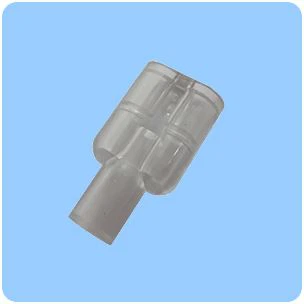
A suction tube medical device represents an essential component in healthcare facilities, designed to efficiently remove bodily fluids, secretions, blood, and other materials from surgical sites or patient airways during medical procedures. This critical instrument serves as a fundamental tool across numerous clinical settings, including operating rooms, emergency departments, intensive care units, and dental practices. The suction tube medical system works by creating negative pressure that draws unwanted substances through a flexible or rigid tube, maintaining a clear field of vision for healthcare providers and ensuring patient safety throughout various interventions. Modern suction tube medical equipment incorporates advanced materials and engineering principles to deliver reliable performance under demanding clinical conditions. These devices typically feature biocompatible construction materials that resist degradation from exposure to bodily fluids and cleaning agents, ensuring longevity and consistent functionality. The primary functions of a suction tube medical device include airway clearance in respiratory management, wound drainage during surgical procedures, aspiration of oral secretions in dental work, and removal of excess fluids during emergency resuscitation efforts. Technological innovations have enhanced suction tube medical devices with features such as calibrated vacuum control systems, transparent materials for visual monitoring of aspirated contents, atraumatic tip designs that minimize tissue damage, and various diameter options to accommodate different clinical requirements. Healthcare professionals rely on suction tube medical equipment for managing everything from routine procedures to life-threatening emergencies, making these devices indispensable in modern medical practice. The applications extend across multiple specialties including general surgery, orthopedics, neurosurgery, cardiothoracic surgery, obstetrics, gastroenterology, and pulmonology. Each medical discipline may require specific suction tube medical configurations optimized for particular anatomical considerations and procedural demands, reflecting the versatility and adaptability of these essential medical instruments in contemporary healthcare delivery systems worldwide.

Healthcare facilities and medical professionals benefit tremendously from implementing high-quality suction tube medical systems in their daily operations. These devices directly improve patient outcomes by maintaining clear airways and surgical fields, which reduces complications and accelerates recovery times. When you invest in reliable suction tube medical equipment, you gain immediate access to enhanced procedural efficiency that saves valuable time during critical interventions. The consistent performance of modern suction tube medical devices means fewer interruptions during procedures, allowing your medical team to focus on patient care rather than equipment troubleshooting. Cost effectiveness represents another significant advantage, as durable suction tube medical products reduce replacement frequency and minimize waste associated with inferior alternatives. Your facility benefits from decreased maintenance requirements and extended service life, translating to better resource allocation and budget management. Patient comfort improves substantially with properly designed suction tube medical instruments that feature smooth surfaces and ergonomic shapes, reducing trauma and discomfort during use. The transparent construction found in quality suction tube medical devices allows immediate visual assessment of aspirated materials, enabling quick clinical decisions without delays or guesswork. This transparency helps your healthcare providers identify potential complications early, such as unexpected bleeding or contamination, facilitating prompt intervention when necessary. Versatility stands as a core advantage, with suction tube medical systems accommodating diverse applications across multiple departments without requiring separate specialized equipment for each use case. Your investment serves various clinical needs simultaneously, maximizing utility and return on investment. Safety features integrated into modern suction tube medical designs protect both patients and healthcare workers from cross-contamination and exposure risks through secure connections and reliable material integrity. The ease of use associated with well-engineered suction tube medical devices reduces training time for new staff members while minimizing user error during high-pressure situations. Your team can operate equipment confidently, knowing that intuitive design supports correct application even in emergency scenarios. Compatibility with existing medical infrastructure means seamless integration into your current systems without expensive modifications or additional equipment purchases. The standardized connections and universal sizing of quality suction tube medical products ensure interoperability across different manufacturers and equipment generations. Environmental considerations also factor into modern suction tube medical advantages, with many options now available in recyclable materials or reusable configurations that reduce medical waste and support sustainability initiatives. Your facility demonstrates environmental responsibility while maintaining clinical excellence through thoughtful equipment selection that balances performance with ecological impact.

Latest News

Tips for Finding the Best Injection Manufacturer for Your Needs

27

Nov

Tips for Finding the Best Injection Manufacturer for Your Needs

Selecting the right injection manufacturer is a critical decision that can significantly impact your product quality, production timelines, and overall business success. Whether you're developing medical devices, automotive components, or consumer pr...
View More
How Does Insert Injection Molding Combine Metals and Plastics Efficiently?

23

Dec

How Does Insert Injection Molding Combine Metals and Plastics Efficiently?

Insert injection molding represents a revolutionary manufacturing process that seamlessly combines different materials, particularly metals and plastics, to create composite components with enhanced functionality and durability. This advanced techniq...
View More

06

Jan

The healthcare industry continues to evolve at an unprecedented pace, driven by technological advancements and increasing patient care demands. Modern healthcare facilities require sophisticated medical equipment that not only meets current clinical ...
View More
How can custom OEM molding services optimize the cost of large-scale medical disposables?

06

Jan

How can custom OEM molding services optimize the cost of large-scale medical disposables?

In today's competitive healthcare landscape, medical device manufacturers face mounting pressure to reduce production costs while maintaining the highest quality standards. Custom OEM molding services have emerged as a strategic solution for companie...
View More

Get a Free Quote

Our representative will contact you soon.
0/1000
Advanced Material Engineering for Superior Clinical Performance

Advanced Material Engineering for Superior Clinical Performance

The construction materials used in premium suction tube medical devices represent a critical differentiator that directly impacts clinical outcomes and operational efficiency. Modern suction tube medical products utilize medical-grade polymers and specially formulated compounds that demonstrate exceptional resistance to chemical degradation, physical stress, and biological contamination. These advanced materials maintain structural integrity throughout repeated sterilization cycles, exposure to aggressive bodily fluids, and contact with various pharmaceutical agents commonly encountered in clinical environments. The molecular composition of quality suction tube medical devices prevents material breakdown that could compromise suction efficiency or introduce particulates into the surgical field. Biocompatibility testing ensures that every suction tube medical product meets stringent safety standards, eliminating risks of adverse tissue reactions or inflammatory responses when the device contacts patient tissues. The flexibility characteristics engineered into suction tube medical materials allow these instruments to navigate anatomical pathways without excessive force while maintaining sufficient rigidity to prevent collapse under vacuum pressure. This balance proves essential during delicate procedures where precise control determines success. Transparency in suction tube medical construction provides healthcare providers with continuous visual feedback regarding aspirated contents, enabling real-time assessment of fluid characteristics, volume, and composition. The optical clarity remains consistent throughout the device lifespan, unlike inferior materials that may cloud or discolor with use. Surface smoothness represents another material advantage, with polished interior walls in suction tube medical devices minimizing friction and preventing tissue adherence during aspiration procedures. This smooth surface also facilitates complete evacuation of contents and simplifies cleaning protocols for reusable variants. Temperature stability ensures that suction tube medical equipment performs reliably across varying environmental conditions, from cold operating rooms to warm emergency transport vehicles. The materials resist brittleness in cold temperatures and maintain shape integrity in warmer conditions. Chemical resistance protects suction tube medical devices from degradation when exposed to disinfectants, cleaning solutions, and sterilizing agents, extending product lifespan and maintaining safety standards. This durability translates to reduced replacement costs and consistent performance throughout the product lifecycle. The material engineering also addresses kink resistance, with suction tube medical products maintaining open lumens even when bent during complex procedural maneuvers. This reliability prevents sudden loss of suction capability during critical moments.
Precision-Engineered Tip Designs for Minimized Tissue Trauma

Precision-Engineered Tip Designs for Minimized Tissue Trauma

The tip configuration of a suction tube medical device fundamentally determines its effectiveness and safety during clinical application, making this feature a paramount consideration for healthcare facilities. Advanced suction tube medical products incorporate atraumatic tip designs that dramatically reduce the risk of tissue damage during aspiration procedures. These specially engineered tips feature rounded edges and smooth contours that glide across delicate tissues without catching or tearing, protecting sensitive structures in surgical fields and airways. The suction tube medical tip geometry balances efficient fluid removal with patient safety, incorporating multiple fenestrations or side ports that distribute suction forces across a broader surface area. This distribution prevents excessive localized vacuum pressure that could damage blood vessels, mucous membranes, or other vulnerable tissues. Healthcare providers appreciate how these suction tube medical tip designs maintain effectiveness while minimizing complications associated with tissue trauma and subsequent healing delays. The strategic placement of aspiration ports in suction tube medical devices prevents complete occlusion when the tip contacts tissue surfaces, ensuring continuous suction capability even during close tissue contact. This design consideration proves particularly valuable during procedures requiring aggressive fluid removal in confined anatomical spaces. Various tip configurations serve different clinical needs, with suction tube medical manufacturers offering specialized designs for specific applications. Yankauer tips excel in oral and pharyngeal suctioning with their bulbous, angled configuration, while straight tips serve general surgical purposes effectively. The material composition of suction tube medical tips often incorporates slightly softer polymers than the main tube body, providing additional cushioning during tissue contact without sacrificing structural integrity. This thoughtful material selection demonstrates how comprehensive engineering addresses practical clinical challenges. Size variations in suction tube medical tips accommodate different patient populations, from neonatal applications requiring extremely small, gentle tips to bariatric surgery demanding larger diameter options for efficient fluid removal. The color-coding systems employed by quality manufacturers help healthcare providers quickly identify appropriate suction tube medical sizes during time-sensitive procedures. Disposable tip options with universal connections allow facilities to maintain a sterile tip inventory while using reusable suction tube medical bodies, optimizing both infection control and cost management. The connector compatibility ensures seamless attachment regardless of the main suction system brand or model. Radiographic markers integrated into some suction tube medical tips enable visualization during imaging procedures, allowing precise positioning verification without interrupting workflow. This feature proves invaluable during minimally invasive procedures where direct visualization remains limited.
Optimized Vacuum Control Systems for Consistent Aspiration Performance

Optimized Vacuum Control Systems for Consistent Aspiration Performance

The vacuum generation and regulation mechanisms integrated with suction tube medical systems represent sophisticated engineering that ensures reliable, controllable aspiration throughout diverse clinical scenarios. Modern suction tube medical equipment interfaces with precision vacuum sources that maintain consistent negative pressure regardless of fluid viscosity, particulate content, or aspiration duration. This consistency proves essential when healthcare providers depend on predictable suction tube medical performance during critical procedures where equipment reliability directly impacts patient safety. The vacuum control systems paired with quality suction tube medical devices offer adjustable pressure settings, allowing clinicians to customize aspiration force according to specific tissue sensitivity and fluid characteristics. Delicate procedures in neurosurgery require gentler suction through the suction tube medical device compared to orthopedic applications where more aggressive aspiration proves appropriate. This adjustability maximizes the versatility of suction tube medical equipment across clinical departments. Pressure monitoring capabilities provide real-time feedback regarding vacuum levels, alerting users to system irregularities that might compromise suction tube medical effectiveness. Visual indicators and audible alarms integrated into advanced systems prevent unnoticed equipment malfunctions during procedures. The internal diameter consistency throughout the suction tube medical device ensures laminar flow characteristics that maximize aspiration efficiency while minimizing turbulence that could reduce performance. Precision manufacturing tolerances maintain these optimal flow dynamics throughout the entire tube length. Collection canister integration with suction tube medical systems incorporates overflow protection mechanisms that prevent contamination of vacuum sources when fluid volumes exceed container capacity. These safety features protect expensive vacuum pumps from damage while maintaining sterile conditions. The suction tube medical connection points utilize secure locking mechanisms that prevent accidental disconnection during procedures, ensuring uninterrupted aspiration capability when healthcare providers need it most. These connections also maintain airtight seals that prevent vacuum loss and preserve system efficiency. Portable suction units designed for use with suction tube medical devices enable aspiration capability in transport situations, emergency field settings, and locations without central vacuum infrastructure. Battery-powered options provide operational independence crucial for emergency medical services. The filtration systems incorporated between suction tube medical devices and vacuum sources protect equipment from particulate contamination while containing potential infectious materials safely. Bacterial filters prevent cross-contamination risks in facilities where central vacuum systems serve multiple patient care areas. Maintenance requirements for suction tube medical systems remain minimal with properly engineered components, reducing downtime and ensuring availability during emergencies. Quick-disconnect fittings facilitate rapid component replacement when necessary, minimizing service interruptions. The noise reduction engineering applied to modern suction tube medical systems creates quieter operating environments that benefit both patients and healthcare workers, reducing stress and improving communication during procedures.