Patient-Centric Design Philosophy Enhancing Comfort and Compliance
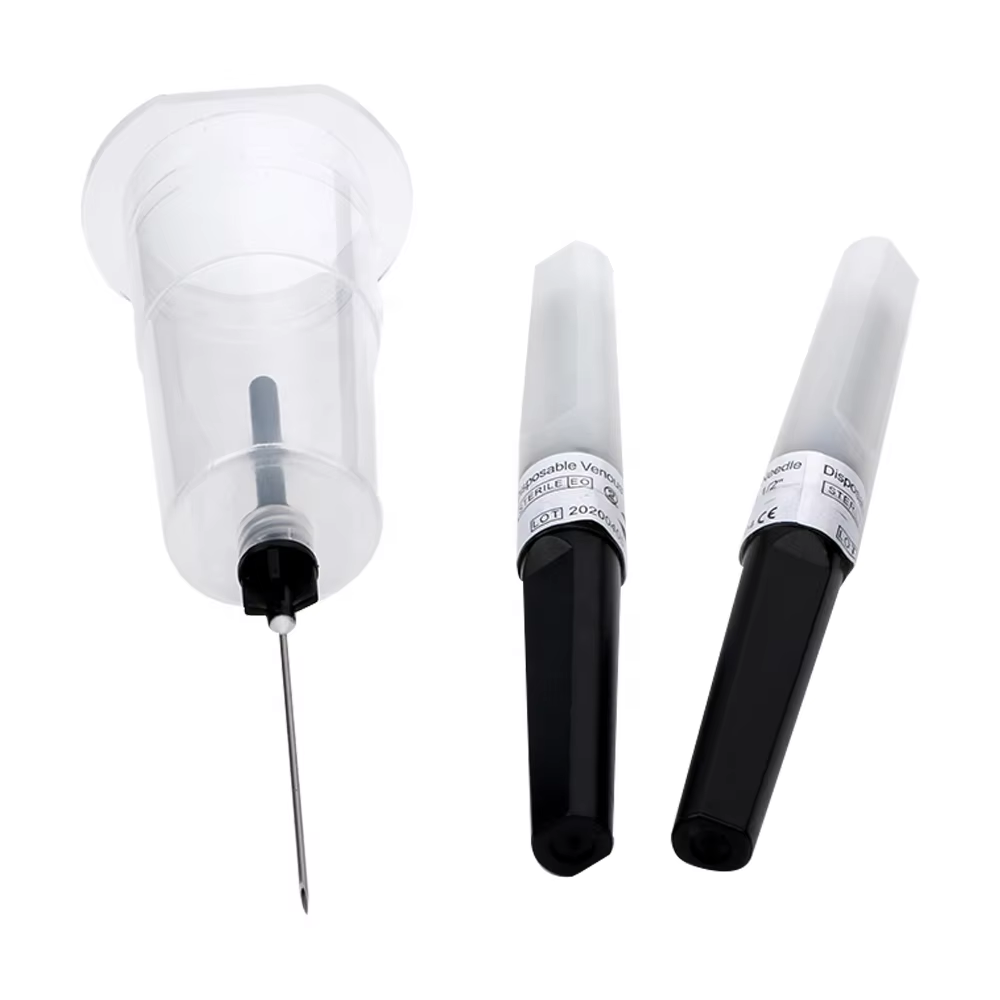
The patient-centric design philosophy underpinning contemporary injection devices reflects a fundamental shift in medical device development, prioritizing user experience, comfort, and long-term treatment adherence as primary engineering objectives rather than afterthoughts. This approach recognizes that even the most therapeutically effective medication fails if patients avoid or improperly use their injection devices due to design shortcomings causing discomfort, confusion, or anxiety. Ergonomic considerations permeate every aspect of patient-focused injection device design, from grip surfaces textured to prevent slippage while accommodating various hand sizes and strengths, to button placements optimized for natural thumb positioning during single-handed operation. The psychological dimensions of injection device design receive careful attention, with aesthetic choices in colors, shapes, and finishes selected to reduce medical anxiety by creating devices that feel less clinical and intimidating. Needle technology represents a critical frontier in comfort optimization, with ultra-thin wall needles delivering medications through dramatically smaller punctures while maintaining flow rates, and specialized coatings reducing insertion force and tissue trauma. Injection devices designed for pediatric use incorporate playful visual elements and simplified operation sequences that transform medication administration from frightening ordeals into manageable routines, significantly improving compliance in young patients managing chronic conditions. Tactile feedback mechanisms provide users with clear sensory confirmation of proper device operation without requiring visual attention, particularly beneficial for visually impaired patients or situations where watching the injection process increases anxiety. Noise reduction engineering minimizes mechanical sounds during injection device operation, addressing a frequently overlooked anxiety trigger for patients sensitive to medical procedure sounds. The portability enabled by compact injection device designs allows patients to carry their medications discreetly, supporting adherence by eliminating scheduling conflicts between treatment timing and daily activities. Customization options in advanced injection devices permit adjustment of injection speed, depth, and angle to individual patient preferences and comfort levels, acknowledging that optimal administration parameters vary among users. Educational features built into some injection devices include visual guides, step-by-step prompts, and training modes that build user competence gradually, reducing the intimidation factor for patients newly prescribed self-injection therapies. The reduced treatment burden associated with user-friendly injection devices contributes measurably to quality of life, as patients spend less time and mental energy on medication administration, freeing resources for other life activities. Clinical studies consistently demonstrate correlation between injection device usability and treatment adherence rates, with patient-centric designs showing significantly higher compliance compared to conventional alternatives. Accessibility considerations ensure injection devices accommodate users with limited dexterity, reduced grip strength, or other physical challenges through features like large activation buttons, audible clicks confirming operation stages, and minimal force requirements. The integration of patient feedback throughout injection device development cycles ensures designs address real-world needs rather than theoretical requirements, resulting in solutions that genuinely enhance user experiences. Sustainability concerns increasingly influence patient-centric design, with manufacturers developing injection devices using environmentally responsible materials and manufacturing processes that align with patient values regarding environmental stewardship.


 EN
EN