Disposable Medical Devices: Safe, Cost-Effective Healthcare Solutions for Modern Medical Practice

Get a Quote
Get a Quote

disposable medical devices

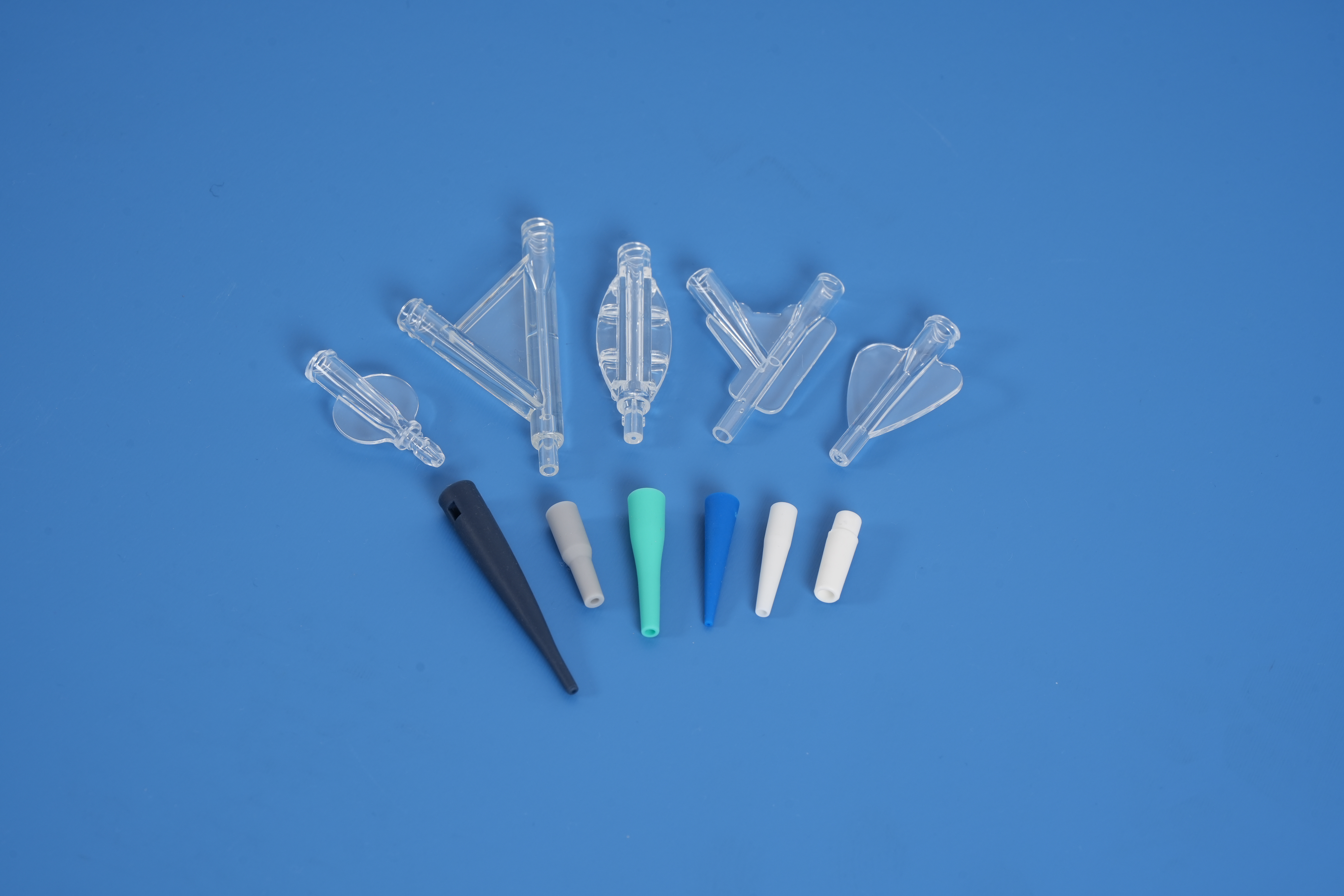
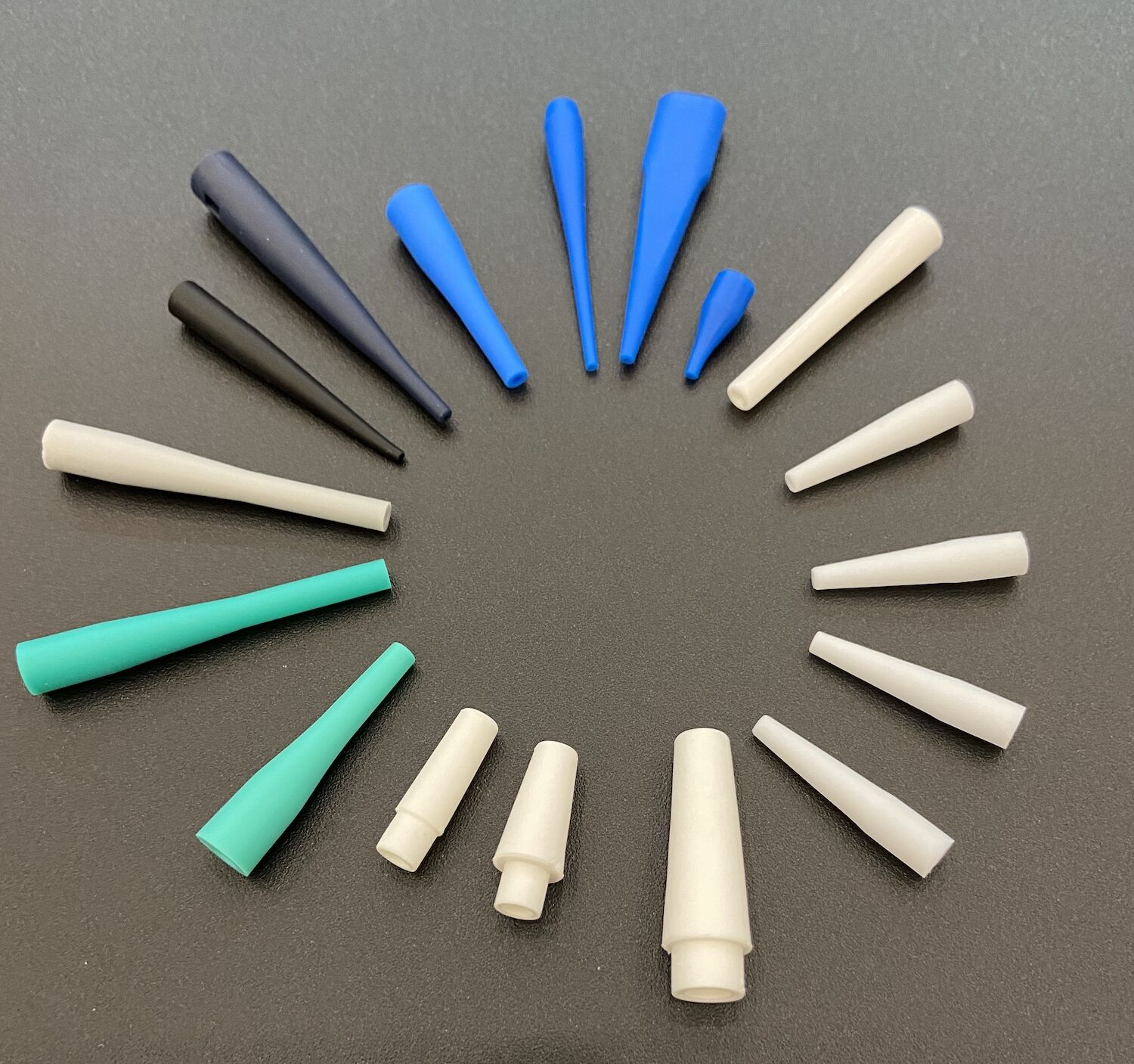
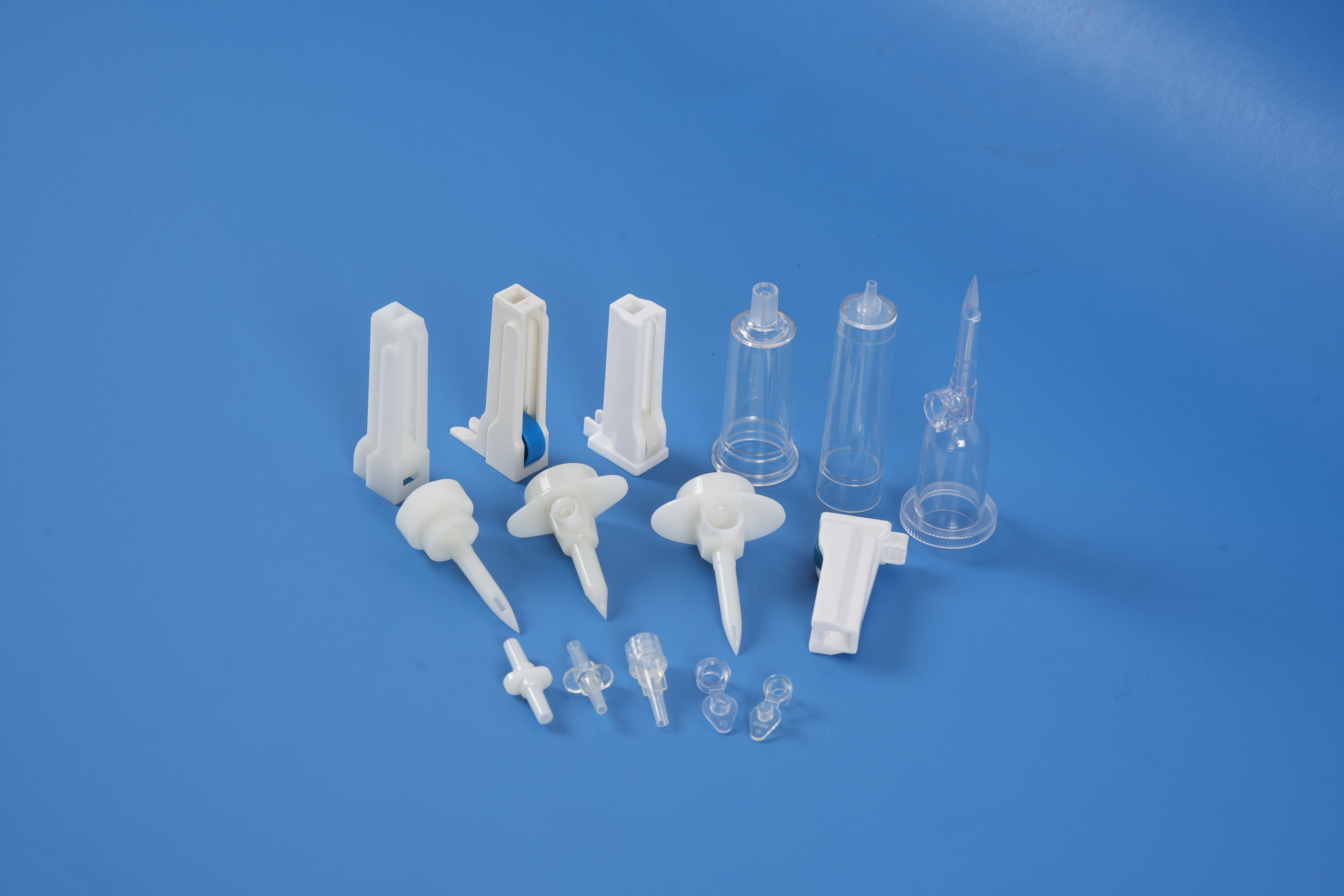
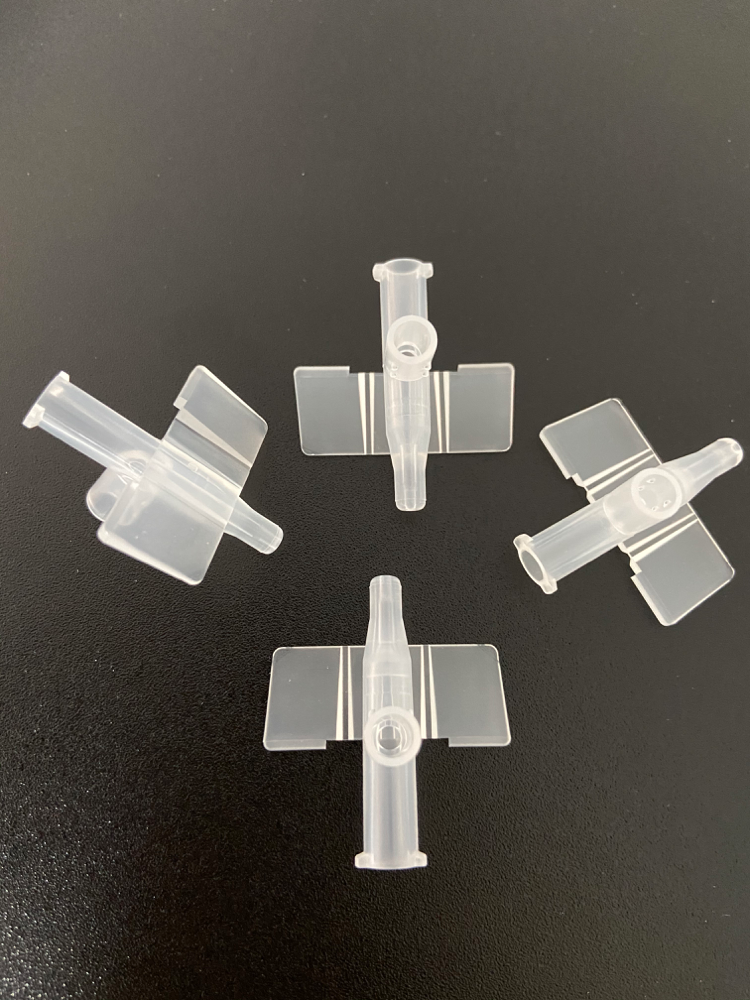
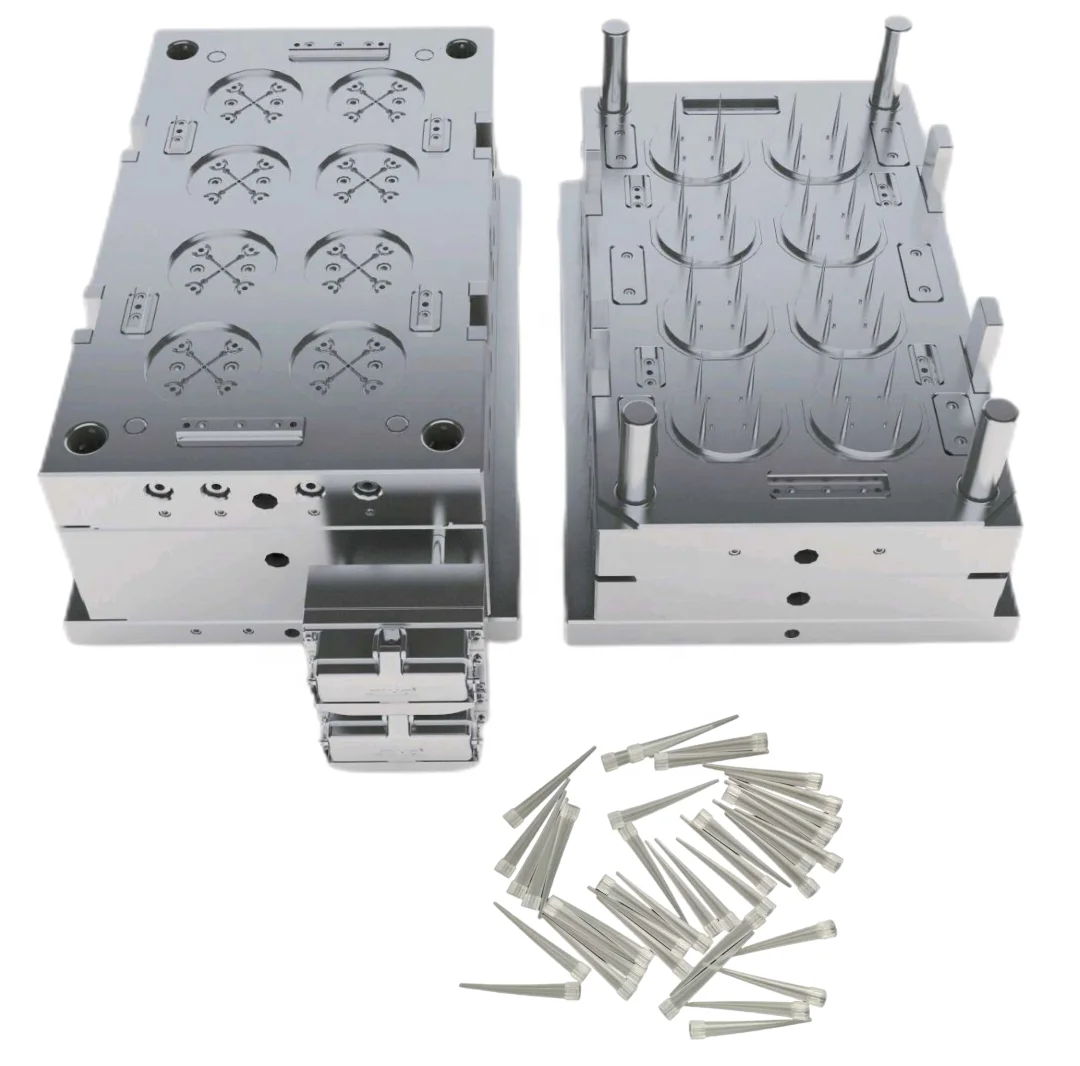
Disposable medical devices represent a cornerstone of modern healthcare infrastructure, providing essential tools that combine convenience, safety, and reliability in clinical settings worldwide. These single-use instruments are specifically engineered to be used once and then discarded, eliminating concerns about cross-contamination and infection transmission between patients. The primary functions of disposable medical devices encompass a vast spectrum of healthcare applications, from basic examination gloves and syringes to sophisticated surgical instruments and diagnostic equipment. These products serve critical roles in patient care by maintaining sterile conditions, preventing healthcare-associated infections, and streamlining clinical workflows. Technologically, disposable medical devices incorporate advanced materials science, precision manufacturing techniques, and rigorous quality control protocols to ensure consistent performance across every unit produced. Modern disposable medical devices utilize medical-grade polymers, specialized coatings, and innovative design features that match or exceed the performance of reusable alternatives while offering superior hygiene standards. Applications for these devices span across emergency rooms, operating theaters, intensive care units, outpatient clinics, home healthcare settings, and diagnostic laboratories. Medical professionals rely on disposable medical devices for procedures ranging from routine blood draws and wound care to complex surgical interventions and respiratory support. The technological features embedded within disposable medical devices include ergonomic designs that enhance user comfort, transparent materials that allow visual monitoring, safety mechanisms that prevent accidental injuries, and standardized connections that ensure compatibility with existing medical equipment. Manufacturing processes for disposable medical devices adhere to stringent international standards such as ISO certifications and FDA regulations, guaranteeing that each product meets exacting specifications for safety, efficacy, and biocompatibility. The evolution of disposable medical devices continues to advance with innovations in biodegradable materials, smart sensors, and integrated tracking systems that further enhance their utility in contemporary healthcare delivery.
Disposable medical devices offer numerous compelling benefits that directly address the practical needs of healthcare facilities, medical practitioners, and patients alike. The most significant advantage lies in infection control, as these single-use products eliminate the risk of cross-contamination that can occur with reusable equipment. Every patient receives a fresh, sterile device straight from sealed packaging, providing peace of mind and dramatically reducing the incidence of healthcare-associated infections. This infection prevention capability translates into better patient outcomes, shorter hospital stays, and lower overall healthcare costs associated with treating preventable complications. Financial considerations also favor disposable medical devices when examining the total cost of ownership. While the per-unit price may initially appear higher than reusable alternatives, disposable options eliminate expenses related to sterilization equipment, specialized cleaning staff, validation testing, maintenance repairs, and the inevitable replacement of damaged reusable items. Healthcare facilities can redirect these saved resources toward direct patient care rather than equipment processing infrastructure. Time efficiency represents another practical benefit, as medical staff can immediately use disposable medical devices without waiting for sterilization cycles to complete. This rapid availability proves especially crucial in emergency situations where every second counts, and in busy clinics where patient throughput depends on equipment accessibility. The consistent quality of disposable medical devices ensures predictable performance because each unit undergoes the same manufacturing standards and quality checks, unlike reusable devices that may degrade over repeated sterilization cycles. Storage requirements become simplified since disposable medical devices arrive pre-sterilized and individually packaged, requiring only clean, dry storage spaces rather than specialized sterilization facilities with specific temperature and humidity controls. Regulatory compliance becomes more straightforward with disposable medical devices because facilities avoid the complex documentation requirements associated with reprocessing validation and sterilization logs. Staff training demands decrease significantly since medical personnel need only learn proper usage techniques rather than mastering intricate cleaning and sterilization protocols specific to each reusable device. Environmental responsibility has improved dramatically as manufacturers increasingly utilize recyclable materials and develop biodegradable alternatives that minimize ecological impact. Liability risks diminish when using disposable medical devices because the manufacturer assumes responsibility for device sterility and functionality, whereas healthcare facilities bear greater liability for any failures in their reprocessing of reusable equipment. Patient satisfaction improves when individuals see their healthcare providers using fresh, sealed disposable medical devices, creating visible reassurance about hygiene standards and quality of care.

Tips And Tricks

Custom Injection Molding Tips for High-Quality Manufacturing

22

Oct

Custom Injection Molding Tips for High-Quality Manufacturing

Mastering the Art of Precision Manufacturing Through Injection Molding The manufacturing landscape continues to evolve, and custom injection molding stands at the forefront of modern production techniques. This sophisticated process has revolutionize...
View More
Why Experienced Injection Manufacturers Improve Product Quality

27

Nov

Why Experienced Injection Manufacturers Improve Product Quality

The medical device industry demands precision and reliability at every stage of production, making the selection of experienced injection manufacturers a critical decision for companies developing healthcare products. Quality standards in medical man...
View More
Tips for Finding the Best Injection Manufacturer for Your Needs

27

Nov

Tips for Finding the Best Injection Manufacturer for Your Needs

Selecting the right injection manufacturer is a critical decision that can significantly impact your product quality, production timelines, and overall business success. Whether you're developing medical devices, automotive components, or consumer pr...
View More
Why is precision medical plastic injection mold critical for life-saving medical components?

06

Jan

Why is precision medical plastic injection mold critical for life-saving medical components?

The manufacturing of life-saving medical devices demands unwavering precision, safety, and reliability at every stage of production. At the heart of this critical process lies the medical plastic injection mold, a sophisticated manufacturing tool tha...
View More

Get a Free Quote

Our representative will contact you soon.
0/1000
Uncompromising Safety Standards That Protect Every Patient

Uncompromising Safety Standards That Protect Every Patient

The paramount advantage of disposable medical devices centers on their uncompromising commitment to patient safety through elimination of cross-contamination risks that persist with reusable medical equipment. Each disposable device begins its lifecycle in a controlled manufacturing environment where specialized cleanrooms maintain particle counts far below what even the most sophisticated hospital sterilization departments can achieve. These manufacturing facilities employ validated sterilization methods including ethylene oxide gas, gamma irradiation, or electron beam technology that penetrate packaging materials to destroy all microorganisms without damaging the device itself. The hermetically sealed packaging that protects disposable medical devices during shipping and storage maintains sterility integrity until the moment a healthcare provider opens it at the point of care. This end-to-end sterility assurance eliminates the human error variables inherent in manual reprocessing of reusable devices, where inadequate cleaning, incorrect sterilizer loading, equipment malfunctions, or procedural shortcuts can compromise patient safety. Healthcare facilities face increasing scrutiny regarding hospital-acquired infections, which affect millions of patients annually and contribute to substantial mortality rates and billions in additional healthcare expenditures. Disposable medical devices provide a systematic solution to this persistent challenge by removing the reprocessing variable entirely from the infection control equation. Regulatory agencies worldwide recognize the safety advantages of single-use devices, which is why disposable options have become the standard of care for many critical applications including vascular access, respiratory therapy, and surgical procedures. The traceability features incorporated into modern disposable medical devices allow healthcare facilities to track lot numbers and expiration dates, enabling rapid response if manufacturers identify any quality concerns. This tracking capability proves impossible with reusable devices that lose their individual identity after the first use. Patients themselves increasingly inquire about the safety measures their healthcare providers employ, and the visible act of opening a sealed disposable medical device provides tangible evidence of commitment to hygiene standards. The psychological benefit of this visible safety cannot be understated in building patient trust and confidence in their care team. Furthermore, disposable medical devices protect healthcare workers from occupational exposure to bloodborne pathogens and other infectious agents by incorporating safety-engineered features such as retractable needles, shielded blades, and sealed collection systems that minimize contact with potentially contaminated materials.
Economic Efficiency Through Total Cost Analysis

Economic Efficiency Through Total Cost Analysis

When healthcare administrators conduct comprehensive total cost of ownership analyses, disposable medical devices consistently demonstrate superior economic efficiency compared to reusable alternatives despite superficial per-unit price differences. The complete financial picture must account for numerous hidden costs associated with reprocessing reusable medical equipment that many facilities underestimate or fail to track systematically. Capital expenditures for sterilization infrastructure represent a substantial initial investment, including autoclaves, ultrasonic cleaners, automated washer-disinfectors, and the facility modifications necessary to accommodate these systems with appropriate utilities, ventilation, and safety features. Ongoing operational expenses compound these upfront costs through equipment maintenance contracts, calibration services, biological indicator testing, chemical cleaning agents, equipment repairs, and eventual replacement of aging sterilization systems. Labor costs constitute the largest component of reprocessing expenses, encompassing the salaries and benefits for specialized sterile processing technicians who must receive extensive training in device-specific cleaning protocols, sterilization science, and regulatory compliance. These skilled professionals represent a perpetual staffing challenge as healthcare facilities compete for qualified personnel in a limited talent pool. Quality assurance programs required for reprocessing add another cost layer through documentation systems, validation studies, routine testing protocols, and periodic audits to maintain accreditation and regulatory compliance. The opportunity costs associated with reprocessing workflows also merit consideration, as the time required to collect, transport, clean, inspect, package, sterilize, and redistribute reusable devices can delay equipment availability and potentially impact patient scheduling. Disposable medical devices eliminate these entire cost categories, allowing healthcare facilities to convert fixed costs and variable reprocessing expenses into a predictable per-procedure cost that simplifies budgeting and financial planning. Inventory management becomes more efficient with disposable medical devices because their longer shelf life and standardized packaging reduce stock obsolescence, storage space requirements, and the working capital tied up in reusable device inventories. Risk mitigation also factors into economic analysis, as reprocessing failures that result in patient infections carry enormous financial liability through extended treatments, potential litigation, regulatory penalties, and reputational damage that can affect patient volumes and reimbursement rates. Healthcare facilities increasingly recognize that disposable medical devices represent not merely a purchasing decision but a strategic investment in operational efficiency, risk management, and resource optimization that supports their primary mission of delivering excellent patient care.
Operational Simplicity That Empowers Healthcare Teams

Operational Simplicity That Empowers Healthcare Teams

The operational advantages of disposable medical devices extend far beyond basic convenience to fundamentally transform healthcare workflows by reducing complexity, minimizing errors, and allowing medical professionals to focus their expertise on patient care rather than equipment management. Healthcare environments face relentless pressures from growing patient volumes, staffing shortages, regulatory requirements, and technological complexity that strain organizational capacity and personnel bandwidth. Disposable medical devices address these challenges by dramatically simplifying the logistics surrounding medical equipment throughout its lifecycle. The ready-to-use nature of disposable devices means that nurses, physicians, and technicians can immediately deploy these tools when patient needs arise without consulting sterilization schedules, checking processing logs, or waiting for equipment availability. This immediate accessibility proves particularly valuable in emergency situations where treatment delays can have life-threatening consequences, and in surgical settings where unexpected complications may require additional instruments beyond those originally prepared. Standardization represents another operational benefit, as disposable medical devices arrive with consistent specifications, performance characteristics, and handling requirements that eliminate the variability introduced when reusable devices gradually degrade through repeated sterilization cycles. Medical staff can develop reliable muscle memory and procedural confidence knowing that each disposable device will perform identically to the last one they used. Training requirements decrease substantially when healthcare organizations adopt disposable medical devices because education focuses solely on clinical applications rather than encompassing the complex reprocessing protocols that differ between device types, materials, and manufacturers. New employees become productive more quickly, and experienced staff avoid the cognitive burden of maintaining expertise in sterilization science alongside their clinical specializations. Documentation burdens also diminish since healthcare facilities need not maintain the extensive records required to demonstrate proper reprocessing of reusable devices, including sterilization cycle parameters, biological indicator results, maintenance logs, and competency assessments for processing personnel. Regulatory inspections become less stressful when surveyors focus on clinical care quality rather than investigating sterilization practices and documentation completeness. Supply chain management simplifies through centralized ordering, standardized packaging, and longer product shelf lives that reduce inventory carrying costs and minimize stock-outs that could delay patient care. The ergonomic designs incorporated into modern disposable medical devices enhance user comfort and reduce physical strain during prolonged procedures, contributing to healthcare worker wellness and job satisfaction. Finally, disposable medical devices support flexible care delivery models including telemedicine consultations, home healthcare visits, and mobile clinic operations where sterilization infrastructure is unavailable, expanding access to quality medical services across diverse settings and patient populations.