medical device components
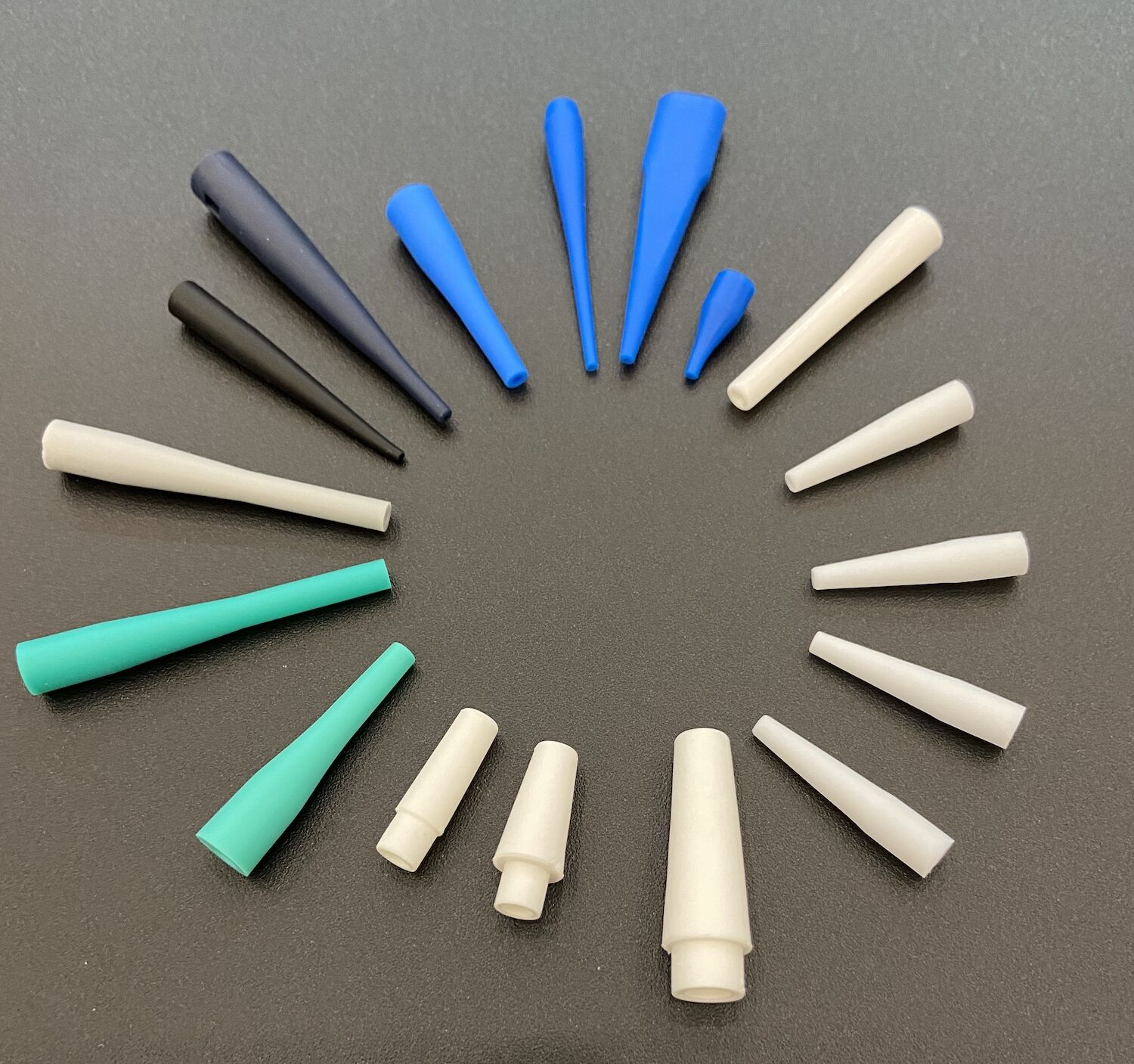
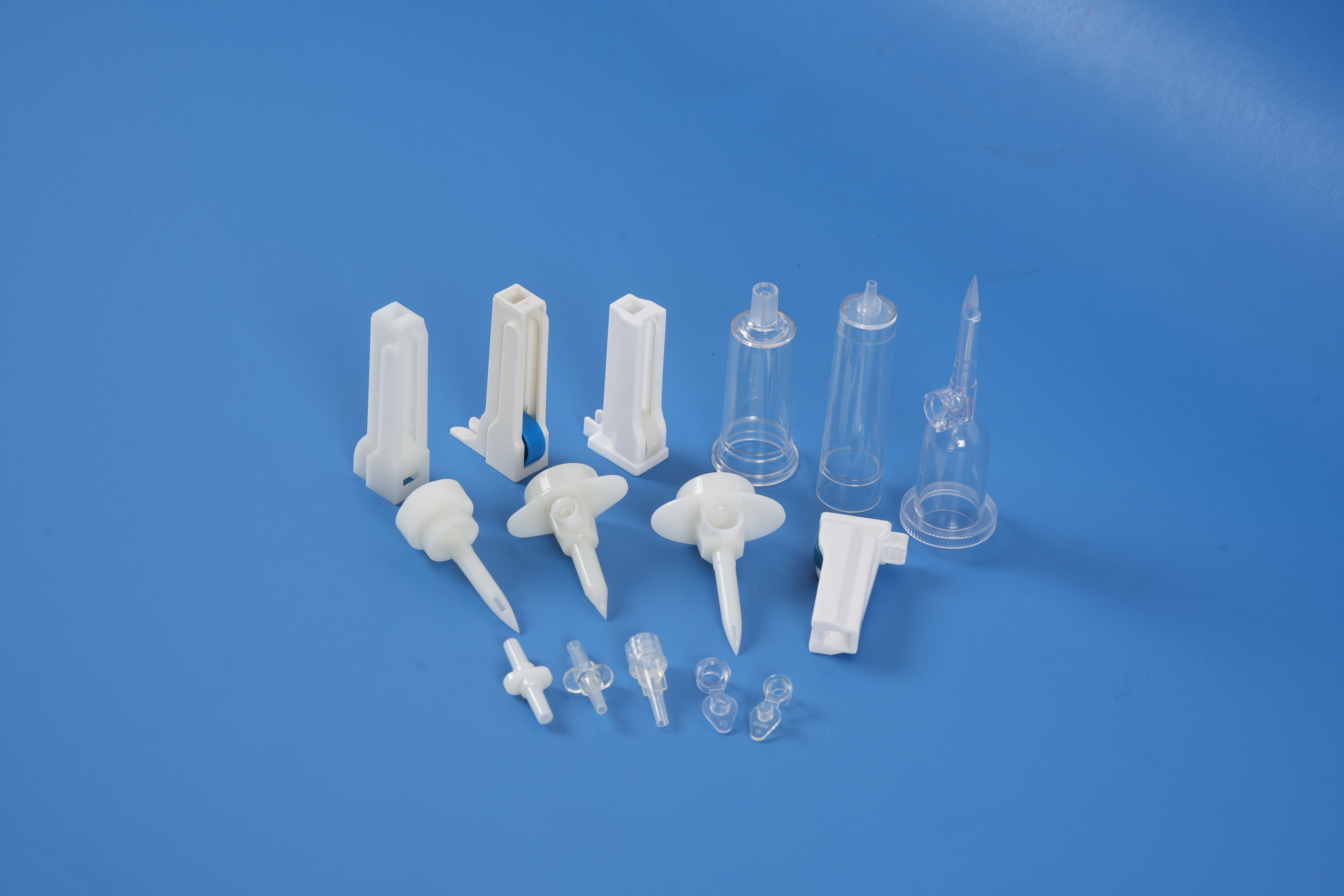
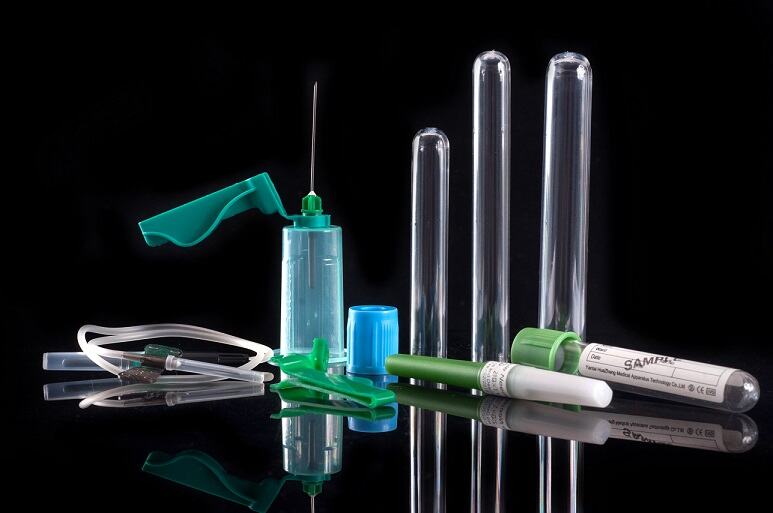
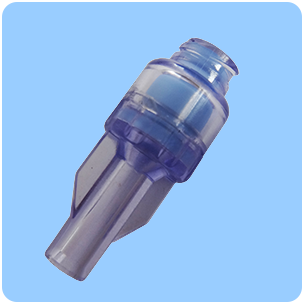
Medical device components represent the fundamental building blocks that enable modern healthcare equipment to function reliably and safely. These specialized parts encompass a diverse range of elements including precision machined components, molded plastics, electronic assemblies, sensors, connectors, and various materials engineered specifically for medical applications. Each medical device component must meet stringent regulatory standards and quality requirements to ensure patient safety and device effectiveness. The manufacturing of medical device components involves advanced technologies such as CNC machining, injection molding, clean room assembly, and rigorous quality control processes. These components serve critical roles in diagnostic equipment, surgical instruments, patient monitoring systems, drug delivery devices, and implantable medical products. The main functions of medical device components include structural support, signal transmission, fluid management, power delivery, and interface capabilities between different system elements. Technological features often incorporate biocompatible materials that interact safely with human tissue, antimicrobial surfaces that reduce infection risks, and precision engineering that ensures consistent performance across millions of operational cycles. Medical device components must withstand sterilization processes, maintain functionality across varying environmental conditions, and deliver reproducible results that healthcare professionals can trust. Applications span the entire healthcare spectrum from hospital operating rooms to home care settings, supporting everything from minimally invasive surgical procedures to long-term patient monitoring. The evolution of medical device components continues to drive innovation in healthcare delivery, enabling smaller device footprints, improved patient comfort, enhanced diagnostic accuracy, and better treatment outcomes. Modern medical device components increasingly integrate smart technologies, wireless connectivity, and advanced materials science to meet the growing demands of personalized medicine and digital health initiatives. The selection of appropriate medical device components directly impacts device performance, manufacturing efficiency, regulatory compliance, and ultimately patient care quality.



 EN
EN