Medical Plastic Products - Advanced Healthcare Solutions for Safety and Efficiency

Get a Quote
Get a Quote

medical plastic products

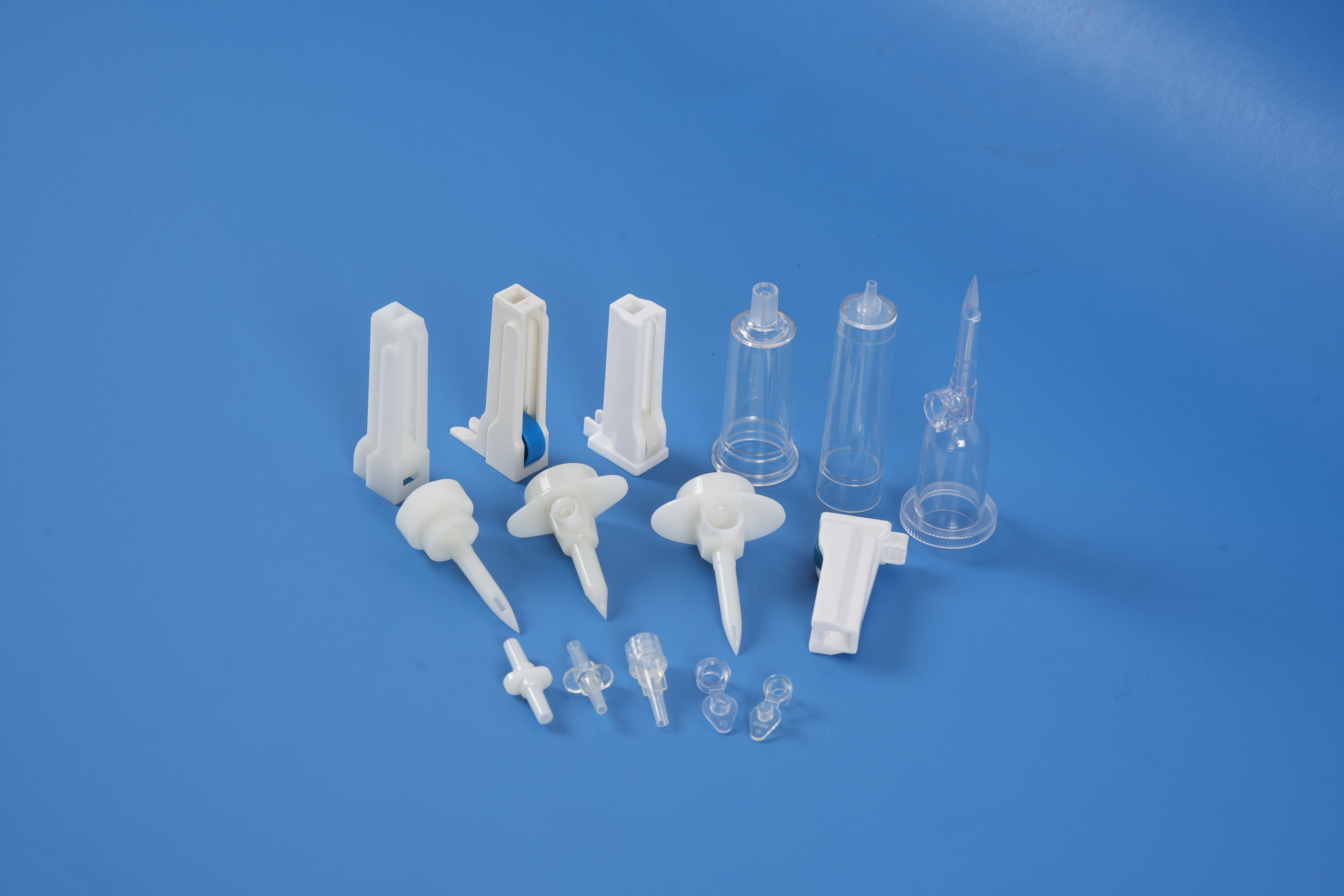
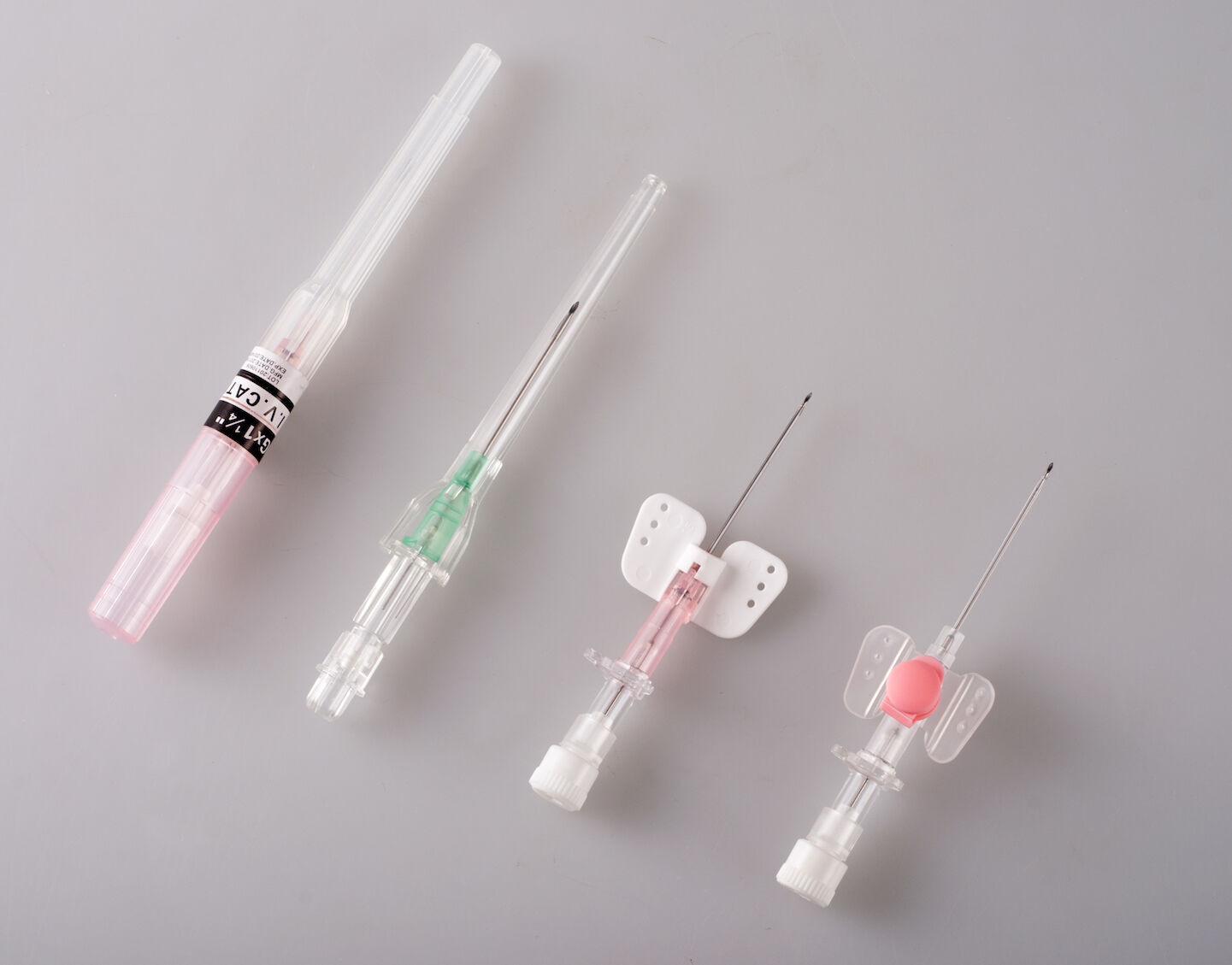
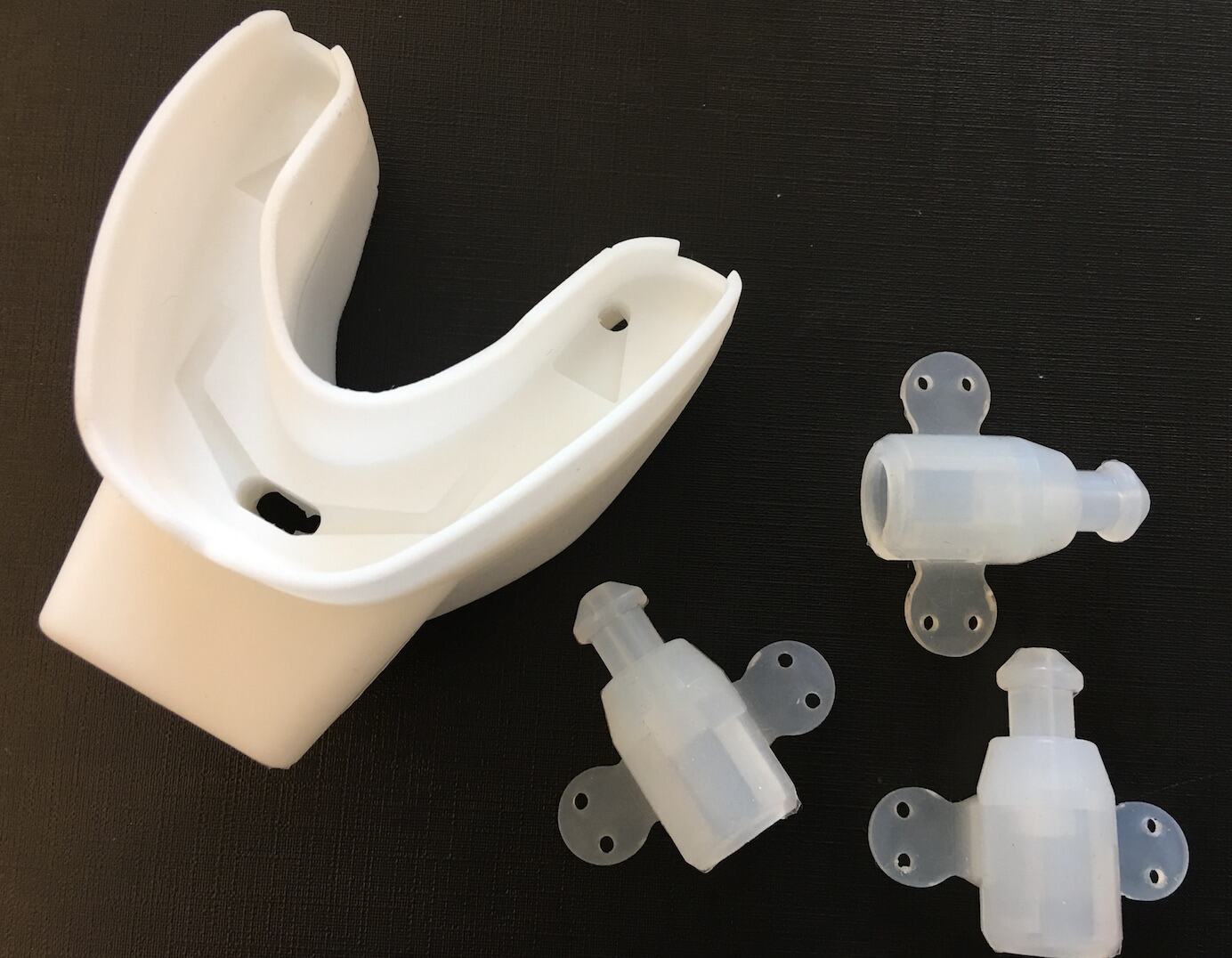
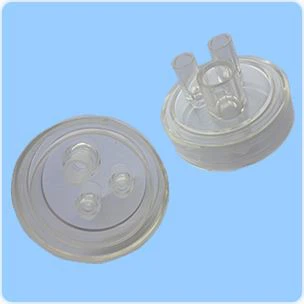
Medical plastic products have revolutionized healthcare delivery by providing safe, sterile, and cost-effective solutions for various clinical applications. These specialized materials represent a critical component in modern medical practice, ranging from simple disposable items to complex surgical instruments and implantable devices. The unique properties of medical-grade plastics make them indispensable in hospitals, clinics, laboratories, and home healthcare settings. Medical plastic products are manufactured using biocompatible polymers that meet stringent regulatory standards set by organizations such as the FDA and ISO. These materials undergo rigorous testing to ensure they do not cause adverse reactions when in contact with human tissue or bodily fluids. The main functions of medical plastic products include protecting patients from infections, enabling precise drug delivery, facilitating diagnostic procedures, and supporting surgical interventions. Common examples include syringes, IV tubing, catheters, blood bags, surgical gloves, and diagnostic test kits. The technological features of these products incorporate advanced polymer science, precision molding techniques, and sterile manufacturing processes. Many medical plastic products utilize materials such as polyvinyl chloride (PVC), polypropylene, polyethylene, and polycarbonate, each selected for specific performance characteristics. These materials can be transparent for visual monitoring, flexible for comfortable insertion, or rigid for structural support. Applications span across multiple medical specialties including cardiology, orthopedics, oncology, and emergency medicine. The versatility of medical plastic products allows manufacturers to create customized solutions that address specific clinical needs while maintaining affordability and accessibility. Their lightweight nature reduces transportation costs and makes them easier for healthcare professionals to handle during procedures. Furthermore, the disposable nature of many medical plastic products significantly reduces the risk of cross-contamination between patients, a crucial factor in infection control protocols. As healthcare systems worldwide continue to evolve, medical plastic products remain at the forefront of innovation, incorporating smart technologies, antimicrobial properties, and environmentally conscious designs that balance patient safety with sustainability concerns.

Medical plastic products deliver numerous practical benefits that directly impact patient care quality and healthcare operational efficiency. First and foremost, these products significantly enhance patient safety through their single-use disposable design. Unlike reusable metal or glass instruments that require extensive sterilization processes, medical plastic products arrive pre-sterilized and ready for immediate use, eliminating the risk of inadequate cleaning or sterilization failures. This feature alone has dramatically reduced hospital-acquired infections, protecting vulnerable patients from potentially life-threatening complications. The cost-effectiveness of medical plastic products represents another major advantage for healthcare facilities operating under tight budgets. Manufacturing processes for plastic items cost considerably less than producing metal or glass alternatives, and these savings transfer directly to healthcare providers and ultimately to patients. Additionally, the lightweight nature of plastic reduces shipping expenses and storage requirements, allowing medical facilities to maintain larger inventories without incapassing significant space or logistical challenges. Healthcare professionals appreciate the user-friendly characteristics of medical plastic products. The materials are designed with ergonomic considerations, making them comfortable to hold and easy to manipulate during delicate procedures. Transparent plastics enable visual confirmation of fluid flow, air bubbles, or medication levels, providing real-time feedback that enhances procedural accuracy. The flexibility of certain medical plastics allows products like catheters and tubing to navigate anatomical pathways with minimal patient discomfort, improving the overall treatment experience. Medical plastic products also offer remarkable versatility in design and functionality. Manufacturers can easily modify shapes, sizes, and features to accommodate specific medical applications without retooling entire production lines. This adaptability accelerates innovation cycles, bringing new solutions to market faster than traditional materials would allow. The chemical resistance of medical-grade plastics ensures compatibility with a wide range of medications, disinfectants, and bodily fluids without degradation or contamination. From a practical standpoint, medical plastic products require minimal maintenance and training for proper use. Healthcare workers can quickly learn standard procedures for handling and disposing of these items, reducing onboarding time for new staff members. The durability of these products during storage means they maintain sterility and functionality for extended periods, reducing waste from expired supplies. Environmental considerations have led to innovations in biodegradable and recyclable medical plastics, addressing sustainability concerns while maintaining the essential performance characteristics that make these products indispensable. The standardization of medical plastic products across global markets ensures consistent quality and interoperability between different medical systems and devices, facilitating better patient care coordination across various healthcare settings and geographical regions.

Practical Tips

Top Benefits of Working With a Reliable Injection Manufacturer

27

Nov

Top Benefits of Working With a Reliable Injection Manufacturer

In today's competitive manufacturing landscape, partnering with a reliable injection manufacturer has become crucial for businesses across various industries. From medical devices to automotive components, plastic injection molding remains one of the...
View More
Tips for Finding the Best Injection Manufacturer for Your Needs

27

Nov

Tips for Finding the Best Injection Manufacturer for Your Needs

Selecting the right injection manufacturer is a critical decision that can significantly impact your product quality, production timelines, and overall business success. Whether you're developing medical devices, automotive components, or consumer pr...
View More
How Does Insert Injection Molding Combine Metals and Plastics Efficiently?

23

Dec

How Does Insert Injection Molding Combine Metals and Plastics Efficiently?

Insert injection molding represents a revolutionary manufacturing process that seamlessly combines different materials, particularly metals and plastics, to create composite components with enhanced functionality and durability. This advanced techniq...
View More
How to select the right medical-grade tubing and catheters for complex surgical procedures?

06

Jan

How to select the right medical-grade tubing and catheters for complex surgical procedures?

Selecting the appropriate medical-grade tubing and catheters for complex surgical procedures represents one of the most critical decisions healthcare professionals make in their practice. The complexity of modern surgical interventions demands materi...
View More

Get a Free Quote

Our representative will contact you soon.
0/1000
Superior Biocompatibility and Safety Standards

Superior Biocompatibility and Safety Standards

The biocompatibility of medical plastic products stands as their most crucial characteristic, directly influencing patient outcomes and treatment success rates. Medical-grade plastics undergo extensive biocompatibility testing according to ISO 10993 standards, ensuring they produce no toxic, carcinogenic, or immunogenic responses when in contact with living tissue. This rigorous evaluation process examines cytotoxicity, sensitization potential, irritation effects, systemic toxicity, genotoxicity, and implantation responses. Manufacturers select specific polymer formulations based on the intended duration and type of tissue contact, whether transient, prolonged, or permanent. For medical plastic products designed for implantation, such as cardiac stents or orthopedic components, the materials must demonstrate long-term stability within the body without causing inflammation or rejection. Surface treatments and coatings can enhance biocompatibility further, reducing protein adhesion and bacterial colonization. The chemical purity of medical plastic products eliminates concerns about leachables and extractables that could migrate into medications or bodily fluids, a critical consideration for items like IV bags and syringes. Regulatory agencies worldwide mandate comprehensive documentation of material composition, manufacturing processes, and quality control measures before approving medical plastic products for clinical use. This regulatory framework provides healthcare providers and patients with confidence that these products meet the highest safety standards. The transparency of certain medical plastics allows for visual inspection during procedures, enabling immediate detection of complications such as air embolism or improper placement. Antimicrobial additives can be incorporated into medical plastic products to provide an additional layer of protection against bacterial colonization, particularly valuable for catheters and wound dressings that remain in contact with patients for extended periods. The hypoallergenic nature of properly formulated medical plastics makes them suitable for patients with latex sensitivities or other allergies that would contraindicate alternative materials. Sterilization compatibility represents another dimension of safety, as medical plastic products must withstand gamma radiation, ethylene oxide, or steam sterilization without degrading or releasing harmful substances. The consistency of medical plastic products from batch to batch ensures predictable performance, allowing healthcare professionals to develop standardized protocols and treatment approaches with confidence in material behavior and patient response.
Cost Efficiency and Economic Value

Cost Efficiency and Economic Value

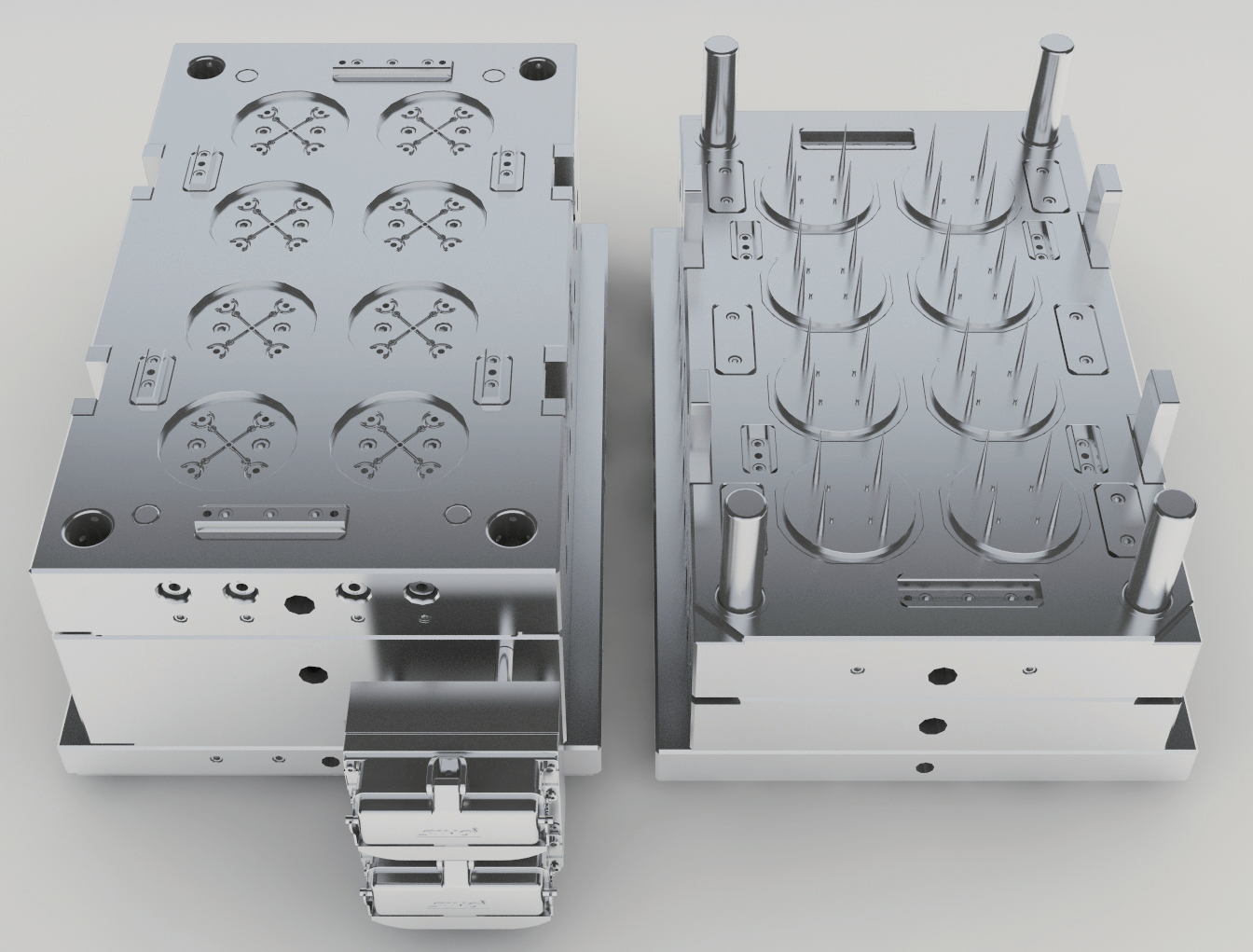
The economic advantages of medical plastic products extend throughout the entire healthcare value chain, from manufacturing to disposal, creating substantial savings for medical institutions and patients alike. Production economies of scale enable manufacturers to produce medical plastic products in high volumes at remarkably low unit costs compared to traditional materials like stainless steel or borosilicate glass. Advanced injection molding and extrusion technologies allow for rapid production cycles with minimal waste, translating to competitive pricing that benefits healthcare budgets. The disposable nature of most medical plastic products eliminates the infrastructure costs associated with reprocessing reusable medical devices, including specialized cleaning equipment, sterilization machinery, quality assurance testing, and trained personnel dedicated to decontamination procedures. Hospitals can reallocate these resources toward direct patient care activities, improving overall operational efficiency. Inventory management becomes more straightforward with medical plastic products due to their longer shelf lives and resistance to damage during storage and handling. Unlike glass items that risk breakage or metal instruments requiring regular maintenance, plastic products remain ready for use with minimal oversight, reducing inventory losses and ensuring availability when needed. The lightweight characteristics of medical plastic products generate significant savings in transportation and logistics, particularly important for global supply chains and emergency response situations where rapid deployment of medical supplies is essential. Healthcare facilities can stock larger quantities without concerns about weight limits or storage space constraints, ensuring preparedness for patient volume fluctuations or emergency scenarios. Insurance and liability costs decrease when using medical plastic products because their single-use design minimizes cross-contamination risks and associated legal exposures from hospital-acquired infections. The standardization of medical plastic products across manufacturers facilitates competitive bidding processes, allowing procurement departments to negotiate favorable contracts while maintaining quality standards. Training costs diminish as medical plastic products typically feature intuitive designs that require minimal specialized instruction for proper use, accelerating staff competency development and reducing educational program expenses. The versatility of medical plastic products enables healthcare providers to maintain smaller inventories of specialized items since many plastic products serve multiple purposes across different departments and procedures. Waste disposal, while requiring proper medical waste protocols, costs less for plastic items than for sharps containers filled with metal instruments or hazardous glass fragments. Long-term economic value emerges from the reduced infection rates associated with medical plastic products, as preventing even a single hospital-acquired infection saves thousands in extended hospitalization, additional treatments, and potential litigation expenses.
Innovative Design Flexibility and Clinical Adaptability

Innovative Design Flexibility and Clinical Adaptability

Medical plastic products demonstrate unparalleled design flexibility that enables continuous innovation in healthcare delivery methods and patient treatment options. The moldability of medical-grade polymers allows engineers to create complex geometries and integrated features that would be impossible or prohibitively expensive with traditional materials. This design freedom has led to revolutionary products such as multi-lumen catheters, pre-filled syringes with integrated safety mechanisms, and microfluidic diagnostic devices that perform multiple tests simultaneously. Manufacturers can rapidly prototype and iterate designs using computer-aided design software and 3D printing technologies, accelerating the development cycle from concept to clinical implementation. The ability to produce medical plastic products in various durometers and flexibility levels enables customization for specific anatomical requirements and procedural techniques. Soft, pliable plastics provide patient comfort for items worn externally or inserted into sensitive areas, while rigid plastics offer structural integrity for surgical instruments and diagnostic equipment housings. Color-coding capabilities inherent in plastic manufacturing enhance safety by providing visual differentiation between product sizes, types, or intended uses, reducing the risk of selection errors during time-critical procedures. Medical plastic products can incorporate advanced features such as Luer-lock connections for secure attachments, graduated markings for precise measurements, and tamper-evident seals for enhanced security. The chemical versatility of plastics enables manufacturers to blend different polymers or add functional additives that impart specific characteristics such as radiopacity for imaging visibility, UV resistance for light-sensitive medications, or antimicrobial properties for infection prevention. Modular design approaches allow medical plastic products to integrate seamlessly with electronic monitoring systems, creating smart devices that provide real-time data on medication delivery, physiological parameters, or device performance. The scalability of plastic manufacturing accommodates both high-volume standard products and limited-run specialized devices for rare conditions or pediatric applications. Surface modification techniques enable manufacturers to alter the interface properties of medical plastic products without changing bulk material characteristics, optimizing attributes such as lubricity for catheter insertion, cell adhesion for tissue engineering scaffolds, or drug elution for controlled medication release. Clinical adaptability extends to packaging innovations where medical plastic products arrive in configurations that support sterile technique, such as peel-open pouches or nested trays that organize instruments in procedure-specific sequences. The compatibility of medical plastic products with various sterilization methods provides flexibility for healthcare facilities to choose protocols that best fit their workflows and equipment capabilities, whether employing radiation, chemical, or thermal sterilization approaches.