medical injection device
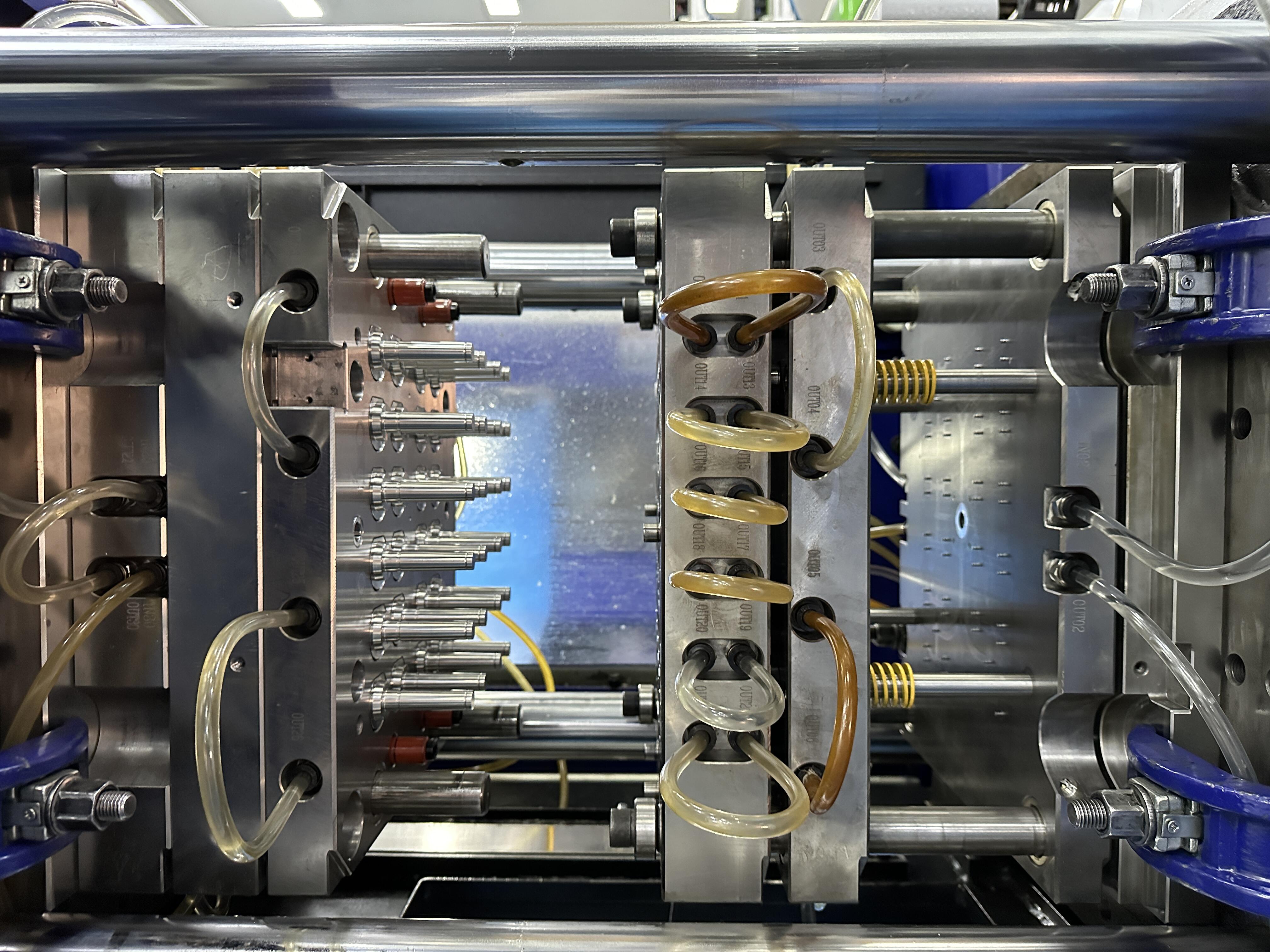
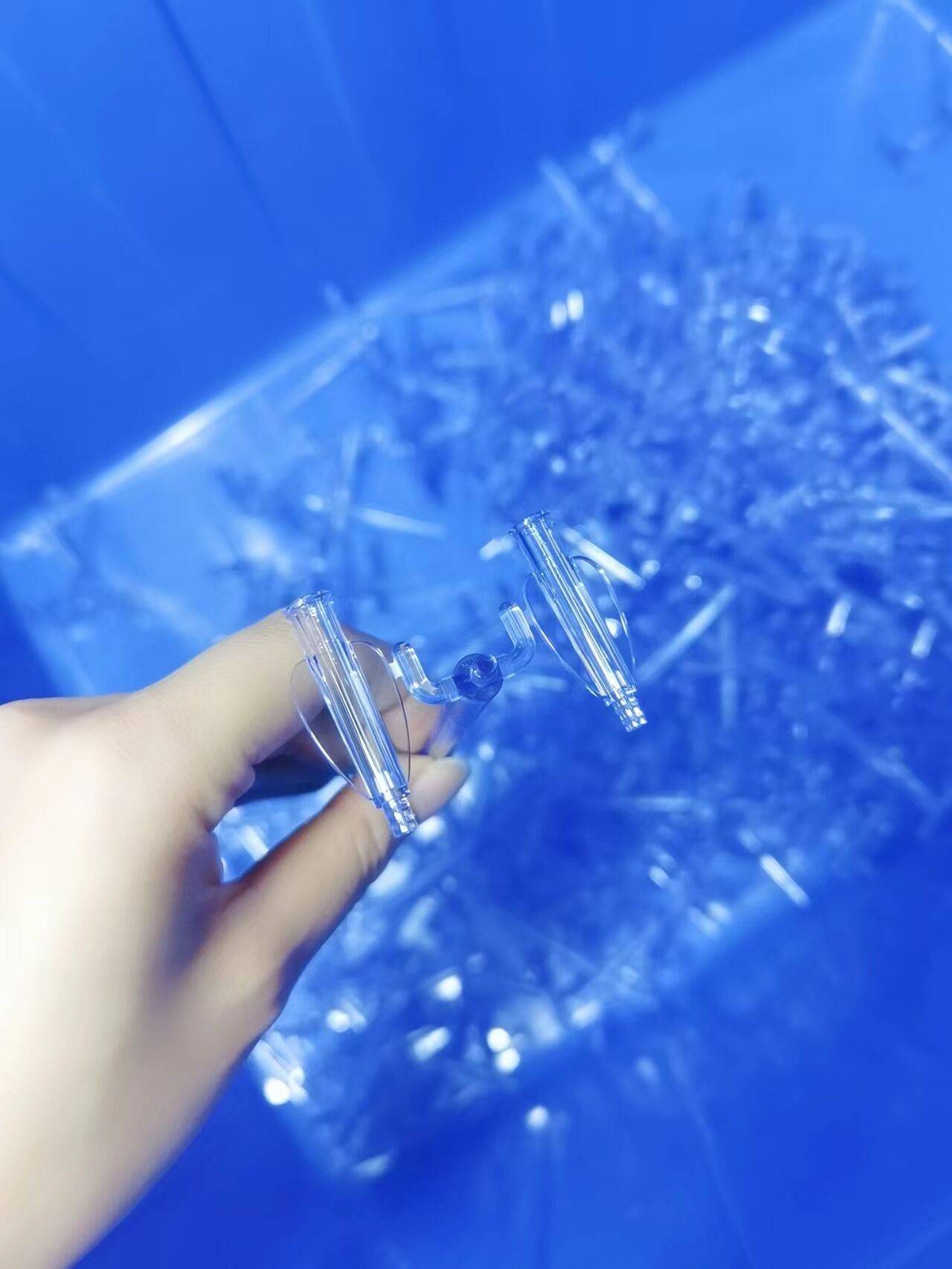
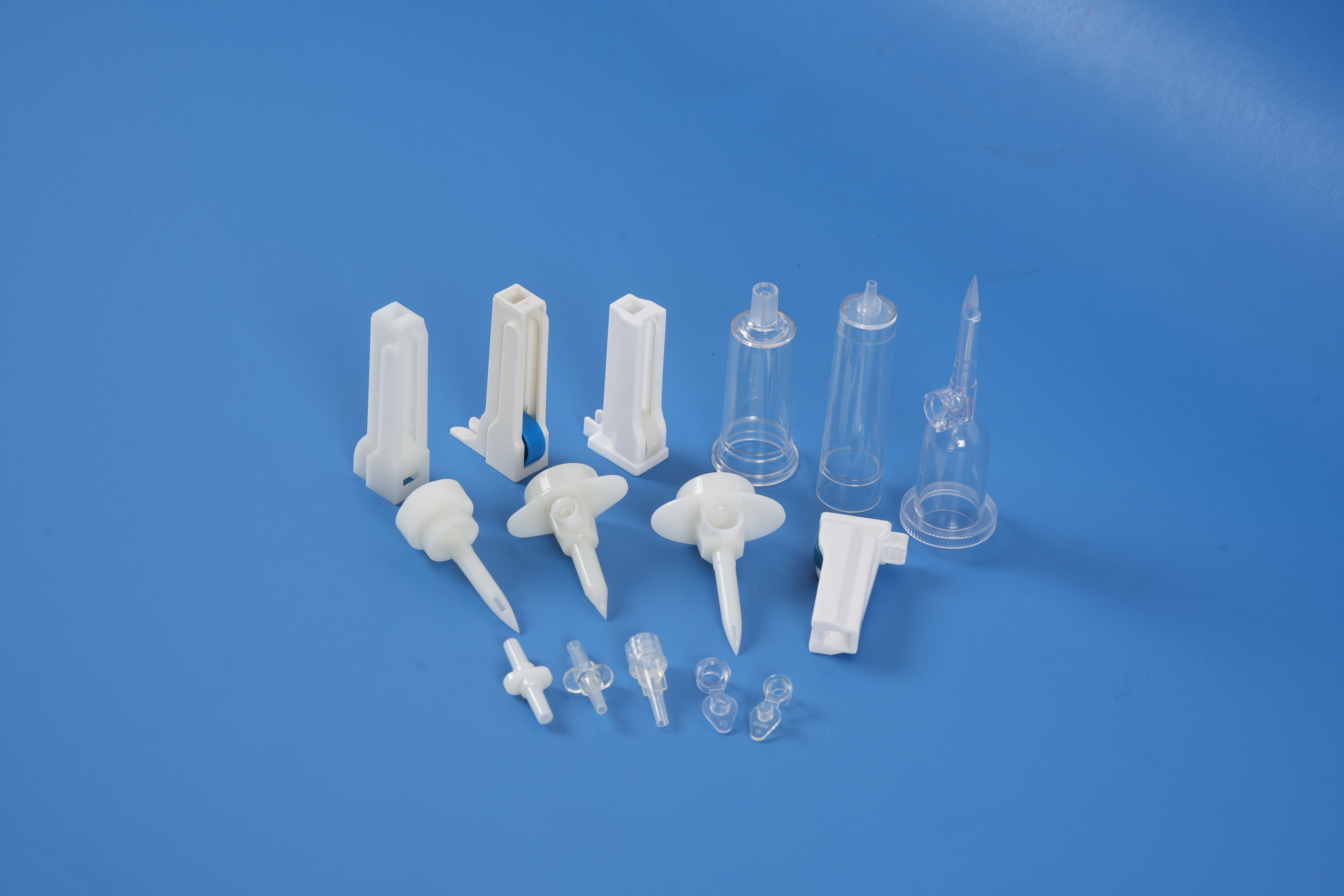
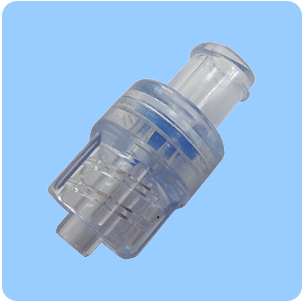
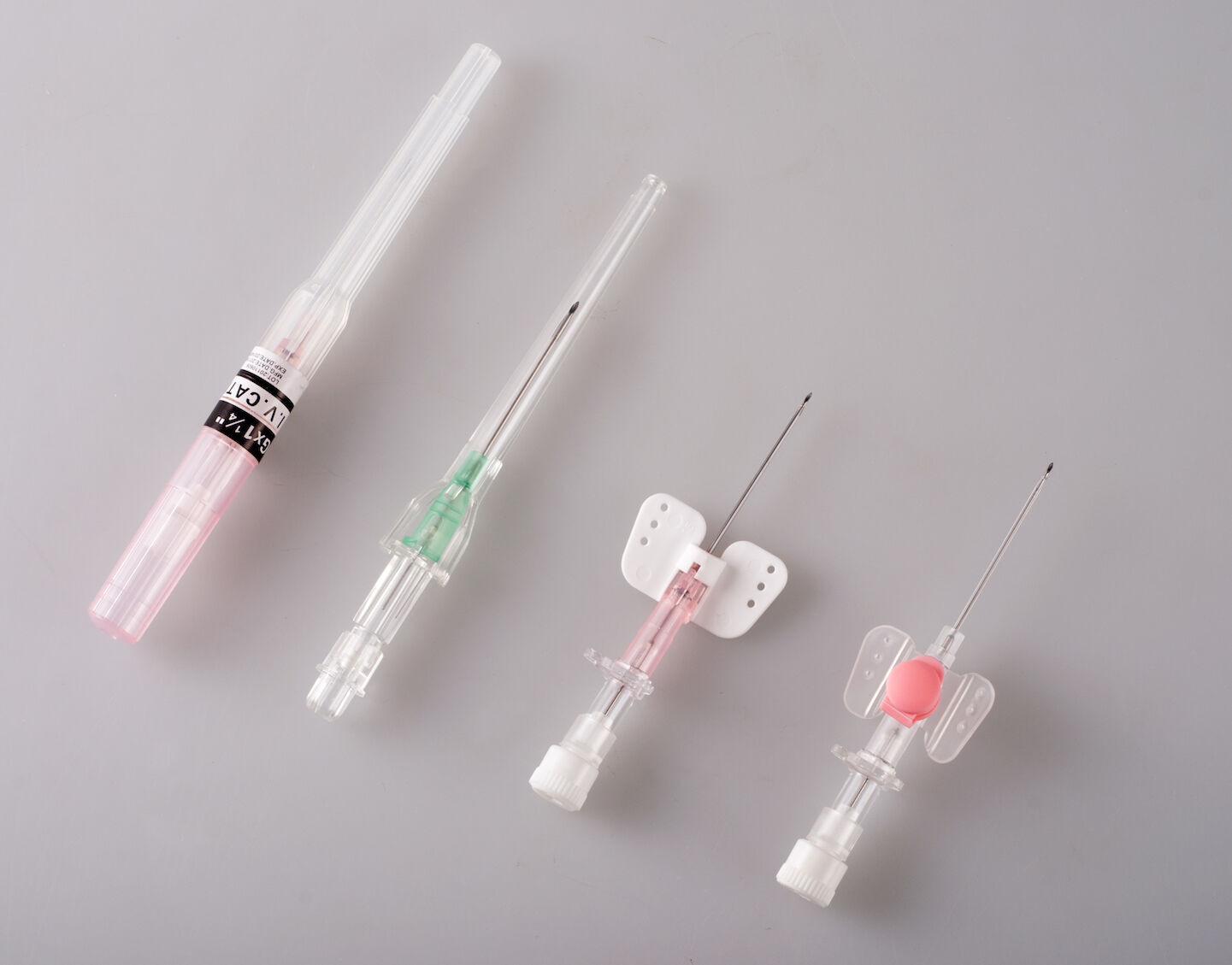
A medical injection device represents a critical instrument in modern healthcare delivery, designed to administer medications, vaccines, and therapeutic substances directly into a patient's body through various routes. These sophisticated devices have evolved significantly from traditional syringes to incorporate advanced engineering, precision mechanics, and user-centered design principles. The primary function of a medical injection device centers on delivering accurate dosages of pharmaceutical compounds safely and efficiently, whether into subcutaneous tissue, muscle layers, or directly into the bloodstream. Contemporary medical injection devices encompass diverse categories including auto-injectors, pen injectors, pre-filled syringes, needle-free systems, and smart injection technologies that integrate digital monitoring capabilities. The technological features embedded within these devices focus on enhancing dosage accuracy, minimizing patient discomfort, reducing administration errors, and improving overall treatment outcomes. Advanced medical injection devices incorporate spring-loaded mechanisms for consistent delivery speeds, ergonomic grips for steady handling, audible or visual confirmation signals, and safety shields that automatically cover needles post-injection to prevent accidental needlestick injuries. Applications for medical injection devices span numerous clinical scenarios including diabetes management through insulin delivery, administration of biologics for autoimmune conditions, vaccination programs, emergency treatments with epinephrine auto-injectors, fertility treatments, and chronic disease management requiring regular medication. Healthcare facilities utilize these devices across hospitals, clinics, home care settings, and emergency response situations. The versatility of medical injection device technology allows customization for pediatric populations requiring smaller doses, elderly patients needing simplified operation, and individuals managing chronic conditions independently at home. Modern devices prioritize sterility through hermetically sealed components, pharmaceutical-grade materials, and single-use disposable elements that eliminate cross-contamination risks while maintaining medication stability throughout shelf life.


 EN
EN