Plastic Medical Device Manufacturers: Advanced Solutions for Healthcare Innovation and Safety

Get a Quote
Get a Quote

plastic medical device manufacturers

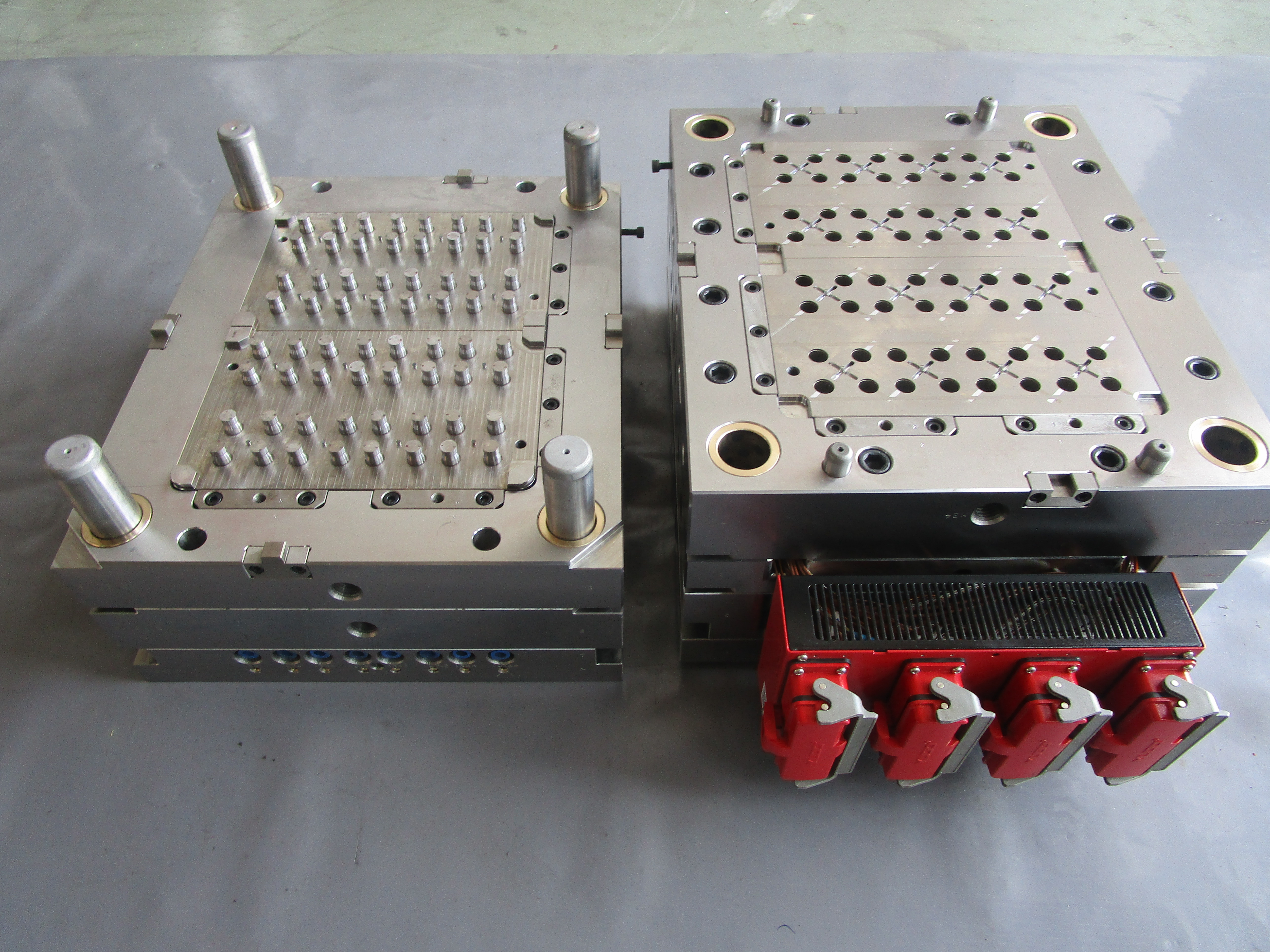
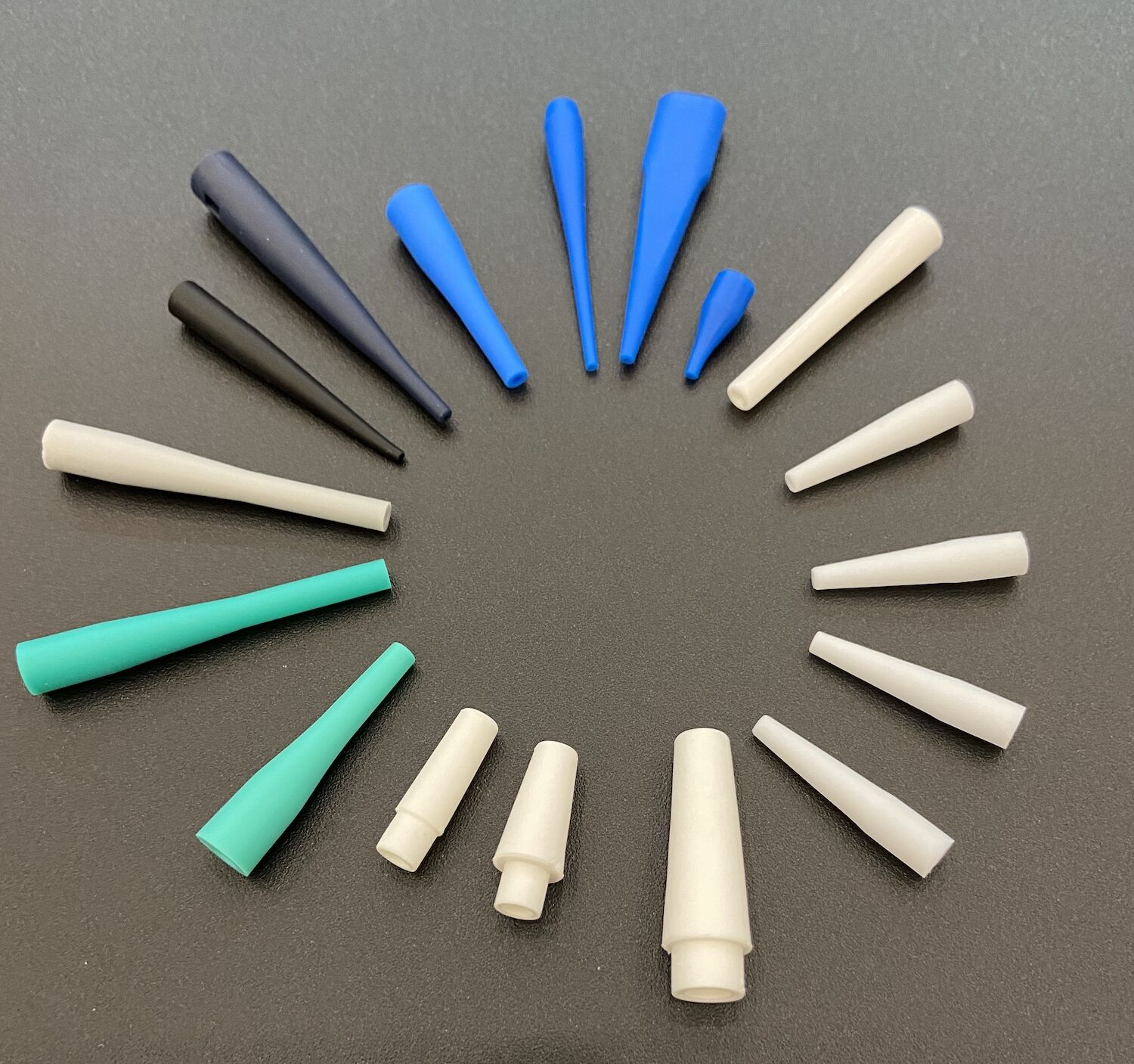
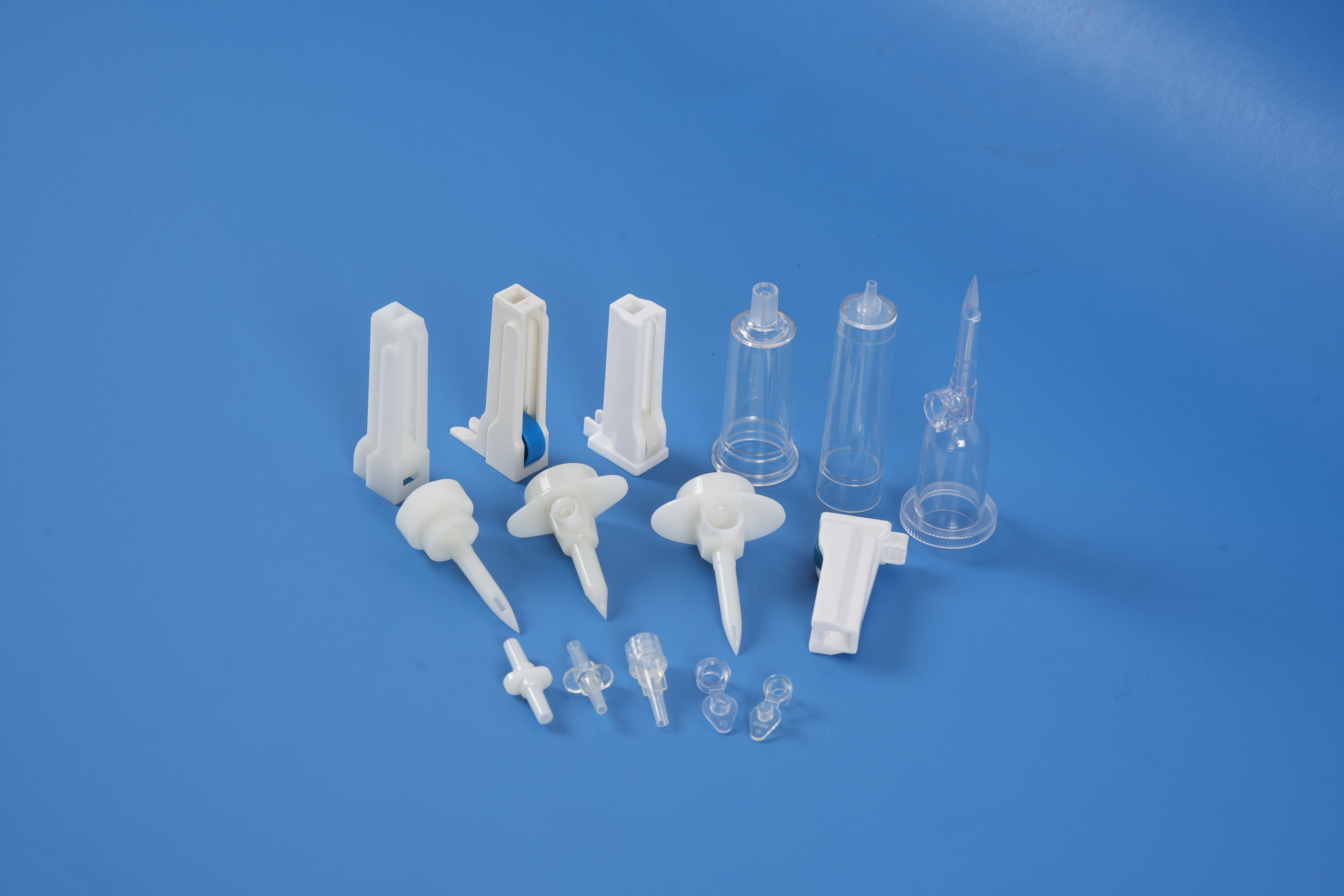
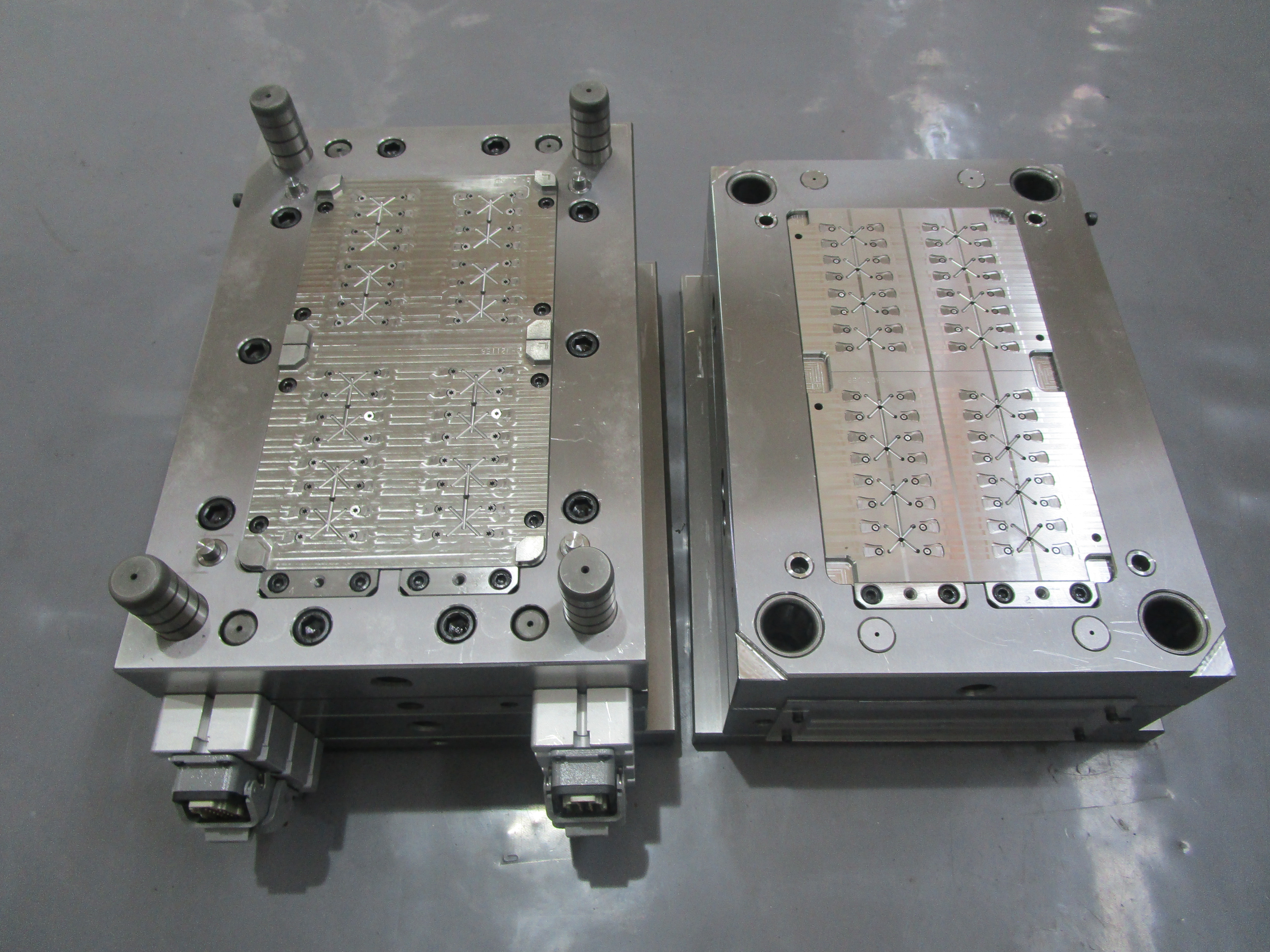
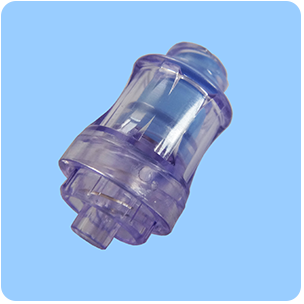
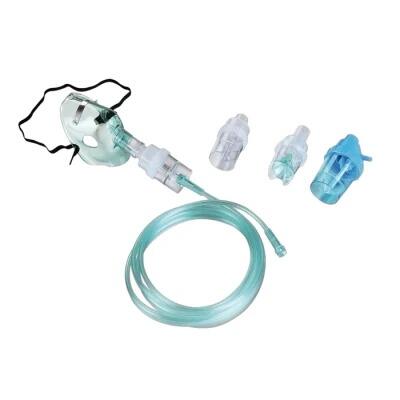
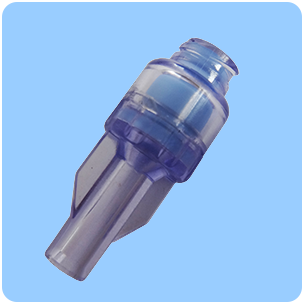
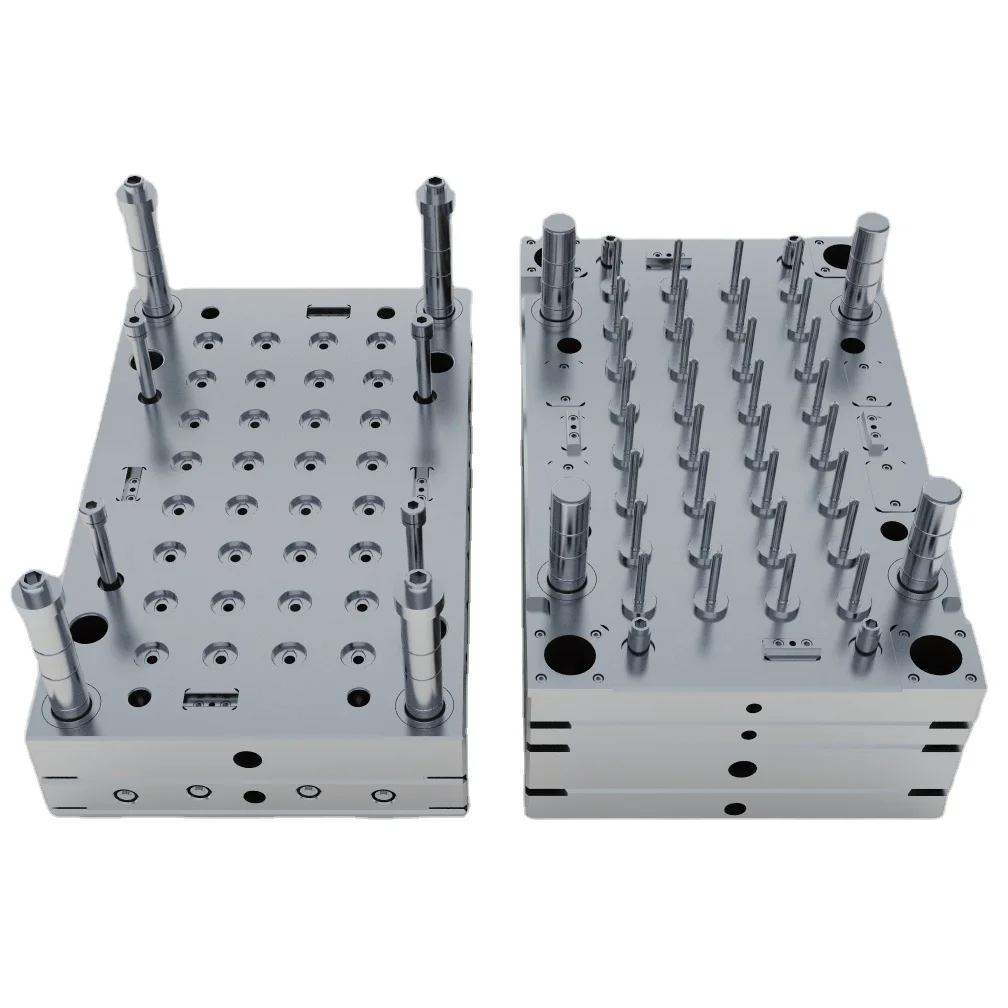
Plastic medical device manufacturers represent a vital segment of the healthcare industry, specializing in the design, development, and production of medical equipment and components made from various polymer materials. These manufacturers create an extensive range of products that serve critical functions across hospitals, clinics, diagnostic laboratories, and home healthcare settings. Their main functions encompass the entire production lifecycle, from initial concept and prototyping to mass production, quality assurance, regulatory compliance, and distribution. Plastic medical device manufacturers work with biocompatible materials such as polycarbonate, polyethylene, polypropylene, and specialized medical-grade polymers to create devices that meet stringent safety and performance standards. The technological features employed by plastic medical device manufacturers include advanced injection molding techniques, precision extrusion processes, clean room manufacturing environments, and automated assembly systems that ensure consistency and sterility. These manufacturers invest heavily in quality management systems that comply with international standards such as ISO 13485, FDA regulations, and CE marking requirements. Modern plastic medical device manufacturers utilize computer-aided design software, rapid prototyping technologies, and sophisticated testing equipment to validate product performance before market release. Applications of products from plastic medical device manufacturers span numerous medical specialties including surgical instruments, diagnostic equipment housings, drug delivery systems, respiratory devices, wound care products, cardiovascular components, orthopedic implants, and single-use disposable items. The versatility of plastic materials allows manufacturers to create lightweight yet durable devices that can be sterilized through various methods including ethylene oxide, gamma radiation, and steam autoclaving. Plastic medical device manufacturers also produce components for complex systems such as dialysis machines, infusion pumps, blood analysis equipment, and imaging devices. Their role extends beyond simple production as they collaborate closely with healthcare professionals, regulatory bodies, and research institutions to innovate and improve medical technologies that ultimately enhance patient outcomes and streamline clinical workflows.

Choosing products from plastic medical device manufacturers offers numerous practical benefits that directly impact healthcare delivery and operational efficiency. First and foremost, these manufacturers provide cost-effective solutions compared to traditional metal or glass alternatives, allowing healthcare facilities to allocate budgets more efficiently while maintaining high quality standards. The lightweight nature of plastic devices reduces shipping costs and makes handling easier for medical staff, decreasing workplace fatigue and improving ergonomics during long procedures. Plastic medical device manufacturers offer exceptional design flexibility, enabling the creation of complex geometries and integrated features that would be impossible or prohibitively expensive with other materials. This design freedom allows for color-coding systems that reduce medication errors, transparent components that permit visual inspection of fluids, and ergonomic shapes that enhance user comfort and control. Safety stands as a paramount advantage, as modern plastic medical device manufacturers produce items that eliminate sharp edges, reduce breakage risks, and minimize cross-contamination through single-use disposable options. The biocompatibility of medical-grade plastics ensures patient safety by preventing adverse reactions, making these devices suitable for direct contact with tissues and bodily fluids. Plastic medical device manufacturers deliver consistent product quality through automated manufacturing processes that reduce human error and maintain tight tolerances across large production runs. This consistency translates to reliable performance that healthcare providers can depend on during critical procedures. Environmental sterilization compatibility represents another significant advantage, as products from plastic medical device manufacturers can withstand various sterilization methods without degrading, ensuring proper infection control protocols. The speed of production offered by plastic medical device manufacturers means shorter lead times from concept to market, allowing healthcare providers to access innovative solutions more quickly. Customization capabilities enable these manufacturers to tailor products to specific clinical needs, institutional preferences, or regional requirements without extensive retooling costs. Regulatory expertise built into manufacturing processes ensures that products meet or exceed international standards, reducing compliance burdens for healthcare purchasers and providing peace of mind regarding legal and safety requirements. Durability combined with disposability creates optimal solutions for different scenarios, from reusable instruments that withstand repeated sterilization cycles to single-use items that eliminate reprocessing concerns. The chemical resistance of plastics used by medical device manufacturers protects against degradation from medications, cleaning agents, and bodily fluids, extending product lifespan and maintaining functionality. Finally, plastic medical device manufacturers support sustainability initiatives through recycling programs, reduced material waste during production, and development of biodegradable options that align with environmental responsibility goals while maintaining medical performance standards.

Practical Tips

Top Advantages of Choosing Custom Injection Molding Services

22

Oct

Top Advantages of Choosing Custom Injection Molding Services

Revolutionizing Manufacturing Through Custom Injection Molding The manufacturing landscape has evolved dramatically in recent years, with custom injection molding services emerging as a cornerstone of modern production methods. This sophisticated man...
View More
Why Experienced Injection Manufacturers Improve Product Quality

27

Nov

Why Experienced Injection Manufacturers Improve Product Quality

The medical device industry demands precision and reliability at every stage of production, making the selection of experienced injection manufacturers a critical decision for companies developing healthcare products. Quality standards in medical man...
View More
How to choose a reliable partner for custom mold and OEM molding in medical device manufacturing?

06

Jan

How to choose a reliable partner for custom mold and OEM molding in medical device manufacturing?

Medical device manufacturing demands precision, compliance, and reliability at every stage of production. When selecting a partner for custom mold development and OEM molding services, healthcare companies must evaluate multiple critical factors that...
View More
How to select the right medical-grade tubing and catheters for complex surgical procedures?

06

Jan

How to select the right medical-grade tubing and catheters for complex surgical procedures?

Selecting the appropriate medical-grade tubing and catheters for complex surgical procedures represents one of the most critical decisions healthcare professionals make in their practice. The complexity of modern surgical interventions demands materi...
View More

Get a Free Quote

Our representative will contact you soon.
0/1000
Advanced Material Science and Biocompatibility Excellence

Advanced Material Science and Biocompatibility Excellence

Plastic medical device manufacturers distinguish themselves through their mastery of advanced material science, particularly in the selection and application of biocompatible polymers that meet the exacting demands of medical applications. This expertise represents a critical differentiator in an industry where patient safety and product performance are non-negotiable. These manufacturers work extensively with specialized grades of medical polymers that have undergone rigorous testing to ensure they cause no adverse reactions when in contact with human tissue, blood, or other bodily fluids. The biocompatibility excellence achieved by plastic medical device manufacturers stems from their deep understanding of how different polymer formulations interact with biological systems, allowing them to select optimal materials for specific applications ranging from short-term external contact to long-term implantation. The value this brings to healthcare providers and patients cannot be overstated, as it directly translates to reduced complication rates, improved patient outcomes, and enhanced confidence in device performance. Plastic medical device manufacturers invest substantially in material testing protocols that go far beyond basic regulatory requirements, conducting comprehensive biocompatibility assessments including cytotoxicity studies, sensitization tests, irritation evaluations, and systemic toxicity analyses. This commitment ensures that every component released to market has been validated for safety through multiple independent verification methods. Furthermore, these manufacturers maintain relationships with resin suppliers who provide certificates of compliance and detailed material data sheets, creating a transparent supply chain that supports traceability and quality assurance. The importance of this material expertise becomes particularly evident when considering the diverse requirements across medical specialties: cardiovascular devices require materials with exceptional flexural endurance and thromboresistance, orthopedic applications demand high strength-to-weight ratios and osseointegration compatibility, while drug delivery systems need specific permeability characteristics and chemical inertness. Plastic medical device manufacturers navigate these complex requirements by maintaining extensive material libraries, conducting ongoing research into emerging polymers, and developing proprietary formulations that offer performance advantages. The practical benefits extend to device longevity, with properly selected materials resisting degradation from sterilization cycles, environmental exposure, and mechanical stress throughout their intended service life, ultimately reducing replacement frequency and total cost of ownership for healthcare institutions.
Precision Manufacturing and Quality Assurance Systems

Precision Manufacturing and Quality Assurance Systems

The precision manufacturing capabilities and comprehensive quality assurance systems employed by plastic medical device manufacturers constitute a fundamental advantage that ensures consistent, reliable products meeting the highest industry standards. These manufacturers operate state-of-the-art production facilities equipped with advanced molding technologies, automated assembly lines, and sophisticated inspection systems that work in concert to deliver devices with tolerances measured in microns. The importance of this precision cannot be overstated in medical applications where dimensional accuracy directly affects functionality, safety, and compatibility with other system components. Plastic medical device manufacturers typically house their production equipment in controlled clean room environments classified according to ISO 14644 standards, with filtered air systems, positive pressure differentials, and strict personnel protocols that minimize particulate contamination. This environmental control becomes especially critical for devices used in sterile fields or those requiring terminal sterilization, where any contamination could compromise patient safety or device efficacy. The value delivered through these precision manufacturing systems manifests in multiple ways for customers: reduced rejection rates mean lower costs and more reliable supply chains, consistent dimensional accuracy ensures proper fit and function with existing medical systems, and validated processes provide the documentation trail required for regulatory compliance and risk management. Plastic medical device manufacturers implement comprehensive quality management systems typically certified to ISO 13485, the international standard specific to medical device quality systems, which mandates rigorous design controls, process validations, supplier management, corrective and preventive action protocols, and continuous improvement methodologies. These systems create a culture of quality throughout the organization where every employee understands their role in maintaining product excellence. Advanced quality assurance technologies employed include coordinate measuring machines that verify dimensional specifications, vision inspection systems that detect surface defects or contamination, automated leak testing for sealed components, and statistical process control software that monitors production trends in real-time to identify potential issues before they affect product quality. Plastic medical device manufacturers also maintain dedicated quality laboratories where incoming materials, in-process samples, and finished products undergo comprehensive testing including mechanical property verification, chemical composition analysis, sterility validation, and functional performance evaluation. The documentation generated through these quality systems provides customers with complete traceability from raw material lot numbers through production dates to final inspection results, supporting their own quality and regulatory requirements while enabling rapid investigation and resolution should any field issues arise.
Innovative Design Capabilities and Rapid Development Cycles

Innovative Design Capabilities and Rapid Development Cycles

Plastic medical device manufacturers offer exceptional innovative design capabilities combined with rapid development cycles that accelerate the journey from clinical concept to market-ready product, providing significant competitive advantages for healthcare organizations and medical device companies. This combination of creativity and speed represents a transformative capability in an industry where clinical needs evolve constantly and the ability to respond quickly to emerging challenges can literally save lives. The design expertise of plastic medical device manufacturers encompasses both aesthetic and functional considerations, with engineering teams trained in human factors principles, ergonomic optimization, and design for manufacturability methodologies that ensure products not only meet clinical requirements but also enhance user experience and production efficiency. These manufacturers employ sophisticated computer-aided design software and finite element analysis tools that enable virtual prototyping and stress testing before any physical prototype is created, dramatically reducing development costs and timelines while increasing confidence in final product performance. The importance of rapid development cycles becomes evident when considering market dynamics such as evolving regulatory requirements, emerging infectious diseases requiring new protective equipment, or breakthrough surgical techniques demanding specialized instruments. Plastic medical device manufacturers respond to these challenges through streamlined development processes that leverage rapid prototyping technologies including 3D printing, CNC machining, and low-volume molding techniques that produce functional prototypes within days rather than months. This speed enables iterative design refinement based on actual clinical feedback, ensuring final products truly meet end-user needs rather than theoretical specifications. The value proposition extends beyond speed to include risk reduction through early validation of design concepts, cost savings from identifying manufacturing issues during development rather than production, and competitive advantage from faster time-to-market. Plastic medical device manufacturers maintain cross-functional development teams that include design engineers, materials scientists, manufacturing specialists, regulatory experts, and quality professionals who collaborate from project inception, ensuring that considerations affecting manufacturability, regulatory compliance, and quality assurance are integrated into designs from the beginning rather than addressed as afterthoughts. This integrated approach prevents costly redesigns and delays that occur when products designed without manufacturing input prove difficult or impossible to produce at scale. Additionally, these manufacturers often provide design for sterilization services, ensuring that product geometries, material selections, and assembly methods are compatible with intended sterilization modalities whether ethylene oxide, gamma radiation, or steam autoclaving. The collaborative relationships plastic medical device manufacturers develop with their customers extend throughout the product lifecycle, including post-market surveillance support, continuous improvement initiatives, and design modifications to address field feedback or incorporate technological advances, creating partnerships that generate sustained value rather than transactional vendor relationships.