Disposable Medical Products: Essential Single-Use Healthcare Solutions for Safety and Efficiency

Get a Quote
Get a Quote

disposable medical products

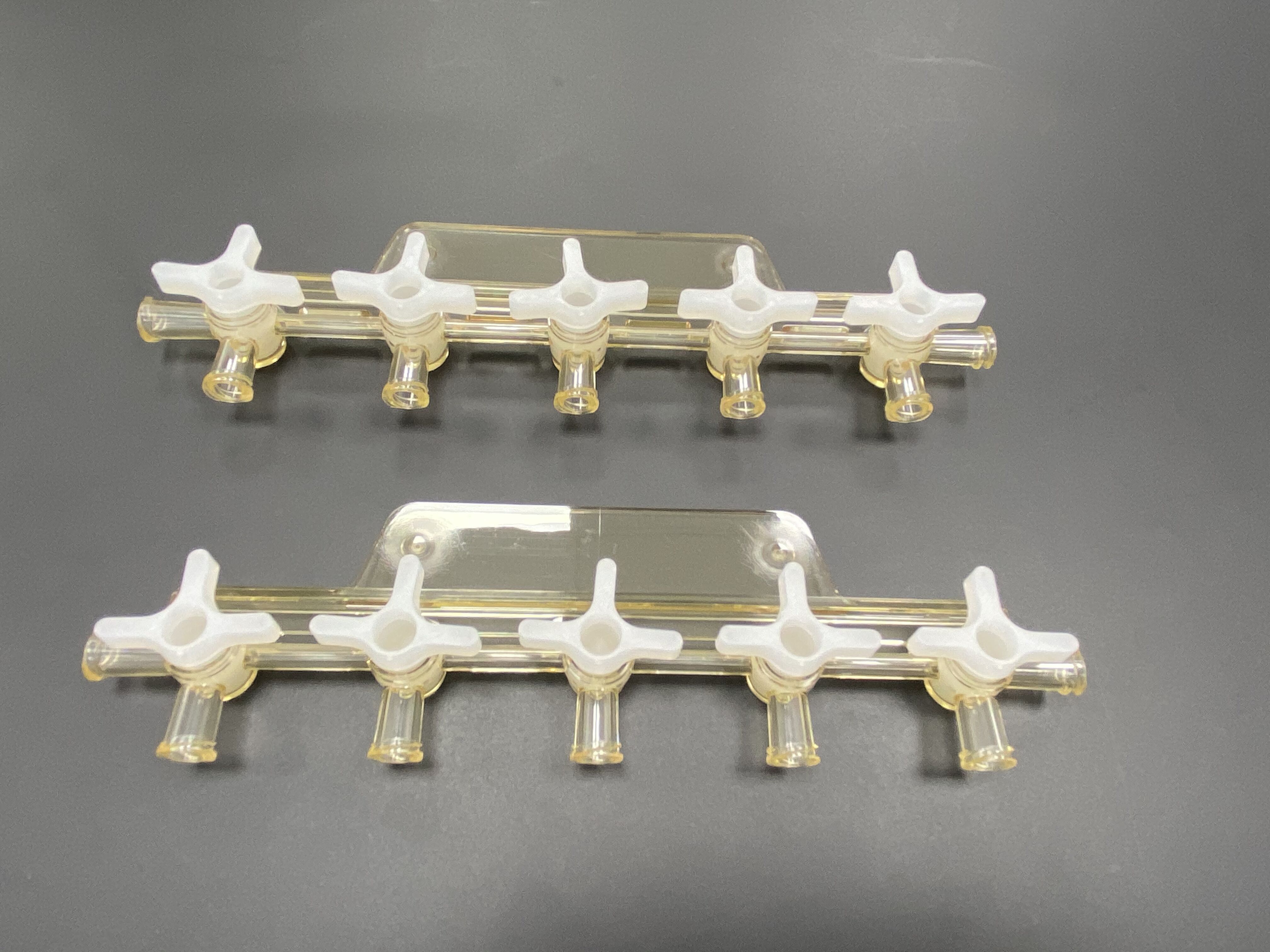
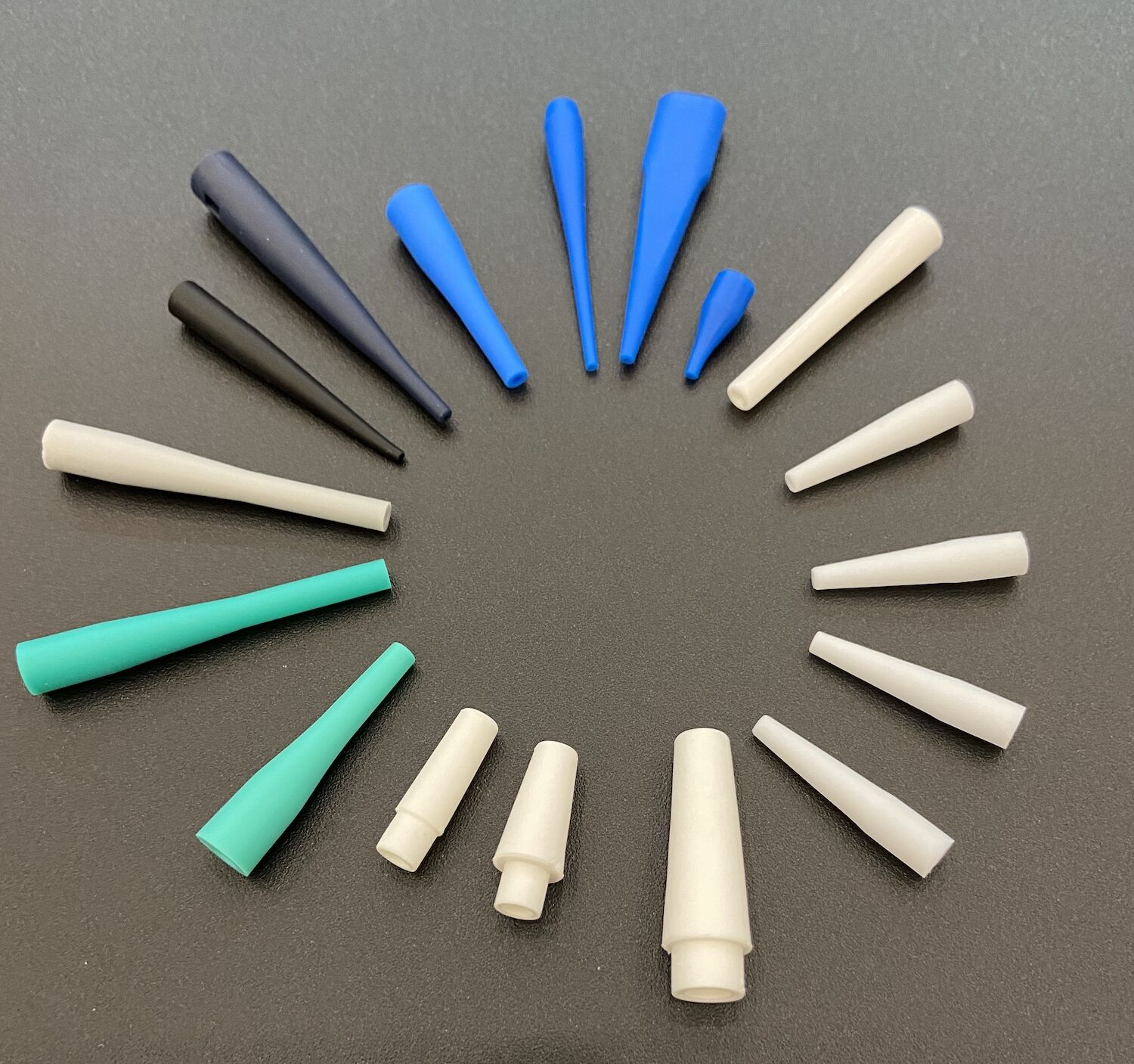
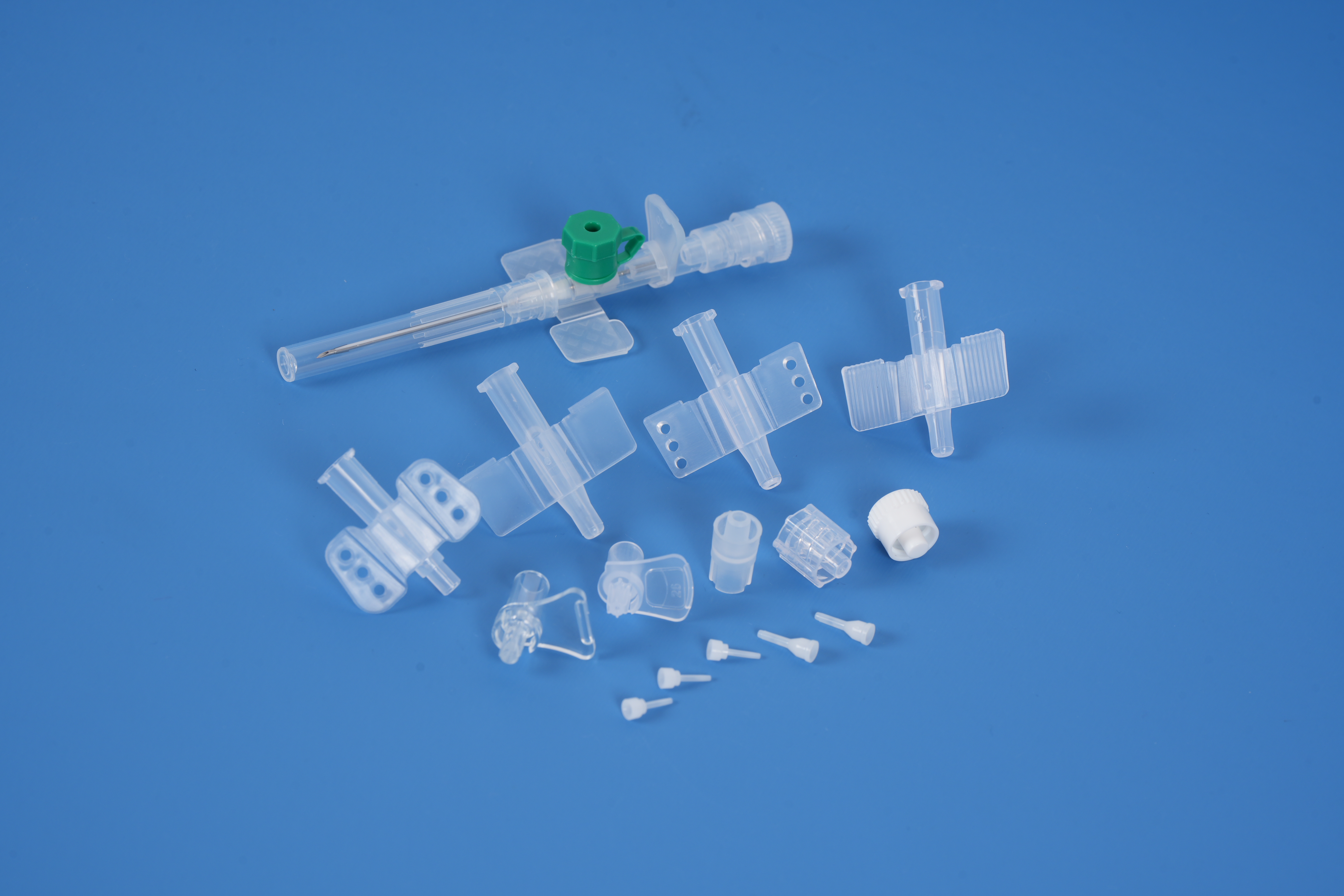
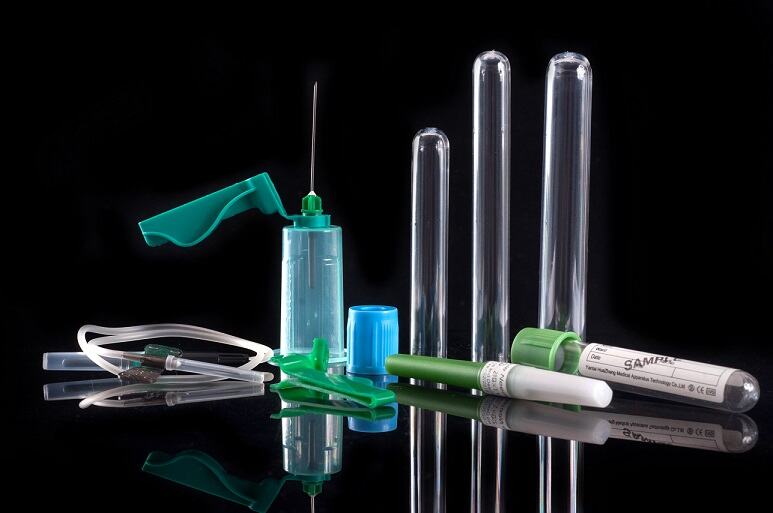
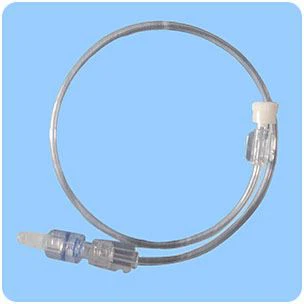
Disposable medical products represent a cornerstone of modern healthcare infrastructure, providing essential tools that prioritize patient safety, infection control, and operational efficiency across medical facilities worldwide. These single-use items encompass a vast range of medical supplies including syringes, gloves, surgical masks, gowns, drapes, catheters, bandages, needles, and specialized instruments designed for one-time application. The fundamental premise behind disposable medical products centers on preventing cross-contamination between patients while eliminating the complex sterilization processes required for reusable alternatives. Healthcare providers rely on these products daily to maintain sterile environments during procedures, examinations, and routine patient care activities. The technological evolution of disposable medical products has introduced advanced materials such as hypoallergenic latex alternatives, antimicrobial coatings, and biocompatible polymers that enhance both safety and performance. Manufacturing standards for these products adhere to stringent regulatory frameworks established by organizations like the FDA, CE marking authorities, and ISO certification bodies, ensuring consistent quality and reliability. The main functions of disposable medical products extend beyond simple containment and barrier protection; they facilitate precise medication delivery, enable accurate diagnostic testing, support wound management, and provide critical protection for healthcare workers against bloodborne pathogens and infectious diseases. Applications span emergency medicine, surgical procedures, intensive care units, outpatient clinics, home healthcare settings, and diagnostic laboratories. The convenience factor cannot be overstated as disposable medical products eliminate turnaround time associated with cleaning and sterilization, allowing healthcare facilities to maintain rapid patient throughput while reducing labor costs associated with reprocessing departments. Environmental considerations have prompted manufacturers to develop eco-conscious disposable medical products using biodegradable materials and sustainable production methods, addressing growing concerns about medical waste management while preserving the critical safety benefits that single-use items provide to patients and medical professionals alike.

The advantages of disposable medical products extend far beyond their apparent convenience, offering healthcare facilities and patients numerous practical benefits that directly impact care quality and safety outcomes. First and foremost, these products dramatically reduce infection transmission risks by ensuring each patient receives virgin, sterile supplies that have never contacted biological materials from previous users. This infection prevention capability proves especially critical in today's healthcare environment where antibiotic-resistant bacteria and emerging pathogens pose significant threats to vulnerable patient populations. Healthcare facilities using disposable medical products experience measurably lower rates of hospital-acquired infections compared to institutions relying heavily on reusable equipment, translating directly to improved patient outcomes and reduced liability exposure. Cost efficiency represents another substantial advantage as disposable medical products eliminate expensive infrastructure investments in sterilization equipment, specialized cleaning staff, quality control testing, and reprocessing facilities. When accounting for labor, utilities, maintenance, and compliance monitoring associated with reusable alternatives, disposable medical products frequently demonstrate superior total cost of ownership despite higher per-unit acquisition prices. Time savings benefit both clinical staff and patients as disposable medical products arrive ready for immediate use without preparation delays or availability constraints caused by sterilization cycles. This operational efficiency enables healthcare providers to focus attention on patient care rather than equipment management, improving workflow and reducing stress in demanding clinical environments. Consistency and reliability distinguish disposable medical products as each item meets identical manufacturing specifications without degradation from repeated use cycles that compromise reusable equipment over time. Healthcare professionals can trust that disposable medical products will perform as expected without concerns about wear patterns, microscopic damage, or incomplete sterilization that might affect reusable alternatives. Storage simplicity provides practical advantages as disposable medical products typically require less space than equivalent reusable items plus their associated sterilization and processing equipment. Regulatory compliance becomes more straightforward with disposable medical products since facilities avoid complex validation requirements for sterilization processes and can rely on manufacturer certifications for product sterility and safety. Patient perception strongly favors disposable medical products as individuals increasingly recognize and appreciate seeing sealed, single-use items opened specifically for their care, enhancing trust and confidence in treatment quality. Flexibility in inventory management allows healthcare facilities to scale supplies according to fluctuating demand without concerns about sterilization capacity limitations that constrain reusable equipment availability during high-volume periods. Emergency preparedness improves significantly with disposable medical products as facilities can stockpile supplies for surge capacity situations, disaster response, or pandemic scenarios without worrying about equipment maintenance during storage periods. Quality assurance processes simplify considerably since disposable medical products arrive with manufacturer guarantees and traceability documentation, reducing institutional burden for ongoing quality verification and enabling rapid recall responses if manufacturing defects are identified.

Tips And Tricks

What are the technical challenges in precision OEM tooling manufacturing?

22

Oct

What are the technical challenges in precision OEM tooling manufacturing?

Understanding the Complex World of Advanced Manufacturing Technologies The realm of precision OEM tooling represents one of manufacturing's most demanding sectors, where tolerances are measured in microns and quality standards are uncompromising. As ...
View More
How Can Custom Mold and OEM Molding Improve Product Manufacturing Efficiency?

23

Dec

How Can Custom Mold and OEM Molding Improve Product Manufacturing Efficiency?

Manufacturing efficiency has become the cornerstone of competitive advantage in today's industrial landscape. Companies across various sectors are discovering that traditional manufacturing approaches often fall short of meeting modern demands for pr...
View More
How Do You Evaluate a Supplier for Custom Mold and OEM Molding Projects?

23

Dec

How Do You Evaluate a Supplier for Custom Mold and OEM Molding Projects?

Selecting the right supplier for your custom mold and OEM molding projects represents one of the most critical decisions in manufacturing. The success of your product development, production timelines, and overall profitability directly depends on pa...
View More
How can custom OEM molding services optimize the cost of large-scale medical disposables?

06

Jan

How can custom OEM molding services optimize the cost of large-scale medical disposables?

In today's competitive healthcare landscape, medical device manufacturers face mounting pressure to reduce production costs while maintaining the highest quality standards. Custom OEM molding services have emerged as a strategic solution for companie...
View More

Get a Free Quote

Our representative will contact you soon.
0/1000
Superior Infection Control and Patient Safety Standards

Superior Infection Control and Patient Safety Standards

The infection control capabilities of disposable medical products represent their most compelling advantage, addressing the fundamental healthcare imperative to protect patients from iatrogenic harm. Every healthcare-associated infection carries serious consequences including extended hospital stays, additional treatments, increased costs, and potential mortality, making prevention strategies essential to quality care delivery. Disposable medical products eliminate cross-contamination pathways by ensuring each patient encounters only sterile, virgin materials that have never been exposed to biological fluids, tissues, or microorganisms from previous users. This absolute barrier against transmission proves particularly crucial when dealing with bloodborne pathogens such as hepatitis viruses and HIV, where even microscopic residual contamination on reusable equipment could pose infection risks despite rigorous sterilization protocols. The reliability of disposable medical products stems from controlled manufacturing environments where automated processes produce items under strict quality standards, hermetically seal them in protective packaging, and sterilize them using validated methods such as ethylene oxide gas, gamma irradiation, or electron beam technology. Healthcare providers can visually verify package integrity before use, immediately identifying any compromise that might affect sterility and selecting alternative supplies without risking patient exposure. This transparency and certainty simply cannot be matched by reusable equipment where sterilization effectiveness depends on proper execution of complex multi-step processes by facility staff under variable conditions. The psychological benefit for patients should not be underestimated as individuals increasingly understand infection risks and derive comfort from observing healthcare providers opening sealed disposable medical products specifically for their treatment. This visible commitment to safety strengthens the therapeutic relationship and reduces anxiety that might otherwise interfere with care cooperation. For immunocompromised patients undergoing chemotherapy, organ transplantation, or managing chronic conditions that impair immune function, disposable medical products provide essential protection against opportunistic infections that could prove life-threatening. Surgical applications particularly benefit from disposable medical products as maintaining sterile fields during invasive procedures requires absolute confidence in supply sterility, and any breach could result in devastating postoperative infections requiring revision surgeries and prolonged antibiotic therapy. The environmental controls in manufacturing facilities for disposable medical products far exceed what most healthcare institutions can achieve in their reprocessing departments, providing additional assurance of microbial elimination.
Operational Efficiency and Cost-Effectiveness for Healthcare Facilities

Operational Efficiency and Cost-Effectiveness for Healthcare Facilities

Healthcare facilities face constant pressure to optimize operational efficiency while controlling costs, and disposable medical products deliver measurable advantages in both areas despite surface-level perceptions about expense. The total cost analysis for disposable medical products must account for all factors including acquisition price, storage requirements, handling labor, waste disposal, and avoided costs associated with reusable alternatives. When healthcare facilities invest in reusable equipment, they simultaneously commit to substantial infrastructure including commercial-grade sterilizers, ultrasonic cleaners, drying equipment, packaging materials, quality control testing devices, and dedicated physical space for reprocessing operations. Staff requirements extend beyond simple operation to include specialized training in sterilization science, process monitoring, documentation compliance, and troubleshooting when validation tests indicate sterilization failures. These personnel costs accumulate continuously regardless of patient volume fluctuations, whereas disposable medical products scale proportionally with actual usage. Utility consumption for steam sterilization, including water, electricity, and natural gas, represents ongoing operational expenses that compound over equipment lifespans, and maintenance contracts for sterilization equipment add further recurring costs. Disposable medical products eliminate these expense categories entirely, converting fixed costs into variable costs that align with revenue-generating patient care activities. Time efficiency translates directly to improved patient throughput as clinical staff can access disposable medical products instantly from supply rooms rather than waiting for sterilization cycles that may require hours or even overnight processing for some equipment types. This availability prevents procedure delays, reduces patient waiting times, and enables facilities to schedule more appointments within available staff hours. Emergency situations particularly benefit from disposable medical products since unplanned procedures can proceed immediately without concerns about whether necessary instruments have completed sterilization or whether urgent cases will deplete available reusable supplies before reprocessing completes. Inventory management simplifies dramatically with disposable medical products as facilities can implement straightforward just-in-time ordering systems based on predictable consumption patterns rather than maintaining larger reserves to buffer against sterilization cycle times and potential reprocessing delays. The regulatory burden decreases substantially when using disposable medical products since facilities avoid complex validation requirements for sterilization equipment, quarterly biological indicator testing, daily process monitoring, and detailed documentation that accreditation surveyors scrutinize during facility inspections. Staff satisfaction improves when healthcare professionals can focus on clinical responsibilities rather than equipment management tasks, reducing burnout and improving retention in an industry facing chronic workforce shortages.
Consistent Quality Performance and Risk Mitigation

Consistent Quality Performance and Risk Mitigation

The performance reliability of disposable medical products provides healthcare facilities with predictable functionality that eliminates variables associated with reusable equipment degradation over multiple use cycles. Manufacturing processes for disposable medical products employ advanced quality control systems including statistical process control, automated inspection technologies, and batch testing protocols that ensure each item meets identical specifications regardless of when or where it was produced. This consistency proves impossible to maintain with reusable equipment that experiences microscopic wear, material fatigue, and gradual performance deterioration despite careful handling and proper reprocessing. Surgical instruments exemplify this advantage as disposable scalpels maintain factory-sharp cutting edges that enable precise incisions with minimal tissue trauma, whereas reusable blades gradually dull even with professional sharpening services, potentially increasing healing times and complication risks. The materials science behind modern disposable medical products incorporates innovations such as memory polymers that maintain optimal flexibility across temperature ranges, antimicrobial additives that provide additional infection protection, and hypoallergenic formulations that reduce adverse reactions in sensitive patients. Manufacturers invest heavily in research and development to optimize disposable medical products for specific applications, conducting extensive testing under simulated use conditions to verify performance characteristics before market introduction. Healthcare providers benefit from this specialized engineering without requiring in-house expertise to evaluate and maintain equipment performance over time. Risk mitigation extends to liability concerns as disposable medical products arrive with clear manufacturer warranties, detailed instructions for use, and traceability systems that enable rapid response if product defects are discovered post-distribution. In contrast, healthcare facilities using reusable equipment assume responsibility for maintaining performance standards through proper reprocessing, creating potential liability exposure if sterilization failures contribute to patient harm. Documentation advantages of disposable medical products include lot numbers and expiration dates that facilitate quality audits and regulatory inspections, whereas reusable equipment requires extensive institutional records tracking each item through countless use and reprocessing cycles. The supply chain transparency for disposable medical products enables healthcare facilities to verify manufacturer credentials, review compliance certifications, and confirm products meet applicable regulatory standards before purchasing decisions. Patient-specific customization has become increasingly feasible with disposable medical products as manufacturers can economically produce specialized sizes, configurations, and features for diverse patient populations including pediatric, bariatric, and geriatric individuals with unique anatomical requirements. This personalization improves clinical outcomes by ensuring optimal fit and function rather than accepting compromises inherent in one-size-fits-all reusable equipment designs. The innovation cycle for disposable medical products proceeds more rapidly than reusable alternatives since manufacturers can introduce improved designs without requiring healthcare facilities to write off substantial capital investments in existing durable equipment.