Premium Plastic Medical Components - Biocompatible Solutions for Healthcare Devices

Get a Quote
Get a Quote

plastic medical components

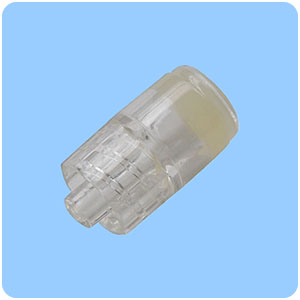
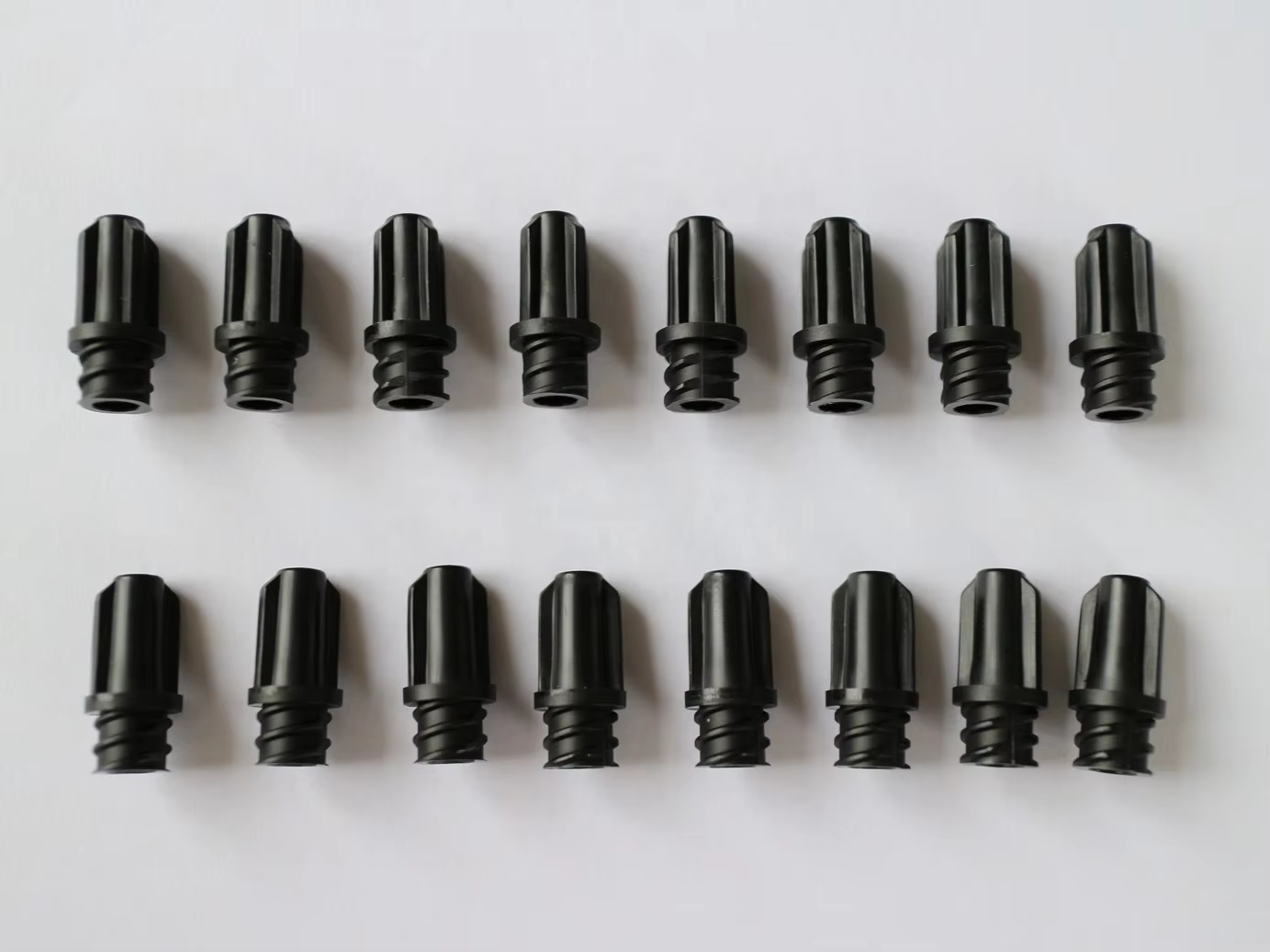
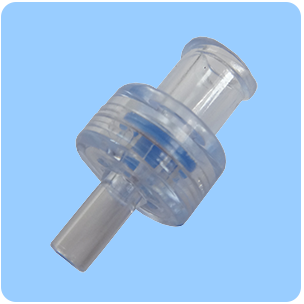
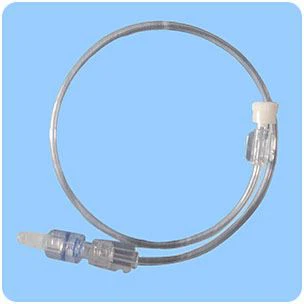
Plastic medical components have revolutionized the healthcare industry by providing versatile, reliable, and cost-effective solutions for a wide range of medical applications. These specialized parts are manufactured using advanced polymer materials that meet stringent regulatory standards and deliver exceptional performance in clinical environments. The main functions of plastic medical components encompass fluid management, drug delivery, diagnostic testing, surgical instrumentation, and patient monitoring. These components serve as critical building blocks in devices ranging from simple syringes to complex implantable systems. The technological features of plastic medical components include biocompatibility, chemical resistance, dimensional stability, and the ability to be sterilized through various methods such as gamma radiation, ethylene oxide, or autoclave processes. Modern manufacturing techniques such as injection molding, extrusion, and thermoforming enable the production of plastic medical components with precise tolerances and consistent quality. Advanced polymers like polycarbonate, polyethylene, polypropylene, and medical-grade silicones are selected based on specific application requirements. These materials can be formulated to provide transparency for visual inspection, flexibility for catheter applications, or rigidity for structural support. Applications of plastic medical components span across multiple medical specialties including cardiology, orthopedics, neurology, and respiratory care. In diagnostic equipment, plastic medical components form housings, sample containers, and microfluidic channels that enable accurate testing. Surgical instruments incorporate plastic medical components for handles, guards, and disposable elements that enhance safety and reduce cross-contamination risks. Drug delivery systems rely heavily on plastic medical components for syringes, IV sets, inhalers, and auto-injectors that ensure precise dosing. Patient care devices utilize plastic medical components in tubing, connectors, valves, and monitoring sensors that facilitate treatment delivery and data collection. The adaptability of plastic medical components allows manufacturers to customize designs for specific therapeutic needs while maintaining compliance with FDA regulations and ISO standards for medical device production.

Choosing plastic medical components offers numerous practical benefits that directly impact healthcare delivery and operational efficiency. First and foremost, these components provide significant cost savings compared to traditional materials like glass or metal. Manufacturing plastic medical components through high-volume production methods reduces unit costs, making medical devices more affordable and accessible to healthcare facilities worldwide. This economic advantage extends throughout the supply chain, from raw material procurement to final product distribution. The lightweight nature of plastic medical components simplifies handling, reduces shipping expenses, and minimizes physical strain on healthcare professionals during procedures. Patients also benefit from lighter devices that improve comfort during extended use or when mobility is required. Safety represents another compelling advantage, as plastic medical components eliminate many risks associated with breakage. Unlike glass containers that can shatter and create hazardous sharp fragments, plastic alternatives maintain integrity even when dropped or mishandled. This break-resistance protects both patients and medical staff from potential injuries while reducing waste from damaged supplies. The design flexibility inherent in plastic medical components enables manufacturers to create ergonomic shapes that improve usability and reduce procedural errors. Complex geometries, integrated features, and color-coding options can be incorporated directly into the molding process without additional assembly steps. This versatility accelerates product development cycles and allows for rapid prototyping when new medical needs emerge. Compatibility with multiple sterilization methods ensures that plastic medical components can be processed according to facility preferences and device requirements. Whether using steam, radiation, or chemical sterilization, appropriate polymer selection guarantees that components maintain their physical properties and performance characteristics after repeated processing. The barrier properties of certain plastic medical components protect sensitive medications from moisture, oxygen, and light degradation, extending shelf life and maintaining therapeutic efficacy. Transparency options allow for visual confirmation of fluid levels, proper assembly, and the absence of particulates or air bubbles, which is critical for quality assurance. Chemical resistance prevents degradation when plastic medical components contact aggressive pharmaceuticals, disinfectants, or bodily fluids, ensuring long-term reliability. The single-use nature of many plastic medical components significantly reduces infection transmission risks by eliminating the need for reprocessing between patients. This disposability aligns with modern infection control protocols and provides peace of mind to both healthcare providers and patients. Environmental considerations are increasingly addressed through the development of recyclable and bio-based plastic medical components that reduce the carbon footprint of healthcare operations. Manufacturing consistency achievable with plastic medical components minimizes batch-to-batch variation, which is essential for maintaining device performance specifications and meeting regulatory requirements for medical products.

Latest News

Top Benefits of Working With a Reliable Injection Manufacturer

27

Nov

Top Benefits of Working With a Reliable Injection Manufacturer

In today's competitive manufacturing landscape, partnering with a reliable injection manufacturer has become crucial for businesses across various industries. From medical devices to automotive components, plastic injection molding remains one of the...
View More
What Makes Top Injection Moulding Product Manufacturers Stand Out?

27

Nov

What Makes Top Injection Moulding Product Manufacturers Stand Out?

The manufacturing landscape has witnessed remarkable transformations over the past decades, with injection moulding emerging as one of the most critical production processes across multiple industries. From automotive components to medical devices, c...
View More
What Should Companies Consider When Ordering Custom Mold and OEM Molding Services?

23

Dec

What Should Companies Consider When Ordering Custom Mold and OEM Molding Services?

Manufacturing companies across industries increasingly rely on custom mold solutions to create precise, high-quality components that meet their specific requirements. The decision to invest in custom mold fabrication represents a significant strategi...
View More
How to select the right medical-grade tubing and catheters for complex surgical procedures?

06

Jan

How to select the right medical-grade tubing and catheters for complex surgical procedures?

Selecting the appropriate medical-grade tubing and catheters for complex surgical procedures represents one of the most critical decisions healthcare professionals make in their practice. The complexity of modern surgical interventions demands materi...
View More

Get a Free Quote

Our representative will contact you soon.
0/1000
Superior Biocompatibility and Patient Safety

Superior Biocompatibility and Patient Safety

The biocompatibility of plastic medical components stands as one of their most critical attributes, directly influencing patient outcomes and device success rates. Medical-grade plastics are specifically engineered to interact safely with human tissues, blood, and bodily fluids without triggering adverse reactions or compromising physiological functions. This compatibility is achieved through careful material selection, purification processes, and rigorous testing protocols that evaluate cytotoxicity, sensitization, irritation, and systemic effects. Plastic medical components undergo extensive validation according to ISO 10993 standards, which provide a comprehensive framework for biological evaluation of medical devices. The absence of extractables and leachables that could migrate into medications or tissues ensures that plastic medical components maintain their inert characteristics throughout their intended use period. Unlike some traditional materials that may corrode or degrade over time, properly formulated plastic medical components remain stable and predictable in their performance. This stability is particularly important for implantable devices where long-term biocompatibility is essential for patient safety and device longevity. The smooth surface finishes achievable with plastic medical components minimize protein adhesion and bacterial colonization, which are critical factors in preventing device-associated infections. Advanced surface treatments and antimicrobial additives can be incorporated into plastic medical components to further enhance their infection-resistant properties. For applications involving direct blood contact, such as catheters or dialysis components, specialized plastic medical components are formulated to reduce thrombogenicity and prevent clot formation. The flexibility of plastic medical components allows them to conform to anatomical structures, reducing tissue trauma and improving patient comfort during device placement and wear. This mechanical compliance is especially valuable in applications like feeding tubes, drainage systems, and cardiovascular devices where rigid materials might cause irritation or injury. Transparency in certain plastic medical components enables healthcare providers to monitor fluid flow, detect complications early, and verify proper device positioning without additional imaging. The ability to tailor mechanical properties through polymer selection means that plastic medical components can be optimized for specific anatomical sites and patient populations, including pediatric and geriatric applications that require specialized considerations.
Advanced Manufacturing Precision and Quality Consistency

Advanced Manufacturing Precision and Quality Consistency

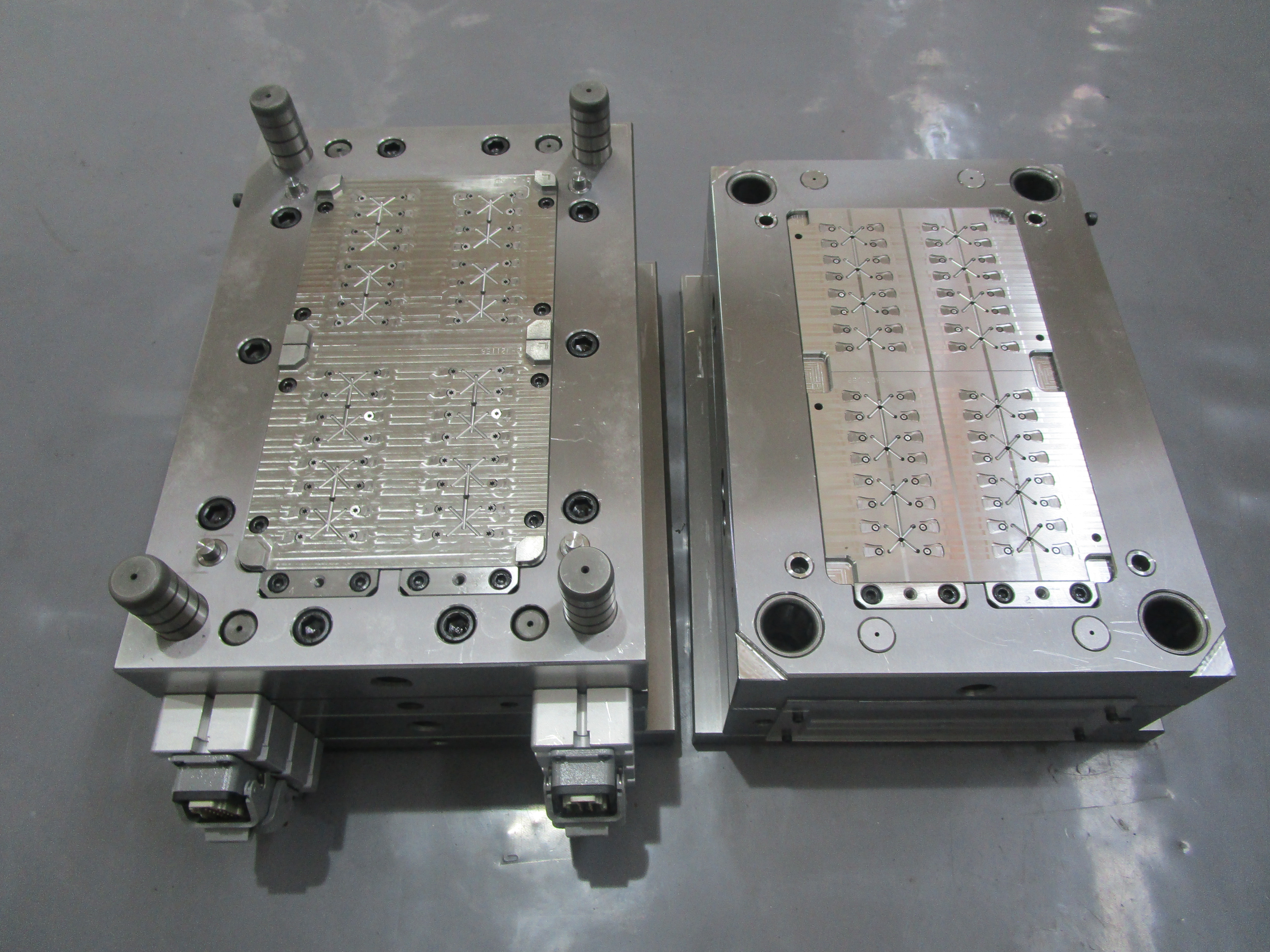
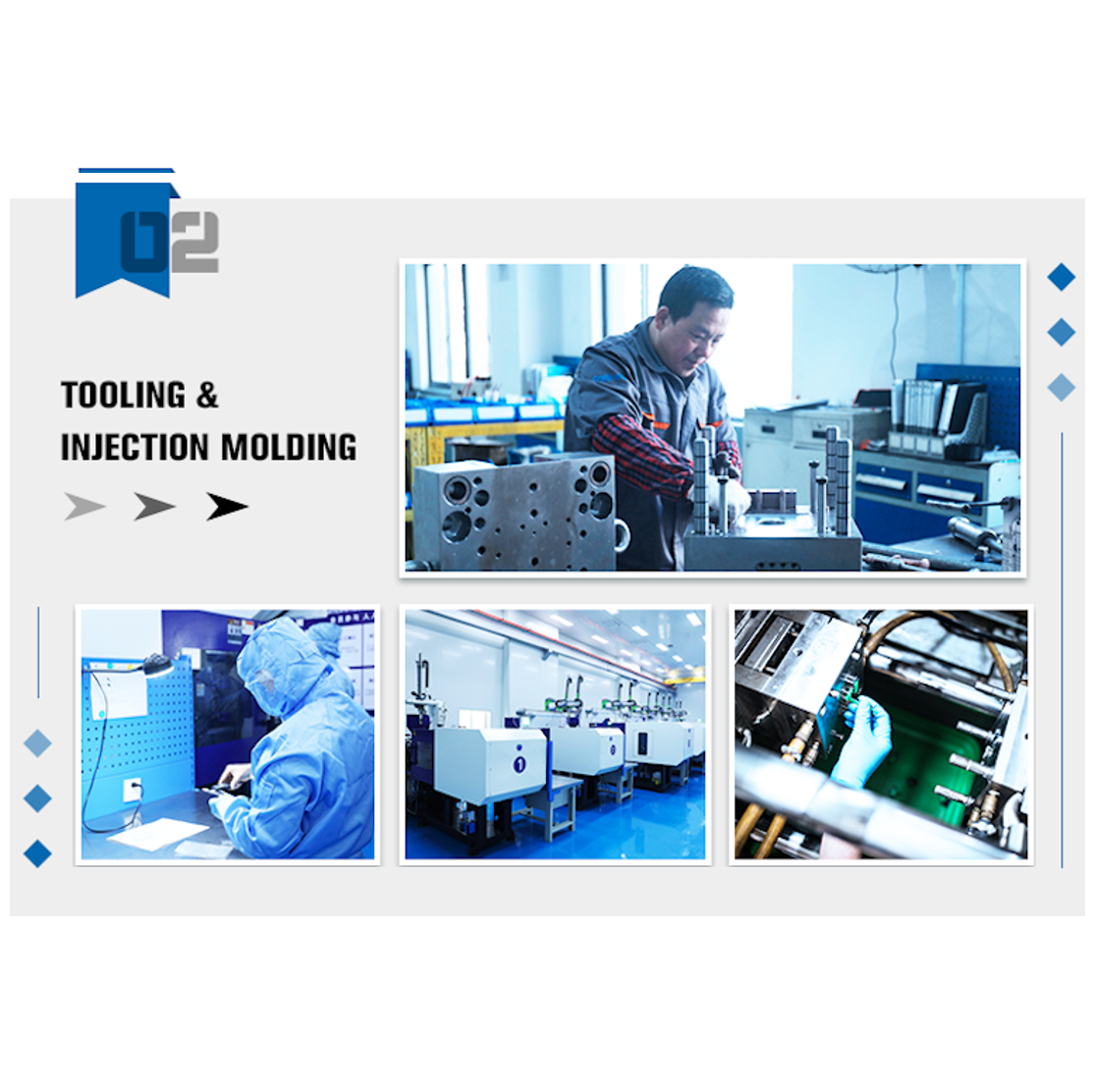
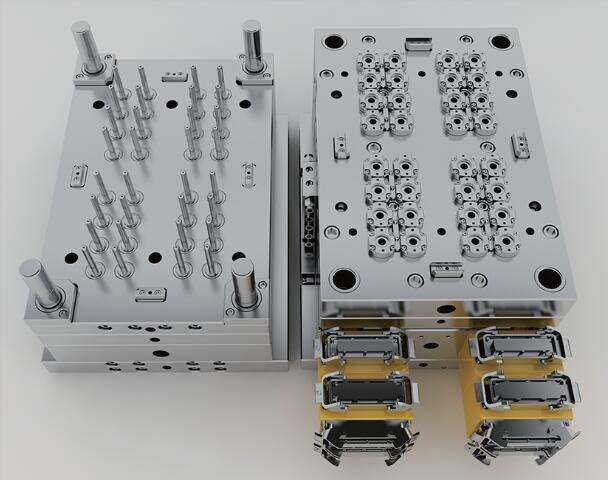
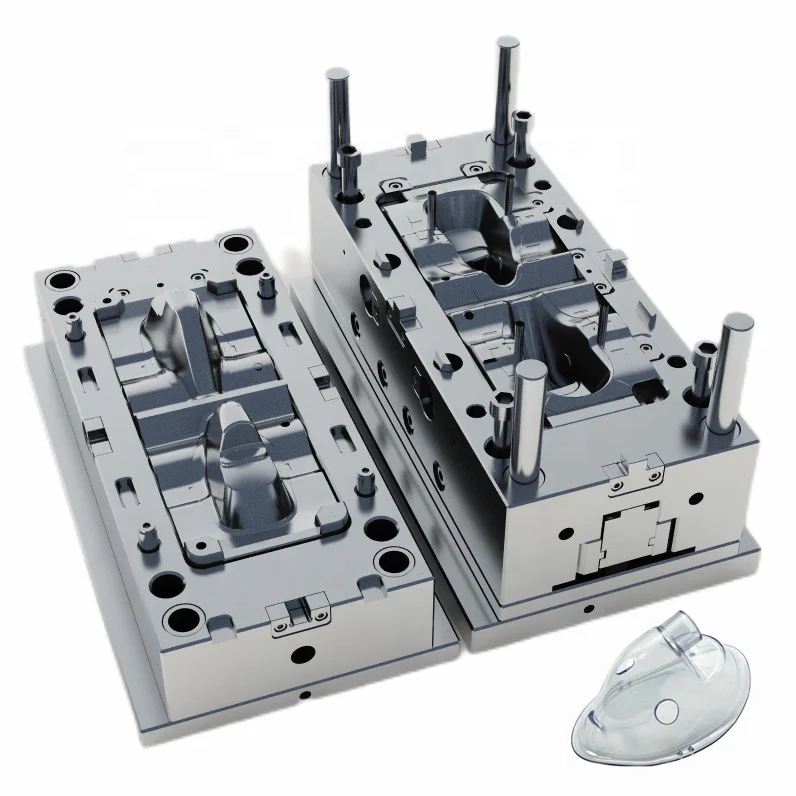
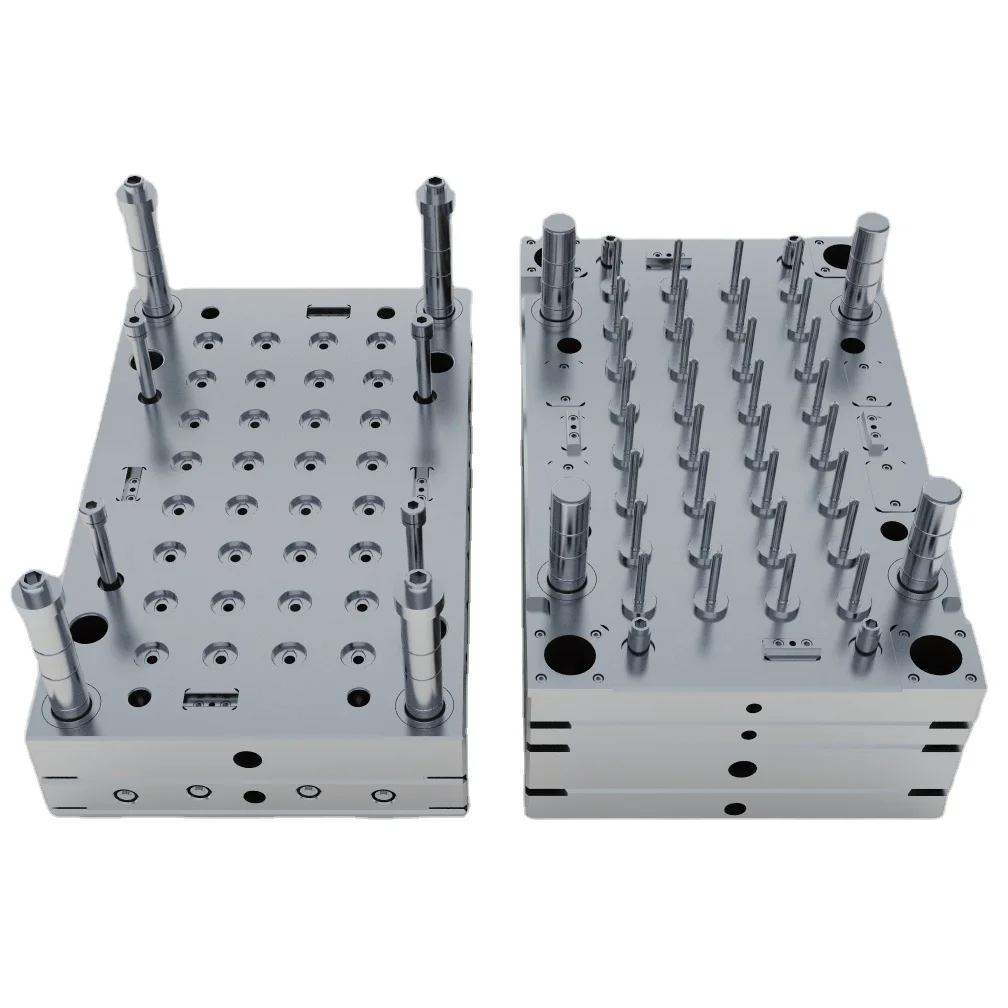
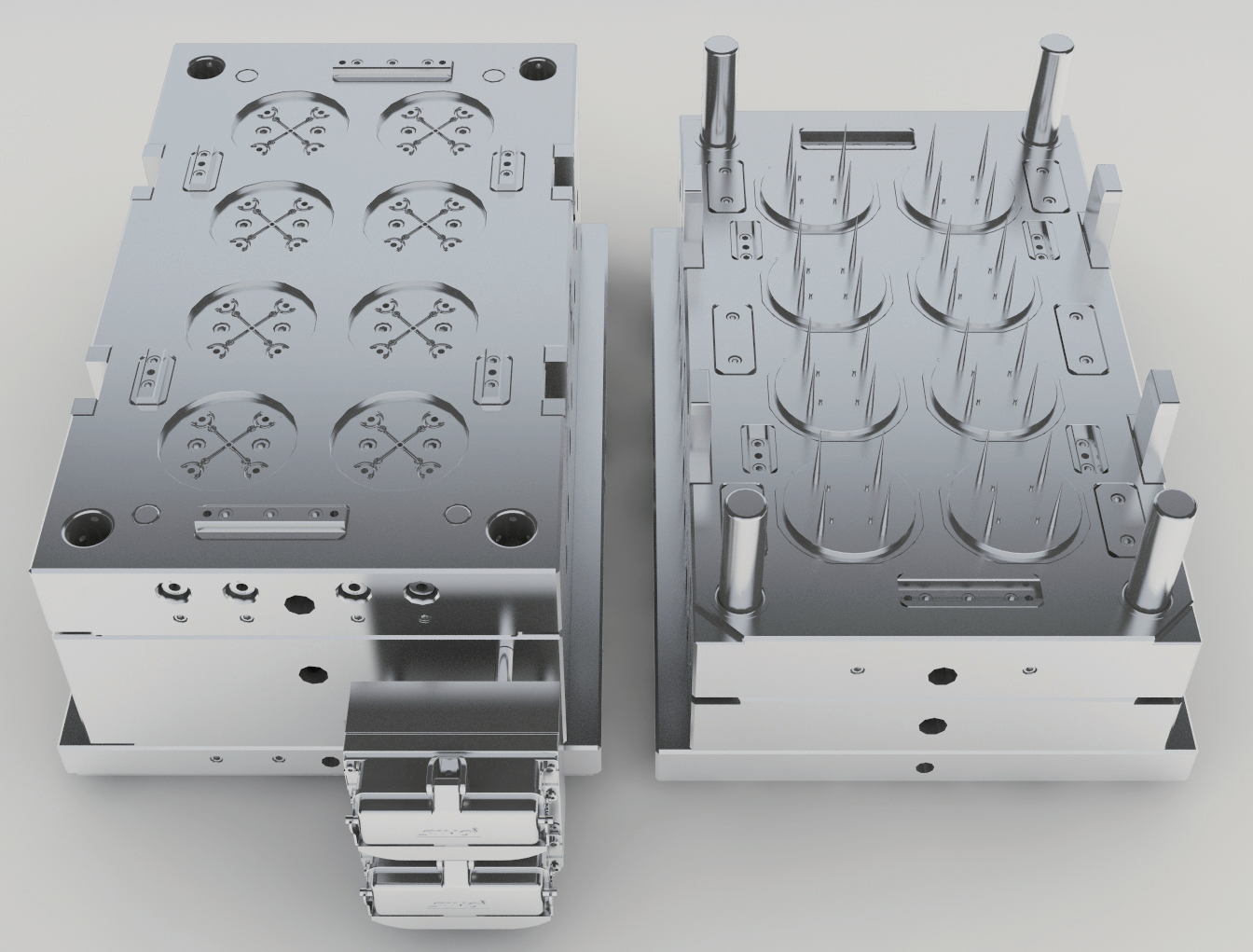
The manufacturing capabilities associated with plastic medical components have reached unprecedented levels of precision and reproducibility, enabling the production of highly sophisticated medical devices that meet exacting performance standards. Modern injection molding technologies can produce plastic medical components with tolerances measured in microns, ensuring proper fit and function in assemblies where dimensional accuracy is paramount. This precision extends to features like luer connections, thread specifications, and sealing surfaces that must meet international standards for interoperability and safety. Automated manufacturing processes eliminate human variability and reduce the potential for contamination, which is essential when producing components for sterile medical applications. Cleanroom manufacturing environments specifically designed for plastic medical components maintain strict particulate and microbial control, often achieving ISO Class 7 or Class 8 classifications that align with regulatory expectations. In-process monitoring and statistical process control enable manufacturers to detect deviations immediately and implement corrective actions before non-conforming plastic medical components reach the market. The validation protocols applied to plastic medical components manufacturing include installation qualification, operational qualification, and performance qualification that demonstrate consistent capability over extended production runs. Traceability systems track plastic medical components from raw material receipt through final packaging, creating comprehensive documentation that supports regulatory submissions and post-market surveillance. The scalability of plastic manufacturing processes means that production can be efficiently adjusted to meet fluctuating demand without compromising quality or extending lead times. Tooling technologies such as multi-cavity molds and family molds optimize production efficiency while maintaining the individual quality of each plastic medical component produced. Secondary operations like ultrasonic welding, adhesive bonding, and insert molding can be seamlessly integrated into manufacturing workflows to create complex assemblies from multiple plastic medical components. Quality assurance testing for plastic medical components includes dimensional verification, material identification, functional performance evaluation, and package integrity assessment. Non-destructive testing methods allow manufacturers to inspect critical features of plastic medical components without affecting their usability or sterility. The documentation generated during manufacturing provides a complete quality history for each lot of plastic medical components, facilitating investigations if field issues arise and supporting continuous improvement initiatives that enhance product reliability.
Economic Value and Healthcare Accessibility

Economic Value and Healthcare Accessibility

The economic advantages of plastic medical components extend far beyond simple material cost comparisons, creating value throughout the healthcare ecosystem and improving access to quality medical care globally. The ability to produce plastic medical components at scale dramatically reduces per-unit costs, which translates directly into more affordable medical devices for healthcare systems operating under budget constraints. This cost efficiency is particularly impactful in resource-limited settings where expensive alternatives might be unavailable or unsustainable. The disposable nature of many plastic medical components eliminates the infrastructure costs associated with reprocessing, including specialized equipment, trained personnel, and validation studies required for reusable devices. Healthcare facilities can reallocate resources previously dedicated to sterilization departments toward direct patient care activities, improving operational efficiency. The reduced weight of plastic medical components lowers transportation and logistics expenses, which becomes especially significant when distributing medical supplies to remote or underserved areas. Storage requirements are minimized because plastic medical components can often be nested or compactly packaged, maximizing warehouse space utilization and reducing inventory carrying costs. The durability of properly stored plastic medical components provides extended shelf life compared to some alternatives that may deteriorate or require special environmental controls. Standardization enabled by plastic medical components reduces training requirements because healthcare professionals can become proficient with consistent device designs across multiple manufacturers. The rapid production capabilities for plastic medical components mean that supply chains can respond quickly to demand surges during public health emergencies or seasonal variations in healthcare utilization. Economic modeling demonstrates that healthcare systems achieve lower total cost of ownership when incorporating plastic medical components due to reduced complication rates, shorter procedure times, and decreased waste management expenses. The innovation pace in plastic medical components continues to accelerate as material science advances create new polymers with enhanced properties and expanded application possibilities. Research investments in biodegradable and sustainable plastic medical components address environmental concerns while maintaining the performance characteristics that make plastics indispensable in healthcare. Value-based healthcare models increasingly recognize that plastic medical components contribute to improved patient outcomes through infection prevention, procedural efficiency, and device reliability. The competitive marketplace for plastic medical components drives continuous improvement in quality and performance while maintaining downward pressure on pricing. Emerging markets benefit particularly from plastic medical components as local manufacturing capabilities develop, creating employment opportunities and reducing dependence on imported medical supplies.