plastic medical devices
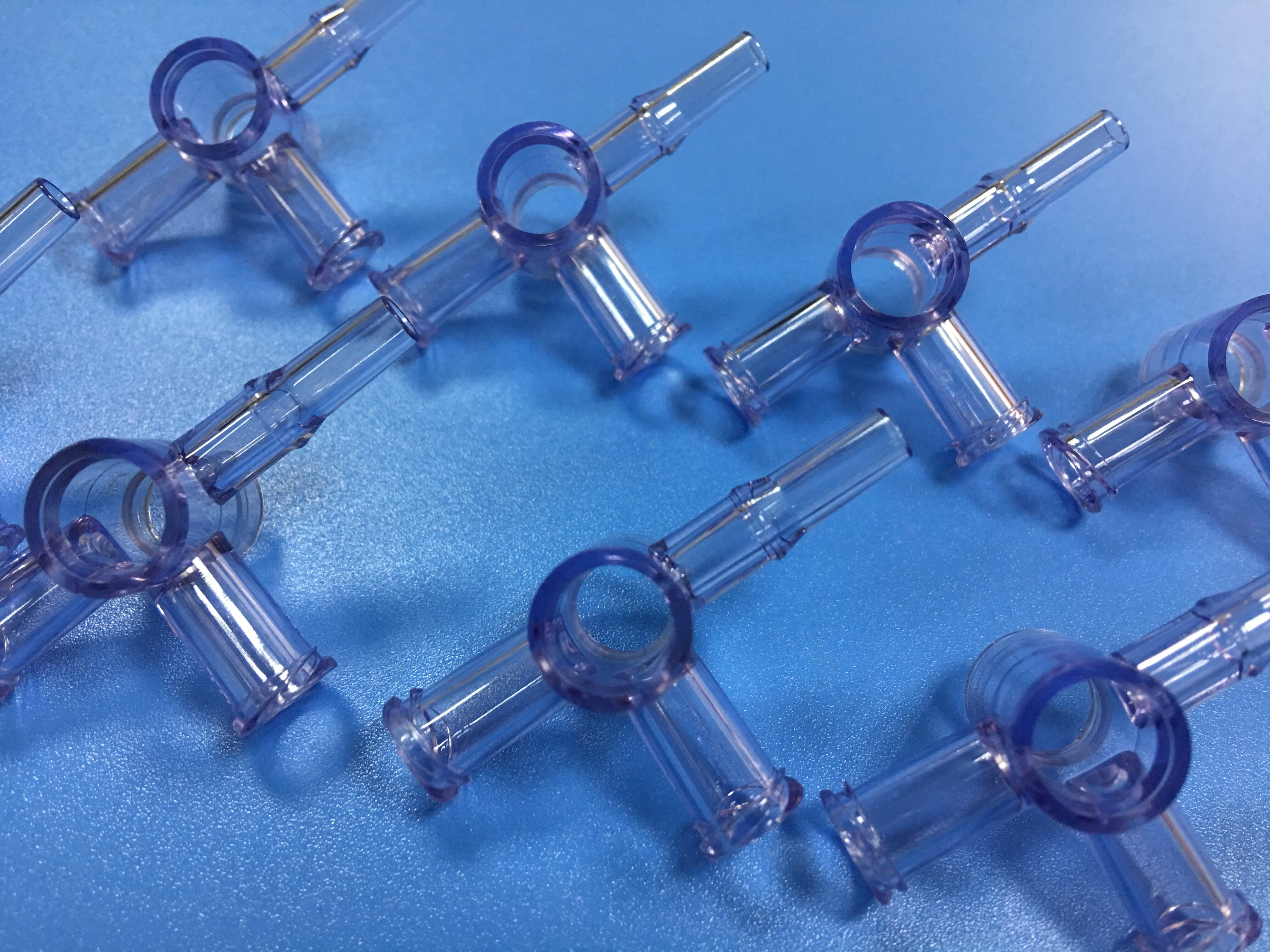
Plastic medical devices have revolutionized healthcare delivery by providing safe, effective, and versatile solutions for diagnostic, therapeutic, and preventive medical applications. These sophisticated instruments manufactured from advanced polymer materials serve essential roles across hospitals, clinics, laboratories, and home healthcare settings. The primary functions of plastic medical devices encompass fluid management, drug delivery, diagnostic testing, surgical procedures, patient monitoring, and infection control. From simple disposable syringes to complex catheter systems, these devices leverage the unique properties of medical-grade plastics to enhance patient outcomes while maintaining cost-effectiveness. The technological features distinguishing modern plastic medical devices include biocompatibility ensuring safe contact with human tissue and bodily fluids, sterilization compatibility allowing for various decontamination methods, chemical resistance preventing degradation from pharmaceuticals and biological substances, transparency enabling visual inspection of contents and flow, flexibility facilitating comfortable patient interaction, and lightweight construction reducing fatigue during extended procedures. Manufacturing processes employ injection molding, extrusion, thermoforming, and blow molding techniques combined with cleanroom protocols to achieve precise dimensional tolerances and maintain sterility standards. Applications span multiple medical specialties including cardiovascular care with angioplasty balloons and stents, respiratory therapy featuring ventilator components and oxygen masks, diabetes management through insulin delivery pens and glucose monitoring systems, surgical interventions utilizing laparoscopic instruments and suture materials, wound care incorporating drainage systems and dressing materials, and laboratory diagnostics employing microfluidic chips and specimen collection containers. The versatility of plastic medical devices continues expanding as material science advances introduce novel polymers with enhanced performance characteristics tailored to specific clinical requirements, enabling healthcare providers to deliver superior patient care across diverse treatment scenarios while addressing evolving regulatory standards and sustainability considerations within the global medical marketplace.







 EN
EN