Versatile Applications Across Medical Specialties
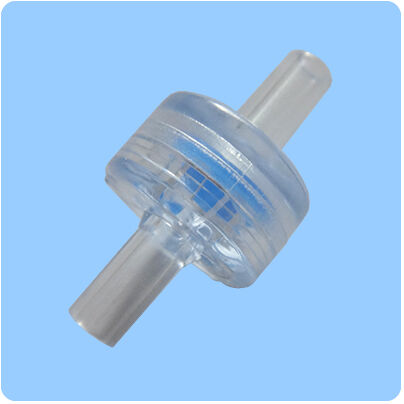
The adaptability of pvc medical tube across numerous medical specialties demonstrates its value as a universal solution for fluid and gas management in healthcare environments. In respiratory care departments, pvc medical tube serves as the foundation for breathing circuits that connect ventilators to patients requiring mechanical ventilation support. These circuits must maintain consistent internal diameters to ensure accurate tidal volume delivery while providing sufficient flexibility for patient positioning and comfort. The material clarity allows respiratory therapists to monitor condensation accumulation and take appropriate measures to prevent aspiration risks. In anesthesia applications, pvc medical tube forms components of the breathing systems used during surgical procedures, where the material's low gas permeability helps maintain precise anesthetic agent concentrations and the smooth internal surfaces minimize breathing resistance. For intravenous therapy, which represents one of the most common applications, pvc medical tube connects fluid bags to catheter access points, facilitating the administration of hydration fluids, electrolytes, medications, blood products, and parenteral nutrition. The tubing must accommodate inline filters, check valves, injection ports, and flow regulators while maintaining system sterility and preventing backflow contamination. In enteral feeding applications, pvc medical tube delivers nutritional formulas directly to the gastrointestinal tract for patients unable to consume adequate nutrition orally. The chemical resistance prevents degradation from the acidic pH of some feeding formulas and the material flexibility reduces patient discomfort during nasogastric or gastrostomy tube placement. Surgical drainage applications utilize pvc medical tube to evacuate fluids, blood, and air from post-operative sites, facilitating healing and preventing complications such as hematoma formation or infection. The transparency allows surgical teams to monitor drainage characteristics including volume, color, and consistency, which provide important clinical indicators of recovery progress. In dialysis treatments, pvc medical tube forms the bloodlines that transport blood between the patient and the dialysis machine, requiring exceptional biocompatibility to prevent hemolysis and thrombosis while withstanding the repetitive mechanical stresses of pump action. Urological applications employ pvc medical tube in catheterization systems for bladder drainage and irrigation, where the material smoothness reduces urethral trauma and the clarity facilitates monitoring of urine output characteristics.


 EN
EN