Prototype Plastic Molding Services - Fast, Cost-Effective Product Development Solutions

Get a Quote
Get a Quote

prototype plastic molding

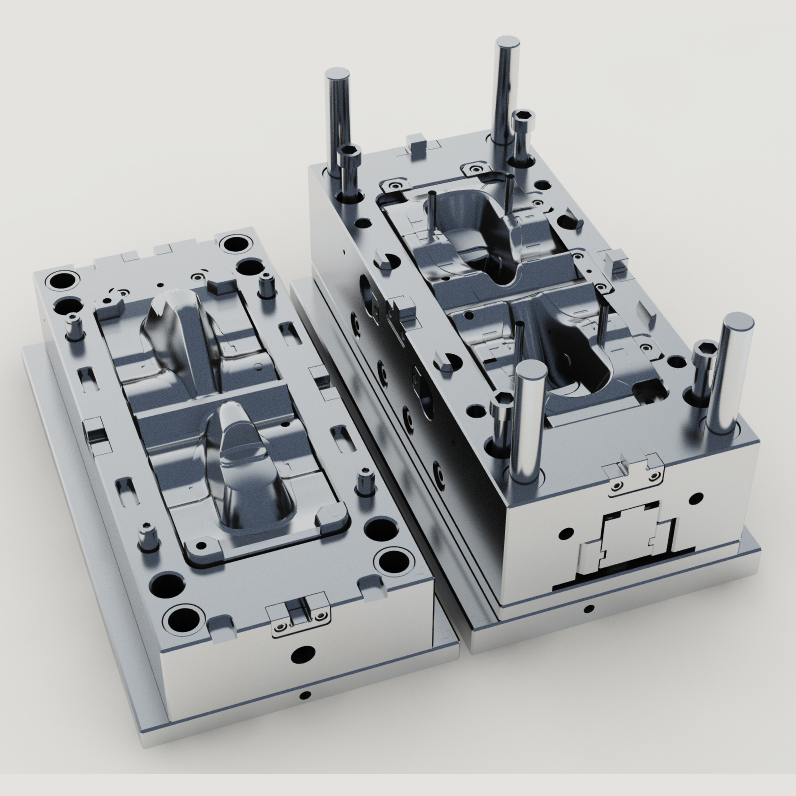
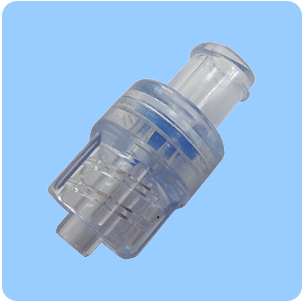
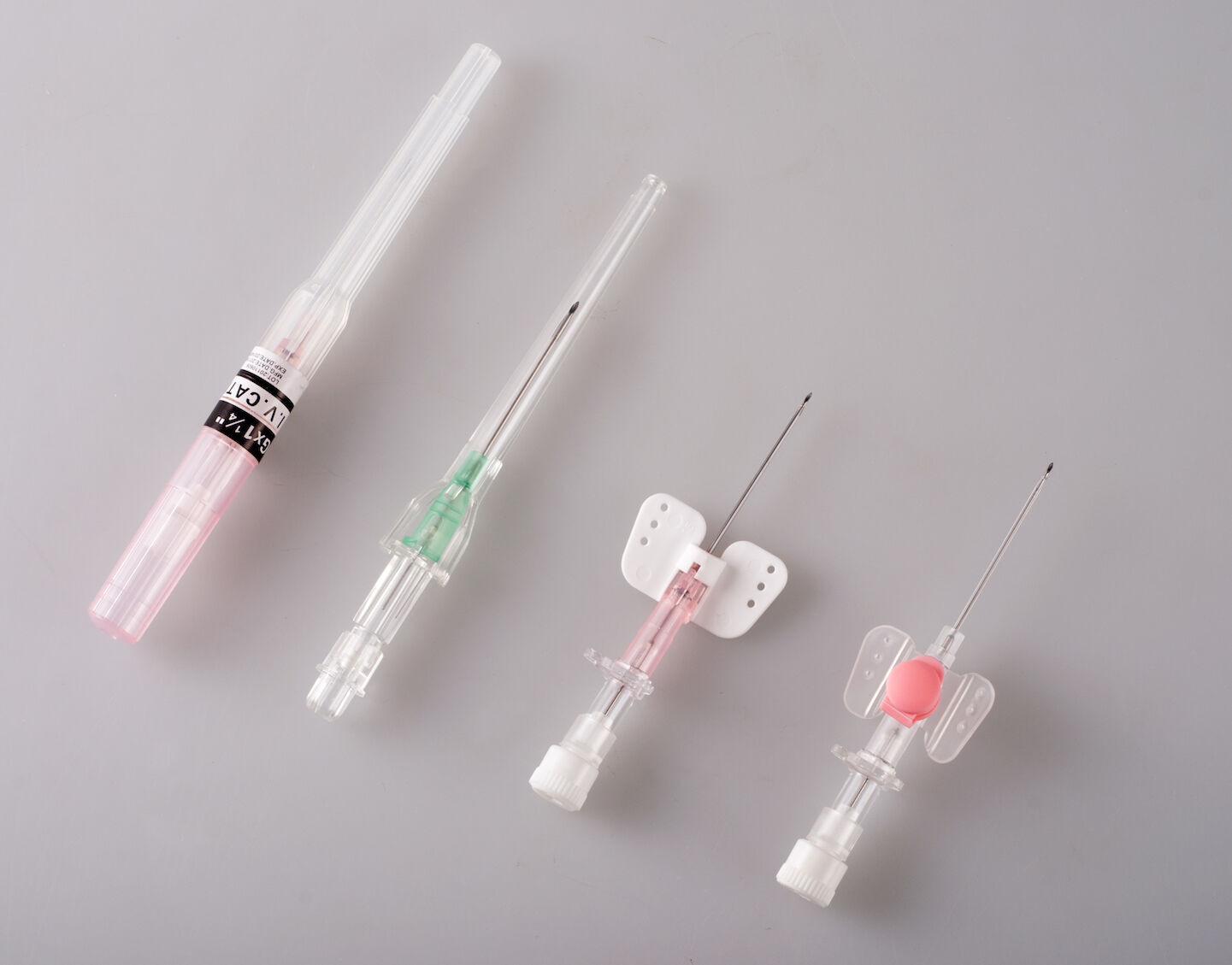
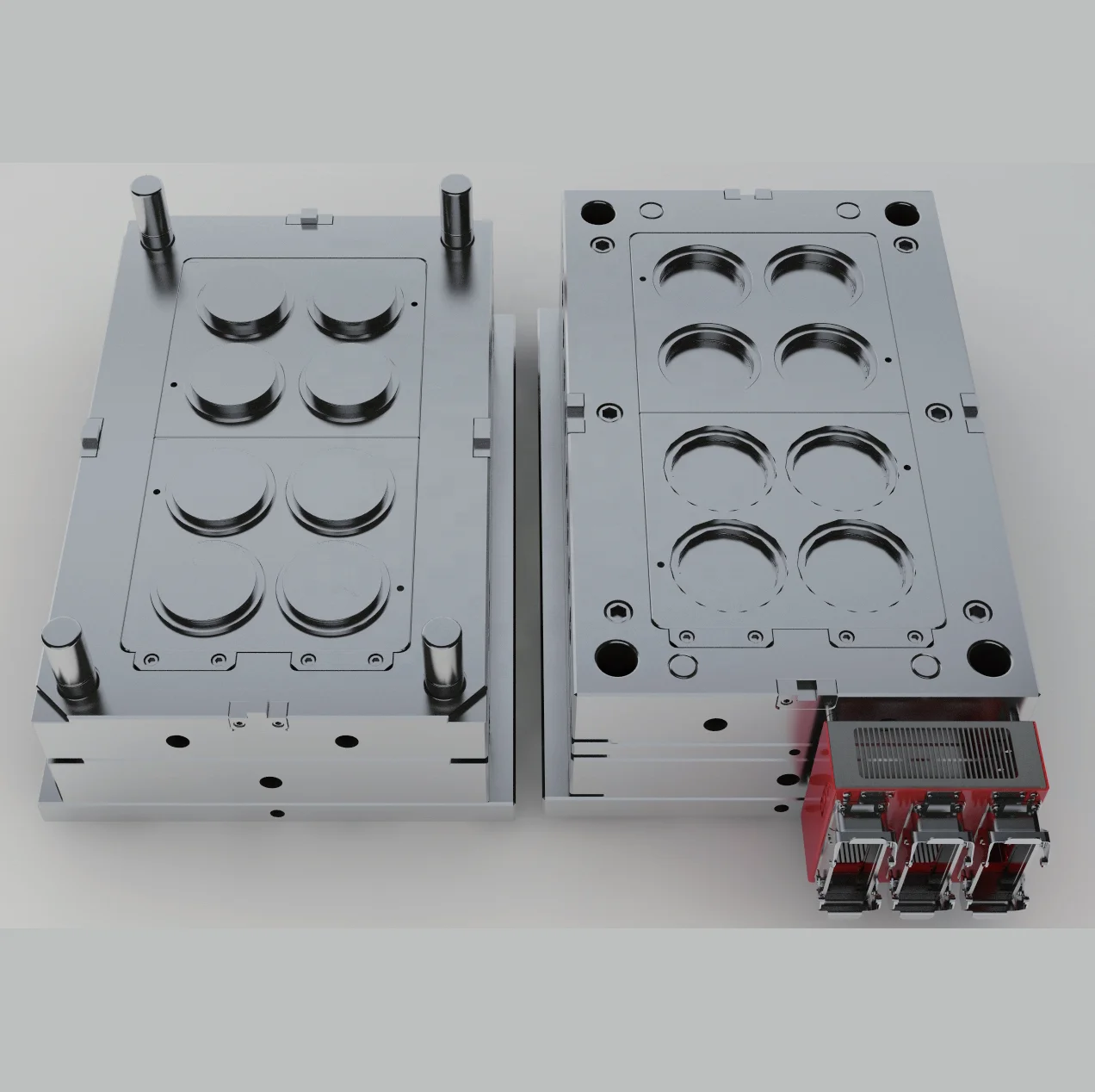
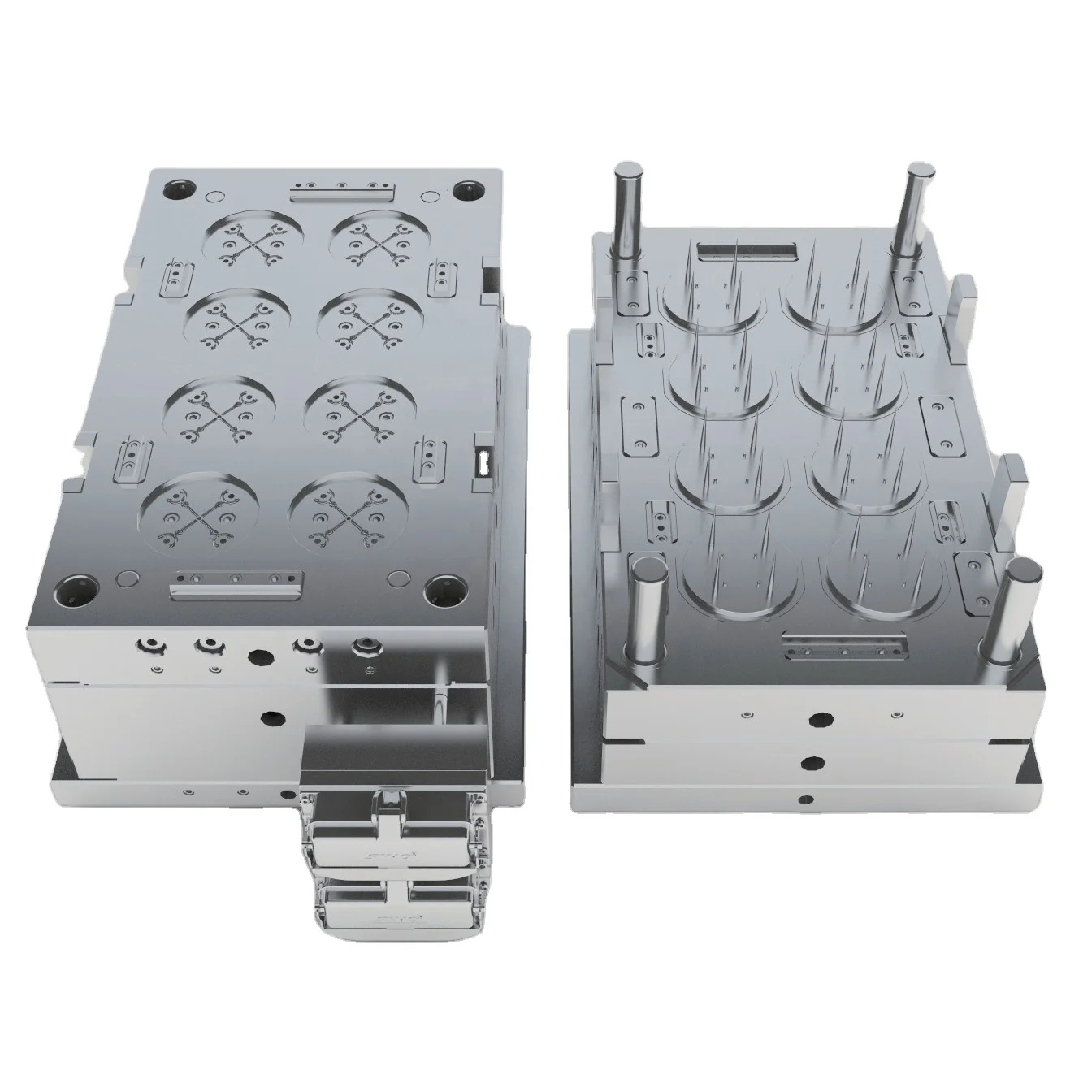
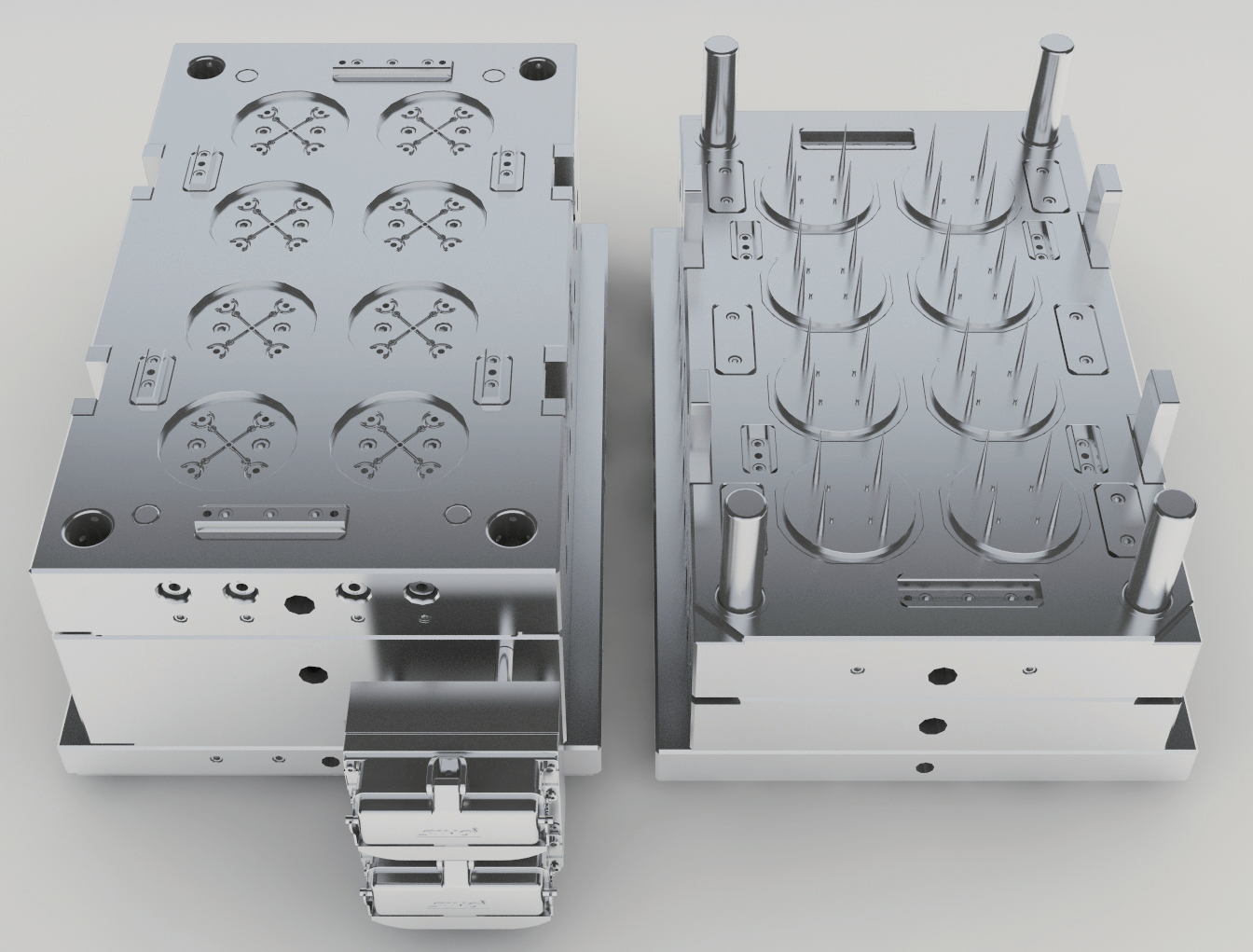
Prototype plastic molding represents a revolutionary manufacturing process that enables businesses to create initial product samples and test models before committing to full-scale production. This innovative technique serves as a bridge between conceptual design and mass manufacturing, allowing companies to validate their ideas, test functionality, and refine product features with minimal investment. The main function of prototype plastic molding is to produce accurate, functional replicas of intended final products using various plastic materials and molding methods. This process encompasses several technological approaches, including injection molding, vacuum casting, CNC machining, and 3D printing technologies, each selected based on specific project requirements, material properties, and desired outcomes. The technological features of prototype plastic molding include rapid turnaround times, typically ranging from a few days to several weeks, depending on complexity and chosen method. Modern prototype plastic molding utilizes computer-aided design software and advanced machinery to ensure precise dimensional accuracy and surface finish quality. The process accommodates a wide range of thermoplastic and thermosetting materials, including ABS, polycarbonate, nylon, polypropylene, and specialized engineering plastics. Applications span numerous industries, from automotive and aerospace to consumer electronics, medical devices, and household products. Manufacturers use prototype plastic molding to conduct market research, perform functional testing, validate assembly procedures, and present tangible models to stakeholders and potential investors. The versatility of prototype plastic molding makes it indispensable for startups developing new products, established companies launching product line extensions, and research institutions working on innovative solutions. By creating physical prototypes, designers can identify potential design flaws, assess ergonomics, evaluate aesthetics, and make informed decisions about material selection before investing in expensive production tooling and equipment.
The advantages of prototype plastic molding extend far beyond simple cost savings, offering comprehensive benefits that streamline product development and accelerate time-to-market. First and foremost, this approach dramatically reduces financial risk by allowing you to test and validate your product concept without investing tens of thousands of dollars in production tooling. Traditional manufacturing requires expensive molds and dies that become sunk costs if design changes are needed, whereas prototype plastic molding uses flexible, low-cost tooling that can be modified or replaced easily. You gain the ability to hold a physical model in your hands, examine it from every angle, and evaluate whether it meets your expectations for form, fit, and function. This tangible assessment proves far more valuable than computer renderings or technical drawings alone. The speed advantage cannot be overstated, as prototype plastic molding delivers finished parts in days or weeks rather than the months required for conventional tooling fabrication. This accelerated timeline means you can iterate through multiple design versions quickly, incorporating feedback from testing, focus groups, or potential customers without losing momentum in your development schedule. Prototype plastic molding also enables you to conduct thorough functional testing under real-world conditions, applying stress, measuring performance, and identifying weaknesses before they become expensive problems in mass production. You can produce small quantities for market testing, gathering customer reactions and sales data that inform final production decisions. The flexibility to choose from various manufacturing methods means you select the most appropriate technique for each prototype iteration, balancing cost, quality, and speed according to current project needs. Material versatility allows you to test different plastics, comparing their properties, appearance, and performance characteristics to identify the optimal choice for your application. Communication improves dramatically when you present physical prototypes to stakeholders, investors, or manufacturing partners, as everyone can see and touch the actual product rather than interpreting technical specifications. Design teams collaborate more effectively when working with physical models, spotting potential issues and generating improvement ideas through hands-on examination. Manufacturing partners can better understand your requirements and provide accurate quotes when they evaluate actual prototypes instead of conceptual drawings.

Practical Tips

What are the technical challenges in precision OEM tooling manufacturing?

22

Oct

What are the technical challenges in precision OEM tooling manufacturing?

Understanding the Complex World of Advanced Manufacturing Technologies The realm of precision OEM tooling represents one of manufacturing's most demanding sectors, where tolerances are measured in microns and quality standards are uncompromising. As ...
View More
Why Experienced Injection Manufacturers Improve Product Quality

27

Nov

Why Experienced Injection Manufacturers Improve Product Quality

The medical device industry demands precision and reliability at every stage of production, making the selection of experienced injection manufacturers a critical decision for companies developing healthcare products. Quality standards in medical man...
View More
What Should Companies Consider When Ordering Custom Mold and OEM Molding Services?

23

Dec

What Should Companies Consider When Ordering Custom Mold and OEM Molding Services?

Manufacturing companies across industries increasingly rely on custom mold solutions to create precise, high-quality components that meet their specific requirements. The decision to invest in custom mold fabrication represents a significant strategi...
View More

06

Jan

The healthcare industry continues to evolve at an unprecedented pace, driven by technological advancements and increasing patient care demands. Modern healthcare facilities require sophisticated medical equipment that not only meets current clinical ...
View More

Get a Free Quote

Our representative will contact you soon.
0/1000
Accelerated Product Development Cycles

Accelerated Product Development Cycles

Prototype plastic molding fundamentally transforms how quickly you can move from initial concept to market-ready product by compressing development timelines that traditionally stretched across many months into manageable weeks. This acceleration stems from the elimination of lengthy tooling fabrication processes that conventional manufacturing demands. When you choose prototype plastic molding, specialized techniques such as rapid tooling, silicone molding, or additive manufacturing create your parts without the extended lead times associated with hardened steel molds. The impact on your business strategy is profound, as faster development cycles mean you can respond to market opportunities before they disappear, beat competitors to market with innovative features, and capitalize on trending consumer demands while they remain relevant. Beyond simple speed, prototype plastic molding enables iterative refinement that would be prohibitively expensive and time-consuming with traditional methods. You can produce an initial prototype, conduct testing, gather feedback, implement design modifications, and create an improved version within weeks rather than returning to square one with costly tooling changes. This iterative approach leads to superior final products because you discover and resolve issues during development rather than after launch. Engineering teams can explore multiple design alternatives in parallel, creating several prototype variations simultaneously to compare performance, aesthetics, and manufacturing feasibility. This parallel development strategy uncovers optimal solutions that might never emerge from sequential, single-path development processes. Marketing departments benefit from early access to prototype samples for photography, promotional materials, and trade show displays, building market awareness and generating pre-orders before production begins. Investors and stakeholders gain confidence when they see rapid progress through successive prototype iterations, each demonstrating measurable improvements and problem resolution. The compressed timeline also reduces carrying costs for development projects, as shorter cycles mean less accumulated expense in salaries, facilities, and overhead before revenue generation begins. Companies maintain competitive advantages by keeping products secret longer, revealing innovations only when ready to launch rather than telegraphing intentions through extended development periods that competitors might exploit.
Cost-Effective Risk Mitigation and Validation

Cost-Effective Risk Mitigation and Validation

Prototype plastic molding serves as an essential risk management tool that protects your investment by validating design decisions, material selections, and manufacturing approaches before committing substantial resources to production infrastructure. The financial prudence of this approach becomes clear when you consider that production tooling for plastic injection molding typically costs between fifteen thousand and one hundred thousand dollars depending on part complexity and cavity count. If design flaws emerge after tooling fabrication, you face either accepting a compromised product or absorbing additional tooling costs to implement corrections. Prototype plastic molding eliminates this risk by enabling comprehensive validation at a fraction of production tooling costs. You can create functional prototypes for hundreds or thousands of dollars rather than tens of thousands, testing every aspect of your design before finalizing specifications. This validation extends beyond simple dimensional accuracy to include functional performance, assembly procedures, material behavior, and user experience factors that cannot be fully assessed through computer simulations alone. Mechanical testing reveals whether parts withstand expected loads, environmental exposure, and repeated use cycles without failure. Assembly validation confirms that components fit together properly, fasteners engage correctly, and manufacturing personnel can complete assembly operations efficiently within target time parameters. User experience testing with prototype plastic molding samples identifies ergonomic issues, usability problems, and aesthetic concerns that might not be apparent in digital renderings or technical drawings. Focus groups provide authentic feedback when interacting with physical prototypes, offering insights that guide refinement decisions and prevent costly market failures. Material validation ensures that selected plastics deliver required properties including strength, flexibility, chemical resistance, temperature tolerance, and appearance characteristics. You can compare multiple material options by producing prototypes in different plastics, conducting side-by-side evaluations that reveal performance differences under actual use conditions. Manufacturing feasibility assessment becomes possible when you create prototypes using methods that simulate production processes, identifying potential molding issues such as sink marks, warpage, flow lines, or ejection difficulties before investing in production tooling.
Material and Process Flexibility for Optimal Results

Material and Process Flexibility for Optimal Results

The inherent flexibility of prototype plastic molding empowers you to explore diverse materials, manufacturing techniques, and design variations without the constraints imposed by committed production infrastructure. This adaptability proves invaluable during development phases when optimal solutions remain uncertain and experimentation drives innovation. Unlike production scenarios where tooling investments lock you into specific approaches, prototype plastic molding accommodates changes in direction as new information emerges from testing and evaluation. You can begin with one manufacturing method and switch to another for subsequent iterations if initial results suggest advantages elsewhere. For example, early conceptual prototypes might use 3D printing for maximum design freedom, while later functional prototypes employ vacuum casting to achieve production-representative material properties and surface finishes. This progressive approach ensures each prototype iteration serves its intended purpose without unnecessary expense or capability limitations. Material flexibility extends across the full spectrum of thermoplastics and thermosets, including commodity resins, engineering polymers, and high-performance specialty compounds. You can test standard materials like ABS and polypropylene alongside advanced options such as PEEK, polycarbonate blends, or glass-filled nylons, determining which best balances performance requirements against cost considerations. Color, texture, and transparency options enable aesthetic evaluation with prototypes that accurately represent intended final appearance. You can assess how different finishes affect user perception, how colors appear under various lighting conditions, and whether transparent components provide desired visibility. The ability to incorporate inserts, overmolding, and multi-material assemblies in prototype plastic molding samples allows validation of complex product architectures that combine different plastics, metals, or other materials. Functional features such as living hinges, snap fits, threaded inserts, and molded-in graphics can be evaluated for performance and manufacturability. Surface finish experimentation reveals how different textures affect grip, visual appeal, and perceived quality. Process flexibility also extends to production volume options, as prototype plastic molding bridges the gap between single prototypes and full production runs through low-volume manufacturing capabilities that produce anywhere from ten to ten thousand parts using economical tooling approaches.