Precision Molding Solutions: Advanced Manufacturing for Superior Component Accuracy

Get a Quote
Get a Quote

precision molding

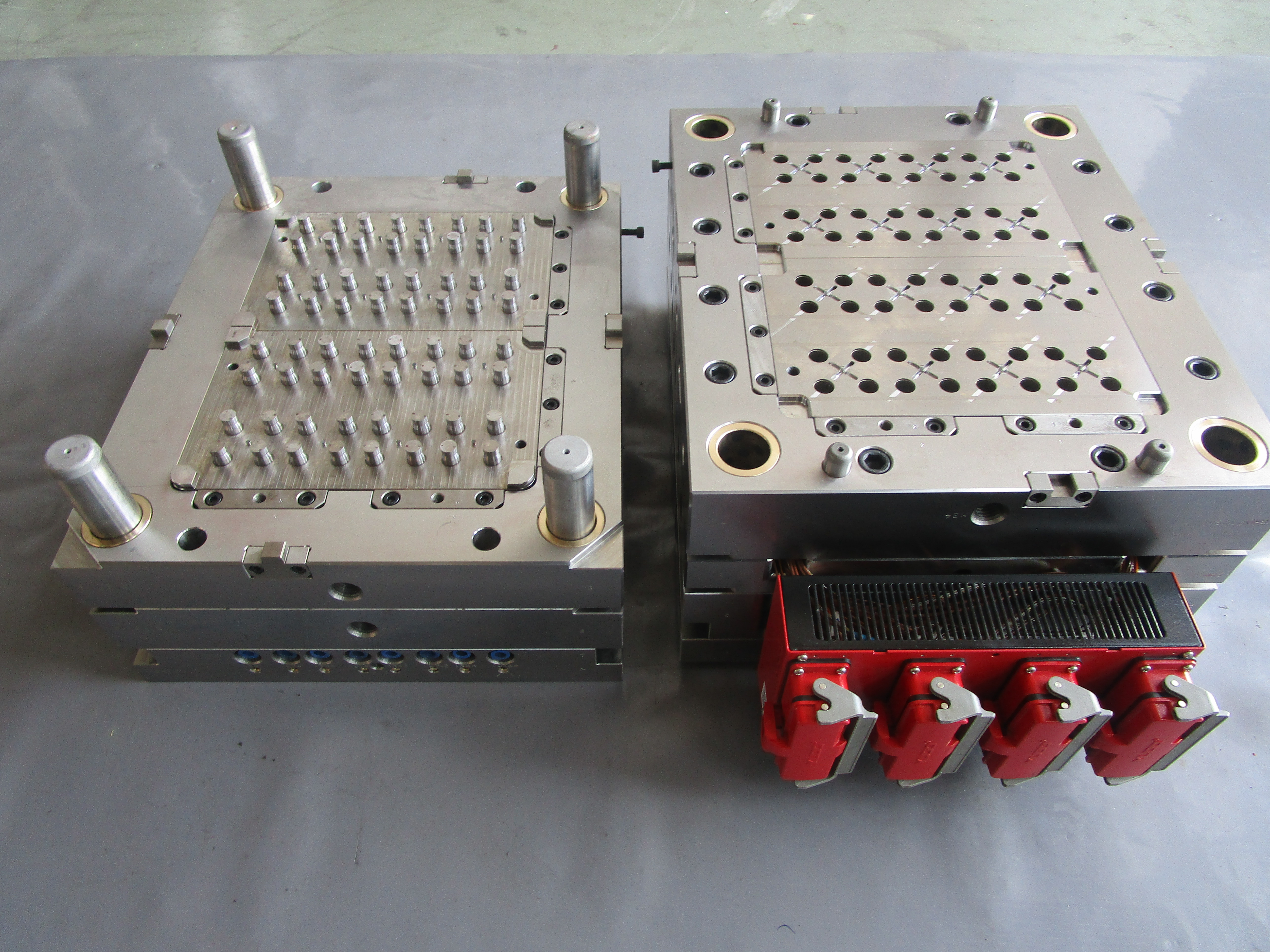
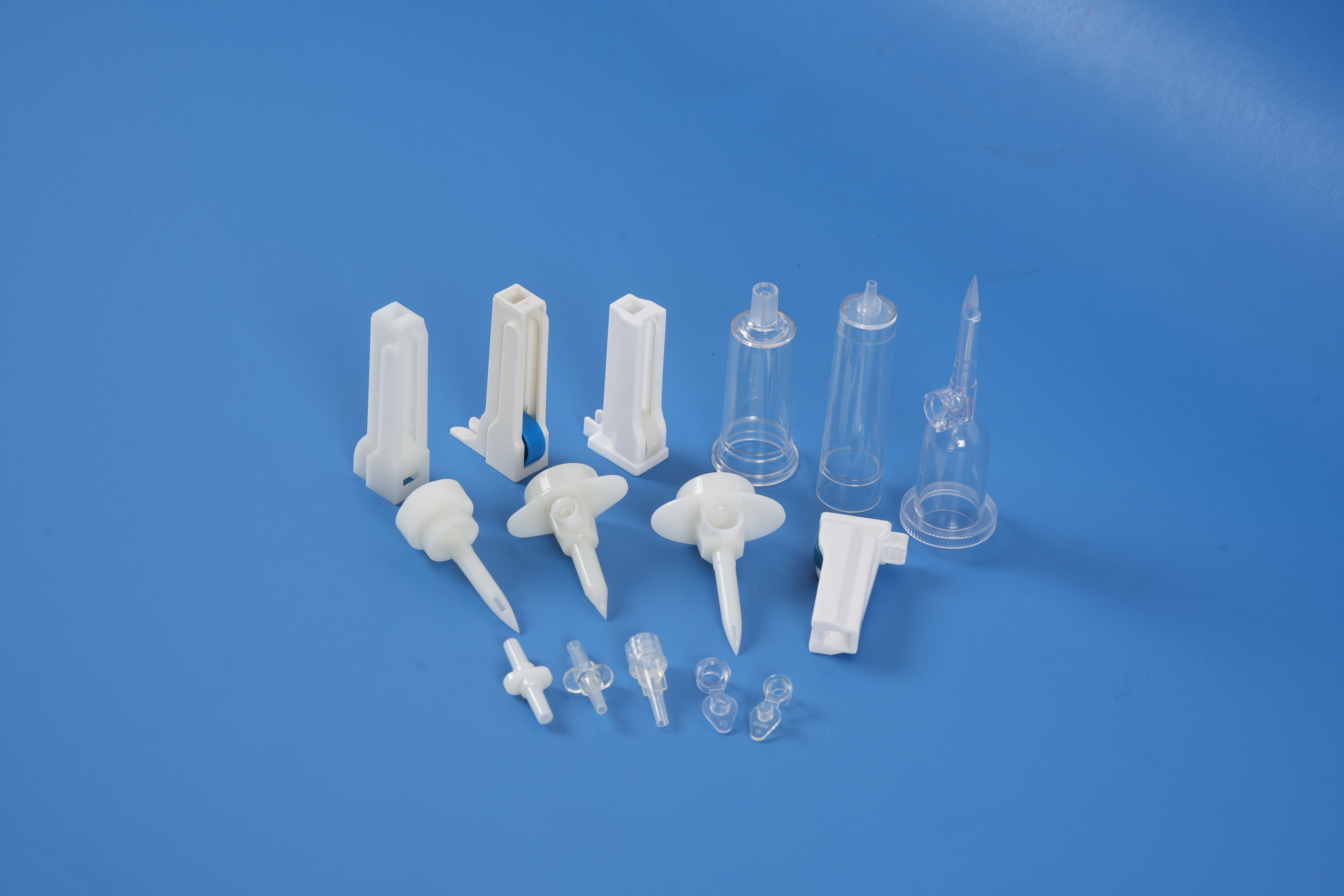
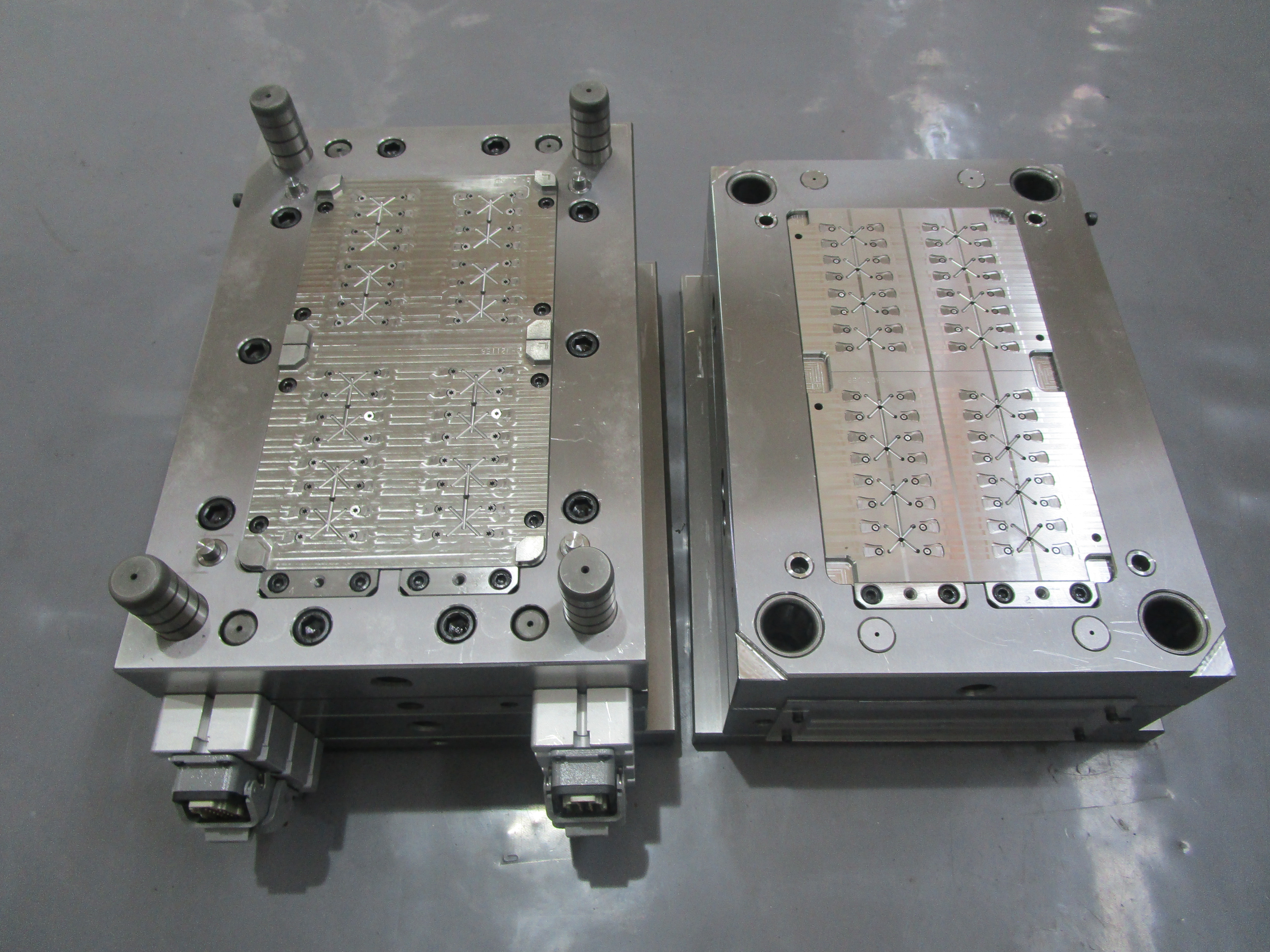
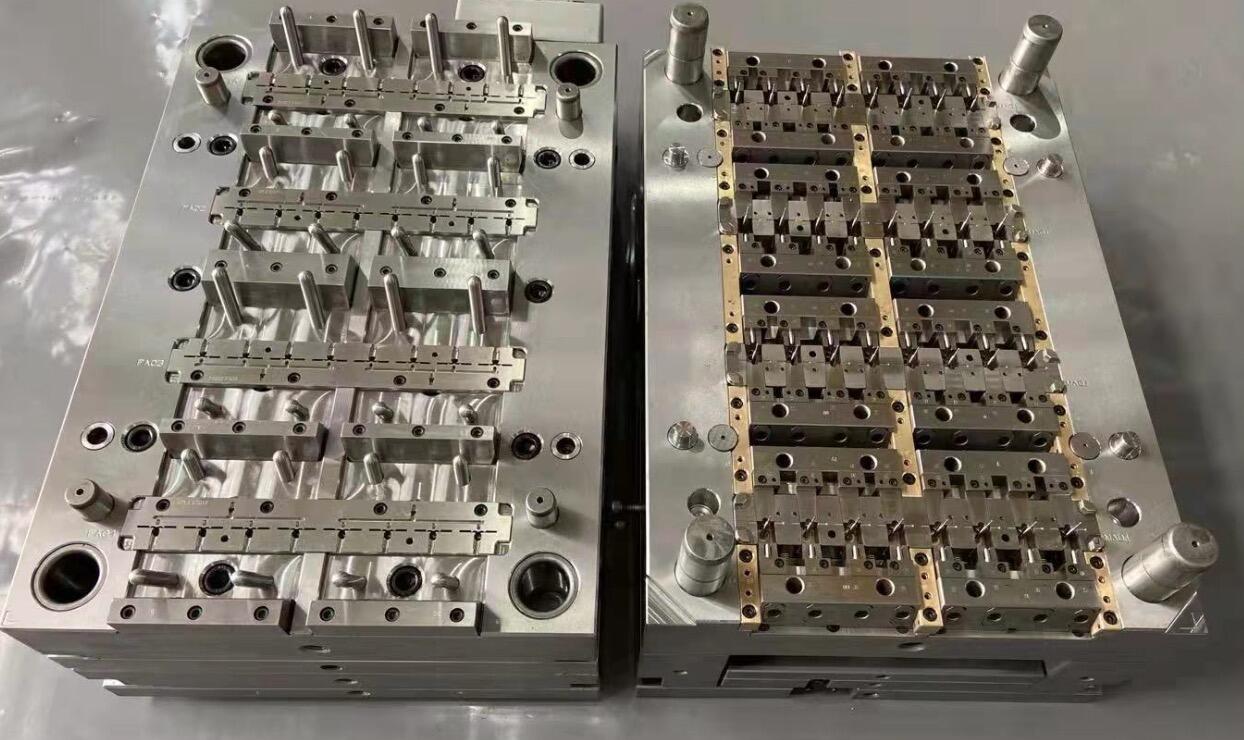
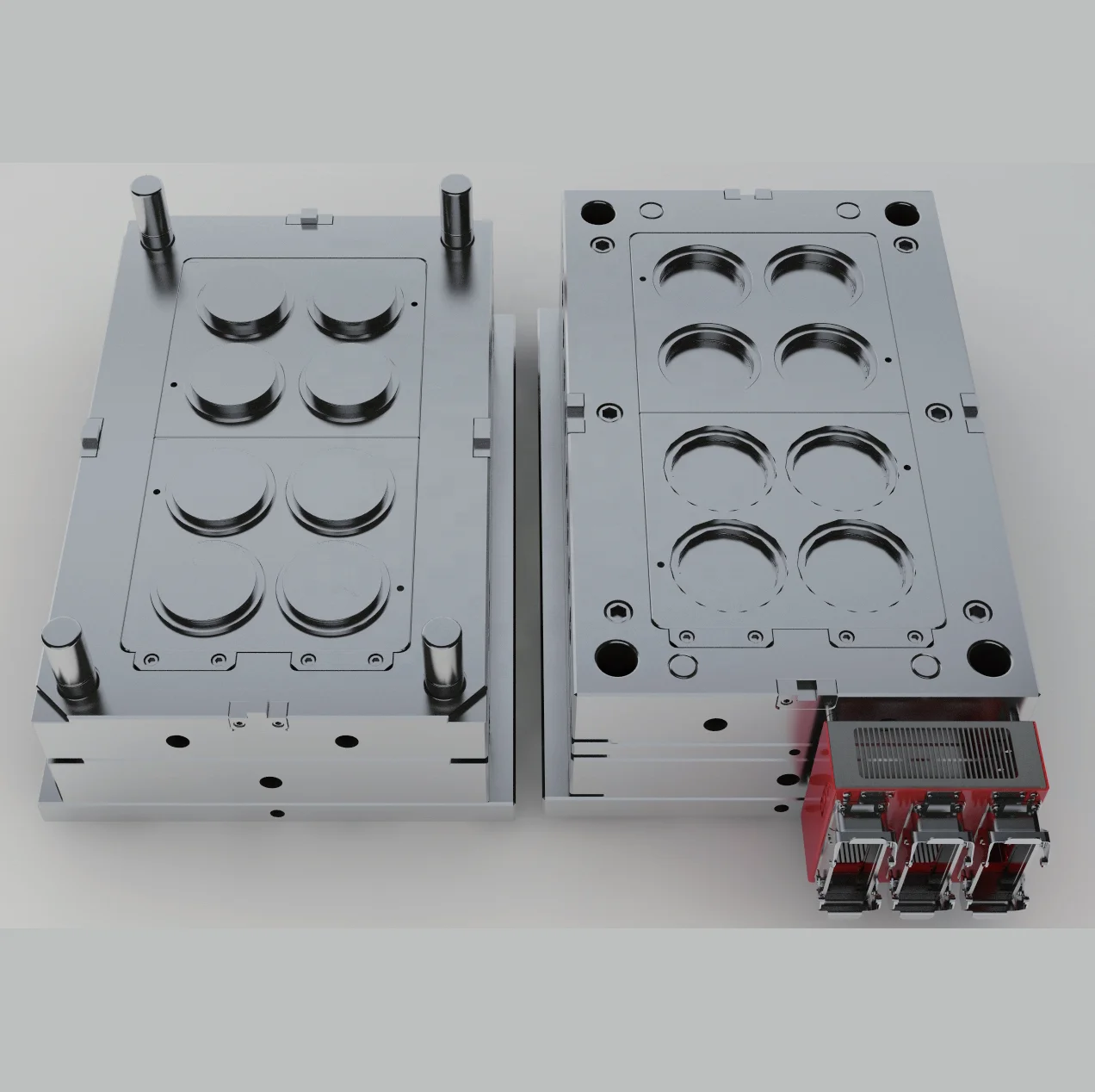
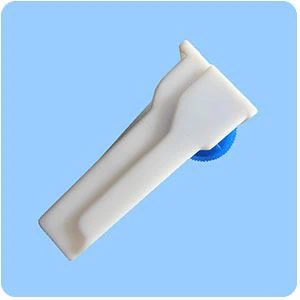
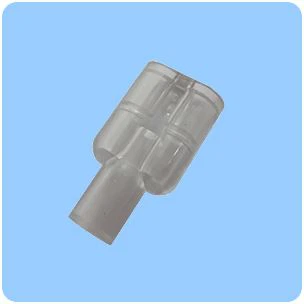
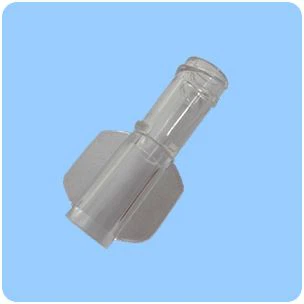
Precision molding represents a sophisticated manufacturing process that delivers exceptionally accurate and consistent plastic components through advanced injection molding technology. This manufacturing method utilizes state-of-the-art equipment and carefully controlled parameters to produce parts with extremely tight tolerances, often measured in microns. The main functions of precision molding include creating complex geometries, maintaining dimensional accuracy across high-volume production runs, and ensuring repeatable quality for critical applications. The technology combines computer-controlled injection systems, precision-machined molds, and real-time monitoring to achieve superior results. Precision molding serves industries where exactness matters most, including medical device manufacturing, aerospace components, automotive sensors, optical parts, and electronic connectors. The technological features that distinguish precision molding from conventional injection molding include enhanced machine rigidity, servo-driven controls for precise injection speeds and pressures, advanced temperature management systems, and clean-room compatible production environments. These features enable manufacturers to work with demanding materials such as engineering-grade thermoplastics, liquid silicone rubber, and specialty polymers that require exacting processing conditions. The applications for precision molding continue to expand as industries demand smaller, more complex, and more reliable components. Medical applications include surgical instruments, drug delivery devices, and diagnostic equipment housings that must meet stringent regulatory requirements. Electronics manufacturers rely on precision molding for micro-connectors, sensor housings, and components requiring insert molding with metal or ceramic elements. The automotive sector uses this technology for fuel system components, safety-critical sensors, and advanced driver assistance system parts. Optical applications benefit from precision molding's ability to create lens systems, light guides, and reflectors with surface finishes and dimensional accuracies that affect optical performance. The process achieves its remarkable precision through multiple factors: scientifically developed molding parameters, validated process controls, quality mold design with advanced cooling systems, and material selection optimized for dimensional stability and minimal shrinkage variation.
Precision molding offers manufacturers and end-users substantial practical benefits that directly impact product quality and business performance. First and foremost, this technology delivers consistent dimensional accuracy that eliminates the need for secondary machining operations in many applications. When your components maintain tolerances within a few microns across thousands or millions of parts, you reduce assembly problems, improve product reliability, and lower warranty costs. The consistency achieved through precision molding means that parts fit correctly the first time, reducing labor costs associated with sorting, reworking, or scrapping defective components. Another significant advantage comes from the ability to produce complex geometries in a single molding operation. Traditional manufacturing might require multiple processes to create intricate features, but precision molding can incorporate undercuts, fine details, textured surfaces, and integrated functions all in one shot. This consolidation reduces assembly time, eliminates fasteners that can fail, and creates stronger parts without weak joints. The economic benefits extend throughout your production cycle. While precision molding requires higher initial investment in tooling and equipment, the per-part cost decreases dramatically in medium to high volume production. You spend less on labor because the process runs with minimal operator intervention. Material waste drops significantly because the precise control systems optimize shot size and reduce scrap rates. Energy consumption per part often decreases compared to alternative manufacturing methods. Quality improvements translate directly to customer satisfaction and brand reputation. Products manufactured through precision molding exhibit superior surface finishes, consistent color and appearance, and reliable performance over their intended lifespan. For companies operating in regulated industries, precision molding provides the documentation, traceability, and process validation required to meet compliance standards. The technology supports statistical process control, real-time monitoring, and automated quality verification that satisfy auditors and regulatory bodies. Speed to market represents another compelling advantage. Once the mold design is finalized and validated, precision molding can rapidly scale from prototype quantities to full production volumes. The automated nature of the process means you can run lights-out manufacturing for extended periods, maximizing equipment utilization and shortening delivery lead times. Design flexibility allows engineers to optimize products specifically for the precision molding process, incorporating features that enhance functionality while maintaining manufacturability. You can add corporate branding, part numbers, or functional textures directly into the mold, eliminating secondary decoration processes. Material versatility means you can select from hundreds of polymers to achieve the exact property profile your application demands, whether that involves chemical resistance, high temperature performance, electrical insulation, or biocompatibility for medical use.

Practical Tips

What Makes Top Injection Moulding Product Manufacturers Stand Out?

27

Nov

What Makes Top Injection Moulding Product Manufacturers Stand Out?

The manufacturing landscape has witnessed remarkable transformations over the past decades, with injection moulding emerging as one of the most critical production processes across multiple industries. From automotive components to medical devices, c...
View More
What Applications Benefit Most from Custom Mold and OEM Molding Solutions?

23

Dec

What Applications Benefit Most from Custom Mold and OEM Molding Solutions?

Manufacturing industries across the globe rely heavily on precision components that meet exact specifications and performance standards. When standard off-the-shelf products cannot deliver the required functionality, companies turn to specialized man...
View More
How to choose a reliable partner for custom mold and OEM molding in medical device manufacturing?

06

Jan

How to choose a reliable partner for custom mold and OEM molding in medical device manufacturing?

Medical device manufacturing demands precision, compliance, and reliability at every stage of production. When selecting a partner for custom mold development and OEM molding services, healthcare companies must evaluate multiple critical factors that...
View More
How to select the right medical-grade tubing and catheters for complex surgical procedures?

06

Jan

How to select the right medical-grade tubing and catheters for complex surgical procedures?

Selecting the appropriate medical-grade tubing and catheters for complex surgical procedures represents one of the most critical decisions healthcare professionals make in their practice. The complexity of modern surgical interventions demands materi...
View More

Get a Free Quote

Our representative will contact you soon.
0/1000
Unmatched Dimensional Accuracy for Critical Applications

Unmatched Dimensional Accuracy for Critical Applications

The dimensional accuracy achieved through precision molding sets the standard for industries where measurements matter at microscopic scales. This capability stems from multiple technological advances working in concert to control every variable that affects part dimensions. Modern precision molding machines feature servo-electric drives that control injection speed, pressure, and position with resolution measured in thousandths of an inch. These drives eliminate the variability inherent in hydraulic systems, providing repeatable motion profiles shot after shot. The molds themselves are manufactured using five-axis CNC machining and electrical discharge machining to achieve cavity dimensions within one micron of specifications. Surface finishes on mold cavities reach optical quality levels, directly transferring to molded parts without secondary polishing. Temperature control systems maintain mold surfaces within half-degree variations, critical because thermal expansion affects final part dimensions. Precision molding utilizes scientific molding principles to develop processing parameters through designed experiments rather than trial-and-error approaches. Technicians document the relationship between process variables and part dimensions, creating a processing window that ensures consistency. Real-time cavity pressure sensors provide feedback during each cycle, detecting variations before they produce defective parts. For manufacturers producing components that must interface with other precision parts, this accuracy eliminates fit problems that plague conventional molding. Medical device manufacturers depend on precision molding to create components like syringe barrels where internal diameter variations of even ten microns affect dosing accuracy. Optical component producers rely on this technology to maintain focal lengths and surface geometries that determine optical performance. Electronics manufacturers need precision molding for connector pins that must align perfectly with mating components. The business value extends beyond the parts themselves. When you achieve first-pass dimensional accuracy, you eliminate expensive inspection processes, reduce inventory of oversized components awaiting rework, and avoid production delays caused by dimensional discrepancies. Customer returns decrease because assembled products function as designed. This level of precision molding enables innovation in miniaturization, allowing engineers to design smaller products with more functionality packed into reduced spaces, creating competitive advantages in consumer electronics, medical devices, and automotive systems.
Superior Material Performance and Consistency

Superior Material Performance and Consistency

Precision molding transforms raw polymer materials into finished components while optimizing their physical properties and ensuring consistency across production runs. The controlled processing environment directly influences how polymer molecules orient, crystallize, and solidify, affecting mechanical strength, dimensional stability, and long-term performance. Unlike conventional molding where processing variations create property inconsistencies, precision molding maintains materials within their optimal processing windows throughout each cycle. Temperature profiling ensures that polymer melts achieve complete homogenization without thermal degradation that weakens molecular chains. Injection profiles control shear rates to prevent molecular chain breakage while promoting beneficial orientation that increases tensile strength in critical directions. Packing pressure profiles optimize how material fills the cavity and compensates for shrinkage, minimizing internal stresses that cause warpage or premature failure. For engineering polymers like PEEK, PEI, or liquid crystalline polymers, precision molding unlocks their full performance potential. These materials demand exacting processing conditions that conventional equipment cannot reliably maintain. Precision molding systems provide the thermal stability, pressure control, and cycle repeatability these advanced materials require. The result is components that achieve published material property specifications rather than falling short due to processing compromises. Material consistency matters enormously for applications involving regulatory approval. Medical device manufacturers must demonstrate that devices perform identically whether produced today or years from now. Precision molding enables this consistency through validated processes and controlled material handling. Resins are dried to exact moisture specifications, stored in climate-controlled environments, and fed to machines through systems that prevent contamination. Each lot of material receives certification and traceability documentation. The technology also enables successful processing of filled and reinforced materials that challenge conventional molding. Glass-filled nylons, carbon-filled polymers, and mineral-filled compounds require precise control to prevent fiber breakage, ensure uniform distribution, and minimize abrasive wear on mold surfaces. Precision molding systems incorporate hardened components and optimized flow paths that handle these materials effectively. Multi-material molding becomes practical with precision molding technology. Overmolding operations that combine rigid substrates with soft-touch elastomers demand precise shot-to-shot placement and material compatibility. Two-shot molding that creates products with multiple colors or properties in a single cycle requires the accuracy that precision molding delivers. These capabilities enable product designers to create sophisticated solutions that would be impossible or economically unfeasible through assembly of separately molded components.
Reduced Production Costs Through Process Optimization

Reduced Production Costs Through Process Optimization

While precision molding requires greater upfront investment compared to conventional approaches, the technology delivers substantial cost reductions throughout the product lifecycle that generate impressive returns on investment. The cost advantages begin with reduced material waste through optimized shot sizes and minimal scrap generation. Scientific molding development determines the exact amount of material needed to fill cavities and maintain dimensional specifications without excess material in runners or requiring oversized shots. Advanced runner systems, including hot runner technology, eliminate the material waste associated with cold runners that must be reground and reprocessed. Material savings of ten to twenty percent are common when transitioning from conventional to precision molding, and for expensive engineering resins, these savings significantly impact piece-part costs. Cycle time optimization represents another major cost advantage. Precision molding enables engineers to shorten cycles safely because the controlled processing ensures adequate cooling without the safety margins conventional molders add to compensate for process variability. Conformal cooling channels created through mold manufacturing innovations remove heat more efficiently than conventional straight-line cooling, further reducing cycle times. When you reduce cycle time by even seconds on high-volume production, the cumulative impact on manufacturing capacity and cost per part becomes substantial. Labor costs decrease dramatically because precision molding runs with minimal operator intervention. Automated material handling, robotic part removal, and integrated quality verification eliminate the need for dedicated operators on each machine. Technicians can monitor multiple machines simultaneously, intervening only when the monitoring systems detect abnormalities. This labor efficiency becomes increasingly important as workforce costs rise and skilled operators become scarce. Quality-related costs drop substantially with precision molding implementation. Scrap rates often fall by fifty percent or more compared to conventional processes. Warranty returns decrease because products perform reliably throughout their intended lifespan. Customer satisfaction improves, protecting brand reputation and enabling premium pricing strategies. The documentation and traceability inherent in precision molding processes reduce the costs associated with quality investigations when issues do arise. Energy efficiency contributes additional savings. Servo-electric precision molding machines consume significantly less energy than hydraulic equipment, with reductions of thirty to fifty percent common. These machines draw power only during actual machine movements rather than continuously running hydraulic pumps. For manufacturers operating in regions with high energy costs or pursuing sustainability initiatives, this efficiency delivers both financial and environmental benefits. Tool life extends under precision molding conditions because the controlled processing reduces thermal cycling stress and maintains consistent clamp forces that prevent mold damage. Maintenance costs decrease because modern precision equipment uses fewer hydraulic components prone to leakage and wear. Predictive maintenance capabilities identify potential issues before they cause production interruptions.