IV Cannula 22G: Complete Guide to Features, Benefits and Clinical Applications

Get a Quote
Get a Quote

iv cannula 22g

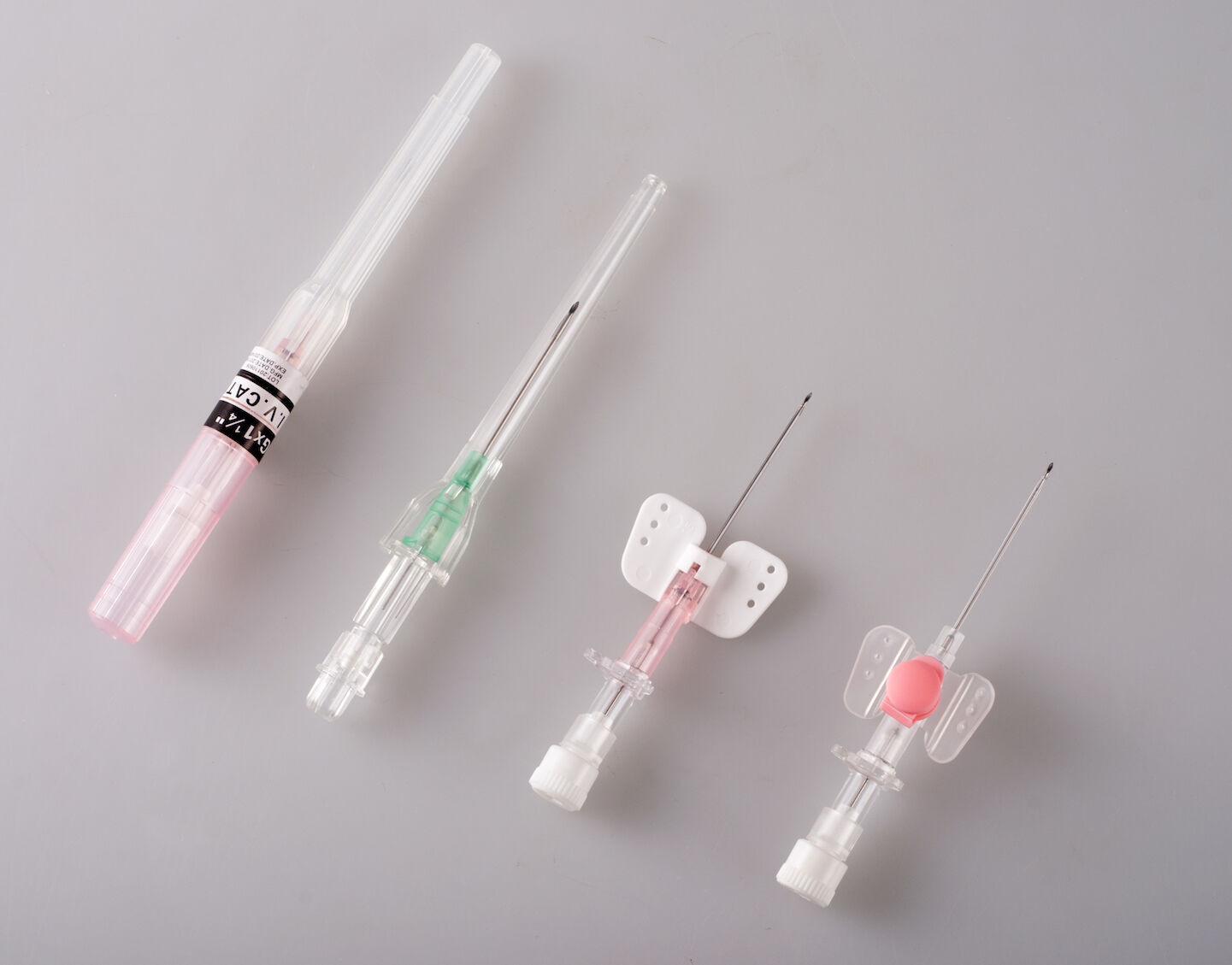
The iv cannula 22g represents a vital medical device used extensively in healthcare settings for establishing reliable venous access. This particular gauge size strikes an optimal balance between flow rate capabilities and patient comfort, making it suitable for a diverse range of clinical applications. The 22-gauge measurement refers to the outer diameter of the cannula, which translates to approximately 0.9 millimeters, positioning it as a medium-sized option within the spectrum of available intravenous catheter sizes. Healthcare professionals frequently select the iv cannula 22g for adult patients requiring intravenous therapy, medication administration, blood sampling, or fluid resuscitation. The device consists of several integrated components working harmoniously together: a sharp introducer needle that facilitates initial vessel penetration, a flexible catheter tube manufactured from biocompatible materials that remains in the vein, a transparent flashback chamber allowing visual confirmation of successful venipuncture, and a secure hub with injection port for connection to IV lines. Modern iv cannula 22g designs incorporate advanced technological features including ultra-sharp needle tips with specialized bevel geometry for smoother insertion, radiopaque catheters enabling X-ray visualization when necessary, and color-coded hubs following international standards for quick gauge identification. The construction materials prioritize both safety and performance, with medical-grade polymers ensuring flexibility while minimizing thrombogenic potential. Applications span across emergency departments, surgical theaters, intensive care units, general medical wards, outpatient infusion centers, and ambulatory care settings. The iv cannula 22g proves particularly valuable when administering medications, blood products, parenteral nutrition solutions, contrast media for diagnostic imaging, and maintenance fluids. Its versatility extends to pediatric use in older children and adolescents, though careful assessment of individual patient anatomy remains essential. The device's design accommodates various insertion techniques and anatomical sites, with common placement locations including the dorsal hand veins, forearm cephalic and basilic veins, and antecubital fossa vessels, providing clinicians with multiple options based on patient-specific factors and treatment requirements.

Choosing the iv cannula 22g delivers numerous practical benefits that directly impact patient care quality and clinical workflow efficiency. First and foremost, this gauge size provides an excellent compromise between adequate flow rates and minimal tissue trauma during insertion. Patients experience reduced discomfort compared to larger gauge needles while still receiving medications and fluids at therapeutically appropriate speeds. The smaller diameter causes less damage to vessel walls, which translates to decreased bruising, lower infection risk, and improved cosmetic outcomes at insertion sites. Medical staff appreciate how the iv cannula 22g offers sufficient versatility to handle most routine intravenous therapy needs without requiring multiple catheter sizes in stock. This consolidation simplifies inventory management and reduces storage requirements in clinical areas. The flow capacity supports most standard infusion rates for crystalloid solutions, colloids, and compatible medications, eliminating the need for larger gauge devices in many situations. Another significant advantage involves the extended dwell time potential when proper insertion technique and site care protocols are followed. The iv cannula 22g typically remains functional for several days, reducing the frequency of painful reinsertion procedures and preserving precious vein capital for patients requiring prolonged treatment courses. Healthcare facilities benefit from cost-effectiveness, as this single gauge size addresses a broad spectrum of clinical scenarios, optimizing purchasing decisions and budget allocation. The international color-coding system associated with the iv cannula 22g enhances safety by enabling rapid visual identification, reducing medication errors and improving response times during critical situations. Training new staff becomes more straightforward when focusing on mastering techniques with this commonly used size before progressing to specialized applications. Patients with challenging venous access often find success with the iv cannula 22g because its moderate size allows skilled practitioners to cannulate smaller or more fragile veins that would collapse under the trauma of larger devices. The device performs reliably across diverse patient populations, from young adults to elderly individuals, adapting to varying physiological conditions and anatomical considerations. Emergency situations benefit particularly from the iv cannula 22g because it balances the urgency of rapid access with the precision required for successful first-attempt cannulation. The clear flashback chamber provides immediate visual confirmation of correct placement, boosting clinician confidence and reducing procedural time. Furthermore, the iv cannula 22g accommodates connection to standard infusion sets, extension tubing, and injection ports without requiring special adapters or additional equipment. This universal compatibility streamlines workflows and prevents delays in treatment initiation. Patient mobility remains less restricted compared to larger cannulas because the flexible catheter material moves naturally with body positioning, reducing mechanical phlebitis risk and improving comfort during extended wear periods. These combined advantages position the iv cannula 22g as an intelligent default choice for establishing intravenous access in most adult patients.

Tips And Tricks

Top Advantages of Choosing Custom Injection Molding Services

22

Oct

Top Advantages of Choosing Custom Injection Molding Services

Revolutionizing Manufacturing Through Custom Injection Molding The manufacturing landscape has evolved dramatically in recent years, with custom injection molding services emerging as a cornerstone of modern production methods. This sophisticated man...
View More
What Should Companies Consider When Ordering Custom Mold and OEM Molding Services?

23

Dec

What Should Companies Consider When Ordering Custom Mold and OEM Molding Services?

Manufacturing companies across industries increasingly rely on custom mold solutions to create precise, high-quality components that meet their specific requirements. The decision to invest in custom mold fabrication represents a significant strategi...
View More
How to choose a reliable partner for custom mold and OEM molding in medical device manufacturing?

06

Jan

How to choose a reliable partner for custom mold and OEM molding in medical device manufacturing?

Medical device manufacturing demands precision, compliance, and reliability at every stage of production. When selecting a partner for custom mold development and OEM molding services, healthcare companies must evaluate multiple critical factors that...
View More
Why is precision medical plastic injection mold critical for life-saving medical components?

06

Jan

Why is precision medical plastic injection mold critical for life-saving medical components?

The manufacturing of life-saving medical devices demands unwavering precision, safety, and reliability at every stage of production. At the heart of this critical process lies the medical plastic injection mold, a sophisticated manufacturing tool tha...
View More

Get a Free Quote

Our representative will contact you soon.
0/1000
Optimal Flow Rate Performance for Diverse Clinical Needs

Optimal Flow Rate Performance for Diverse Clinical Needs

The iv cannula 22g distinguishes itself through carefully engineered flow rate characteristics that satisfy the majority of intravenous therapy requirements encountered in modern healthcare practice. Understanding flow dynamics proves essential when selecting appropriate venous access devices, and this particular gauge delivers approximately 36 milliliters per minute under standard gravitational pressure conditions, though actual rates vary based on factors including fluid viscosity, infusion height, and catheter length. This flow capacity supports routine maintenance fluid administration, intermittent medication delivery, continuous infusions of vasoactive drugs, and emergency crystalloid resuscitation in most clinical contexts. The physics governing fluid movement through the iv cannula 22g follows Poiseuille's law, where flow rate relates directly to the fourth power of the internal radius, making even small diameter differences significant. However, the 22-gauge size achieves a sweet spot where flow remains adequate without necessitating the vessel trauma associated with larger bore catheters. Medical professionals administering antibiotics, analgesics, antiemetics, and other common therapeutic agents find the iv cannula 22g handles these medications efficiently, with dilution and infusion rates falling comfortably within the device's capabilities. Blood product transfusion represents another application where the iv cannula 22g demonstrates competence, particularly for packed red blood cells administered over standard timeframes rather than rapid massive transfusion protocols. The catheter internal diameter accommodates cellular components without excessive hemolysis while maintaining reasonable transfusion duration. Diagnostic procedures requiring intravenous contrast media injection for computed tomography or magnetic resonance imaging often specify minimum flow rates, and the iv cannula 22g meets requirements for many standard protocols, though power injector compatibility requires verification with specific manufacturer guidelines. Chemotherapy administration benefits from this gauge because many protocols demand reliable venous access with flow characteristics supporting both pre-medications and cytotoxic agents without excessive pressure buildup that might compromise catheter integrity. Parenteral nutrition delivery, whether peripheral formulations or lower osmolarity solutions, proceeds smoothly through the iv cannula 22g when peripheral access remains appropriate for the prescribed therapy duration and solution composition. The balanced flow performance eliminates the common clinical dilemma of choosing between patient comfort and therapeutic effectiveness, as this gauge achieves both objectives simultaneously in the vast majority of cases, making it the pragmatic first-line choice for establishing intravenous access across multiple medical specialties and treatment settings.
Advanced Safety Features Protecting Both Patients and Healthcare Workers

Advanced Safety Features Protecting Both Patients and Healthcare Workers

Contemporary iv cannula 22g designs incorporate multiple safety innovations that address the dual priorities of patient wellbeing and occupational hazard prevention for medical personnel. Needlestick injuries represent a significant concern in healthcare environments, with potential transmission of bloodborne pathogens including hepatitis B, hepatitis C, and human immunodeficiency virus creating serious consequences from accidental exposures. Modern iv cannula 22g devices increasingly feature integrated safety mechanisms that automatically shield or retract the sharp introducer needle immediately upon withdrawal from the catheter hub, eliminating the exposed sharp and dramatically reducing injury risk during the critical moments following successful venipuncture. These passive safety systems activate without requiring additional steps from the clinician, ensuring protection even during high-stress emergency situations when attention focuses primarily on patient stabilization rather than device manipulation. The engineering behind safety iv cannula 22g products balances protective functionality with maintained ease of insertion, ensuring that safety enhancements do not compromise the tactile feedback and control necessary for successful cannulation. Transparent materials used in flashback chamber construction provide clear visualization of blood return, confirming intravascular placement before advancing the catheter and reducing the likelihood of infiltration or extravasation complications. Some advanced iv cannula 22g models incorporate additional features such as blood control technology that minimizes spillage during needle withdrawal and IV line connection, maintaining cleaner work environments and reducing biohazard exposure. The catheter material itself undergoes rigorous biocompatibility testing to ensure minimal inflammatory response and reduced thrombogenicity, protecting patients from catheter-related bloodstream infections and thrombophlebitis complications. Radiopaque striping along the catheter length enables radiographic visualization when needed, allowing clinicians to confirm positioning in anatomically complex situations or troubleshoot functional problems without catheter removal. Secure hub design with appropriate luer lock or luer slip connections prevents accidental disconnection that could result in blood loss, air embolism, or contamination events. The color-coding standardization for the iv cannula 22g, typically identified by blue coloring according to ISO standards, creates an additional safety layer by enabling rapid gauge verification before use, preventing errors where inappropriate sizes might be selected for specific clinical applications. Packaging innovations include tamper-evident seals and individual sterile wrapping that maintains device integrity until the moment of use, while clear labeling provides essential information including gauge size, catheter length, expiration date, and lot numbers for traceability in quality management systems. These comprehensive safety features embedded within the iv cannula 22g reflect the medical device industry's ongoing commitment to harm reduction and quality improvement, delivering measurable benefits through decreased occupational injuries, lower complication rates, and enhanced overall care quality.
Exceptional Versatility Across Patient Populations and Clinical Settings

Exceptional Versatility Across Patient Populations and Clinical Settings

The iv cannula 22g stands out for its remarkable adaptability to varied patient demographics, clinical scenarios, and healthcare environments, making it an indispensable tool across the care continuum. This gauge size serves adult patients spanning young adulthood through geriatric populations, accommodating the physiological differences encountered across this broad age spectrum with equal effectiveness. In emergency departments where rapid assessment and treatment initiation prove critical, the iv cannula 22g provides reliable first-line access for patients presenting with conditions ranging from dehydration and infection to trauma and acute medical emergencies. The device handles the unpredictability inherent in emergency medicine, where patient presentations vary widely and treatment plans evolve rapidly based on diagnostic findings and clinical response. Surgical applications benefit from the iv cannula 22g during perioperative periods, supporting anesthetic medication delivery, intraoperative fluid management, and postoperative recovery needs without requiring multiple catheter changes. Critical care environments utilize this gauge for patients requiring continuous monitoring and frequent medication adjustments, where the catheter must remain functional and dependable throughout extended intensive care stays. Medical-surgical units serving general hospitalized patients find the iv cannula 22g addresses routine medication schedules, maintenance hydration, and intermittent therapeutic interventions efficiently. Outpatient infusion centers administering treatments such as iron supplementation, biologic therapies, or hydration support rely on the iv cannula 22g for short-duration access that balances adequate flow with patient comfort during several-hour treatment sessions. Home healthcare scenarios occasionally employ this gauge size when teaching patients or caregivers to manage intravenous therapies in residential settings, though appropriate training and support remain essential. Oncology practices administering chemotherapy through peripheral access select the iv cannula 22g for regimens compatible with peripheral delivery, carefully assessing individual patient vein quality and treatment vesicant properties. Diagnostic imaging departments use this gauge for contrast-enhanced studies, with flow rates supporting many standard injection protocols while minimizing vessel trauma. Pediatric applications extend to older children and adolescents where body size and vein caliber approximate adult proportions, though careful individualized assessment determines appropriateness in each case. Geriatric patients with fragile, tortuous, or sclerotic veins often achieve better outcomes with the iv cannula 22g compared to larger devices because the reduced insertion trauma preserves delicate vessel integrity. Patients with chronic illnesses requiring repeated venous access over time preserve their venous capital more effectively when clinicians select appropriately sized catheters like the 22-gauge rather than defaulting to unnecessarily large options. Healthcare systems serving diverse geographic regions, from urban academic medical centers to rural community hospitals, stock the iv cannula 22g as a fundamental component of their medical supply inventory because its broad applicability ensures preparedness for the majority of intravenous access needs without excessive product proliferation.