IV Cannula 20G - High-Performance Intravenous Access Solution for Clinical Excellence

Get a Quote
Get a Quote

iv cannula 20g

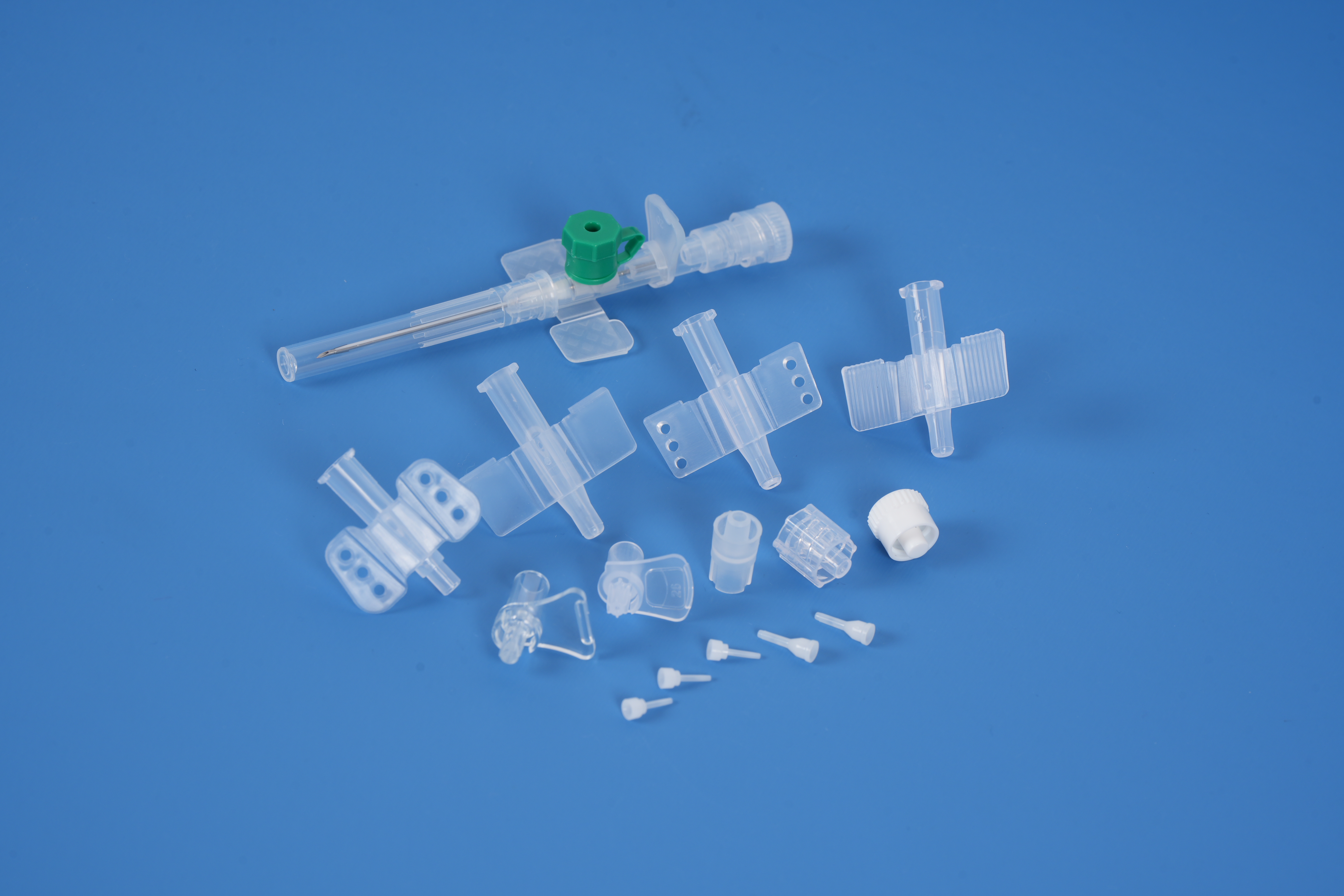
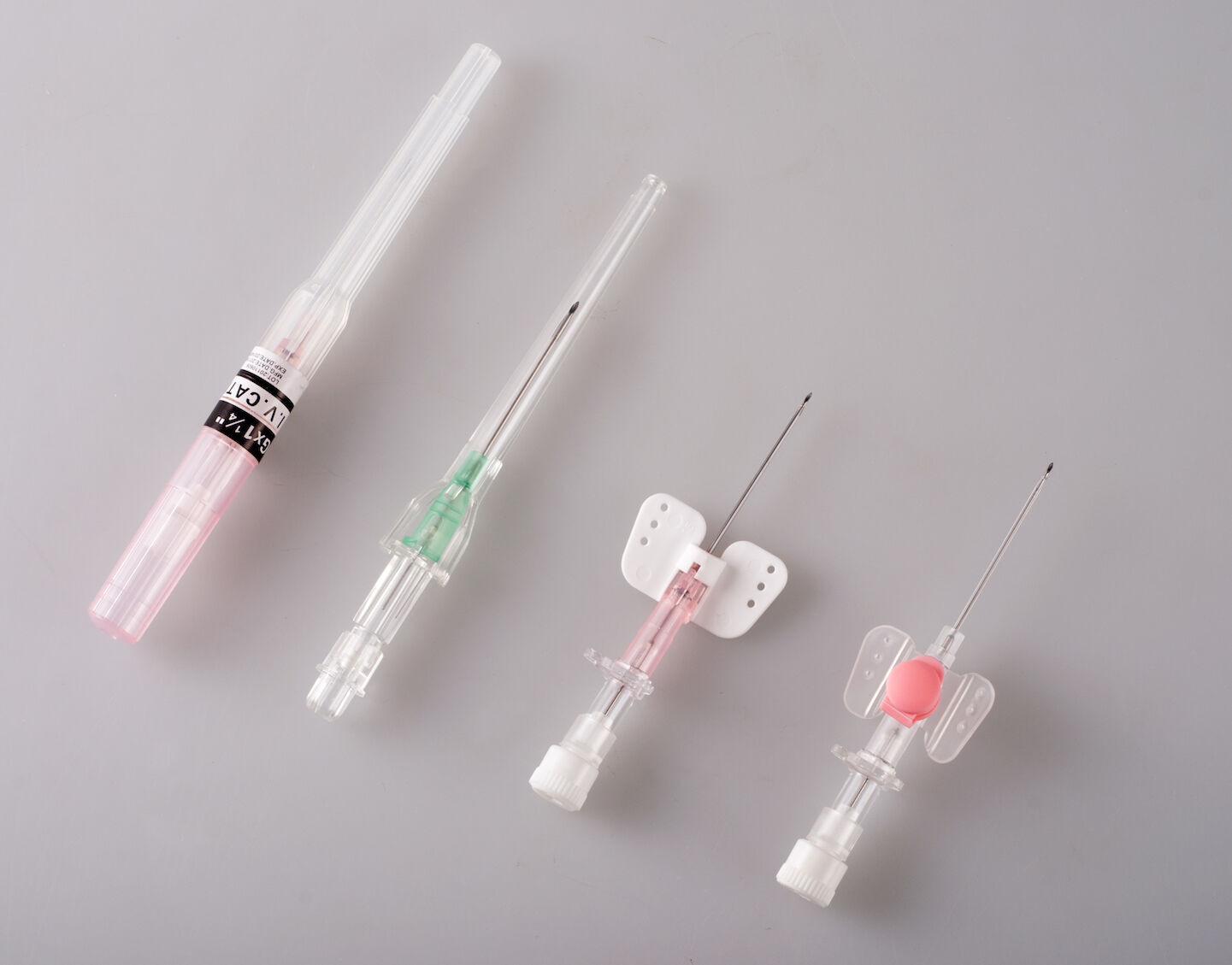
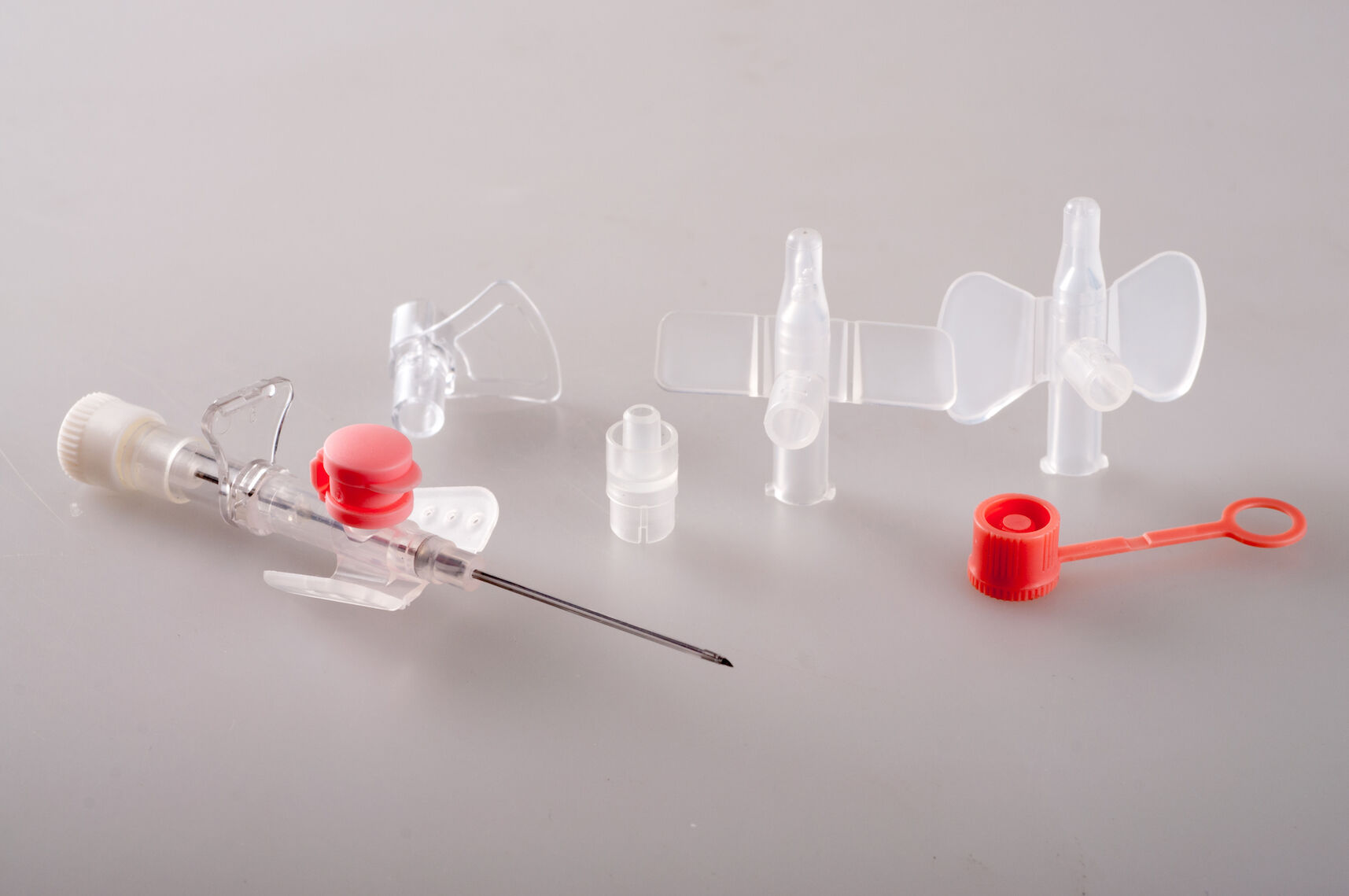
The iv cannula 20g represents a critical component in modern medical practice, serving as a reliable peripheral intravenous access device designed for efficient fluid administration and medication delivery. This particular gauge size strikes an optimal balance between flow rate capabilities and patient comfort, making it one of the most versatile options available in healthcare settings. The 20-gauge measurement indicates the internal diameter of the catheter, which is specifically engineered to accommodate moderate to high flow rates while maintaining ease of insertion. Medical professionals across various departments rely on the iv cannula 20g for its consistent performance in delivering intravenous therapies, blood transfusions, and emergency medications. The device typically consists of several integrated components including a sharp needle for initial venipuncture, a flexible catheter that remains in the vein after insertion, a transparent flashback chamber for immediate blood return visualization, and a secure hub connection for attachment to IV tubing systems. The technological design of the iv cannula 20g incorporates advanced materials that reduce friction during insertion, minimize tissue trauma, and provide exceptional biocompatibility for extended dwell times. This gauge size is particularly suitable for adult patients requiring routine IV therapy, surgical procedures, emergency care interventions, and diagnostic testing that demands reliable venous access. The applications of the iv cannula 20g extend throughout hospital departments including emergency rooms, surgical suites, intensive care units, general medical wards, and outpatient treatment facilities. Healthcare providers appreciate how this specific gauge offers sufficient lumen size for administering viscous medications and blood products while remaining small enough to access peripheral veins comfortably. The functional versatility of the iv cannula 20g makes it an essential inventory item in medical facilities worldwide, supporting diverse clinical protocols and patient care requirements with proven reliability and safety standards that meet international healthcare regulations.

Choosing the iv cannula 20g delivers multiple practical benefits that directly enhance patient care quality and clinical workflow efficiency. First and foremost, this gauge size provides an ideal flow rate capacity that accommodates most standard medical treatments without causing unnecessary discomfort during insertion. Patients experience less pain compared to larger gauge needles because the iv cannula 20g features a moderately sized bore that penetrates tissue smoothly while still delivering adequate fluid volumes for therapeutic purposes. The versatility of this device means healthcare facilities can standardize their inventory, reducing storage complexity and ensuring staff members become highly proficient with a single reliable tool that handles numerous clinical scenarios. Medical professionals save valuable time during emergency situations because the iv cannula 20g inserts easily into peripheral veins, establishes secure access quickly, and maintains patency throughout treatment duration without frequent replacement needs. The cost-effectiveness of selecting the iv cannula 20g becomes apparent when considering its broad application range, eliminating the need to stock multiple specialized devices for different procedures. Hospitals and clinics benefit from reduced waste and improved budget management while maintaining high standards of patient care. The design features incorporated into modern iv cannula 20g products include safety mechanisms that protect healthcare workers from needlestick injuries, addressing occupational hazards that pose serious health risks in medical environments. These protective features activate automatically after catheter placement, retracting or shielding the sharp needle component to prevent accidental exposure. Patients also gain confidence knowing their treatment involves equipment designed with multiple safety layers and quality controls. The transparent flashback chamber built into the iv cannula 20g allows immediate confirmation of successful vein entry, reducing the need for multiple insertion attempts that cause additional discomfort and tissue damage. This visual feedback system helps even less experienced practitioners achieve first-attempt success rates, improving overall patient satisfaction scores and reducing anxiety associated with IV placement procedures. The flexible catheter material used in quality iv cannula 20g products conforms naturally to vein pathways, decreasing the likelihood of mechanical phlebitis and extending the usable life of each access point. Healthcare teams can maintain the same IV site for longer periods, minimizing the frequency of reinsertion procedures and preserving vein integrity for future medical needs. The universal compatibility of the iv cannula 20g with standard IV administration sets, extension tubing, and infusion pumps means seamless integration into existing clinical protocols without requiring special adapters or modifications. This interoperability streamlines treatment delivery and reduces the risk of connection errors that could compromise patient safety or medication effectiveness.

Practical Tips

What Sets a Leading Injection Manufacturer Apart?

27

Nov

What Sets a Leading Injection Manufacturer Apart?

The manufacturing landscape for injection molding has evolved dramatically over the past decade, with companies facing increasing demands for precision, efficiency, and cost-effectiveness. As industries ranging from automotive to medical devices requ...
View More
How Do You Evaluate a Supplier for Custom Mold and OEM Molding Projects?

23

Dec

How Do You Evaluate a Supplier for Custom Mold and OEM Molding Projects?

Selecting the right supplier for your custom mold and OEM molding projects represents one of the most critical decisions in manufacturing. The success of your product development, production timelines, and overall profitability directly depends on pa...
View More

06

Jan

The healthcare industry continues to evolve at an unprecedented pace, driven by technological advancements and increasing patient care demands. Modern healthcare facilities require sophisticated medical equipment that not only meets current clinical ...
View More
How can custom OEM molding services optimize the cost of large-scale medical disposables?

06

Jan

How can custom OEM molding services optimize the cost of large-scale medical disposables?

In today's competitive healthcare landscape, medical device manufacturers face mounting pressure to reduce production costs while maintaining the highest quality standards. Custom OEM molding services have emerged as a strategic solution for companie...
View More

Get a Free Quote

Our representative will contact you soon.
0/1000
Optimal Flow Rate Performance for Diverse Clinical Applications

Optimal Flow Rate Performance for Diverse Clinical Applications

The iv cannula 20g stands out in medical settings due to its precisely calibrated internal diameter that delivers optimal flow rate performance across a wide spectrum of clinical applications. This particular gauge specification has been carefully engineered to provide healthcare professionals with a versatile tool capable of handling everything from routine saline infusions to more demanding therapeutic interventions requiring higher volume delivery. The flow dynamics of the iv cannula 20g allow for efficient administration of crystalloid solutions, colloid volume expanders, and blood products without creating excessive back pressure that could compromise vein integrity or cause patient discomfort. Medical teams working in emergency departments particularly value how quickly the iv cannula 20g can deliver resuscitation fluids during critical care scenarios where every second matters for patient outcomes. The gauge size facilitates rapid fluid boluses when clinical situations demand immediate volume restoration, yet remains gentle enough for controlled medication infusions that require precise dosing over extended periods. Surgical teams rely on the iv cannula 20g during perioperative care because it supports anesthesia medication delivery, maintenance fluid administration, and emergency drug access through a single, stable venous entry point. The internal bore dimensions have been optimized through extensive research and clinical testing to minimize turbulent flow patterns that could cause hemolysis in blood products or reduce the efficacy of sensitive medications. Oncology departments frequently select the iv cannula 20g for chemotherapy administration protocols where consistent flow rates ensure accurate dosing of potentially life-saving but highly toxic medications that require careful delivery parameters. The device performs reliably during imaging procedures requiring contrast media injection, providing sufficient flow capacity for power injectors while maintaining patient comfort throughout diagnostic examinations. Pediatric specialists working with older children and adolescents find the iv cannula 20g offers an excellent middle ground between smaller gauges that may restrict flow too severely and larger options that prove unnecessarily traumatic for young patients. The flow characteristics remain stable throughout the dwell time of the catheter, meaning healthcare providers can depend on consistent performance from initial insertion through treatment completion without experiencing gradual flow degradation that necessitates premature replacement. This reliability translates directly into improved patient experiences, reduced material costs, and enhanced clinical efficiency across multiple healthcare settings where the iv cannula 20g serves as a cornerstone of venous access strategy.
Advanced Safety Engineering for Healthcare Worker Protection

Advanced Safety Engineering for Healthcare Worker Protection

Modern iv cannula 20g products incorporate sophisticated safety engineering features that address one of the most significant occupational hazards facing healthcare workers today: needlestick injuries. These protective mechanisms represent a fundamental advancement in medical device design, transforming the iv cannula 20g from a simple access tool into a comprehensive safety system that guards both patients and clinical staff. The safety features built into contemporary iv cannula 20g devices activate through intuitive mechanisms that require minimal additional steps beyond standard insertion techniques, ensuring that protective measures do not slow down urgent care delivery or complicate emergency procedures. Healthcare facilities implementing safety-engineered iv cannula 20g products report dramatic reductions in needlestick injury rates among nursing staff, phlebotomists, and emergency medical personnel who perform countless venipuncture procedures throughout their careers. The financial implications of preventing these injuries extend far beyond the immediate cost of the safety devices themselves, encompassing avoided expenses related to post-exposure prophylaxis medications, laboratory testing, counseling services, workers compensation claims, and potential litigation associated with occupational disease transmission. The psychological benefits for healthcare workers cannot be overstated, as the constant anxiety about potential exposure to bloodborne pathogens creates significant stress that affects job satisfaction and retention rates in medical professions. Safety-enhanced iv cannula 20g designs typically employ either passive activation systems that engage automatically during normal use or active mechanisms requiring deliberate but simple actions to secure the needle after catheter placement. Passive safety systems offer the advantage of guaranteed protection even when healthcare providers experience interruptions or emergencies that might distract them from manually activating safety features. The engineering behind these protective mechanisms has evolved considerably, with current generation iv cannula 20g products featuring smooth activation that does not interfere with tactile feedback during insertion or create resistance that might dislodge properly placed catheters. Regulatory bodies worldwide have recognized the critical importance of safety-engineered devices, with many jurisdictions now mandating the use of protective features on invasive medical equipment including the iv cannula 20g used in routine clinical practice. Healthcare administrators evaluating different iv cannula 20g options should prioritize products with proven safety records and designs that align with their specific clinical workflows and staff training protocols. The protection offered by safety-engineered iv cannula 20g devices extends throughout the entire disposal process, maintaining needle containment during transportation to sharps containers and preventing exposure during waste management procedures. Investment in quality safety-featured iv cannula 20g products demonstrates institutional commitment to employee welfare while simultaneously reducing liability exposure and supporting compliance with occupational safety regulations that govern healthcare workplace environments.
Superior Material Biocompatibility for Extended Dwell Times

Superior Material Biocompatibility for Extended Dwell Times

The material science behind the iv cannula 20g plays a crucial role in determining device performance, patient comfort, and clinical outcomes throughout the entire duration of intravenous therapy. Modern iv cannula 20g products utilize advanced biocompatible polymers specifically selected for their ability to interface with human tissue without triggering adverse inflammatory responses or causing mechanical irritation to delicate vein structures. These carefully engineered materials allow the iv cannula 20g to remain in place for extended periods, reducing the frequency of reinsertion procedures that expose patients to additional discomfort and healthcare workers to repeated needlestick risks. The catheter component of quality iv cannula 20g devices demonstrates exceptional flexibility that allows the device to conform naturally to vein anatomy, accommodating normal patient movement without kinking, occluding, or creating pressure points against vessel walls. This flexibility directly translates to reduced rates of mechanical phlebitis, a common complication that often necessitates premature IV site changes and limits available venous access options for patients requiring prolonged therapy. The smooth surface finish achieved through precision manufacturing processes minimizes friction during insertion, allowing the iv cannula 20g to advance through tissue layers with minimal trauma while the sharp needle provides initial penetration. Once positioned within the vein, the biocompatible materials resist protein deposition and thrombus formation that could compromise catheter patency or create embolic risks for patients. Healthcare providers appreciate how the material properties of advanced iv cannula 20g products maintain structural integrity throughout the recommended dwell time without softening, degrading, or losing their functional characteristics even when exposed to various medications and infusion solutions. The chemical resistance of these materials ensures compatibility with a broad range of therapeutic agents including acidic solutions, alkaline medications, and lipid-based nutrients that might damage inferior catheter materials. Patients with sensitivities to certain plastics or latex benefit from hypoallergenic formulations used in premium iv cannula 20g products, expanding treatment options for individuals with complex medical histories or documented material allergies. The transparency of the catheter material serves important clinical functions beyond aesthetics, allowing visual inspection for blood return during insertion and ongoing monitoring for signs of infiltration or other complications throughout therapy duration. Radiopaque markers incorporated into some iv cannula 20g designs enable radiographic visualization when imaging studies are necessary, helping medical teams verify catheter position or diagnose complications without requiring device removal. The thermoplastic properties of modern catheter materials allow the iv cannula 20g to soften slightly at body temperature after insertion, further enhancing conformability to vein structures and reducing the rigid feel that characterized earlier generation devices. Environmental considerations have influenced material selection for contemporary iv cannula 20g products, with manufacturers increasingly adopting polymers that balance clinical performance requirements with reduced environmental impact through improved recyclability or decreased toxic byproducts during production and disposal processes.