IV Cannula Catheter: Advanced Vascular Access Solutions for Safe Medical Treatment

Get a Quote
Get a Quote

iv cannula catheter

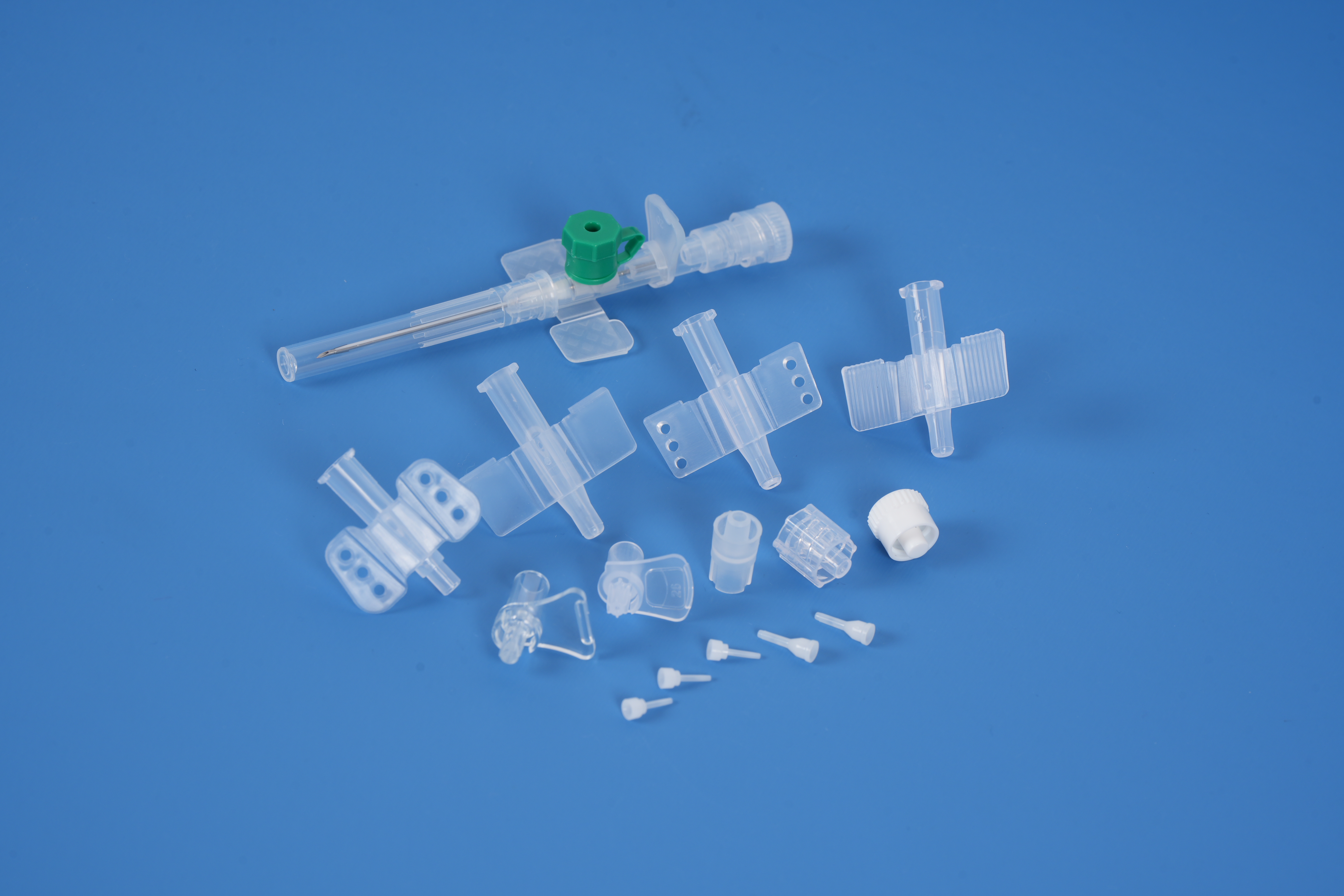
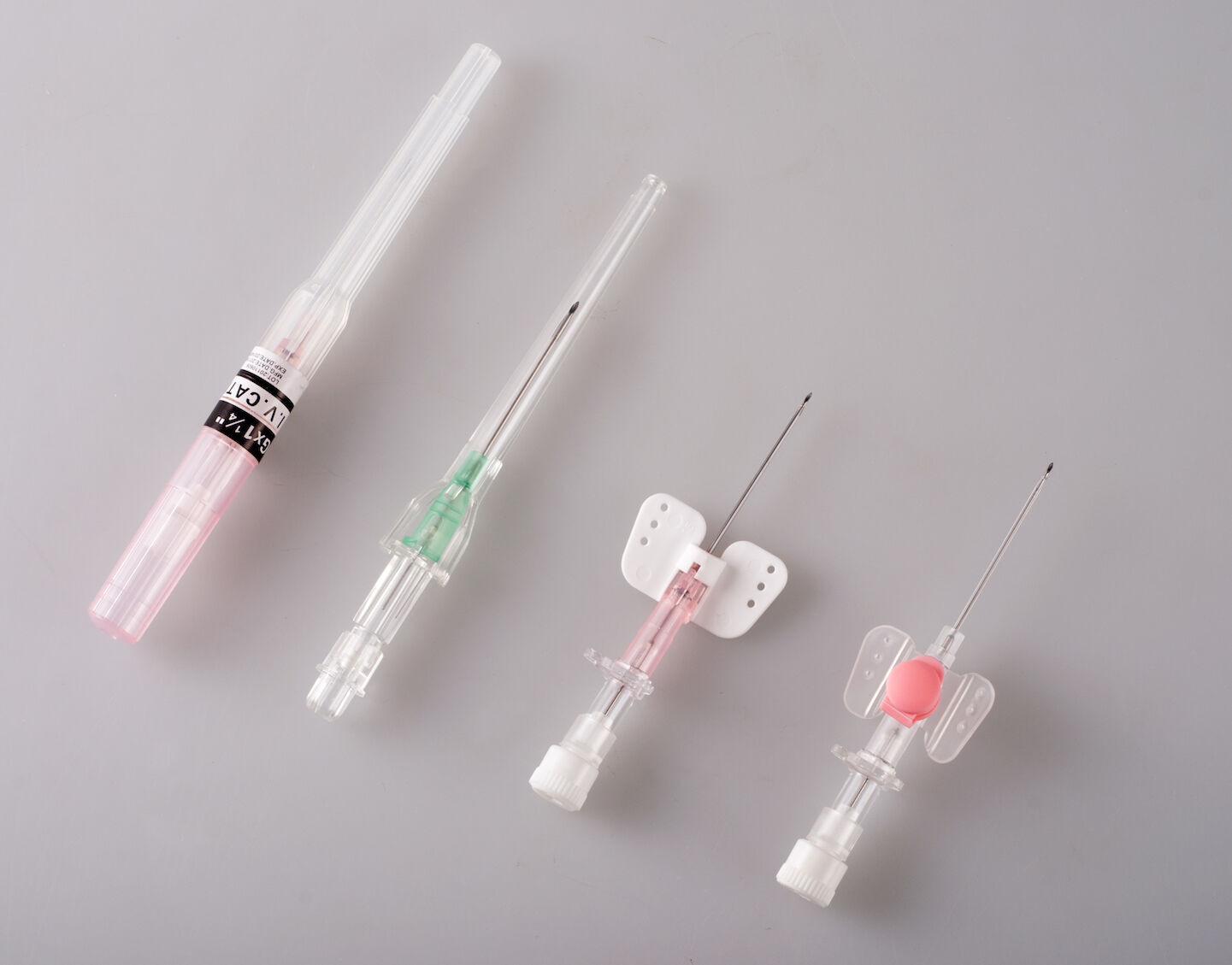
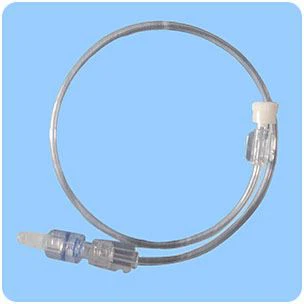
An iv cannula catheter represents a critical medical device used extensively in hospitals, clinics, and emergency care settings worldwide. This thin, flexible tube serves as a gateway for delivering fluids, medications, blood products, and nutrients directly into a patient's bloodstream through peripheral veins. The iv cannula catheter consists of several essential components working together seamlessly: a sharp introducer needle that pierces the skin and vein wall, a soft catheter tube that remains inside the vein after insertion, a hub that connects to intravenous tubing, and safety mechanisms designed to protect healthcare workers from needlestick injuries. Modern iv cannula catheter technology has evolved significantly, incorporating features such as flow rate optimization, biocompatible materials that reduce inflammation and thrombosis risk, and color-coded systems that help medical professionals quickly identify appropriate gauge sizes for different clinical situations. The main functions of an iv cannula catheter include establishing reliable vascular access for short-term intravenous therapy, enabling rapid medication administration during emergencies, facilitating continuous fluid replacement for dehydrated patients, and providing a convenient route for administering contrast media during diagnostic imaging procedures. Technological advancements have enhanced the iv cannula catheter design with features like radiopaque strips for X-ray visibility, hydrophobic blood control valves that minimize blood exposure during insertion, and ultra-thin wall construction that maximizes flow rates while minimizing insertion trauma. Applications span across numerous medical specialties including emergency medicine for trauma resuscitation, surgical departments for perioperative fluid management, oncology units for chemotherapy administration, pediatric care for medication delivery in children, and general medical wards for routine intravenous treatments. The versatility and reliability of the iv cannula catheter make it an indispensable tool in modern healthcare delivery systems.

Patients and healthcare providers benefit tremendously from using an iv cannula catheter in clinical settings. The device offers immediate vascular access within seconds, allowing medical teams to respond quickly during emergencies when every moment counts toward saving lives. Unlike repeated needle sticks that cause discomfort and anxiety, a properly placed iv cannula catheter provides stable access throughout the treatment period, sparing patients from multiple painful punctures. The soft, flexible catheter material moves naturally with blood vessel movements, reducing irritation and extending wear time comfortably for days when needed. Healthcare facilities appreciate how the iv cannula catheter streamlines workflow efficiency, as nurses can administer multiple medications through a single access point rather than searching for new veins repeatedly. The transparent hub design lets clinicians quickly verify proper blood return, confirming correct placement without guesswork or unnecessary adjustments. Safety features integrated into modern iv cannula catheter designs protect medical staff from accidental needlestick injuries, significantly reducing occupational exposure risks to bloodborne pathogens. The color-coded gauge system eliminates confusion during high-pressure situations, enabling rapid selection of appropriate sizes based on patient needs and treatment requirements. Smaller gauge options work perfectly for pediatric patients and elderly individuals with fragile veins, while larger gauges accommodate rapid fluid resuscitation in trauma scenarios. The iv cannula catheter maintains consistent flow rates that ensure accurate medication dosing and precise fluid balance management, critical factors in achieving optimal patient outcomes. Cost-effectiveness represents another major advantage, as this single device replaces the need for repeated supplies and reduces overall material waste in healthcare facilities. Patients experience greater mobility and comfort because the iv cannula catheter allows movement around hospital rooms and hallways without constant reconnection hassles. The secure fixation methods keep the catheter stable during patient transfers between departments, preventing accidental dislodgement that would necessitate reinsertion. Compatibility with standard intravenous equipment means hospitals can integrate the iv cannula catheter seamlessly into existing protocols without expensive system overhauls or staff retraining. The reduced insertion trauma associated with advanced needle technologies minimizes bruising and tissue damage, promoting faster healing and improved patient satisfaction scores. Emergency departments particularly value how quickly staff can establish multiple iv cannula catheter access points during mass casualty events, maximizing treatment capacity when resources stretch thin.

Latest News

What are the technical challenges in precision OEM tooling manufacturing?

22

Oct

What are the technical challenges in precision OEM tooling manufacturing?

Understanding the Complex World of Advanced Manufacturing Technologies The realm of precision OEM tooling represents one of manufacturing's most demanding sectors, where tolerances are measured in microns and quality standards are uncompromising. As ...
View More
Tips for Finding the Best Injection Manufacturer for Your Needs

27

Nov

Tips for Finding the Best Injection Manufacturer for Your Needs

Selecting the right injection manufacturer is a critical decision that can significantly impact your product quality, production timelines, and overall business success. Whether you're developing medical devices, automotive components, or consumer pr...
View More
How Can Custom Mold and OEM Molding Improve Product Manufacturing Efficiency?

23

Dec

How Can Custom Mold and OEM Molding Improve Product Manufacturing Efficiency?

Manufacturing efficiency has become the cornerstone of competitive advantage in today's industrial landscape. Companies across various sectors are discovering that traditional manufacturing approaches often fall short of meeting modern demands for pr...
View More
How can custom OEM molding services optimize the cost of large-scale medical disposables?

06

Jan

How can custom OEM molding services optimize the cost of large-scale medical disposables?

In today's competitive healthcare landscape, medical device manufacturers face mounting pressure to reduce production costs while maintaining the highest quality standards. Custom OEM molding services have emerged as a strategic solution for companie...
View More

Get a Free Quote

Our representative will contact you soon.
0/1000
Advanced Safety Engineering Protects Healthcare Workers

Advanced Safety Engineering Protects Healthcare Workers

The contemporary iv cannula catheter incorporates sophisticated safety mechanisms that fundamentally transform how healthcare professionals interact with intravenous access procedures. These engineering innovations address one of the most serious occupational hazards in medical environments: accidental needlestick injuries that potentially expose workers to dangerous bloodborne pathogens including hepatitis and HIV. Traditional cannula designs left sharp introducer needles exposed after insertion, creating significant injury risks during disposal and handling. Modern safety-engineered iv cannula catheter models feature automatic needle retraction systems that activate immediately upon withdrawal from the catheter, enclosing the contaminated sharp completely within a protective housing. This passive safety design requires no additional steps from busy clinicians, ensuring consistent protection even during hectic emergency situations when attention divides across multiple urgent tasks. Some advanced iv cannula catheter variations include push-button activation mechanisms that give users precise control over needle retraction timing, accommodating different insertion techniques and clinical preferences. The audible click confirmation provides tactile and acoustic feedback, assuring users that safety activation completed successfully. These protective features dramatically reduce needlestick injury rates in healthcare facilities, generating substantial cost savings by preventing post-exposure testing, prophylactic treatments, and associated psychological stress for affected workers. Beyond individual safety, organizations benefit from reduced workers compensation claims, decreased staff absenteeism, and improved employee morale knowing their workplace prioritizes protection. The enclosed needle design also simplifies disposal procedures, as the iv cannula catheter can go directly into sharps containers without additional manipulation that might cause accidental sticks. Regulatory bodies and accreditation organizations increasingly mandate safety-engineered devices, making advanced iv cannula catheter adoption essential for compliance with occupational safety standards. Hospitals that transition to safety iv cannula catheter technology demonstrate commitment to staff welfare, enhancing recruitment and retention in competitive healthcare labor markets. The modest incremental cost of safety features proves negligible compared to the financial and human costs of preventable needlestick injuries, making safety-engineered iv cannula catheter options a sound investment for any healthcare organization prioritizing worker protection and patient care excellence.
Biocompatible Materials Enhance Patient Comfort and Outcomes

Biocompatible Materials Enhance Patient Comfort and Outcomes

Material science innovations have revolutionized iv cannula catheter construction, moving beyond basic functionality to prioritize patient comfort and clinical outcomes through carefully selected biocompatible components. The catheter tubes themselves utilize medical-grade polymers such as fluorinated ethylene propylene, polyurethane, and specialized thermoplastic materials that exhibit exceptional compatibility with human tissues. These materials resist protein adhesion and thrombus formation, two primary complications that historically limited iv cannula catheter dwell times and necessitated premature removal. The smooth internal surfaces of advanced catheter materials maintain consistent flow characteristics throughout treatment duration, preventing the flow rate degradation that occurs with rougher materials as fibrin deposits accumulate. Softness represents a critical material property, as the iv cannula catheter must flex naturally with blood vessel movements during patient activity without causing endothelial irritation or vessel wall damage. Temperature-responsive polymers soften further upon reaching body temperature, creating an even gentler interface between the catheter and delicate vein structures. This thermal adaptation reduces mechanical phlebitis rates significantly compared to rigid materials that maintain stiffness regardless of environmental conditions. The external catheter surface treatments incorporate hydrophilic coatings that facilitate smooth insertion through skin and vessel walls, minimizing insertion force requirements and associated tissue trauma. Reduced insertion trauma translates directly to less bruising, decreased patient discomfort, and lower infection risks from compromised tissue barriers. Transparent or translucent catheter materials allow visual inspection of blood flashback during insertion and ongoing monitoring for complications like infiltration or phlebitis without removing dressings. The iv cannula catheter hub components utilize impact-resistant polymers that withstand the mechanical stresses of connection and disconnection cycles throughout treatment periods. Color stability in hub materials ensures the gauge identification system remains clearly visible despite exposure to cleaning agents and repeated handling. Latex-free formulations address allergy concerns, making the iv cannula catheter safe for sensitive patient populations who might experience reactions to traditional rubber components. Radiopaque materials or contrast strips integrated into catheter walls enable X-ray visualization, helping clinicians verify tip placement and troubleshoot flow problems without invasive exploratory procedures. These material advancements collectively extend safe iv cannula catheter dwell times, reduce complication rates, and improve overall patient experiences during intravenous therapy.
Precision Flow Engineering Optimizes Treatment Delivery

Precision Flow Engineering Optimizes Treatment Delivery

The fluid dynamics engineering behind modern iv cannula catheter designs represents a sophisticated balance between multiple competing performance requirements that directly impact treatment effectiveness and patient safety. Flow rate optimization begins with ultra-thin wall construction techniques that maximize internal lumen diameter while maintaining structural integrity and kink resistance essential for reliable catheter performance. Larger internal diameters enable higher flow rates critical during rapid fluid resuscitation scenarios in emergency departments and operating rooms where minutes determine survival outcomes. The iv cannula catheter gauge sizing system provides precise options ranging from large-bore 14-gauge catheters capable of delivering fluids at rates exceeding 300 milliliters per minute down to delicate 24-gauge versions suitable for neonatal patients requiring gentle infusion rates. This range ensures clinicians can match catheter selection precisely to clinical needs, avoiding unnecessarily large devices that cause excessive trauma or inadequately sized options that limit treatment capabilities. Internal lumen geometry receives careful engineering attention, with smooth transitions and optimized taper angles that minimize turbulence and pressure drops as fluids traverse from hub connections through the catheter length. Computational fluid dynamics modeling informs iv cannula catheter design iterations, predicting performance characteristics before physical prototyping and enabling rapid optimization of flow parameters. The hub connector design incorporates standard luer-lock or luer-slip fittings that ensure universal compatibility with intravenous administration sets, extension tubing, and injection ports used throughout healthcare facilities. Some advanced iv cannula catheter models integrate needleless access valves directly into hub assemblies, providing closed-system benefits that reduce infection risks while maintaining easy medication administration capabilities. Vent plugs and blood control technologies built into catheter hubs minimize blood exposure during insertion procedures, protecting healthcare workers while maintaining the sterile pathway essential for preventing catheter-related bloodstream infections. The catheter tip geometry receives specialized attention, with beveled or tapered configurations that facilitate smooth vessel entry and optimal positioning within the vein lumen. Proper tip design reduces vessel wall contact that could trigger thrombosis or phlebitis while ensuring adequate blood flow around the catheter to prevent occlusion. Flow testing protocols verify that each iv cannula catheter batch meets stringent performance specifications before distribution, ensuring consistent clinical performance that healthcare providers can rely upon in critical situations where treatment delivery cannot fail.